How to Soften Butter Quickly for Baking
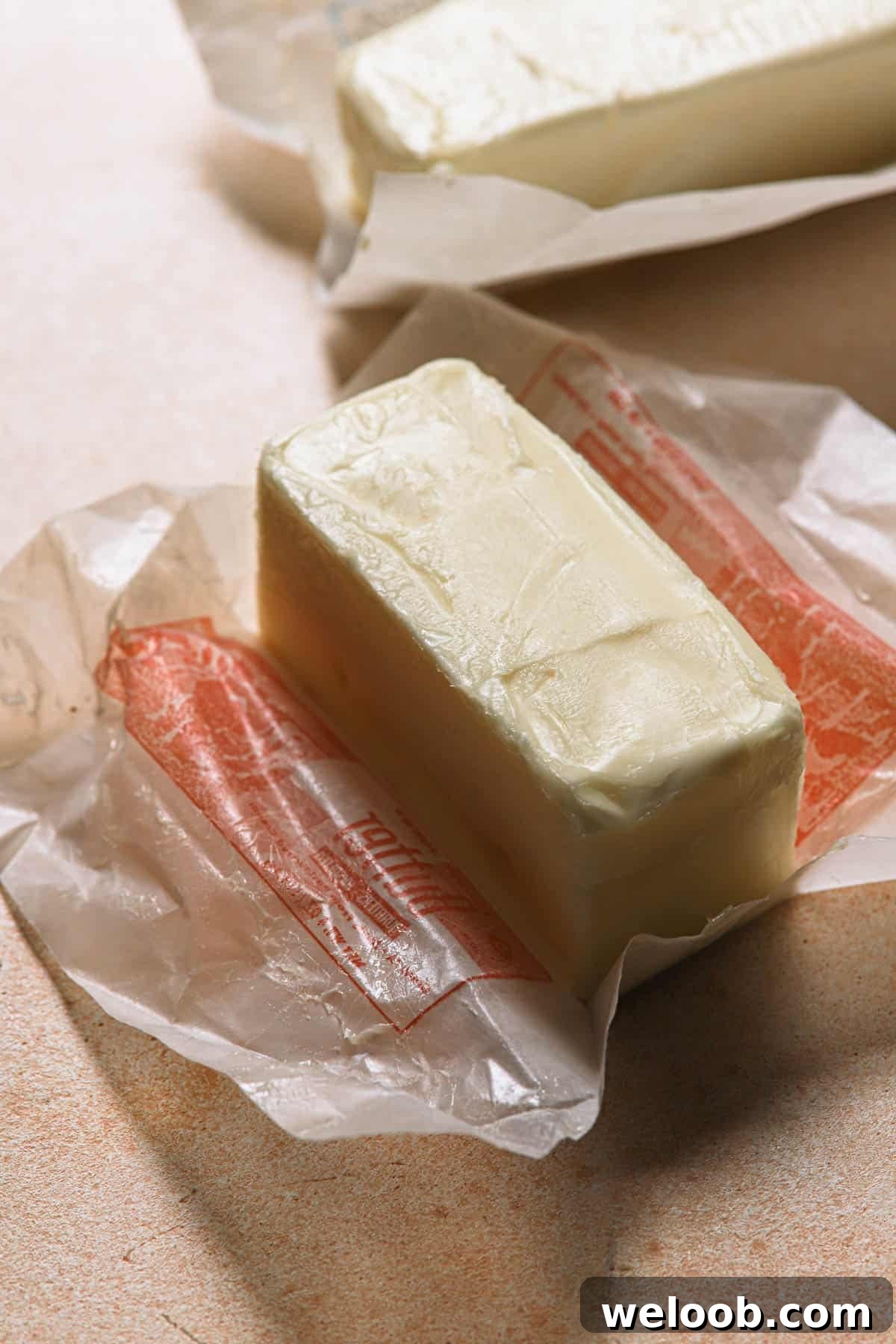
Soft butter is a baking staple—from creaming with sugar for cakes to spreading on toast. If you forgot to set the butter out in advance, here are reliable, fast ways to soften butter without melting it.
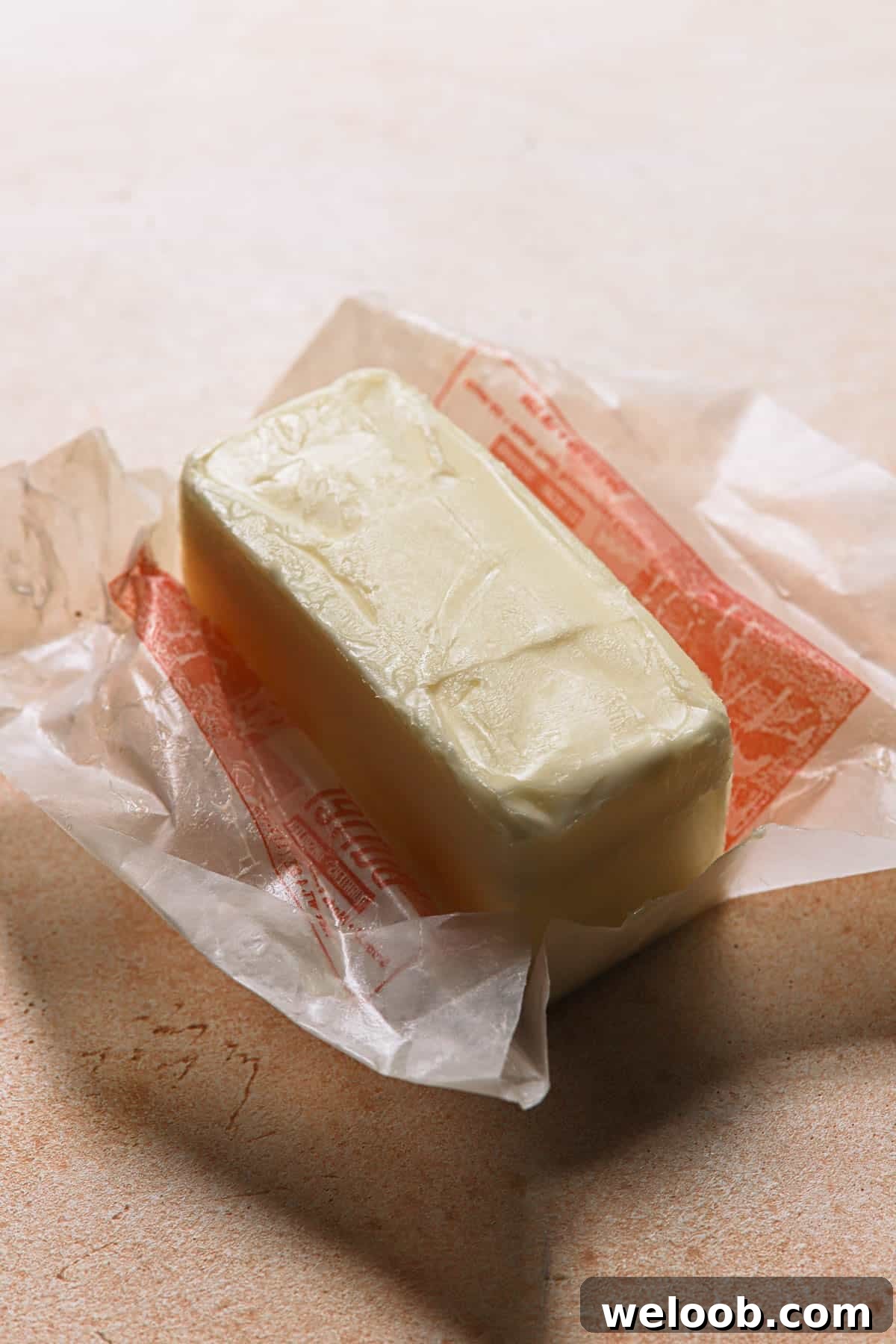
What Is Soft Butter
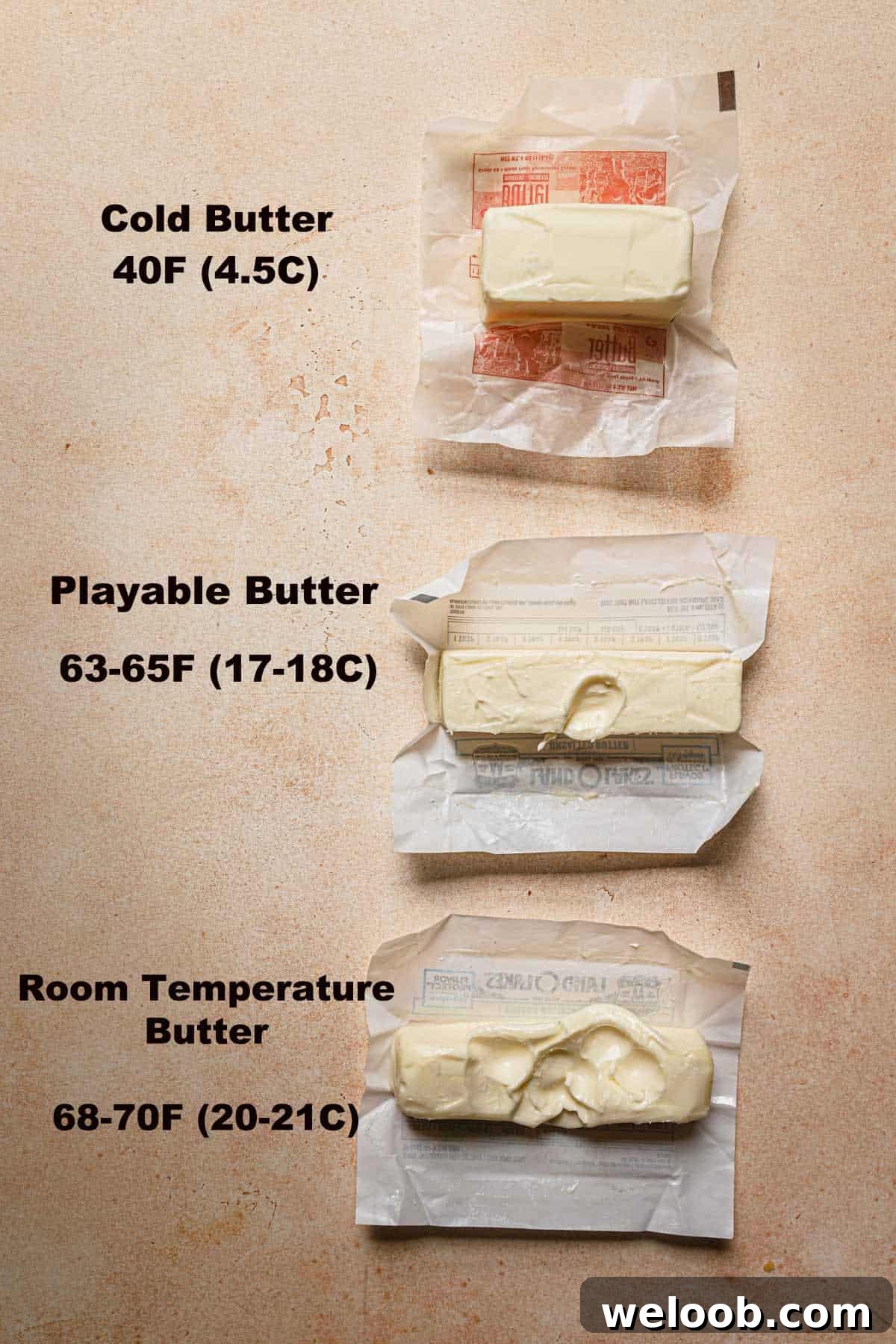
Soft butter means butter that has warmed to roughly room temperature and is easy to press, spread, or cream into other ingredients. Properly softened butter makes batters and doughs smoother and helps baked goods develop the right texture and rise. Below are the common stages of butter so you can pick the right one for your recipe.
Room-temperature butter: At about 68–70°F (20–21°C) butter is soft, easily dented with a finger and blends smoothly with sugar and flour. This is ideal for creaming cakes and many cookie recipes.
Cold butter: Straight from the refrigerator at around 40°F (4–5°C), cold butter holds its shape and keeps its water content “trapped.” Cold butter is preferred for pastry, pie crusts and scones because it creates flakiness when baked.
Playable butter: At roughly 63–65°F (17–18°C), butter is easy to manipulate and cut yet still retains much of its structure. It’s handy for some cookie techniques where you want workable pieces that don’t fully incorporate right away.
Melted butter: Above about 90°F (32°C) the fat melts and the water becomes free, which is useful for recipes that call for liquid butter, such as certain chewy cookies or quick breads.
Why Soft Butter Matters
Butter temperature has a big impact on baked goods. Soft butter creams evenly with sugar, trapping air that helps cakes and cookies rise and create a light crumb. Cold butter won’t incorporate smoothly and can leave lumps; melted butter changes the structure and moisture distribution. When a recipe specifies room-temperature butter, using the correct consistency is one of the most common reasons a bake succeeds or fails.
How to Soften Butter Fast
The best plan is to remove butter from the fridge 60–90 minutes before you start. If you don’t have that time, try one of these four methods, ordered from quickest to slowest. Each method reliably softens butter without melting it when used carefully.
Microwave method — option one (quickest)
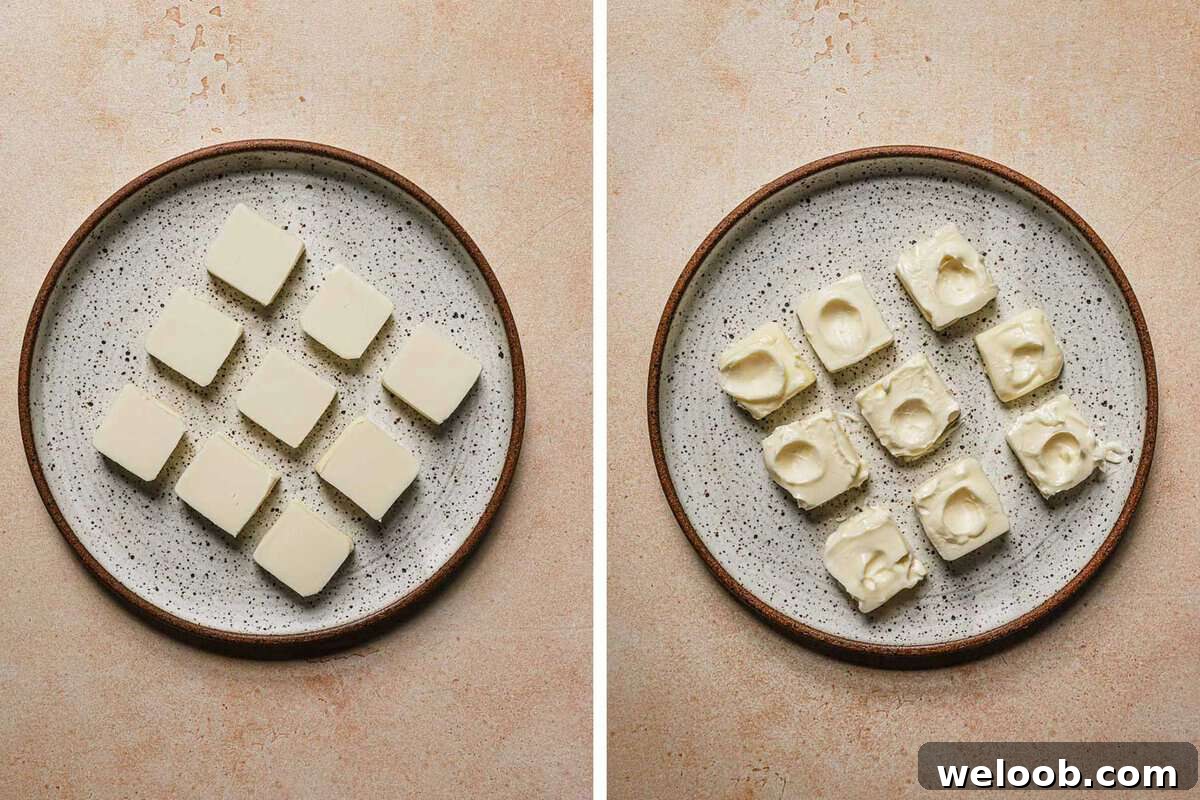
- Slice cold butter into 1/2-inch pieces so it warms evenly.
- Arrange the pieces in a single layer on a microwave-safe plate.
- Microwave in very short bursts of 5–7 seconds, checking between bursts to avoid melting.
- Let rest a minute so heat evens out, then press to check readiness.
Microwave method — option two (minimal prep)
This version uses the wrapper to shield the butter from direct microwave heat and relies on short, careful bursts.
- Place the wrapped stick in the microwave and heat for 5–7 seconds.
- Turn the stick and repeat for another 5–7 seconds if needed.
- Stop once the surface feels slightly soft; allow the stick to sit 10–20 minutes on the counter to reach a fully spreadable consistency.
Warm glass or bowl method
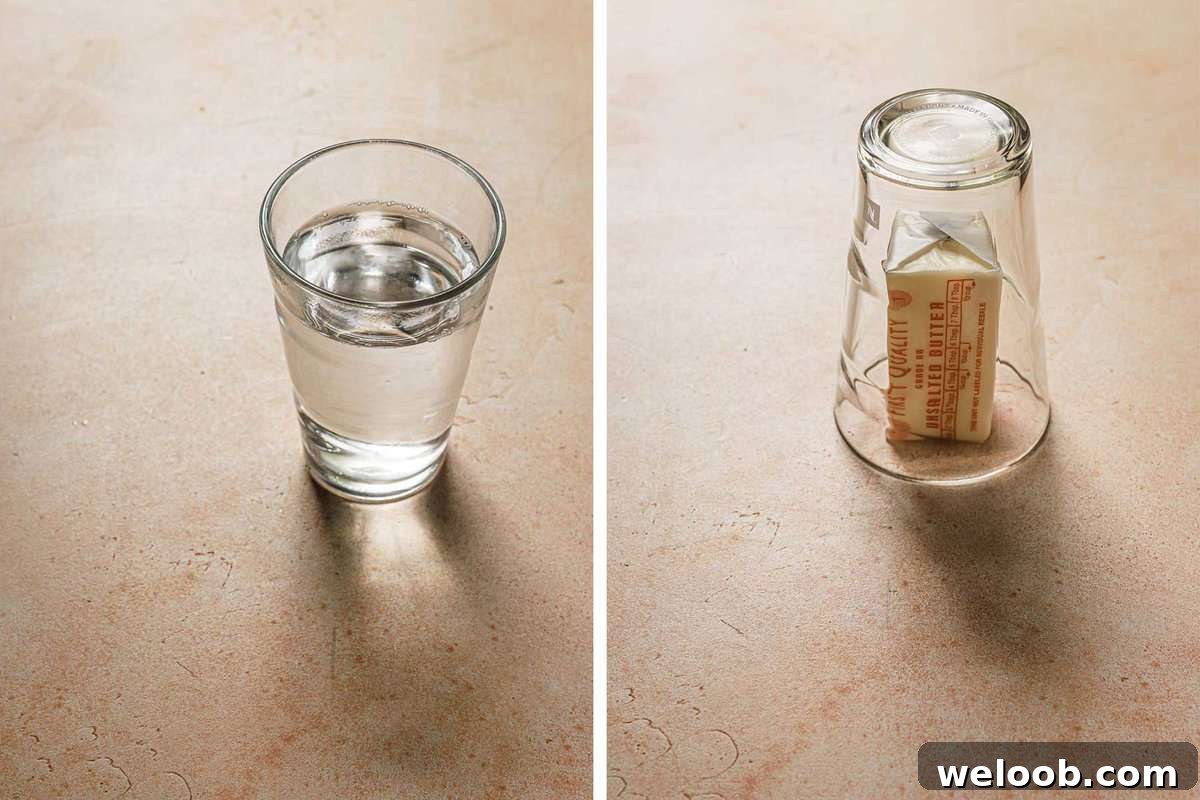
A warm glass traps gentle heat and softens a stick of butter in minutes without risk of melting.
- Fill a glass (tall enough to cover the butter) with boiling water and let it sit 1–2 minutes to heat.
- Discard the water and dry the glass thoroughly.
- Invert the warm glass over the butter stick so it’s enclosed; the trapped heat will soften the butter in about 5–15 minutes.
Indirect heat / heat residue method
If you have 20–30 minutes, place the butter near a warm appliance (top of a running dishwasher, the warm side of an oven, or a stove off but warm). Keep the wrapper on and check every 5–10 minutes, turning the stick to soften evenly. This method gently warms the butter without risking melting.
Tips
- Avoid direct high heat (open flame or hot pan) — it melts, rather than softens, and can separate the butter.
- If butter accidentally melts, chill it until firm before reusing in recipes that require soft butter; melted butter behaves differently.
- Plan ahead when possible: softening butter at room temperature is the safest way to get consistent results.
- These methods are for butter; do not assume they apply to cream cheese or other soft cheeses, which have different textures and risks.
- For larger amounts (more than 1 cup), grate or cube the cold butter to speed warming and ensure even softening.
More how-to topics
How to temper chocolate; How to stabilize whipped cream; How to make meringue. (Search these topics for detailed step-by-step guides.)
How To Soften Butter Fast — Quick Recipe Box
Four fast methods for bringing butter to room temperature.
Details
Prep time: 1 minute • Cook/time in microwave or waiting: varies • Total time: 5–30 minutes depending on method • Servings: 1/2 cup softened butter (1 stick)
Author: Dikla Levy Frances
Ingredients
- 1 cup boiling water (for warm glass method) — 240 ml
- 1/2 cup cold butter — 113 g (one stick)
Instructions
Microwave, option one
- Cut butter into 1/2-inch chunks and arrange on a microwave-safe plate.
- Microwave in short 5–7 second bursts, checking after each to avoid melting.
- Let rest a minute for heat to even out and test softness with your finger.
Microwave, option two
- Place the wrapped stick in the microwave and heat for 5–7 seconds, turn it over, and repeat if necessary.
- Stop once the surface is slightly soft; leave on the counter for 10–20 minutes to reach full softness.
Warm glass
- Fill a glass with boiling water and let it sit 1–2 minutes to warm the glass.
- Discard the water, dry the glass, and invert it over the butter stick.
- Allow the trapped warmth to soften the butter for about 10 minutes.
Heat residue
- Place wrapped butter near a warm appliance (oven top, dishwasher) and check every 5–10 minutes.
- Turn the stick if needed so it softens evenly without melting.
Notes
- Do not use direct stovetop heat or an open flame — you’ll melt the fat and change the butter’s properties.
- If butter melts by accident, chill it until firm before using in recipes that require creamed or softened butter.
- Plan ahead when baking; softening butter properly helps ensure consistent results.
- For larger amounts, grate or cube the butter to accelerate warming and even softening.