
How to Use Cocoa Powder in Baking for Rich Chocolate Flavor
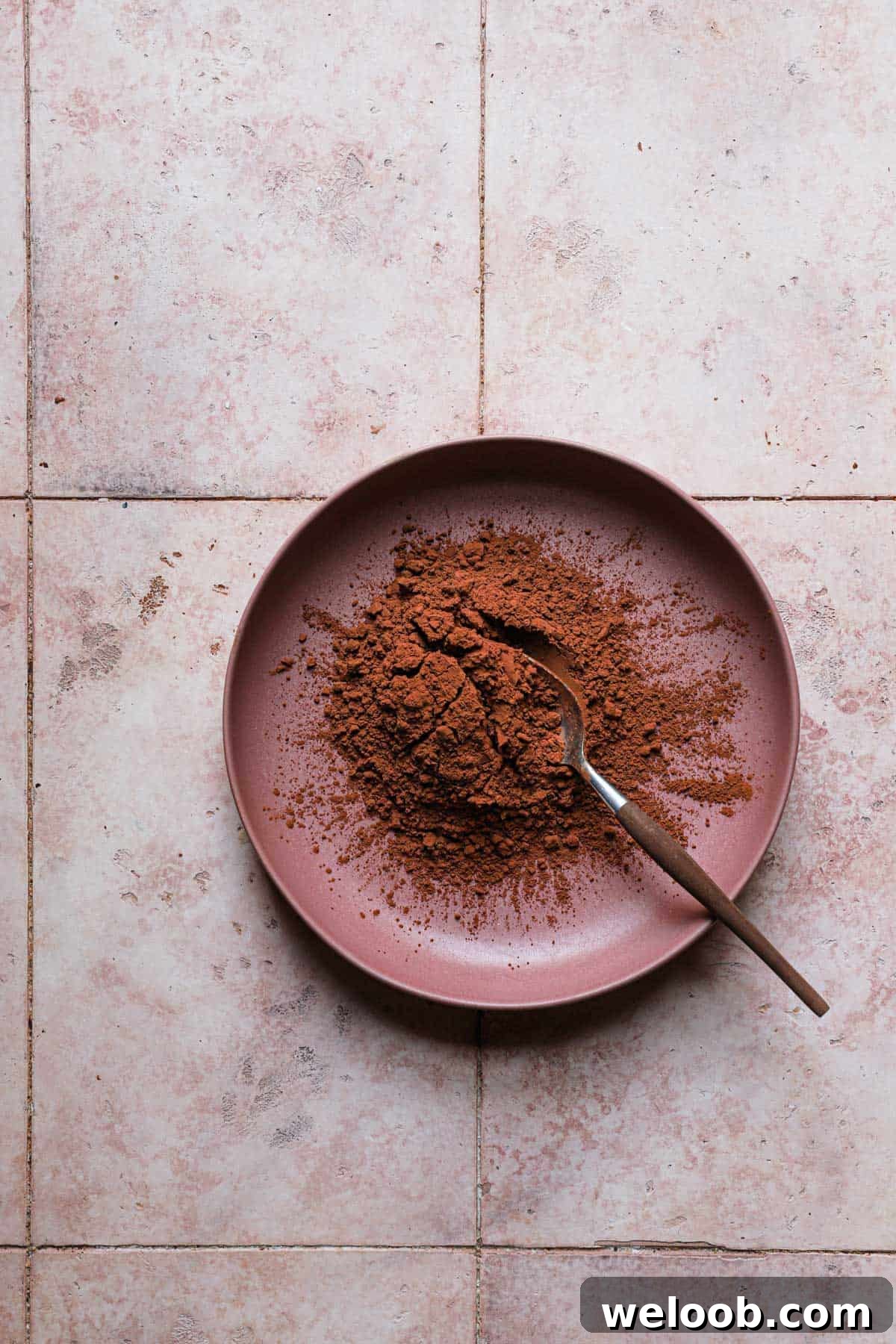
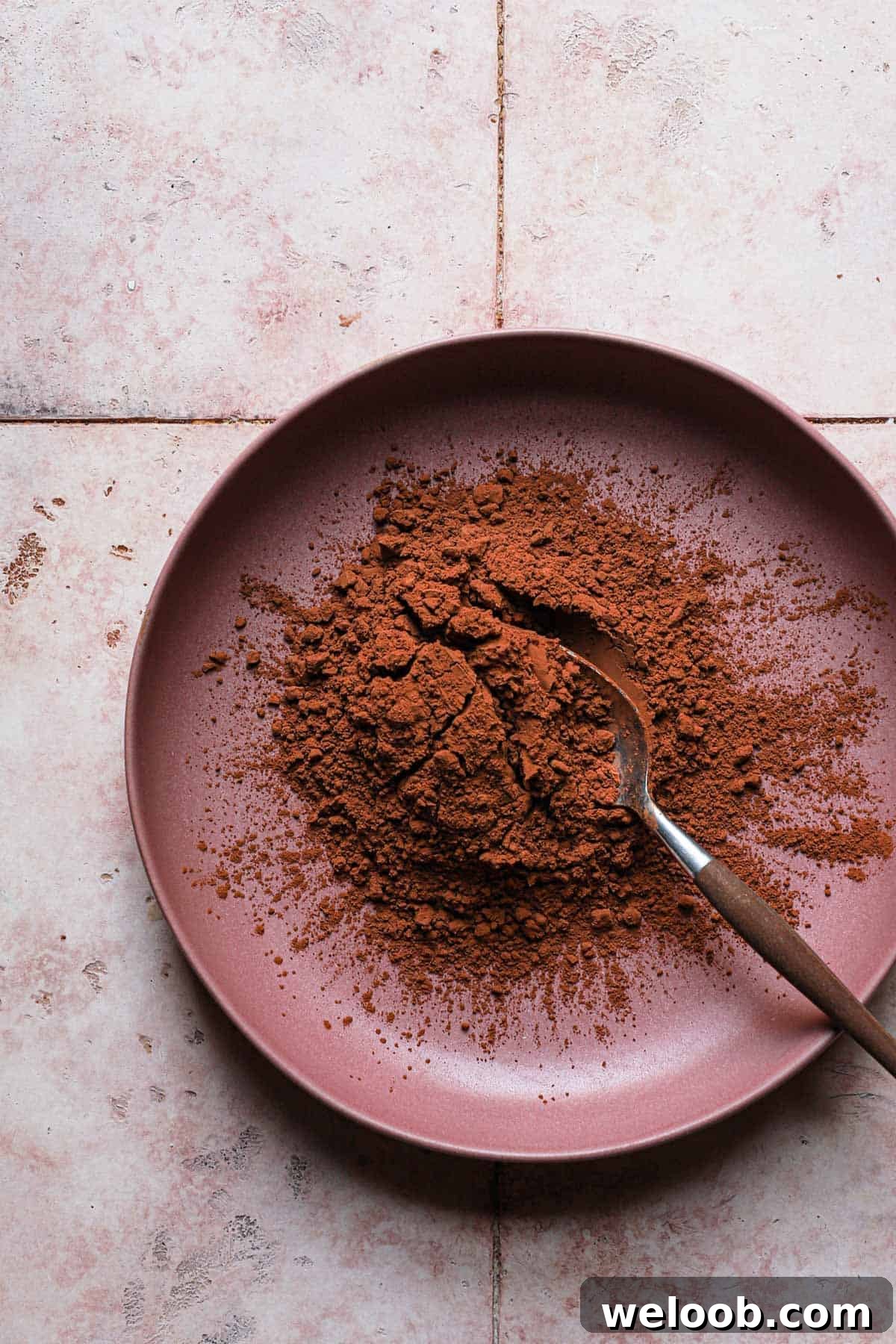
What exactly is cocoa powder? It sounds straightforward, but there are important differences and practical details that can change the outcome of your baking.
This article explains what cocoa powder is, how it’s produced, the main varieties available, and how to use each one in baking to improve texture, flavor, and appearance.
If you enjoy reading about chocolate in baking, you may also be interested in related topics such as unsweetened chocolate, tempering chocolate, ganache, and the differences between white, dark, and milk chocolate.
What Is Cocoa Powder?
Cocoa powder—sometimes called chocolate powder—is the fine, unsweetened powder produced after removing most of the fat (cocoa butter) from roasted cacao beans or from unsweetened chocolate (chocolate liquor). Typical facts to know:
- Natural cocoa powder has a deep chocolate flavor, a red-brown color, and a pH around 5–6 (acidic).
- Commercial cocoa powders contain starches and sugars, and by law must retain a minimum fat percentage: typically around 10–12% in the U.S. and higher in some European standards.
- Pure cocoa powder should contain only cocoa solids and no added ingredients. Hot cocoa mixes are different: they typically include sugar and powdered milk and are formulated to dissolve easily in liquid.
Note: Cacao and cocoa are related but not identical: cacao generally refers to less-processed products made from raw or minimally heated beans, while cocoa usually indicates beans that have been roasted.
How Is Cocoa Powder Made?
Cocoa powder originates from cocoa beans. The basic steps in production are:
- Harvesting the cacao pods and extracting the beans.
- Fermentation of the beans to develop flavor.
- Roasting the fermented beans and removing the shell to reveal the nibs.
- Grinding the nibs into a thick paste called chocolate liquor (which is liquid when warm).
- Pressing the chocolate liquor to separate cocoa butter from the dry cocoa solids. The dry solids are then ground into cocoa powder.
Products derived from the same starting material include cocoa butter, cocoa nibs, unsweetened chocolate (solidified chocolate liquor), and cocoa powder. Chocolate products differ when sugar, milk, or emulsifiers are added to chocolate liquor.
Baking With Cocoa Powder
Cocoa powder is a dry, starch-containing, and often acidic ingredient. It adds chocolate flavor without the extra fat of melted chocolate, so it has specific effects on batter and dough. Keep these points in mind when baking:
- Absorbs liquid: The starch in cocoa powder soaks up moisture and swells. Too much cocoa can make baked goods dry. To compensate, reduce flour by an equal amount when substituting cocoa for flour, or add additional liquid—about 1/4–1/3 cup liquid for every 1/2 cup cocoa powder used.
- Unsweetened and bitter: Cocoa is not sweet. Recipes may require additional sugar to balance bitterness; sugar also helps retain moisture.
- Does not dissolve: Unlike instant hot cocoa mixes, pure cocoa powder won’t dissolve fully in water. Blooming cocoa—mixing it with hot water before adding to batters—releases more flavor and is a common technique in baking.
- Substituting flour: To convert a plain recipe into a chocolate recipe, a common approach is to replace about 15% of the flour with cocoa powder.
- Fat content: Cocoa powder is low in fat compared to melted chocolate, so it concentrates chocolate flavor without adding richness. If you want a richer texture, add cocoa butter or melted chocolate.
- pH matters: The acidity or alkalinity of the powder affects leavening, bake time, spread, and color. Lower pH (more acidic) activates baking soda and can accelerate setting; alkalized powders (Dutch process and black) are neutral or basic and require baking powder or other acidic ingredients for leavening.
Practical Example: Cookie Tests
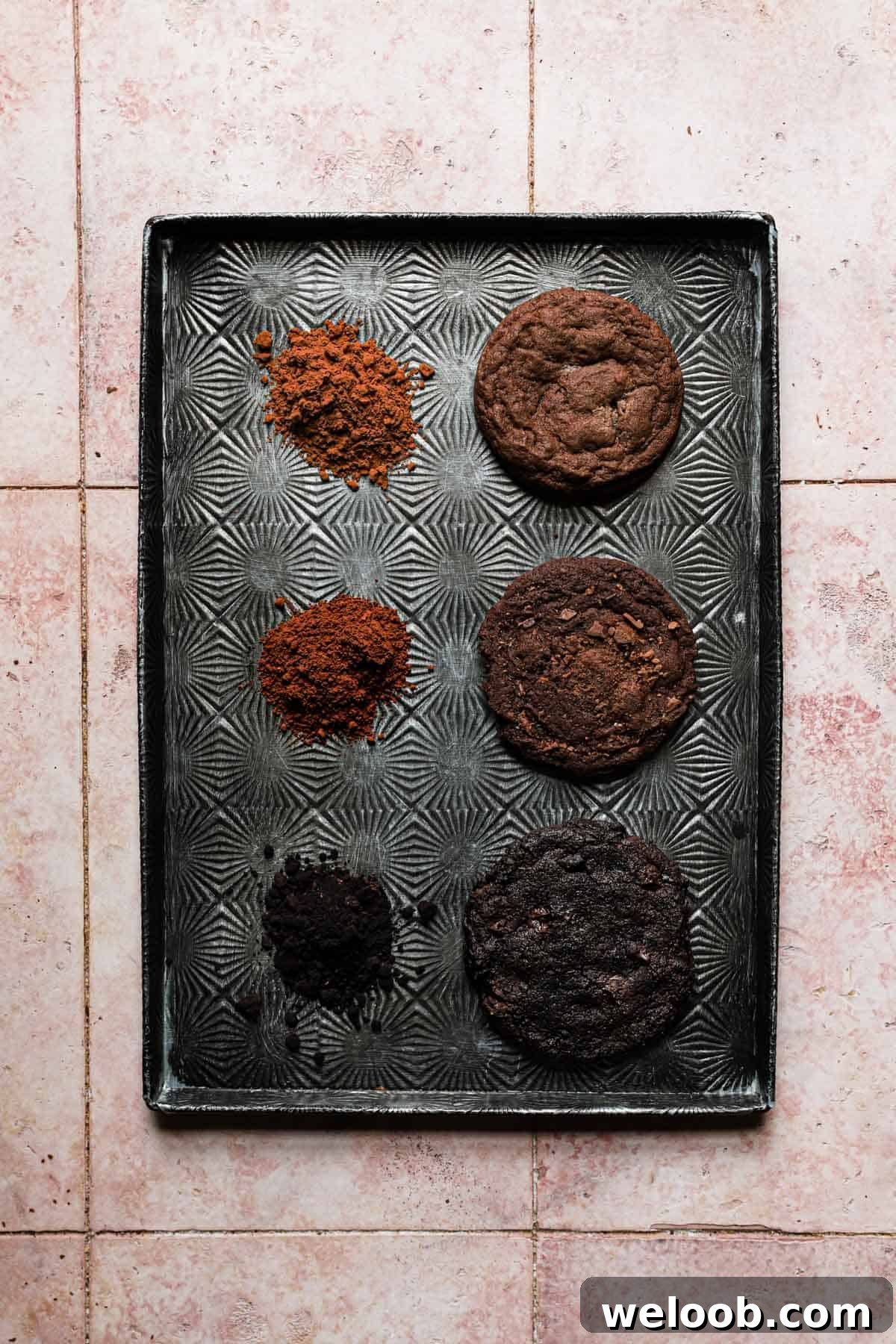
Testing the same cookie recipe with different cocoa powders reveals noticeable differences:
- Natural cocoa: Lighter in color, acidic, reacts with baking soda so cookies can puff more and bake slightly faster. Flavor is chocolatey but can be subtler.
- Dutch-processed: Darker and smoother in flavor; because it’s neutral it won’t react with baking soda, so cookies may spread more and require a slightly longer bake.
- Black cocoa: Very dark in color and milder in flavor. Batches may take longer to bake and can dry out if baked too long; black cocoa is excellent for dramatic color (e.g., Oreo-like cookies) but can alter texture because of reduced fat content.
Types of Cocoa Powder
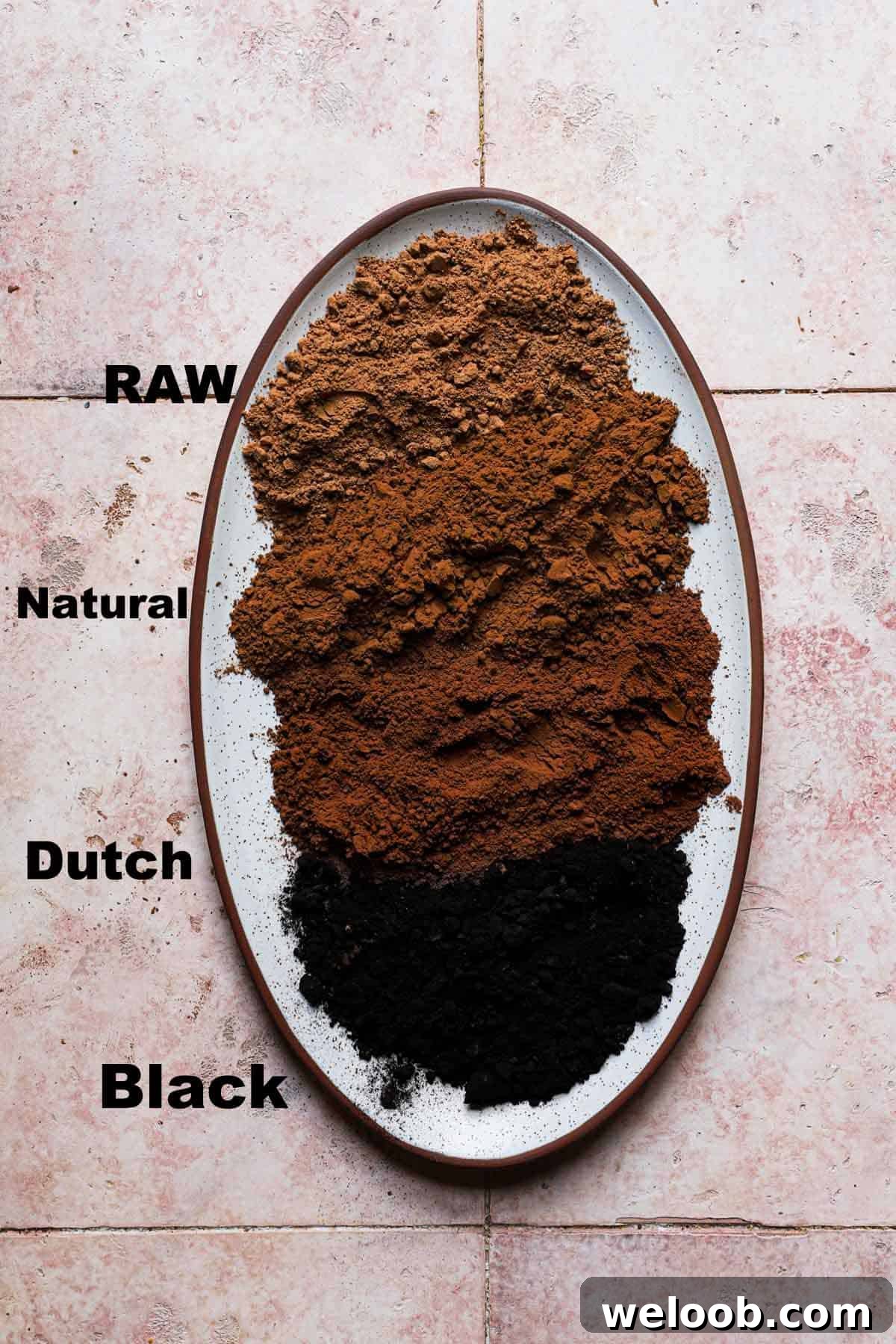
Different processing methods create powders with distinct flavor, color, and chemical behavior. Choose the one that best suits your recipe and desired result.
Natural Cocoa
Production
Made by pressing roasted chocolate liquor and removing cocoa butter; the remaining solids are ground into powder.
pH and Flavor
Acidic, pH around 5–6. Strong chocolate flavor with a slightly bitter edge and a red-brown color.
Baking Tips
Use with baking soda to leverage its acidity. A common guideline is about 1/4 teaspoon baking soda per 1/3 cup cocoa to achieve proper leavening when required.
Dutch-Processed (Alkalized)
Production
Washed with an alkaline solution to neutralize acidity and smooth flavor.
pH and Flavor
Neutral pH (around 7). Darker color and a richer, rounder chocolate taste.
Baking Tips
Because it’s neutral, it won’t react with baking soda. Use baking powder or another acidic ingredient for leavening; expect slightly longer bake times and more spread in many recipes.
Black Cocoa
Production
Heavily alkalized—often treated more than once—resulting in a very dark, nearly black powder.
pH, Appearance and Taste
Typically pH 7–8. Intense dark color, milder and smoother chocolate notes, and lower fat content than other powders.
Baking Tips
Ideal for dramatic color (cookies, frostings). Because black cocoa has reduced fat and altered starch balance, use it sparingly—replace up to 1/4 of the total cocoa called for with black cocoa to avoid overly dry or altered texture.
Raw Cacao Powder
Production
Made from unroasted cacao beans with minimal heat; processing aims to retain more of the bean’s original compounds.
pH and Flavor
Acidic (around pH 5.5). Light brown color with a more bitter, less developed chocolate flavor because roasting is skipped.
Baking Tips
Raw cacao can be used in place of natural cocoa, but expect a different flavor profile—less depth and more bitterness. Consider adjusting sugar or incorporating roasted cocoa for fuller chocolate notes.
Which Cocoa Powder Is Best for Baking?
There’s no single “best” cocoa powder—choose based on the recipe and the result you want. Natural cocoa works well when you want chemical leavening with baking soda and a classic chocolate flavor. Dutch-processed is preferred for a smoother, richer taste and darker color when no acidic leavening is needed. Black cocoa is chosen for dramatic color, and raw cacao is selected for minimally processed, raw-focused recipes.
Storage
Store cocoa powder in a cool, dry place in an airtight container, away from heat and strong odors. Proper storage preserves flavor and prevents moisture absorption.
Understanding the differences between cocoa powders helps you make better choices in recipes—from cakes and brownies to cookies and frostings—so you can achieve the texture, flavor, and appearance you want.
Further Reading and Recipes
If you want to practice, try adapting familiar recipes—brownies, drop cookies, or chocolate cakes—using different powders to see how flavor, color, and texture change.
Feedback
If you try any of these techniques or make substitutions, note the results and adjust liquid, sugar, or leavening accordingly. Sharing your observations helps improve future bakes.