
Lemony Ciambellone Recipe: Tender Classic Italian Breakfast Cake
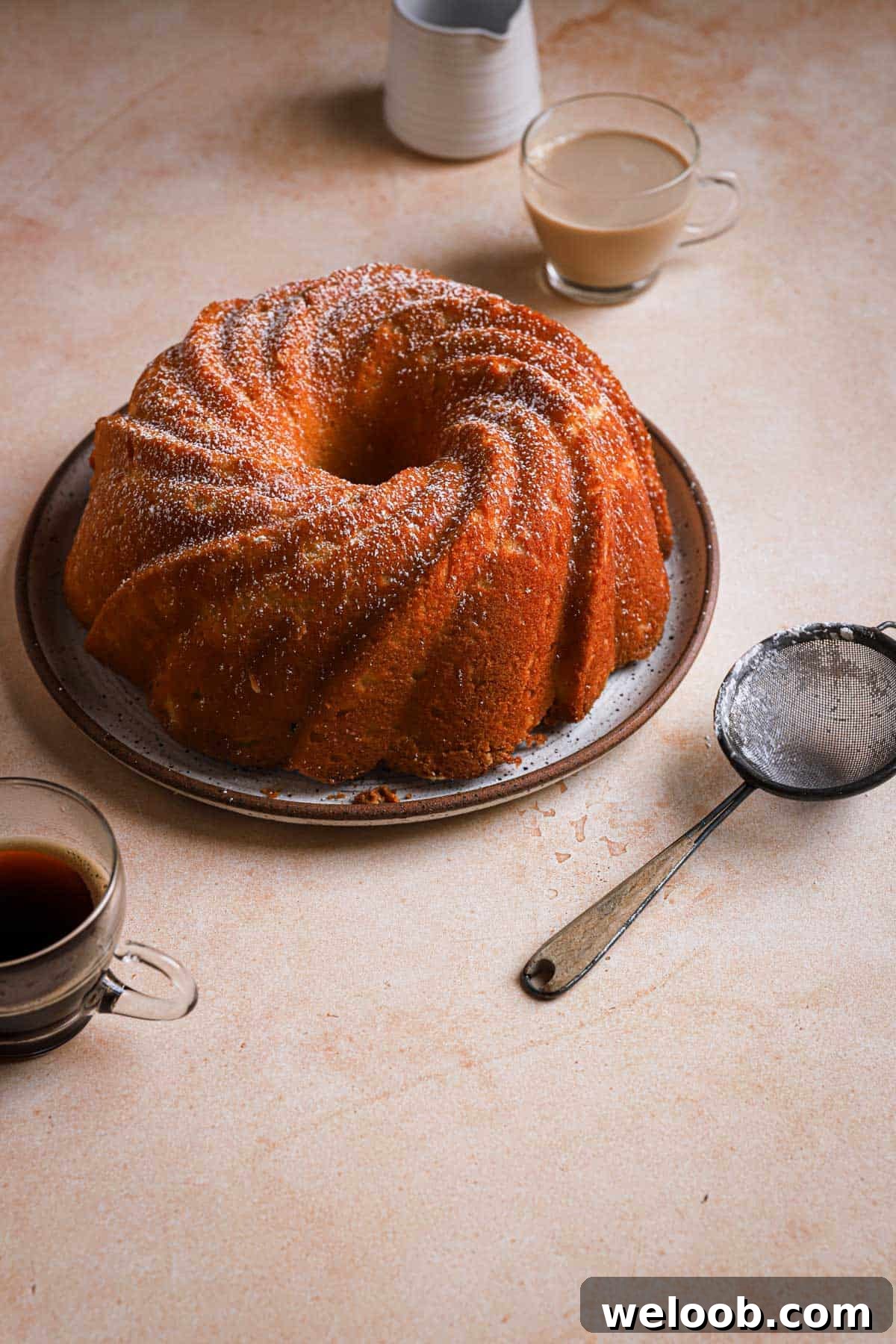
Ciambellone is a traditional Italian breakfast cake: simple, tender, and lightly sweet. Made with olive oil for a moist crumb and a soft texture, this rustic ring cake is ideal for slicing and enjoying with coffee or tea, finished with a light dusting of powdered sugar if you like.

Ciambellone—literally “big donut” in Italian—is a beloved ring-shaped cake found in many Italian homes. It’s made from basic pantry ingredients and yields a soft, tender slice that’s perfect for breakfast or an afternoon snack. The recipe balances butter for flavor with olive oil for moisture, and fresh lemon zest brings a bright, aromatic note. This cake works well in a bundt or ring pan but can also be baked in loaf pans when needed.
Key Ingredients
Below are the essential ingredients and their roles. Exact measurements are shown in the recipe card further down.
- All-purpose flour — Use unbleached all-purpose flour for the best texture. Cake or bleached flours can produce a drier result.
- Lemons — Use zest for bright lemon flavor and lemon juice in the milk to add acidity and a touch of tenderizing moisture. Zest and juice serve different purposes: zest gives aromatic oils while juice contributes acidity and moisture.
- Unsalted butter and olive oil — Butter provides structure and flavor through creaming; olive oil adds moistness and a subtle Mediterranean flavor. If you prefer, you can substitute all butter (see notes in the recipe card).
- Optional add-ins — A handful of raisins, chopped nuts, or a small amount of dried fennel seed or ground star anise can add texture and interest.
Make It
This ciambellone follows a classic pound-cake method. For best results, bring the butter, eggs, and milk to room temperature so they incorporate evenly. Here are practical tips and technique notes gathered while testing the recipe:
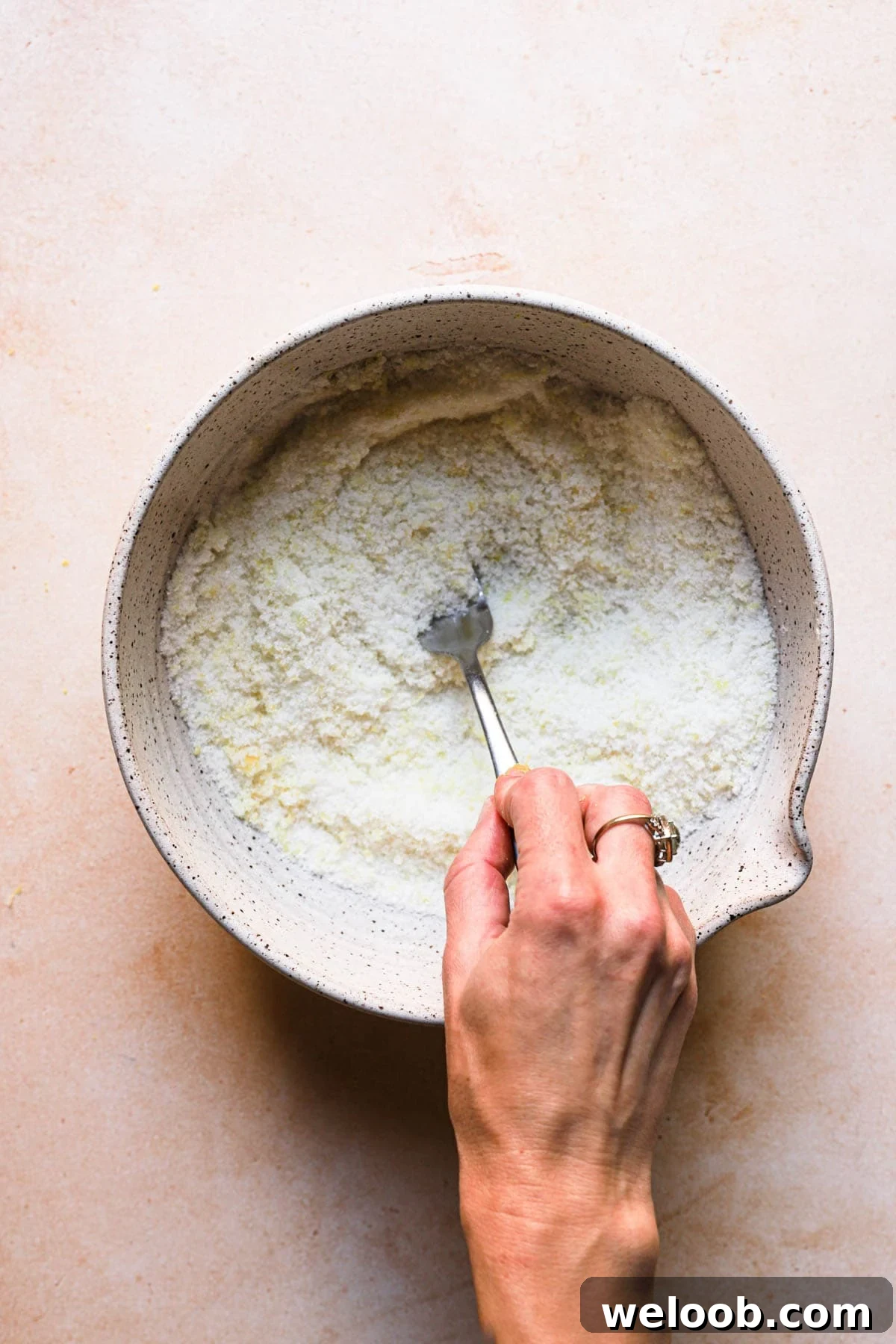
- Rub lemon zest into the sugar with a fork to release the oils and infuse the sugar with lemon aroma before creaming with butter.
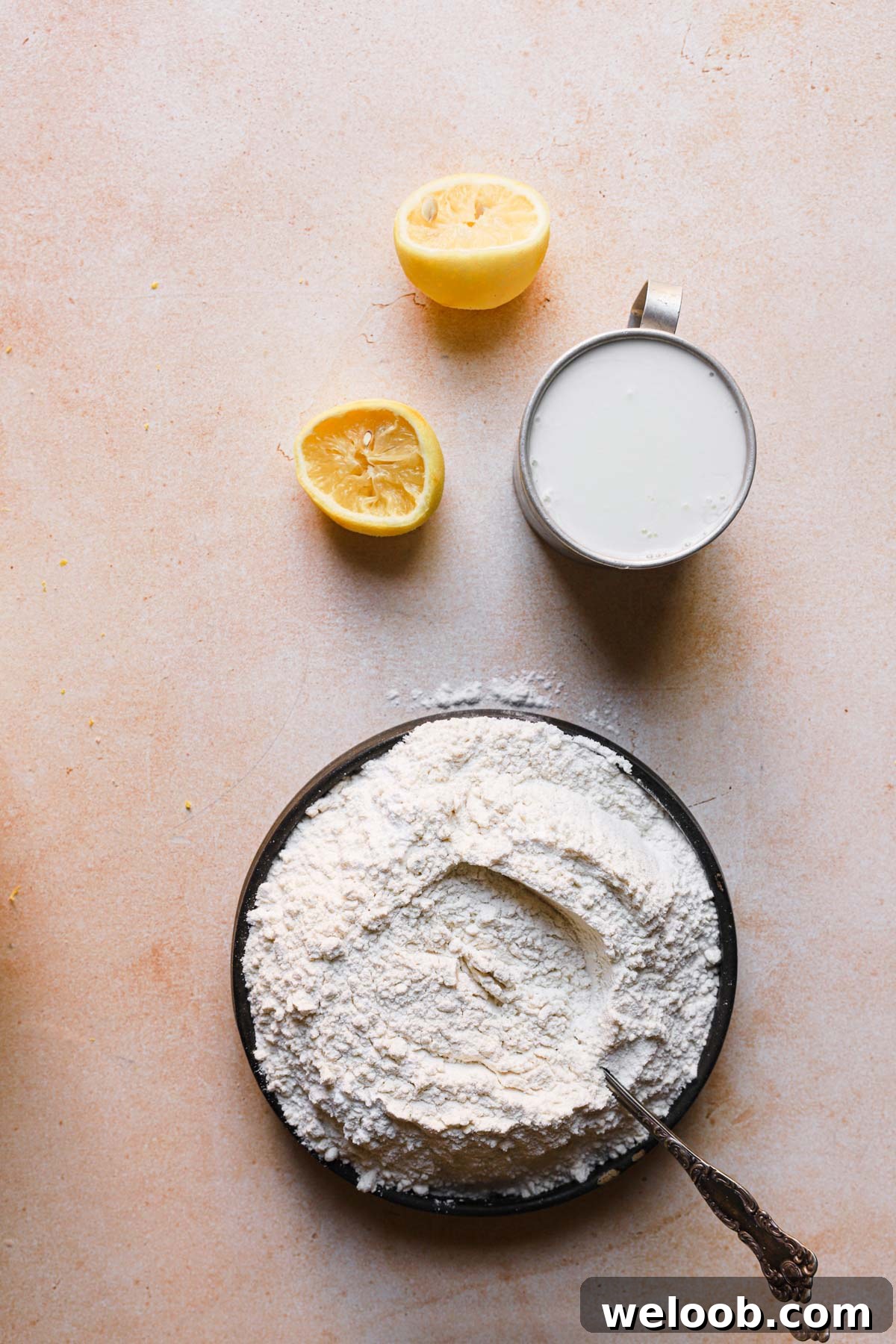
- Mix the milk and lemon juice together and set aside; the milk may curdle slightly when the lemon is added, which is normal and helps tenderize the crumb.
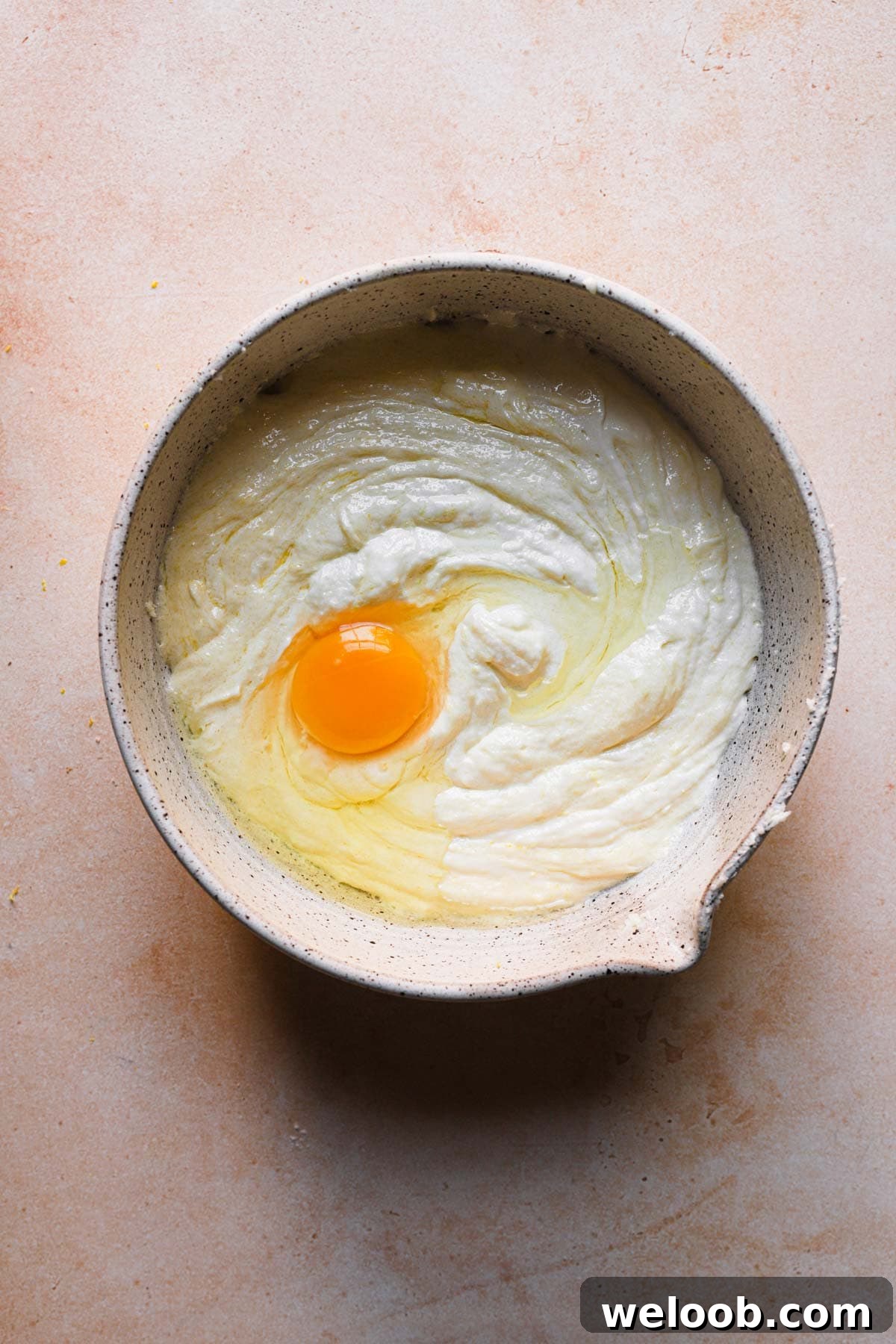
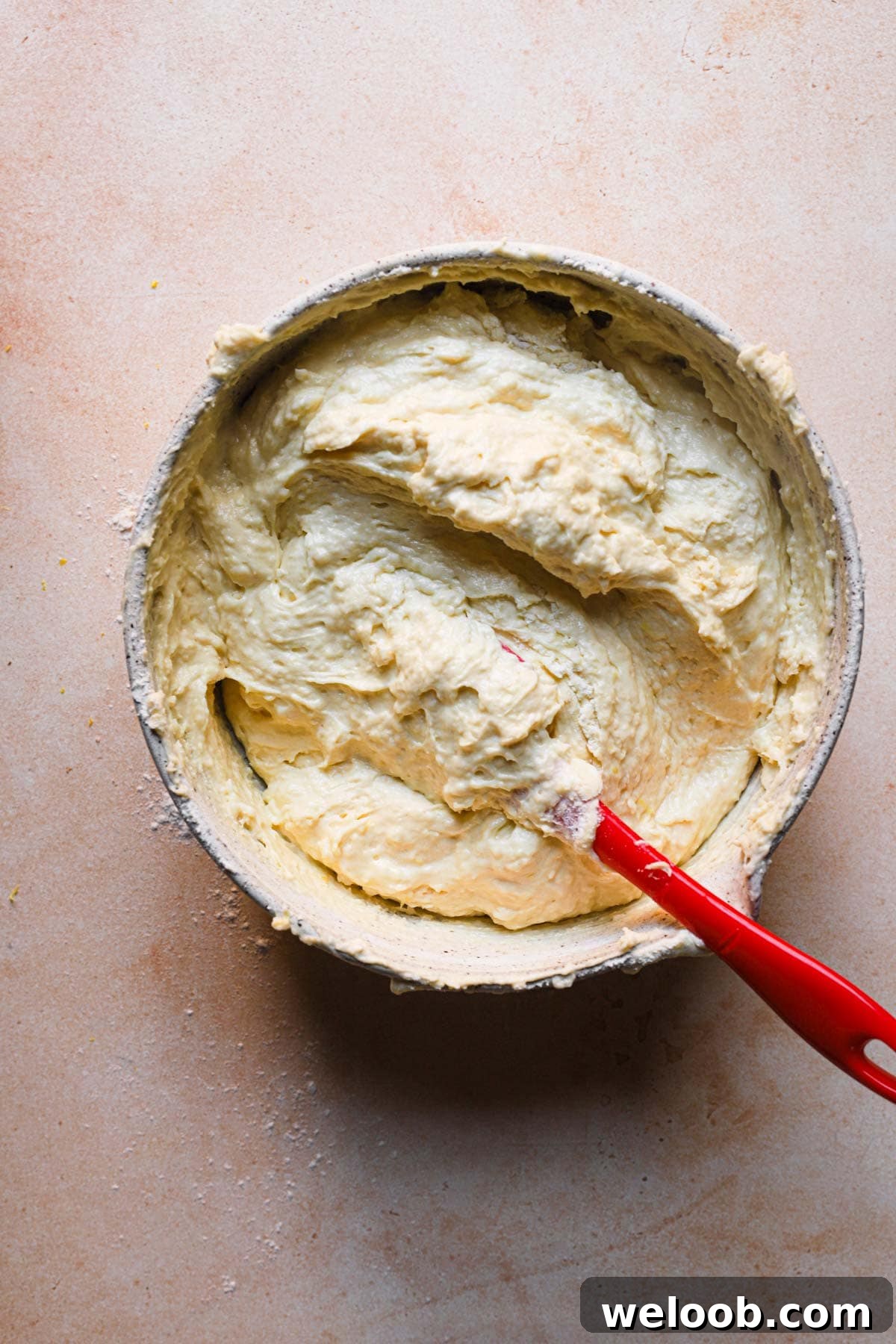
- Scrape the bottom and sides of the bowl frequently while mixing so no pockets of unmixed flour or sugar remain.
- Add the flour in portions, alternating with the milk mixture, beginning and ending with the flour for a tender, well-mixed batter.
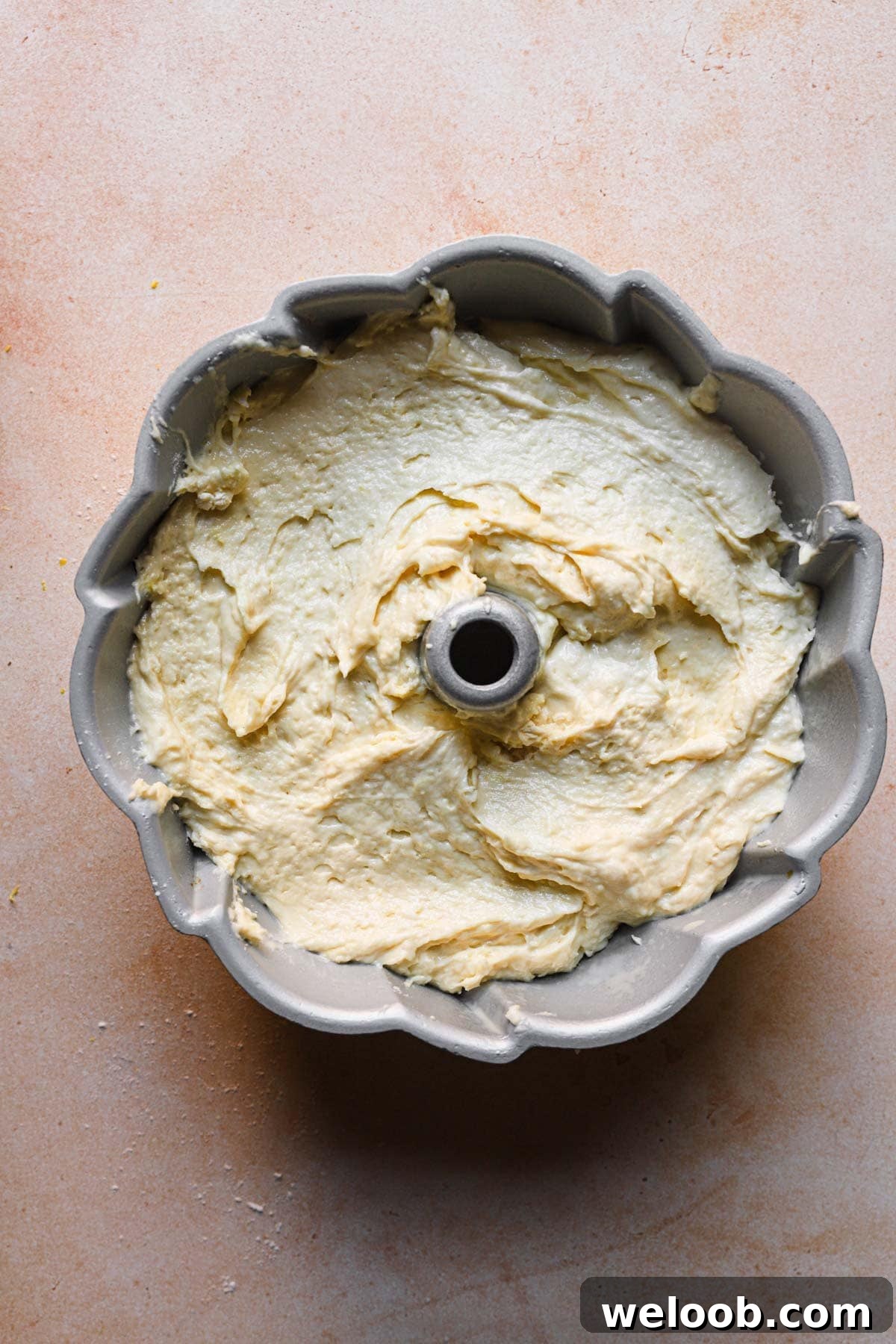
- Do not overfill the pan: fill a ring or bundt pan no more than 3/4 full to prevent overflow and ensure even baking.
- Bake until the top is golden and a toothpick inserted in the center comes out with a few moist crumbs; as the cake cools, those crumbs will firm up.
- Allow the cake to cool completely before slicing; slicing too soon causes steam and moisture loss, which affects texture.
Storing
Store ciambellone in an airtight container at room temperature for up to three days. For longer storage, wrap the whole cake or individual slices tightly in plastic wrap, place in a freezer bag, and freeze for up to one month. Thaw overnight in the refrigerator and bring to room temperature before serving.
This recipe is traditionally baked in a ring-shaped pan. Alternatively, use a 10–12 cup bundt pan or two 8–9 inch loaf pans; adjust the baking time as needed and avoid overfilling the pans.
Recipe: Ciambellone — A Zesty Italian Morning Cake
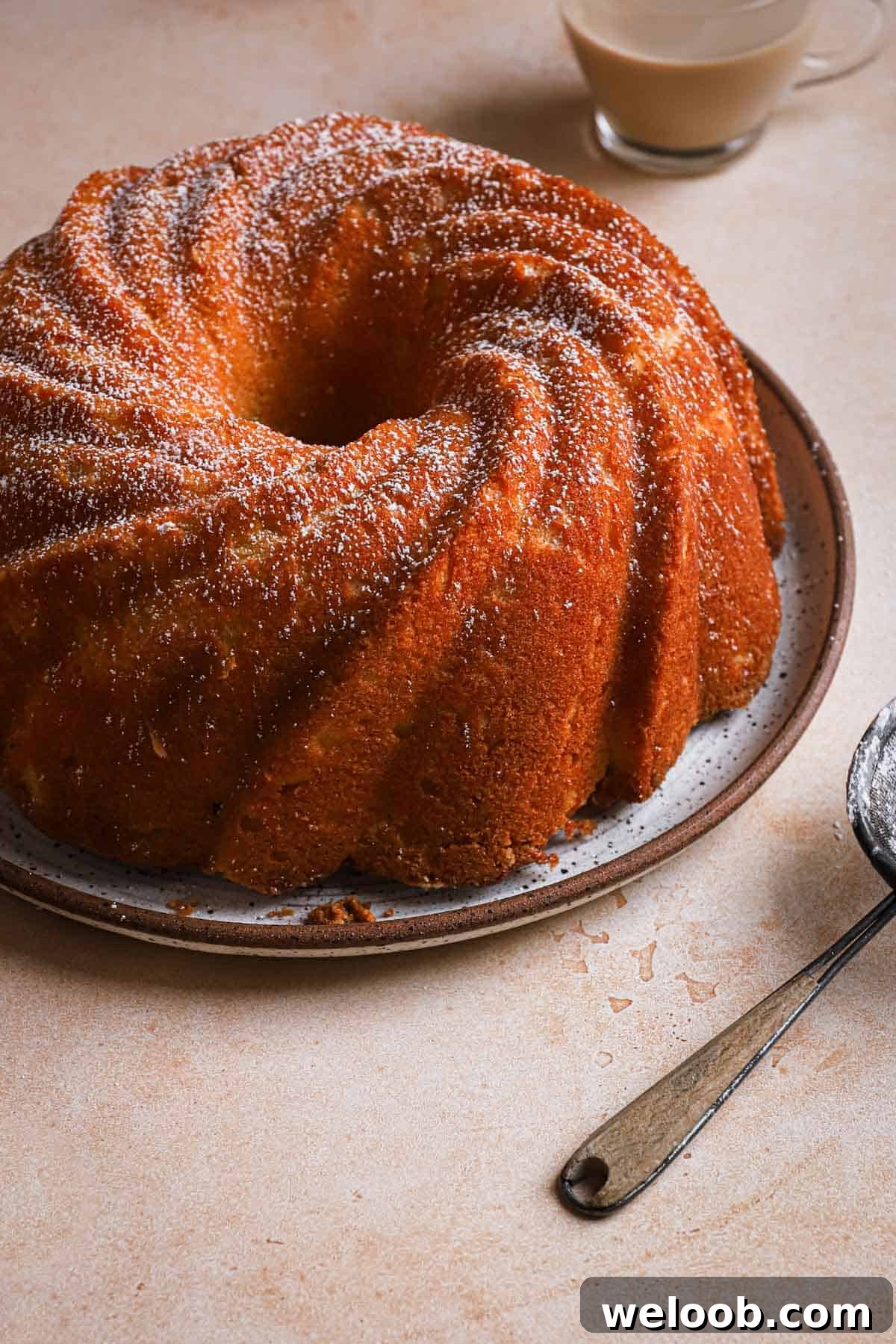
This tender lemon pound cake is flavored with fresh lemon and olive oil and is ideal for enjoying as part of a traditional Italian morning routine.
Details
Prep time: 15 mins | Cook time: 50 mins | Yield: about 15 slices
Author: Dikla Levy Frances
Ingredients
- 3 cups (360 g) all-purpose flour
- 1 tablespoon baking powder
- 3/4 cup (180 ml) milk, at room temperature
- 2 lemons (zest and juice)
- 1 1/2 cups (200 g) sugar
- 1 cup (225 g) unsalted butter, at room temperature
- 1/2 cup (120 ml) olive oil
- 4 large eggs, at room temperature
Instructions
- Preheat the oven to 350°F (180°C). Grease a 10-cup ring or bundt pan (or two loaf pans).
- In a large bowl, measure the sugar and grate the lemon zest directly into it. Use a fork to rub the zest into the sugar until the sugar is fragrant and slightly tinted.
- Squeeze the lemons into the measured milk and set the mixture aside. It may curdle a little; this is normal and helps tenderize the cake.
- In a separate bowl, sift the flour together with the baking powder and set aside.
- Add the room-temperature butter to the lemon-scented sugar and beat until light and fluffy, about 2–3 minutes. Scrape the bowl as needed.
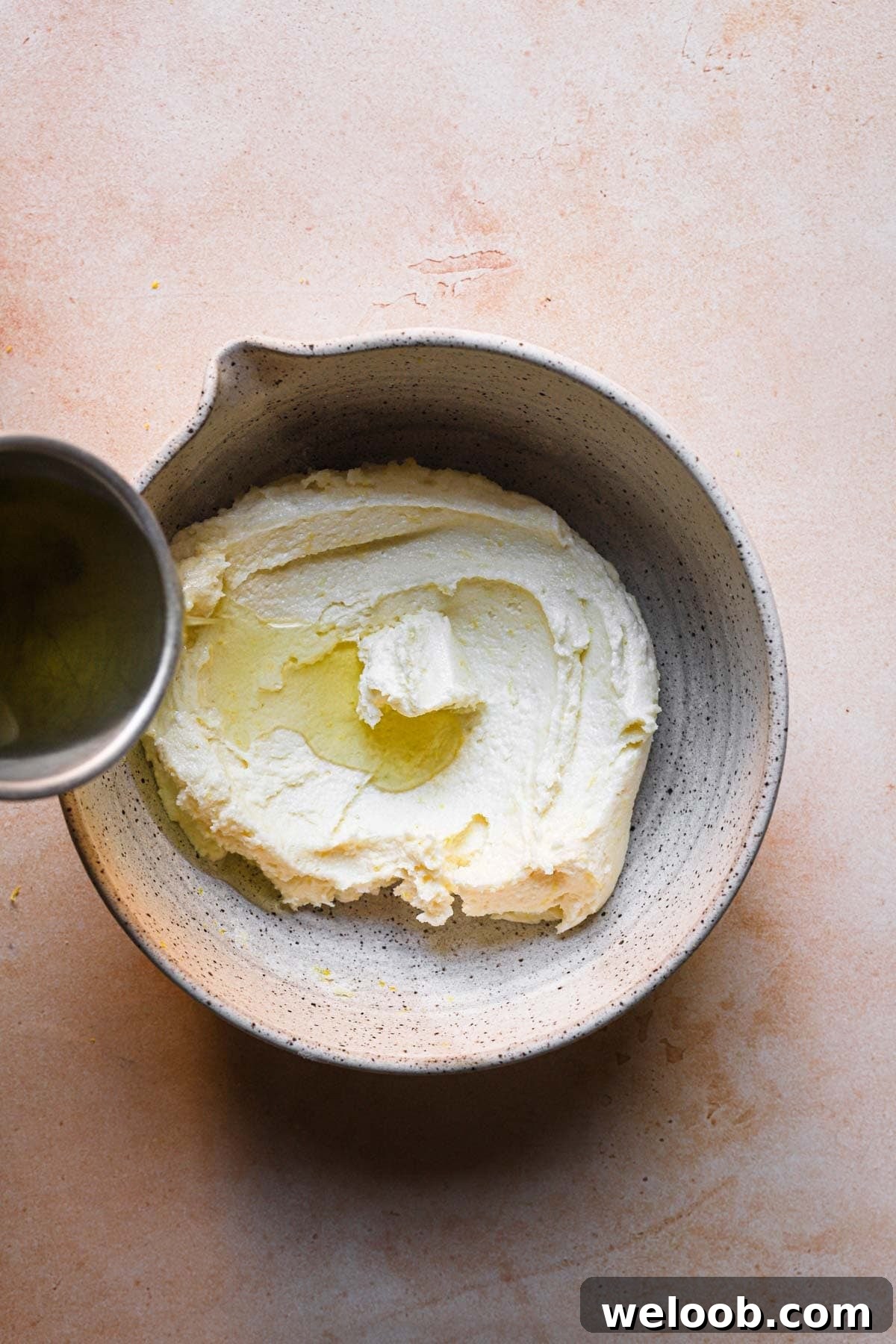
- With the mixer on medium, slowly drizzle in the olive oil until combined.
- Add the eggs one at a time, allowing each to incorporate fully before adding the next. Scrape the bowl between additions.
- On low speed, add the flour mixture in three portions, alternating with the milk-and-lemon mixture in two portions, beginning and ending with the flour.
- Turn the mixer off and finish folding any remaining flour in with a rubber spatula so the batter is evenly combined.
- Pour the batter into the prepared pan, filling no more than three-quarters full, and bake on the middle rack for 50–55 minutes, or until a toothpick inserted into the center comes out with a few moist crumbs.
- Allow the cake to cool in the pan for about 15 minutes, then invert onto a rack to cool completely before slicing.
Notes
- Always measure ingredients accurately and bring them to room temperature before starting.
- For a citrus variation, substitute orange or lime zest for the lemon zest, but do not omit the zest—its aromatic oils provide most of the citrus flavor.
- To add texture, fold in a handful of raisins or chopped nuts. For a licorice-like note, try a small amount of dried fennel seed or ground star anise.
- Dust lightly with powdered sugar before serving for a classic finish.
- To use only butter instead of olive oil: replace the olive oil with 9 tablespoons (125 g) of softened butter and reduce the milk to 2/3 cup (160 ml).