
Light and Tender Sponge Cheesecake Recipe
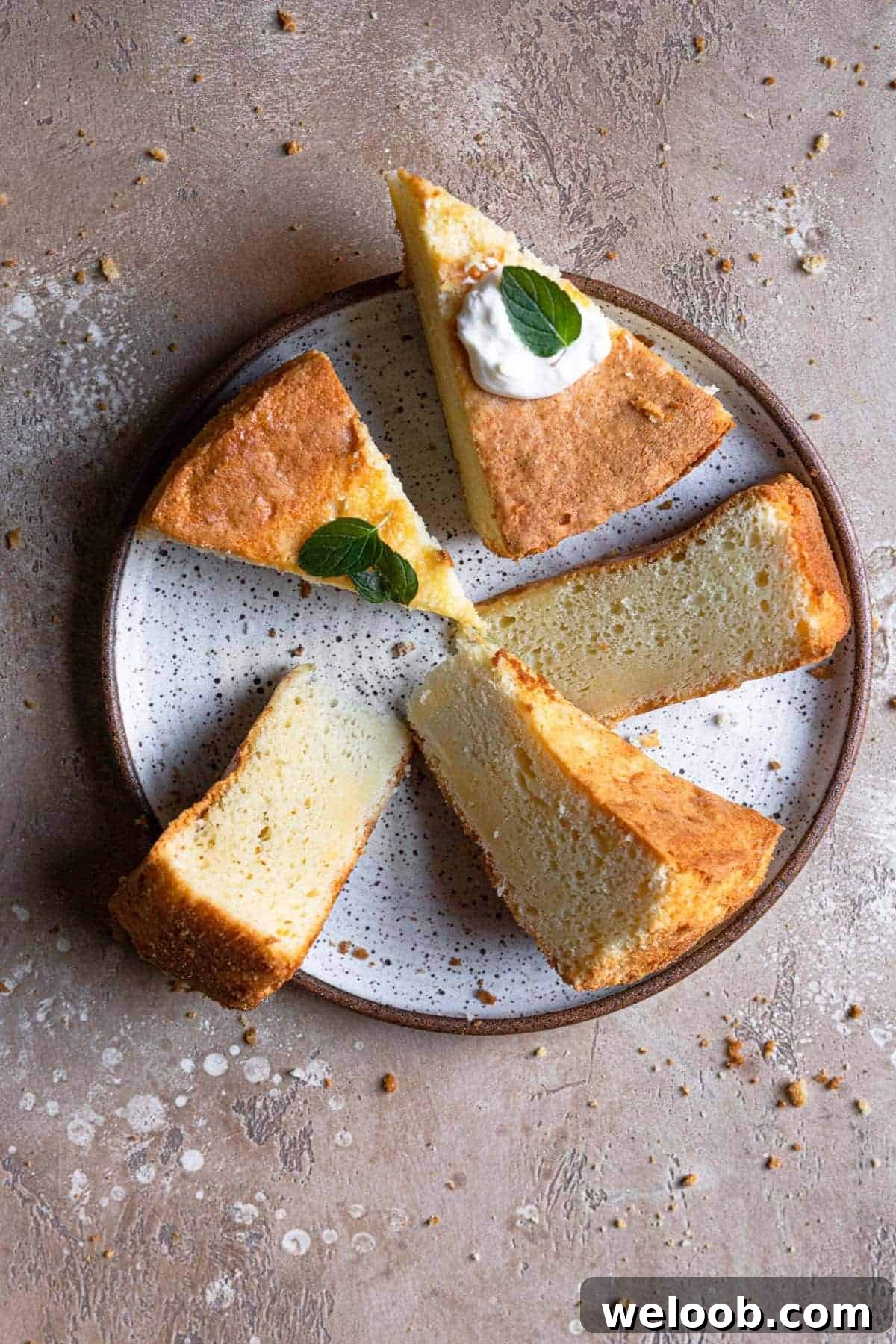
My Sponge Cheesecake Cake offers the creamy, tangy flavor of cheesecake in a much lighter format. A delicate sponge batter is folded into a smooth cream-cheese custard, producing an airy cake with a tender crumb and a subtle, slightly tangy cream-cheese note. It’s elegant enough for guests yet light enough for an afternoon treat.
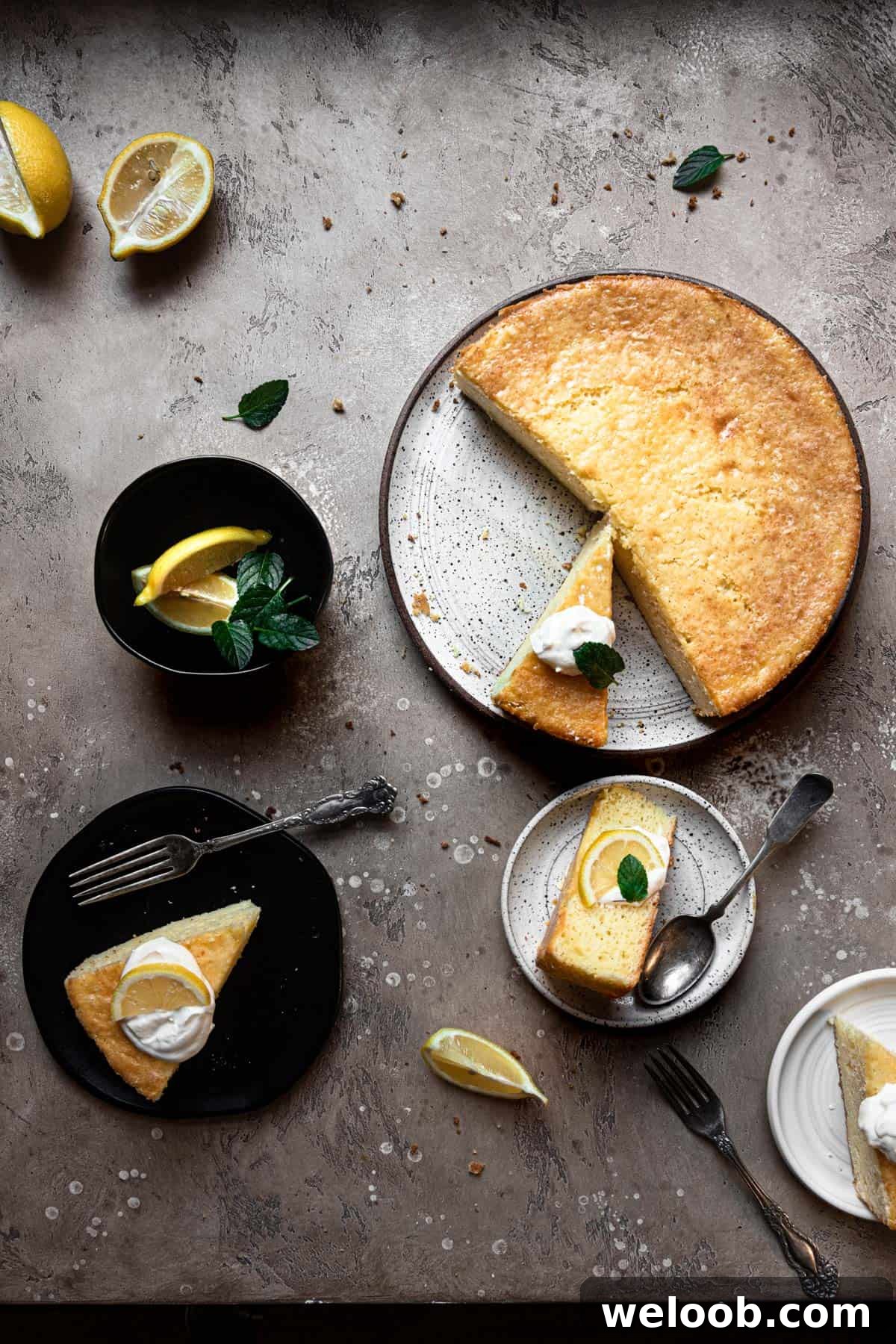
Have you ever wanted the flavor of a cheesecake but not the density of a traditional slice? This recipe lives between a light Japanese-style cheesecake and a tender butter-style sponge. By folding a velvety cream cheese custard into an aerated sponge, you get a cake that is soft, lightly structured and pleasantly creamy without being heavy.
The sponge provides enough lift and structure to support the custard layer, while the custard carries the rich cream-cheese flavor throughout. The result is a refined, balanced dessert that slices cleanly yet retains a soft, delicate texture.
Let’s Bake
This recipe has three components: the cream-cheese custard, the sponge batter, and the final folding step that brings them together. Read through all steps before starting so ingredients and temperatures are ready when needed.
- Room temperature ingredients: For a smooth, lump-free cream-cheese custard, bring the cream cheese to room temperature. If it’s very cold, soften it briefly in the microwave in short bursts and stir until smooth.
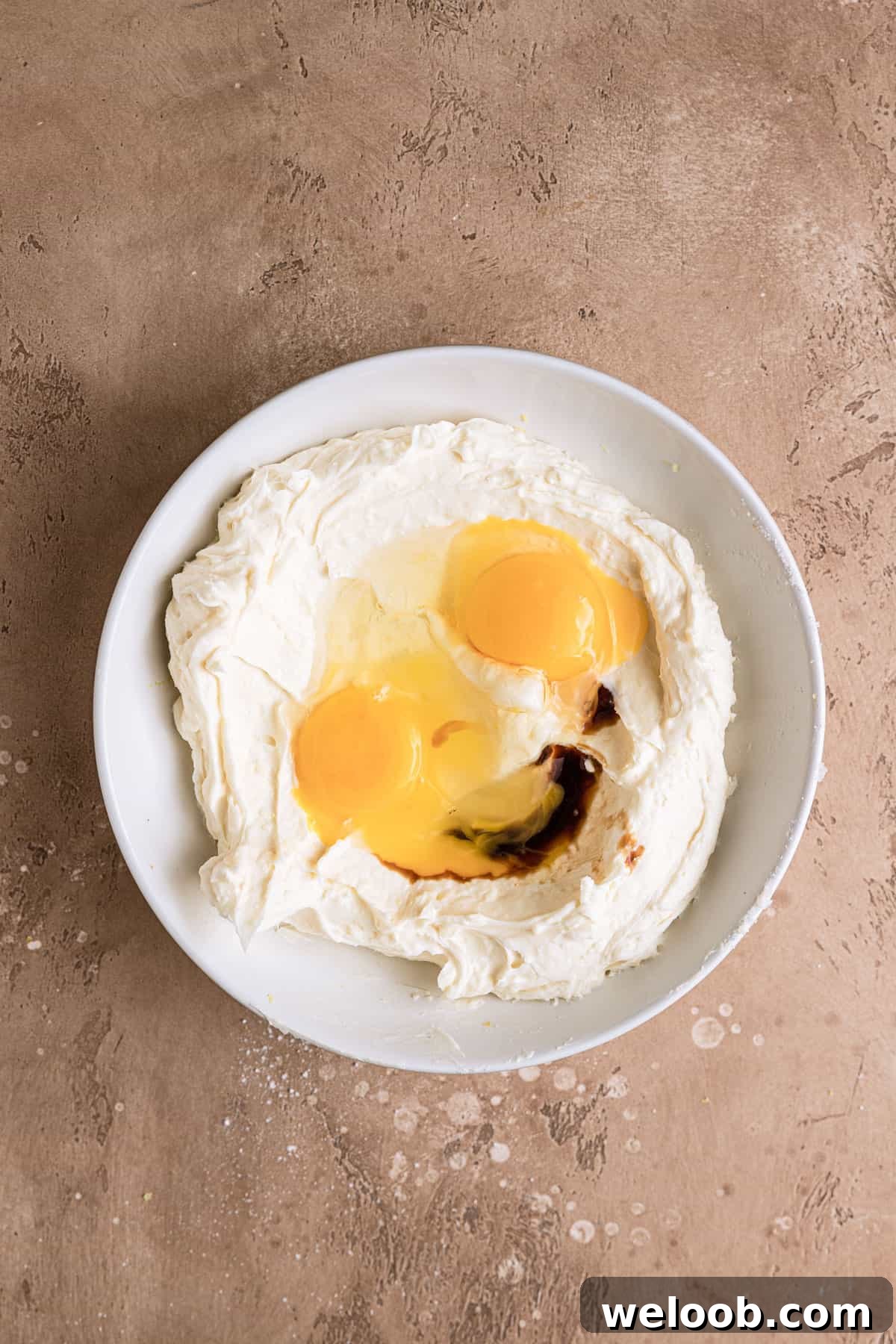
- Egg temperature matters: For the sponge to reach full volume, eggs should be at room temperature. Cold eggs won’t whip as well and the batter may not become as light.
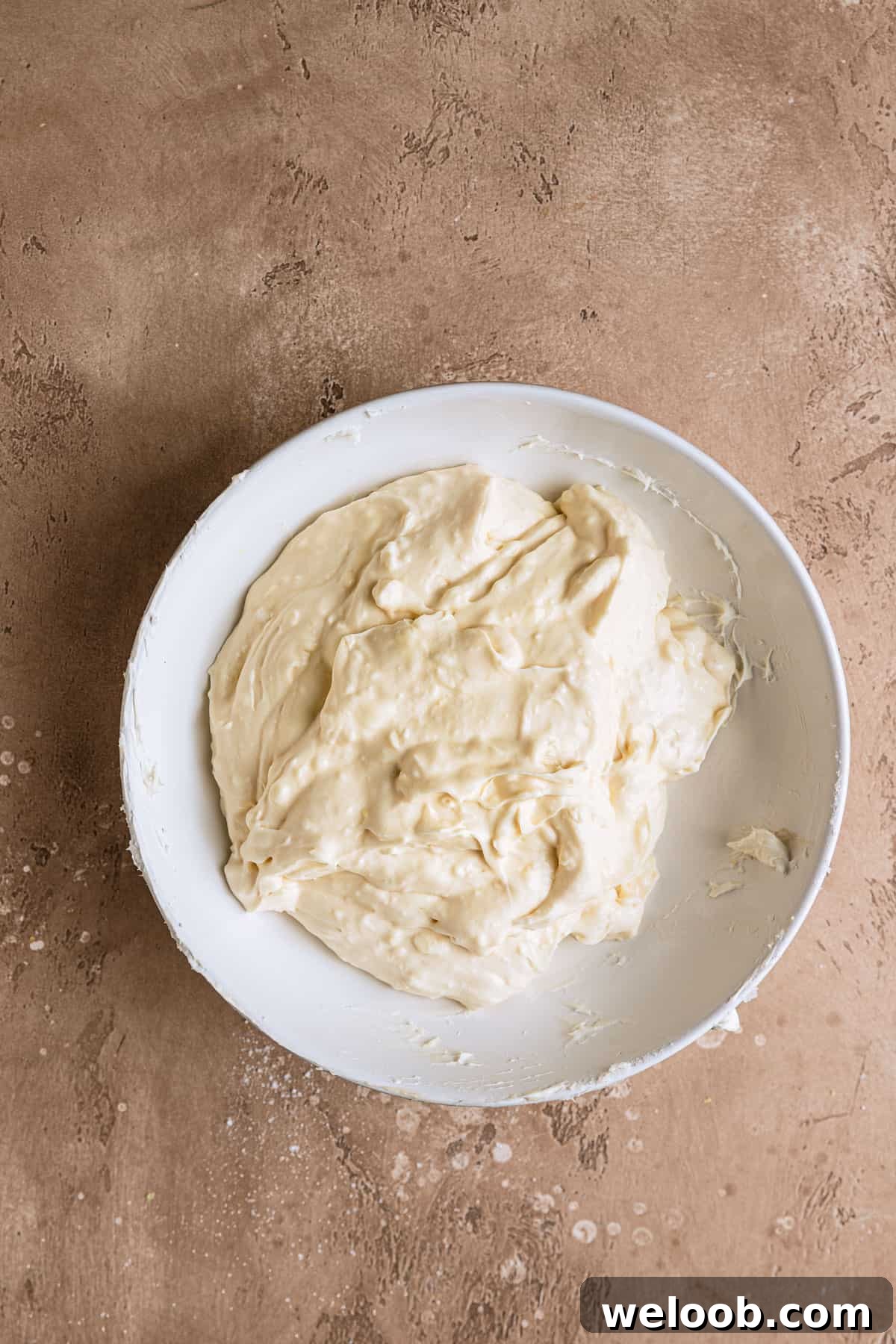
- Careful folding: The cream-cheese custard and sponge batter are similar in color, so take care when combining them. Start by thinning the custard with about one third of the sponge batter; this evens the textures and makes folding in the remainder easier and more consistent.
- Don’t rush cooling: This is a custard-style cake and it needs gentle, gradual cooling. Removing it too soon from the oven can cause rapid temperature change that makes the cake sink or develop a dense layer. Allow the cake to cool inside the oven with the door closed for the recommended time.

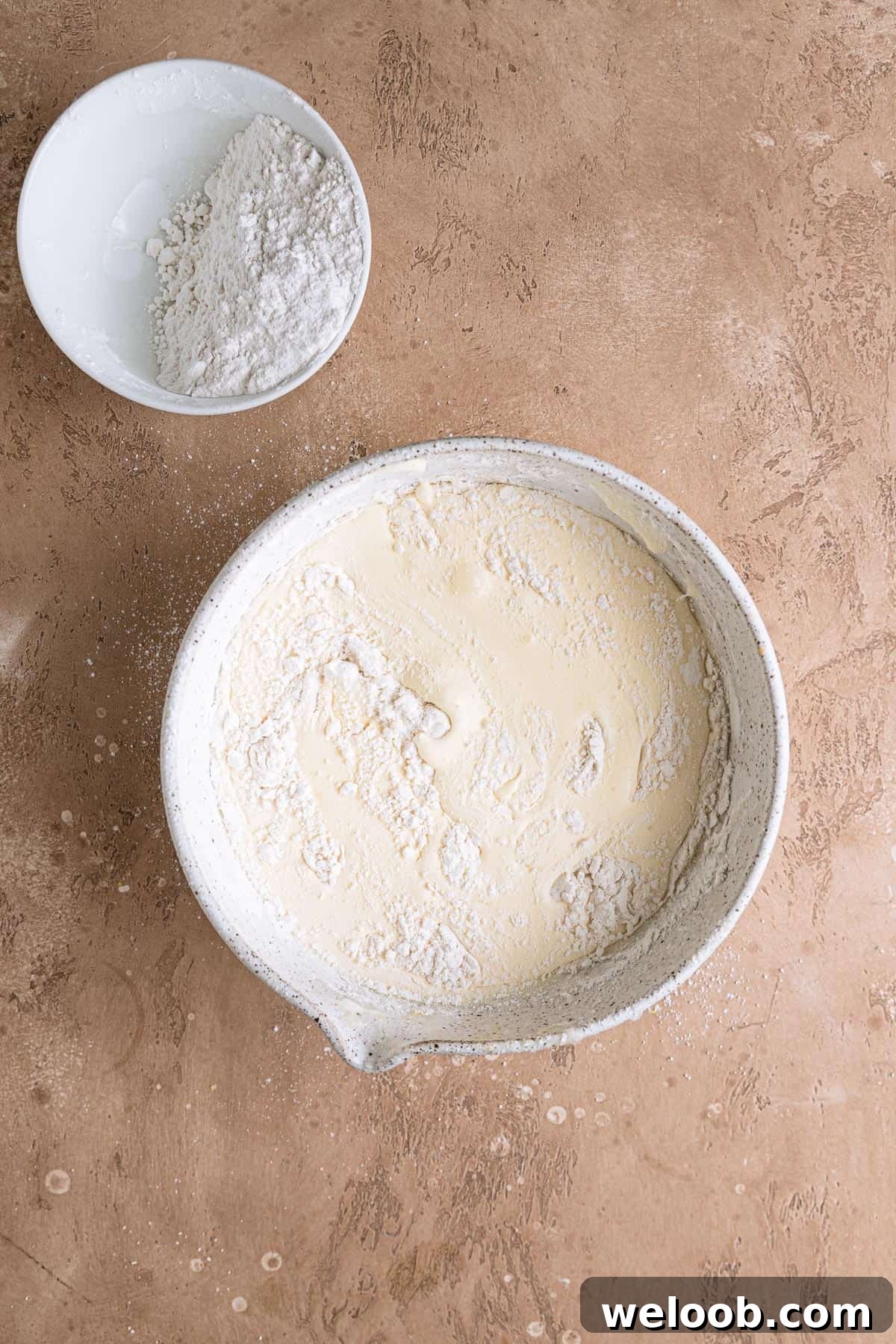
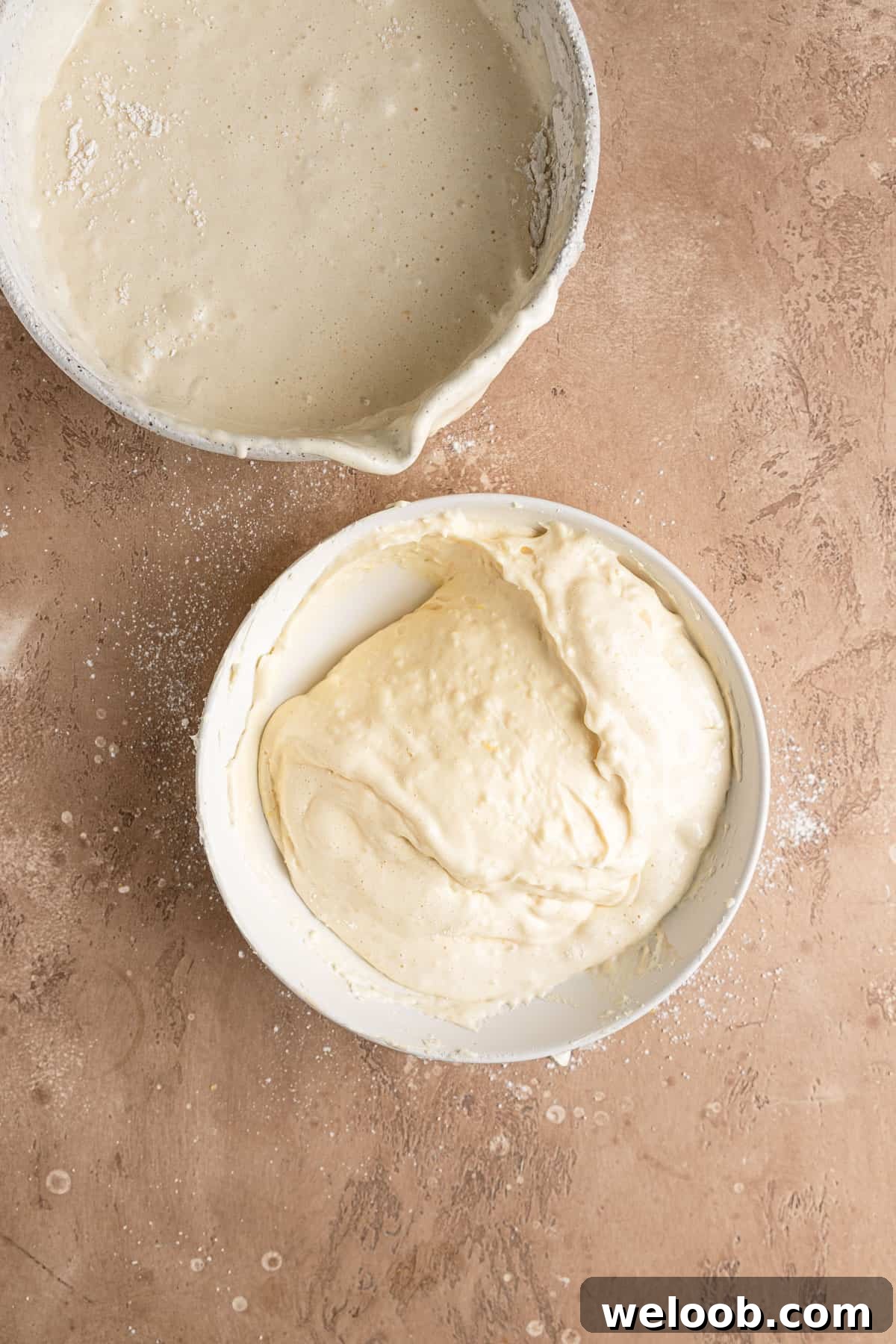
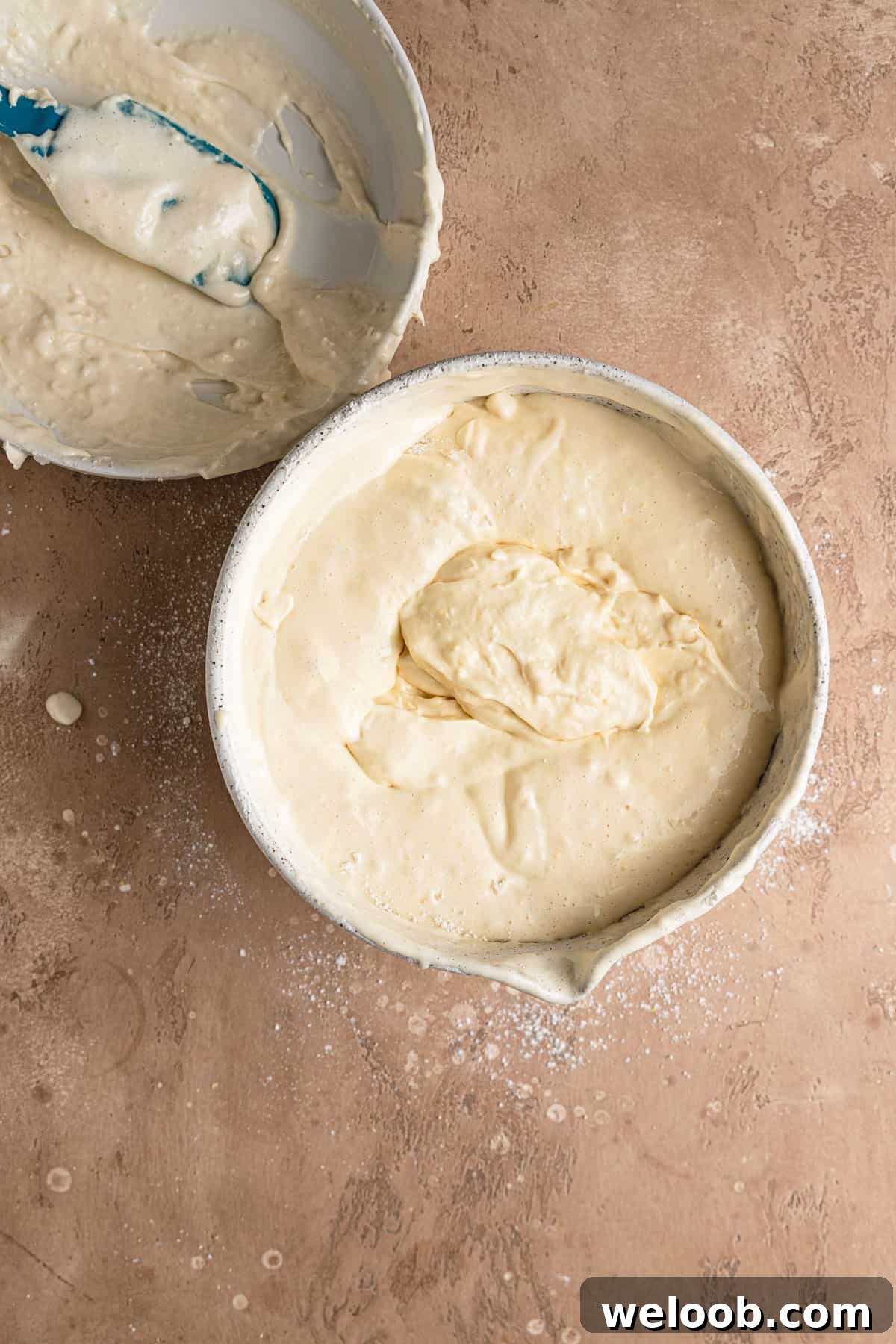
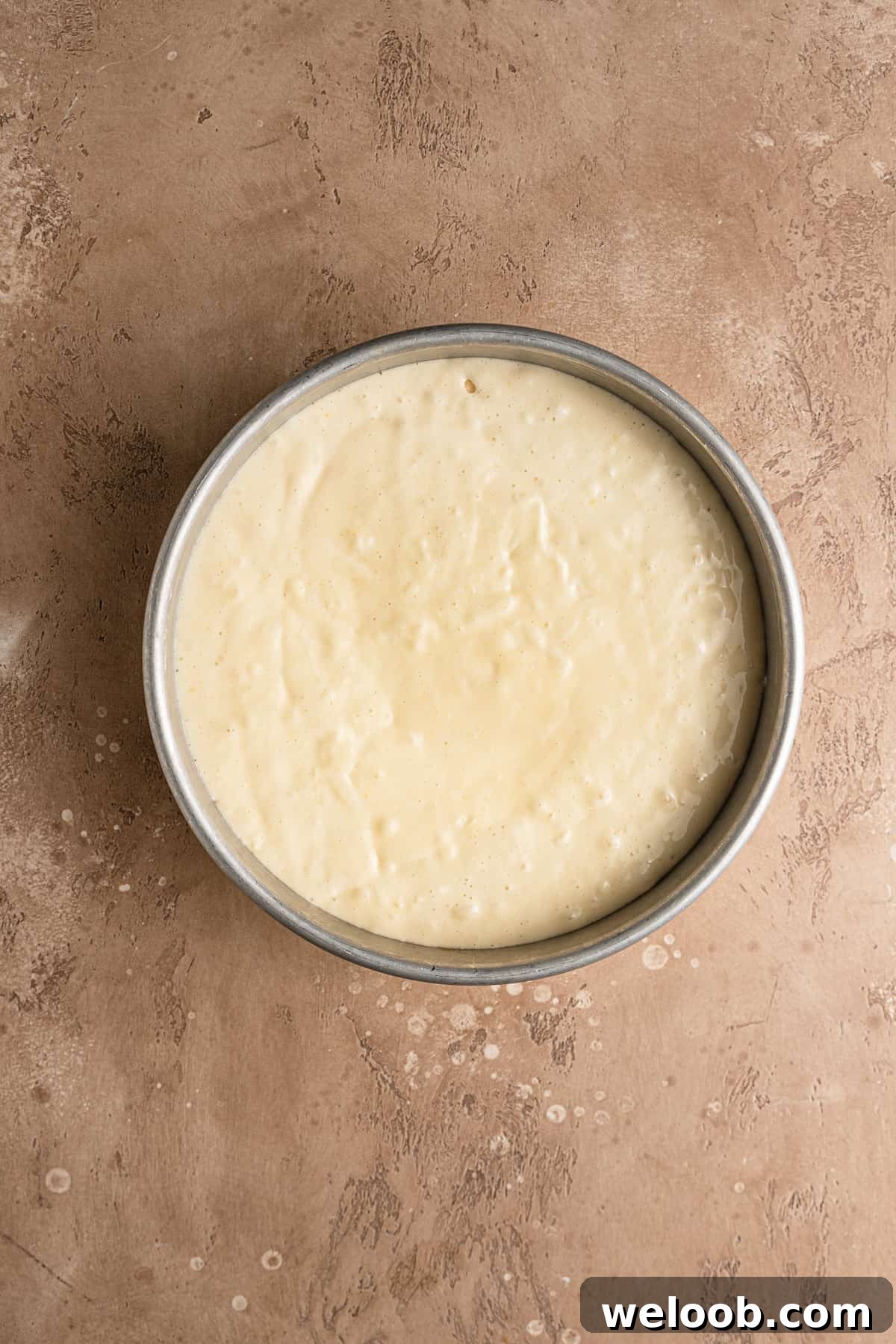
Baking the Cake
This cake behaves like a custard: heat dissipates slowly and gradual cooling is important. After baking, leave the cake in the turned-off oven to cool slowly with the door closed for the recommended period. A properly baked cake will have a dry, lightly golden top and a center that still jiggles slightly; a toothpick inserted through the center should come out clean.
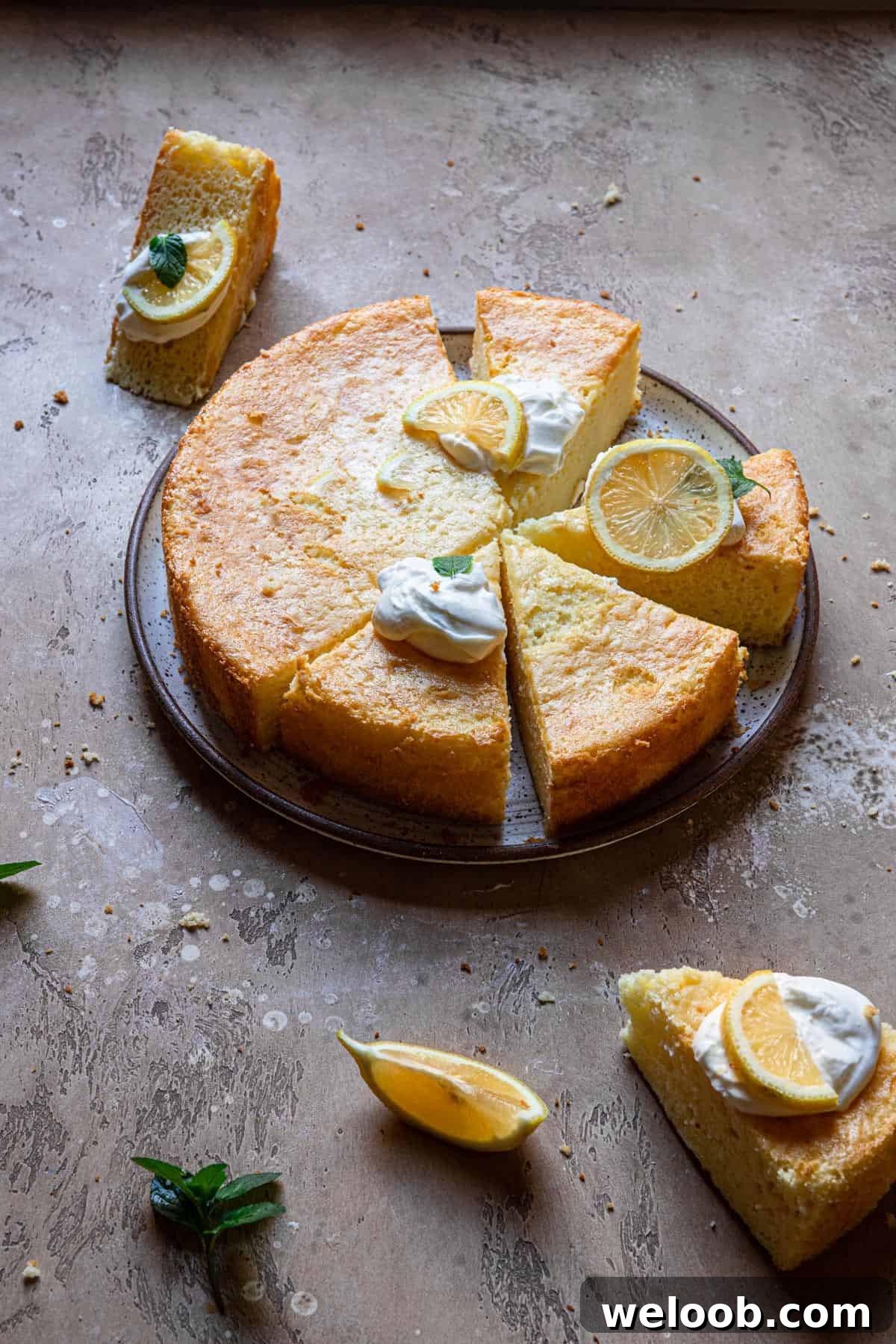
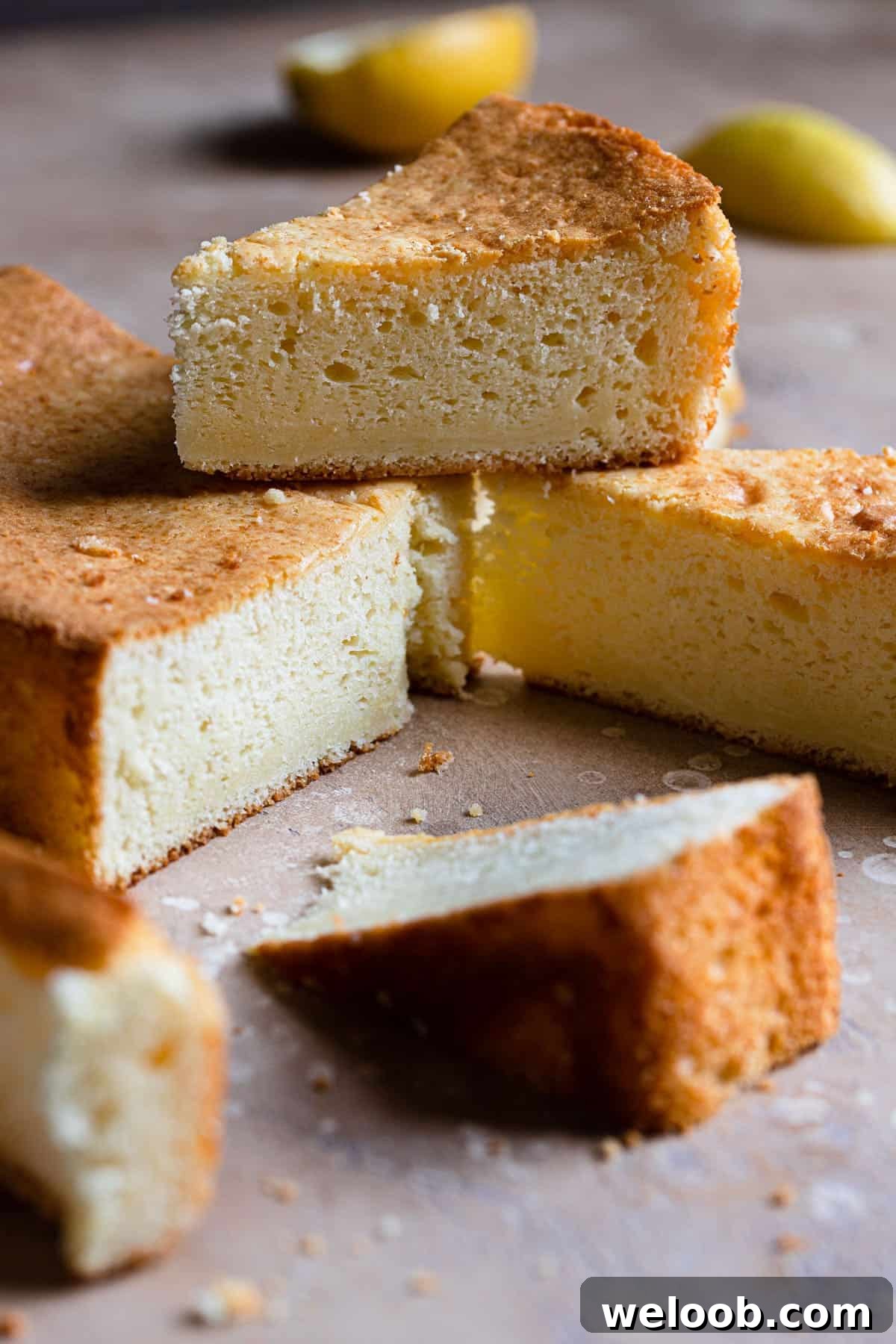
If a thin dense layer forms at the bottom it isn’t necessarily a failure—what matters is that the overall texture remains cohesive and pleasant to eat. Proper folding and gentle handling reduce the chance of separation.
Storing The Cake
Unfrosted, this cake keeps well at room temperature when covered for up to three days. If you frost the cake or top it with fresh cream, refrigerate it within four hours. The cake is at its best when served fresh or returned to room temperature after refrigeration so the texture and flavors are most pronounced.

Print
Pin
Light and Tender Sponge Cheesecake Cake
20 mins
50 mins
1 9″ round pan
Dikla Levy Frances
Ingredients
Cream cheese custard
- 1 1/2 Cup (336g) Cream cheese (about 1.5 packages), at room temperature
- 4 TBS (60g) Unsalted butter, softened
- 1/4 Cup (50g) Sugar
- 1 tsp Vanilla extract
- 4 TBS (60ml) Heavy cream
- 1 TBS Lemon zest (about 2 small lemons)
- 1 Large egg, at room temperature
- 1 Large egg yolk, at room temperature
Sponge Cake
- 1 1/4 Cup (150g) Cake flour
- 1 1/2 tsp Baking powder
- 4 Large eggs (about 200g), at room temperature
- 1 Cup (200g) Sugar
Instructions
Make the cream cheese custard
-
Rub the sugar with the lemon zest to release the oils. Beat the room-temperature cream cheese and softened butter with the sugared zest until smooth and fully incorporated.
-
Add the vanilla extract, heavy cream, the whole egg and the egg yolk. Mix until the custard is homogeneous and free of lumps. Set aside at room temperature while you prepare the sponge.
Make the sponge batter
-
Preheat the oven to 320°F (160°C). Grease the bottom of a 9″ round pan and line it with parchment paper. Do not grease the sides of the pan.
-
Sift the cake flour and baking powder together twice to ensure they are fully blended and aerated.
-
In a large bowl or stand mixer, whip the eggs and sugar for 5–7 minutes until the mixture triples in volume, becomes thick and light in color.
-
Sift half of the dry mixture over the whipped eggs and fold gently with a rubber spatula until mostly combined. Add the second half of the flour and fold again until there are no visible streaks.
-
Stir about one third of the sponge batter into the cream-cheese custard to loosen it and equalize textures.
-
Gently fold the thinned custard back into the remaining sponge batter until evenly combined. Take care not to overmix; keep the motion light to preserve the air in the sponge.
-
Pour the combined batter into the prepared pan and place it on a large baking sheet. Bake on the middle rack for 40–50 minutes. The cake is done when the top is dry and lightly golden and the center still jiggles slightly. A toothpick pushed into the center should come out clean.
-
Turn off the oven and allow the cake to cool slowly inside the oven, door closed, for about 2–3 hours. This gradual cooling helps the custard set without cracking or sinking excessively.
-
Once cooled, run a knife around the edge to release the cake from the pan. Remove and serve at room temperature or chilled, according to preference.