Make Pâte Sucrée Sweet Tart Dough: Classic Recipe
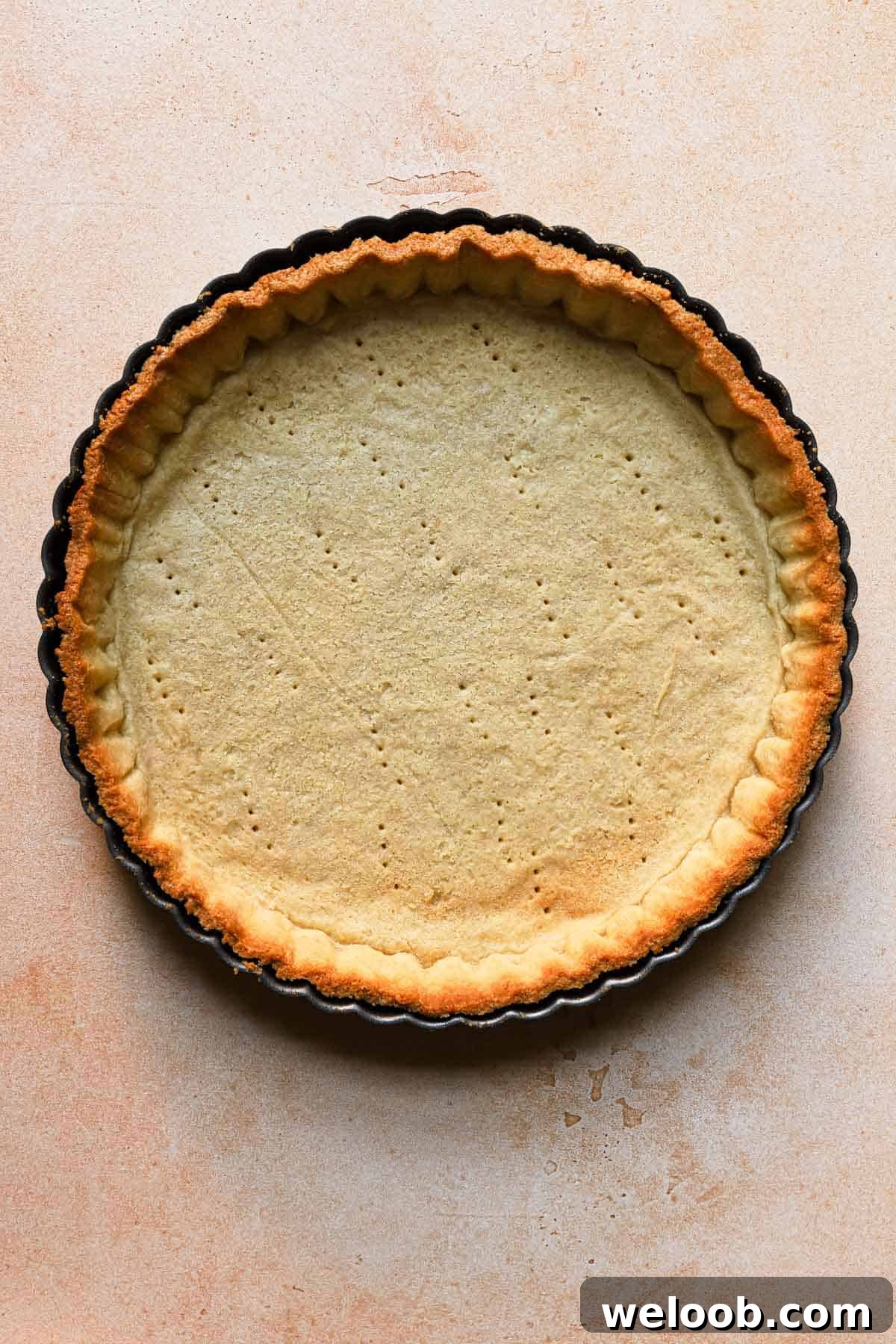
When creating memorable desserts, the base matters. One essential element in fine pastry-making is pâte sucrée, a sweet tart dough that yields a tender, crumbly crust. Whether you’re a professional baker or a home cook, mastering this dough will elevate your tarts, tartlets, and many other desserts.
What Is Pâte Sucrée?
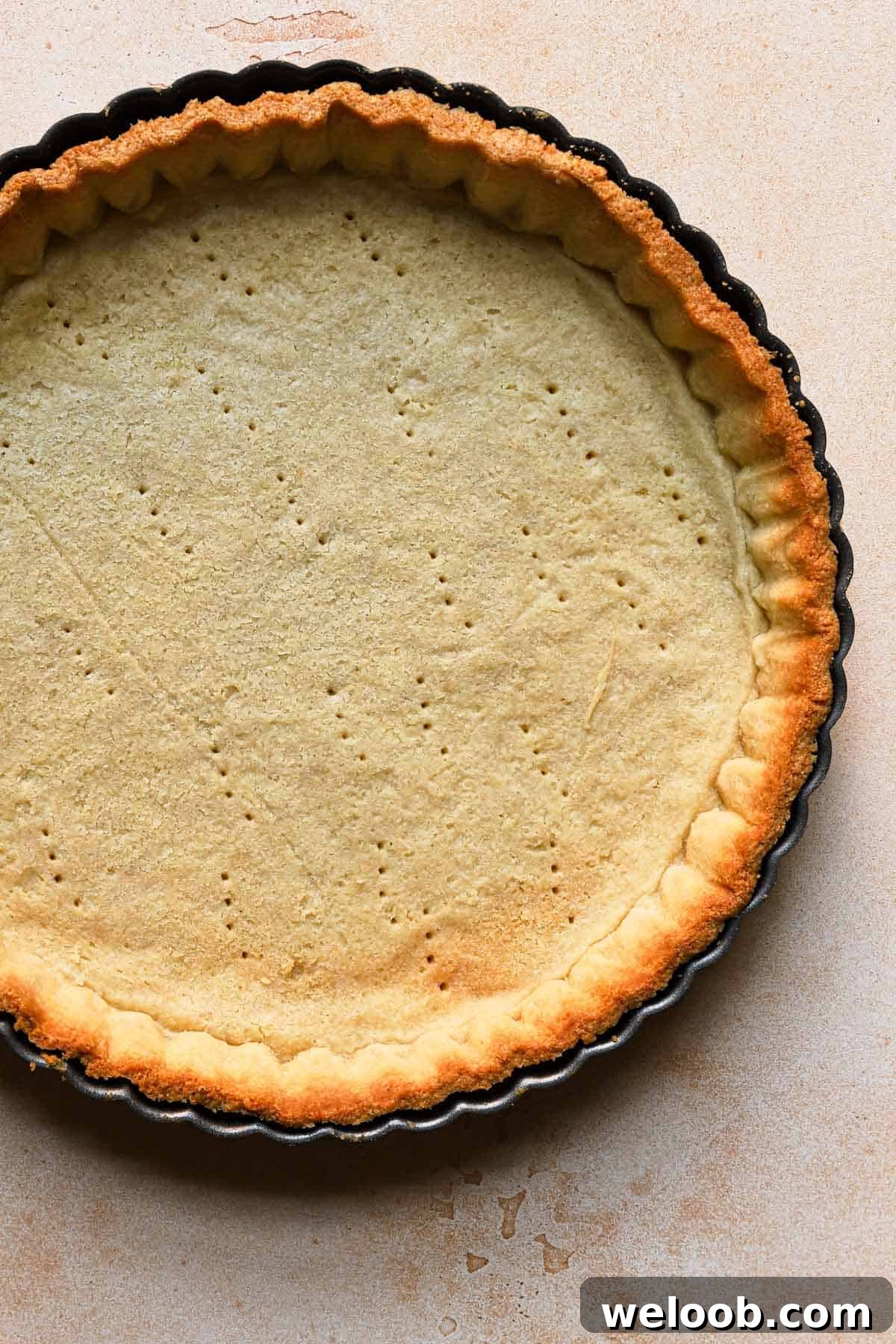
Pâte sucrée (pronounced “pat soo-kray”) is a classic French sweet shortcrust pastry known for its delicate, crumbly texture and light sweetness. It is the ideal shell for fruit tarts, custard tarts, chocolate tarts, and many other desserts. The dough is typically pressed into a tart pan—often with a removable bottom—then blind baked or partially baked depending on the filling. Its subtle sweetness and tender crumb make it a versatile and reliable base for both simple and refined tart recipes.
Ingredients
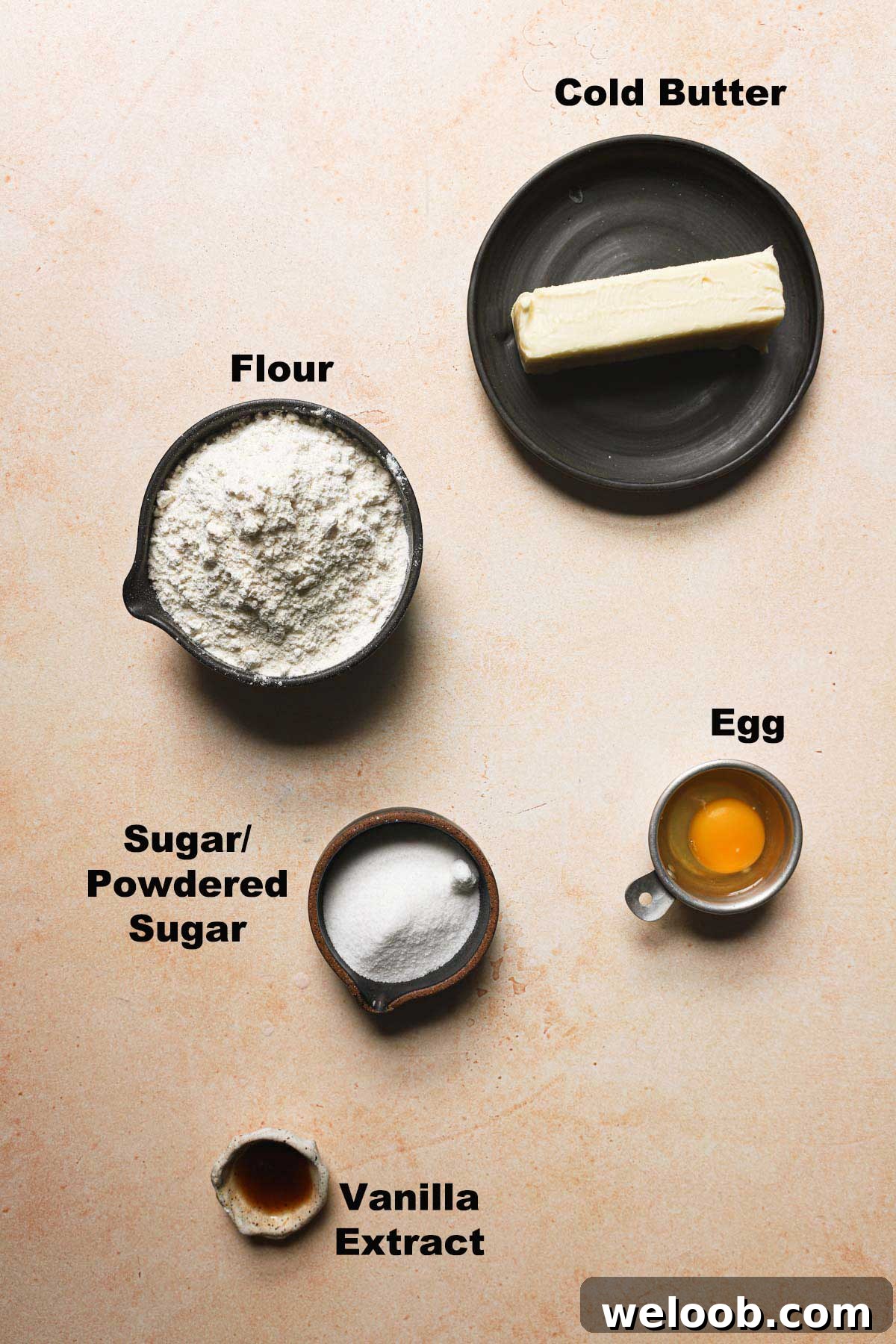
- All-purpose flour (bleached or unbleached)
- Granulated sugar (you can substitute powdered sugar for a finer texture)
- Salt (a small pinch)
- Unsalted butter, softened — butter gives the best flavor and texture
- 1 large egg at room temperature (or substitute an egg yolk plus 2 tablespoons heavy cream)
- Vanilla extract for flavor
- Almond flour (optional) to add richness and a slightly nutty character
How to Make Pâte Sucrée
Time needed: 30 minutes (plus chilling time)
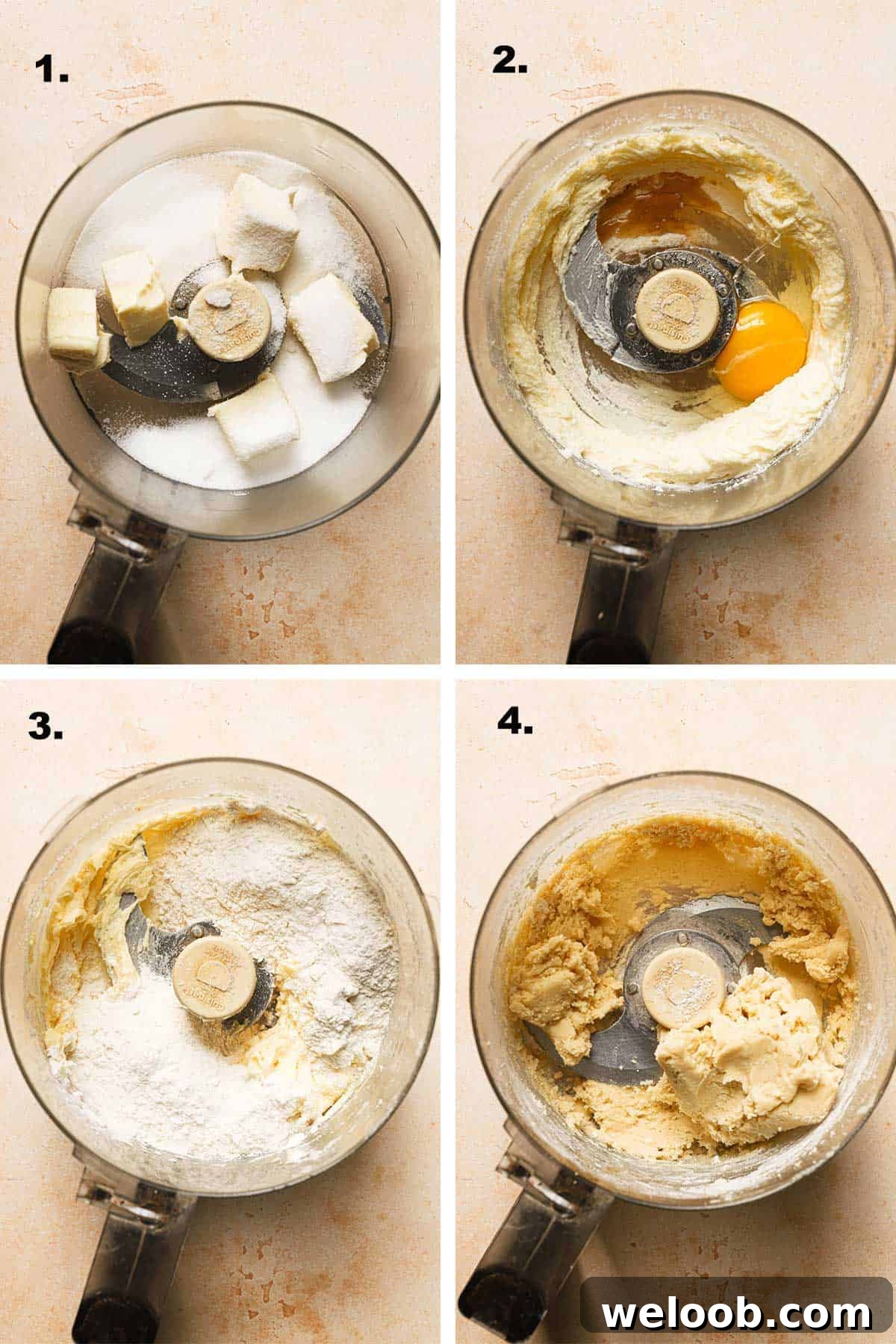
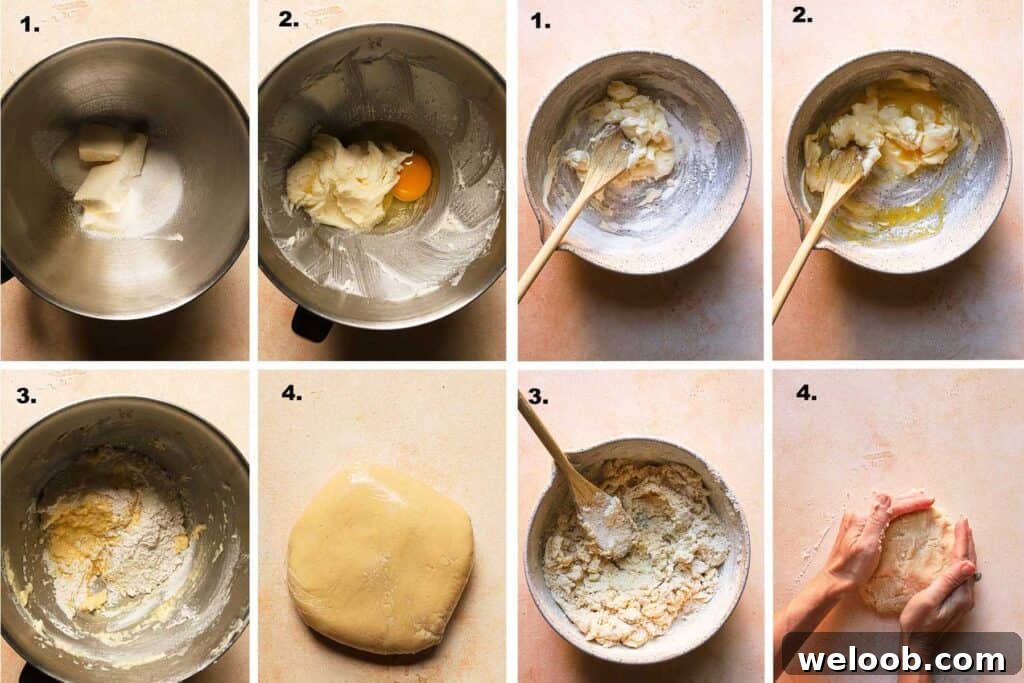
You can prepare this dough in a food processor, a stand mixer with the paddle attachment, or by hand in a bowl with a wooden spoon. The steps are the same: cream the butter and sugar, incorporate the egg and vanilla, then add the dry ingredients just until the dough comes together. If working by hand, powdered sugar makes for a smoother finish.
- Butter and sugar: Cream the softened butter with the sugar until smooth and well combined.
- Add egg and vanilla: Mix in the egg and vanilla until the mixture is homogenous.
- Add flour and salt: Gently fold in the flour and salt (and almond flour if using) until a smooth dough forms. Avoid overworking.
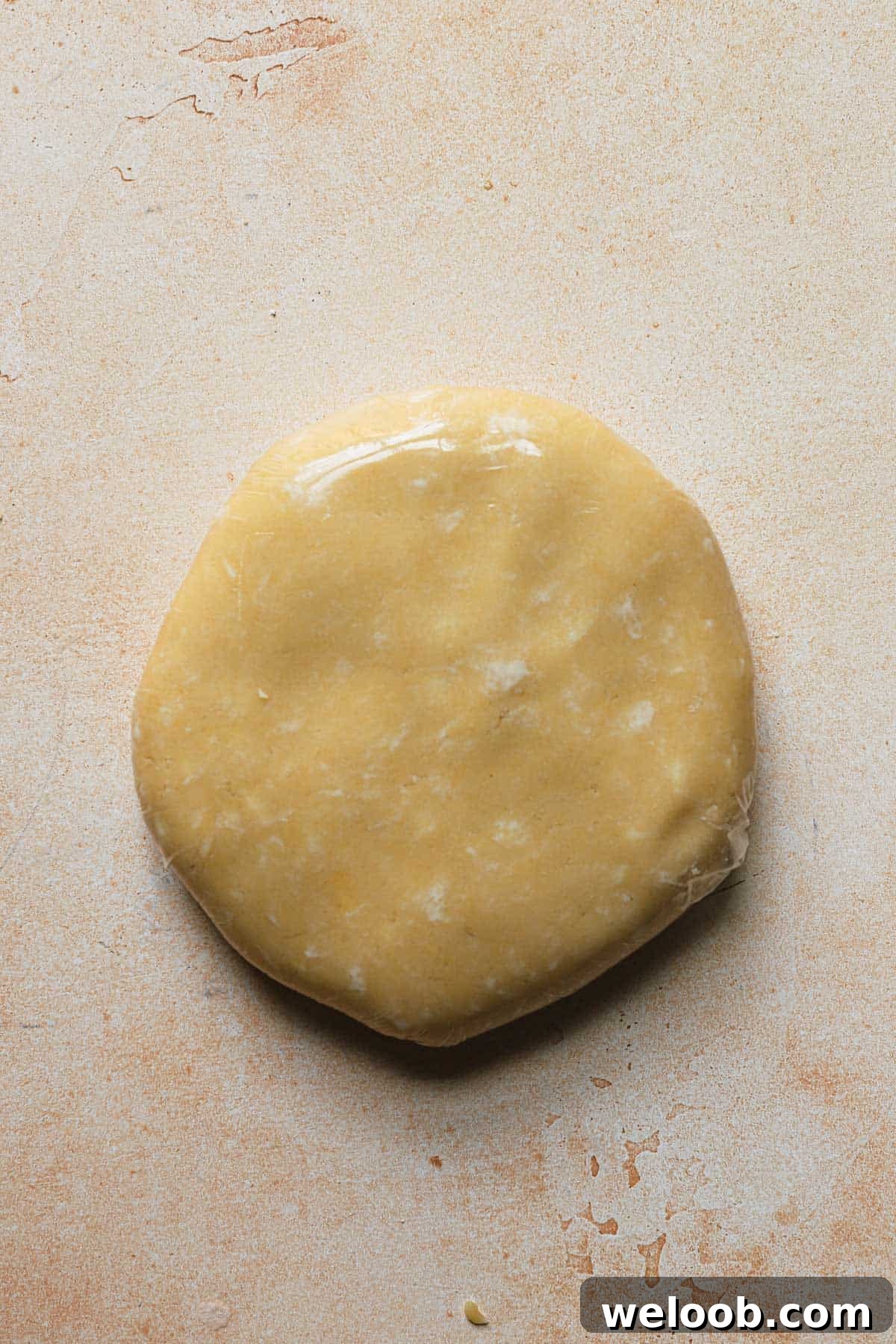
- Shape and chill: Press the dough into a disc, wrap tightly in plastic, and refrigerate for at least 1 hour or overnight. Chilling firms the butter and prevents shrinkage when baking.
Rolling and Handling the Dough
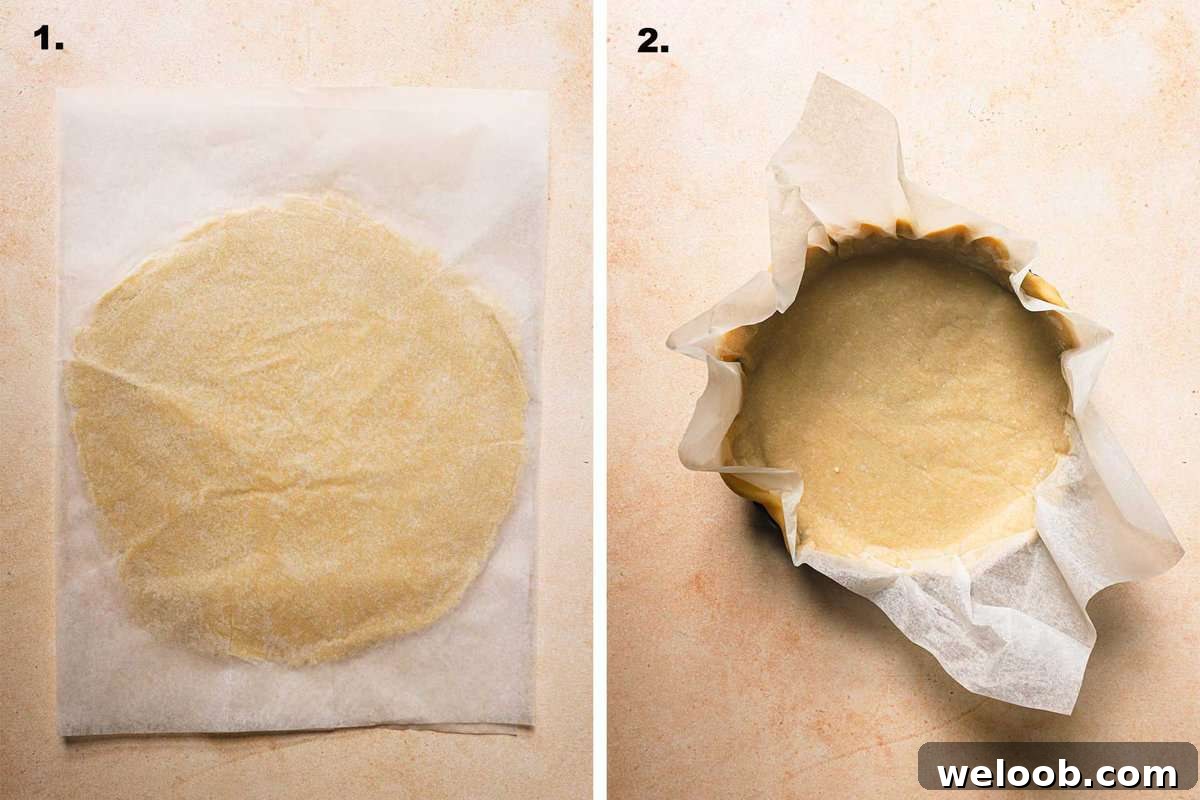
Pâte sucrée can be delicate and slightly sticky. The easiest, least frustrating method is to roll it between two sheets of parchment paper.
- Take the chilled dough from the refrigerator and roll it out between two large pieces of parchment paper to the desired size.
- Peel off the top sheet of parchment, then use the bottom sheet to lift and line the tart pan. Gently press the dough into the pan, then return the tart to the refrigerator to firm up the butter again.
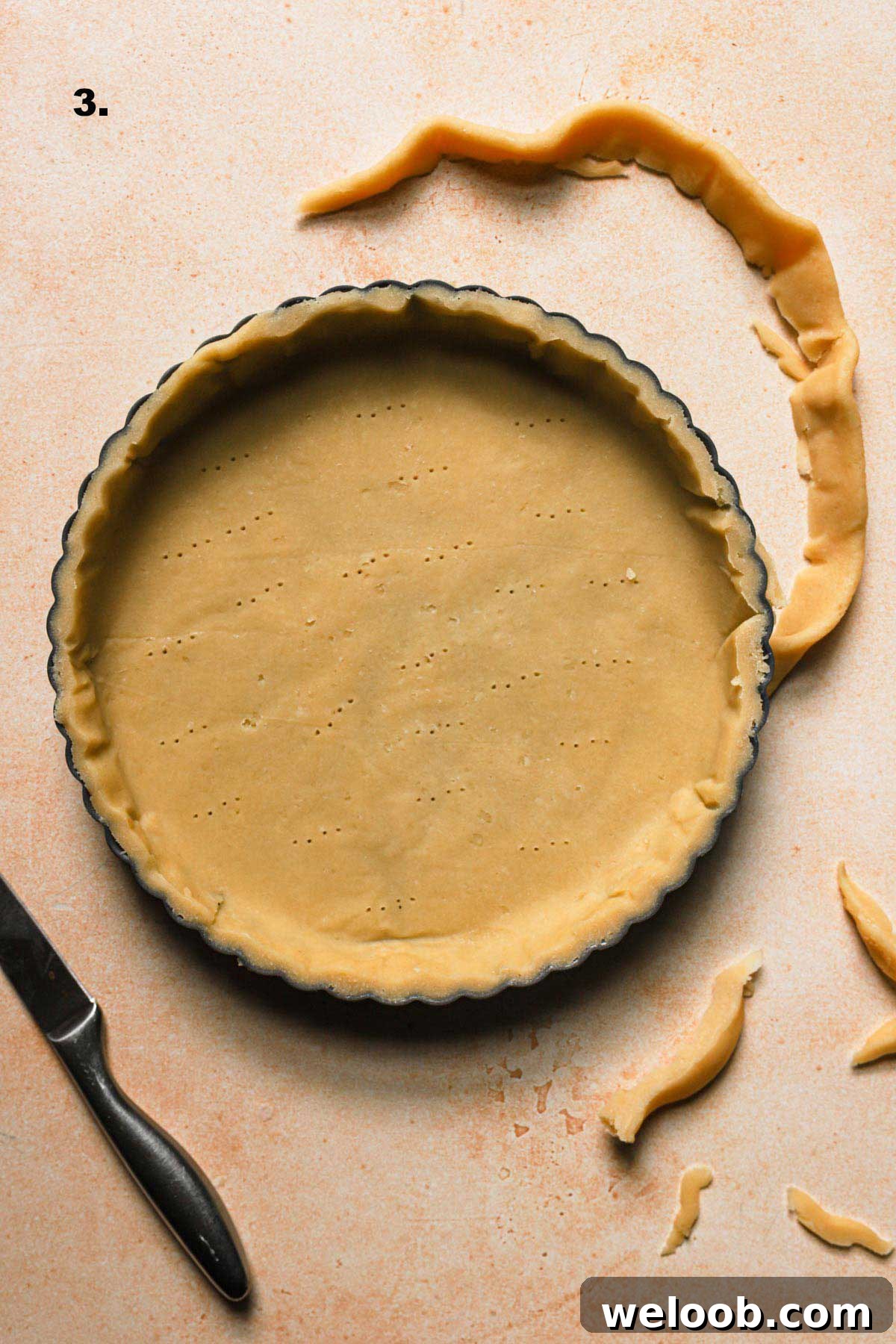
- Once chilled, remove the parchment, trim the excess dough, and dock the base with a fork. The shell is now ready for blind baking or filling.
Blind Baking
Blind baking means partially or fully pre-baking a tart shell before adding a filling that doesn’t require long baking or that could make the crust soggy. This step ensures a crisp, fully cooked shell for custard tarts, cream tarts, and many fruit tarts.
- Preheat: Preheat the oven and place a baking sheet on the middle rack. Keep the assembled tart shell chilled while the oven heats.
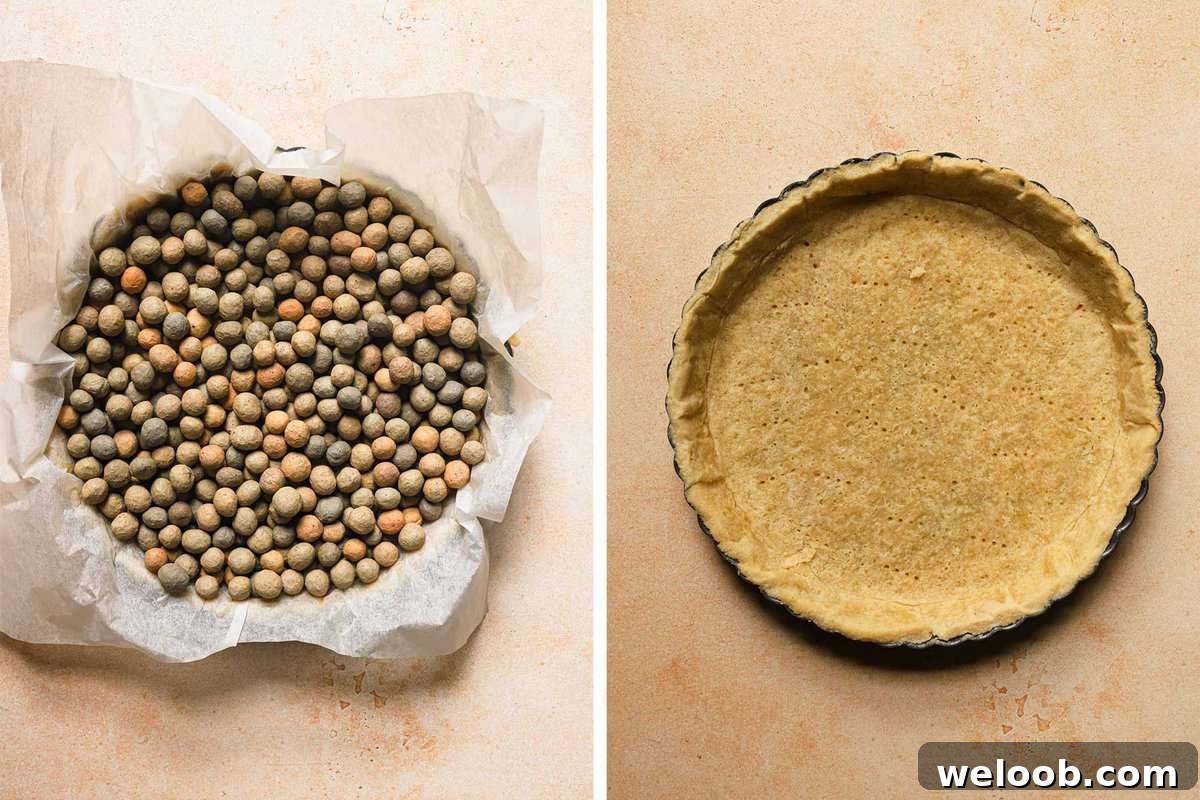
- Weight the crust: Line the shell with greased parchment or foil and fill with pie weights, dried beans, or rice to prevent the crust from puffing or shrinking.
- Bake: Bake for 10–15 minutes for a partially baked (par-baked) shell or 20–25 minutes for a fully baked crust. Times vary with oven and tart size.
- Remove weights: Let the tart cool slightly for 10–15 minutes, then remove the weights and lining carefully.
- Finish if needed: If the recipe requires, return the shell to the oven until it is evenly golden.
Expert Tips
- Handle gently: Overworking the dough develops gluten and can make the crust tough. Mix only until it comes together.
- Avoid adding extra flour: Adding too much flour will change the texture. Roll between parchment sheets instead of dusting a surface with flour.
- Chill thoroughly: Chill the dough before rolling and again after lining the tart pan to prevent shrinking.
- Cool before unmolding: Allow baked pastry to cool completely in the tin before removing to keep its shape.
- For decorative edges: Use the handle of a wooden spoon or a straw to press defined swirls along the tart rim before baking.
Storing and Recipe Ideas
Storing: Keep unbaked pâte sucrée refrigerated for up to three days or frozen for several weeks. Thaw in the refrigerator before using. Baked tart shells can be stored at room temperature, covered, for up to three days.
Recipe ideas: Fill this crust with lemon curd and meringue, chocolate ganache, pastry cream and fresh fruit, almond frangipane with pears, or any flavored custard. It also makes elegant mini tartlets and can be adapted for savory quiches by reducing the sugar.
How to Use Pâte Sucrée
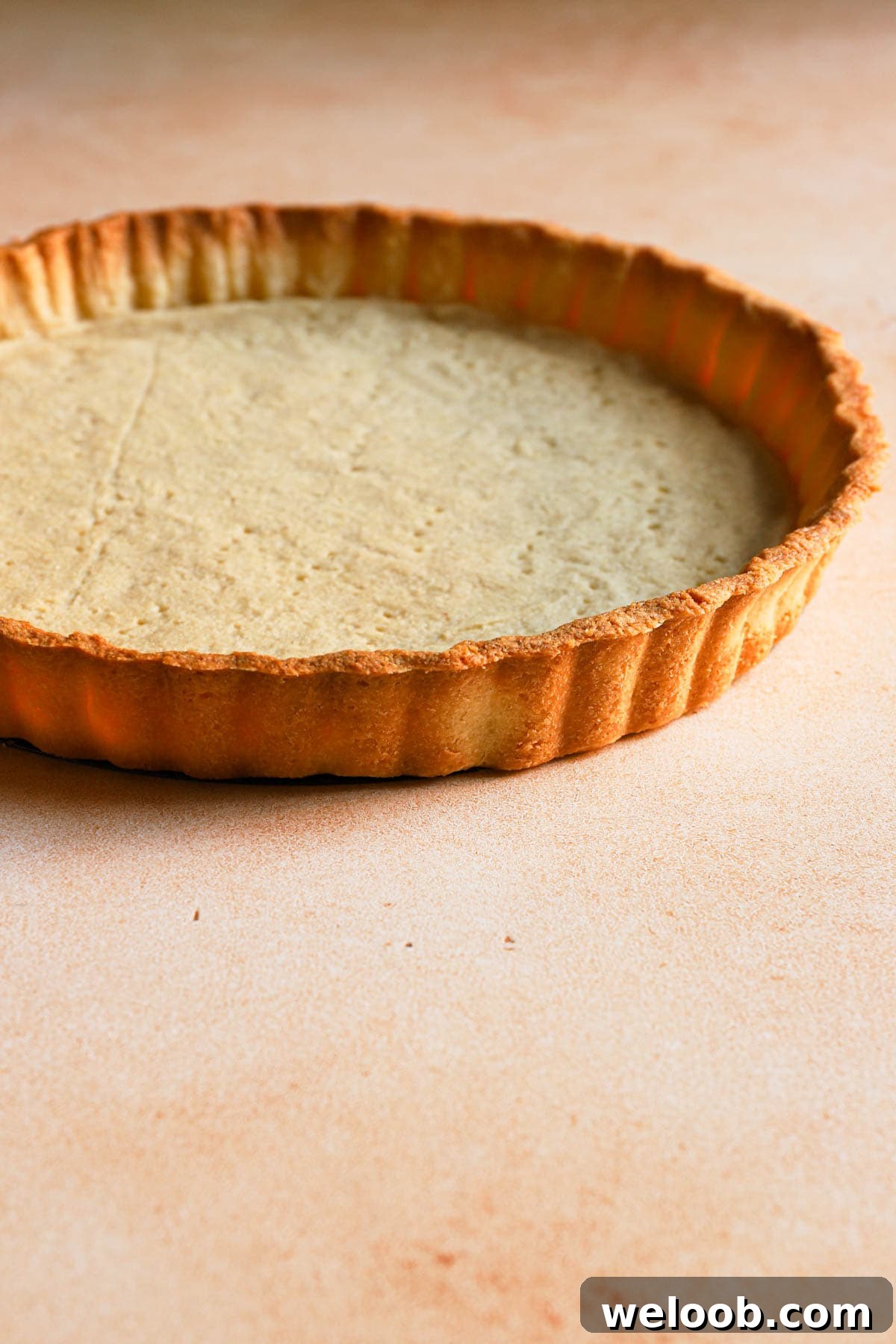
This dough is perfect for classic tart recipes such as chocolate tarts, pear frangipane tarts, and strawberry tarts. Once baked, the buttery, tender crust pairs beautifully with almond cream (frangipane), pastry cream (crème pâtissière), whipped cream, or various ganaches and curds.
- Crème légère — pastry cream lightened with whipped cream
- Crème mousseline — pastry cream enriched with butter
- White or dark chocolate ganache, optionally topped with stabilized whipped cream
- Lemon curd with toasted meringue
- Savory tart tins when you reduce the sugar for quiches or vegetable tarts
More Recipes You Might Enjoy
Cream Cheese Pie Crust; How to Make Choux Pastry; How to Make Brioche Bread.
Pâte Sucrée Recipe — Sweet Shortcrust Pastry
Ingredients
- 1/2 cup unsalted butter, soft (113 g)
- 1/3 cup granulated sugar (70 g)
- 1 large egg, at room temperature
- 1 teaspoon vanilla extract
- 1 2/3 cups all-purpose flour (200 g)
- Pinch of salt
Instructions
- In a food processor, pulse the butter and sugar until they form a smooth paste. If using a mixer, cream butter and sugar until light.
- Add the egg and vanilla, and process or mix until smooth and uniform.
- Add the flour and salt, and pulse or fold until the dough comes together into a smooth mass. Do not overwork.
- Shape the dough into a disc, wrap in plastic, and refrigerate for at least 60 minutes or overnight.
- Roll the chilled dough between two large pieces of parchment into a 10.5-inch circle. Remove the top parchment, transfer the dough on the bottom sheet into a 9-inch tart pan, and gently press to line the pan.
- Return the tart shell to the refrigerator to firm up the butter, then trim excess dough and prick the base with a fork.
- For blind baking: preheat the oven to 375°F (190°C). Line the shell with greased parchment or foil and fill with pie weights, dried beans, or rice. Bake on a baking sheet for 10–15 minutes for a par-baked shell or 20–25 minutes for a fully baked crust.
- Allow to cool slightly before removing weights. If further baking is required to brown the shell, return it to the oven until golden.
Notes
- The same steps work if you use a stand mixer, hand mixer, or mix by hand.
- Store unbaked dough in the refrigerator up to three days or freeze for several weeks. Thaw in the refrigerator before use.
- Baked pastry keeps at room temperature for up to three days when covered.
- Do not add extra flour while rolling; extra flour changes the texture. Roll between parchment or plastic wrap.
- To replace granulated sugar with powdered sugar, use 1/2 cup (60 g) powdered sugar.
- Let the baked shell cool completely in the tin before removing. To release, set the tart tin over a cup, press the sides gently, and run a knife around the bottom if needed.