
Moist Buttery Orange Pound Cake Recipe
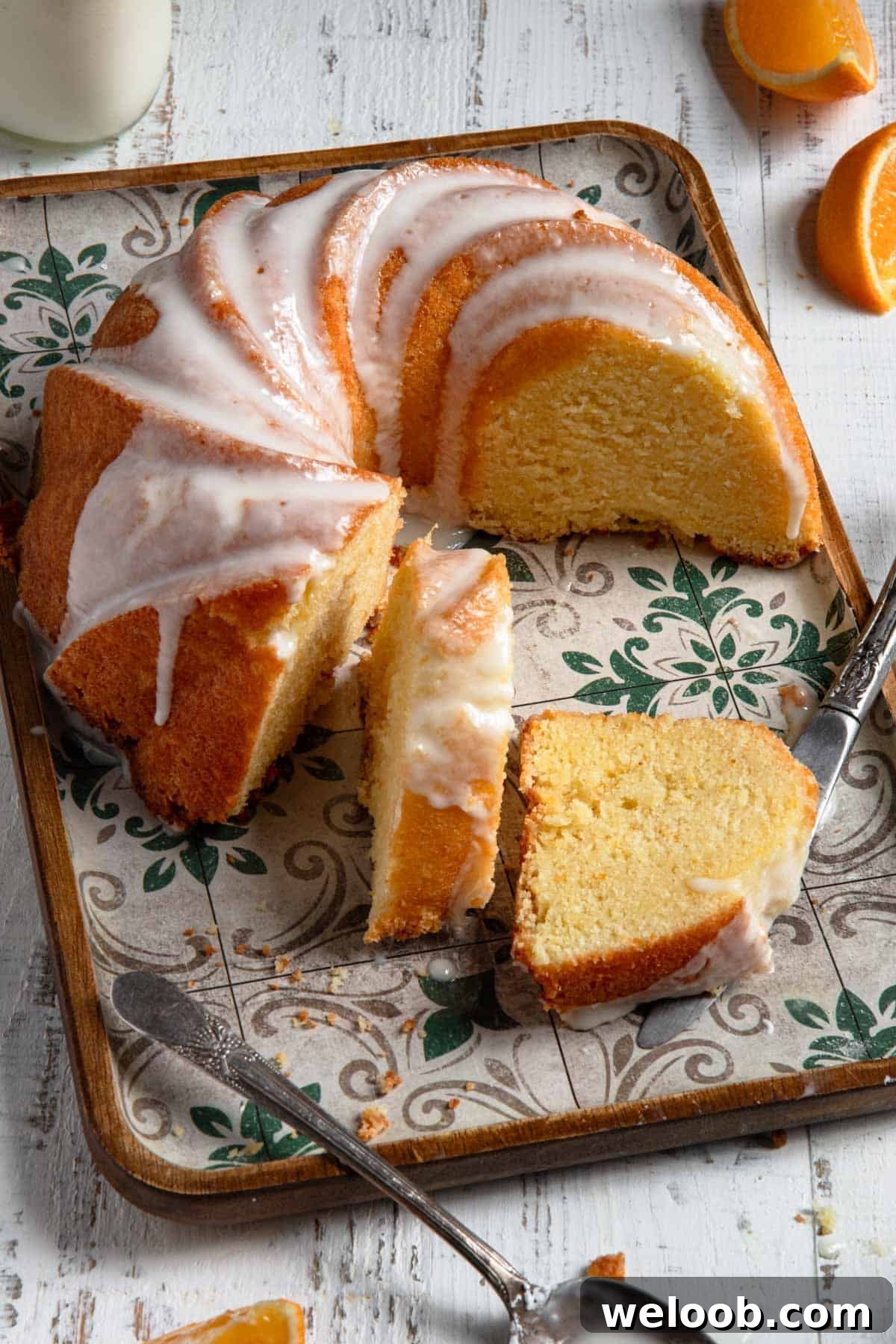
My orange pound cake is overflowing with bright, sweet citrus flavor. Made with fresh orange zest and juice, plus simple pantry staples like butter and sour cream, it bakes up buttery, incredibly moist, and with a fine, velvety crumb.
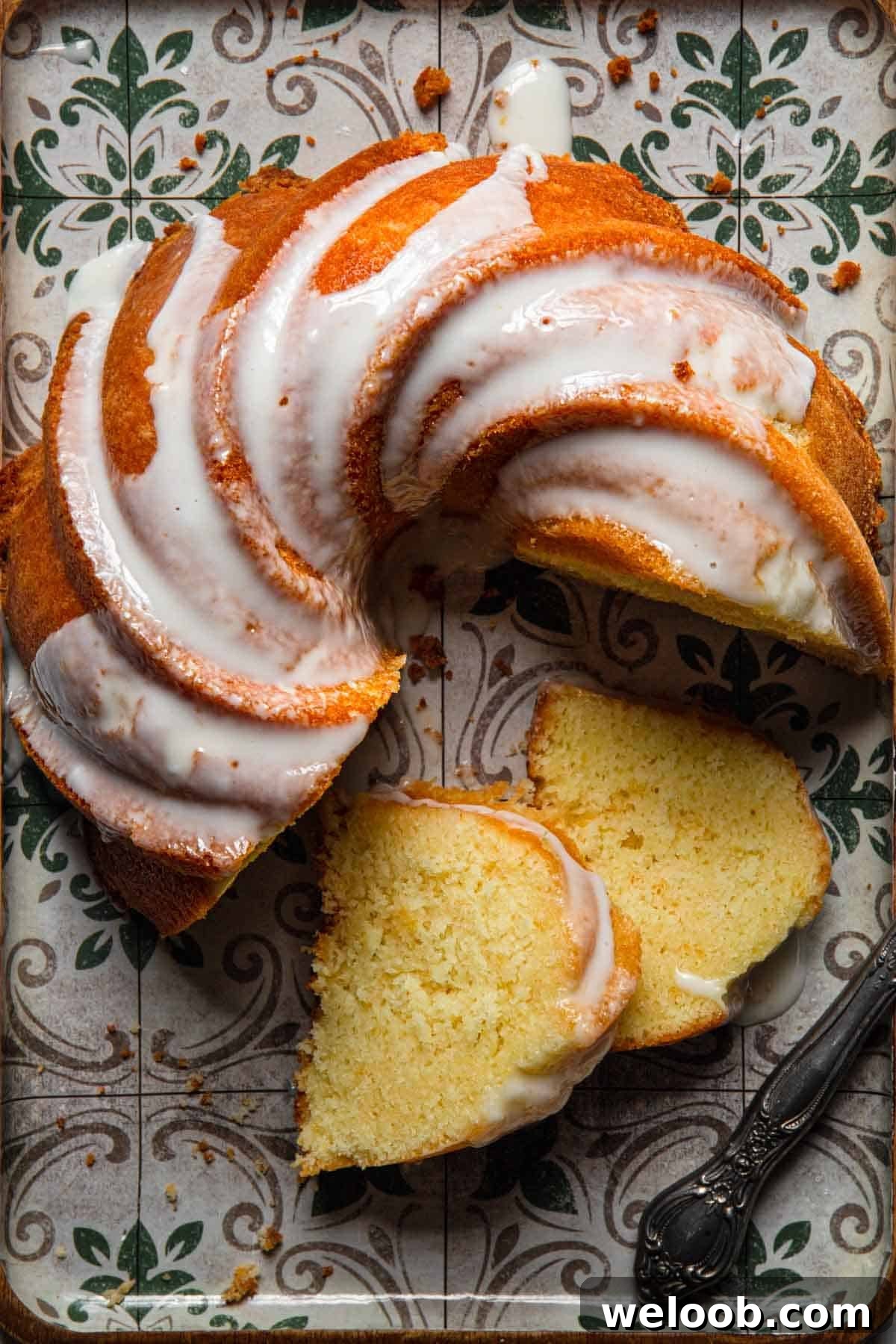
Orange is one of my favorite flavors to bake with, which is why I’ve shared several orange cake recipes. The citrus aroma brings back comforting, nostalgic memories and adds a bright, homemade character to any slice.
Compared to my orange chiffon cake, which is light and airy, this recipe is a classic buttery pound cake. It’s rich and substantial—perfect with an afternoon coffee or as a special breakfast treat.
Key Ingredients for the Best Orange Pound Cake
Below is a quick explanation of the main ingredients and why they matter. I tested this recipe multiple times, adjusting amounts and techniques to reach the texture and flavor I prefer. The full ingredient list and measurements follow in the recipe card.
- Orange zest — from about 3 medium oranges. I used navel oranges. The zest provides the concentrated citrus oils that give the cake its distinctive orange flavor. Avoid the bitter white pith when zesting.
- Unsalted butter — room temperature. Butter is essential for a tender, rich pound cake. It should be soft enough to press gently with your finger. Cold butter won’t incorporate properly and can lead to a dense loaf. Use unsalted butter so you can control the salt level yourself.
- Sugar — sugar does more than sweeten: it attracts and holds moisture, helping the cake stay tender. Reducing the sugar will change the cake’s texture and result in a shorter, less tender crumb.
- Sour cream — brings moisture, richness, and a subtle tang that balances the sweetness. The acidity also helps achieve a slightly shortened bake time while keeping the crumb soft.
Pan Options and Yield
This recipe is flexible. Bake it as:
- Two 8 or 9 × 5-inch loaf pans — each pan yields about 8–10 slices.
- A bundt or tube pan (10–12 cup capacity) — yields about 12–15 slices.
Baking times will vary depending on pan shape and your oven—see the recipe notes for alternate bake times.
Tips, Tricks & Troubleshooting
Here are the practical tips I use every time I make this orange pound cake. They help ensure consistent results and an ideal texture.
- Prep everything first: Measure your ingredients and have them ready before you start. This prevents missed ingredients and speeds up the process.
- Use a rubber spatula: Scrape the bowl often—especially the bottom and sides—so nothing is left behind. Use the spatula after creaming butter and sugar, when adding eggs, and when folding in the dry ingredients.
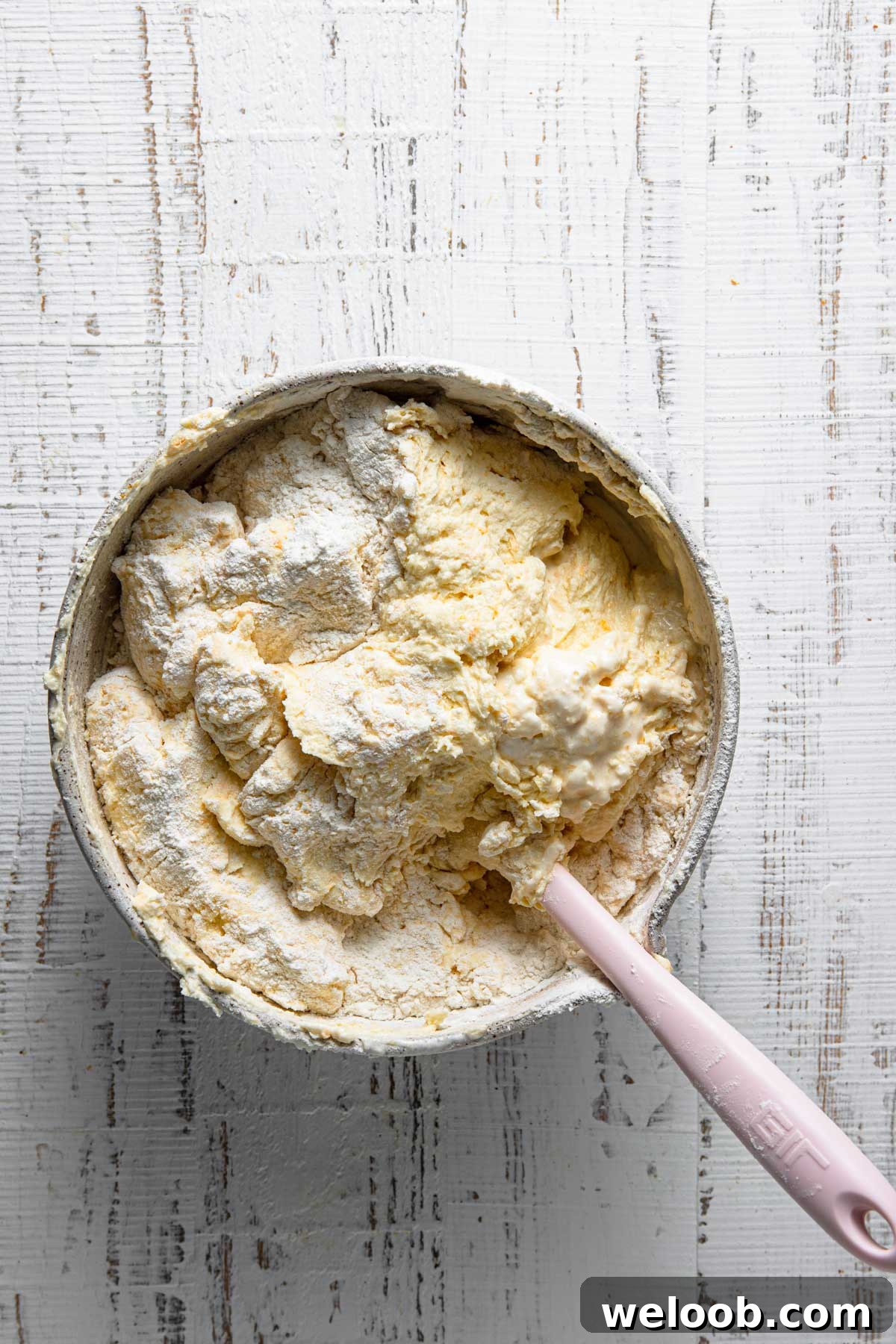
- Mix dry and wet alternately: Add the flour mixture and the sour cream/orange mixture in alternating additions on low mixer speed. Start and finish with the dry ingredients and fold the final bit by hand with a spatula to avoid overdeveloping gluten.
- Watch the cake, not the clock: Oven temperatures vary. The cake is done when a toothpick inserted into the center comes out with a few moist crumbs clinging to it.
- Cool in the pan briefly: Let the cake cool in the pan for about 30–40 minutes before inverting onto a wire rack. If you used loaf pans, line them with parchment for easy removal.
- Remove while pan is still warm to the touch: The cake releases more easily when the pan is warm but not piping hot. Don’t let it cool completely in the pan or it may stick.
Storage
Keep the cake covered at room temperature in a cake dome or wrapped for up to three days. To freeze, wrap tightly with plastic wrap or aluminum foil and place in a freezer-safe bag for up to six weeks. Thaw at room temperature, wrapped, until fully defrosted.
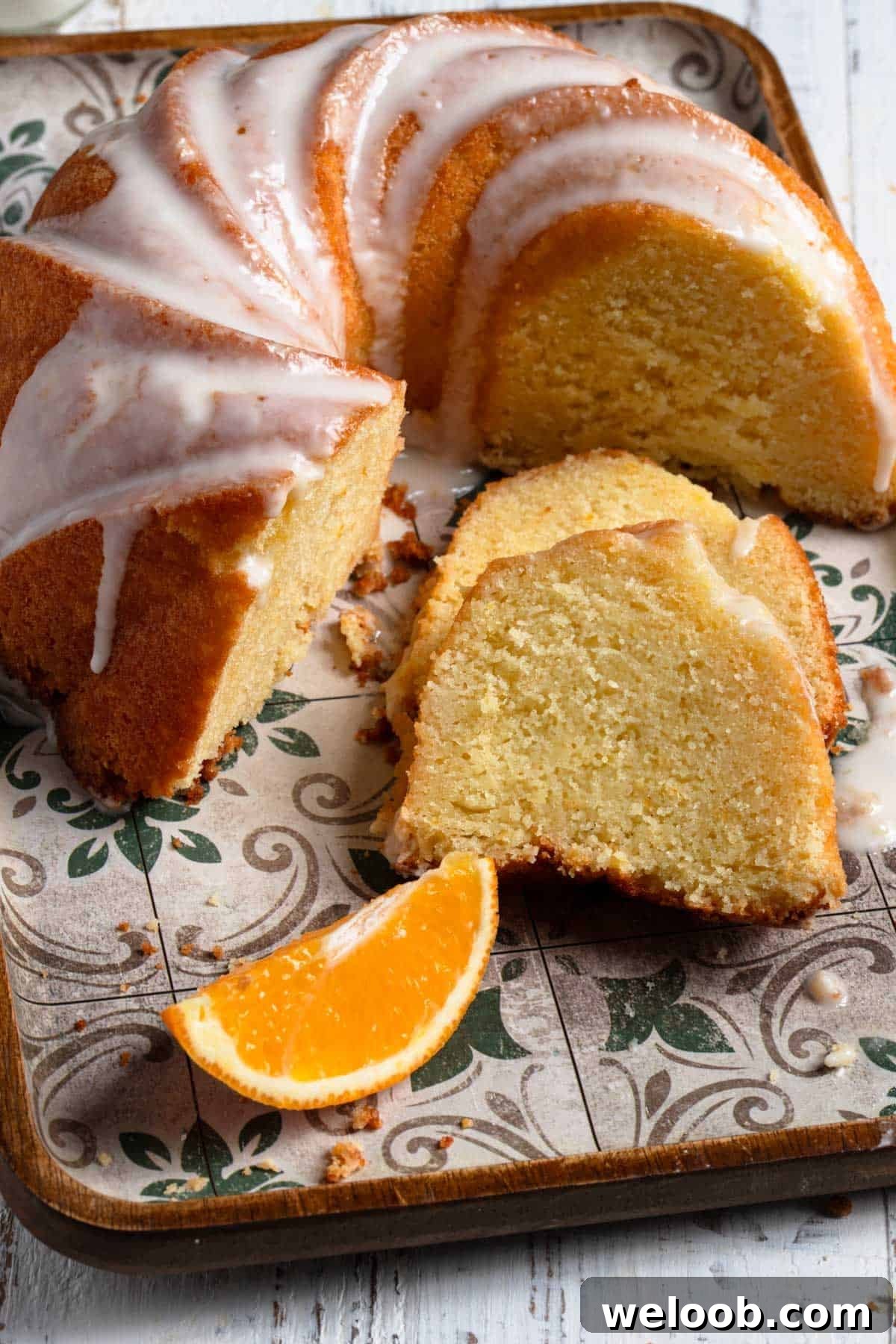

Buttery and Moist Orange Pound Cake
15 mins
43 mins
15 people
Dikla Levy Frances
Ingredients
- 2 3/4 Cups All-purpose flour (330g)
- 1 Tablespoon Baking powder
- 1/2 Cup Sour cream, room temperature (120ml)
- 1/2 Cup Fresh-squeezed orange juice (120ml)
- 1 teaspoon Vanilla extract
- 2 Cups Sugar (400g)
- 3 Tablespoons Orange zest (about 3 medium oranges) (21g)
- 1 1/2 Cups Unsalted butter, room temperature (360g)
- 3 Large Eggs, room temperature
- 1 Large Egg yolk, room temperature
- 1 Recipe Orange glaze (optional)
Instructions
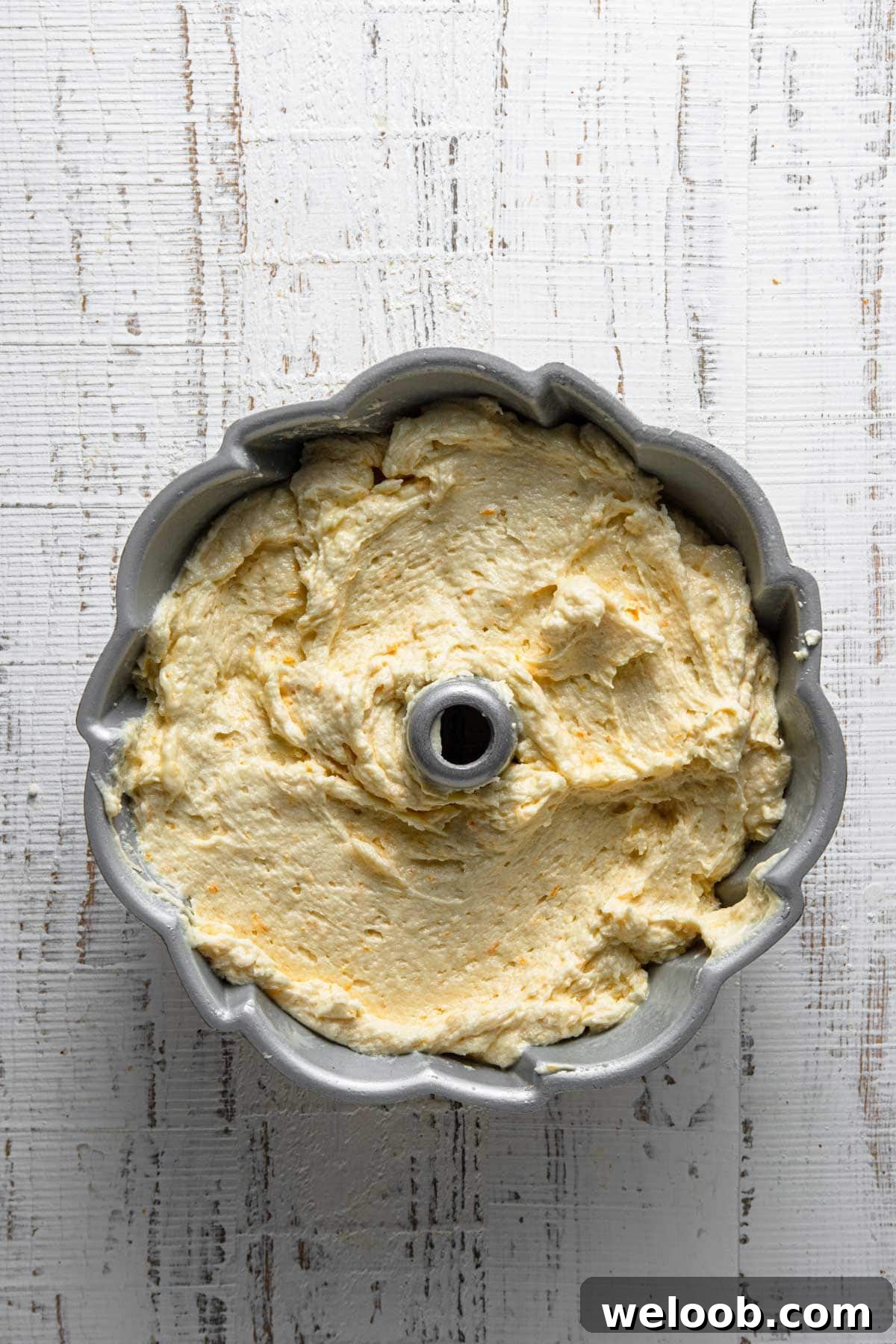
- Preheat the oven to 350°F (180°C) and grease a 10- or 12-cup bundt pan (or prepare two loaf pans if using those).
- In a medium bowl, whisk together the all-purpose flour and baking powder; set aside.
- Combine sour cream, fresh orange juice, and vanilla extract in a measuring cup or small bowl; set aside.
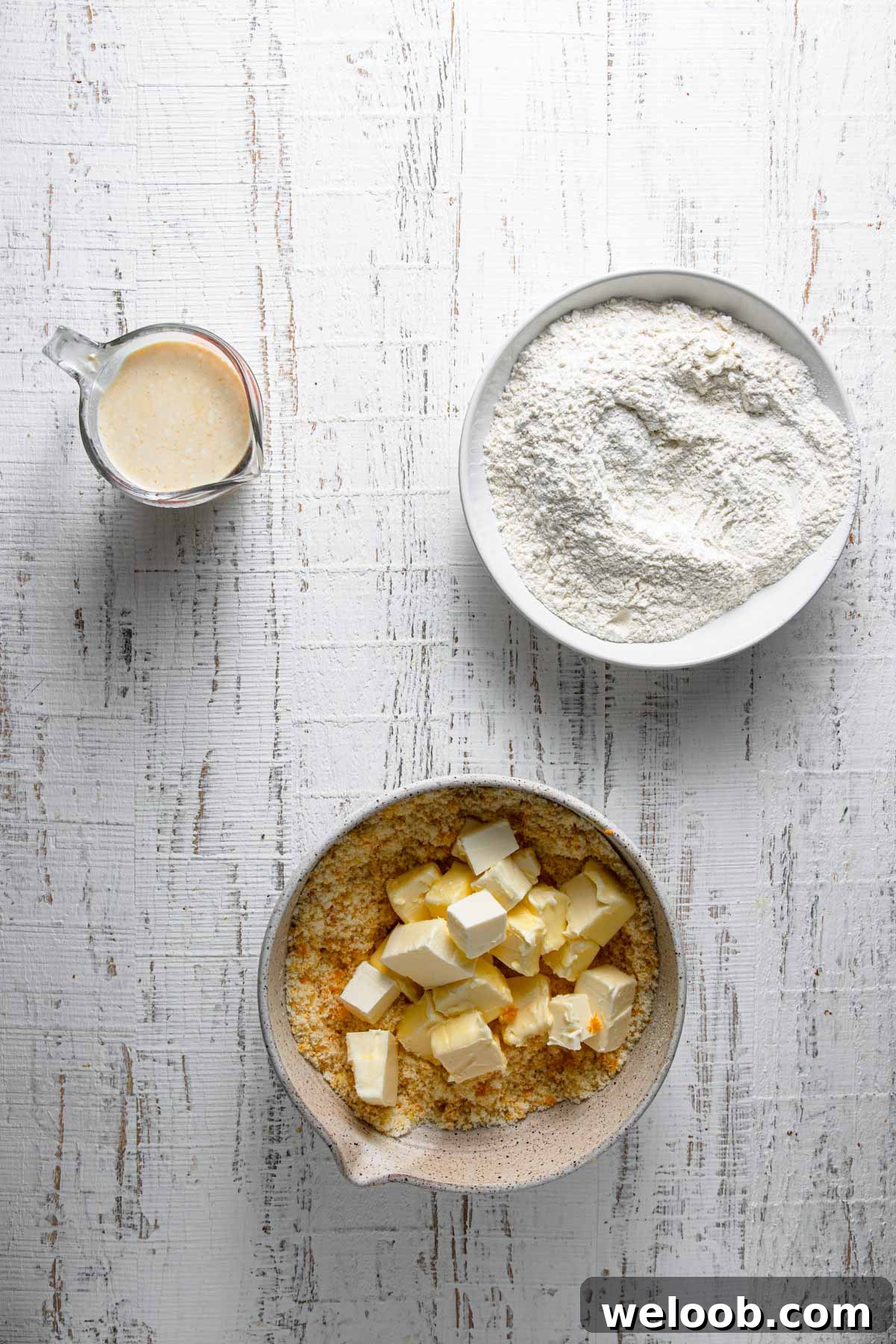
- Rub the orange zest into the sugar with a fork or your fingertips in a large mixing bowl or the bowl of a stand mixer fitted with the paddle attachment. This releases the oils and intensifies the orange flavor.
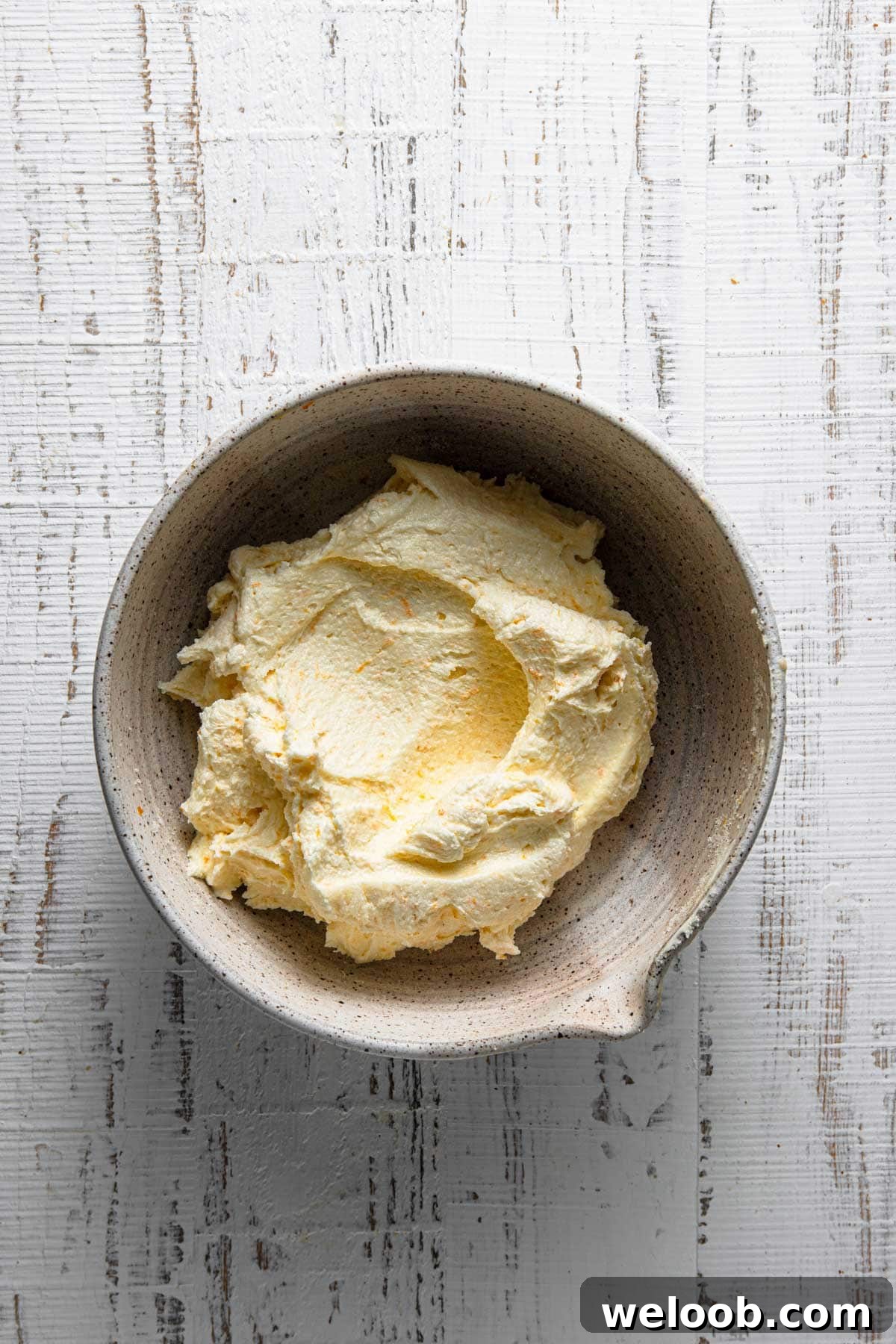
- Add the room-temperature butter to the orange-scented sugar and beat for 4–5 minutes, until the mixture is light and airy. Scrape the sides and bottom of the bowl.
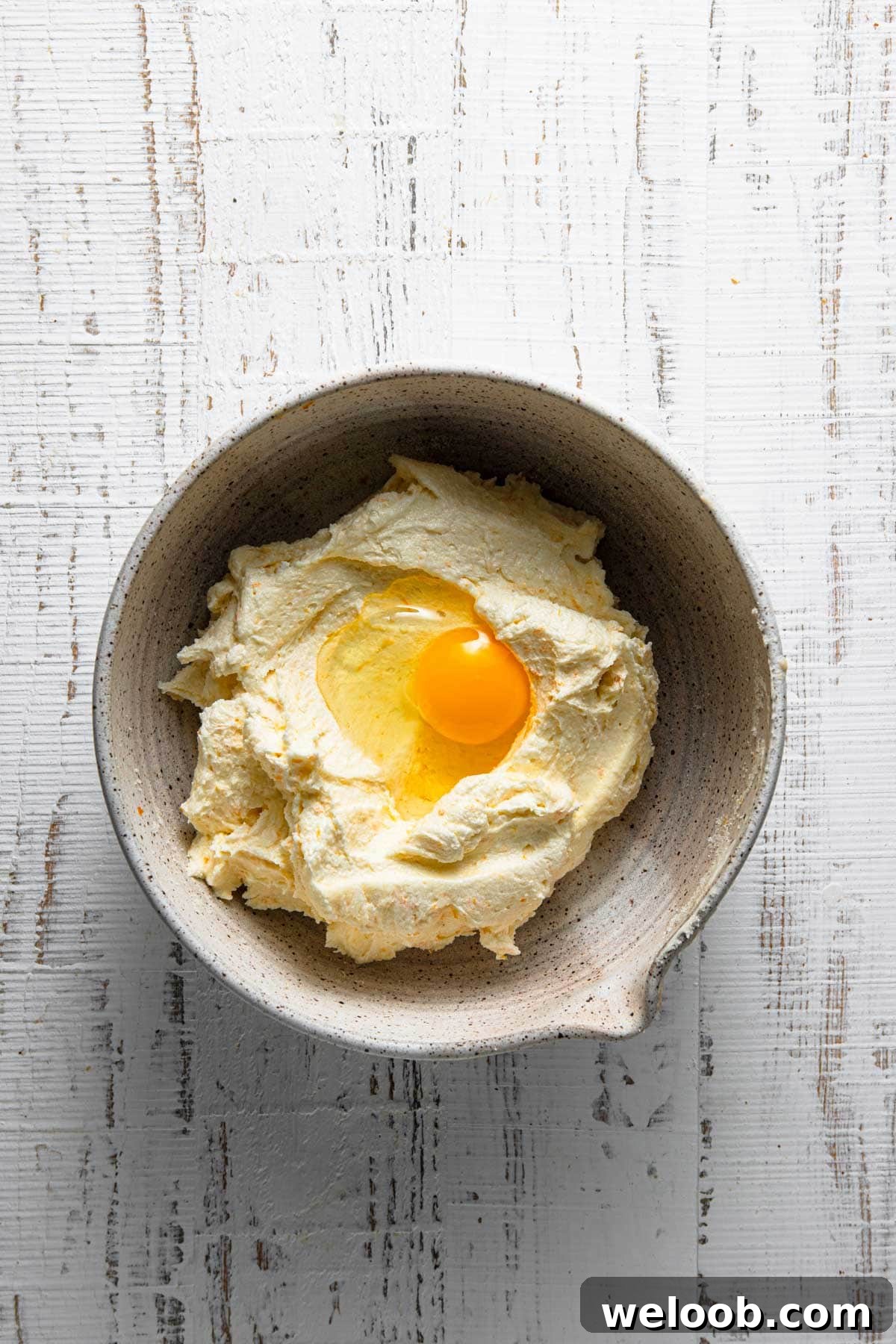
- Add the eggs one at a time, waiting for each to fully incorporate before adding the next. Add the extra egg yolk as well.
- With the mixer on low speed, add the flour mixture in three additions, alternating with the sour cream–orange mixture. Start and finish with the dry ingredients. Fold the last portion of flour in by hand with a rubber spatula to avoid overmixing.
- Pour the batter into the prepared pan and bake for 40–45 minutes, or until a toothpick inserted into the center comes out with a few moist crumbs attached.
- Remove from the oven and let the cake cool in the pan for 35–40 minutes, or until the pan is warm enough to hold in your hands but not too hot. Invert onto a wire rack to finish cooling.
Notes
- To bake in two 9 × 5-inch loaf pans: reduce the bake time to 30–35 minutes. Check early and watch for a toothpick with a few moist crumbs.
- Baking times vary by oven and pan; rely on visual cues and the toothpick test rather than the clock.
- Make sure all ingredients are at room temperature for best texture and even mixing.