
How to stock a pantry with our Italian Pantry Essentials. These are the must-have ingredients I keep in my kitchen and truly rely on. Good cooking starts with quality ingredients, so I’ve broken down what I use and why, to help you build a pantry that makes everyday meals taste like Italy.
Stocking your pantry with the right ingredients sets the stage for endless delicious possibilities. These items are not just staples; they are the backbone of authentic Italian cooking and what we reach for every week to create memorable meals.
After years of exploring Italy, living and working there, and obsessing over food, I can tell you that ingredient quality makes all the difference. The right oil, tomatoes and pasta can transform a meal from ordinary to transportive.
This guide covers how to choose olive oil, tomatoes and pasta, plus the storecupboard essentials that add big flavor to simple dishes. I’ll share the basic ingredients I always keep stocked in the pantry and fridge so you can always make something delicious with what’s on hand.
Let’s get started. You can read the full post or use the table of contents below to jump to a section you want to read (there’s a lot of information here).
Table of Contents
- Olive oil
- Salt and black pepper
- High-Quality Tomatoes
- Dried Pasta
- Cheese
- Flour, Rice and Potatoes
- Wine (Vino)
- Vinegars
- Gli Odori
- Garlic
- Herbs and Spices
- Other store cupboard ingredients
Olive oil
Extra virgin olive oil is essential in Italian cooking and the Mediterranean diet. It adds flavor and offers health benefits, so choosing a good bottle matters.
Tips for buying quality extra virgin olive oil:
- Look for 100% Italian olive oil. Labels that say EU or blend may combine oils from multiple countries and usually lack traceability.
- Choose dark glass bottles or tins to protect the oil from sunlight.
- Keep oil in its original bottle or tin with the lid tightly closed. Olive oil deteriorates with exposure to oxygen.
- Check the harvest date—extra virgin olive oil is best within 12–18 months of harvest. Unlike wine, it does not improve with age.
High-quality single-grove olive oil is often expensive because it requires intensive care and small-scale production. To enjoy great oil without overspending, I adopted an olive tree from a small Sicilian grove and receive three 500ml cans quarterly, including Olio Nuovo each year. I also buy a 100% Italian blend from local stores. We use the best oil for dressings, finishing dishes, pesto and focaccia, and a more economical bottle for sautéing and daily cooking—an affordable balance that keeps flavor and value in check.
Deep frying
Olive oil can be used for deep frying—the smoke point is roughly 190–220°C (374–428°F)—but it’s costly for large batches. For occasional deep frying I use vegetable or sunflower oil (olio di semi), which is also common in Italy. For shallow frying and sautéing, extra virgin olive oil is my go-to.
Salt and black pepper
Salt (sale) is one of the most important pantry items. Seasoning throughout cooking builds flavor; taste as you go to avoid over-salting. In Italy you’ll find sale grosso (coarse salt) and sale fino (fine salt). Coarse salt is typically used for salting pasta water and fine salt for most other uses.
I keep sale fino for general use and Maldon sea salt flakes for finishing. Salt textures and strengths vary, so get familiar with the salt you use and adjust as you cook. With young children I sometimes cook without salt and season individual portions afterward, which is a practical approach when needed.
Black pepper is used in many dishes; I prefer whole peppercorns in a grinder so I can freshly grind a little over a dish just before serving.
High-Quality Tomatoes
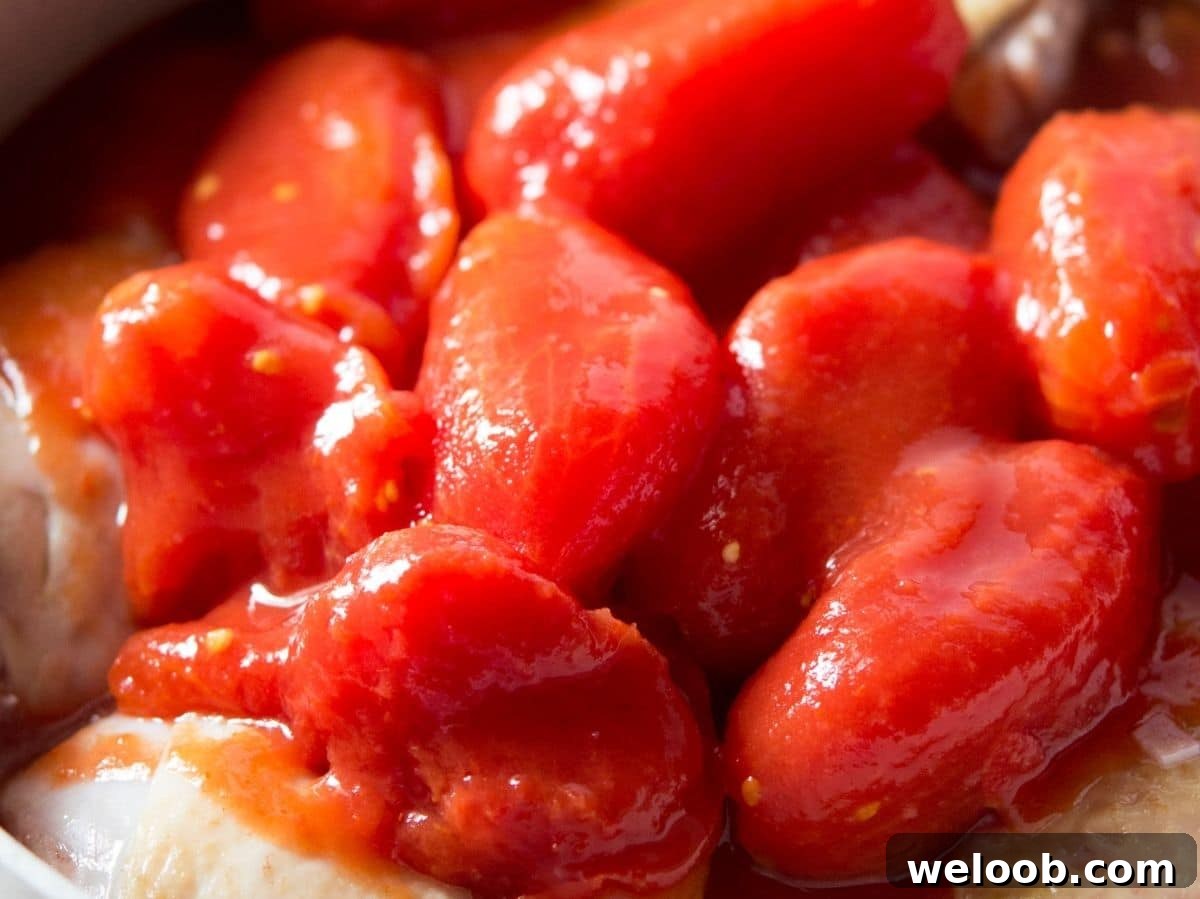
Good tomatoes can make or break a dish. You don’t need the most expensive variety, but quality matters.
Chopped or crushed tomatoes
Called polpa in Italy, chopped or crushed tomatoes are canned with thick tomato juice and are preferable to tomatoes canned in water.
Plum tomatoes
Canned plum tomatoes (pelati) contain whole peeled tomatoes in thick juice. They’re versatile and flavorful—break them up by hand or with a potato masher. Avoid blitzing whole tomatoes, as blending seeds can introduce bitterness.
Passata
Passata is strained tomato purée, usually smooth and seed-free. Passata classica provides a rich, thick base for sauces and can substitute for chopped tomatoes when you want a smoother texture.
Tomato paste (concentrate)
Tomato paste is thick and highly concentrated—use small amounts to boost flavor in stews, soups, risottos and sauces. Tubes are convenient and keep well in the fridge after opening.
What brands to use?
I use Mutti most often—good quality, widely available and affordable. Cirio used to be a favourite but has been inconsistent lately. In the US, Cento is commonly recommended. High-quality tomatoes let you make a simple 10-minute sauce that truly tastes great without hours of simmering.
Here’s exactly what I keep in my pantry
- 1–2 cans Mutti crushed tomatoes (Polpa)
- 1–2 cans Mutti plum tomatoes (Pelati)
- 1 jar Mutti Passata Classica; I often keep 3–4 jars but one will usually make a meal
- 1 tube Mutti Doppio Concentrato di Pomodoro (tomato paste), stored in the fridge after opening
Easy recipes using tomatoes
- Penne al Pomodoro
- Super quick tomato sauce
- Creamy tomato risotto
- Green beans in tomato sauce
- Fagioli all’uccelletto
- Braciole
Dried Pasta
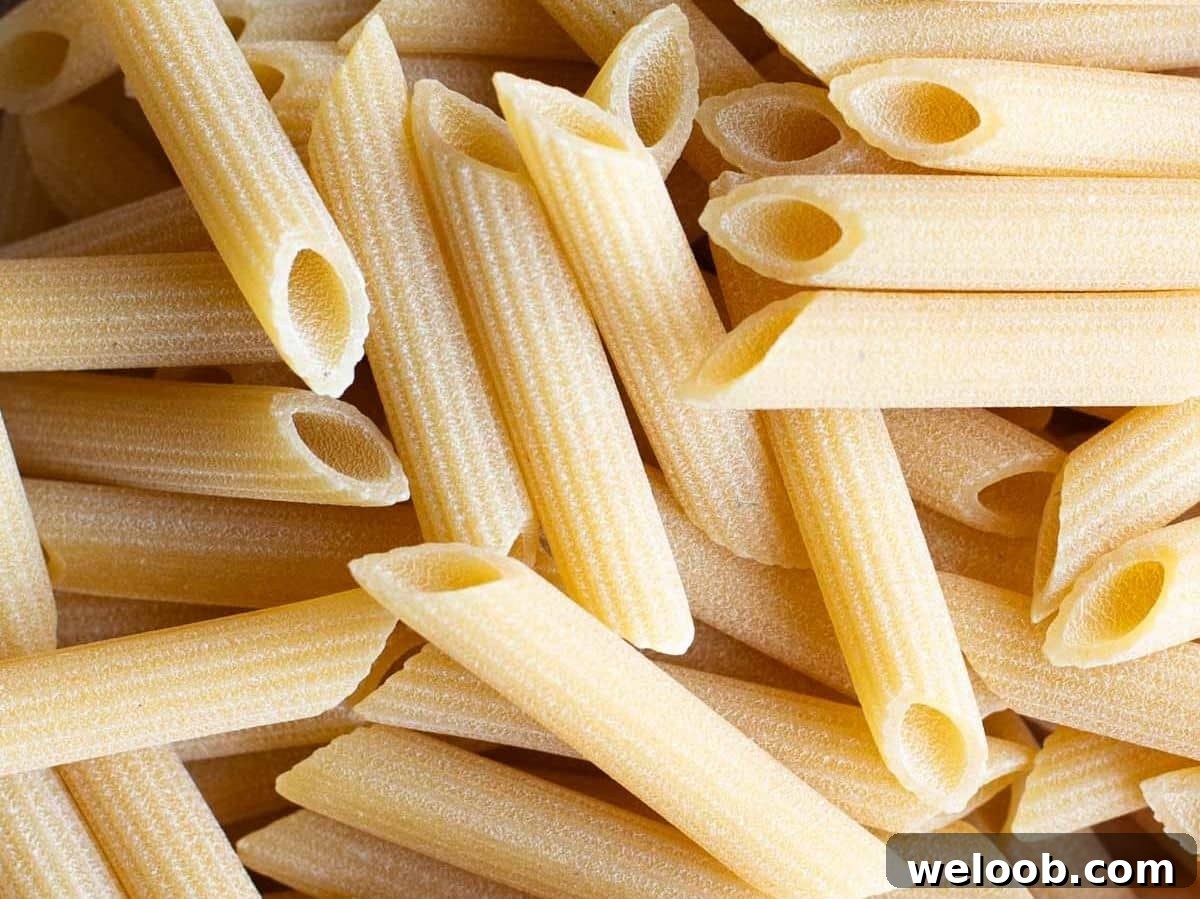
Good dried pasta elevates a simple dish. Look for pasta with only durum wheat semolina (semola di grano duro) and water listed as ingredients. Check the wheat origin—100% Italian wheat is ideal. The best pasta is bronze-extruded (bronze dies) and has a rough, opaque texture. Avoid shiny bright-yellow pasta that’s been dried too quickly at high temperatures.
Shapes I usually keep: rigatoni, spaghetti, linguine (great with fish), penne, orzo and small shapes like ditalini for soups. My husband loves paccheri for ragù and I enjoy pappardelle; fresh pasta is another option when time allows.
Cheese
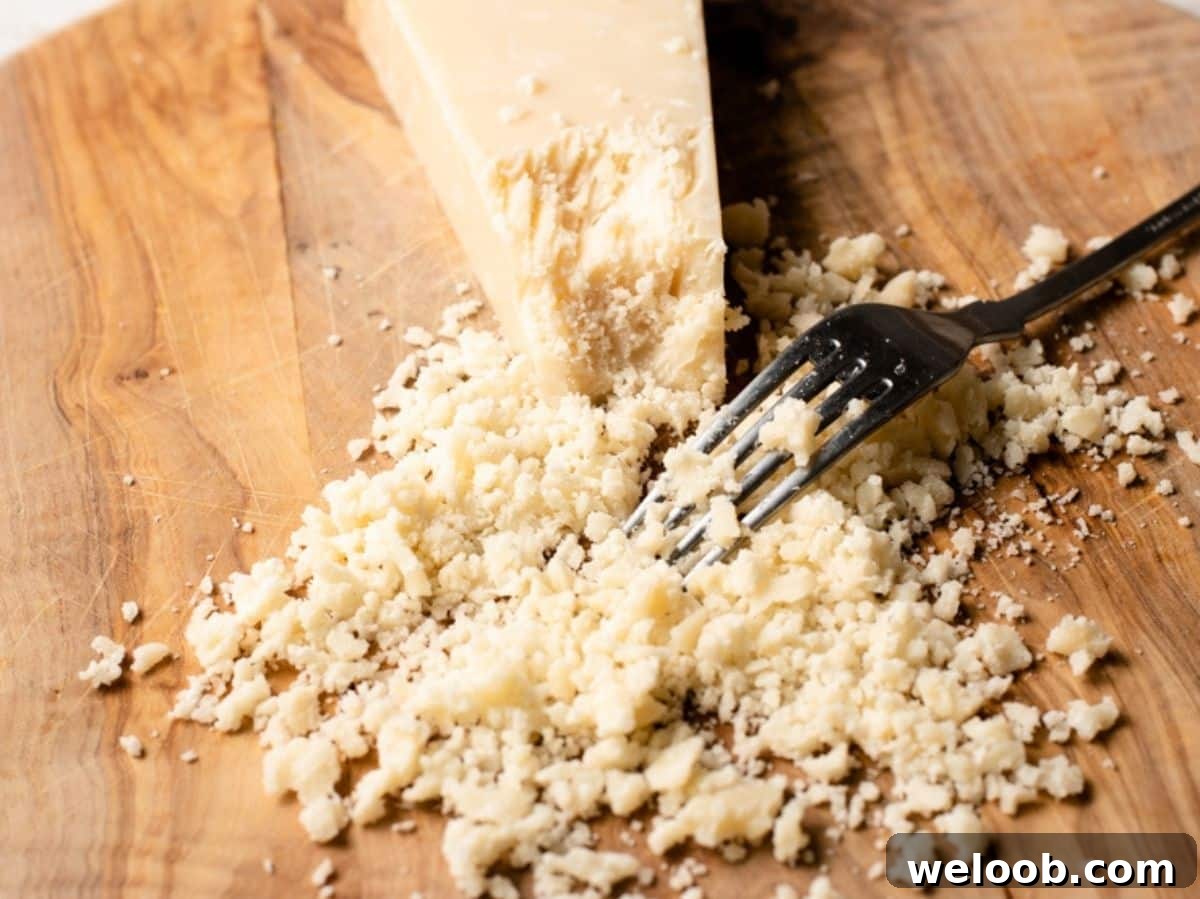
Parmigiano Reggiano is a fridge staple. It adds salty, umami depth to pasta and can become a simple meal itself when paired with butter and pasta. Buy Parmigiano Reggiano DOP with the rind stamp and always purchase a whole piece—freshly grated cheese tastes far better than pre-grated. Choose an aging that suits your taste; 24 months is a versatile option. Save rinds for soups and sauces—scrape them clean and freeze any extras.
Recipe to try
Parmigiano and Butter Pasta
Arugula (rocket) and Parmigiano Salad
Flour, Rice and Potatoes
Italian 00 flour
Tipo 00 is Italy’s all-purpose flour and my go-to for pizza, focaccia, pasta and many baked goods. It performs differently from generic all-purpose flour, so I keep plenty on hand for frequent use. Tipo 0 is a pizza flour used in Italy but Tipo 00 is widely suitable for most recipes outside Italy.
Semola Rimacinata
Semola rimacinata is finely ground semolina ideal for pasta and pizza dough. It’s slightly grainy and perfect for dusting pizza peels and trays. It can be used with just water for rustic pasta, or mixed with Tipo 00 for extra structure—great for cavatelli, gnocchetti sardi and homemade pasta.
Rice
Keep risotto rice on hand—arborio, carnaroli or Vialone Nano—to make comforting risotti with many flavor combinations. Risotto is versatile and a satisfying meal when pantry items are limited.
Potatoes and/or Polenta
Polenta is handy if you enjoy it often—quick-cook polenta is convenient, while traditional polenta takes longer but is rich and comforting when cooked with milk, butter and cheese. We usually keep potatoes more often because they’re versatile: roast potatoes, gnocchi, salads and even pasta additions. Potatoes make many excellent side dishes and can be turned into gnocchi, roast sides or regional classics.
Wine (Vino)
Wine plays a big role in Italian cooking. Red and white wines are used for deglazing, risotto, sauces and meat dishes. Use wine you would drink; avoid cheap cooking wine. Reserve expensive bottles for special dishes like Brasato al Barolo. For everyday cooking, keep a few go-to Italian wines on hand.
Go-to Italian wines
White
- Pecorino
- Pinot Grigio
- Vermentino
- Falanghina
- Grillo
Red
- Barbera d’Asti
- Nero d’Avola
- Nero di Troia
- Barbera d’Alba
- Sangiovese
- Chianti
- Morellino di Scansano
Vinegars
I keep red and white wine vinegar as well as balsamic vinegar. I use them mainly for dressings; they last a long time. For good balsamic, look for a small bottle labeled Aceto Balsamico di Modena with a thick, syrupy texture rather than watery consistency.
Gli Odori
Carrot, celery and onion form il soffritto or gli odori. Finely chop and slowly sauté them for 10–15 minutes until soft (not browned) to build deep flavor for sauces, ragù, stews and soups. In Italy these are often sold bundled with parsley and sometimes garlic, rosemary or bay leaf.
Garlic
Garlic is typically used sparingly in Italian cooking—one clove is common and it’s sometimes kept whole and removed after flavoring oil. Garlic powder and onion powder are uncommon and have an artificial taste compared to fresh ingredients.
Herbs and Spices
We rely mostly on fresh herbs, with a few dried staples. Here’s what I keep stocked.
Dried herbs and spices
Dried oregano
Look for Italian oregano, often from Sicily, dried in bunches for strong aroma and flavor. I use it in tomato sauces and to season meats.
Chili flakes (peperoncino) are useful for adding heat—keep them handy.
Fennel seeds
Fennel seeds are a favorite—common in Italian sausages and delicious on roast meats or in sauces.
Those are my main dried spices—no dried onion or garlic powder.
Fresh herbs and spices
Fresh chili
I don’t always keep fresh chilies, but they’re useful for dishes like Pasta all’Arrabbiata. Leftovers freeze well.
Fresh herbs
Basil is the primary fresh herb I keep, great for pesto and finishing dishes. Parsley, sage and bay leaf are also very useful—bay can be used dried.
Other store cupboard ingredients
- Brodo – chicken, vegetable and beef stock. I prefer low-sodium options so I can season as needed.
- Anchovies – melt a few in oil with garlic for a savory sauce, use them on pizza or spread on bread with butter.
- Capers – packed with flavor; I use capers in brine for sauces, salads and pizzas.
- Olives – great in pasta, pizzas, salads and main dishes like carne alla pizzaiola.
- Beans and pulses – jars of cannellini beans, chickpeas and lentils are quick additions to soups, stews and salads.
- Sundried tomatoes – jarred in oil, they make an excellent pesto or add depth to sauces and salads.
- Dried porcini mushrooms – packed with umami for ragù, soups and sauces.
- Breadcrumbs (pangrattato) – plain Italian breadcrumbs are useful for breading, arancini and more.
- Yeast – instant yeast for weekly breads, focaccia and pizza. We also maintain a sourdough starter.
- Coffee – essential in our house. We use Lavazza 100% Arabica espresso for morning cappuccinos and afternoon espresso, and for desserts like tiramisu.