
Osso Buco Recipe: Classic Braised Veal Shanks
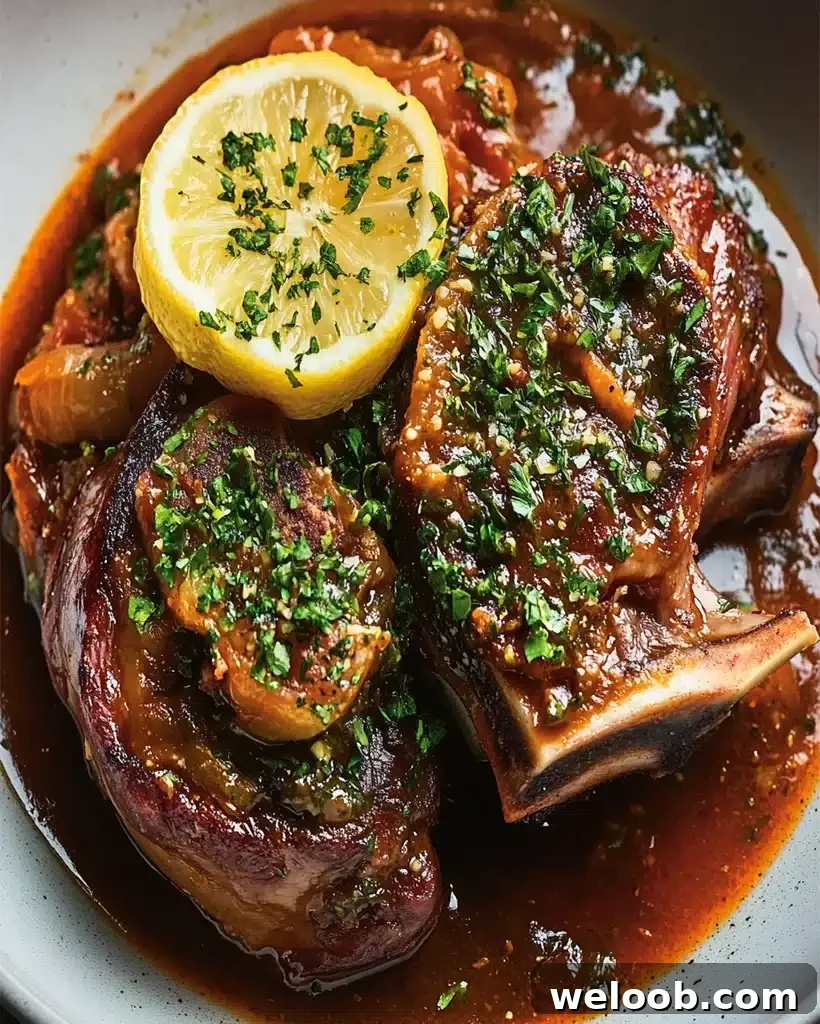
Welcome to a celebration of classic Italian comfort food. This Osso Buco recipe highlights tender veal shanks slowly braised in wine, tomatoes, and aromatic herbs until the meat falls from the bone. Rich, savory, and deeply satisfying, this dish is ideal for a family dinner or a special occasion. Follow these clear, kitchen-tested steps and tips to make an authentic Osso Buco that pairs beautifully with risotto Milanese, creamy polenta, or buttery mashed potatoes.
Introduction
Osso Buco, which literally means “bone with a hole,” is a traditional Milanese specialty centered on cross-cut veal shanks. The marrow in the bone adds a luxurious richness to the sauce while slow braising develops a complex, comforting flavor profile. This recipe focuses on simple, high-quality ingredients—veal shanks, wine, stock, tomatoes, and fresh herbs—and straightforward techniques: searing, deglazing, and long, gentle braising. Finish with a bright gremolata or chopped parsley for contrast and freshness.
Pro tip: Serve Osso Buco with a creamy risotto Milanese or a spoonful of fresh gremolata to cut through the richness and add brightness to each bite.
Ingredients for Osso Buco
Use the following ingredients for four generous servings:
- 4 ounces pancetta or bacon, roughly chopped (or 2–3 tablespoons olive oil)
- 2½ to 3 pounds veal shanks (about 4–6 pieces, 2–3 inches thick)
- ¼ cup all-purpose flour for dusting the meat before browning
- 2 carrots, peeled and diced
- 2 ribs celery, diced
- 1 medium onion, peeled and diced
- 4 cloves garlic, peeled and smashed or roughly chopped
- 3–4 sprigs fresh thyme (or 1 teaspoon dried)
- 1–2 sprigs rosemary (or ¼–½ teaspoon dried)
- 1 cup dry wine (white such as Pinot Grigio or a medium-bodied red like Chianti)
- 1–2 cups chicken, veal, or beef stock
- 1 (14 oz) can finely diced tomatoes (or an equal amount of crushed tomatoes)
- Salt and freshly ground black pepper, to taste
Optional substitutions:
- Gluten-free: use rice flour instead of all-purpose flour to dust the shanks.
- For a deeper, smokier flavor, try substituting pancetta with chorizo or add a splash of balsamic vinegar at the end for complexity.
How to Make Osso Buco – Step by Step
Step 1: Prepare the veal shanks
Pat the shanks dry with paper towels, then season generously with salt and freshly ground black pepper. Lightly dust each piece with flour, shaking off any excess. The flour helps create a golden crust when searing and also helps thicken the braising liquid.
Step 2: Sear the meat
Heat a heavy-bottomed pot or Dutch oven over medium heat for several minutes. Add the pancetta or oil and cook until the pancetta is crisp and has rendered its fat. Remove and set aside. Increase the heat to medium-high and sear the floured veal shanks in batches until well browned on both sides, about 4–6 minutes per side. Browning builds flavor, so avoid crowding the pan.
Step 3: Cook the vegetables
Reduce the heat to medium, add the onion, carrots, celery, garlic, thyme, and rosemary to the pot, and cook until the vegetables are softened and beginning to brown—about 5–7 minutes. Stir frequently so nothing sticks or burns.
Step 4: Combine and simmer
Return the seared shanks and the pancetta to the pot. Pour in the wine to deglaze, scraping the bottom of the pan to lift the browned bits (those caramelized bits are essential for a deep sauce). Add the tomatoes and just enough stock so the liquid comes slightly more than halfway up the sides of the shanks. Bring to a gentle simmer on the stovetop.
Step 5: Braise in the oven
Cover the pot and transfer to a preheated oven at 325°F (about 160°C). Braise for 1 to 1½ hours, or until the meat is very tender and nearly falling from the bone. Check doneness by gently probing with a fork; the meat should offer little resistance.
Step 6: Final touches
Carefully remove the shanks and keep warm. Place the pot back on the stovetop and reduce the sauce over medium heat for 5–10 minutes until it thickens to your preference. Adjust seasoning with salt and pepper. Spoon the sauce over the shanks, garnish with chopped parsley or gremolata, and serve immediately.
Helpful Tips for Osso Buco
- Choose quality shanks: Look for thick, well-marbled veal shanks for the most tender results.
- Sear thoroughly: A deep, even brown crust locks in juices and creates richer flavor in the finished sauce.
- Use fresh herbs: Fresh thyme and rosemary give a brighter aroma and lift the braise.
- Don’t rush braising: The slow, low cooking is what tenderizes the meat and merges flavors, so allow the full cooking time.
Cooking Tips for the Best Osso Buco
- Deglaze the pan: After searing, always deglaze with wine or stock to capture the fond (browned bits) that enrich the sauce.
- Perfect pairings: Serve Osso Buco with risotto Milanese, creamy polenta, or buttery mashed potatoes for a classic Italian pairing.
- Best cookware: A Dutch oven or heavy-bottomed ovenproof pot ensures even heat distribution while braising.
Serving Suggestions for Osso Buco
Osso Buco is traditionally served over one of these bases:
- Creamy polenta
- Buttery mashed potatoes
- Risotto Milanese
- Crusty bread to soak up the sauce
Finish each plate with a sprinkle of fresh parsley or gremolata to add brightness. A robust red wine such as Chianti or Barolo is a classic accompaniment if you enjoy wine with your meal.
Nutritional Information
Calories: 550 per serving
Fat: 24 g
Carbs: 18 g
Protein: 58 g
Fiber: 3 g
Sodium: 480 mg
Storage and Leftovers for Osso Buco
Allow the dish to cool to room temperature, then transfer to an airtight container and refrigerate for up to 3 days. Reheat gently over low heat to maintain the meat’s texture. For longer storage, freeze in a suitable container for up to 3 months; thaw overnight in the refrigerator before reheating. If the sauce becomes too thick after chilling, loosen it with a splash of stock or water when reheating.
Frequently Asked Questions (FAQs)
Can I use beef shanks instead of veal?
Yes. Beef shanks are an excellent substitute and will produce a slightly heartier flavor profile.
Which wine is best for Osso Buco?
A dry white such as Pinot Grigio or a medium-bodied red like Chianti both work well, depending on the flavor direction you prefer.
Can I make Osso Buco ahead of time?
Absolutely. Osso Buco often tastes even better the next day, after the flavors have had time to meld. Reheat gently before serving.
How can I thicken the sauce?
Reduce the braising liquid on the stovetop until it reaches the desired thickness, or remove the meat and simmer the sauce to concentrate flavors and texture.
Related recipes for Osso Buco lovers
- Ultimate Cowboy Casserole Cornbread — a rich, hearty casserole ideal for comfort-food fans.
- Sausage Balls — a savory, crowd-pleasing appetizer that pairs well with robust main courses.
Conclusion
This Osso Buco recipe delivers classic Italian comfort with tender, flavorful meat and a rich, aromatic sauce. With a bit of patience during the braising process, you’ll reward yourself with a memorable meal that’s perfect for sharing. Try serving it with risotto Milanese or creamy polenta, and don’t forget a bright gremolata to cut the richness. Buon appetito!
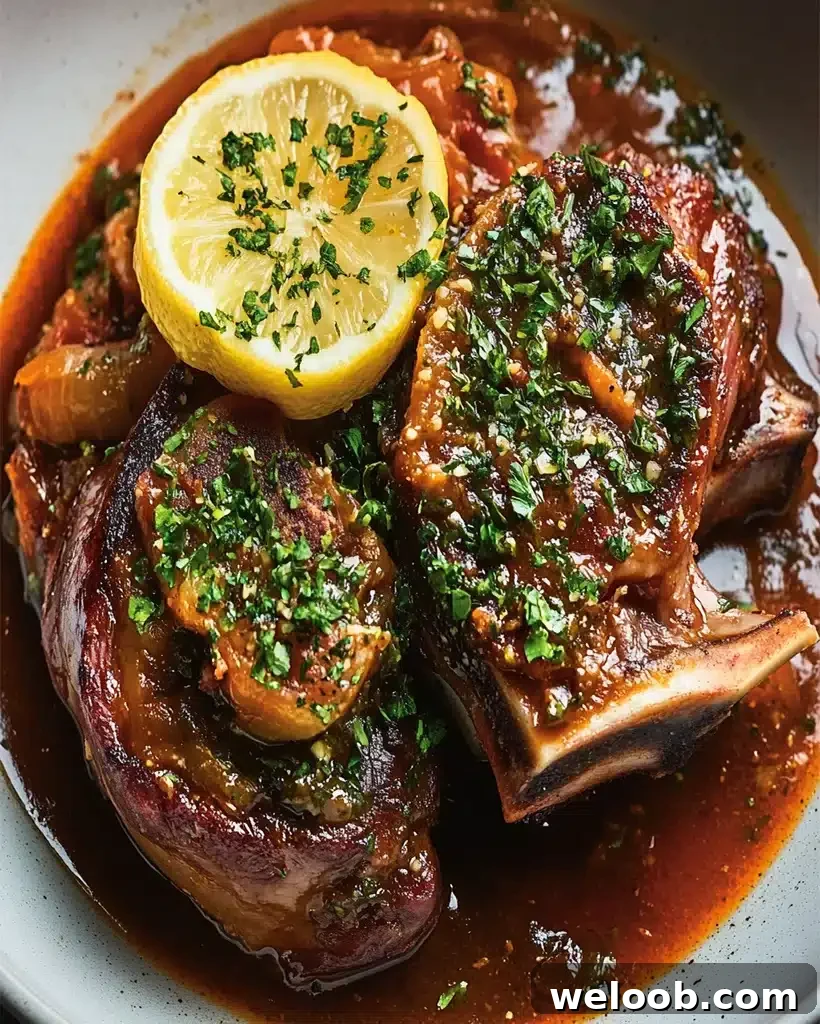
Osso Buco Recipe – Classic Italian Comfort Dish
No reviews
- Author: Patri