
Portuguese Croissant Recipe: Tender, Lightly Flaky Pastries
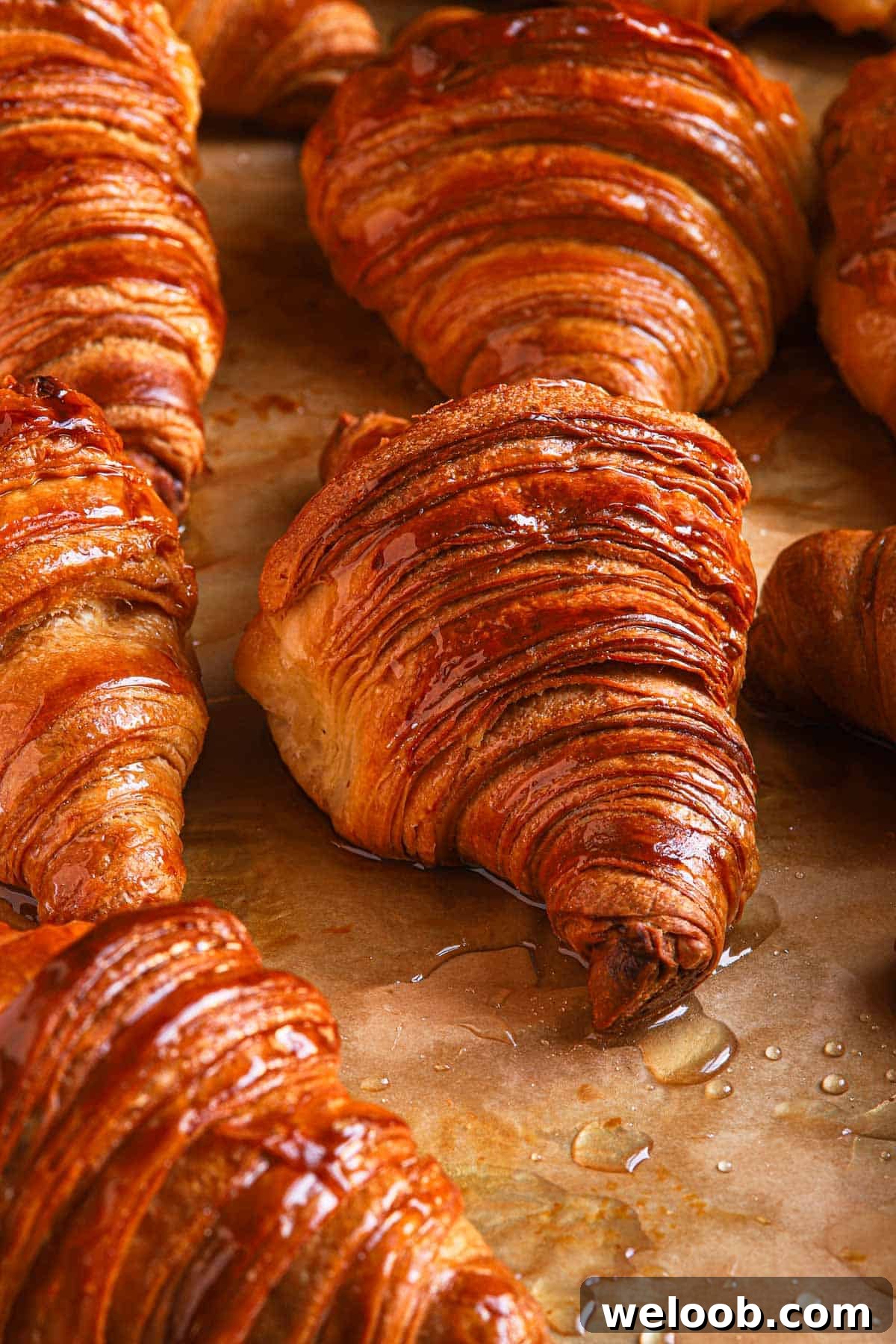
Portuguese croissants are tender, buttery, lightly sweet rolls that get brushed with a simple syrup while still warm from the oven—an ideal treat to enjoy with coffee or tea.
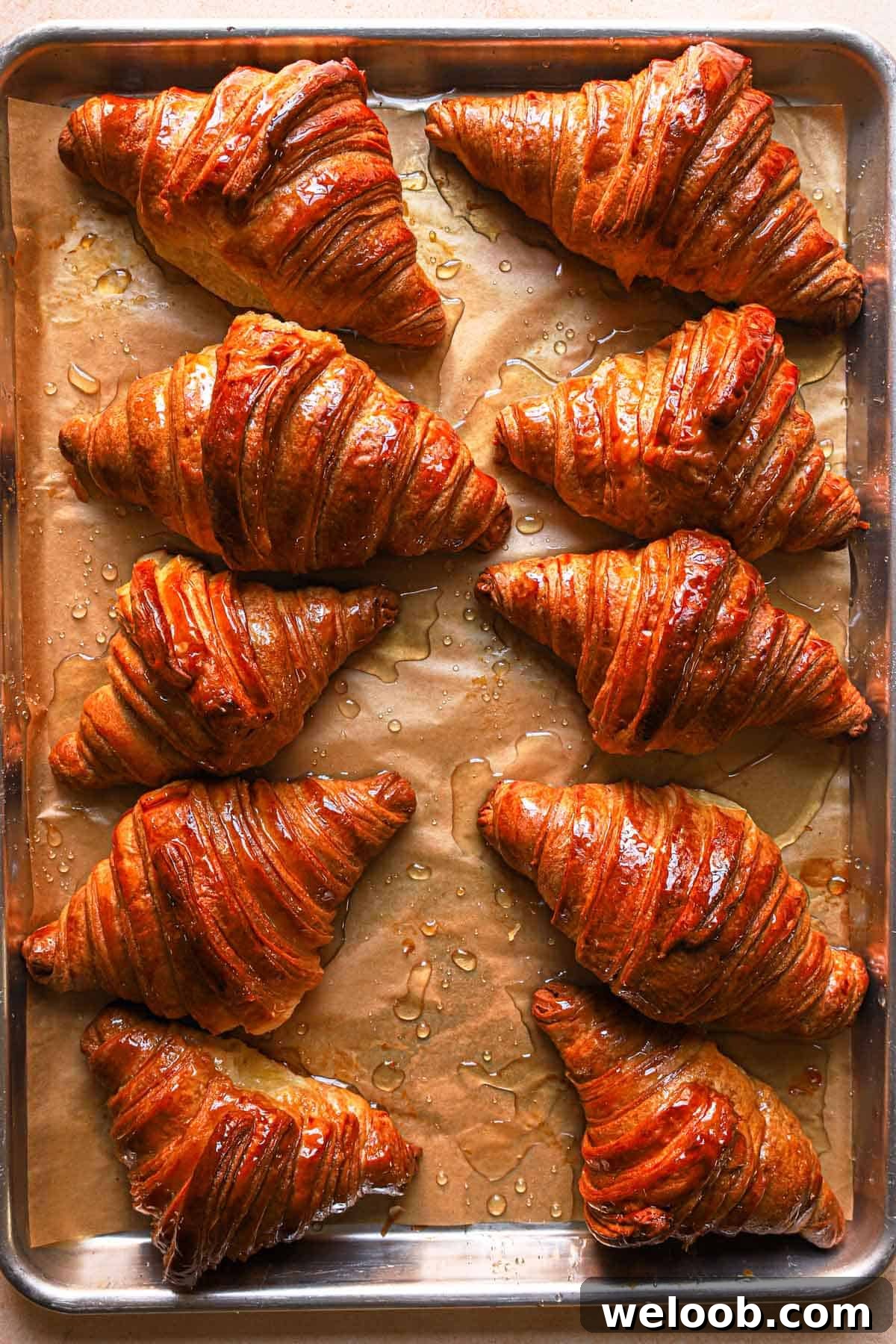
Unlike classic French croissants or Italian cornetti, which are known for their many laminated, flaky layers, Portuguese croissants (also called Croissant Brioche) are made from a rich brioche-style dough. The dough is enriched with eggs and a generous amount of butter, shaped into crescents, baked, and then soaked or brushed with a sweet syrup. Some versions use Port wine in the syrup; this recipe uses a simple vanilla- and Port-infused syrup. Instead of the traditional cold-butter lamination used for French croissants, these are layered more simply: a thin coating of soft butter is applied during shaping to create delicate layers without the complex folding of classic puff pastry.
Make Them
Make the Dough
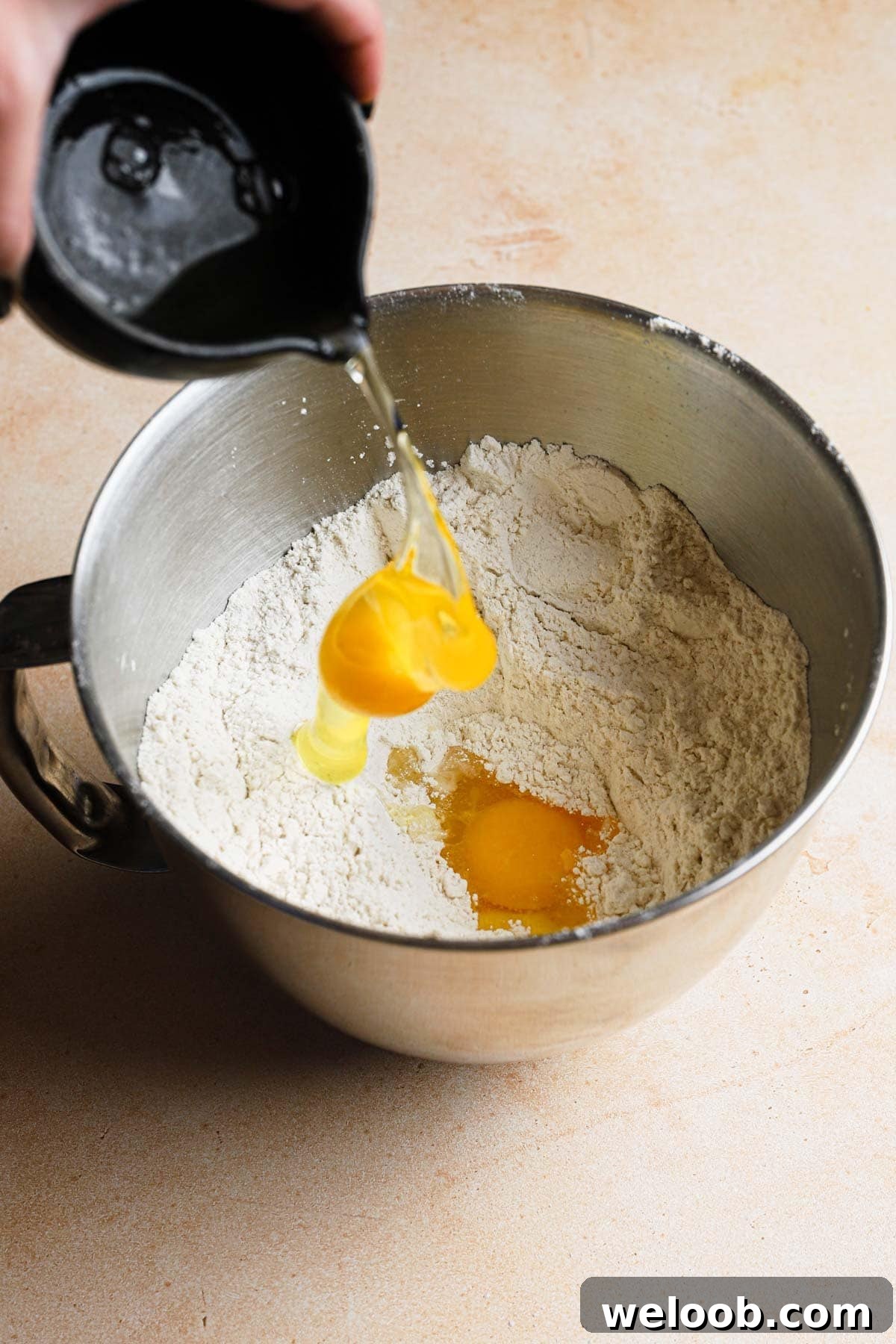
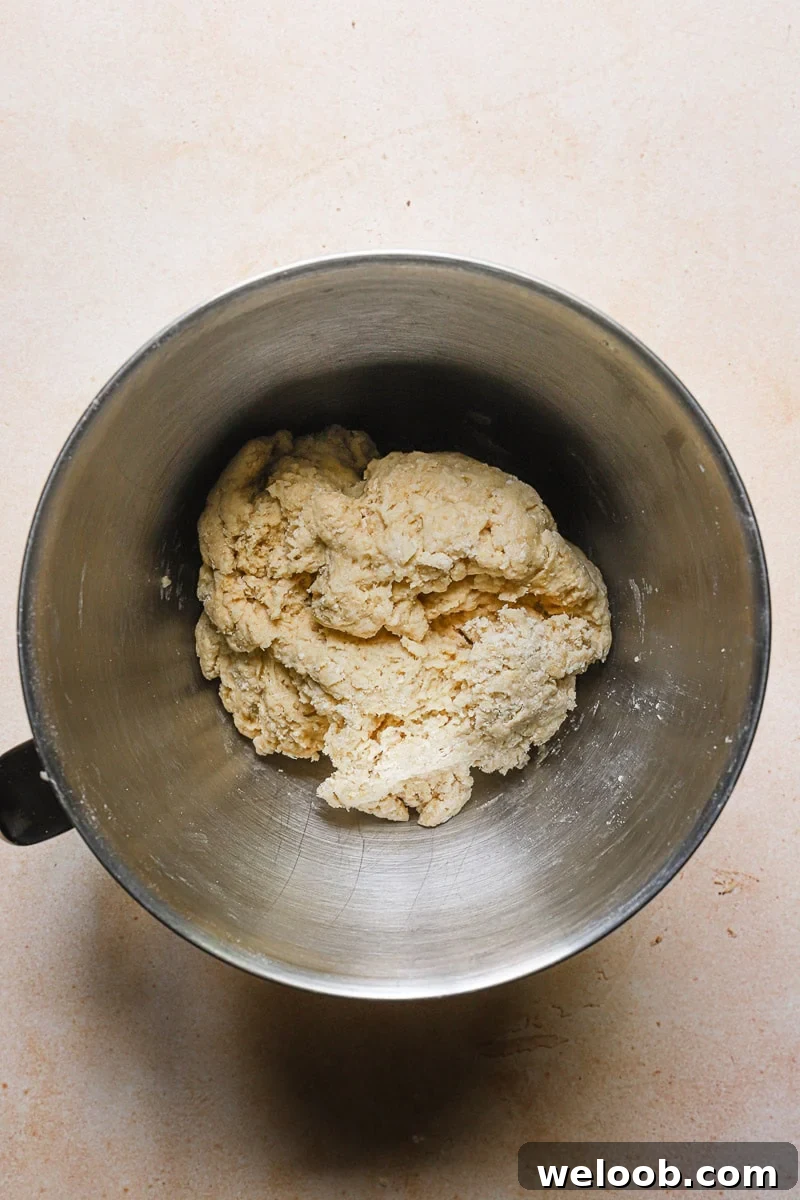
Start with a classic brioche dough. Because it contains a high proportion of butter and eggs, the dough benefits from a long, slow rest in the refrigerator to develop flavor and structure. Chilling the dough also makes rolling and shaping much easier and less messy.
Below are step-by-step photos to guide the process. If you need more detail on brioche dough methods, consult a dedicated brioche recipe or troubleshooting guide before starting.
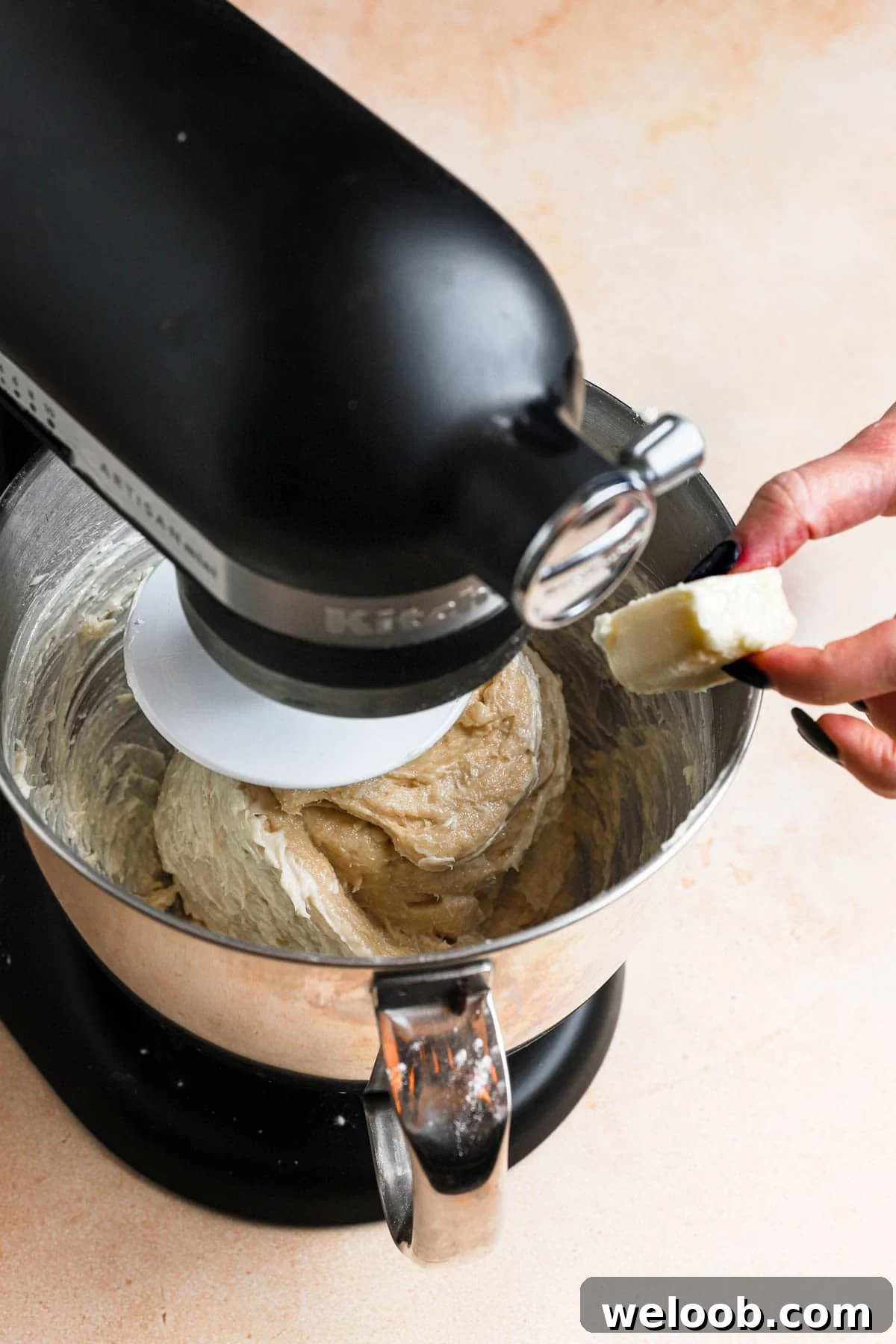
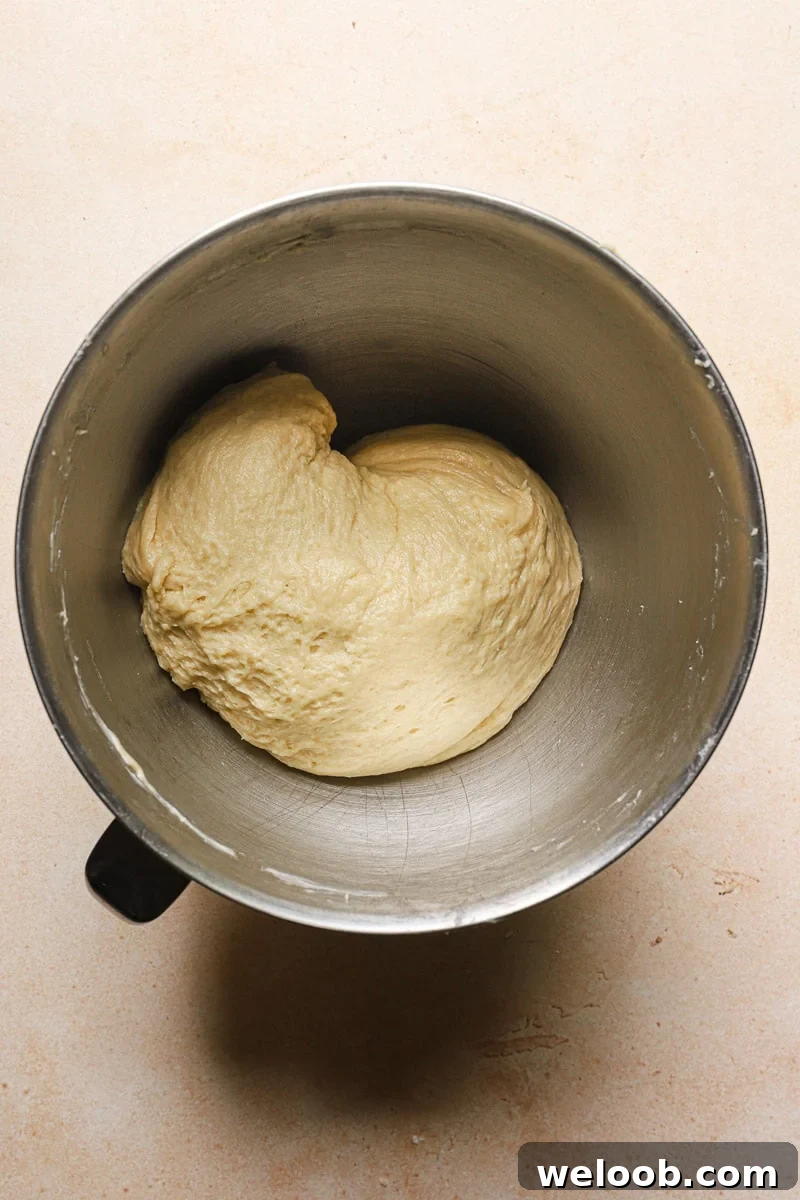
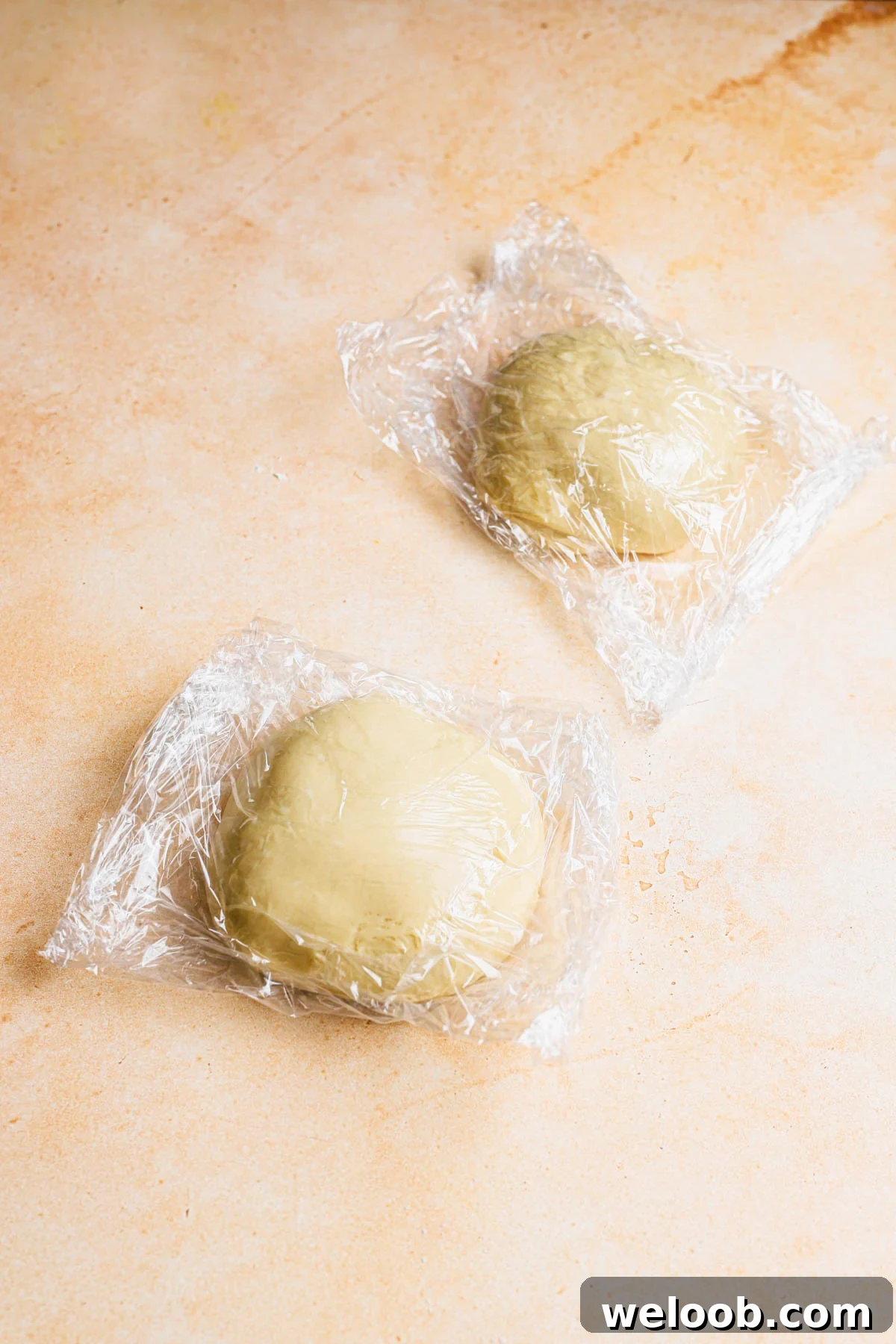
Shaping
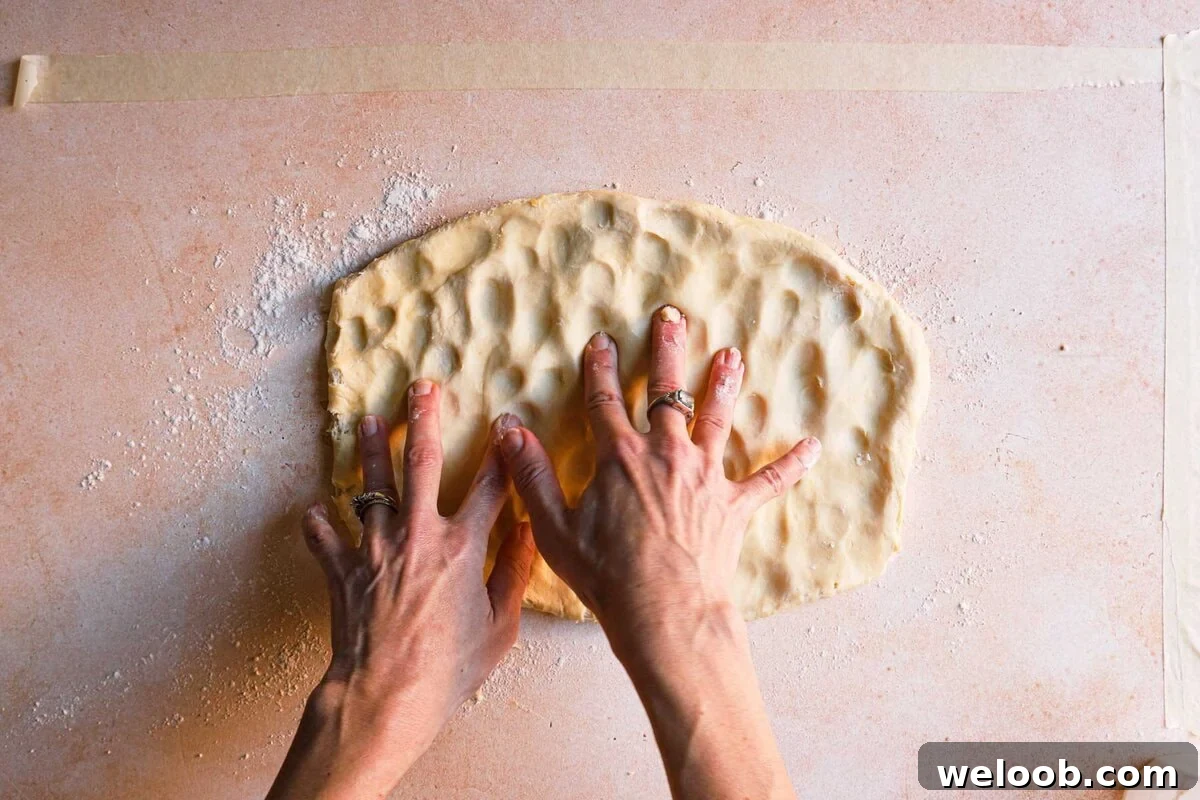
Shaping the croissants is the most satisfying part. Work quickly while the dough is cold so the butter stays firm. Here are some practical tips to get consistent results:
- Use tape or marks on your work surface to guide the rectangle dimensions; this helps keep shapes consistent.
- Press the dough by hand to about 1/2 inch (1.25 cm) thick—this reduces recoil when you roll it out.
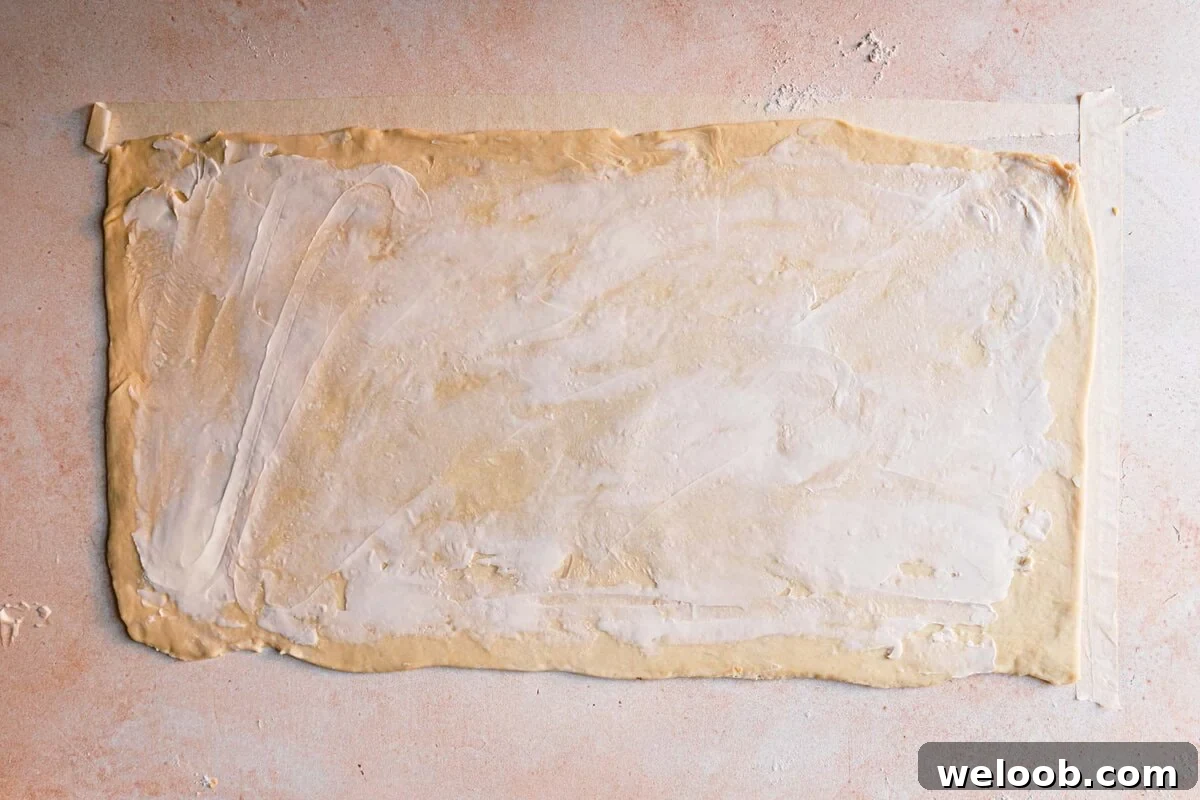
- Roll the dough into a rectangle and spread about 1 tablespoon of soft unsalted butter over the surface. This thin butter layer is optional but creates clearer, tender layers by reducing gluten bonding.
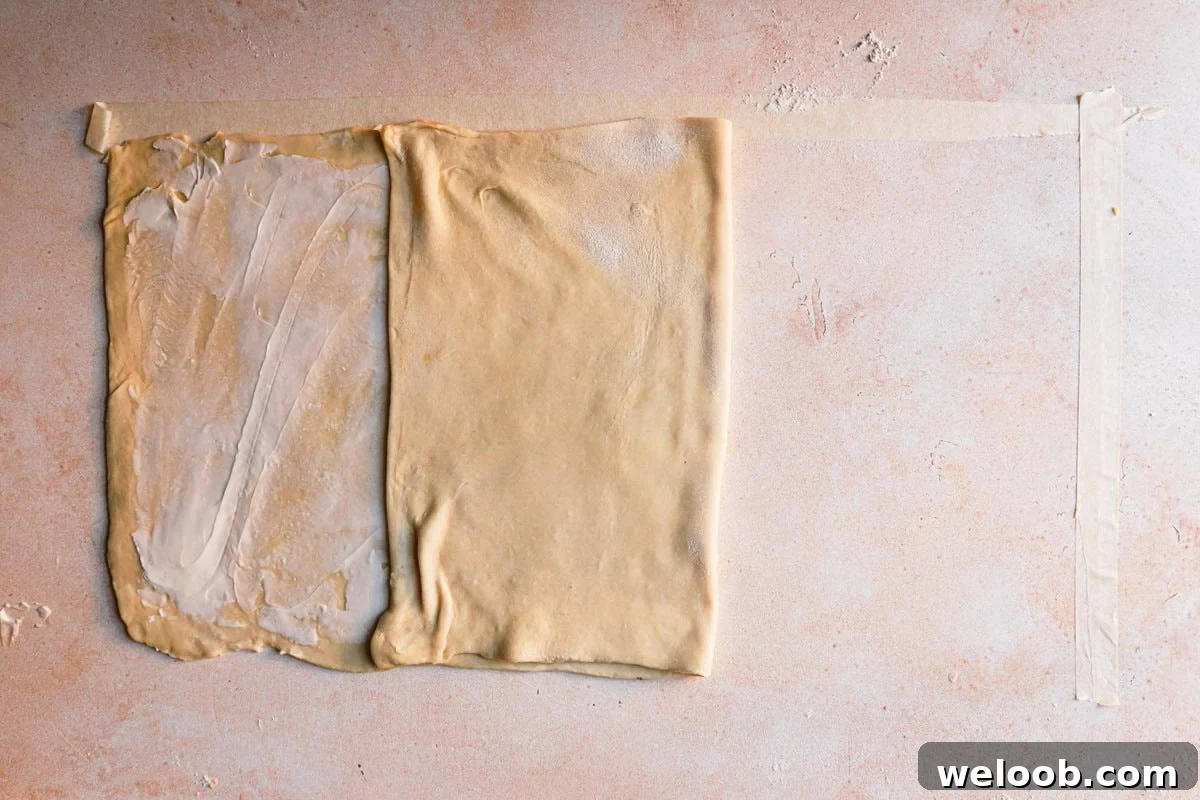
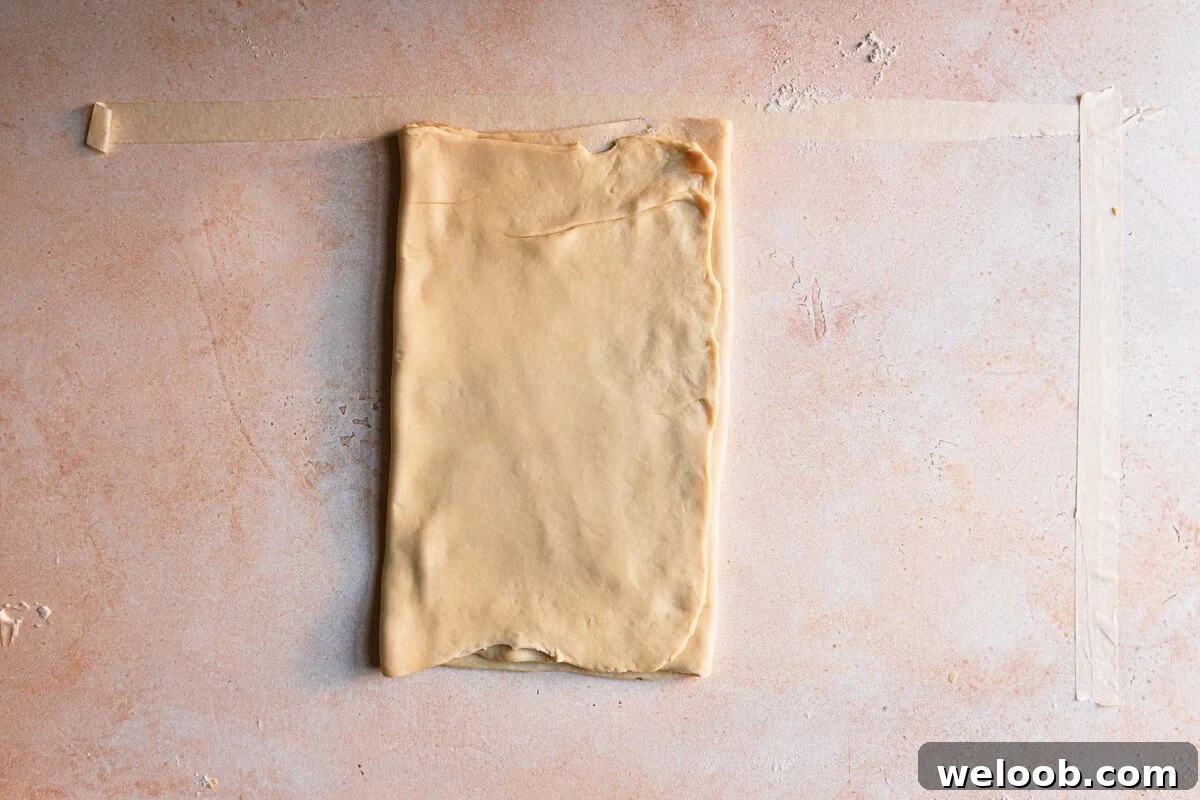
- Mentally divide the rectangle into three vertical sections. Fold the right third over the center, then fold the left third over it (a book fold). Press gently and roll again.
- Repeat the roll-and-fold once more if you want extra layers. Aim to complete this lamination-style shaping in under ten minutes; if the dough warms up, chill it for 10–15 minutes.
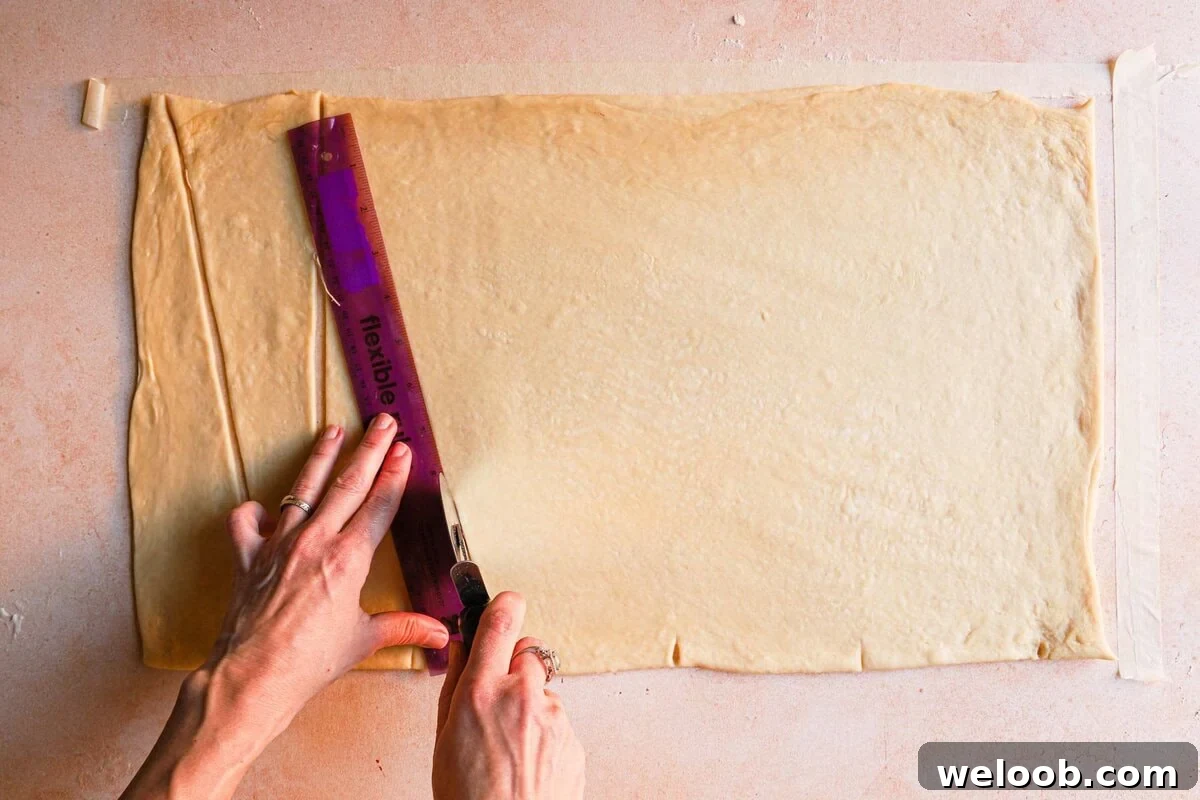
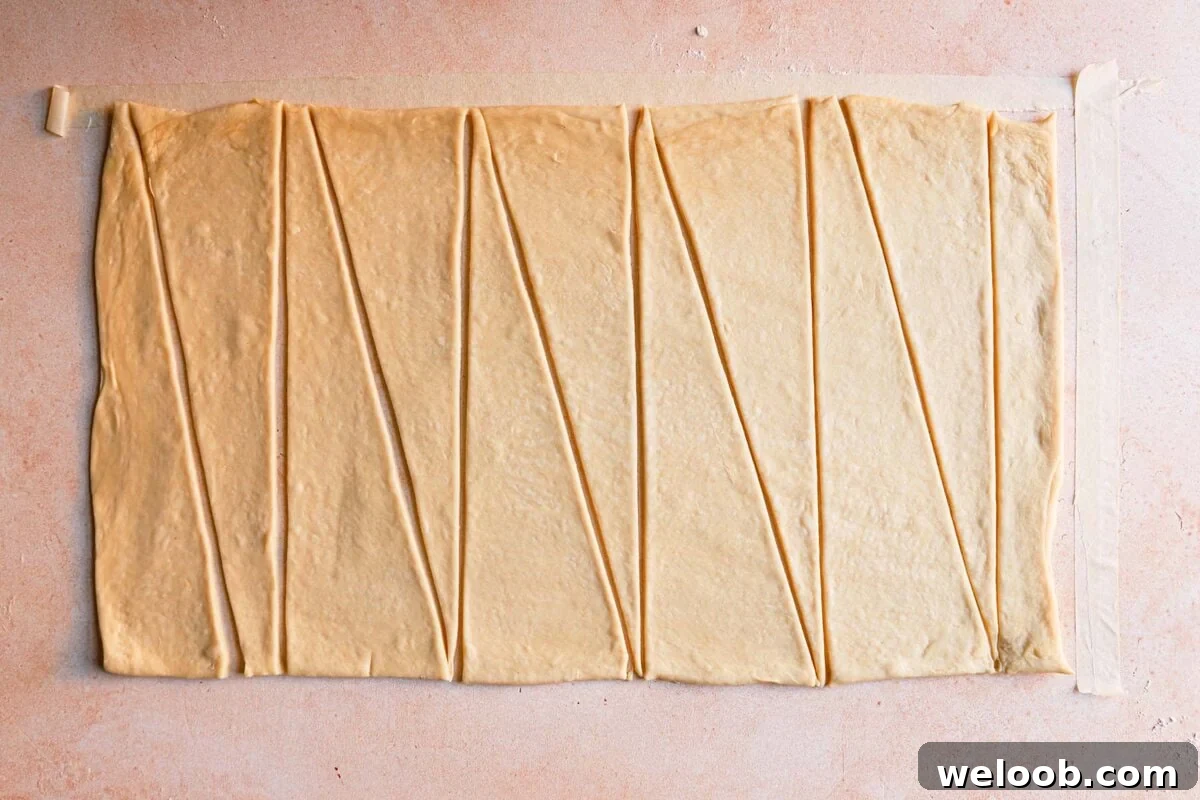
- Roll the dough into a final rectangle—about 21×10 inches—before cutting triangles to form the crescents.
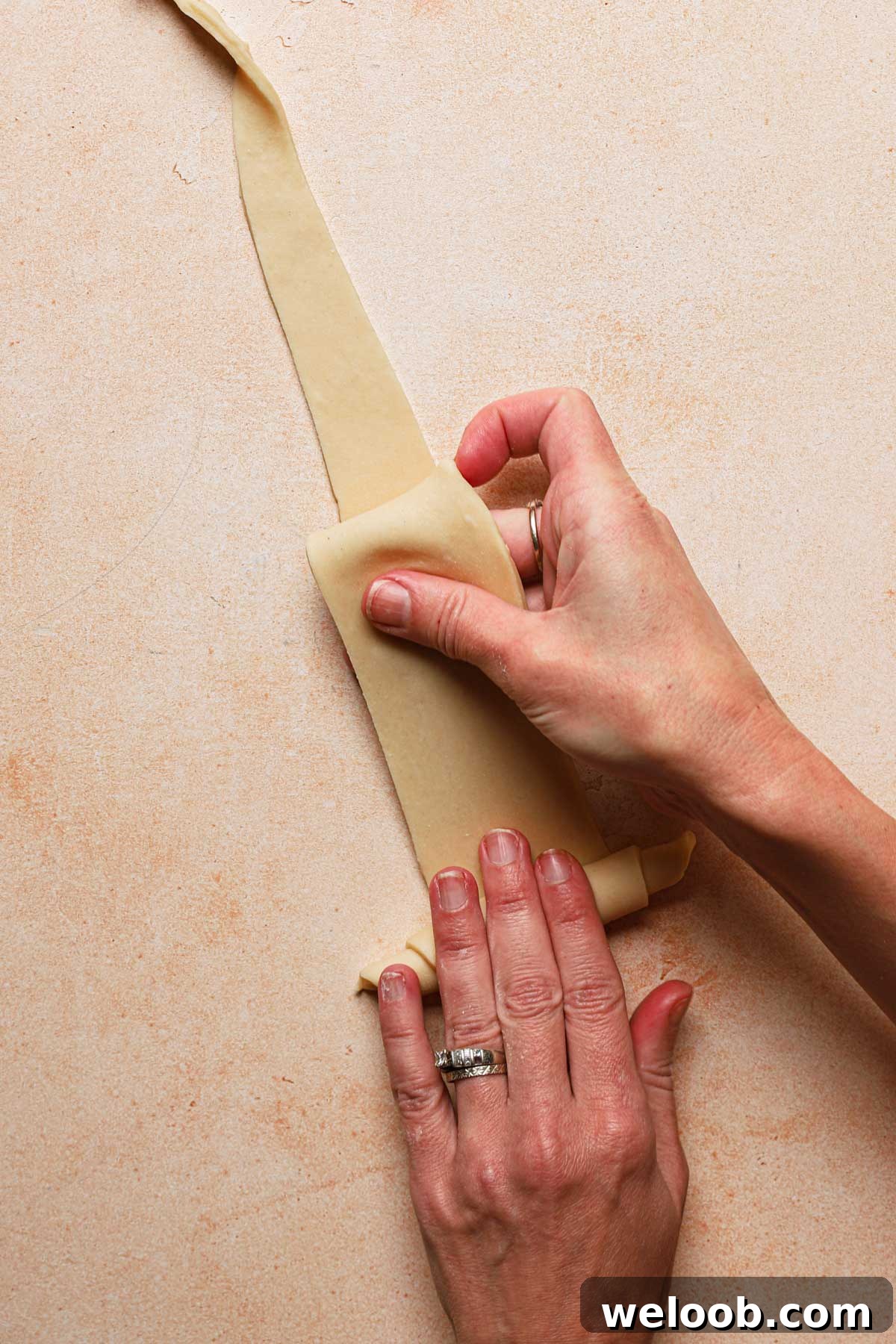
- When rolling each triangle into a crescent, hold the pointed end and give a gentle stretch of the wide end as you roll; this helps create the classic crescent shape.
Baking and Soaking
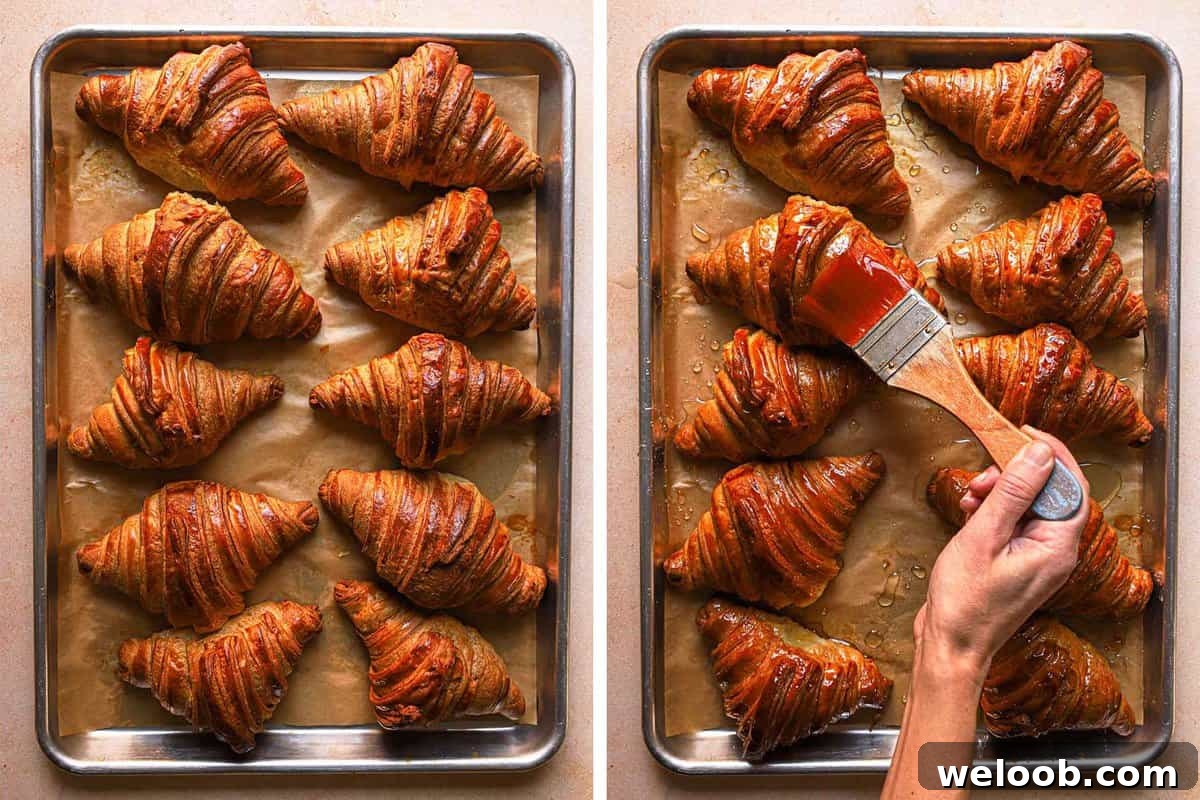
- Make the syrup ahead of time and chill it so you can brush the croissants the moment they come out of the oven. For the best absorption, the croissants should be hot and the syrup cool.
- Baking time and temperature can vary if you change whether or not you add the thin butter layer during shaping. Follow the timing in the recipe card below for the method you choose.
Storing Your Portuguese Croissants
These pastries are best the same day they are made. You can keep them at room temperature, loosely covered, for up to 48 hours. Reheat briefly in a warm oven for a few minutes to restore freshness.
For longer storage, freeze cooled croissants wrapped tightly in plastic wrap for up to three weeks. Thaw at room temperature and reheat in a 350°F (180°C) oven for 5–10 minutes.
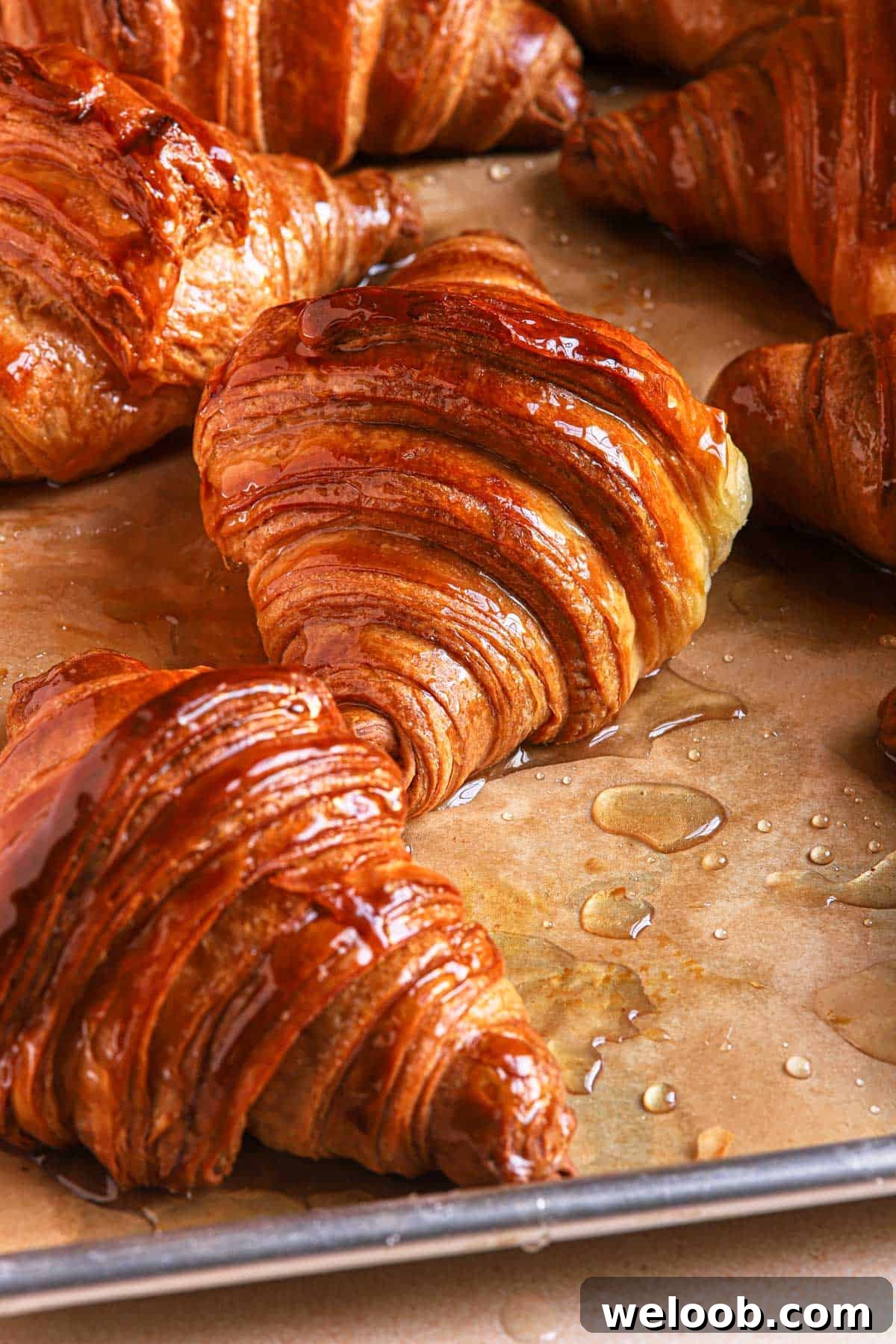
Tender Portuguese Croissants | No Lamination
Made with an enriched brioche-style dough where butter is mixed directly into the dough rather than fully laminated. This yields a soft, tender crumb with a lightly crisp exterior—rich, approachable, and suitable for both sweet and savory fillings.
Prep Time: 45 minutes
Cook Time: 45 minutes
Servings: 20 croissants
Author: Dikla Levy Frances
Ingredients
For the Dough
- 1 recipe brioche dough (see your preferred brioche method)
- 1 cup unsalted butter, soft (226 g)
For the Syrup
- 3/4 cup water (180 ml)
- 1 cup sugar (200 g)
- 1 teaspoon vanilla extract
- 1/4 cup Port wine
Instructions
- On a lightly floured surface, roll one portion of chilled brioche dough into an 18×9-inch rectangle.
- Spread about four tablespoons of soft butter evenly over the dough surface.
- Fold the right third of the dough over the center, then fold the left third over the top, creating a three-part fold. Press gently to seal.
- Roll the dough again to the same dimensions and repeat the butter spread and folding once more if desired.
- Roll the dough into a 21×14-inch rectangle. Mark every 4 inches and cut the dough into 4-inch wide segments, then slice diagonally from the base to form triangles.
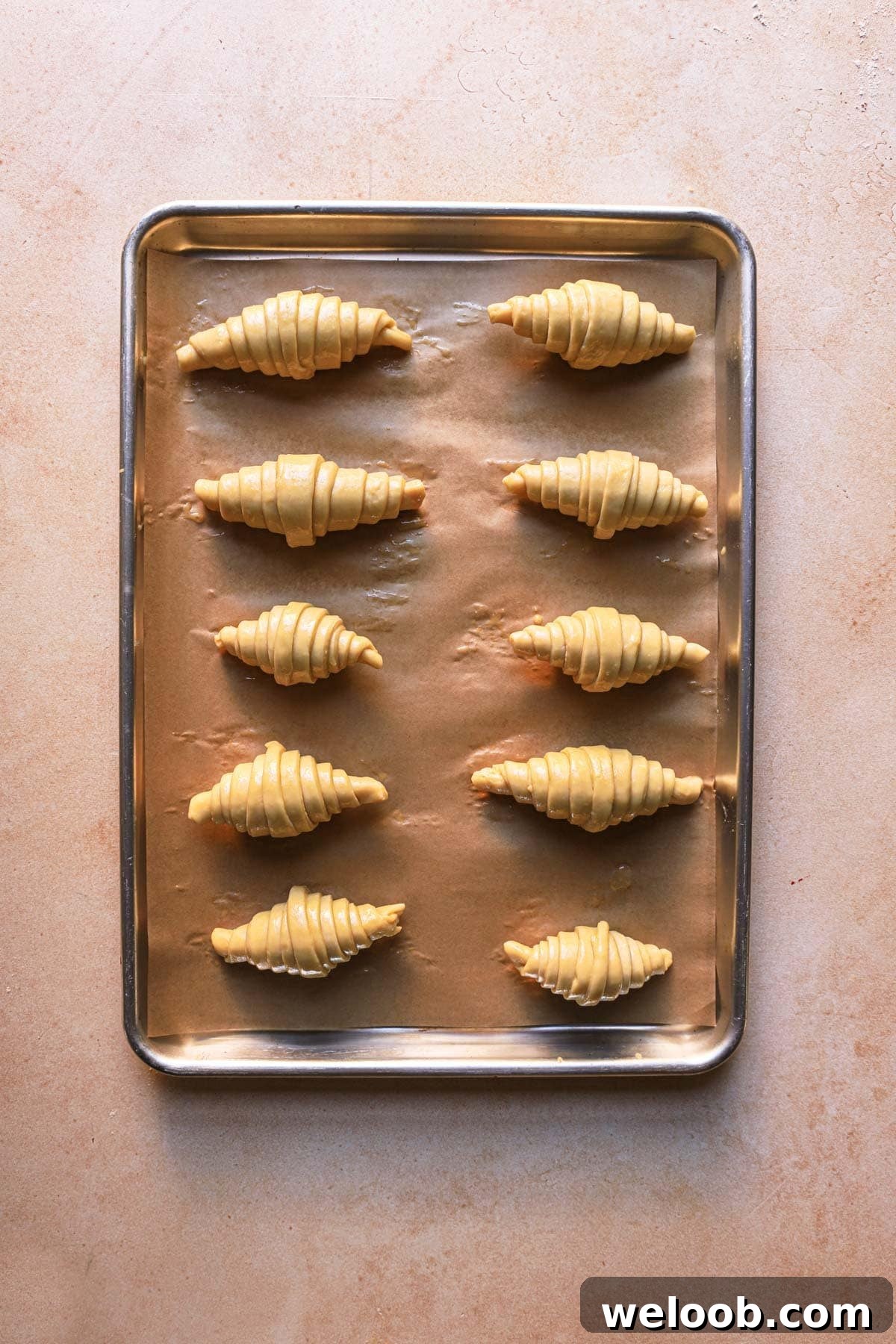
- Starting at the wide base of each triangle, gently stretch and roll toward the point to form a crescent. Place shaped croissants on parchment-lined baking sheets.
- Brush with egg wash and allow the croissants to proof at room temperature for 3–5 hours until puffy and nearly doubled.
- Bake at 400°F (200°C) for 15 minutes, then reduce the oven temperature to 350°F (180°C) and bake for an additional 8–10 minutes, or until golden and cooked through.
Make the Syrup
- Combine the water, sugar, vanilla, and Port wine in a medium saucepan. Bring to a boil over medium heat, stirring until the sugar dissolves.
- Reduce the heat and simmer for 4–5 minutes to slightly thicken. Remove from heat and let cool.
- As soon as the croissants come out of the oven, brush them generously with the cooled syrup so they absorb the liquid and develop a glossy, sweet finish.
Notes
- These croissants are best the day they are made but will keep at room temperature up to two days. Reheat briefly in a 350°F (180°C) oven to refresh them.
- To freeze, wrap cooled croissants tightly and store in a freezer bag for up to three weeks. Reheat from thawed or frozen at 350°F (180°C) until warmed through.
- Resting the dough overnight in the refrigerator is important for flavor development and easier handling. The final proofing should be 3–5 hours for optimal volume and texture.
- If the dough warms while folding, chill it 10–15 minutes between folds to keep the butter firm and maintain layer definition.
- To check doneness, cut one croissant from the center: the interior should be fully baked, not doughy. If it is underbaked, return the croissants to the oven for a few more minutes.
- If you omit the thin butter layer during shaping, follow the alternative baking guidelines for brioche croissants, adjusting time and temperature as needed.