
Quick Bibimbap Recipe: Flavorful Korean Rice Bowl
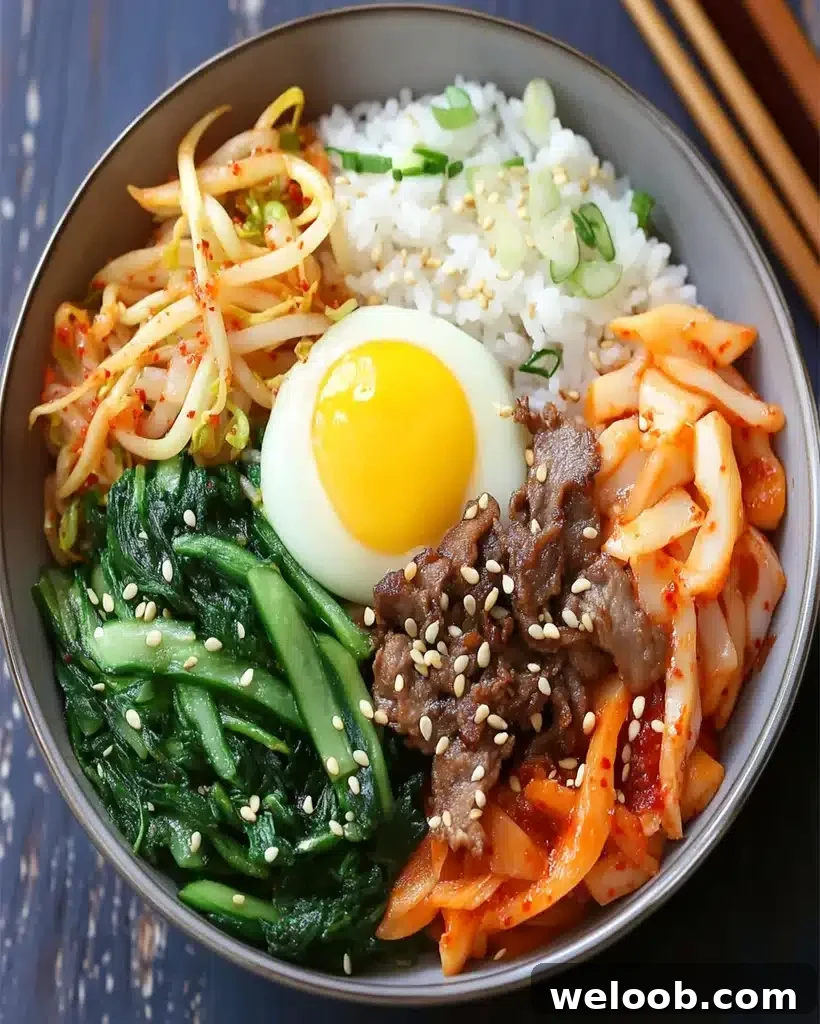
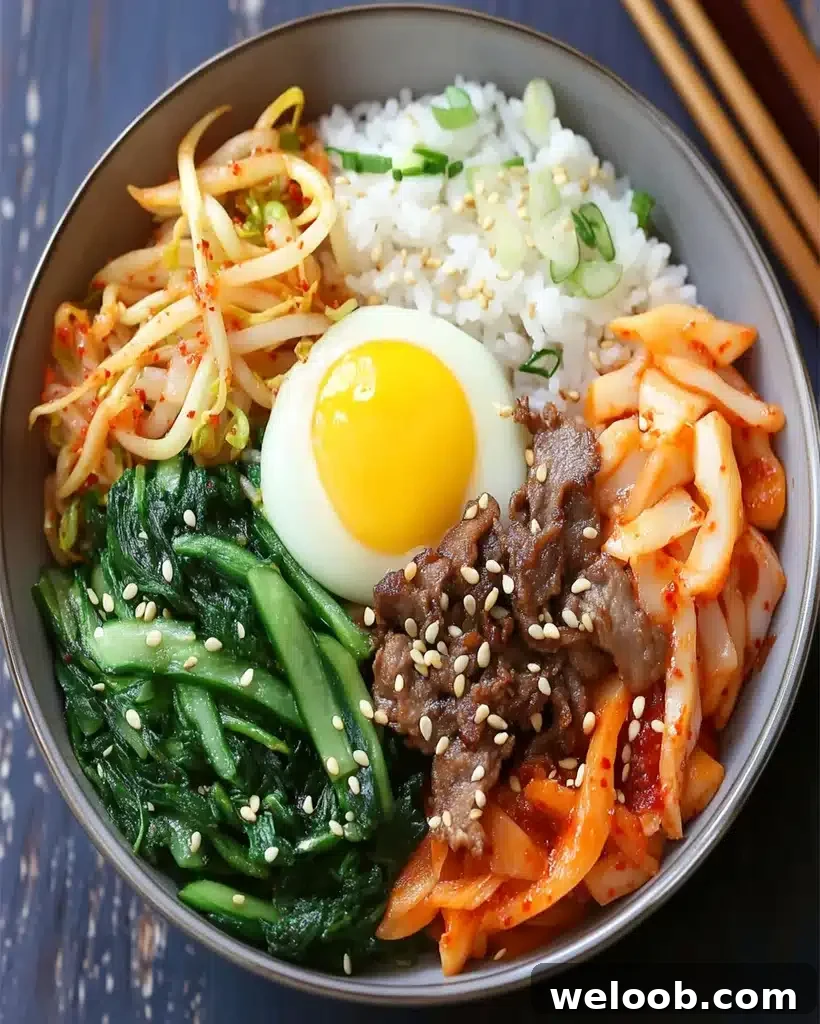
Quick Bibimbap Recipe – Easy & Flavorful Korean Meal
- Author: Patri
Description
Discover the bright, satisfying flavors of Korean cuisine with this Quick Bibimbap recipe. Designed for busy weeknights, it captures the classic mix of rice, seasoned vegetables, and protein in about 20 minutes. This version keeps the essential tastes intact—salty soy, tangy kimchi, fresh ginger and garlic—while simplifying preparation so you can enjoy an authentic-feeling meal without a long list of steps.
Ingredients
Gather the following ingredients to make four servings of Quick Bibimbap:
- 2 cups short-grain jasmine rice (or your preferred short-grain rice)
- 1/4 cup canola oil, divided
- 8 cups baby spinach
- 2 cloves garlic, minced
- 1 tbsp fresh ginger, grated
- 1/4 tsp salt
- 1/4 tsp black pepper
- 4 tsp soy sauce
- 4 tsp rice wine vinegar
- 1 cup bean sprouts
- 1 cup matchstick carrots
- 1 cup prepared kimchi, chopped
- 4 eggs, fried
- 4 tsp Sriracha (adjust to taste)
- 4 tsp toasted sesame seeds
Optional substitutions:
- For a vegan option, swap fried eggs for cubed, pan-fried tofu or a plant-based egg substitute.
- Use coconut oil instead of canola oil for a slightly sweeter aroma.
Instructions
Step 1: Prepare the Rice
Cook the short-grain jasmine rice according to the package directions. Short-grain rice clumps slightly and helps the bowl come together, giving the traditional bibimbap texture.
Step 2: Sauté the Vegetables
Heat 2 tablespoons of canola oil in a large skillet over medium heat. Add the baby spinach, minced garlic, grated ginger, salt and black pepper. Sauté for 3–5 minutes until the spinach wilts and the aromatics become fragrant. Transfer the cooked spinach to a bowl and keep warm.
Step 3: Crisp the Rice
Wipe the skillet clean, then heat the remaining oil over medium-high. Add the cooked rice and stir-fry for 3–5 minutes until the grains develop a light crisp. Stir in the soy sauce and rice wine vinegar, tossing to coat and season the rice evenly.
Step 4: Assemble the Bowls
Divide the crisped rice among four bowls. Arrange the bean sprouts, matchstick carrots and chopped kimchi in small piles on top of the rice so the colors contrast. Place a fried egg on each bowl. Finish with a drizzle of Sriracha and a sprinkle of toasted sesame seeds. Mix everything together at the table to enjoy bibimbap the traditional way.
Notes & Tips
- Use the freshest vegetables you can find for the best texture and flavor.
- Swap or add vegetables as you like—zucchini, shiitake mushrooms or bell peppers work well when sautéed briefly.
- Prep vegetables in advance and store them in the fridge to reduce hands-on time before cooking.
- For extra crispy rice, let it sit undisturbed in the hot skillet for a minute or two before stirring.
- Grate fresh ginger rather than using powder; fresh ginger brightens the dish and pairs well with garlic and vinegar.
Serving Suggestions
Serve Quick Bibimbap with classic Korean side dishes like kimchi or pickled radish. A light soup, such as a simple miso-style broth, or a cold barley tea (boricha) complements the bowl and helps balance spice from the chili sauce. For a heartier meal, add grilled bulgogi-style beef or marinated mushrooms for a vegetarian protein boost.
Nutritional Information
Quick Bibimbap offers a balanced combination of carbohydrates, protein and healthy fats from rice, eggs and sesame. Vegetables deliver vitamins and minerals to round out the meal.
Nutritional Info (per serving):
- Calories: 450
- Fats: 18g
- Carbs: 54g
- Proteins: 13g
- Vitamins: Rich in Vitamin A, Vitamin C and Iron
Storage & Reheating
- Store leftovers in an airtight container in the refrigerator for up to 2 days.
- Reheat by microwaving briefly or by stir-frying the rice and vegetables in a skillet to revive texture. Add a splash of soy sauce or vinegar when reheating to refresh the flavors.
Frequently Asked Questions
1. Can I make Bibimbap ahead of time?
Yes. Cook and store the rice and vegetables separately, then reheat and assemble just before serving to keep textures fresh.
2. Is Bibimbap gluten-free?
It can be—use a gluten-free soy sauce and check other packaged ingredients for gluten-containing additives.
3. What can I substitute for kimchi?
If you don’t have kimchi, pickled vegetables or a tangy chili sauce make a good alternative to provide acidity and spice.
4. Can I make this dish vegan?
Yes—swap the fried eggs for pan-fried tofu or another plant-based protein, and use vegan condiments to keep the dish fully plant-based.
Related Recipes for Bibimbap Lovers
If you enjoy Quick Bibimbap, try other comforting, flavor-forward recipes such as a hearty casserole or savory appetizer bites to expand your home-cooked repertoire.
- Ultimate Cowboy Casserole Cornbread – a warming, filling casserole.
- Sausage Balls with a savory mix – an easy, crowd-pleasing appetizer.
With its vibrant colors, contrasting textures and bold flavors, Quick Bibimbap is a versatile and satisfying dish you’ll return to again and again. Adjust the vegetables, spice level and protein to suit your tastes, and enjoy a delicious taste of Korean-inspired home cooking.
Happy cooking!