
Soft and Airy Jerusalem Bagel Recipe
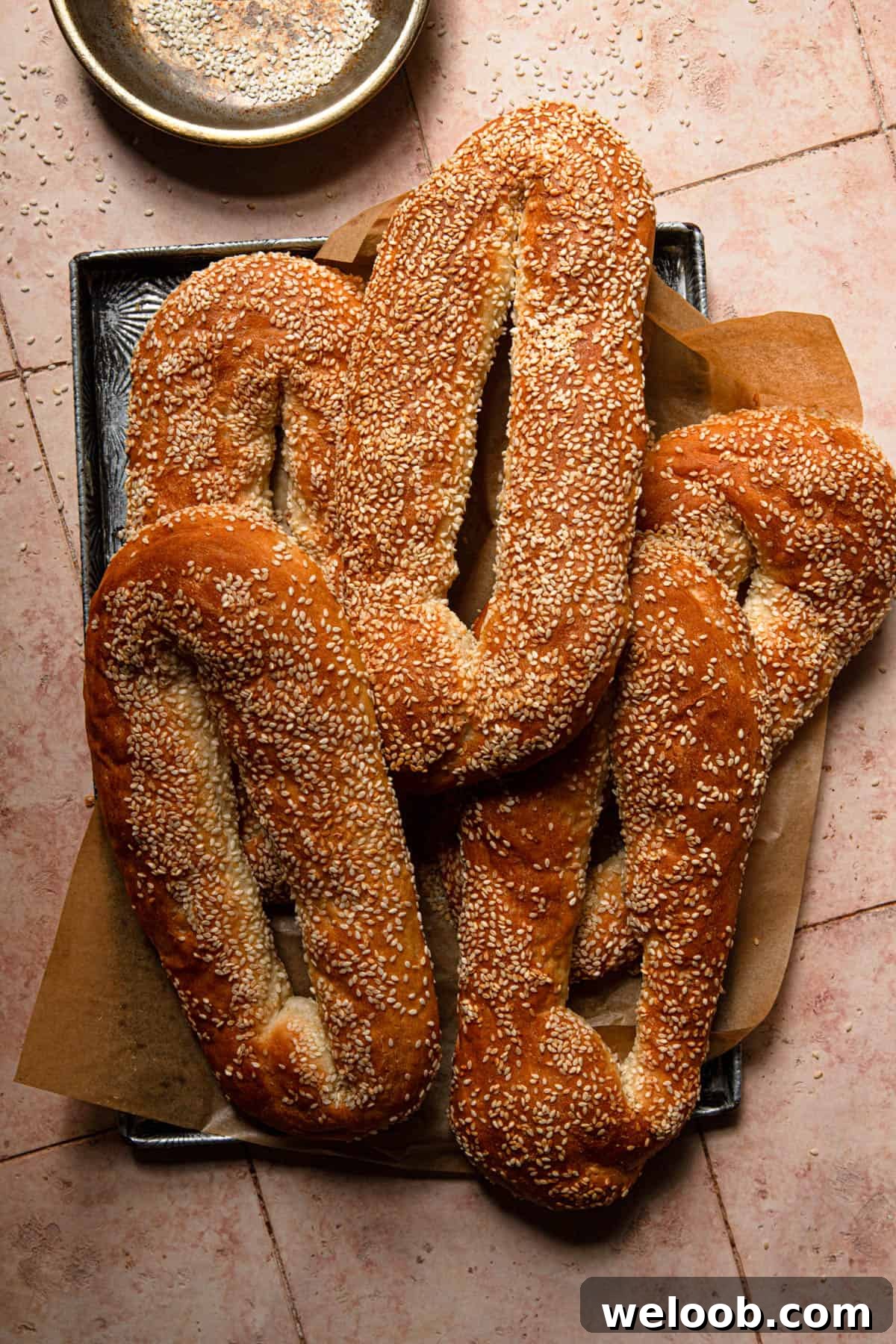
Jerusalem bagels are light, fluffy, thin oval ring-shaped rolls coated with sesame seeds and baked to a deep golden brown. They’re easy to make with a few pantry staples and are perfect for dipping, snacking, or using as sandwich rolls.
This post may contain affiliate links; please see the disclosure policy for details.
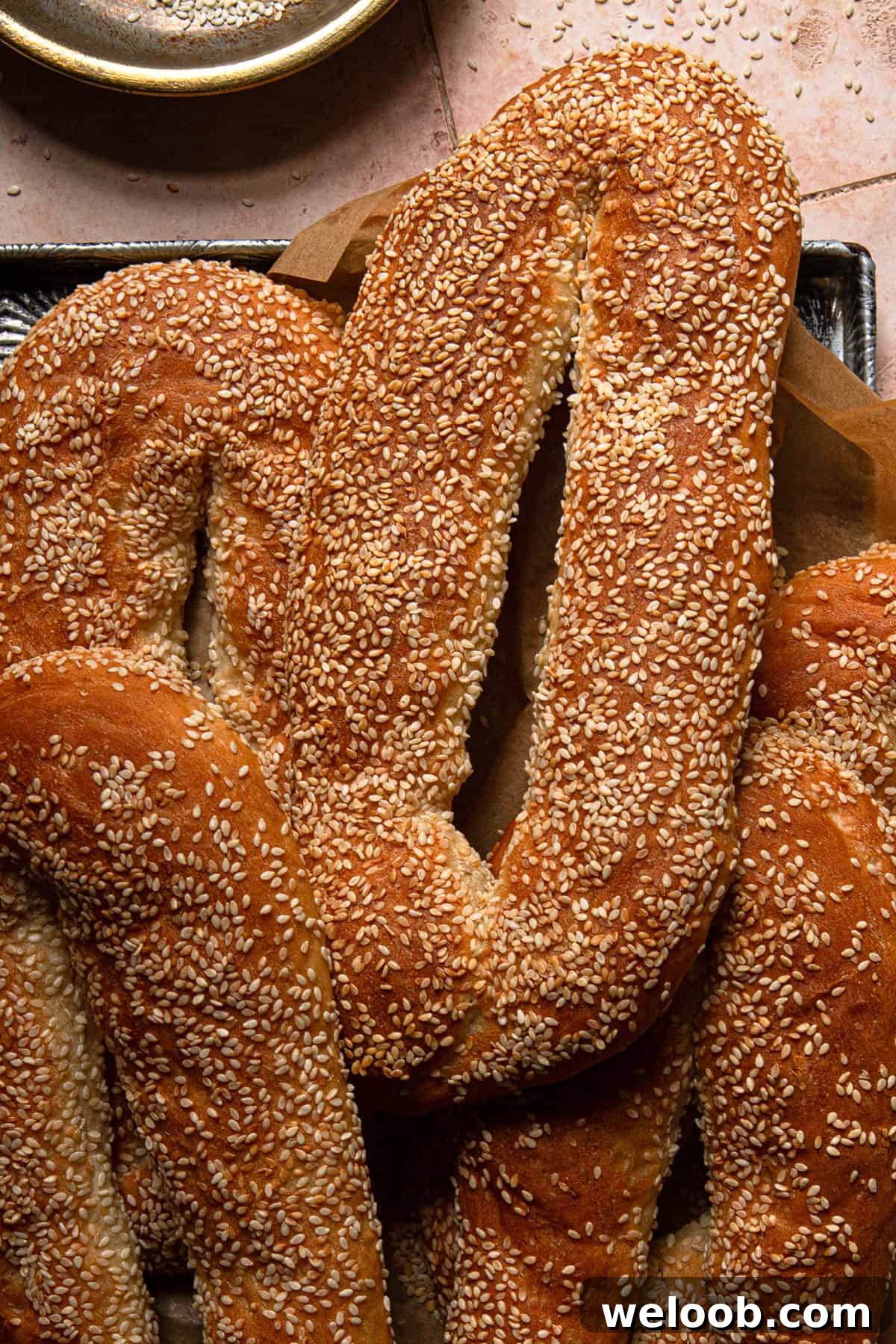
Jerusalem bagels, also called Ka’ak Al-Quds, are not the dense, chewy bagels you might expect from New York. Instead, they’re long, oval, thin, and tender—soft and airy on the inside with a lightly crisp crust thanks to a generous coating of sesame seeds. The dough requires no special ingredients or equipment and yields a loaf that’s humble, iconic, and utterly irresistible.
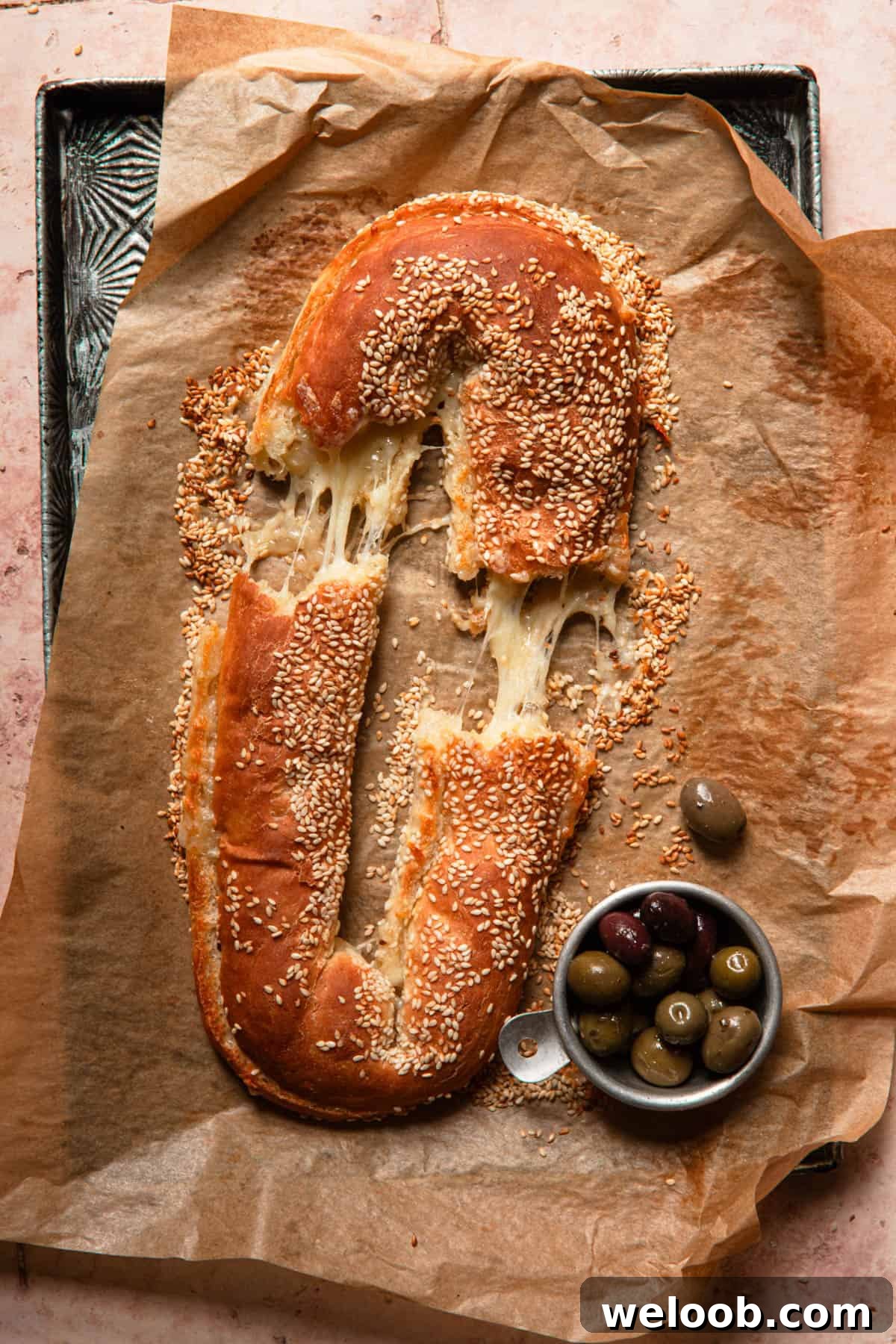
I grew up enjoying these bagels as a simple cheese panini; at home we usually called them sesame rolls. In Israel they’re everywhere: street carts, bakeries, and home kitchens. Think of them as local comfort food—common yet essential to the food culture. After testing and refining this recipe many times, I’m happy to share a straightforward version that delivers the classic texture and flavor.
Ingredients Overview
The full ingredient amounts are listed below in the recipe card. Here’s a quick overview and substitution tips:
- All-purpose flour — No need for bread flour; use unbleached all-purpose for best results.
- Instant yeast — If you prefer active dry yeast, see the note in the recipe card for adjustments.
- Sugar and salt — A small amount of sugar to feed the yeast and create a light crumb; salt is important for savory flavor balance.
- Warm water — For the dough and for dipping the shaped bagels before coating in sesame; warm but not hot so you don’t kill the yeast.
- Neutral vegetable oil — Canola or another neutral oil keeps the dough tender. Avoid strong-flavored oils like robust olive oil that could add bitterness.
- Sesame seeds — The defining topping; do not skip. You can mix in poppy seeds or a touch of everything bagel seasoning if desired.
How to Make the Dough
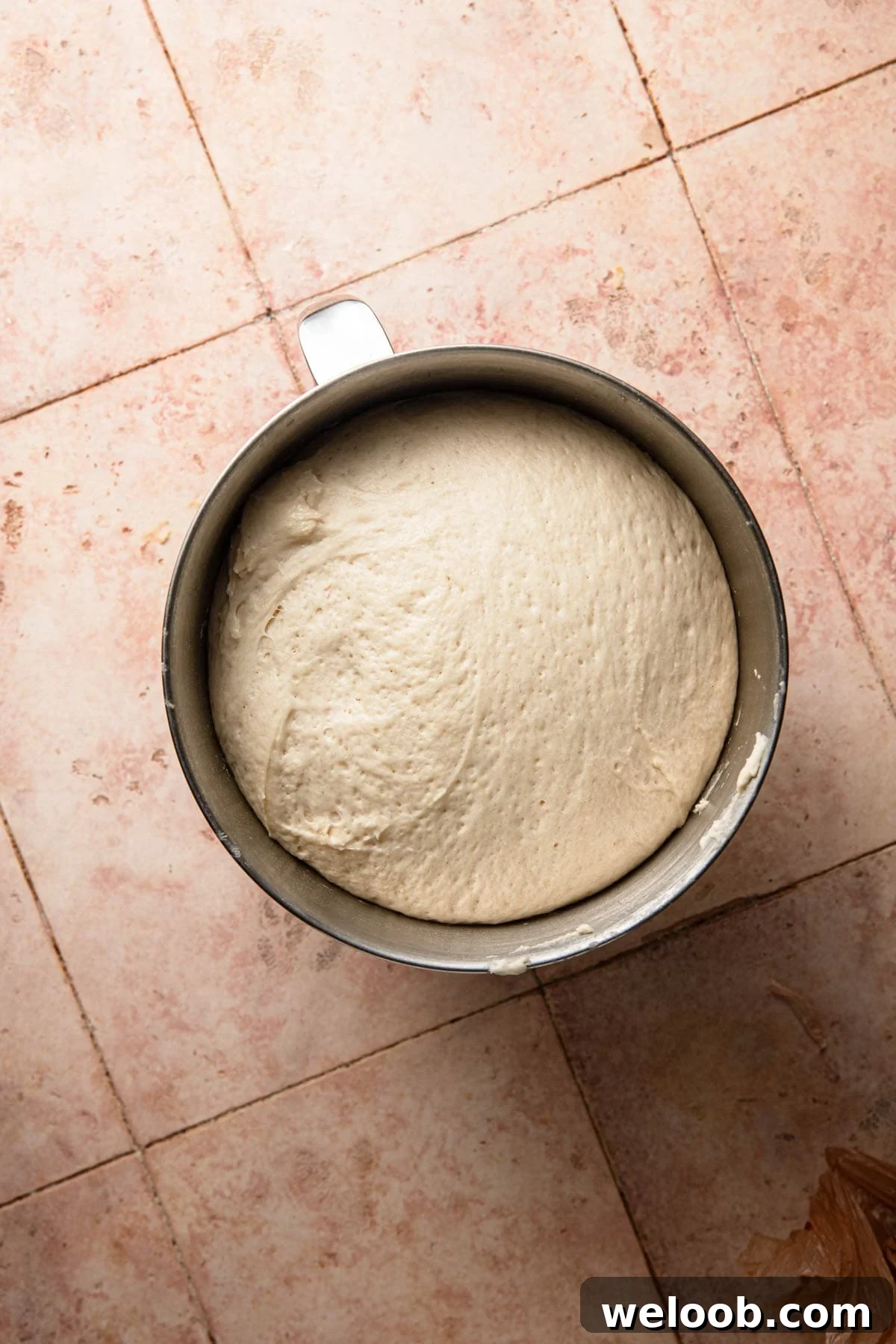
This recipe is straightforward and requires two rest periods: an initial rise of about 30–60 minutes (until roughly doubled) and a second proof after shaping of 30–60 minutes. Below are key tips and a step-by-step overview to guide you through the process.
- I use a stand mixer to make the dough, but you can mix and knead by hand in a large mixing bowl. Do not use a hand mixer—it won’t be strong enough.
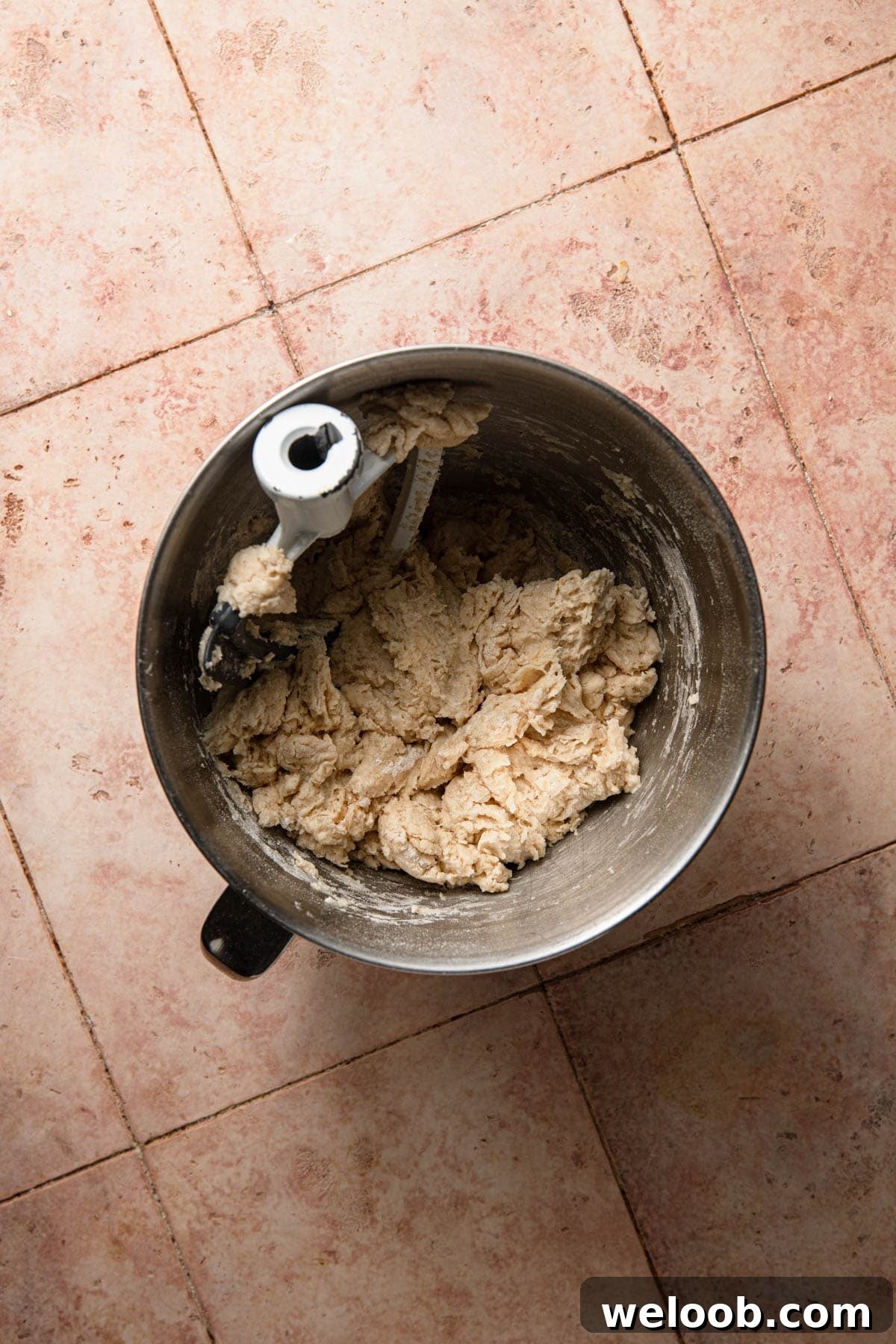
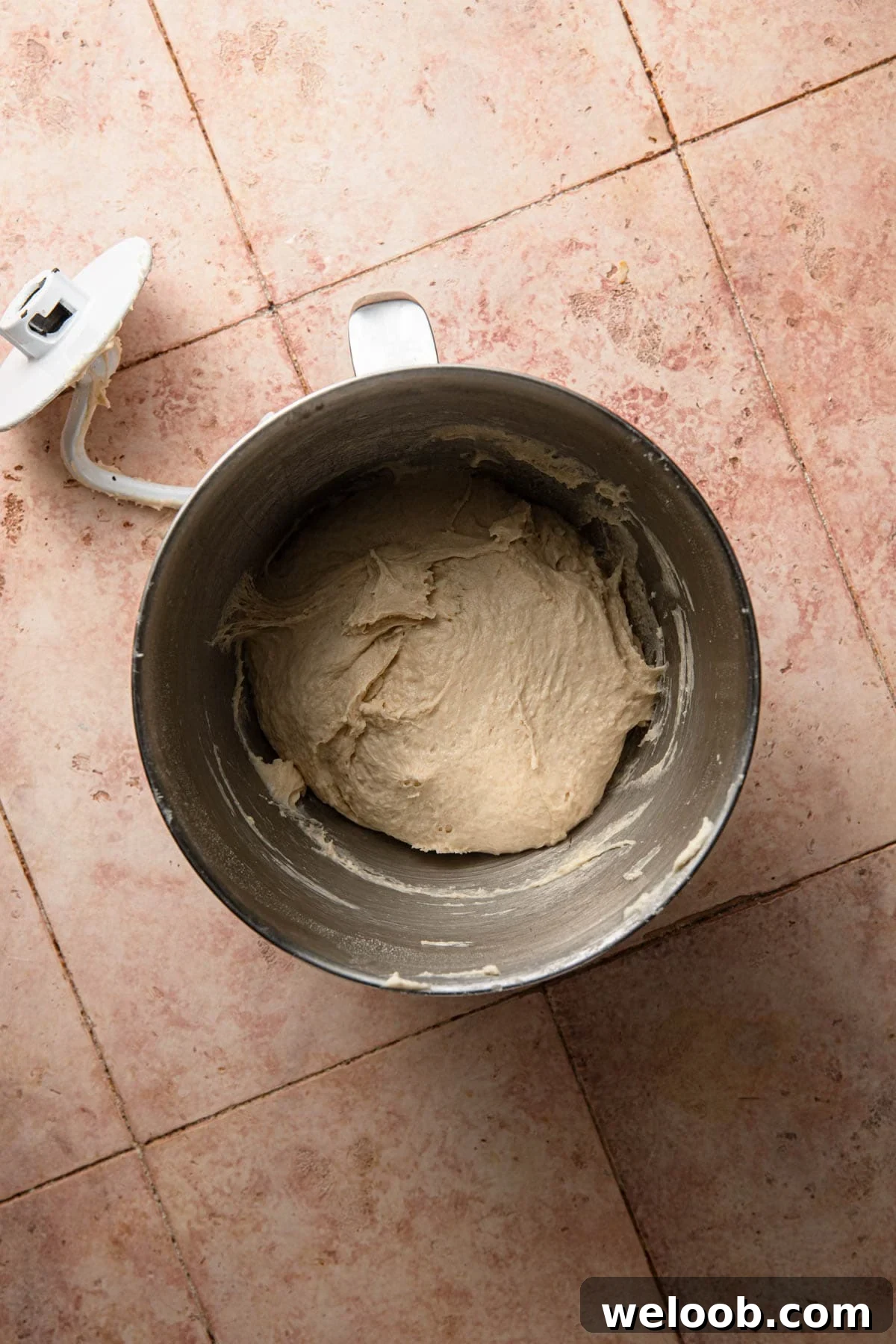
- The dough will be slightly sticky after mixing; that is normal. Resist the urge to add extra flour, which can make the finished bagels dry and dense.
Shape the Bagels and Bake
- The dough may still be a little sticky while shaping; dust the work surface and your hands sparingly. Too much flour makes shaping harder.
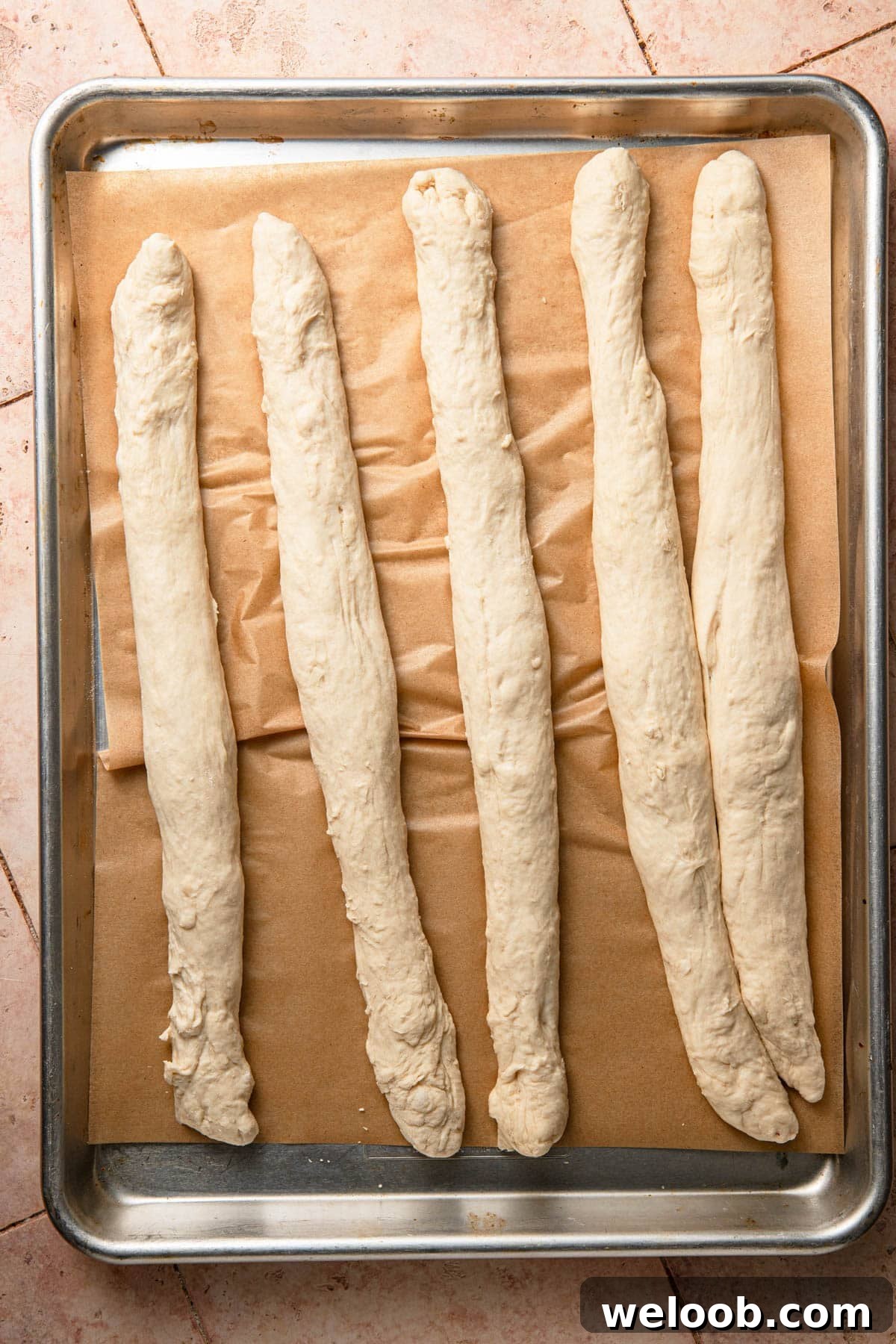
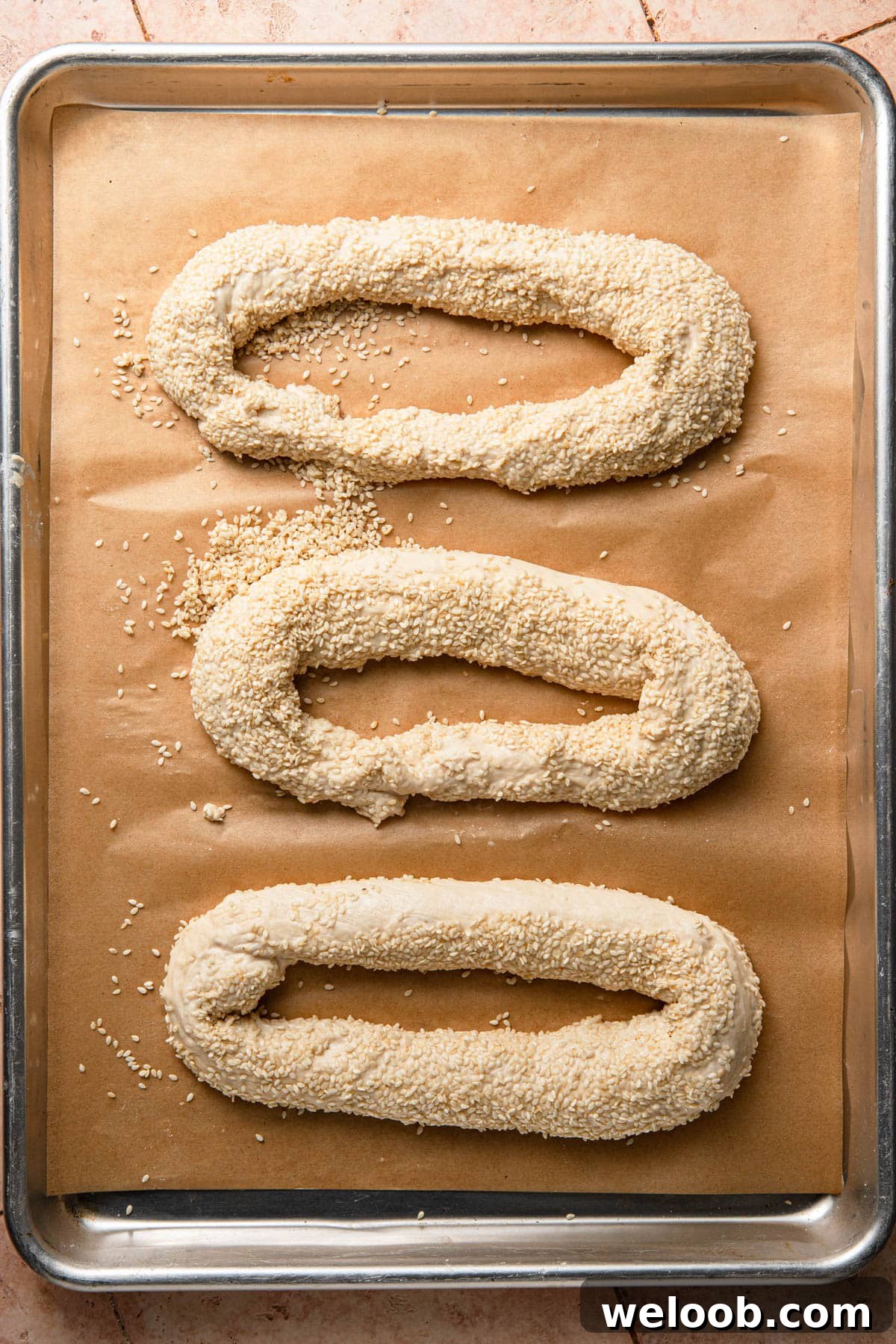
- Roll each portion into a long log and let gravity help form the oval shape—when you lift the log, it will naturally elongate into an oval ring.
Storage, Freezing, and Make-Ahead Tips
- Storage: Keep freshly baked bagels in an airtight container at room temperature for up to two days. They are best the same day they are baked.
- Freezing: Cool completely, wrap each bagel tightly in plastic wrap (or foil) and place in a freezer-safe bag. Freeze up to two months. Thaw at room temperature, then warm in a 350°F (175°C) oven for about 10 minutes to refresh.
- Make-ahead dough: To prepare dough the night before, reduce the yeast to 1 1/2 teaspoons and refrigerate; allow to come to room temperature and continue with shaping the next day.
- Oven tip: If you have access to a wood-fired oven, these bagels develop an especially appealing crust and color; conventional ovens work perfectly well, too.

Fluffy Jerusalem Bagel | Easy Recipe!
15 mins
17 mins
5 Bagels
Dikla Levy Frances
Ingredients
- 4 cups all-purpose flour (500 g)
- 2 tablespoons sugar (25 g)
- 2 teaspoons salt
- 1 tablespoon instant yeast
- 1 1/2 cups lukewarm water (360 ml)
- 1/4 cup oil (60 ml), neutral flavor
- 3 tablespoons water for soaking the raw bagels
- 1 cup sesame seeds for coating
Instructions
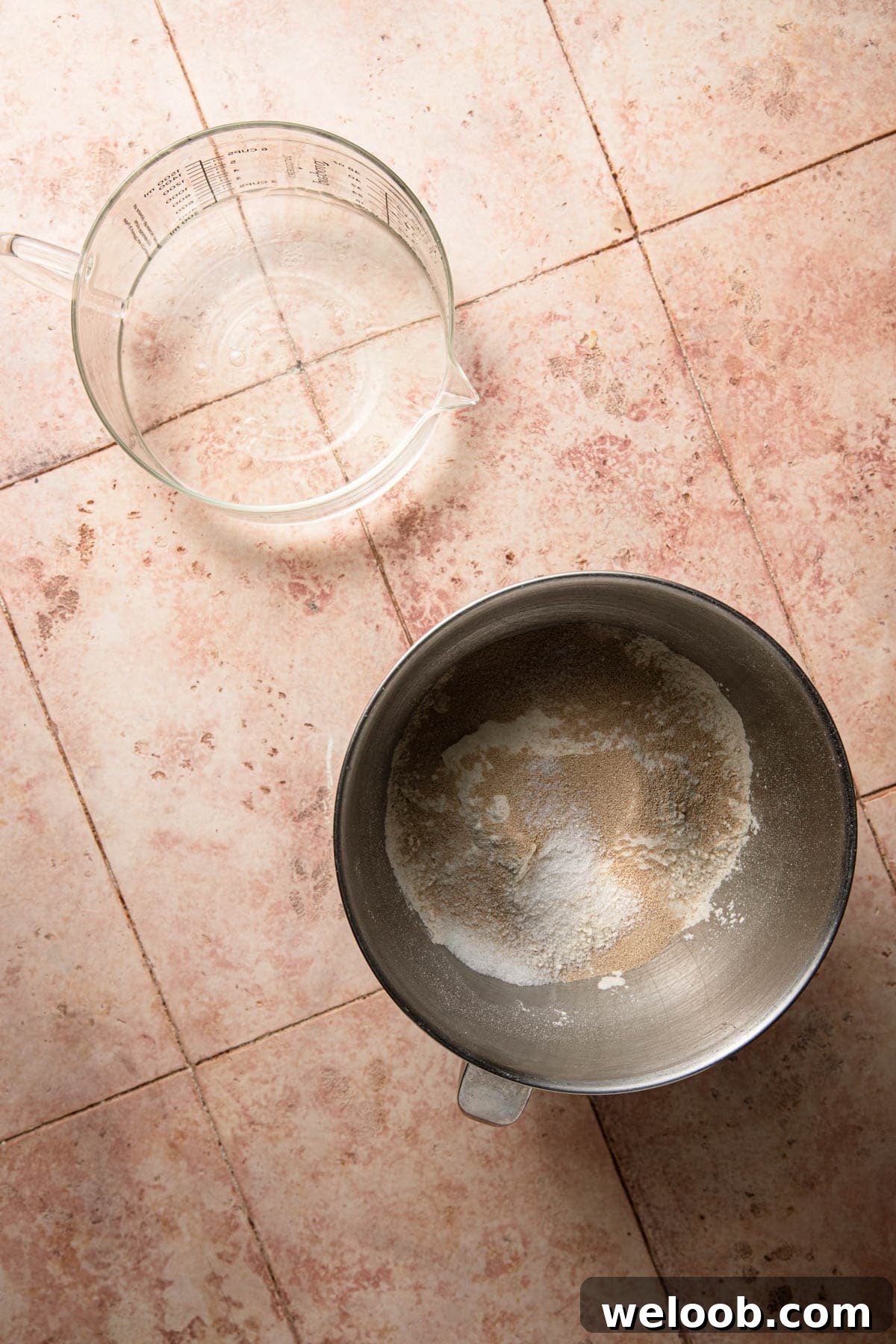
- In a large bowl (or the bowl of a stand mixer), combine the flour, sugar, salt, and yeast.
- Measure the lukewarm water and oil together in a measuring cup.
- Using the paddle attachment on low, blend the dry ingredients briefly to mix.
- Pour in the water and oil mixture and mix until a rough, shaggy mass forms.
- Switch to the dough hook and mix on medium for 5–7 minutes until the dough is smooth, slightly sticky, and clears the sides of the bowl.
- Lightly spray or brush a thin layer of oil over the dough, cover with plastic wrap or a damp towel, and let rise in a warm spot for 30–60 minutes, until nearly doubled.
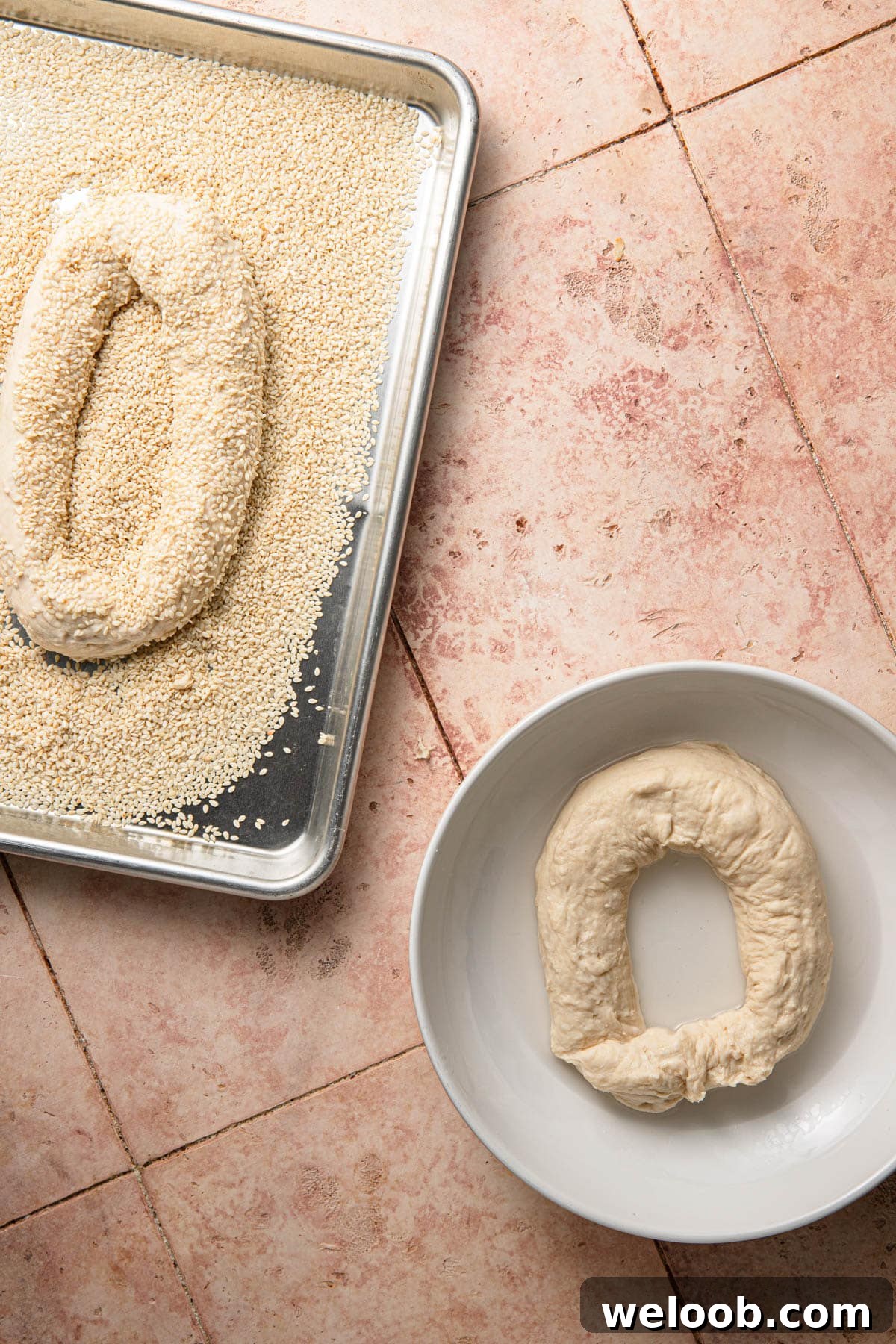
- Prepare a wide bowl with the 3 tablespoons of water and a shallow tray with the sesame seeds. Line two baking sheets with parchment paper.
- Divide the dough into five equal pieces (about 180–190 g each). Roll each piece into a 20-inch log. If sticky, dust the work surface and your hands lightly with flour.
- Pinch the ends of each log together to seal and form a ring. Gently lift and dip the ring into the water, turning to moisten both sides.
- Transfer the wet ring to the sesame tray and press gently on both sides to adhere as much sesame seed as possible.
- Place the coated bagel onto the prepared baking sheet, shaping it into a neat oval if needed. Repeat with the remaining dough.
- Allow the shaped bagels to rest and proof for another 30–60 minutes. Preheat the oven to 400°F (200°C) while they finish rising.
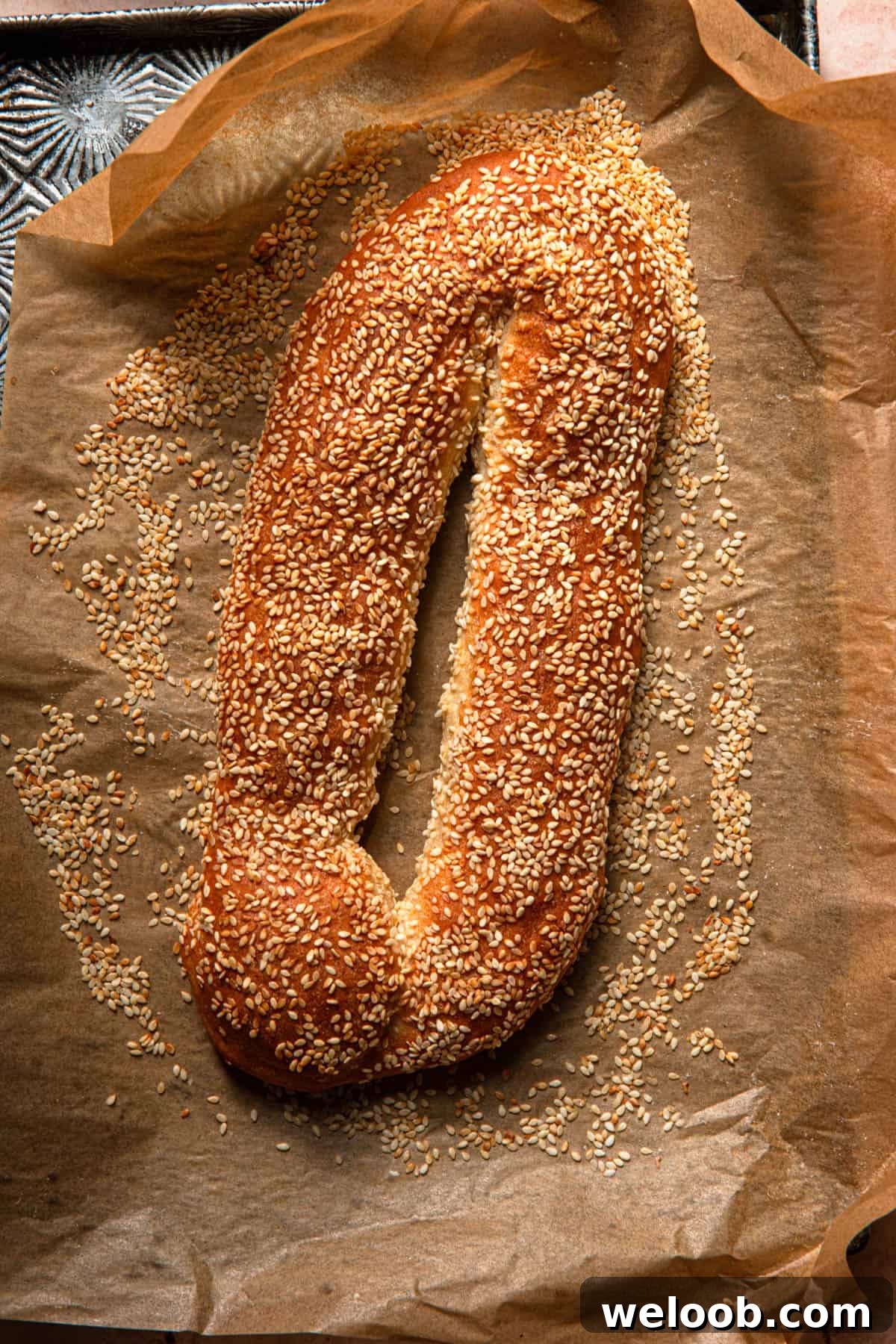
- Bake for 15–17 minutes, until the bagels are deep golden brown and crisp on the outside.
- Remove from the oven and let cool for 10–15 minutes before serving. Enjoy warm with cheese, dips, or as a sandwich base.
Notes & Tips
- To use active dry yeast: increase to 4 teaspoons, dissolve it with 1/2 cup water and 1 teaspoon sugar, let sit 5–10 minutes until frothy, then proceed with the recipe.
- These bagels are best the same day, but can be stored at room temperature for up to two days in an airtight container.
- When freezing, wrap each bagel tightly in foil or plastic and store in a freezer bag for up to two months. Thaw, then warm in the oven for 5–10 minutes.
- Do not over-flour the dough while shaping; a light dusting is enough. The dough should stay slightly tacky for best texture.