
Spiced Honey Cookies Recipe: Melt-in-Your-Mouth

My honey cookies are a childhood treasure—tender enough to melt in your mouth, slightly crumbly, and unmistakably honey-forward in flavor. Made from simple pantry ingredients, they’re an effortless treat for holidays, family gatherings, or any time you need a comforting homemade cookie.

A Recipe from the Land of Milk and Honey
This recipe is a favorite I contributed to a holiday cookie collection and a version of a classic Israeli bakery cookie I grew up eating. While there are many bakery-style cookie recipes to choose from, these honey cookies are the ones I bake every year for Rosh Hashanah alongside a moist honey cake. In Israel they are commonly sold in large bags at local markets; I tested this recipe several times to recreate that familiar texture and flavor. Because they are so distinctive and delicious, I find myself baking them throughout the year.
The Secret Ingredient
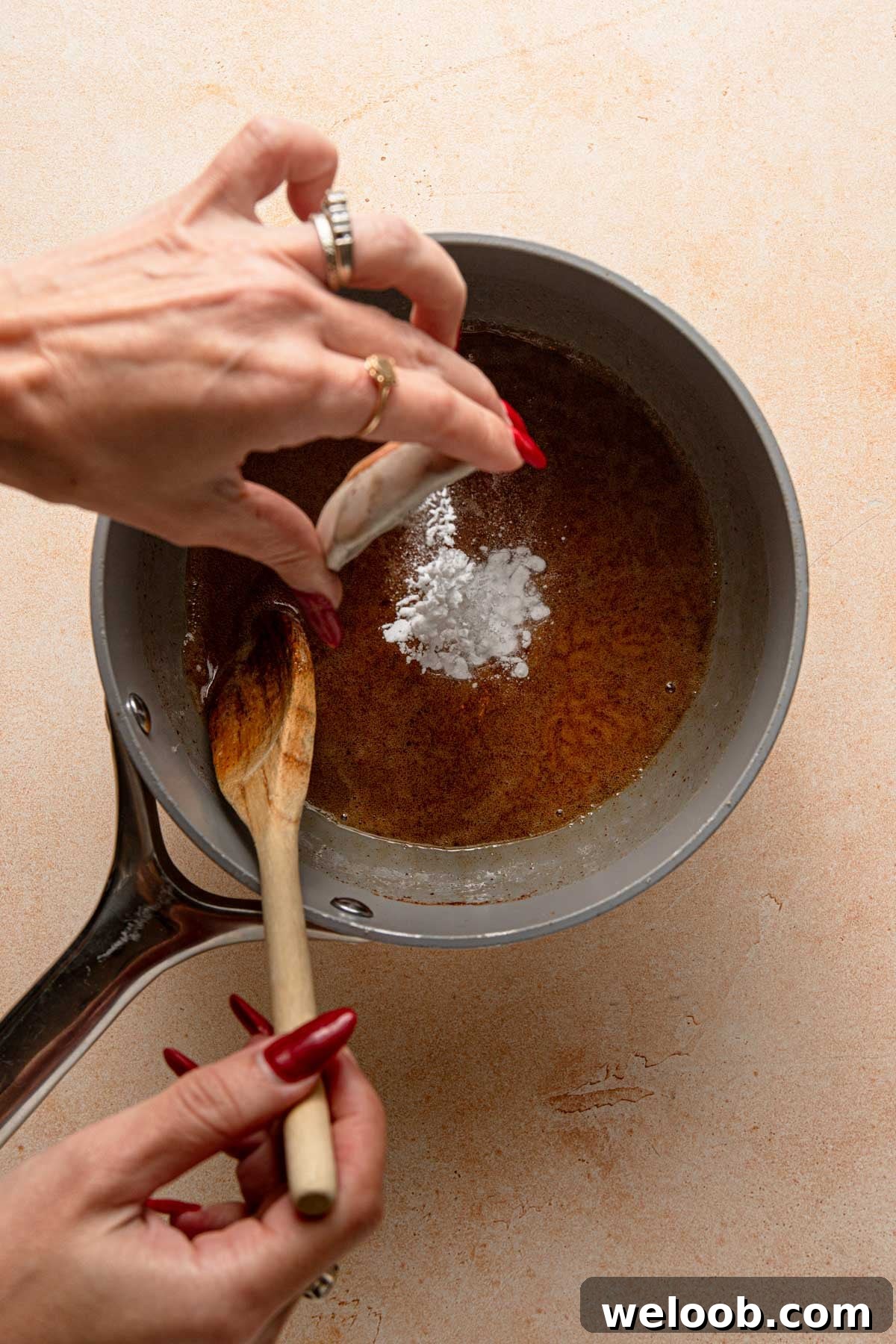
These cookies achieve their characteristic delicate, crumbly texture because of the way the honey is treated. Unlike granulated sugar, honey and molasses do not crystallize in the same way. A small but crucial step in this recipe is adding baking soda to warm honey:
- Baking soda: When added to the hot honey mixture, baking soda neutralizes some of the honey’s natural acidity. This reaction encourages the sugars in the honey and brown sugar to crystallize slightly as the cookies cool, giving the finished cookie a melt-in-your-mouth, slightly crumbly texture typical of traditional Israeli honey cookies.
Let’s Bake
This recipe is somewhat advanced, but I’ve written the steps to be clear and friendly to home bakers. During testing I learned that even when the dough looks messy or separated, it often comes together into even, golden cookies. Read the tips below before you begin—you’ll find them helpful when managing the hot honey mixture and a sticky dough.
Before you start, make sure you have everything measured and ready: a medium saucepan, a whisk or wooden spoon, a spatula, and a bowl for cooling the hot mixture. These small preparations will make the process smooth.
- If you don’t have a candy thermometer: Cook the honey over medium heat for 2–3 minutes, stirring occasionally. You’ll notice the honey darken slightly. If you’re unsure, remove it from the heat after two minutes to avoid overcooking.
- Avoid overcooking: The longer the honey cooks, the more water evaporates and the stickier the mixture becomes. Remove from the heat as soon as the color deepens and the mixture slightly thickens.
- Stir often: The mixture can cling to the pan and bowl. Stir frequently and use a whisk to scrape the sides. A hand mixer can help when incorporating the egg later on.
- Surface cracks are normal: Cookies may crack as they bake. That rustic fracture is common in store-bought versions too and does not affect flavor or texture.
- Dough consistency: If the dough is too sticky to handle, chill it for 30 minutes before shaping. Cooling firms the dough and makes rolling easier.
Precision matters: Too much honey, sugar, or oil with too little flour will produce flat cookies. Too much flour or not enough liquid and fat will make dense cookies that do not spread. Measure carefully for best results.
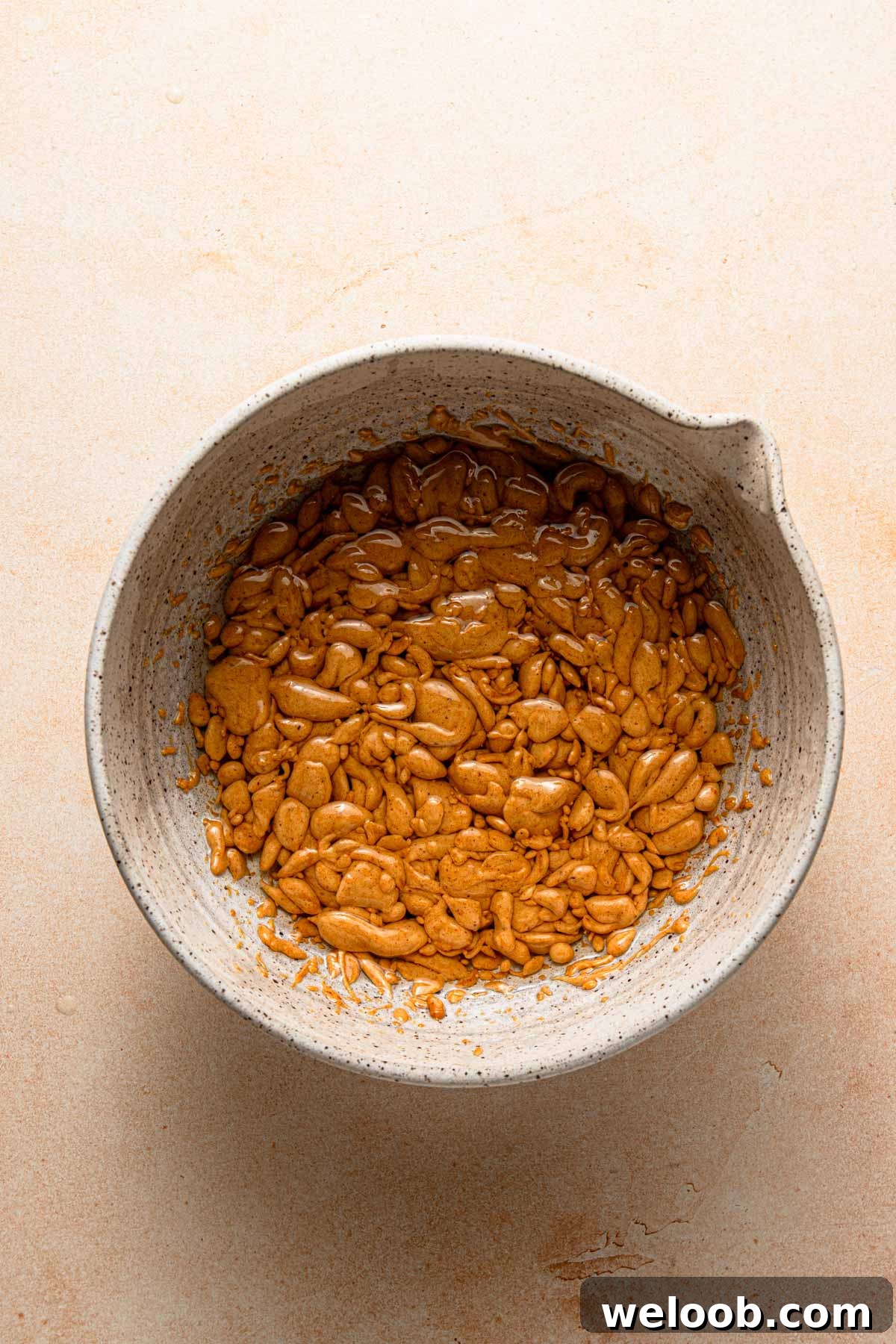
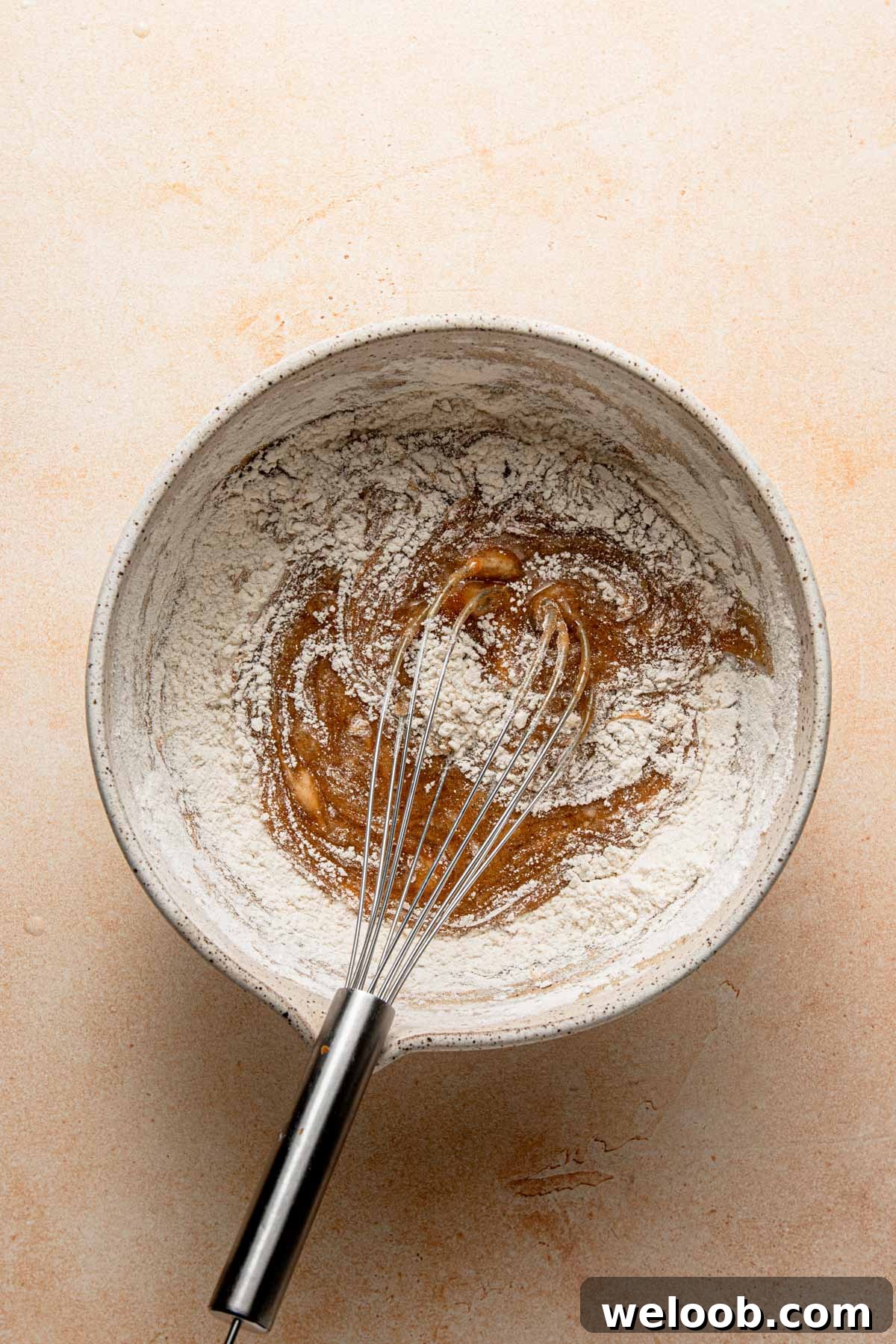
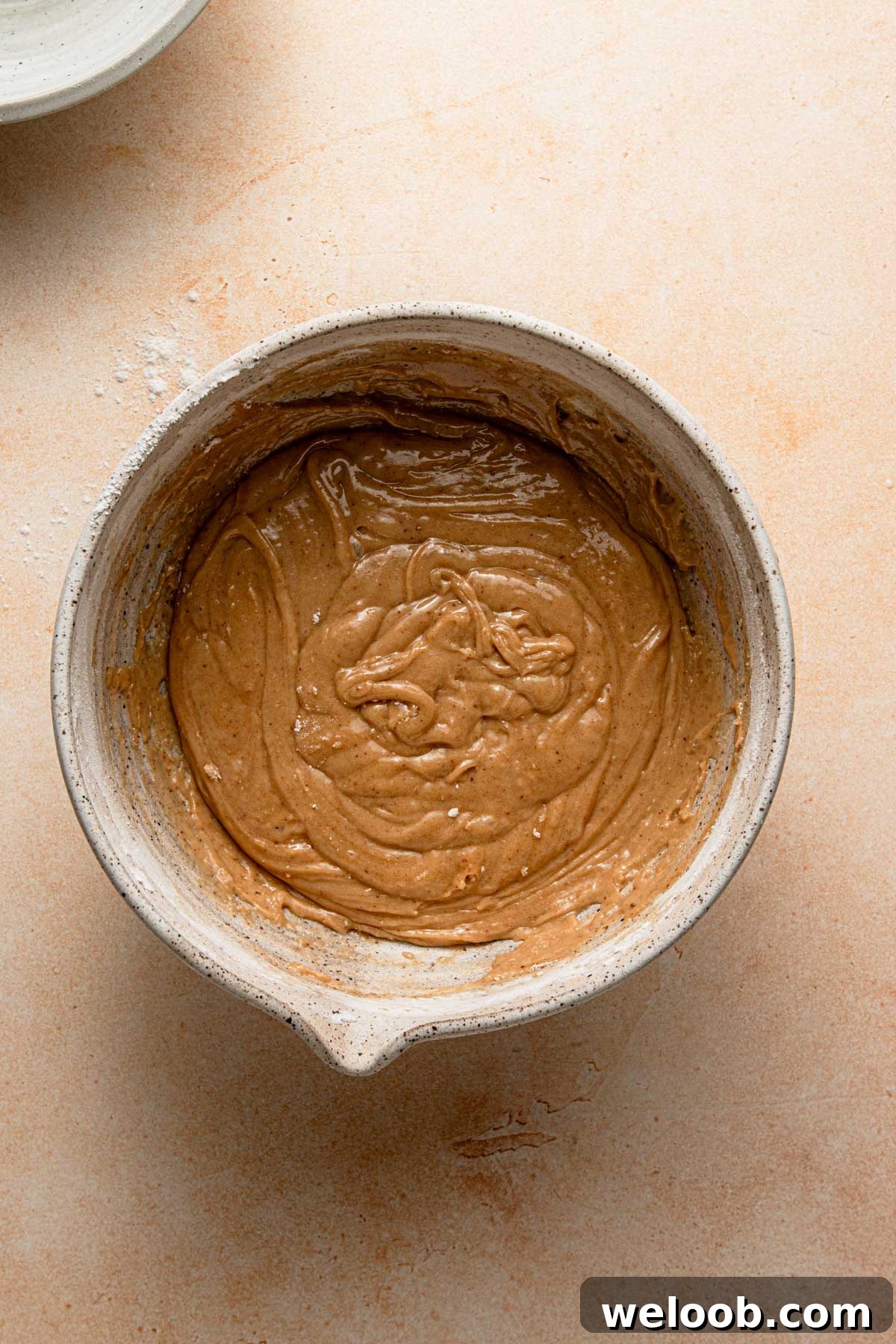

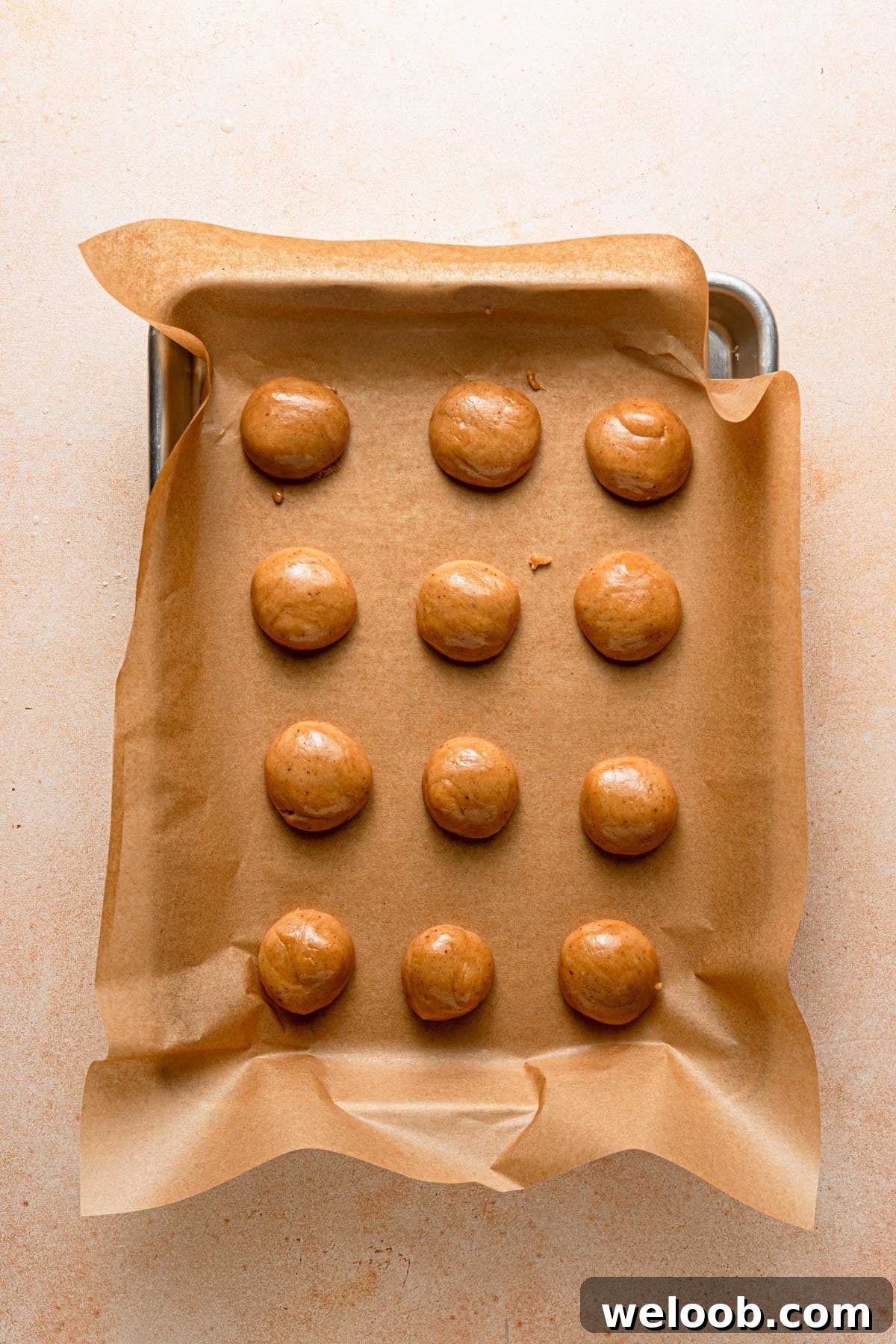
Coating the Cookies
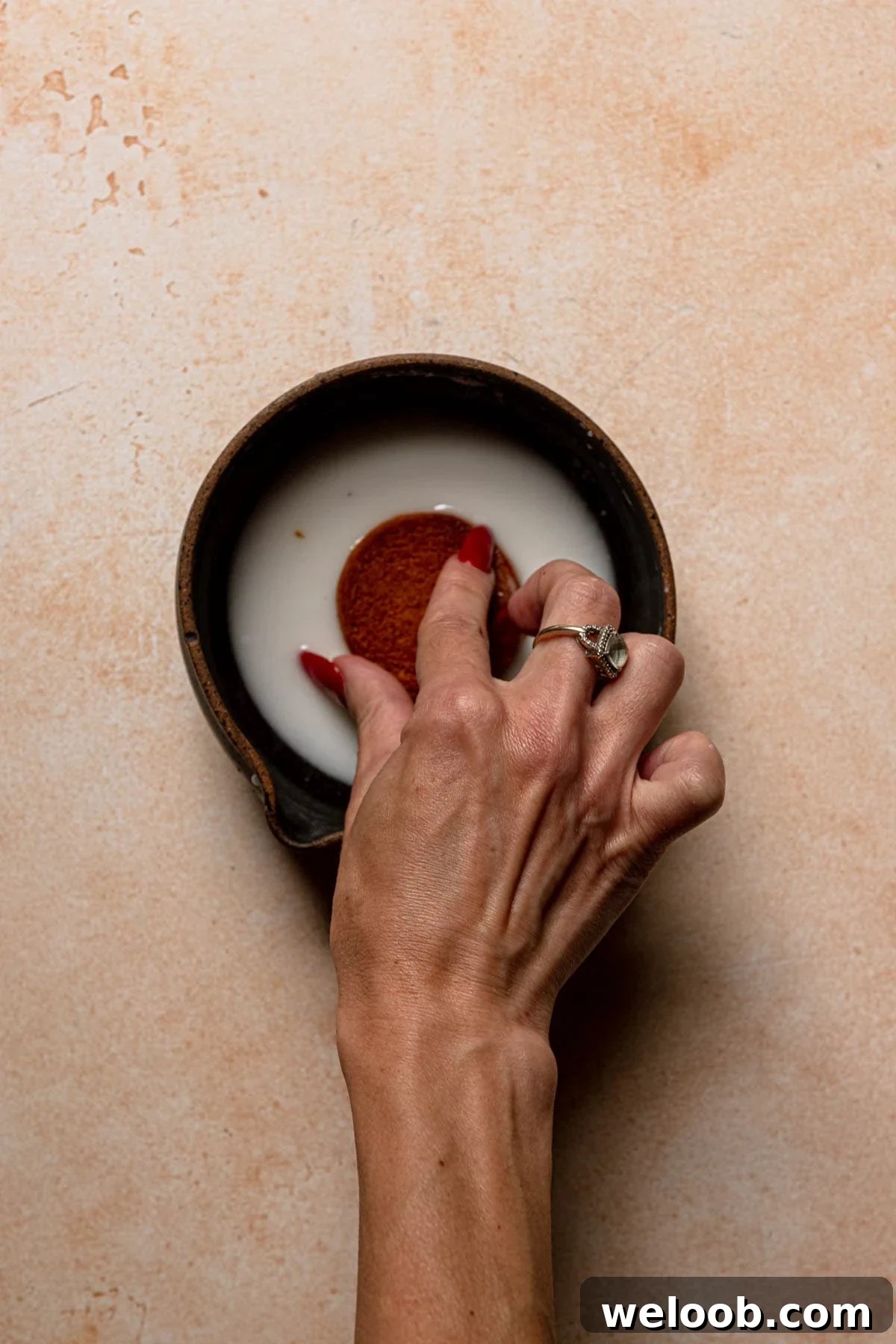
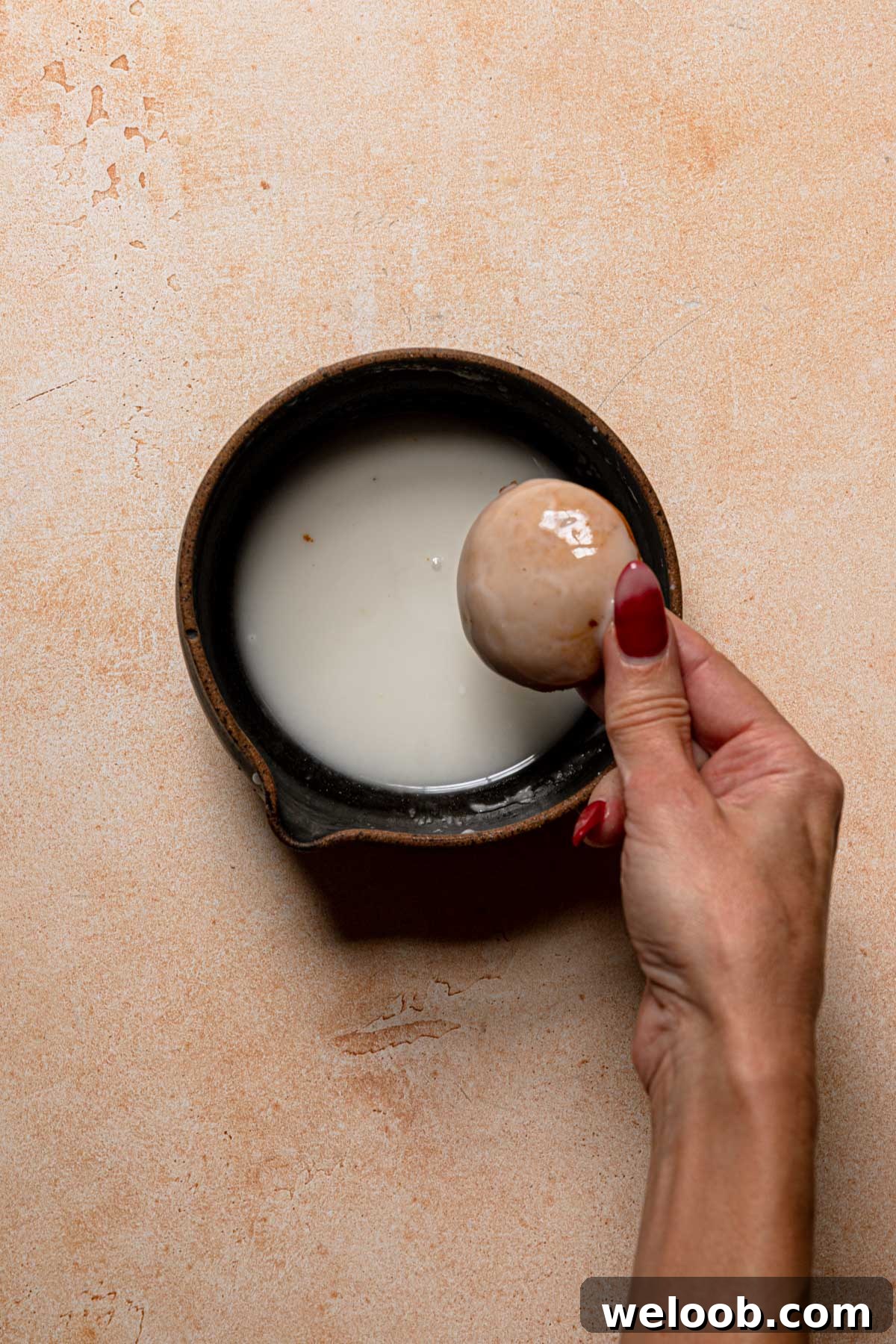
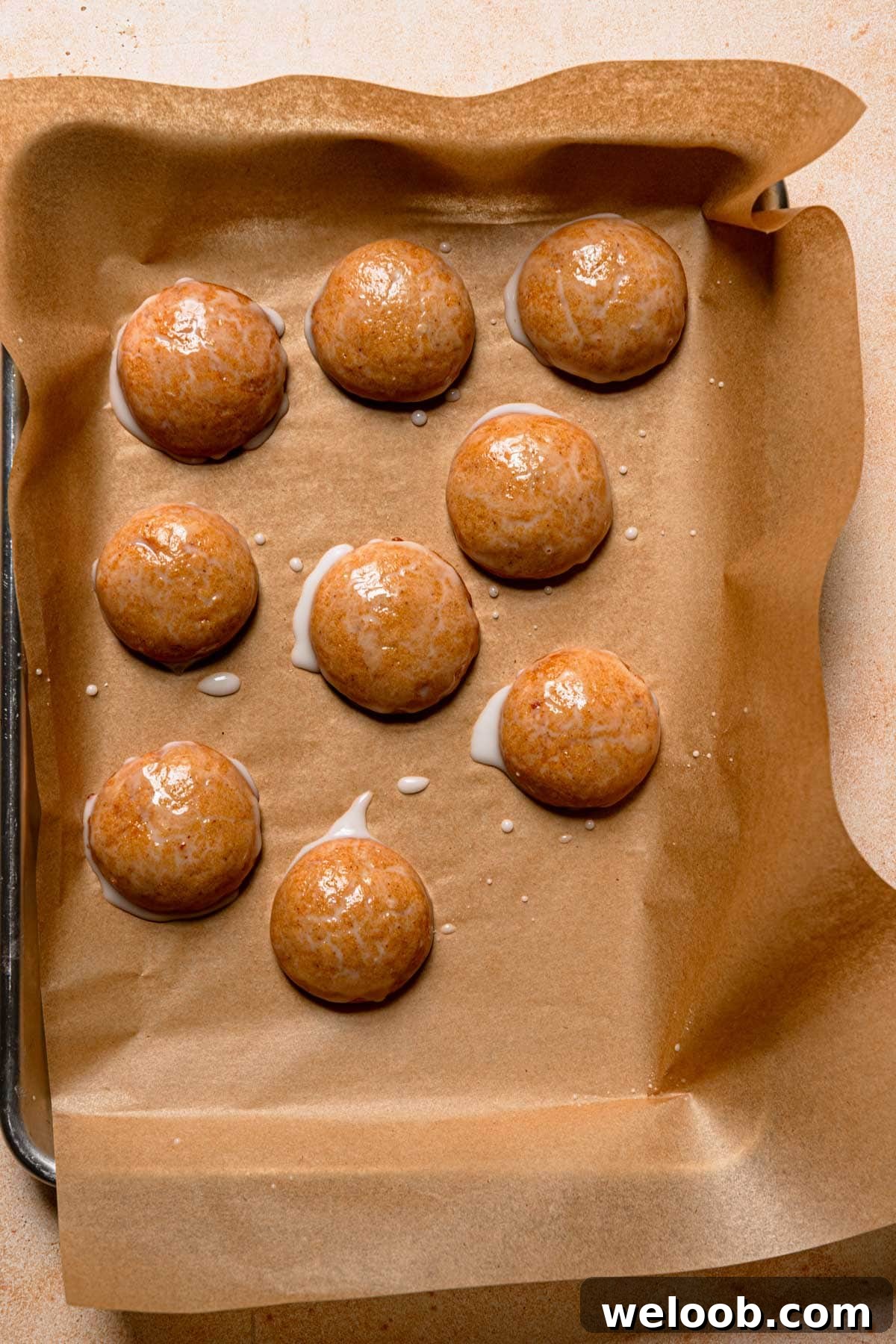
Glazing the cookies is optional but classic. A simple powdered sugar glaze lets you control the finish—from a thin, nearly transparent sheen to a thick, opaque coat. Dip the cookie tops into the glaze and let them dry on a rack or parchment paper. A thinner glaze uses slightly more water; a thicker glaze uses less.
Make Ahead and Storage
These honey cookies are ideal for preparing ahead of a holiday or gathering:
- Make ahead: The dough can be prepared up to three days in advance and stored in the refrigerator. When ready to bake, let it sit at room temperature for 10–15 minutes to become easier to shape.
- Storage: After baking and cooling, keep cookies in an airtight container at room temperature for up to one week. For longer storage, freeze baked cookies in a single layer on a sheet, then transfer to a freezer-safe container for up to three months.


Melt-In-The-Mouth Spiced Honey Cookies
Ingredients
- 1 3/4 Cup (200g) Bleached all-purpose flour
- 1 teaspoon Baking powder
- 1/2 teaspoon Salt
- 1/4 Cup (80g) Honey
- 1/3 Cup (70g) Light brown sugar
- 1 1/2 teaspoon Cinnamon
- 1/2 teaspoon Ground ginger
- 1/8 teaspoon Clove
- 1/4 teaspoon Baking soda
- 1/2 Cup (120g) Canola oil
- 1 Large egg, room temperature
- 1 Cup (120g) Powdered sugar (for glaze)
- 1–4 Tablespoons Water (to thin glaze)
Instructions
- Sift the flour (200g), baking powder (1 teaspoon), and salt (1/2 teaspoon) together in a medium bowl and set aside.
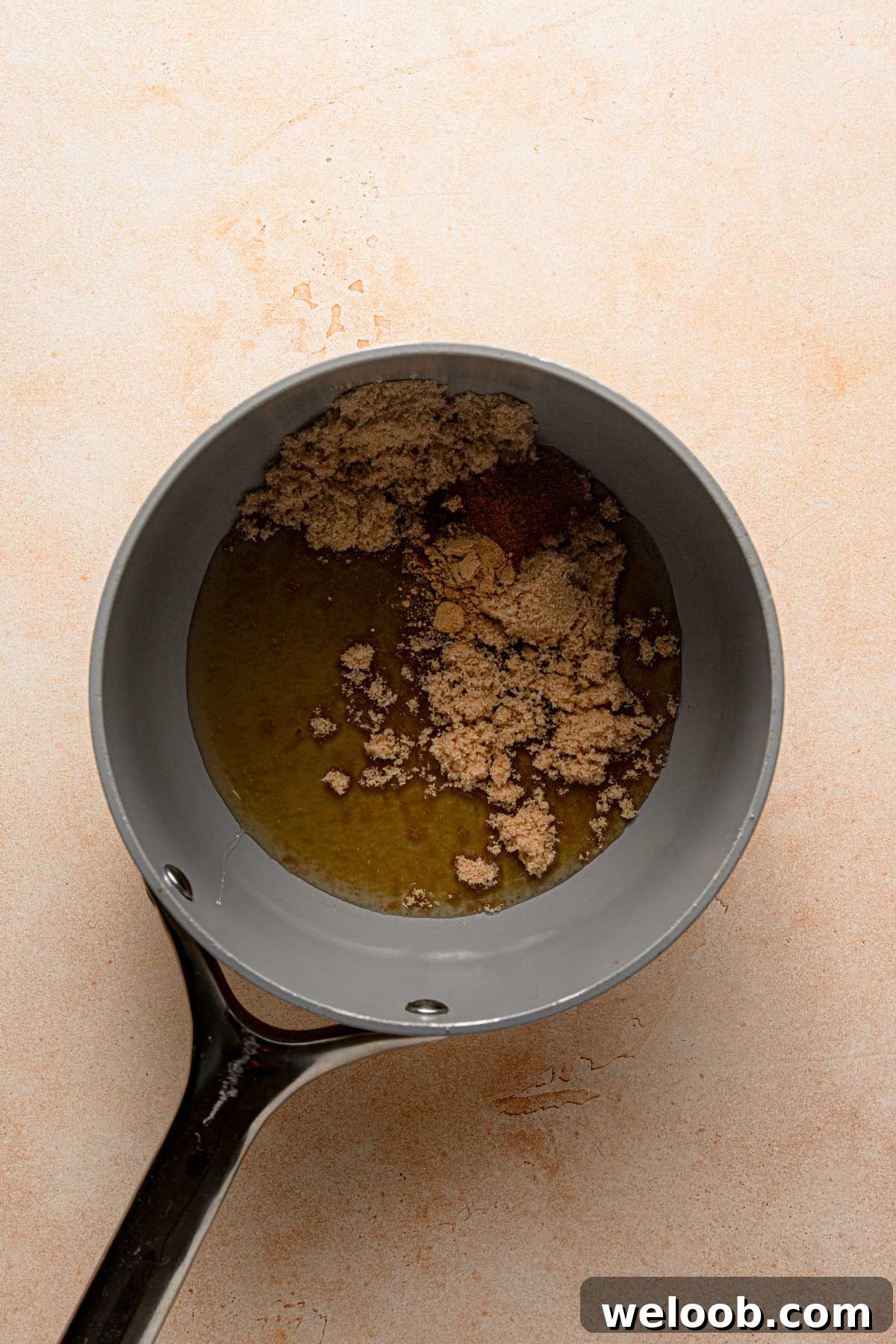
- In a medium saucepan combine the honey (80g), brown sugar (70g), cinnamon (1 1/2 teaspoons), ground ginger (1/2 teaspoon), and clove (1/8 teaspoon).
- Heat the mixture over medium heat, stirring occasionally, until it reaches about 260°F (126°C) or darkens slightly, about 2–3 minutes. Have the baking soda, oil, and a whisk ready.
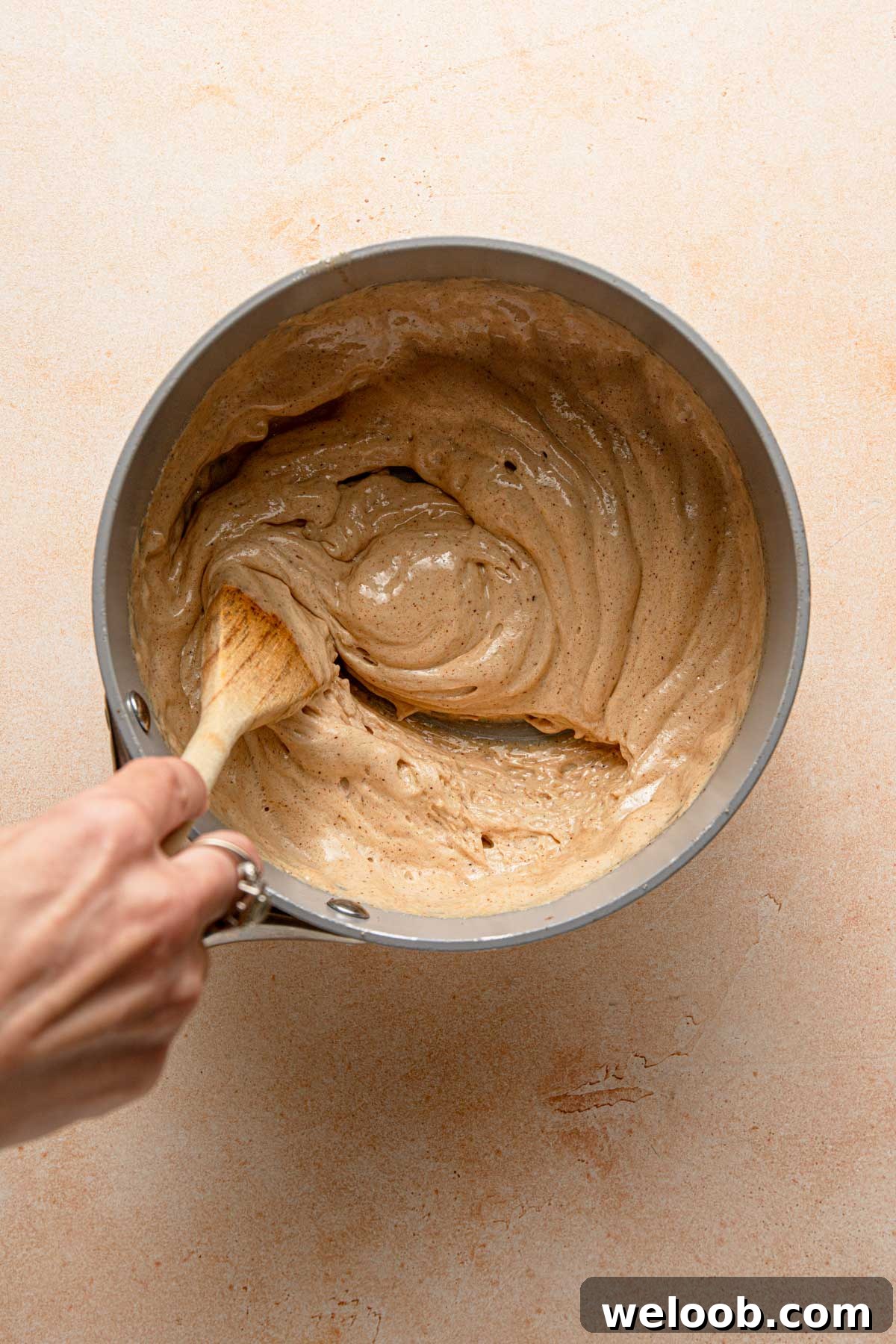
- Remove the pan from the heat and immediately add the baking soda (1/4 teaspoon). Stir vigorously—the mixture will lighten in color and thicken slightly as it reacts.
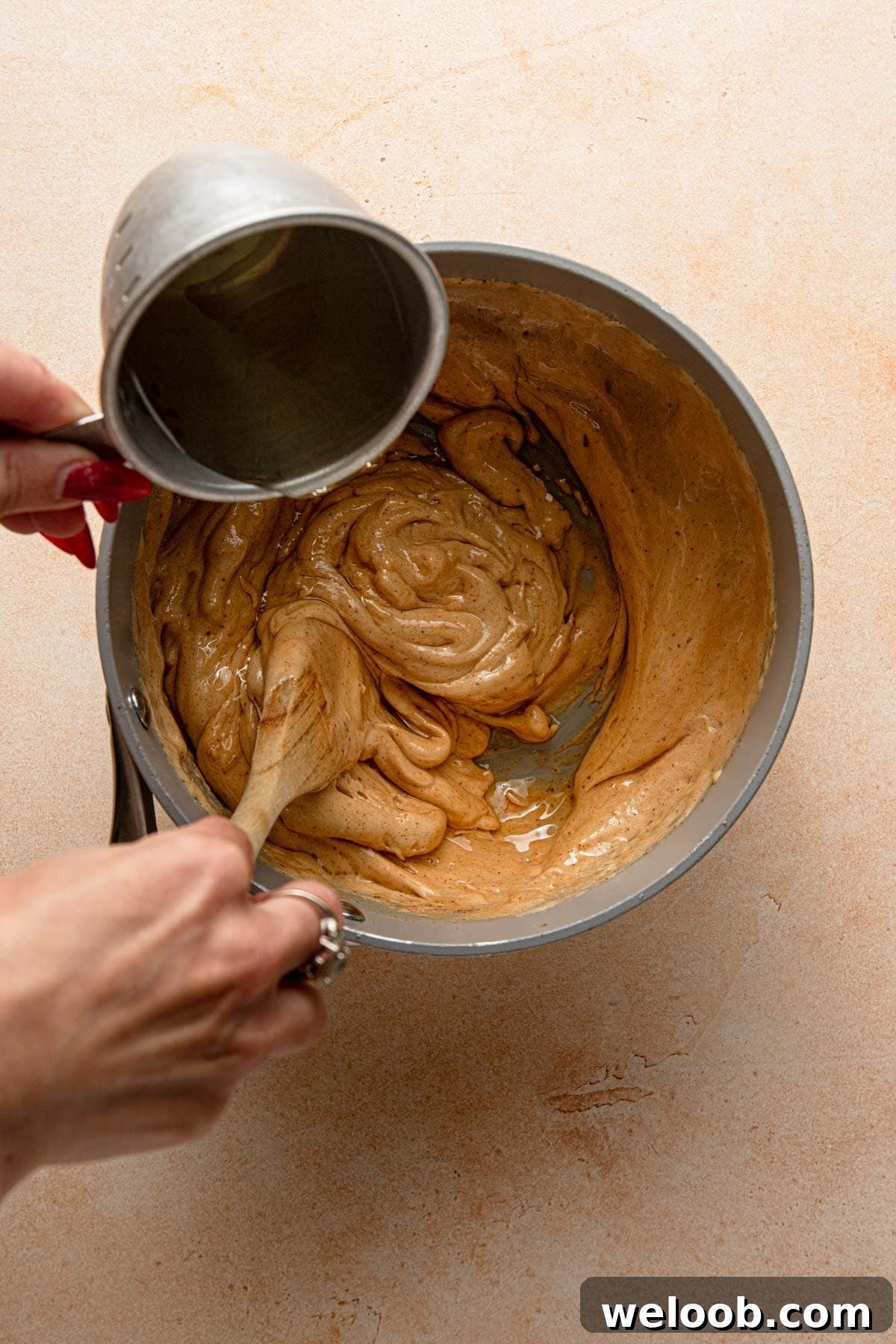
- Slowly drizzle in the canola oil (120ml) while stirring to combine.
- Pour the hot mixture into a large clean bowl and let it cool for 5–7 minutes, stirring a few times. It may look separated; that is normal.
- Whisk in the room-temperature egg until the mixture is smooth and dark brown.
- Gradually add the dry ingredients to the honey mixture, mixing until a cohesive dough forms. Cover with plastic wrap and chill for 30–60 minutes.
- Preheat the oven to 350°F (180°C). Line two baking sheets with parchment paper.
- Portion the dough into 1–2 tablespoon balls, roll between the palms to form smooth rounds, and place them on the prepared sheets. Larger balls will spread more during baking.
- Bake for 12–14 minutes, until the cookies are puffed and the bottoms are medium golden brown. For a crisper texture, bake 2–3 minutes longer.
- Remove from the oven and let the cookies cool completely on a wire rack.
- To make the glaze, whisk the powdered sugar with 1–4 tablespoons of water until smooth. Dip the tops of the cooled cookies into the glaze and set aside to dry. For a thin glaze use about 4 teaspoons of water; for a thicker coat use closer to 1 teaspoon.