
Stable Pistachio Pastry Cream Recipe for Cake Fillings
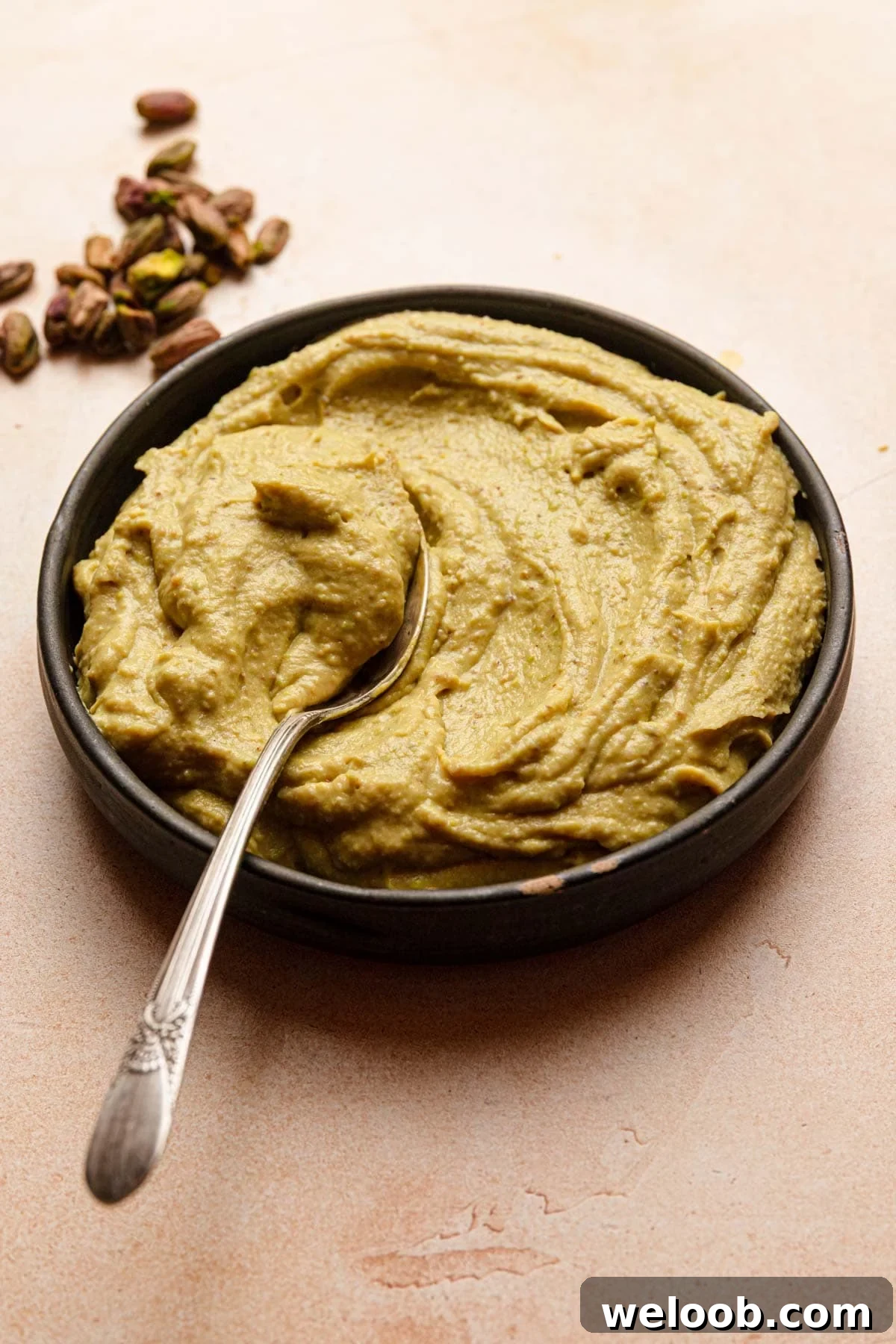
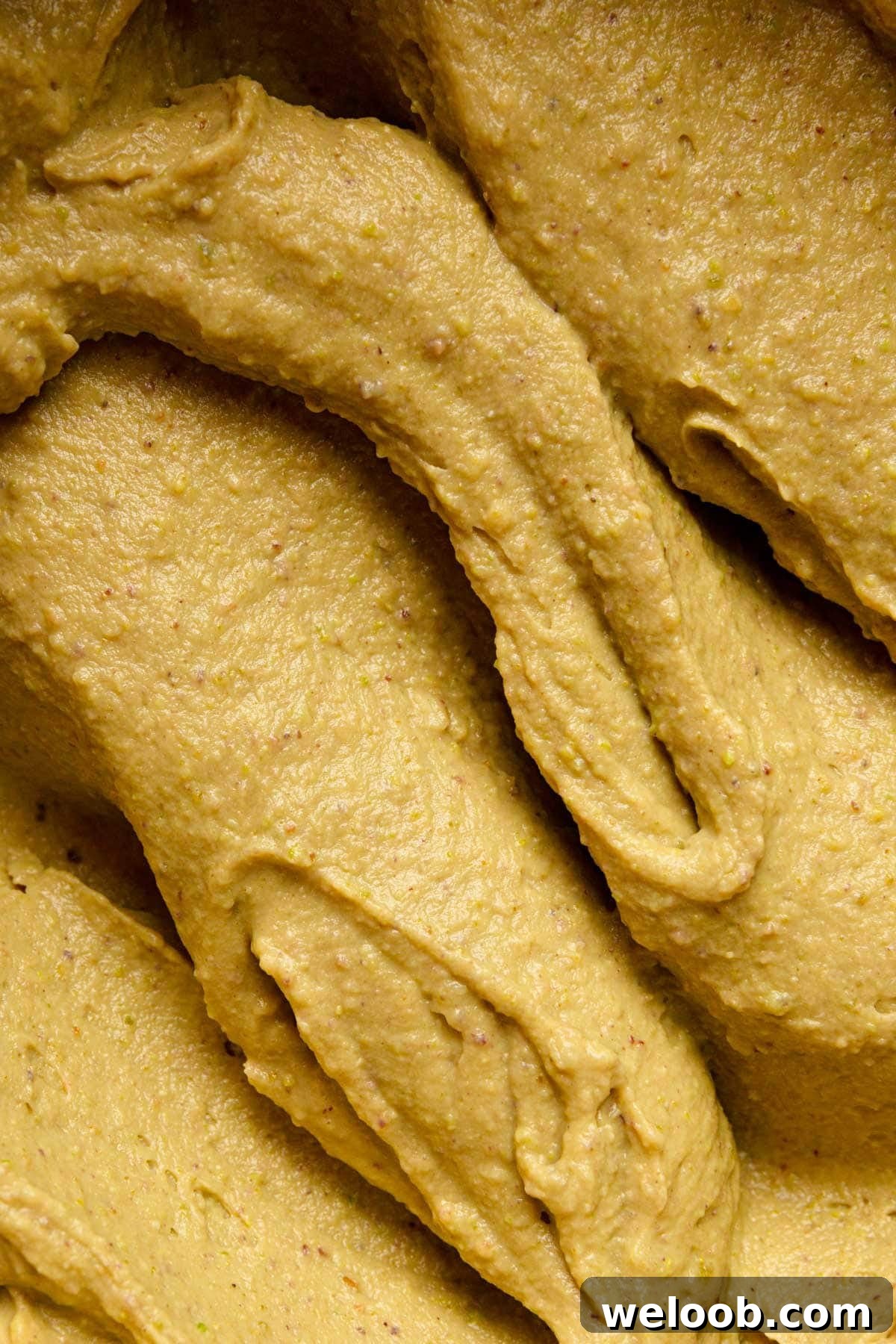
My Pistachio Pastry Cream is a silky, velvety custard infused with the rich, naturally sweet flavor of roasted pistachios. It’s smooth, thick, and lightly nutty, with a soft green hue and a taste that sits somewhere between classic pastry cream and pistachio gelato. Perfect for filling tarts, cakes, cream puffs, or folding into whipped cream for a light pistachio mousse—pure pistachio comfort in every spoonful.
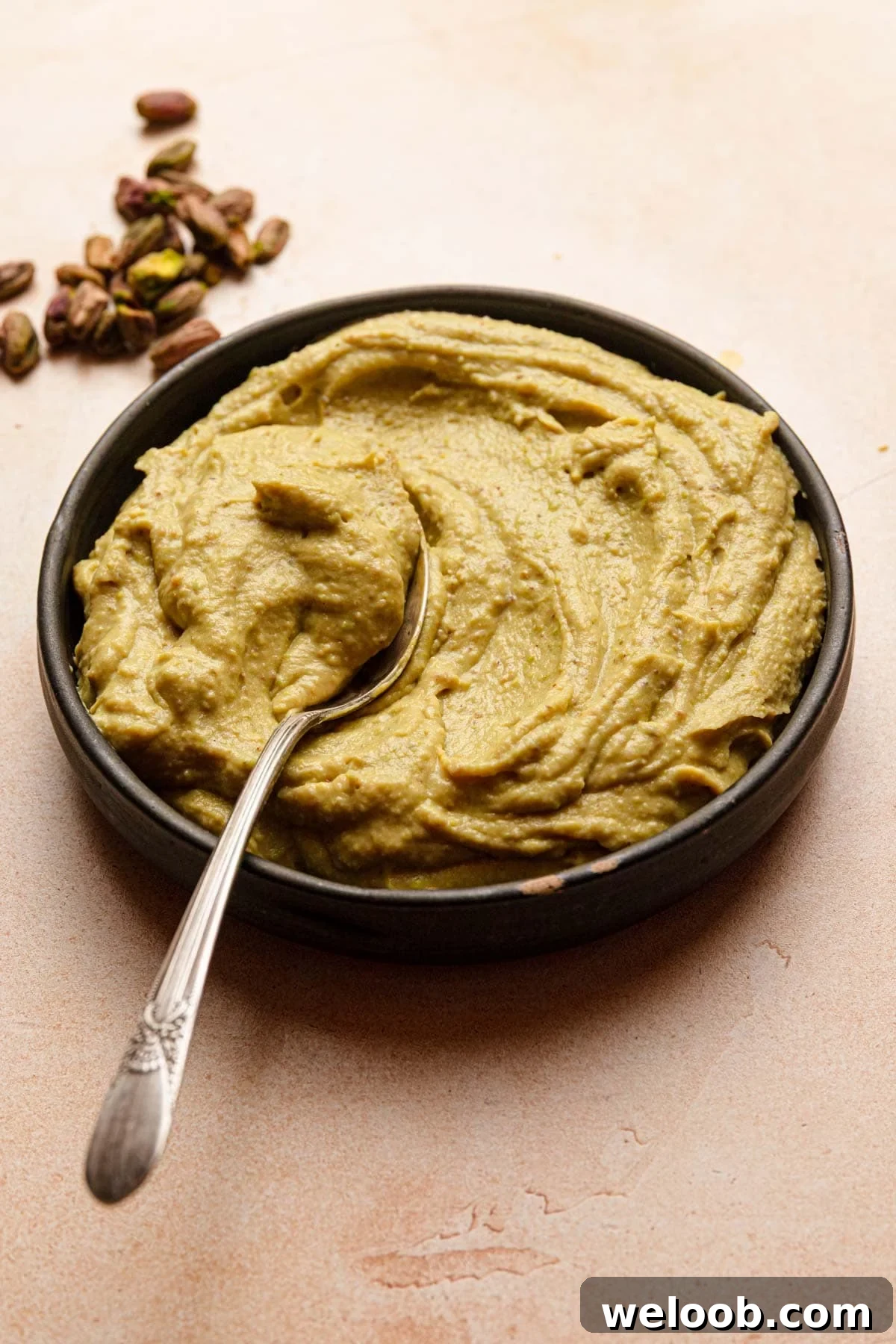
Working on Baking Science taught me that bakers are essentially magicians: ordinary ingredients become extraordinary. This recipe is a great example—eggs, milk, sugar are routine, but add a cup of roasted pistachios and a few simple steps and you get a glossy, fragrant pistachio pastry cream you’ll be proud to use in many desserts.
You can adapt the texture to your preference: make it as silky and light as a classic French pastry cream or richer and denser like an Italian crema pasticciera. The recipe below includes tips for achieving a stable, scoopable cream that keeps its flavor and color.
Key Ingredients
The full recipe appears in the recipe card below. Here’s a concise overview of the main ingredients, their roles, and sensible substitutions.
- Roasted pistachios: Shelled and either whole or chopped, pistachios provide the distinctive flavor and pale green color. Avoid store-bought pistachio spreads when possible, as some contain little actual pistachio and extra sugar.
- Eggs and egg yolks: The combination yields a smooth, stable custard without becoming rubbery. For a lighter cream reduce the yolks; for a more custardy, thicker result keep the yolk quantity as written.
- Cornstarch: Adds structure and helps the pastry cream set. Potato starch can be used in a pinch. Measure starch carefully—too much yields a gummy texture.
- Butter: Adds silkiness, shine, and stability when chilled. You can adjust the butter slightly to taste.
Make It
Making custard is straightforward, but a few technique points make the difference between a silky pastry cream and a lumpy one. Stay attentive during the five to ten minutes when the mixture cooks—stirring and timing matter.
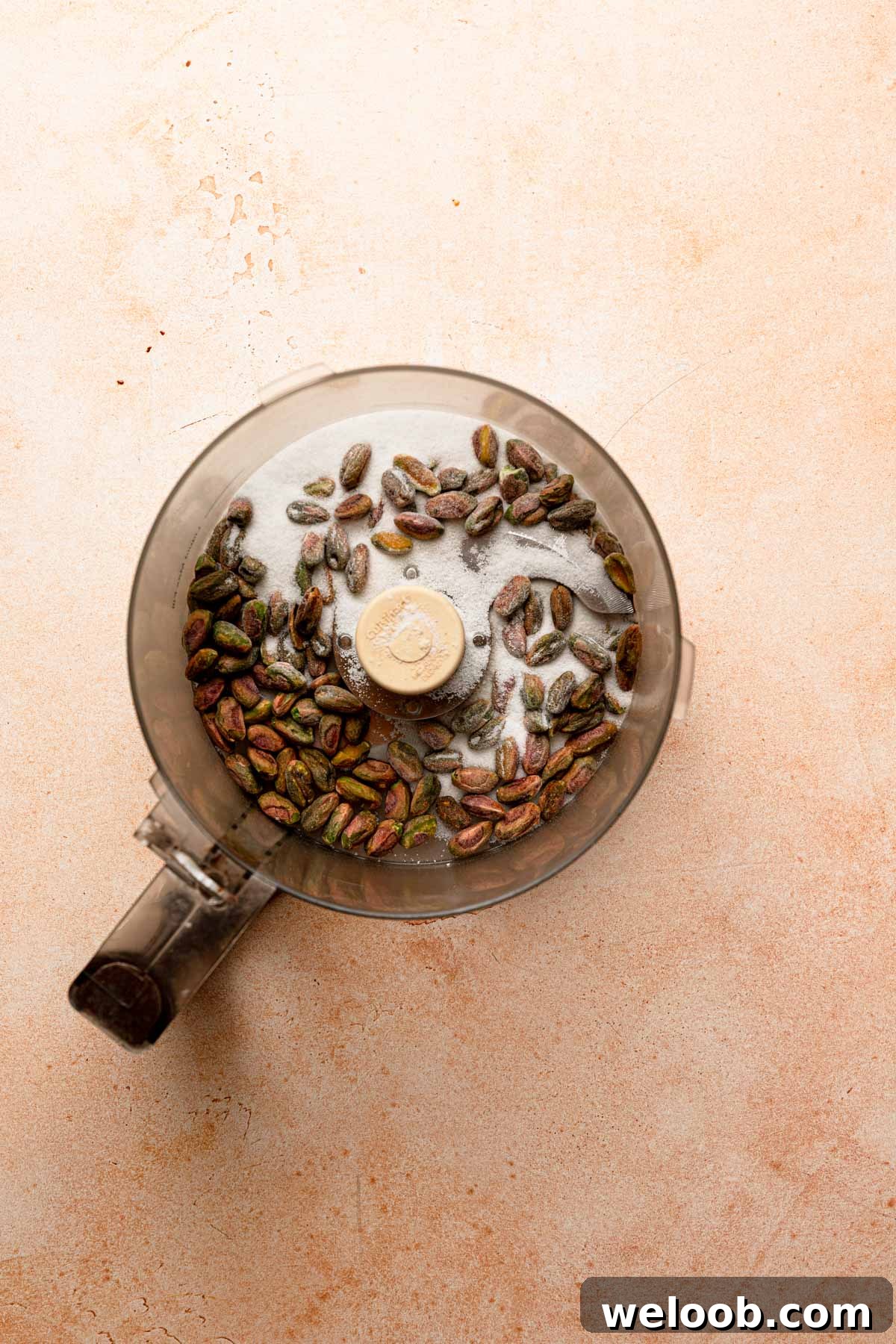
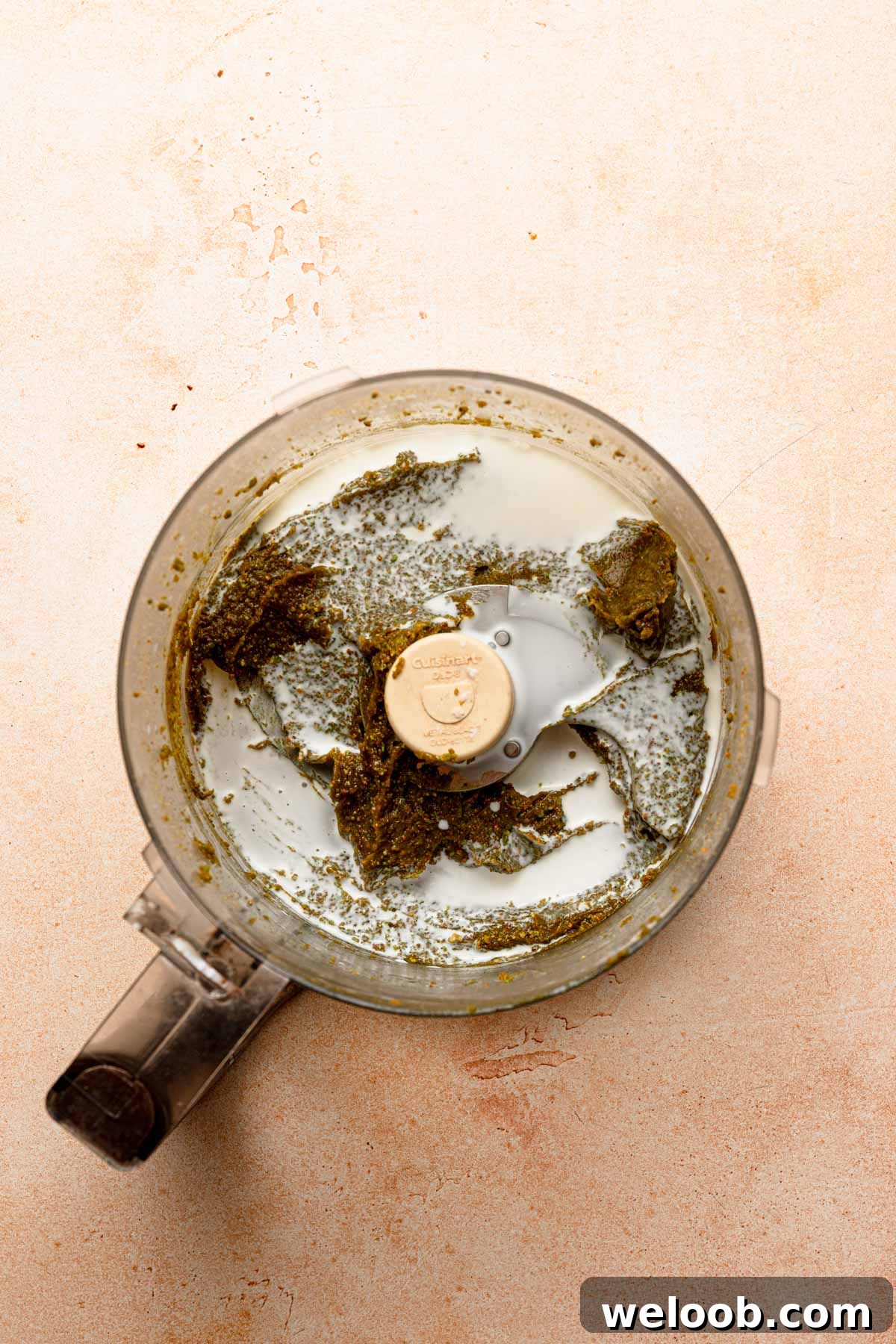
- Grind the pistachios first in a food processor or blender until fine. Then process them with a portion of the milk until smooth and pourable. This ensures the pistachio flavor disperses evenly through the cream.
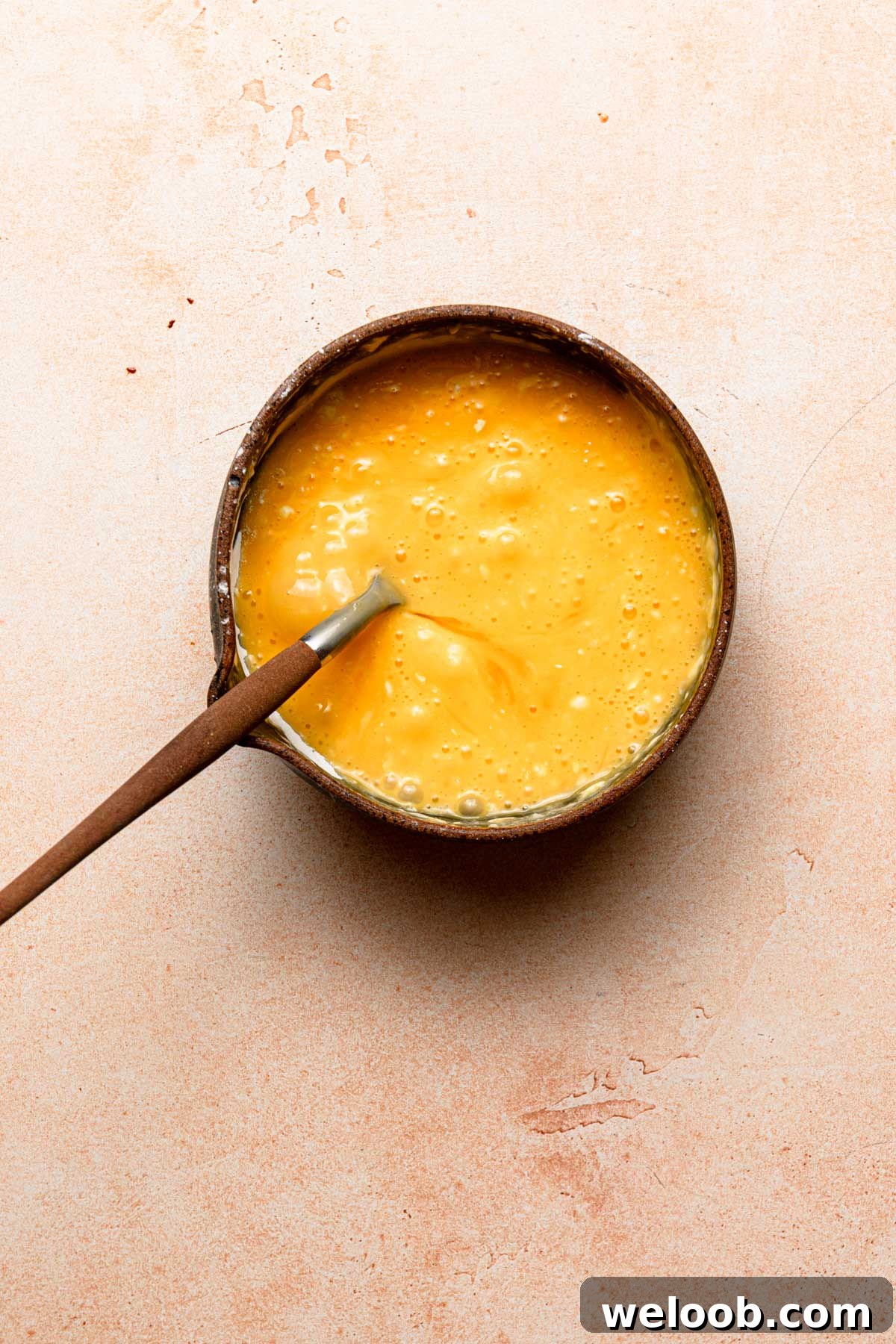
- Mix the cornstarch with the egg yolks before adding the whole eggs to prevent lumps.
- Use room-temperature eggs to reduce the chance of curdling when tempering with hot liquid.
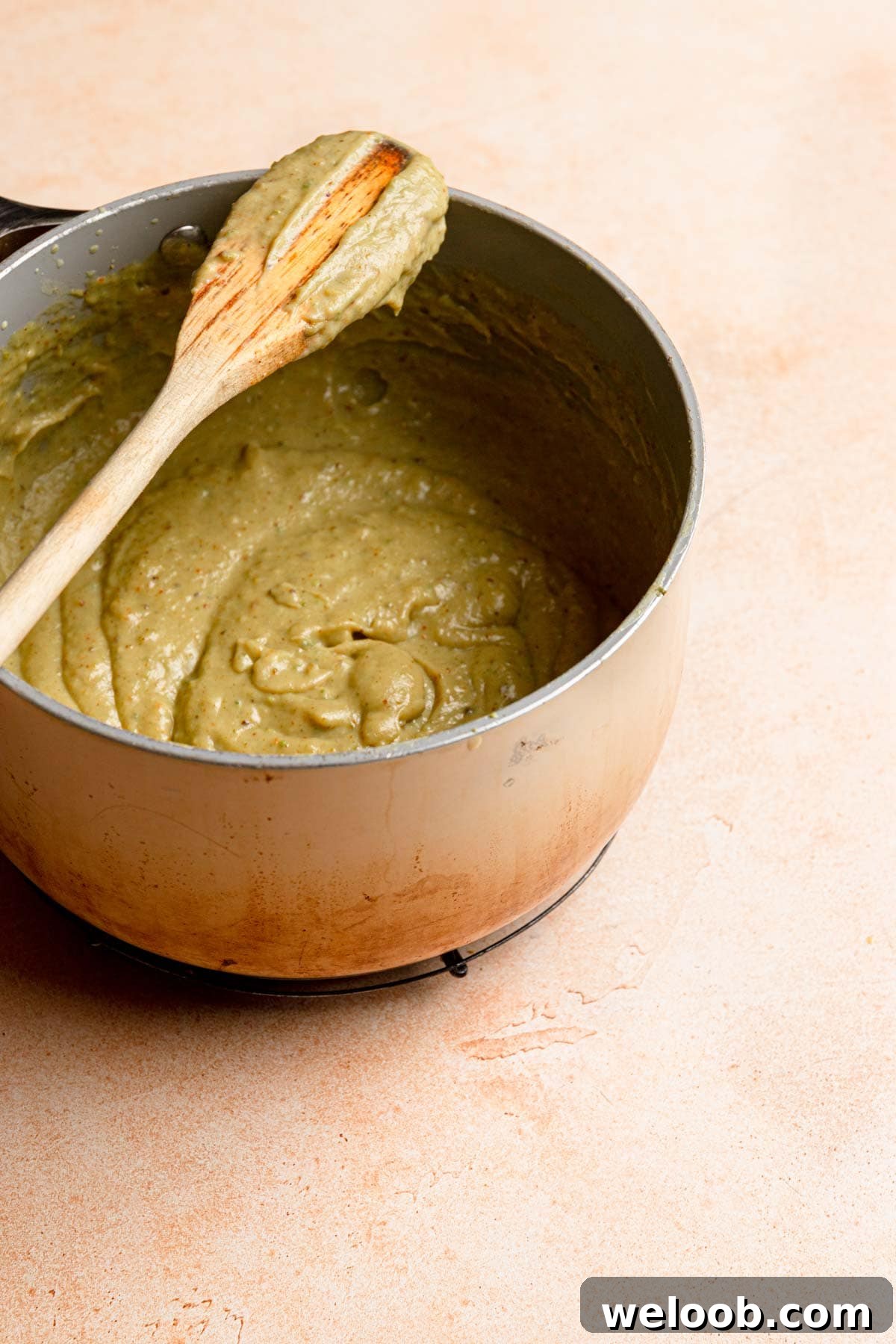
- Stir with a wooden spoon or silicone spatula; some metal utensils can react with eggs and affect color or flavor.
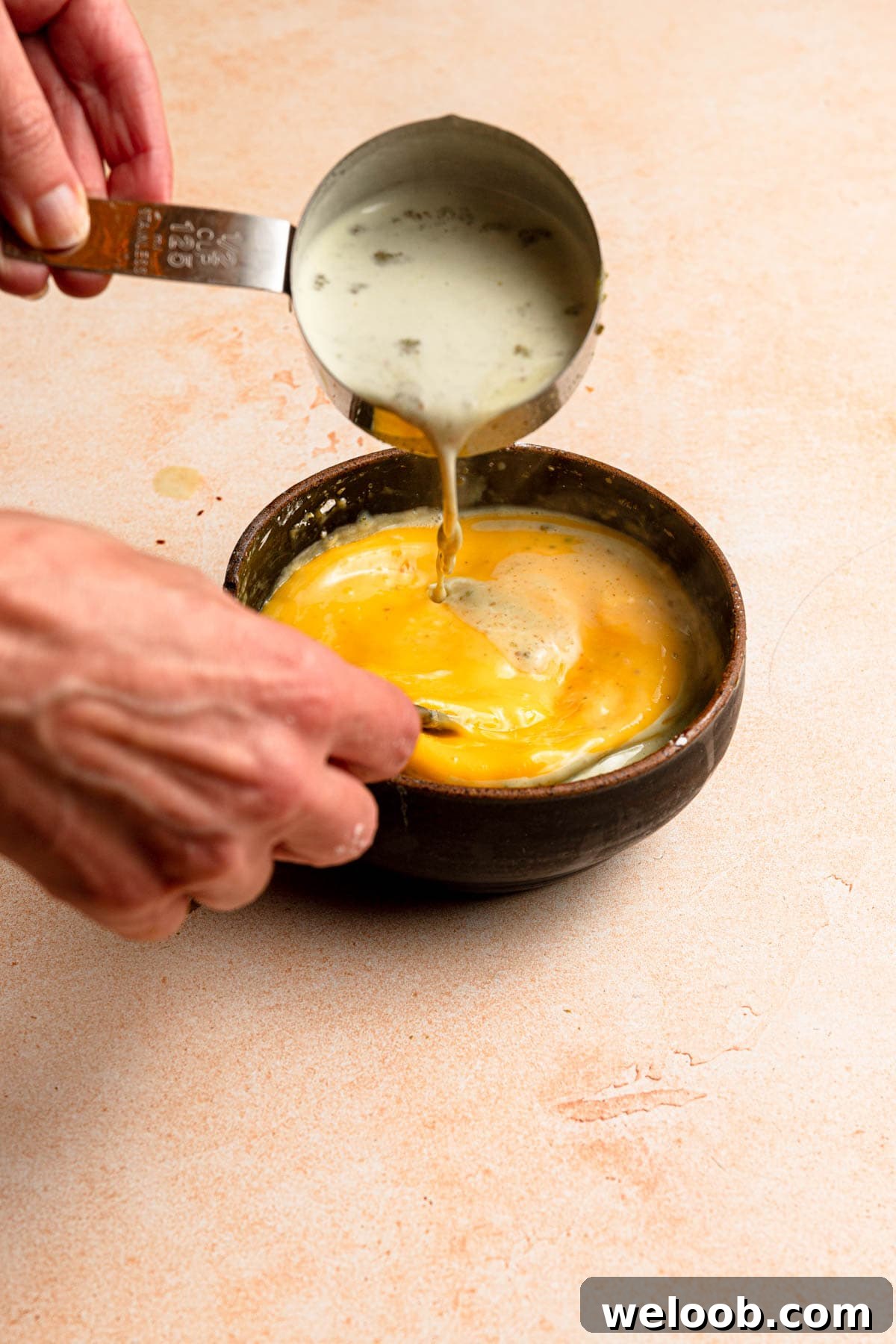
- When combining eggs and hot milk, temper carefully by slowly whisking a small amount of the hot liquid into the eggs before returning the mixture to the pan. Once on the stove, stir constantly until thickened to avoid burning.
- Ground pistachios can give a subtle grainy appearance, but they will not ruin the smooth mouthfeel of the cream.
Yields and Storage
This recipe yields about 3 cups of pistachio pastry cream. Store in an airtight container in the refrigerator for up to four days for best flavor and texture.
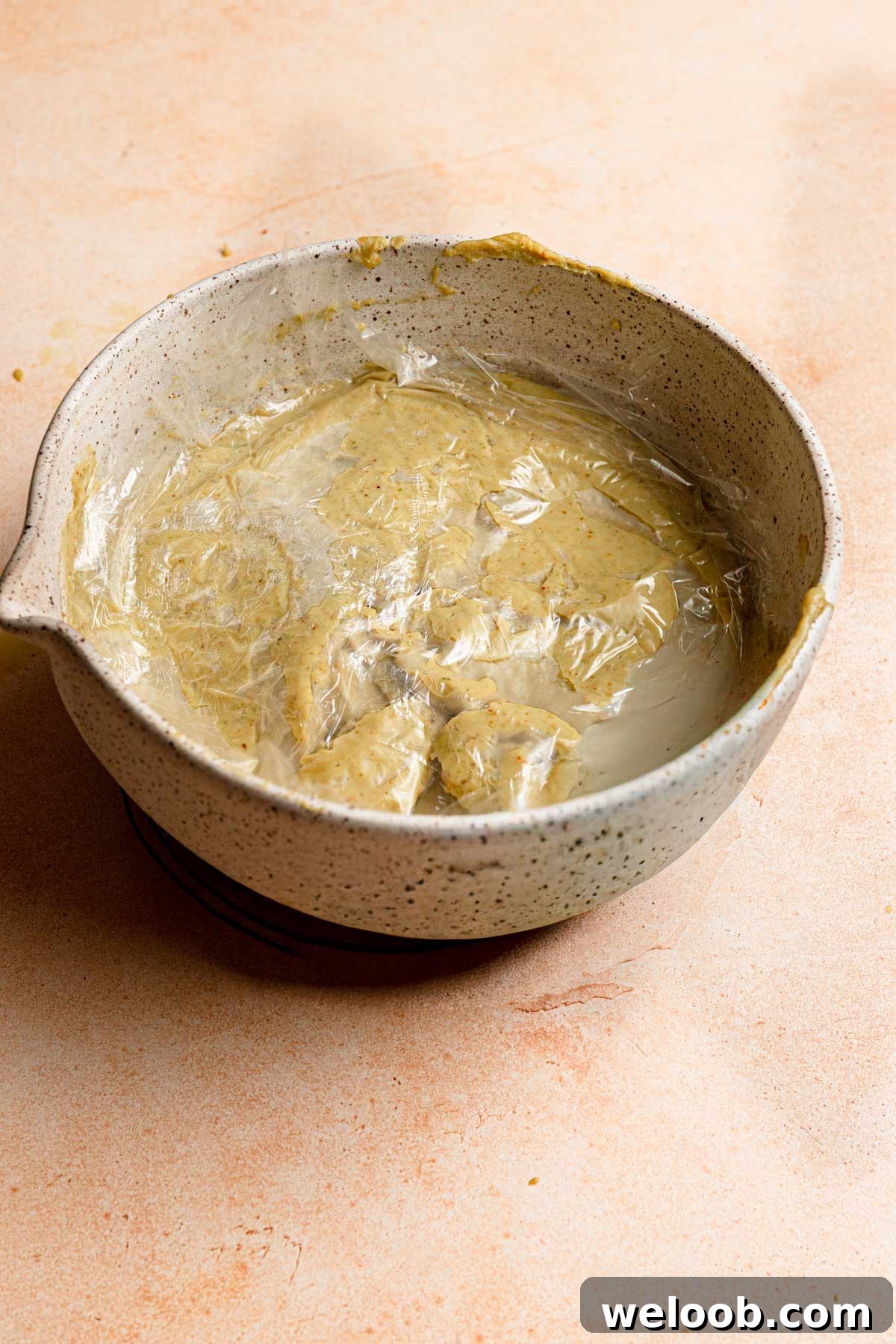
To freeze: Press plastic wrap directly onto the surface of the pastry cream, then place the wrapped cream in a freezer bag and freeze for up to four weeks. Thaw in the refrigerator overnight before using.
Uses for Pistachio Pastry Cream
- Pistachio cream pie or tart filling.
- Lighten into a crème légère by folding in whipped cream for mousses and fillings.
- Fill custard tarts like Torta della Nonna or other tart shells.
- Pipe into classic cream puffs, choux, or eclairs for pistachio cream puffs.
- Use as a filling for croissants, turnovers, or layered cakes.
- Spread into a pistachio crust for tarts and chilled desserts.
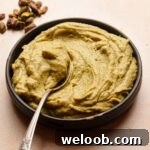
Pistachio Pastry Cream (Thick and Stable)
Servings
3
Cups
Dikla Levy Frances
Ingredients
- 1 Cup (150g) Whole shelled and roasted pistachios
- 1 1/2 Cups (360ml) Milk
- 1 Cup (240ml) Heavy cream
- 3/4 Cup (150g) Sugar
- 4 Large egg yolks, room temperature
- 3 Tablespoons (27g) Cornstarch
- 2 Large eggs, room temperature
- 4 Tablespoons Unsalted butter, cut into 1/4-inch pieces
Instructions
- In a food processor, process the pistachios with 1/4 cup (50g) of the sugar until a thick paste forms.
- Add 1/2 cup of the milk to the pistachio paste and process until smooth and pourable.
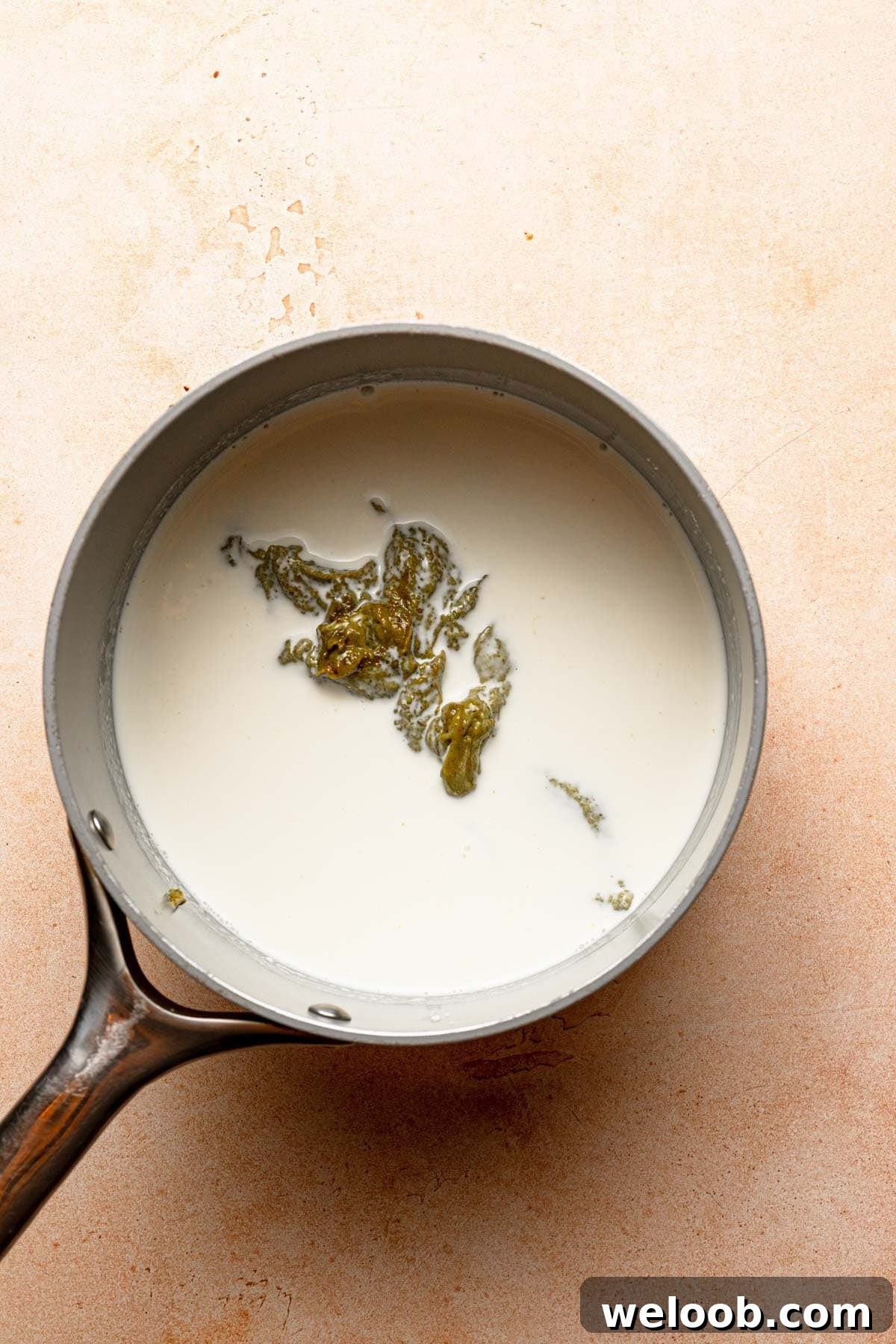
- Pour the pistachio-milk into a medium saucepan. Stir in the remaining 1 cup of milk, the heavy cream, and the remaining 1/2 cup (100g) sugar.
- Place the pan over medium heat and bring the mixture to a gentle boil, stirring occasionally.
- While the liquid heats, whisk the egg yolks with the cornstarch in a medium bowl, then whisk in the whole eggs. Keep the bowl near the stove.
- When the milk mixture reaches a full boil, remove it from the heat and measure out 1/2 cup of the hot liquid.
- Slowly drizzle that 1/2 cup of hot liquid into the egg mixture while whisking vigorously to temper the eggs.
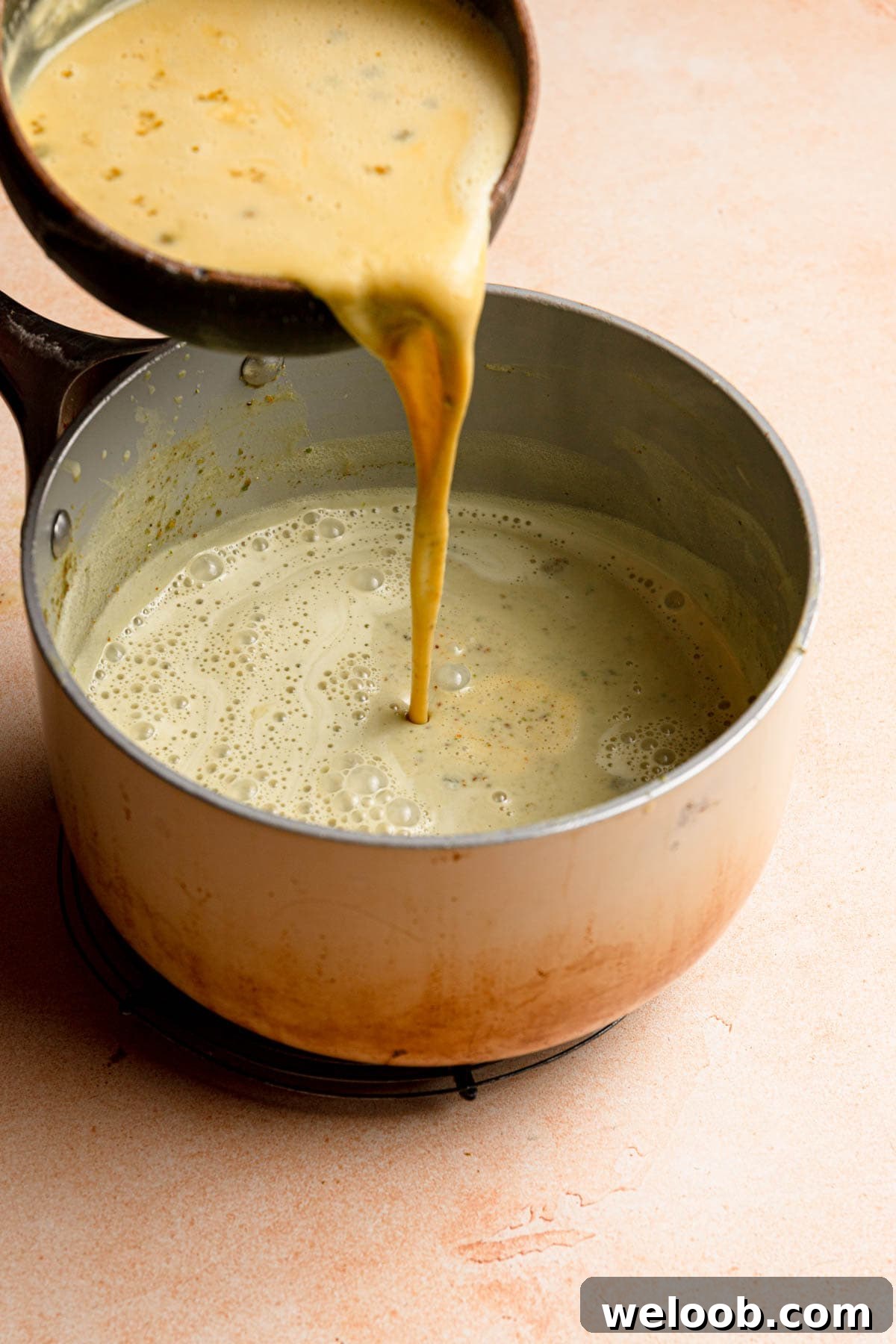
- Pour the tempered egg mixture back into the saucepan with the remaining hot liquid and return the pan to medium heat.
- Cook, stirring constantly with a rubber spatula or wooden spoon, until the cream thickens and coats the back of a spoon (about 180°F / 82°C). Remove from heat.
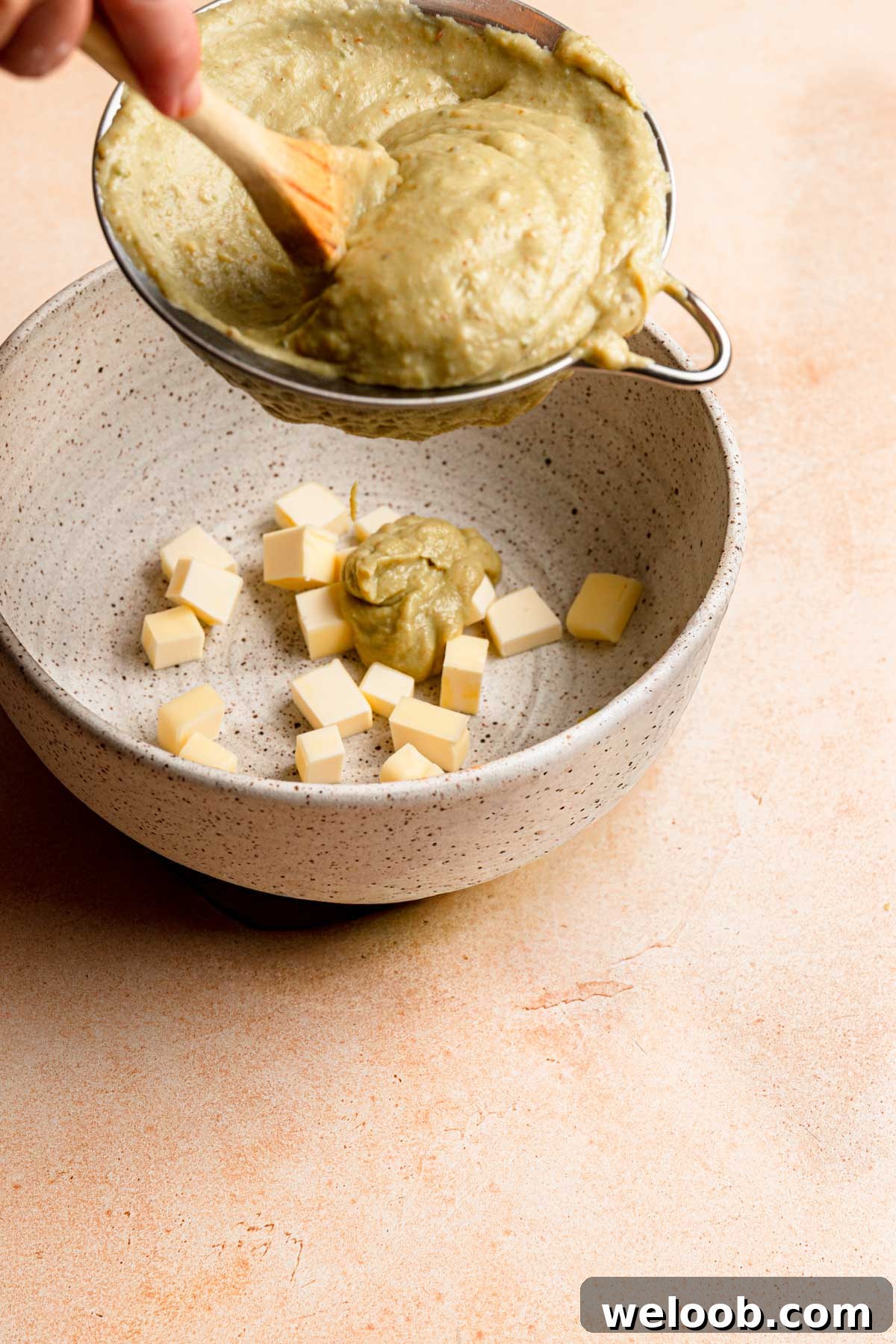
- Place the butter pieces in a large bowl and strain the hot pastry cream through a fine sieve into the bowl, pressing to pass the cream and leaving any large particles behind.
- Stir gently until the butter is fully melted and incorporated. Press plastic wrap directly onto the surface of the cream and allow it to cool at room temperature for one hour, then refrigerate until fully chilled.
Notes
- For a less thick pastry cream, reduce the egg yolks to 2.
- You may increase butter up to 6 tablespoons for extra richness.
- Use room-temperature eggs to reduce the risk of curdling when tempering.
- Refrigerate in an airtight container for up to four days.
- To freeze: press plastic wrap onto the surface, place in a freezer bag, and freeze up to four weeks. Thaw in the refrigerator overnight.
- Avoid reactive metal utensils when stirring eggs; use wooden or silicone tools to prevent color changes.