
Tender and Comforting Brioche Croissants Recipe

When it comes to breakfast pastries, the possibilities feel endless. Brioche croissants are a perfect example: tender, pillowy, buttery crescents finished with a sticky sweet syrup.

Brioche Croissants vs. Traditional Croissants
What makes them different?
Classic croissants achieve their flaky layers through lamination — repeatedly folding a cold slab of butter into dough. That technique creates the iconic crisp, shatter-layered texture but takes time and attention.
Brioche croissants use an enriched brioche dough instead of lamination. The result is intentionally different: a soft, fluffy interior that is richly buttery rather than ultra-crispy. You still get the familiar crescent shape and indulgent flavor, but with a more forgiving, quicker method that fits into a busy schedule.
Ingredients
Below are the key ingredients and a few notes to help you get consistent results. Exact measurements appear in the recipe card further down.
- Unbleached all-purpose flour — Unbleached flour gives the best structure and flavor. You can substitute some bread flour for added chew, but avoid cake flour.
- Instant yeast — This recipe is written for instant yeast that can be mixed directly into the dry ingredients. See recipe notes for using active dry yeast instead.
- Unsalted butter — Use unsalted butter so you can control the salt level, which affects flavor and dough texture. Salt strengthens gluten; too much can make the rolls tough.
- Lukewarm liquid — Use water or milk no warmer than about 100°F / 38°C so you don’t harm the yeast.
Making the Pastries
There are two main approaches to brioche dough: a richer classic brioche with more butter and longer resting time, or a quicker enrichened dough that produces softer, lighter croissant-style rolls. The version below is the faster method, designed to deliver tender, buttery crescents without lamination.
Make the Dough
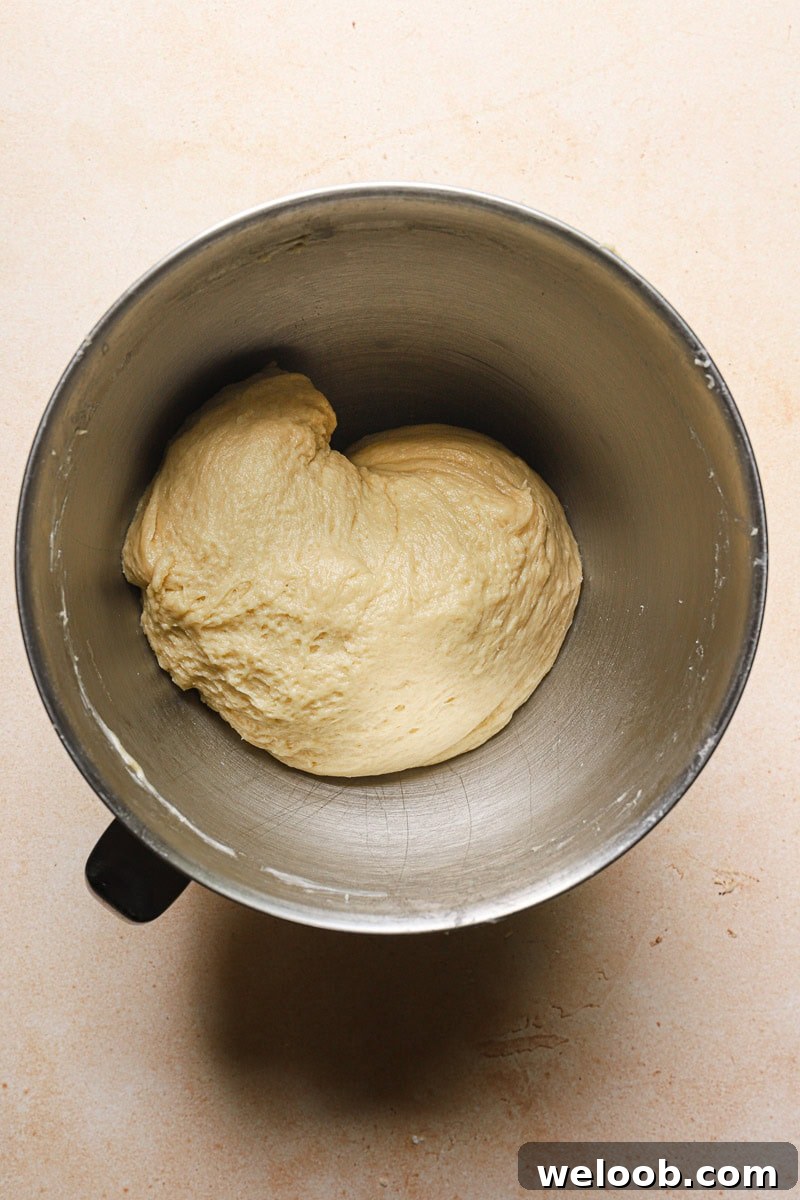
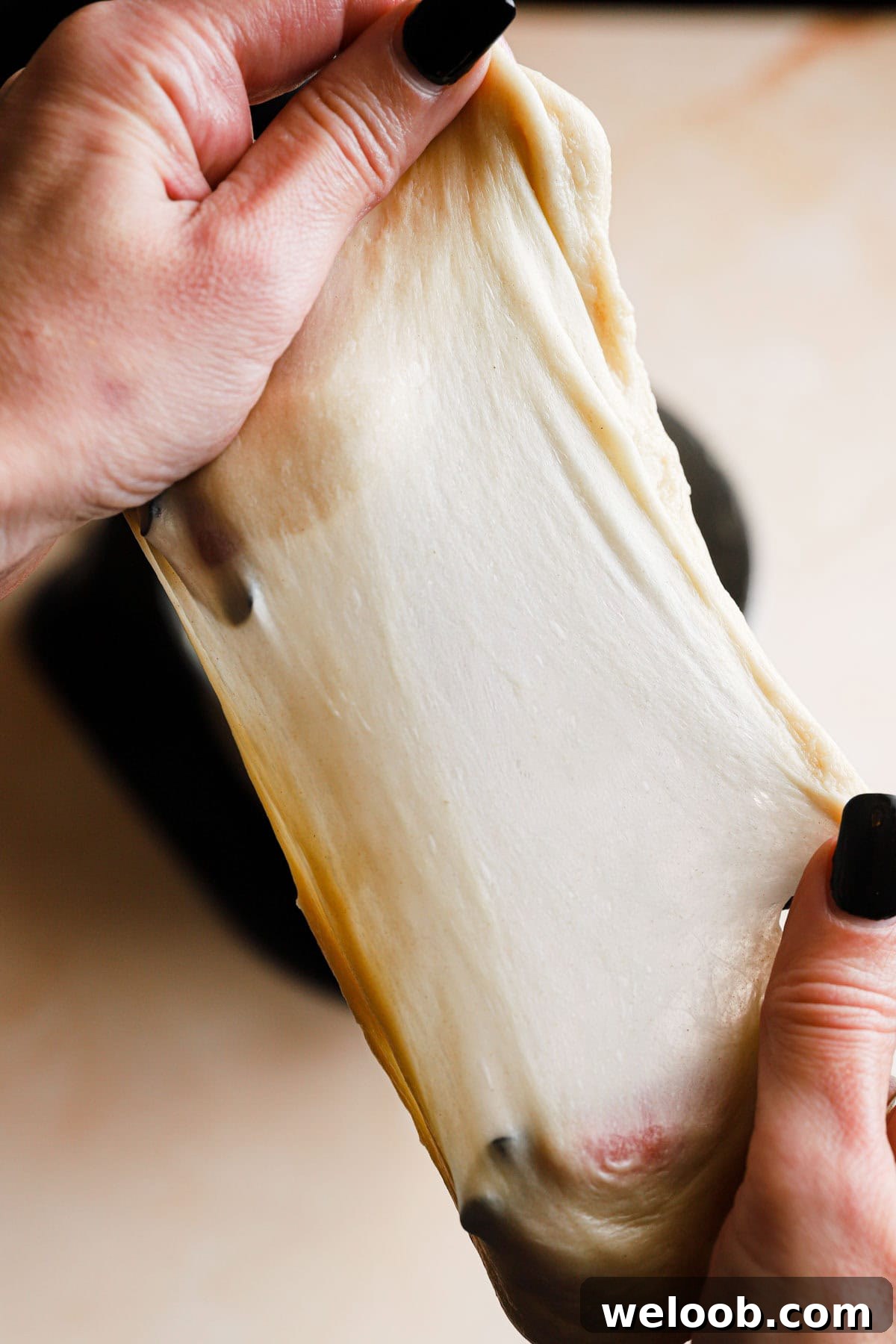
Follow these tips for a smooth, elastic brioche dough:
- Bring eggs and any additional dairy to room temperature so they incorporate evenly. Cold ingredients slow mixing and can produce a dense crumb.
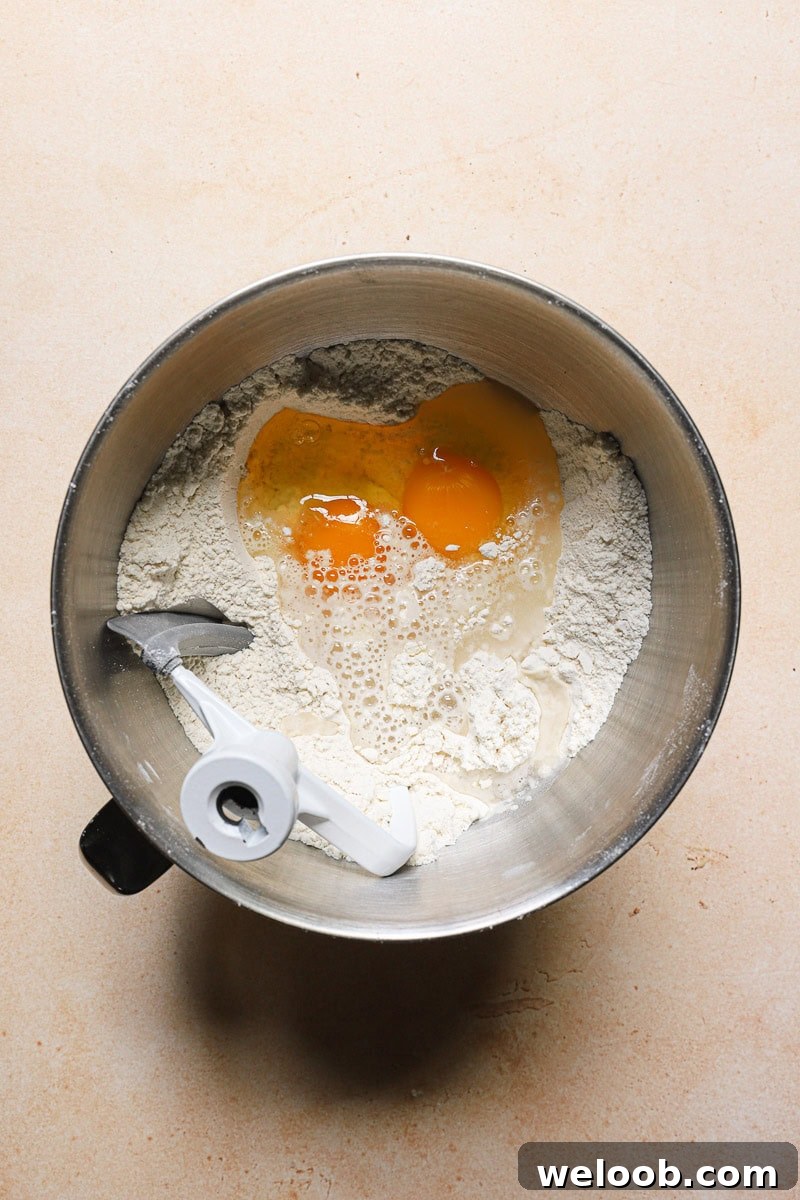
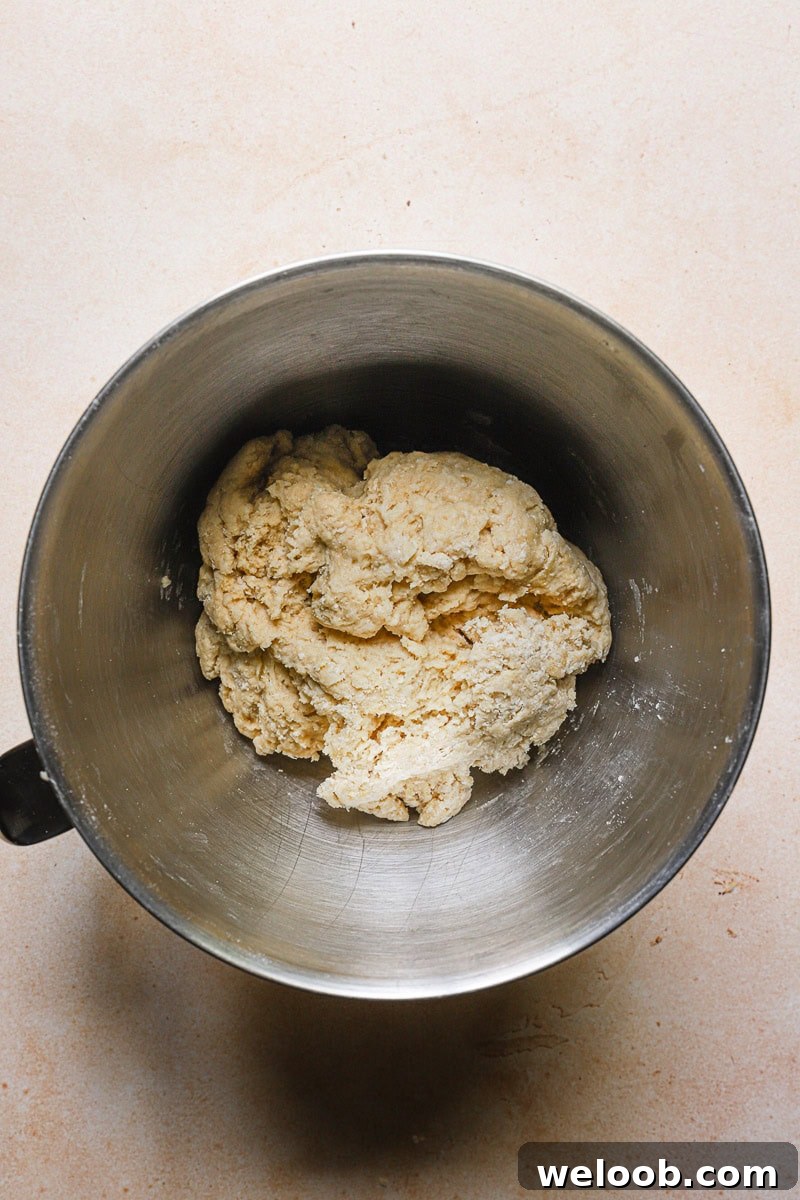
- Start mixing with the paddle attachment until the mixture forms a rough shaggy dough, then switch to the dough hook to knead and develop gluten.
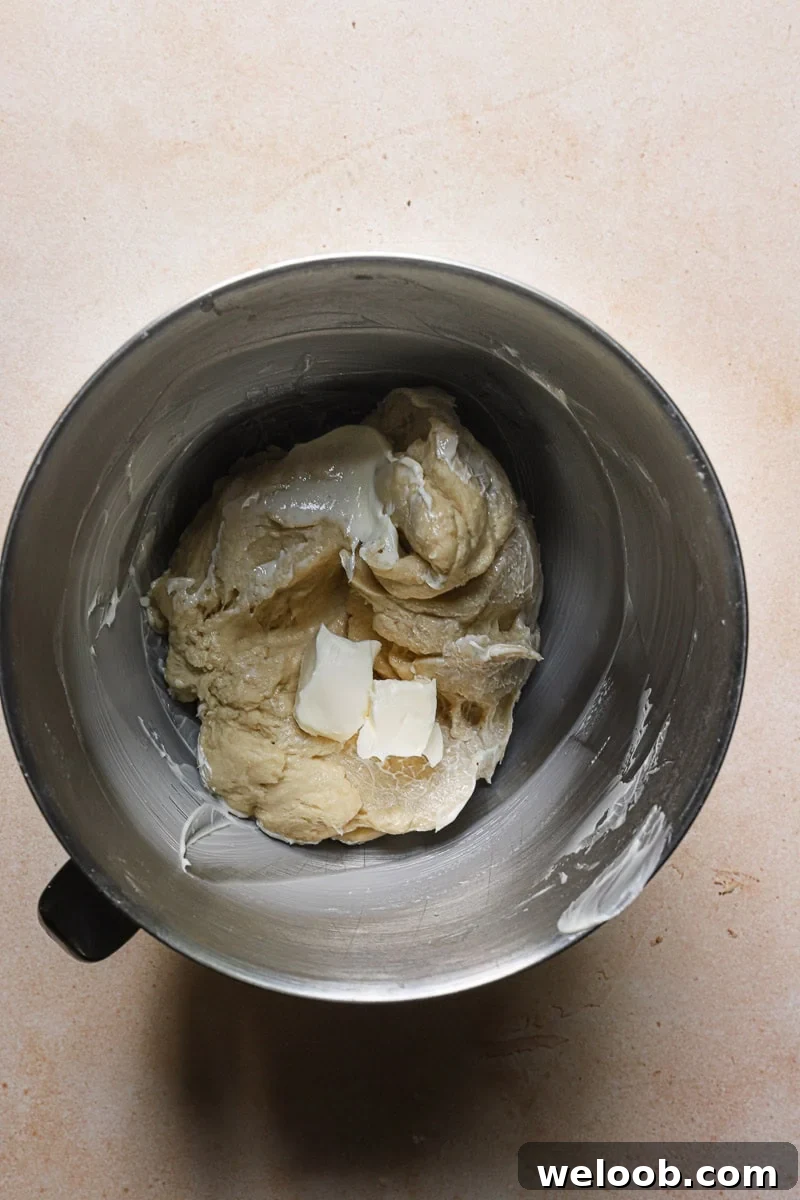
- Add the butter a few pieces at a time. This helps the fat coat the flour progressively without breaking the dough.
- Watch the dough, not the clock. Depending on your mixer, kneading to a soft, elastic stage usually takes 5–10 minutes.
Shaping
- Chilling the dough briefly (30–60 minutes) makes it easier to handle and shape.
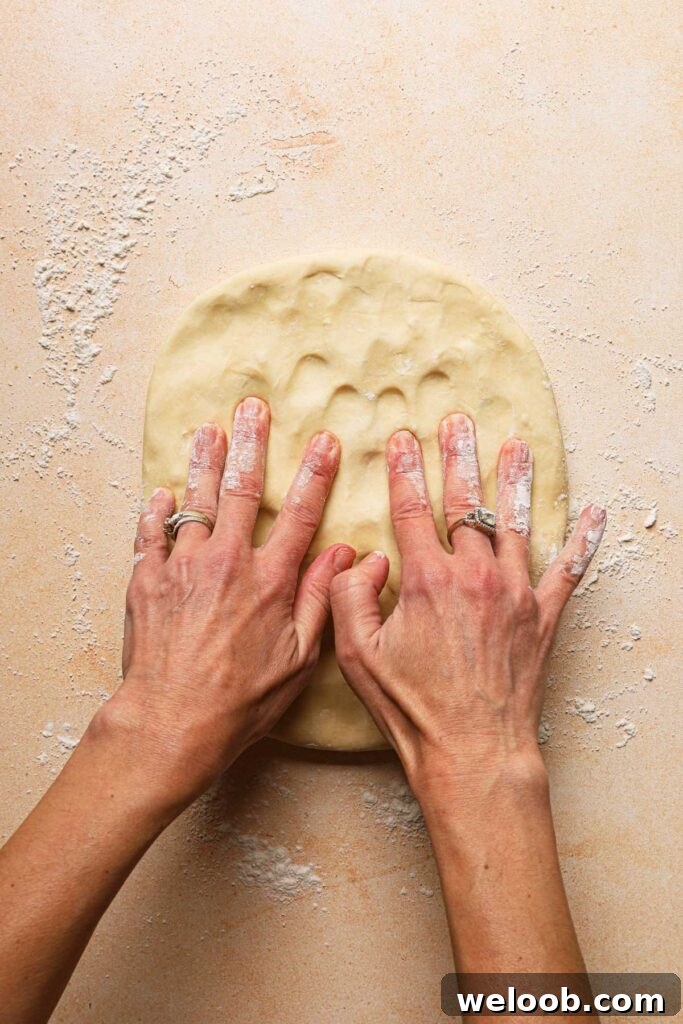
- Press the dough by hand to about 1/2-inch thickness before rolling; this relaxes the gluten and prevents excessive springback.
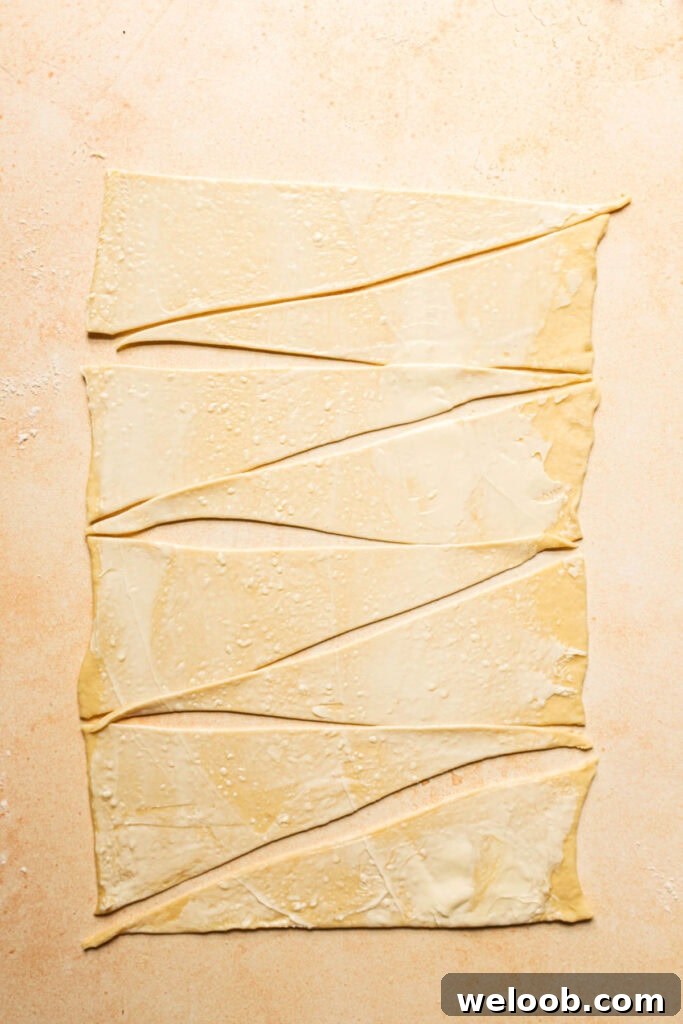
- Use a ruler to measure and roll the dough into an even rectangle for consistent crescent shapes.
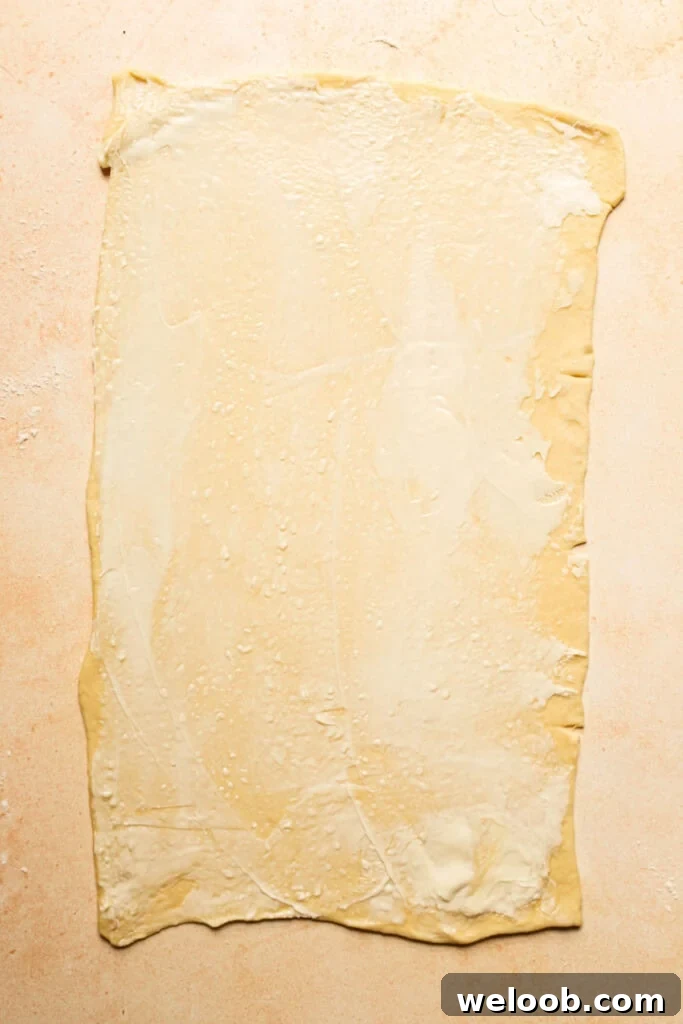
- Spreading a thin layer of soft butter on the rolled dough enhances the layers and gives a lighter finished texture; skipping it yields a richer, denser roll.
- Make the syrup while the pastries rest. For the best soak, the syrup should be cool when the hot pastries come out of the oven.
Tips and Filling Ideas
- Chocolate filling: Spread a chocolate hazelnut spread or pastry chocolate before rolling for a decadent treat.
- Almond filling: A thin layer of almond cream (frangipane) and a sprinkle of sliced almonds add a nutty crunch.
- Pistachio: Use a pistachio frangipane or paste for a fragrant, colorful variation.
- Cinnamon: A cinnamon-sugar butter layer turns these into brioche-style cinnamon croissants.
- Pastry cream or lemon curd: Pipe in a small amount after baking for a creamy, bright finish.
Storing and Make-Ahead Tips
You can mix and chill the dough overnight for a convenient next-day bake. Reduce the yeast slightly if refrigerating the dough so the rise doesn’t overdevelop.
These croissants are best enjoyed fresh from the oven. Store cooled pastries in an airtight container at room temperature for up to two days. To revive texture, warm them in a 300°F (150°C) oven for 5–10 minutes.
For longer storage, freeze baked croissants in a sealed bag and reheat in a low oven when ready to serve. Unbaked shaped croissants can also be frozen on a tray and transferred to a bag; bake from frozen, adding a few minutes to the bake time.


Tender and Fluffy Brioche Croissants
Ingredients
- 2 Cups Unbleached all-purpose flour (240g)
- 2 Cups Bread flour (240g)
- 2 1/4 teaspoons Instant yeast
- 1 teaspoon Salt
- 1/3 Cup Sugar (70g)
- 2 Large eggs, at room temperature
- 3/4 Cup Lukewarm water (180ml)
- 1/2 Cup Unsalted butter, soft and cut into 1/2-inch pieces (113g)
- 6–8 Tablespoons Unsalted butter at room temperature for spreading or your choice of filling (85–113g)
- 1 Large beaten egg for egg wash
For the Syrup
- 1 Cup Sugar (200g)
- 3/4 Cup Water (180ml)
- 1 teaspoon Vanilla extract
Instructions
- In the bowl of a stand mixer, combine both flours, yeast, salt, and sugar. Mix on low, then add the eggs and water.
- Mix for about 3 minutes on medium-low until a dry dough forms.
- With the mixer on medium, add the cubed butter one 1/2-inch piece at a time, waiting for each piece to mostly incorporate.
- Increase speed to medium-high and mix until the dough pulls away from the bowl and becomes soft and elastic.
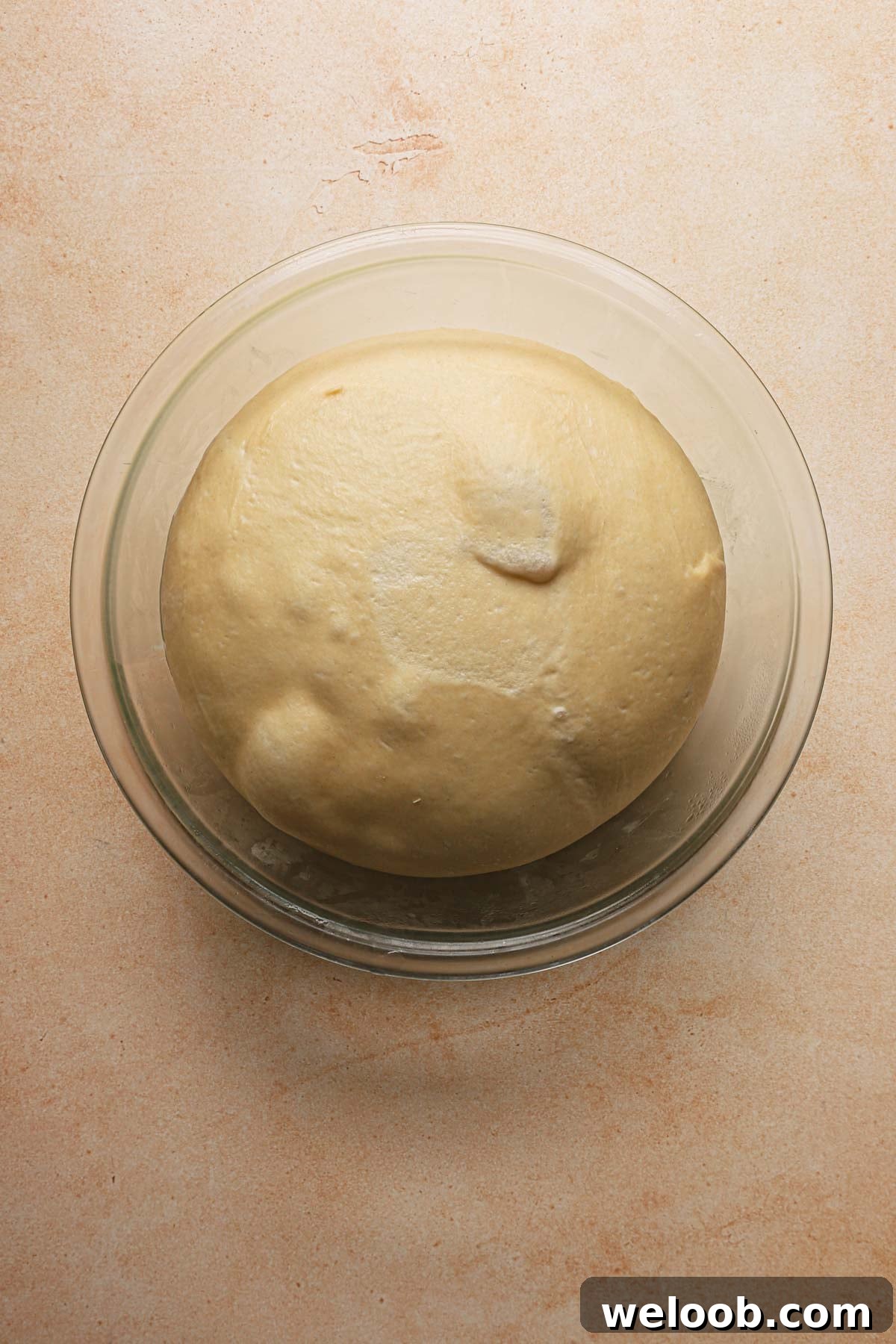
- Place the dough in a lightly greased bowl, cover, and allow to double in a warm spot. Alternatively, rest overnight in the refrigerator (see notes).
Shape the Pastries
- Press half the dough by hand to about 1 inch thick on a lightly floured surface.
- Roll into an 18×9-inch rectangle.
- Spread four tablespoons of soft butter evenly over the dough surface.
- Mark the wide bottom edge every 3 inches and cut triangles with a sharp knife toward the top corner.
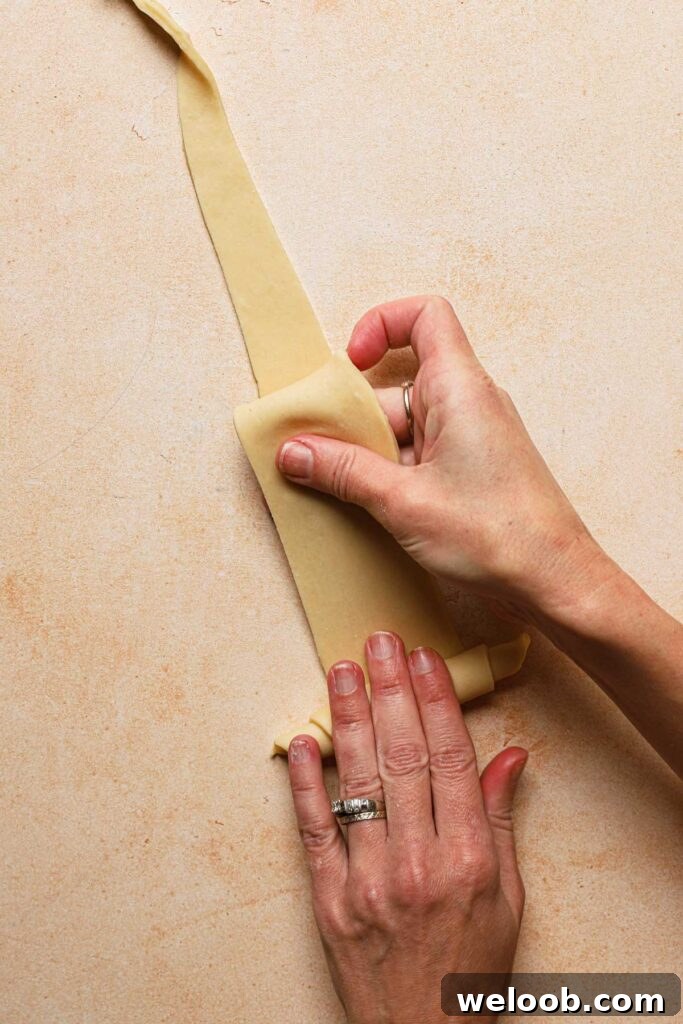
- Gently roll each triangle from the wide end, stretching slightly to form crescents.
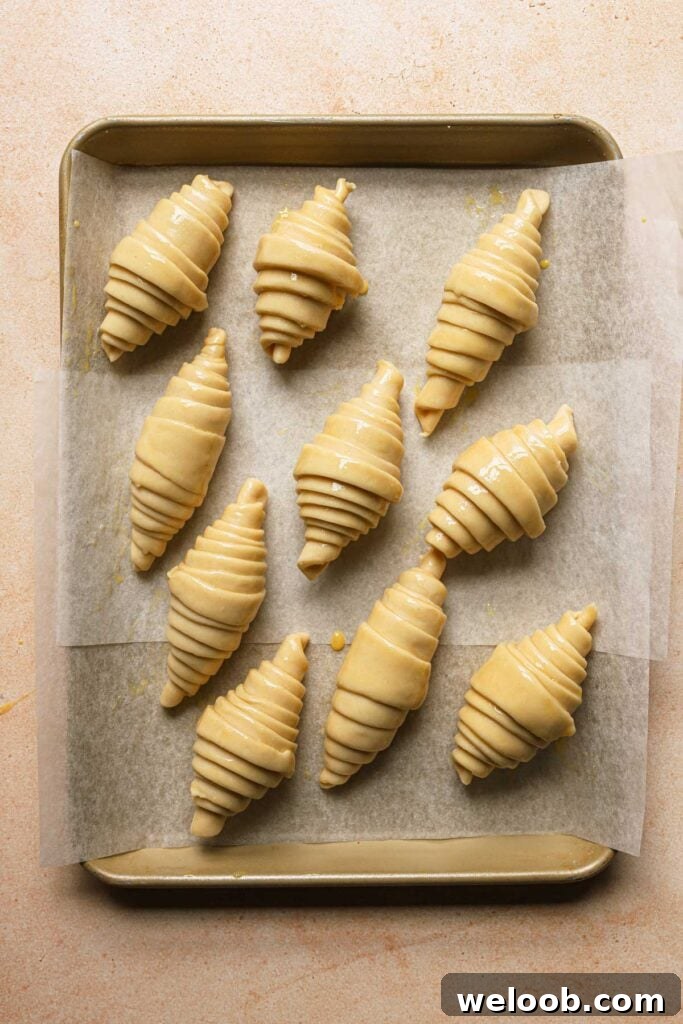
- Place pastries on a parchment-lined sheet, brush with egg wash, and let double in size (about 3–4 hours).
- Bake at 350°F (160°C) for 25–30 minutes on the middle rack until golden.
- Remove from the oven and brush with cooled syrup for shine and a sweet finish.
Make the Syrup
- While the pastries are resting, combine the water, sugar, and vanilla in a saucepan and bring to a boil over medium heat, stirring until the sugar dissolves.
- Reduce heat and simmer for 3 minutes, then remove from heat and set aside to cool.
- For best results, brush cold syrup onto hot pastries so it soaks in and creates a glossy finish.
Notes
- If using active dry yeast, increase the amount to 1 tablespoon and proof it first with the liquid and 2 teaspoons sugar for 15–20 minutes until a thick foam forms.
- To prepare the dough the night before, reduce yeast to 1 1/2 teaspoons, let rest at room temperature for 1 hour, then refrigerate for 8–10 hours or overnight.
- The extra layer of butter spread on the rolled dough is the key to a lighter, slightly layered result. Skip it and expect richer, denser rolls.
- Fillings: chocolate spread, Nutella, cinnamon sugar butter, almond cream, or pistachio paste all work well.
- For larger croissants, roll the dough to a 25×16-inch rectangle and mark the wide edge in 4-inch segments.
- Use a ruler for accurate measurements to ensure uniform crescents.