
Thai Red Curry Soup Recipe: Spicy, Aromatic, Comforting
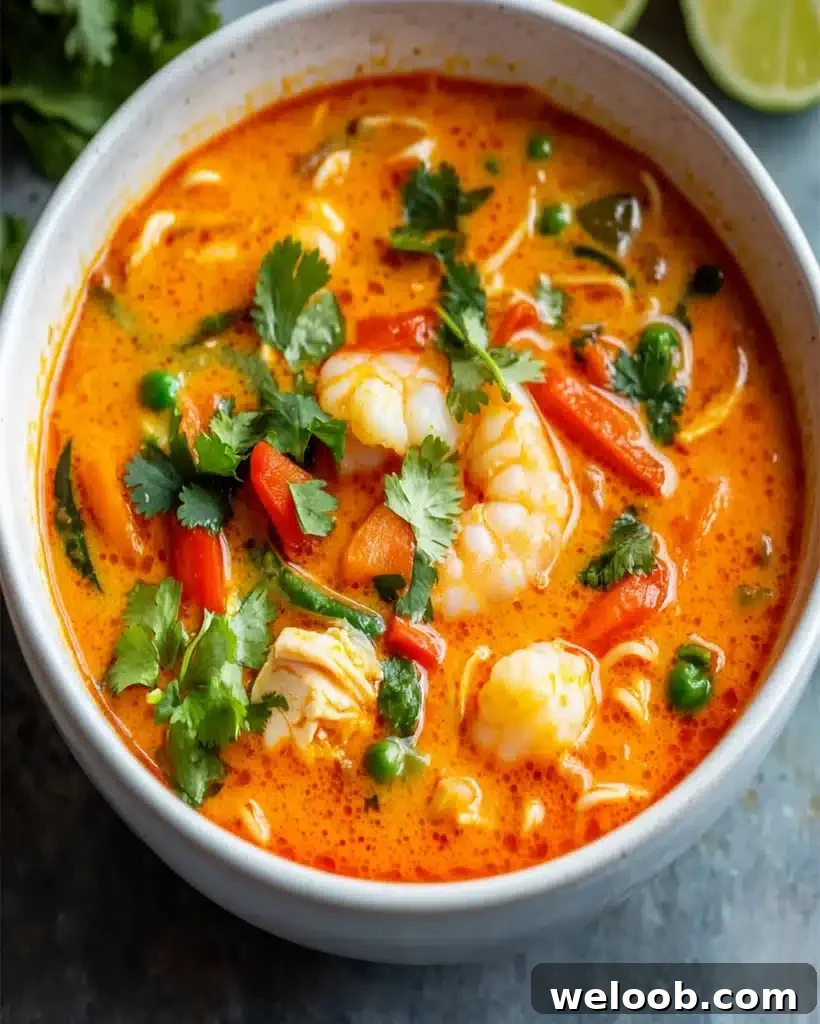
Welcome to our culinary corner. Dive into the vibrant, aromatic world of Thai cuisine with this easy and satisfying Thai Red Curry Soup recipe. This soup delivers a balanced blend of sweet, spicy, and tangy flavors: creamy coconut milk, fragrant red curry paste, fresh ginger and garlic, and a bright finish of lime and cilantro. It’s approachable for cooks of all levels, perfect for weeknight dinners, cozy lunches, or when you want a bowl of comforting, flavor-forward soup. Read on for ingredients, step-by-step instructions, helpful tips, storage advice, and answers to common questions so you can make an authentic-tasting Thai red curry soup at home.
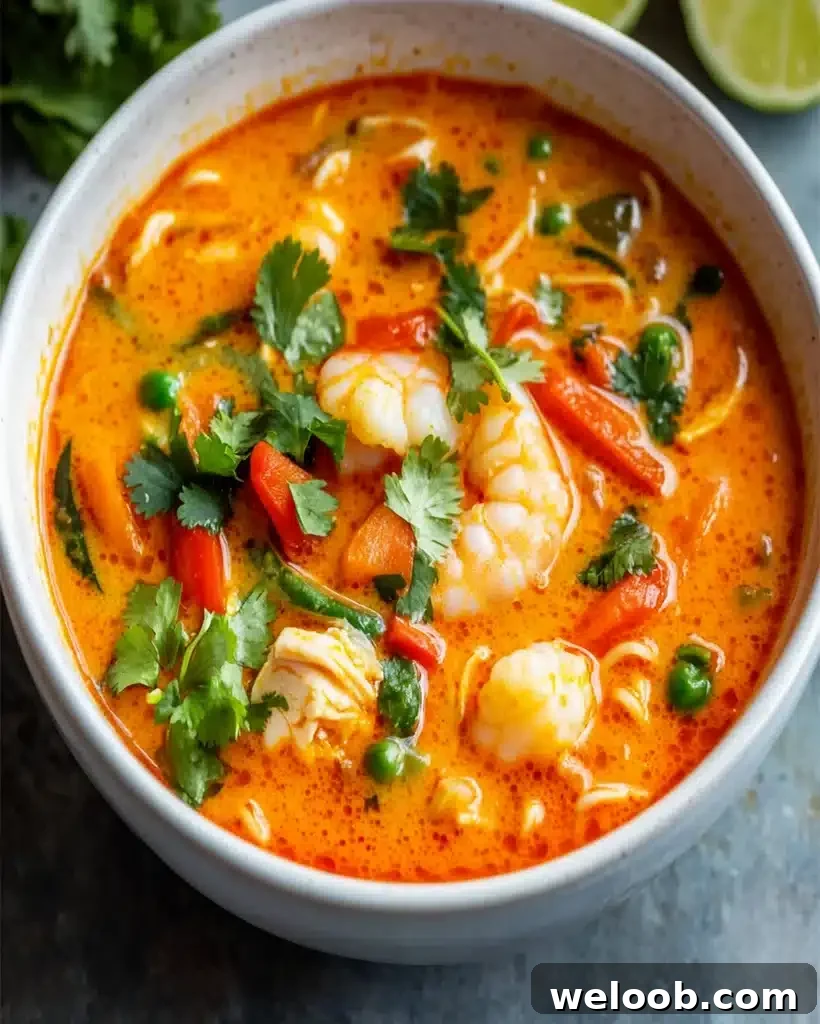
Thai Red Curry Soup Recipe – Easy, Flavorful & Spicy Dish
Author: Patri
Introduction: Discover the Joy of Thai Red Curry Soup
Thai cuisine is celebrated for layering bold, balanced flavors with fresh herbs and aromatics. Thai Red Curry Soup captures that essence with a coconut milk base warmed by red curry paste and brightened by lime and cilantro. The result is a silky, fragrant broth studded with tender vegetables and noodles. Serve it on its own for a light meal, over steamed jasmine rice for heartier fare, or with crusty bread to soak up every drop. This recipe is flexible, easy to scale, and adaptable to vegetarian or gluten-free diets.
Ingredients for Thai Red Curry Soup
- 2 Tbsp avocado oil or olive oil
- 1/2 cup diced yellow onion
- 1/2 cup diced red bell pepper
- 1/2 cup diced carrots
- 3 garlic cloves, minced
- 1 Tbsp freshly grated ginger
- 1/4 cup red curry paste
- 6 cups chicken broth or vegetable stock
- 1 (14 oz.) can full-fat coconut milk
- 3 Tbsp fish sauce
- 4–5 oz ramen or rice noodles (use gluten-free rice noodles if needed)
- 1 Tbsp fresh lime juice, plus more to taste
- 1/2 cup fresh chopped cilantro, plus extra for serving
- Lime wedges, for serving
Optional substitutions:
- For a vegetarian or vegan version, use vegetable stock and swap fish sauce for a plant-based alternative or low-sodium soy sauce.
- Use coconut oil instead of avocado oil for a more tropical aroma.
- Add protein such as cooked shredded chicken, tofu, or shrimp near the end of cooking.
How to Make Thai Red Curry Soup – Step by Step
Step 1: Sauté the Vegetables
Heat the oil over medium heat in a large pot or Dutch oven. Add the diced onion, red bell pepper, and carrots. Sauté for 5–7 minutes until vegetables are tender and beginning to caramelize, which deepens their natural sweetness and builds flavor.
Step 2: Add Aromatics and Curry Paste
Add the minced garlic, grated ginger, and red curry paste. Stir continuously for about 1 minute until fragrant, which helps release the curry paste’s essential oils and intensifies the soup’s aroma.
Step 3: Add Broth and Coconut Milk
Pour in the chicken broth (or vegetable stock) and the full-fat coconut milk. Stir until combined and bring the mixture to a gentle simmer. Cook uncovered for 5 minutes to let the flavors meld and the broth slightly reduce.
Step 4: Incorporate the Noodles
Add the ramen or rice noodles to the simmering soup. Follow the package directions for cooking time, as it varies by noodle type. Cook until noodles are tender but still have a pleasant texture. If using quick-cook rice noodles, soak or add near the end to avoid overcooking.
Step 5: Finish with Lime Juice and Cilantro
Stir in fresh lime juice and chopped cilantro. Taste and adjust seasoning with salt, pepper, extra lime, or a touch more curry paste if you want more heat. Serve immediately, garnished with additional cilantro and lime wedges.
Helpful Tips for the Best Thai Red Curry Soup
- Use fresh aromatics: Fresh ginger and garlic make a noticeable difference compared with dried alternatives.
- Control the spice: Reduce red curry paste for a milder soup, or add a little extra coconut milk to mellow heat.
- Add vegetables: Mushrooms, zucchini, bok choy, snap peas, or baby spinach are excellent additions that boost texture and nutrition.
- Protein options: Stir in cooked shredded chicken, pan-seared tofu, or cooked shrimp during the final minute of cooking.
- Simmer gently: Avoid a rolling boil after adding coconut milk to prevent separation or curdling.
Cooking Tips for Consistency and Texture
- Choose the right noodles: Rice noodles or ramen both work; cook them just until tender to keep pleasant bite and prevent sogginess.
- Adjust thickness: Simmer longer to thicken the broth, or add more stock for a lighter soup.
- Finish just before serving: Add delicate greens and fresh herbs at the end to preserve color and flavor.
Serving Suggestions
- Serve with steamed jasmine rice for a fuller meal.
- Offer lime wedges and extra cilantro so diners can customize brightness and herbiness.
- Pair with a light cucumber salad or simple vegetable spring rolls for contrast.
Nutritional Information (approximate per serving)
Calories: 320
Fat: 18g
Carbohydrates: 28g
Protein: 9g
Vitamin C: 45% DV (approx.)
Calcium: 10% DV (approx.)
Nutrition varies based on ingredient choices and portion sizes. Use lighter coconut milk or smaller oil amounts to reduce fat and calories.
Storage and Reheating
- Refrigerate: Store soup in an airtight container for up to 3 days. Flavors often deepen after resting overnight.
- Freeze: Freeze the soup without the noodles for best texture. Thaw and reheat, then add freshly cooked noodles when serving.
- Reheat: Gently warm on the stove over medium heat. Add a splash of broth if the soup thickens too much.
Frequently Asked Questions (FAQs)
- Can I make this vegan? Yes. Use vegetable stock and replace fish sauce with soy sauce or a vegan fish-sauce alternative.
- Which noodles work best? Rice noodles and ramen both work well. For gluten-free, use rice noodles labeled gluten-free.
- Can I freeze this soup? Yes — freeze without noodles. Add fresh noodles when reheating to avoid mushy texture.
- How can I increase the heat? Add more red curry paste, a pinch of crushed red pepper, or fresh sliced chilies to taste.
Related Recipes for Thai Food Lovers
- Ultimate Cowboy Casserole with Cornbread — a hearty casserole that offers contrasting flavors to spicy Thai dishes.
- Sausage Balls with Red Lobster Mix — savory bites that can complement a Thai-inspired meal in a fusion-style spread.
Conclusion
This Thai Red Curry Soup is an easy, flavorful introduction to the bold tastes of Thai cooking. It’s adaptable, quick to make, and ideal for cooking ahead or feeding a group. Try different vegetables, proteins, or noodle types to tailor the soup to your taste. If you test this recipe, make adjustments to heat and acidity incrementally until it suits you. Happy cooking — and enjoy the comforting, fragrant bowl you’ve created!