
Top Apples for Baking: Which Varieties Hold Up in Pies and Tarts
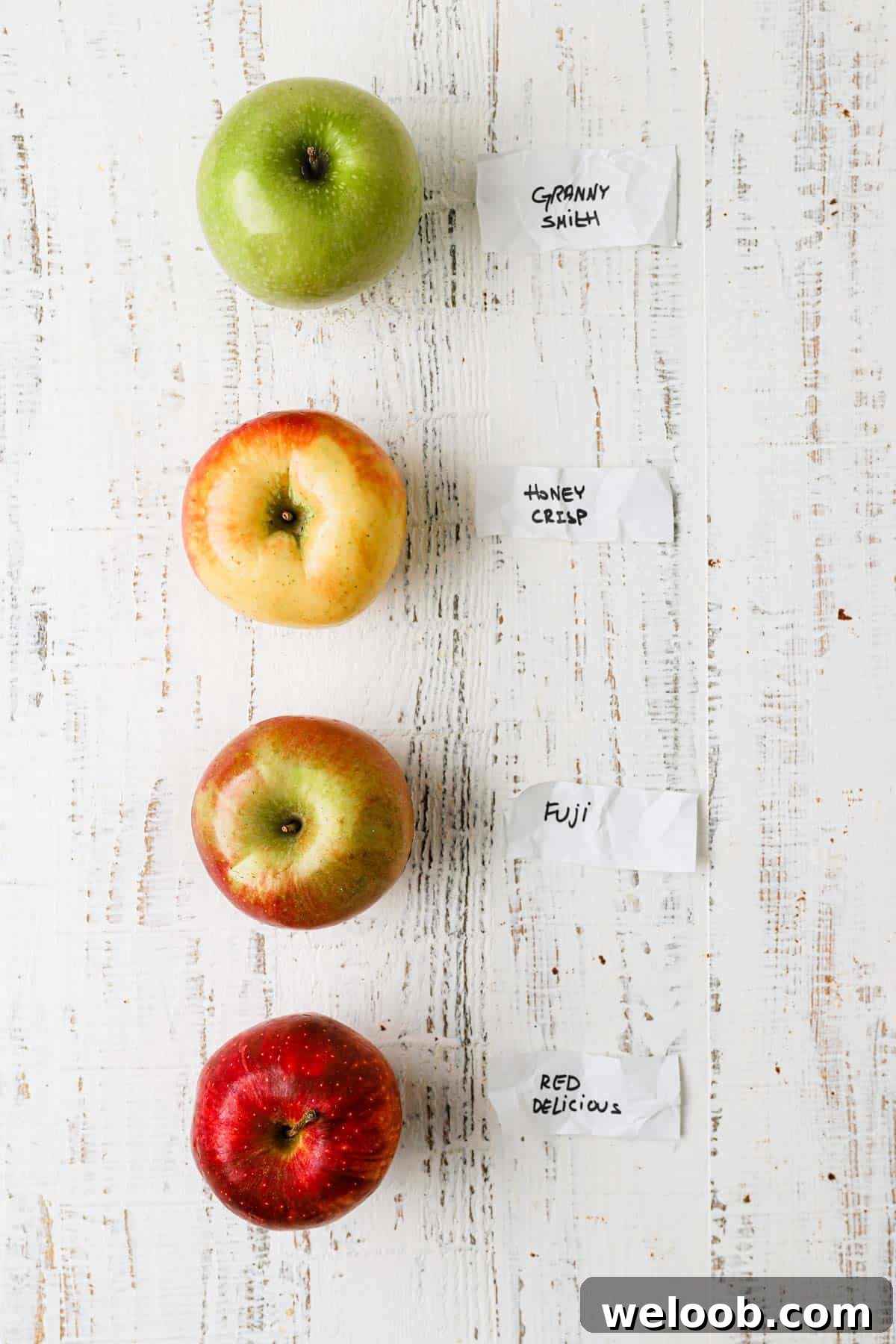
Apples are a near-universal favorite: versatile, convenient, and full of flavor. But when it comes to baking, choosing the right variety can be confusing. Different apples behave very differently in heat—some hold their shape and texture, while others collapse into a sweet, saucy softness. This guide simplifies those choices so your next apple pie, cake, or sauce turns out exactly how you want it.
For many bakers, apple season is like a holiday—wandering a farmer’s market lined with crates of varieties is part inspiration, part indulgence. Yet that excitement can quickly turn to doubt when you realize not every apple is ideal for every recipe.
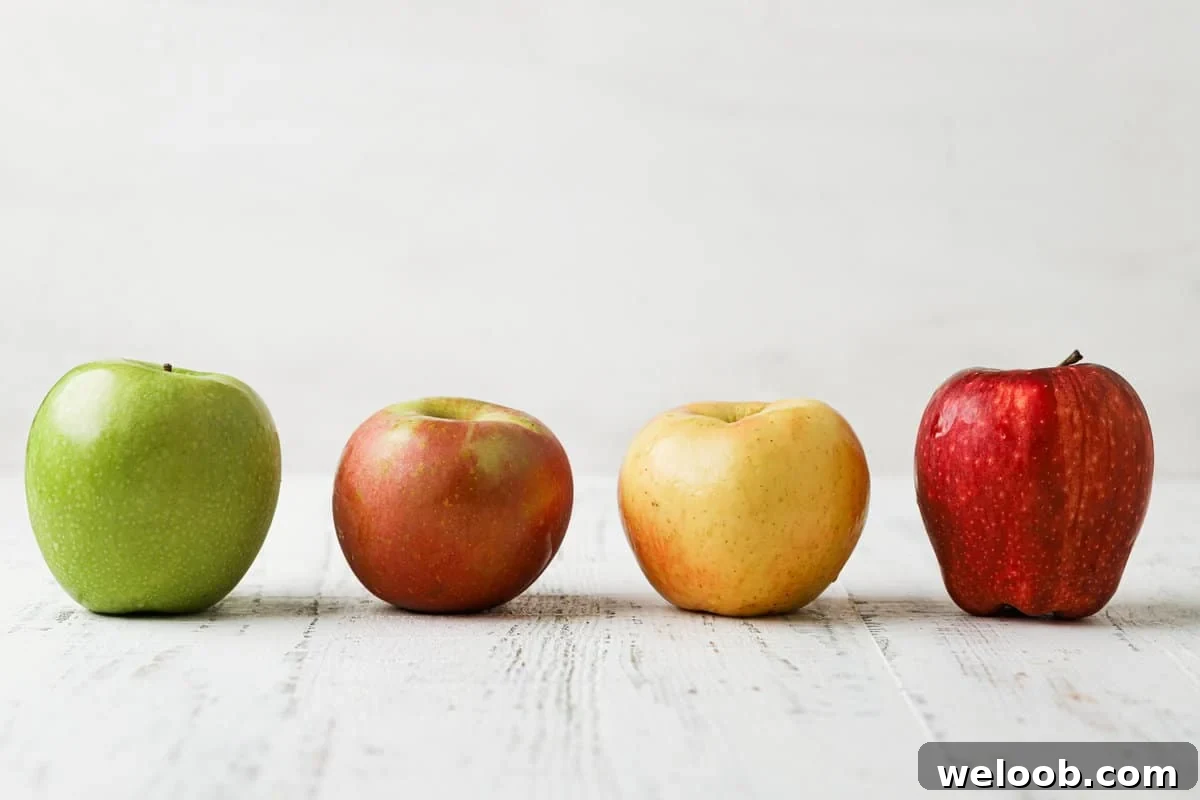
Below you’ll find clear, practical information about apple storage and preparation, how varieties differ in flavor and texture, a helpful chart of best uses by recipe type, and a simple test to determine an apple’s baking potential at home.
Facts that are true for all types of apples
- Apples are porous—about 25% of their volume is air. This contributes to mealiness as fruit ages: cells lose turgor, dry out, and separate rather than rupture, so freshness dramatically affects texture and mouthfeel.
- For the longest shelf life and best post-harvest quality, apples are ideally stored near 32°F (0°C).
- Acidic environments help apples hold their shape when cooked. Apples cooked in a mildly acidic liquid will stay firmer for longer (often up to several hours) than those cooked in plain water, which tend to soften quickly.
- Precooking at a low temperature—around 130–140°F (55–60°C) for 20–30 minutes—can increase an apple’s resistance to softening during subsequent prolonged cooking.
Facts about the differences between apples
- Flavor and aroma: Some varieties maintain a pronounced apple aroma and sweet-tart complexity after baking, while others lose much of their character. Varieties such as McIntosh, Empire, Jonathan, Honeycrisp, and Golden Delicious tend to keep stronger aromas. Red Delicious and some Granny Smith apples are often milder in aroma.
- Texture: Firm, crisp apples are prized for pies, crisps, and tarts because they hold shape under heat. Softer apples are useful when you want a tender result, such as applesauce or apple butter. Keep in mind that any apple will become softer the longer it is cooked or the older it is.
- Sweetness and acidity: Balance can be adjusted with sugar or a splash of lemon juice. Tart apples like Granny Smith have higher acidity and commonly retain structure better during baking, making them useful in mixes with sweeter varieties.
The Best Baking Apple Chart
Supermarkets often carry a few staples year-round—Honeycrisp, Golden Delicious, Gala—but many excellent baking varieties such as Braeburn, York Imperial, and Pink Lady can be harder to find. The chart below ranks commonly used apples from best to less ideal for specific recipes and suggests pairings to balance sweet and tart notes.
Use this table as a quick reference when planning pies, tarts, cakes, sauces, breads, and other apple-based baked goods.
| Type | Best Apples | Recipes |
| Pies, crisps, tarts, and galette | Braeburns Granny Smith Honeycrisp Cortland Northern Spy York Imperial Fuji Rome (best when mixed with Golden Delicious) Jonagold (pairs well with Granny Smith) |
Apple galettes |
| Cakes, cupcakes, muffins | Honeycrisp Golden Delicious (balanced with Braeburns) Red Delicious Pink Lady Gala Fuji |
Jewish apple cake Italian apple cake Apple muffins Honey apple cake Polish apple cake |
| Sauces, butter, fillings | McIntosh Golden Delicious Red Delicious Varieties for candied apple butter |
Candied apple jam and applesauce |
| Breads | Honeycrisp Golden Delicious Pink Lady Fuji |
Quick breads and yeast breads with apple pieces |
| Bars | Honeycrisp Golden Delicious Pink Lady Fuji |
Apple bars and squares |
| Whole baking (baked whole) | Honeycrisp Rome Beauty Golden Delicious |
Whole baked apples and stuffed-baked desserts |
Testing Your Apples
If you want to check a new variety’s baking behavior or test freshness before committing a whole batch to a recipe, perform this quick oven test:
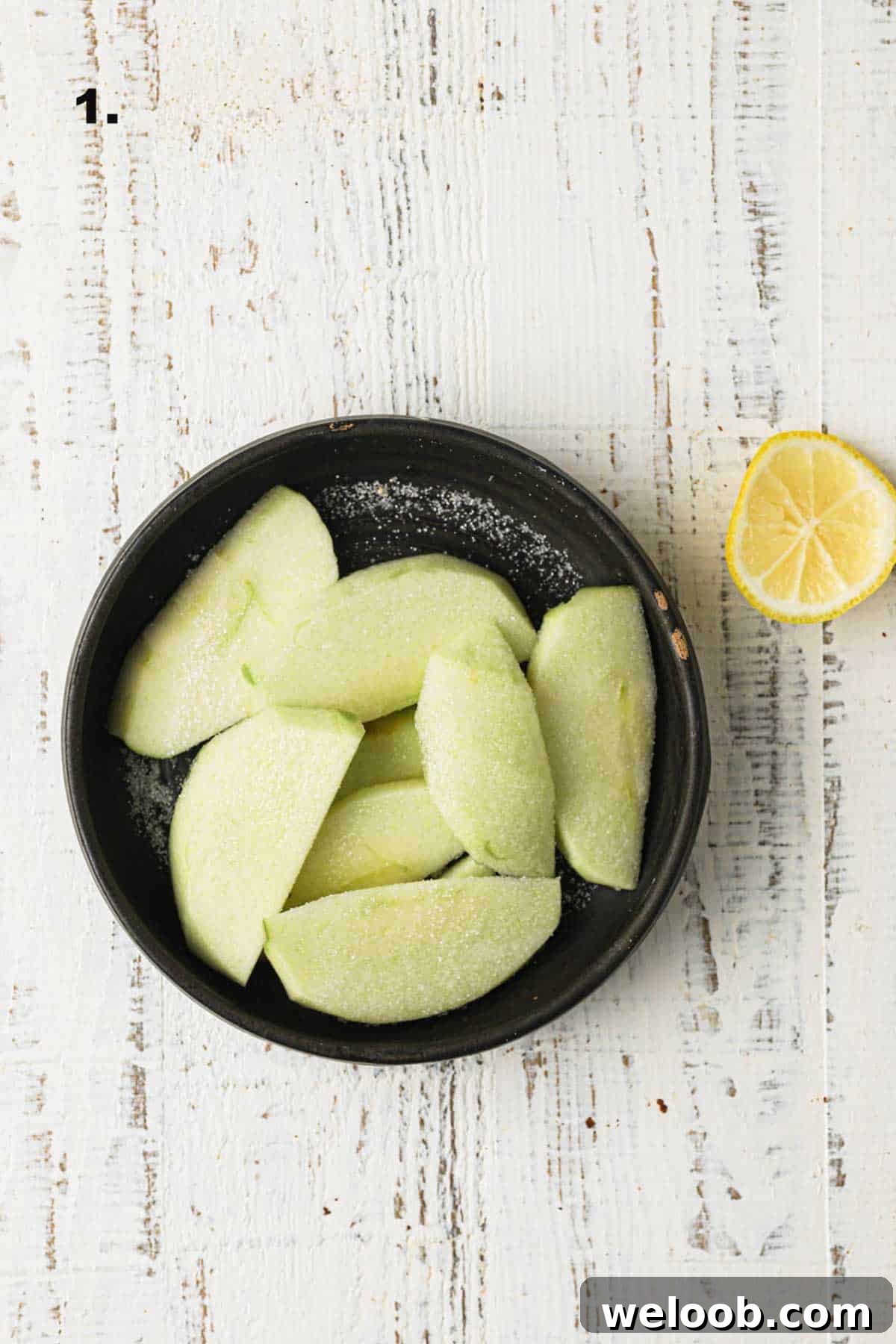
- Peel and slice about one-third to one-half of an apple. Sprinkle with 1 teaspoon lemon juice and 1 teaspoon sugar.
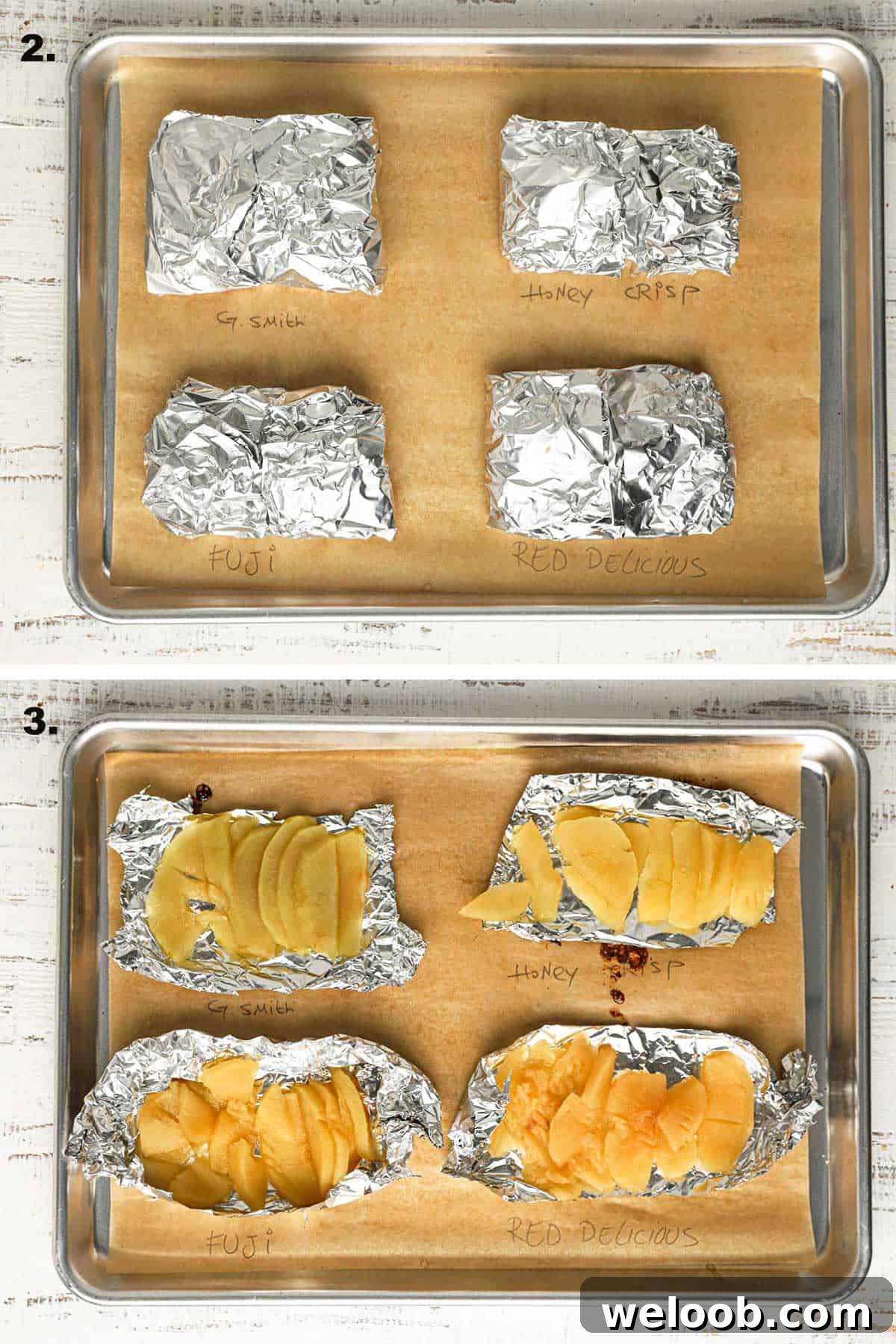
- Wrap the slices in aluminum foil and bake at 400°F (200°C) for 15–20 minutes.
- Remove, unwrap, and test with a fork. Firmer varieties will hold shape and require more pressure to break down; softer or older apples will collapse or mash easily.
In a practical test, some Red Delicious apples softened and mashed with almost no resistance. Crisp varieties like certain Honeycrisps retained more texture. Unexpectedly soft Granny Smiths usually indicate reduced freshness rather than inherent tenderness—so freshness matters as much as variety.
FAQ
What is an all-purpose apple?
An all-purpose apple is one that works well both eaten fresh and used in cooking or baking. It offers a balanced taste and reliable texture across different preparations.
What kind of apples are best for baking?
The best apple depends on the dish. For pies and crisps choose firmer, tart or balanced varieties; for cakes, softer or mildly sweet apples work well; for sauces and butters use naturally tender, juicy varieties. Refer to the chart above for specific recommendations.
Related articles you might like
What Is Temper Chocolate?, Dutch Process Cocoa vs. Natural Cocoa, How Long Does Cream Last?
I hope this guide helps you feel more confident choosing apples for your baking. If you have questions or want to share your favorite apple combinations, feel free to leave a comment below.
If you’re eager to dive deeper into the science behind baking techniques, consider my book, “Baking Science.”