
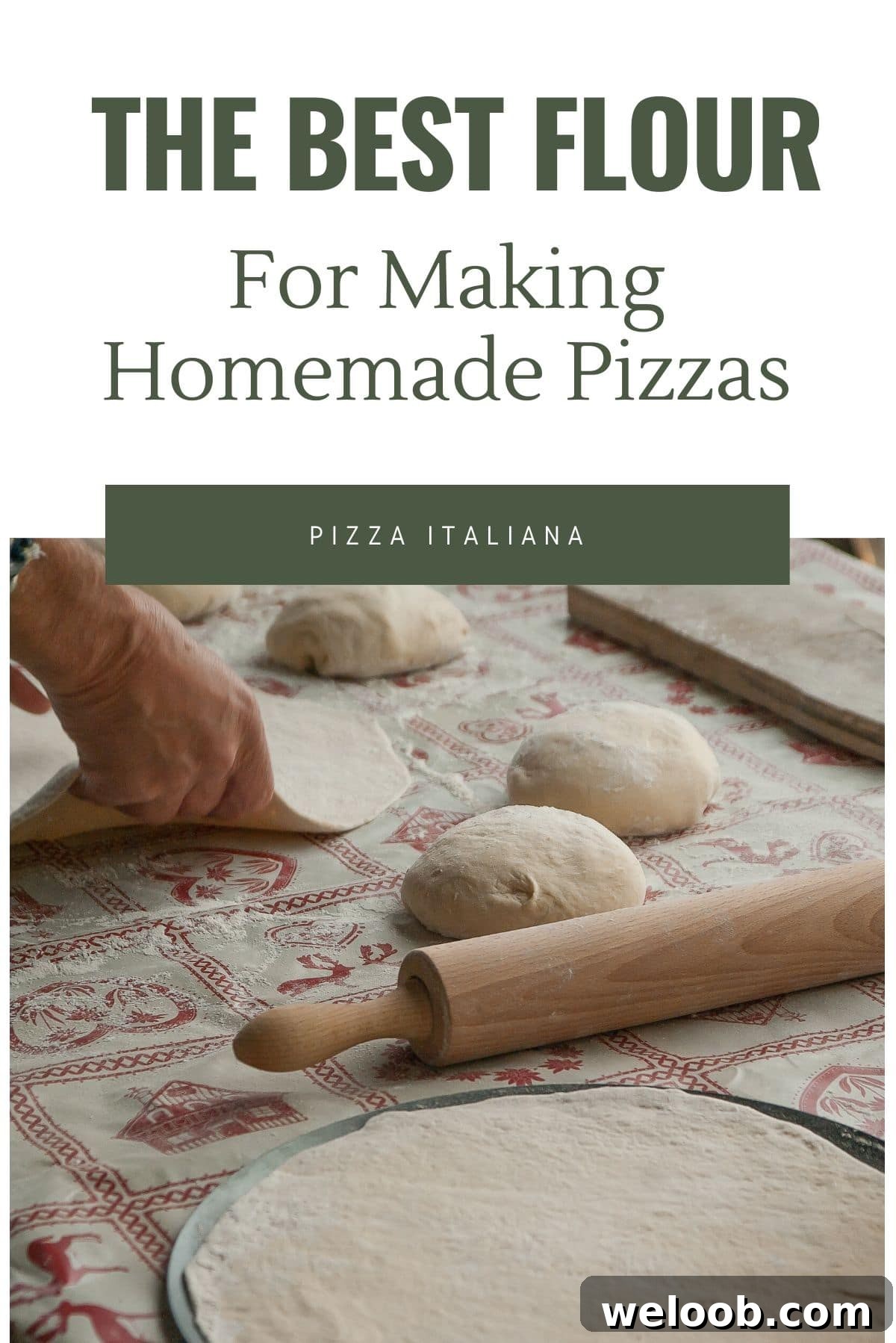
If you love making homemade pizzas or want to impress at your next pizza party, this quick guide explains the best flours to use and why. Make your next pizza your best yet!
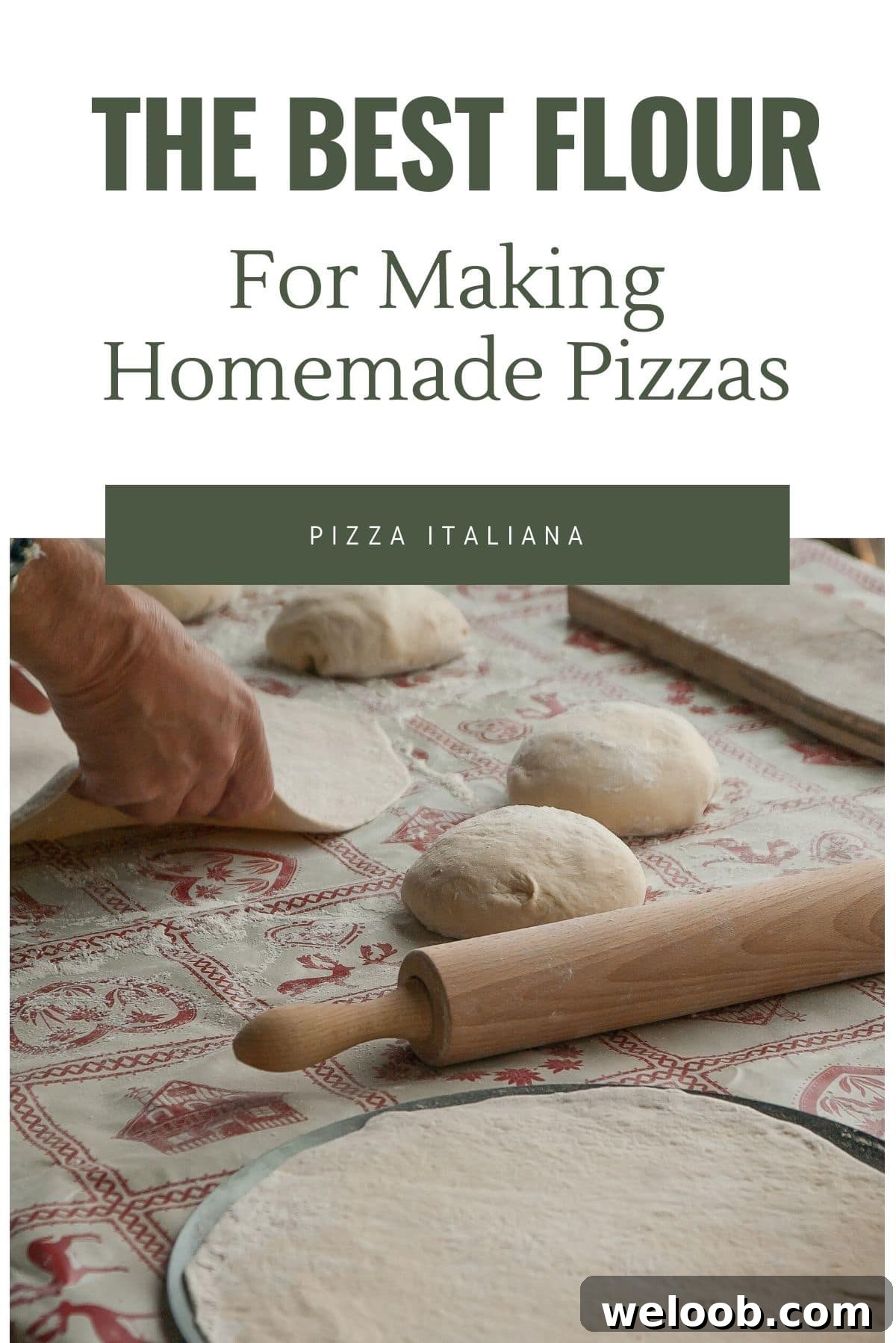
Are you obsessed with pizza? Many home cooks make pizza regularly — it’s an easy, rewarding dish to master. One of the key factors that affects crust texture and flavor is the flour you choose. Below is a concise breakdown of common flours for pizza and recommendations to help you pick the right one.
Flour for making pizza — which is best?
All-Purpose Flour
All-purpose (or plain) flour is the most widely available option. It’s milled from a blend of hard and soft wheat and has a moderate protein level, which makes it versatile for many baked goods.
Because AP flour has lower protein than specialty flours, it absorbs less liquid and develops less gluten. For yeast-based doughs like pizza, that means a softer structure and a less chewy crust. AP flour is a perfectly acceptable pantry choice if you bake occasionally and want reliable, good results without fuss.
Tip: Choose unbleached AP flour when possible — bleached flour is softer and can produce a weaker dough.
Bread Flour
Bread flour contains a higher protein content than AP flour, which translates to more gluten formation. That extra gluten helps the dough trap gas during fermentation, giving a higher rise and better shape retention. The result is a chewier, more structured crust, similar to many artisan breads.
The difference between AP and bread flour isn’t dramatic, but for pizza dough we recommend bread flour when you want a bit more chew and strength in the crust.
Farina Tipo 00
Italian flours are graded 00, 0, 1 and 2 based on how finely they are milled and how much bran and germ remain. Tipo 00 is the finest milling, with most bran and germ removed, yielding a silky, soft flour.
00 flour has become popular outside Italy for pasta and pizza because it produces a tender, elastic dough while still providing enough protein for structure. It’s increasingly available in supermarkets and specialty stores.
When used for pizza, 00 produces a softer, delicate dough. It’s a favorite for thin, tender crusts and pasta alike. We rate Tipo 00 highly — it’s an excellent choice and commonly used by home cooks aiming for an authentic Italian texture.
Farina Tipo 0
Tipo 0 is slightly less refined than 00, retaining more of the grain and offering a higher protein and gluten content. That balance gives dough both softness and elasticity, making it particularly well suited to pizza.
In Italy, Tipo 0 is widely used in pizzerias and supermarkets. Outside Italy it can be harder to find, but when you can get it, it’s our top recommendation for homemade pizza dough: it produces a robust, elastic dough that bakes into a flavorful, well-structured crust.
If Tipo 0 is unavailable, Tipo 00 is the next best option. For convenience, bread flour is a solid alternative and AP flour will still yield good results for casual baking.
Pizza dough recipes
Now that you know the main flour options, pick a dough style and the appropriate flour for the result you want. Below are common recipes and flour suggestions.
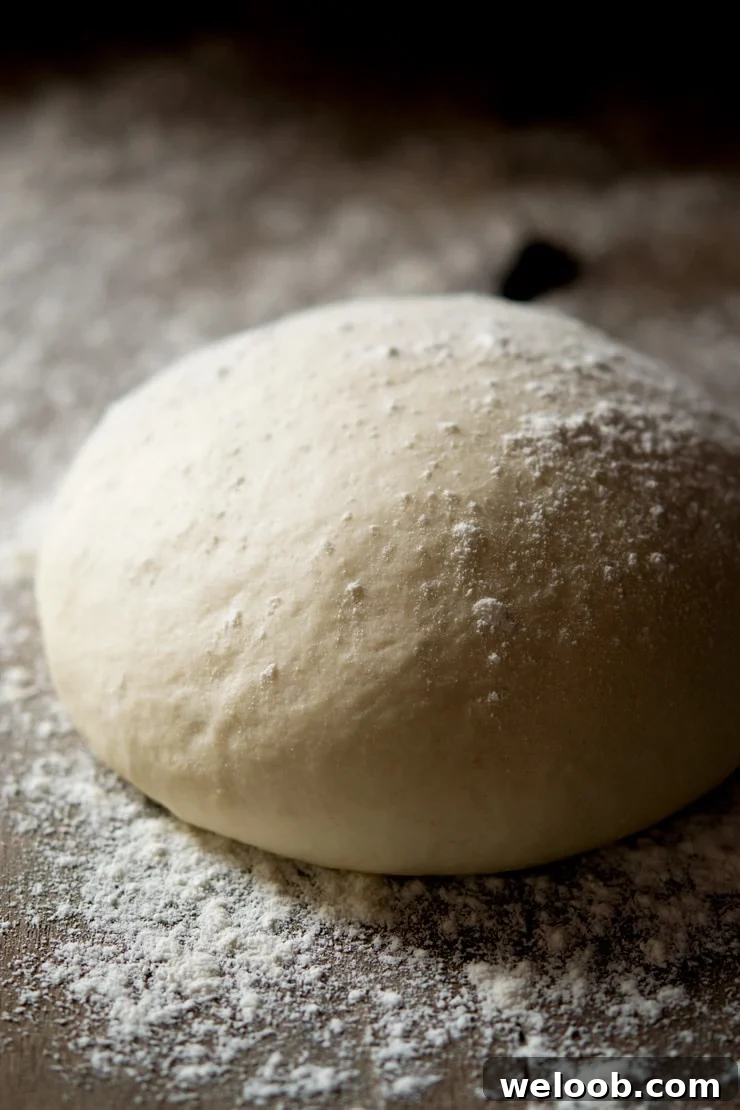
Basic pizza dough
This straightforward recipe produces thin to medium crusts and works with baking trays, pizza stones or a pizza oven. Any of the flours above will work, though Tipo 0 or 00 are recommended for the best balance of tenderness and elasticity. Bread flour also performs well if you want a chewier crumb.
Sfincione (Sicilian pizza)
Sfincione is a thick Sicilian-style pizza baked in a deep rectangular pan. It’s more like a focaccia: thick, springy and airy, and the dough typically contains a bit more olive oil.
To achieve the right texture for this style, use Tipo 0, Tipo 00 or bread flour. The added oil and a slightly longer proof will help develop the soft, airy crumb.
Instant pizza dough
This no-yeast, no-rise dough is a quick solution when you want pizza in minutes. It won’t produce the same airy, fermented crumb as yeast dough, but it’s a convenient compromise for fast homemade pizza.
We’ve tested the instant dough with Tipo 00 and all-purpose flour; both work well. Tipo 00 gives a slightly softer result, while AP flour is convenient and produces reliable results.
We hope this guide helps you choose the right flour for your next homemade pizza. Experiment with Tipo 0 for an authentic, elastic dough, Tipo 00 for a tender, delicate crust, or bread flour for extra chew. For convenience, AP flour will always produce a good, approachable result.