
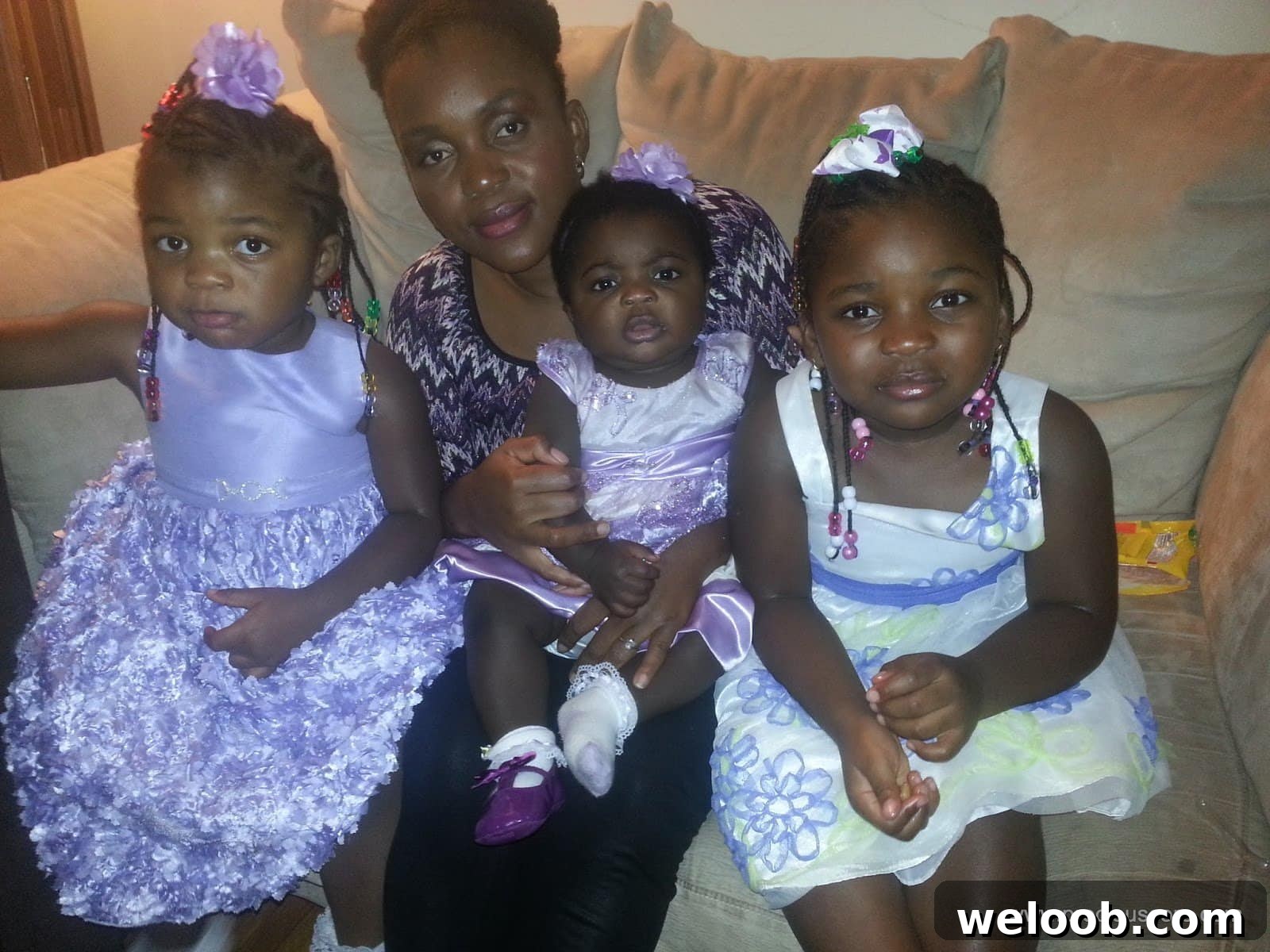
Hello Precious People, as Women’s Month draws to a close, I want to celebrate how remarkable daughters are.
Scrolling through Facebook recently, I saw a friend thanking God for the birth of her “prince” after having three daughters. In the comments, another person wrote in Cameroon Pidgin: “You should thank God that you have given birth to your husband’s successor. If you didn’t get a son your husband would have sent you parking from that marriage.” That exchange captures a widespread attitude: sons are often seen as heirs, while daughters are undervalued.
In many parts of Cameroon, a male child is called the “chop chair” of his father — the one who will carry on the family name. Girls rarely receive that status. When a woman gives birth to a daughter, the child is sometimes judged less valuable than a son. So when a son finally arrives after several daughters, the relief and celebration can feel like stepping out of darkness into light.
I call the social pressure to produce a son the “daughter-only syndrome.” I have seen it and lived it. After my second daughter was born, my brother-in-law’s wife phoned to say, “We hear you are only giving birth to girls.” Her disappointment echoed a common expectation: that a real woman should bear a son.
This stigma can lead to emotional violence from the moment a girl is born. She can be overlooked, undervalued and unwanted. Society pressures mothers to try again quickly for a son; hope rises and falls with each pregnancy. When another daughter arrives, disappointment and even mistreatment sometimes follow, damaging both mother and child.
Some husbands take additional wives who might bear sons. Others seek traditional remedies or supernatural solutions in the desperate hope of producing a male heir. This ongoing pressure — what I call the “accepted madness” — carries harmful consequences for women and girls.
Some health facilities in Cameroon are responding. At Mbingo Baptist Health Centre in Douala, where I had my first ultrasound, the radiologist refused to disclose the baby’s sex. The staff explained they stopped revealing sex because the news of carrying a girl often left mothers distressed. That sense of rejection during pregnancy can harm the wellbeing of both mother and child.
The maternal health workers at Mbingo embrace the Pidgin saying, “Pikin na pikin” — every child is valuable, no matter the sex. That principle counters practices that assign worth based on gender and helps protect children from early stigma.
Reports from other countries underline the effects of gender preference. For example, investigative reporting has shown that in some places boys are financially valued more than girls, and that widows and daughters can face obstacles inheriting family resources after a patriarch’s death. These realities contribute to the sense that women and girls are disadvantaged compared with men and boys.
I come from a typical African society, but I firmly believe a girl is not a less important child. I would welcome a son someday, not because having only daughters makes me inferior, but because I would like to experience both. I refuse to accept the judgment of those who promote this “accepted madness.”
If bearing only girls were seen as a crime, I’d gladly be guilty. If some think it makes a mother inferior, I take pride instead. Public figures show that daughters can thrive: having girls does not diminish a mother’s worth or a family’s achievements.
Our culture has long promoted the idea that boys are superior, and many mothers have absorbed that belief. It’s time to change this thinking. Let’s celebrate daughters from pregnancy through adulthood. Let’s showcase their strengths until those who cling to gender hierarchies grow envious of what daughters can achieve.
Just now my daughter hugged me and whispered, “Mummy, I love you.” Moments like that remind me how sweet daughters are.
“Pikin na pikin and girl pikin na better pikin!” (Every child is special, and girls are especially precious)
First published in my journal at WorldPulse.com