
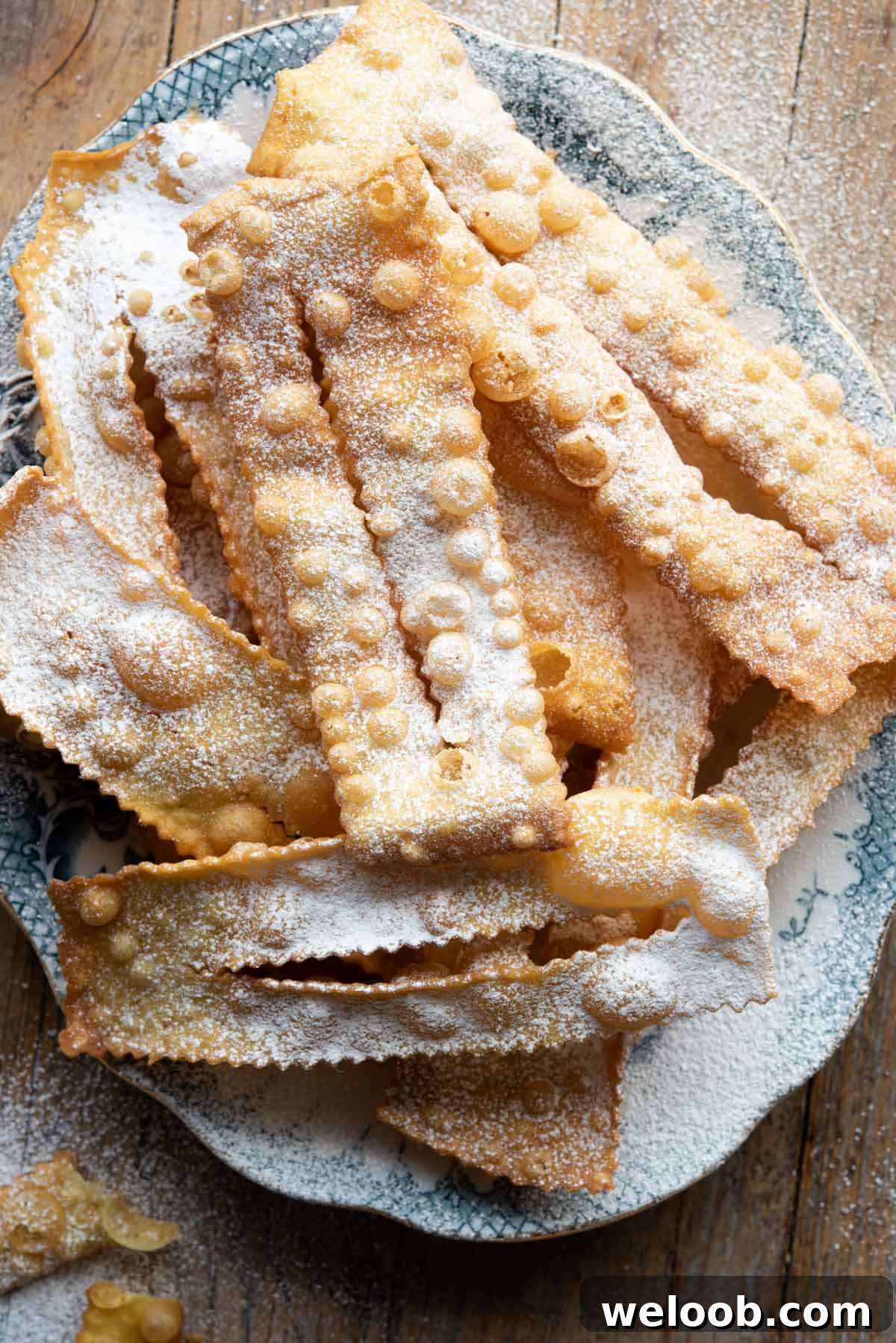
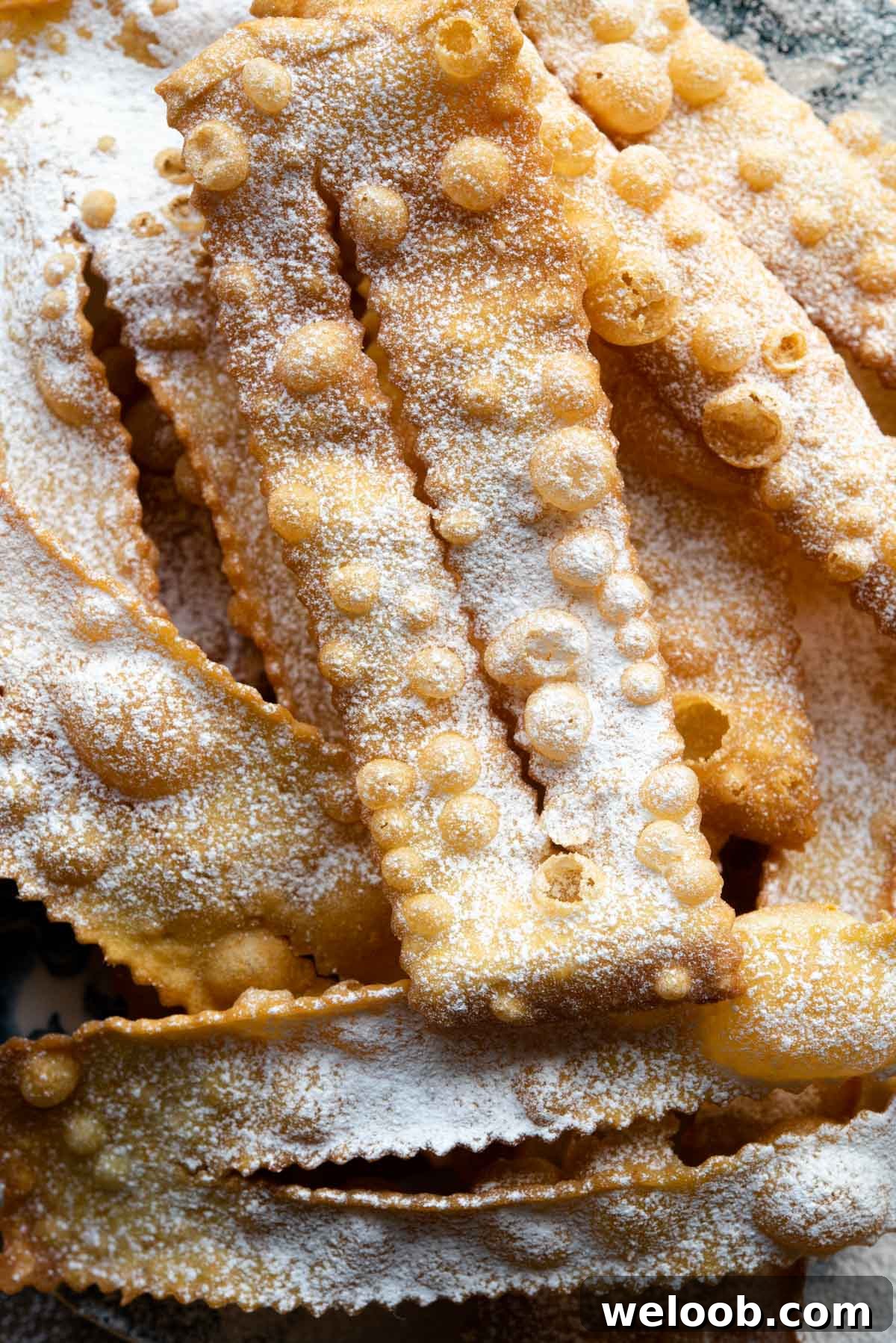
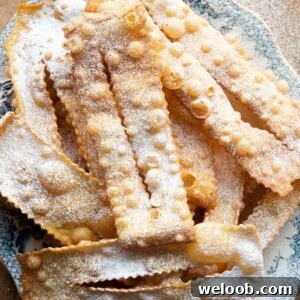
Cenci di Carnevale are sweet, crispy Italian fried pastries traditionally enjoyed during Carnevale. They offer a delicate citrus and vanilla aroma with a light, bubbly, crunchy texture and are generously dusted with powdered sugar before serving. Follow this clear, step-by-step recipe to make authentic Cenci at home.
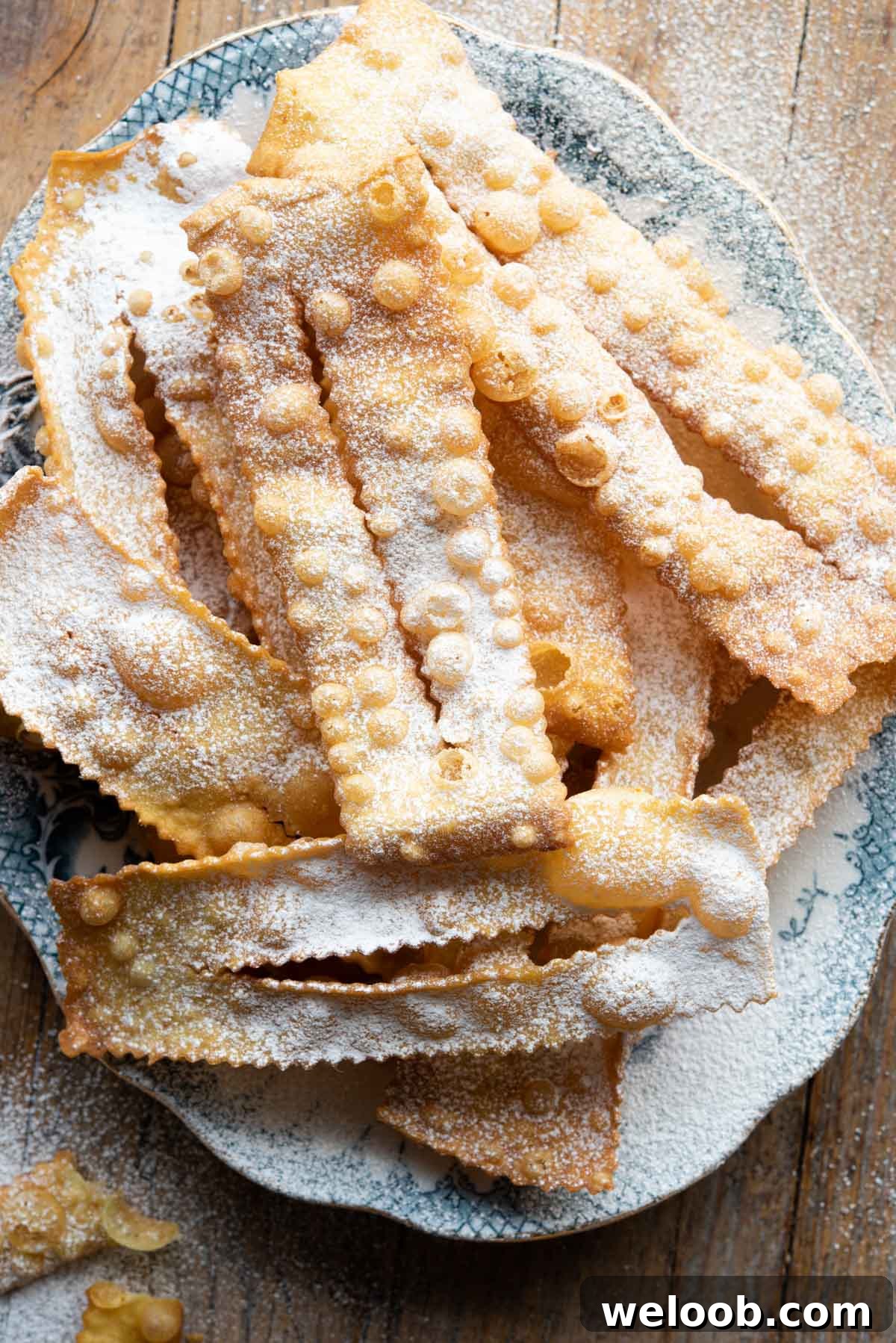
Carnevale in Italy is a lively celebration that begins weeks before Lent, filled with costumes, masks, parades, confetti and a wide array of traditional sweets. Across Italy these fried ribbons of dough appear under many regional names: Chiacchiere (meaning gossip), Bugie (lies), Crostoli (for their crunch), Frappe (fritters) or Cenci, the Tuscan word for rags.
The dough for Cenci is slightly sweet, rolled paper-thin, cut into rustic strips or shapes, then deep-fried until puffed and golden. Once drained and cooled they’re finished with a dusting of powdered sugar for a simple but irresistible treat.
Ingredient notes and substitutions
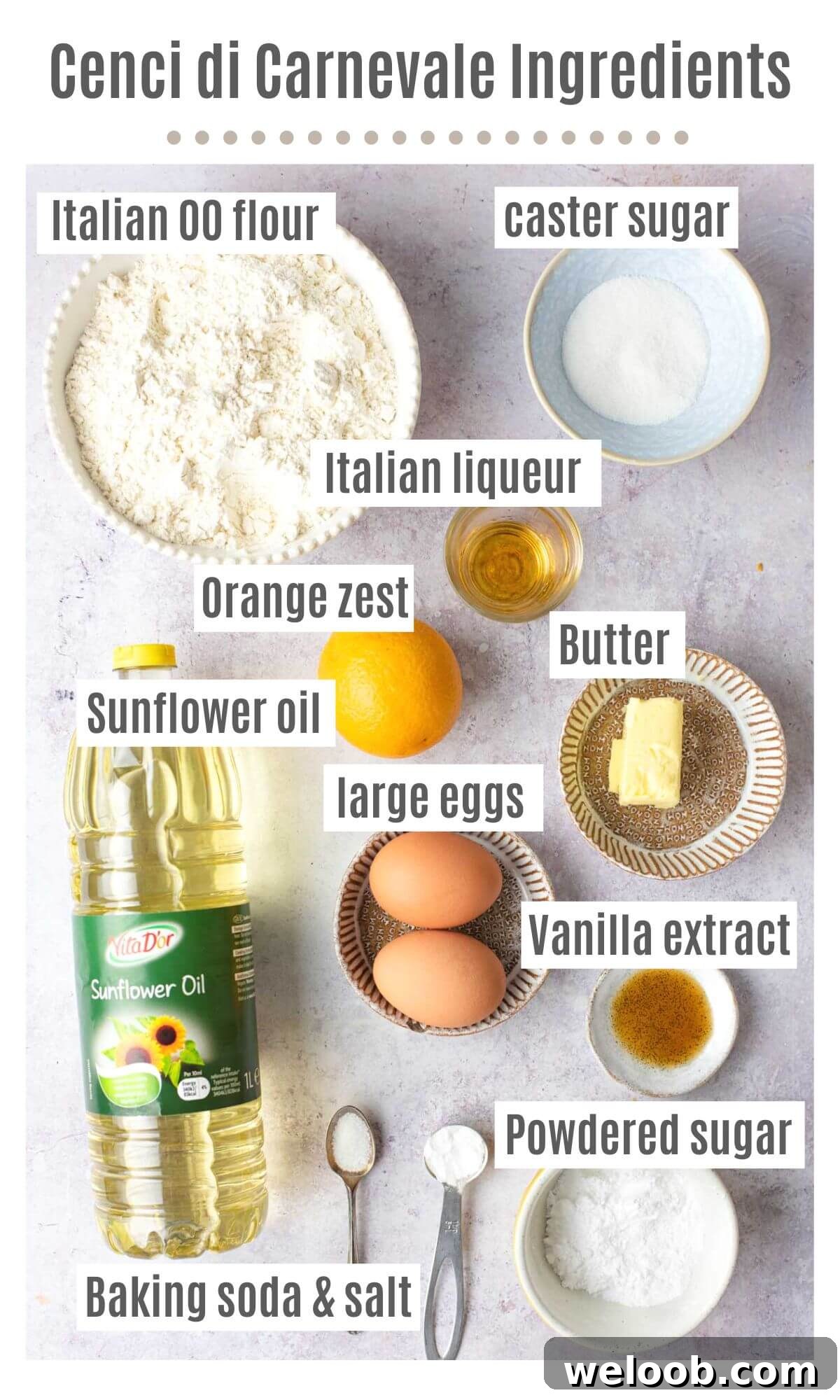
- Flour: Italian 00 flour is traditional, but all-purpose flour works well.
- Butter: Use room-temperature butter (soft but not melted).
- Sugar: Use caster (superfine) sugar for best texture.
- Eggs: Large eggs are recommended to achieve the right dough consistency.
- Baking soda: Also called bicarbonate of soda.
- Liqueur: Any mild Italian liqueur works — Tuaca, Marsala, Strega, Vin Santo or even grappa. A splash enhances flavor and texture.
- Citrus zest: Orange zest is classic; lemon zest is a fine alternative.
- Frying oil: Use a neutral, flavorless oil such as sunflower oil.
- Powdered sugar: Dusting with sifted powdered (icing) sugar finishes the pastries beautifully.
Step-by-step overview
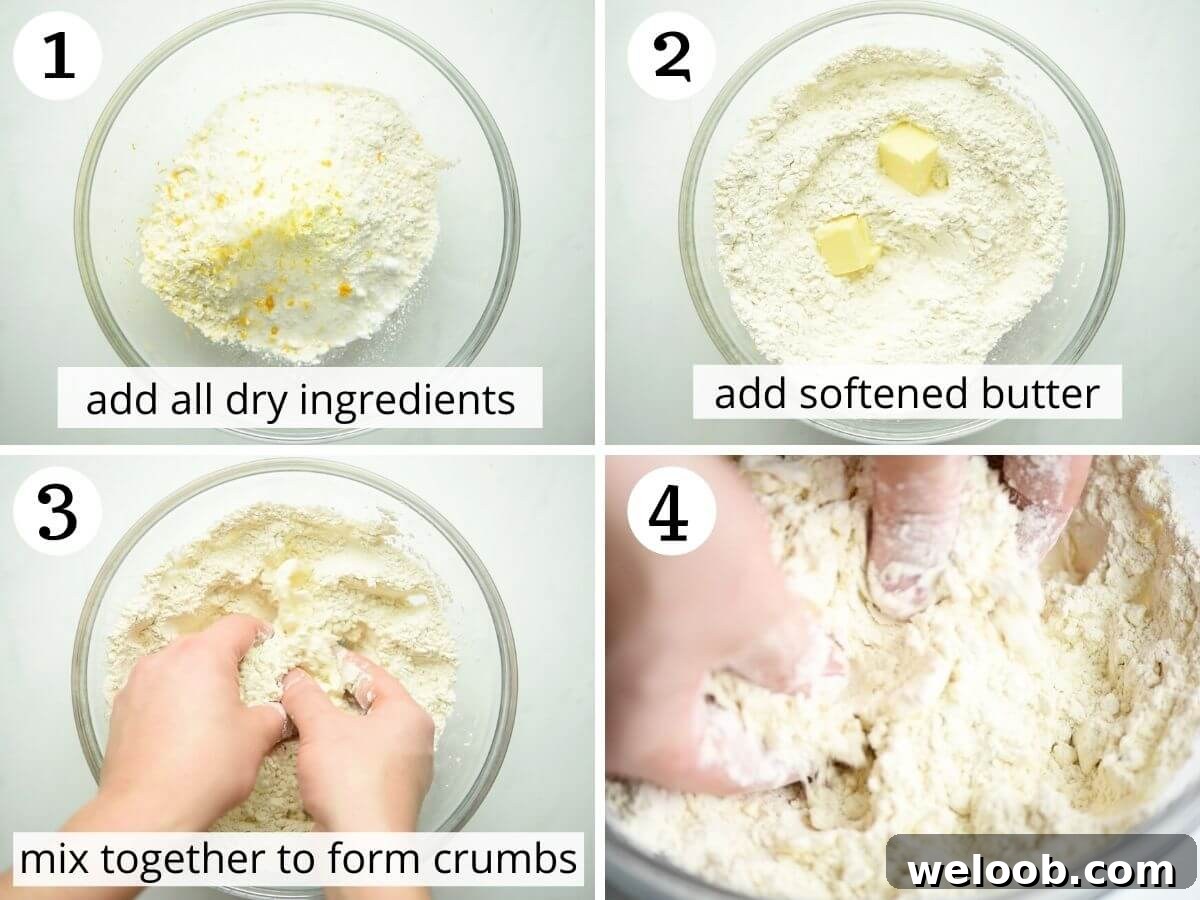
- Step 1: Combine dry ingredients, work in the butter until mixture resembles coarse breadcrumbs.
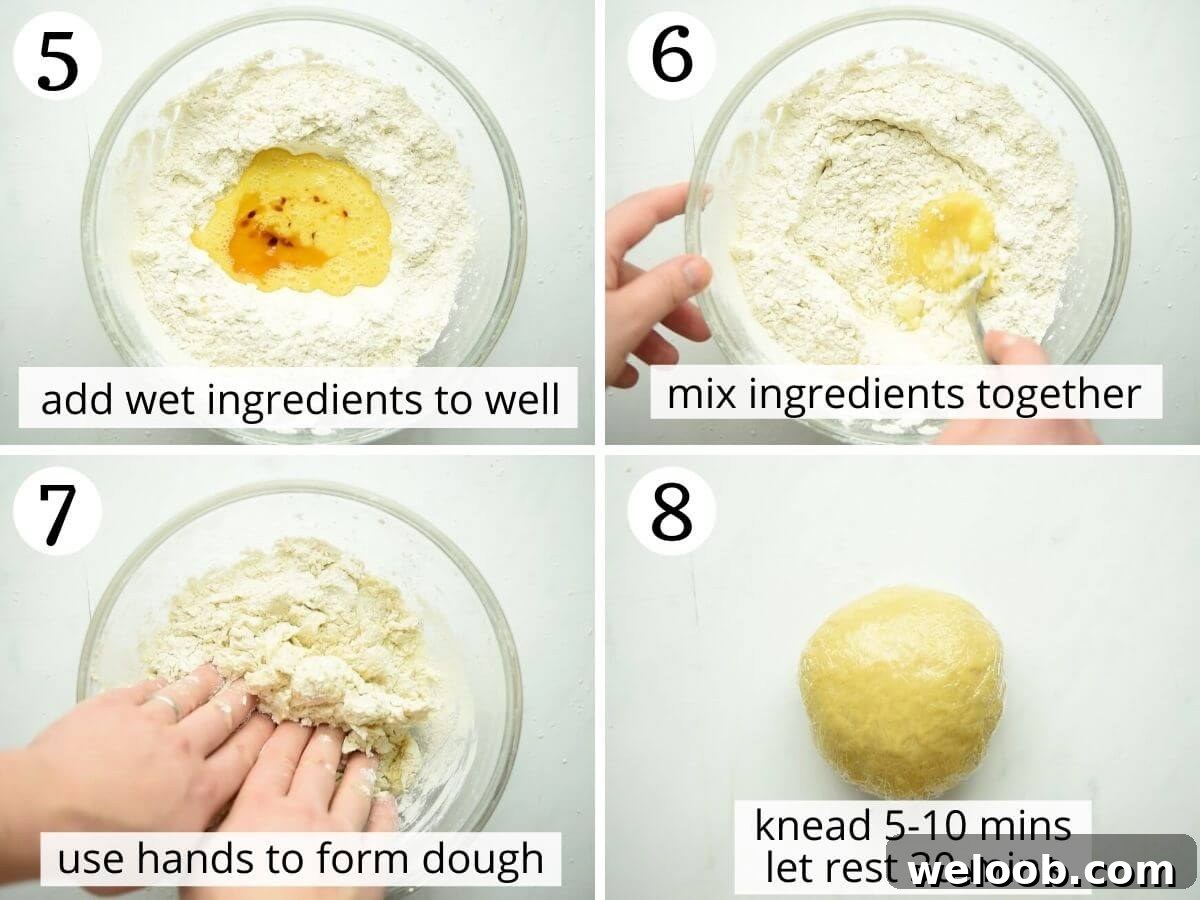
- Step 2: Mix eggs, vanilla and liqueur, add to the flour mixture and form a rough dough. Knead 5–10 minutes until smooth and elastic; rest 30 minutes.
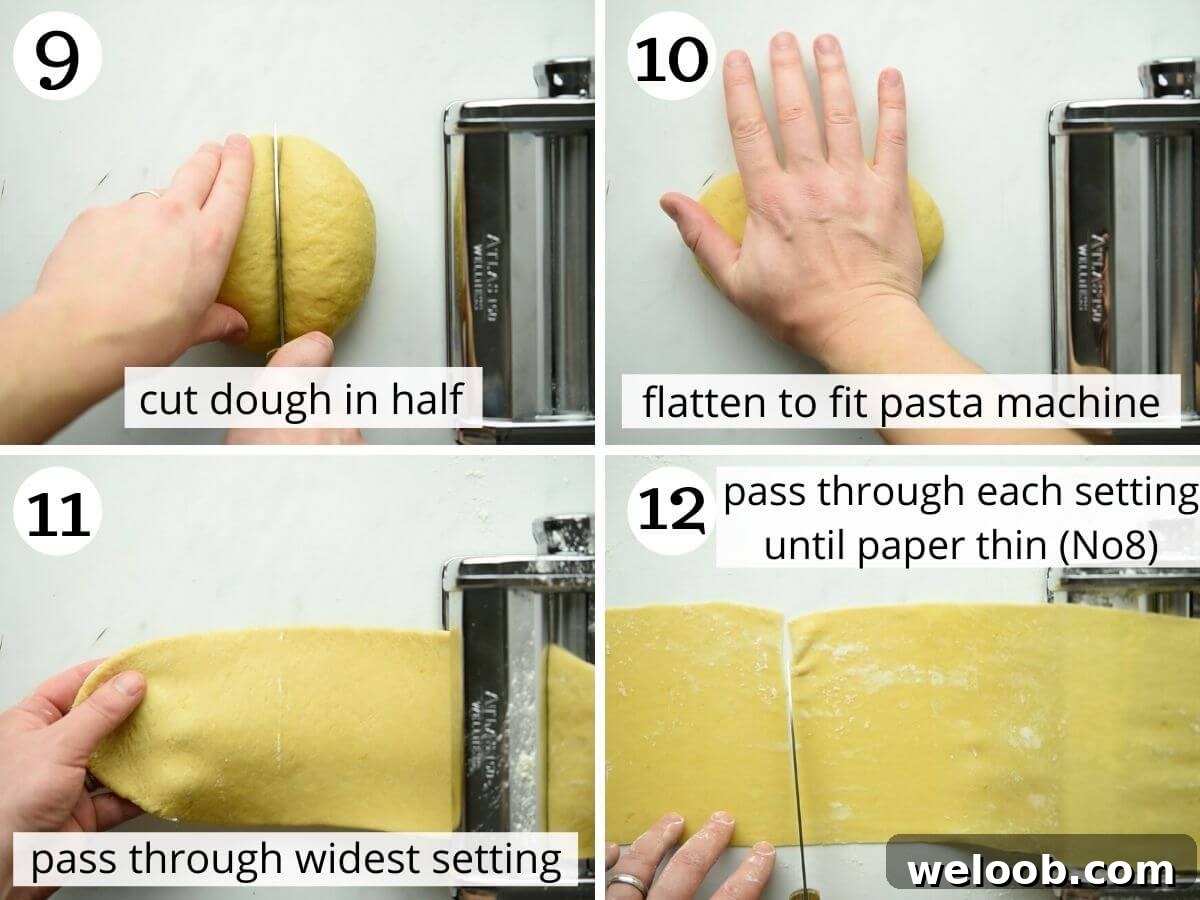
- Step 3: Divide dough and roll extremely thin, using a pasta machine or rolling pin, aiming for a paper-thin sheet.
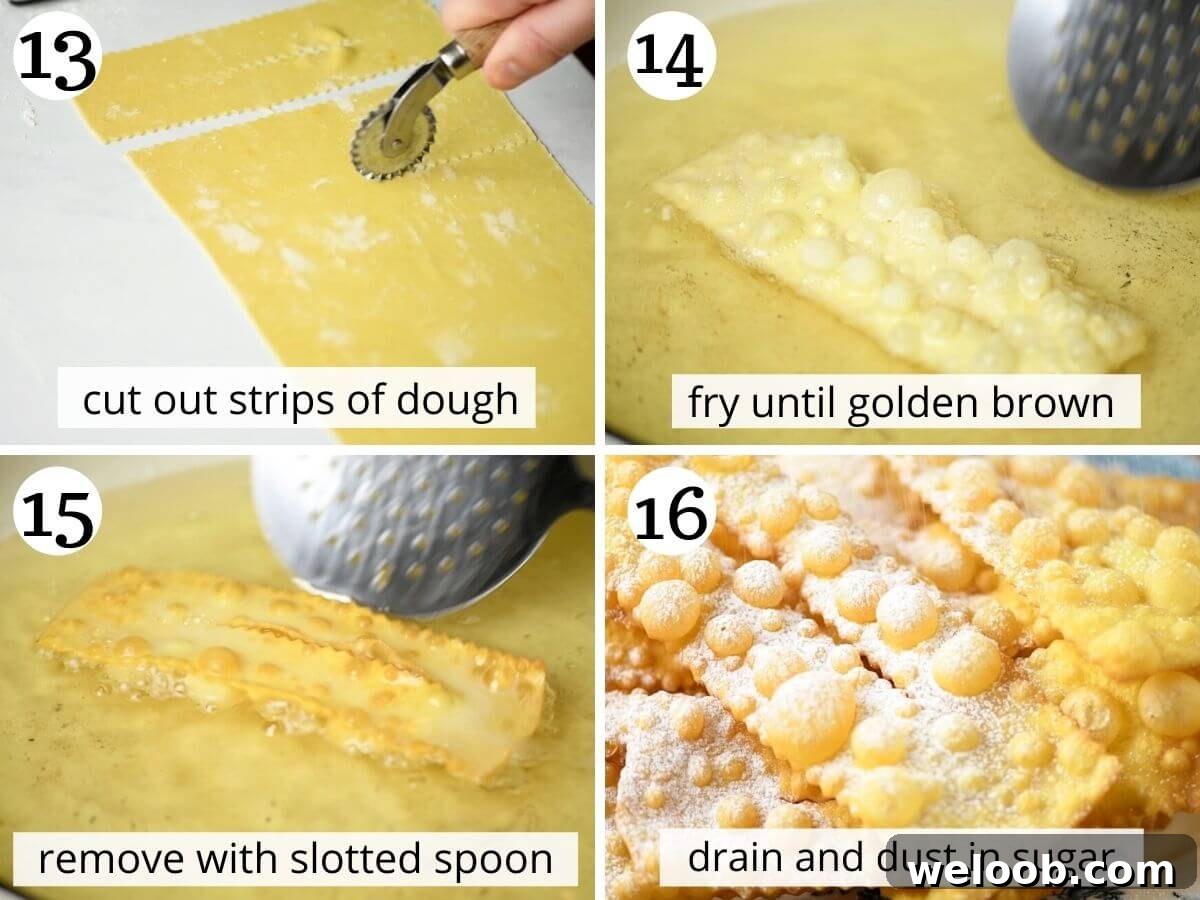
- Step 4: Cut into 2-inch ribbons, make a small slit in the center of each, then fry briefly until puffed and golden. Drain well and dust with powdered sugar.
Flavour options and serving suggestions
Adjust flavors according to taste: swap the liqueur, change the citrus zest or replace vanilla with a different extract to vary the profile.
- Alcohol options: Grappa, Vin Santo, Strega, Tuaca or Marsala all add distinct notes; white wine can be used if preferred.
- Citrus zest: Orange or lemon both pair beautifully with vanilla and sugar.
- Alternative extracts: Try almond, rum or orange extract instead of vanilla for a twist.
Serving suggestions
Traditionally Cenci are dusted with vanilla-flavored powdered sugar if available, otherwise use regular powdered sugar. In Emilia-Romagna they’re sometimes briefly brushed or drizzled with Alchermes liqueur, which gives a pink tint. For a modern touch you can drizzle melted chocolate or chocolate-hazelnut spread over a few pieces.
Top tips and FAQs
- Fry quickly: Cenci puff up and brown in seconds — when they start to bubble and rise, flip once and remove as soon as both sides are golden.
- Drain well: Drain on kitchen paper to keep them crisp and avoid excess oiliness.
- Keep dough covered: Roll one half at a time and keep the other wrapped to prevent drying. Use only a light dusting of flour when rolling.
- Safety: Use a heavy-based pot, never leave hot oil unattended and handle with care.
- Storage: Store cooled Cenci in a cool, dry place for 5–7 days; dust with powdered sugar just before serving.
Yes. A stand mixer fitted with a dough hook will handle the kneading efficiently.
A pasta machine makes it easier to achieve an ultra-thin sheet, but you can roll by hand with a rolling pin—just aim for the thinnest possible dough.
If using a thermometer, heat to about 180–190°C (350–375°F). Without a thermometer, test with a small piece of dough: it should float, be surrounded by steady bubbles and turn golden within a few seconds.
Stored in a cool, dry place, they keep well for about 5–7 days; they are best eaten within that window for optimal crispness.
What is Italian Carnevale and when is it celebrated?
Carnevale culminates on Fat Tuesday (Martedì Grasso), the day before Ash Wednesday and the start of Lent. Celebrations typically begin weeks earlier, featuring parades, music, masks, costumes and many fried sweets and desserts like Cenci.
More traditional Italian desserts to try
- Italian Easter Bread (Pane di Pasqua)
- Apple Crostata with Apricot Jam
- Struffoli – Italian Honey Balls
- Homemade Sicilian Cannoli (shells and filling)
- Bomboloni – Italian Doughnuts
If you try this Cenci recipe, rate it and leave a comment to share how it turned out. I enjoy hearing about your results and any variations you’ve tried.
Step By Step Photos Above
Most recipes include step-by-step photos, helpful tips and sometimes video.
Cenci di Carnevale (Italian fried pastries for carnival)
By Emily
Equipment
- Pasta machine or rolling pin
- Plastic wrap (cling film)
Ingredients
- 2 cups* Italian 00 flour (spooned and leveled, about 280g)
- 2 tablespoons caster (superfine) sugar (30g)
- 1 teaspoon baking soda (bicarbonate of soda)
- Zest of 1 orange or lemon
- 2 tablespoons butter, at room temperature (30g)
- 2 large eggs
- 1 teaspoon vanilla extract
- 1 tablespoon Italian liqueur (Marsala, Tuaca, Strega, Grappa or Vin Santo)
- 1/2 teaspoon fine salt
- 1–2 tablespoons powdered sugar for dusting
- Sunflower oil for frying
Instructions
To make the dough
- Combine flour, sugar, baking soda, salt and citrus zest in a bowl. Work the butter into the dry ingredients until the mixture resembles coarse breadcrumbs. Make a well in the center.
- Whisk eggs, vanilla and liqueur together in a small bowl, then pour into the well and mix with a fork until a rough dough forms.
- Knead the dough on a lightly floured surface for 5–10 minutes until smooth and elastic. Wrap in plastic and rest for 30 minutes.
Rolling out
- Cut the rested dough in half, keep one half wrapped. Flatten the other half so it will pass through the widest setting of a pasta machine.
- Lightly flour the work surface and machine. Feed the dough through the widest setting, then gradually reduce thickness a setting at a time until almost paper-thin. If using a rolling pin, roll as thin as possible.
- Cut into 2-inch strips and make a small slit in the center of each strip without cutting to the edges. You can also cut rustic shapes if you prefer.
Frying
- Heat sunflower oil in a heavy-based pan to about 180–190°C (350–375°F) or until a small piece of dough bubbles and browns in a few seconds.
- Fry Cenci in batches for a few seconds per side until golden and bubbly. Remove and drain on kitchen paper.
- Once cooled slightly, arrange on a plate and dust generously with powdered sugar before serving.
Notes
- Measuring flour: If using cups, spoon the flour into the cup and level it for accuracy. A kitchen scale gives the best results.
- Drain on towels: Drain on kitchen paper to keep pastries crisp and not greasy.
- Keep dough covered: Work one half at a time and keep the remainder wrapped to avoid drying out. Use minimal flour while rolling.
- Frying safety: Always exercise caution when frying and never leave hot oil unattended.
- Storage: Store in a cool, dry place for up to 5–7 days.
Nutrition
Carbohydrates: 8 g |
Protein: 1 g |
Fat: 7 g
Nutrition information is automatically calculated and should be used as an approximation.
Did you try this recipe?
Leave a comment below!