
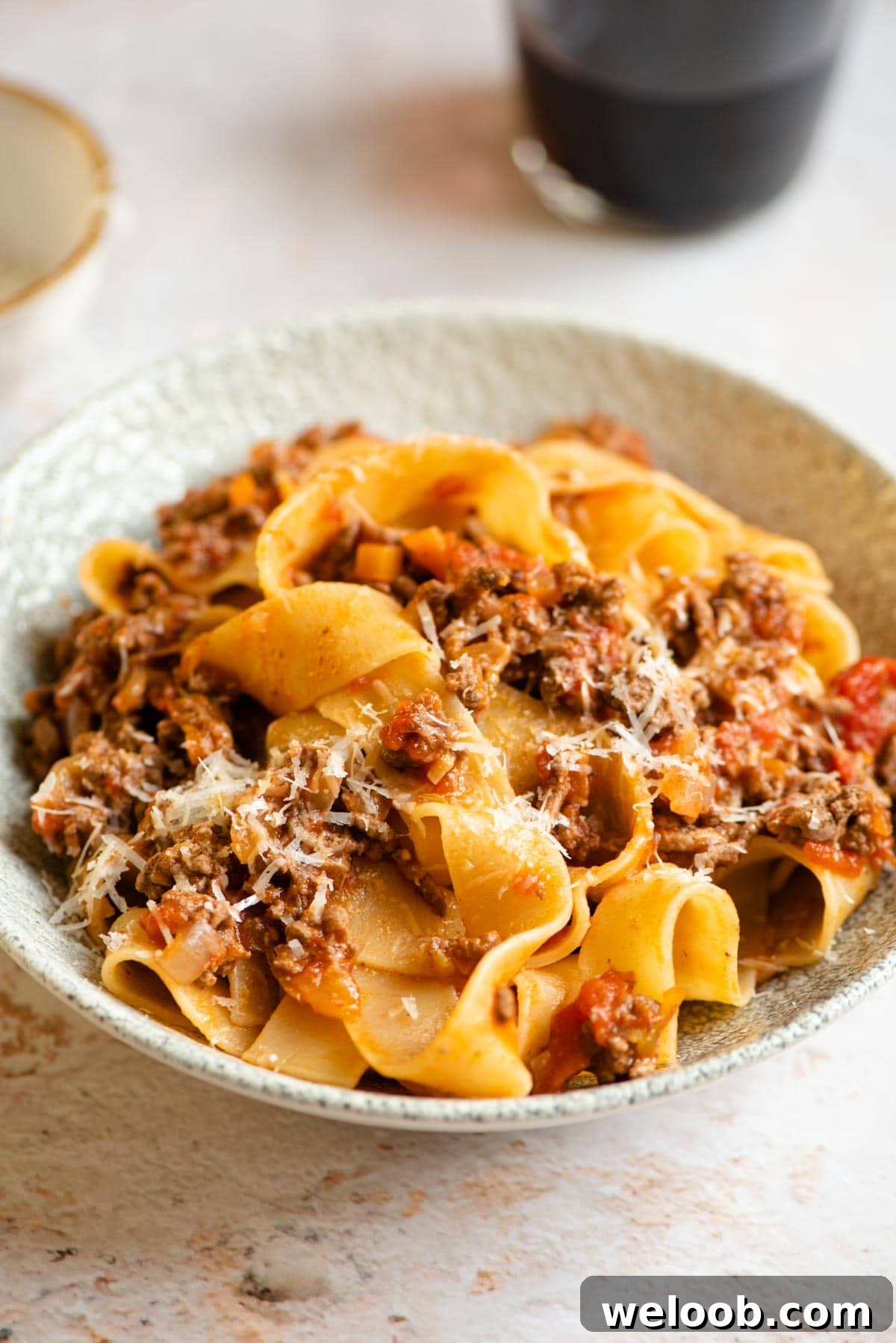
Make an outstanding Italian Lamb Ragu (Ragu di Agnello) with vegetables, red wine and fresh rosemary. This rich, slow-simmered sauce is easy to prepare and ideal for a relaxed family meal. Serve it tossed with pappardelle or folded into lasagna, and finish with shavings of Pecorino and plenty of crusty bread to mop up the sauce (fare la scarpetta!).
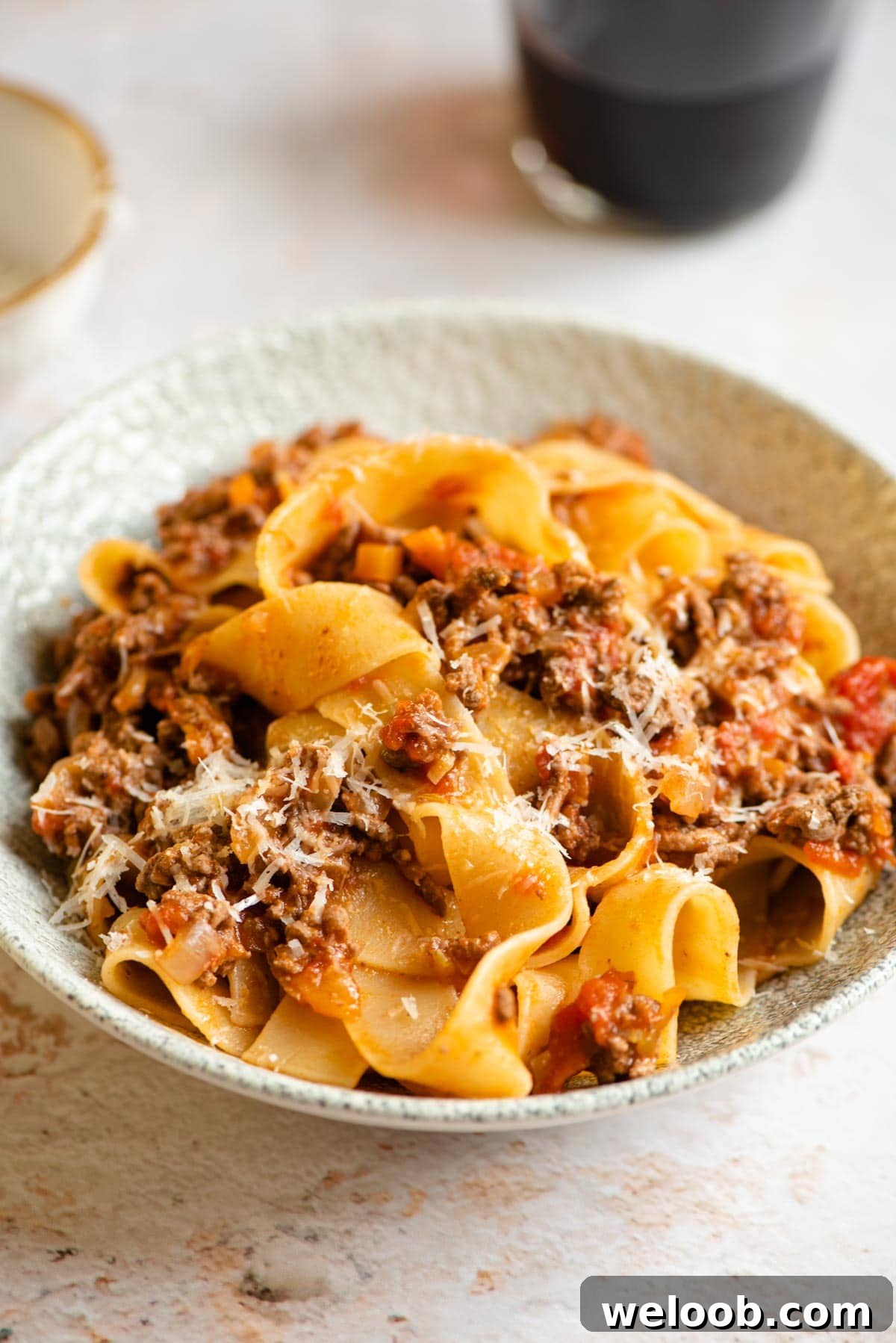
Lamb ragu is comfort food at its best—perfect for Easter, spring gatherings, or a comforting weekend dinner. The sauce develops deep, layered flavour from a base of soffritto, garlic, red wine, canned tomatoes and fresh rosemary, then cooks low and slow until silky and concentrated.
Use high-quality canned plum tomatoes or passata, a dry red wine to build depth, and fresh rosemary sprigs (avoid dried) for the best result. If you prefer, use lamb shoulder cut into small pieces instead of ground lamb; it will fall apart as it cooks and still make a delicious ragu.
Ingredients – what you need
Below are the main ingredients and essential notes to ensure success.
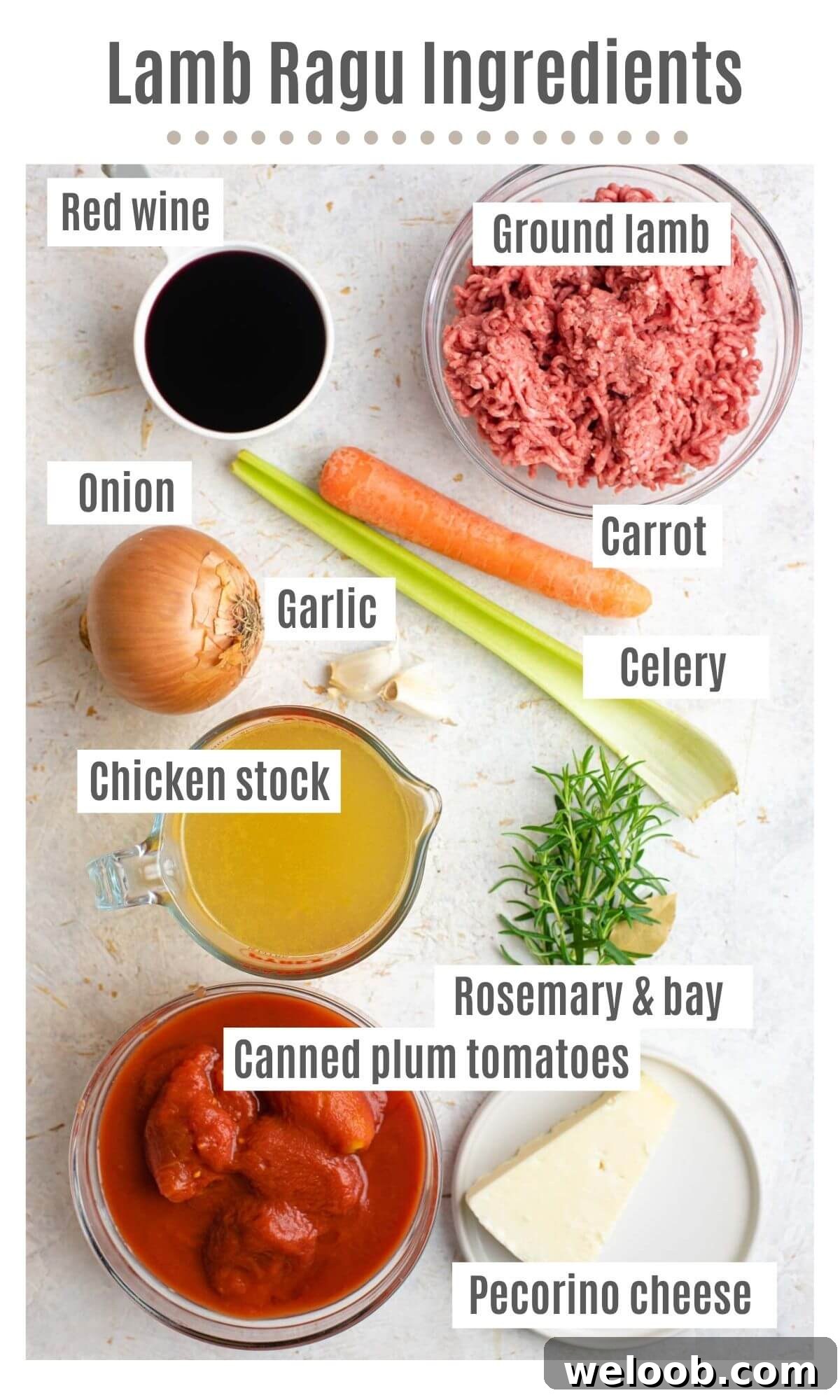
- Carrot, celery & onion (soffritto) – finely chopped and gently sautéed until soft; don’t brown them.
- Garlic – adds aromatic depth and complements the lamb in this dish.
- Lamb – ground lamb with about 20% fat is ideal. Alternatively, use diced lamb shoulder; it will break down during cooking.
- Tomatoes – high-quality canned whole plum tomatoes, chopped or broken up with a spoon; passata works too.
- Chicken stock – use low-sodium if possible to control seasoning.
- Red wine – a dry red adds richness; white wine can be used if preferred.
- Rosemary and bay leaf – use fresh rosemary sprigs for best flavour.
- Salt & pepper – season gradually and taste at the end to adjust.
Add 1–2 tbsp olive oil to a Dutch oven or large pan over medium heat and brown the lamb. Drain any excess fat and set the meat aside in a bowl.
Add another 1–2 tbsp olive oil to the same pan and gently sauté the finely chopped carrot, celery and onion until soft but not browned, about 10 minutes.
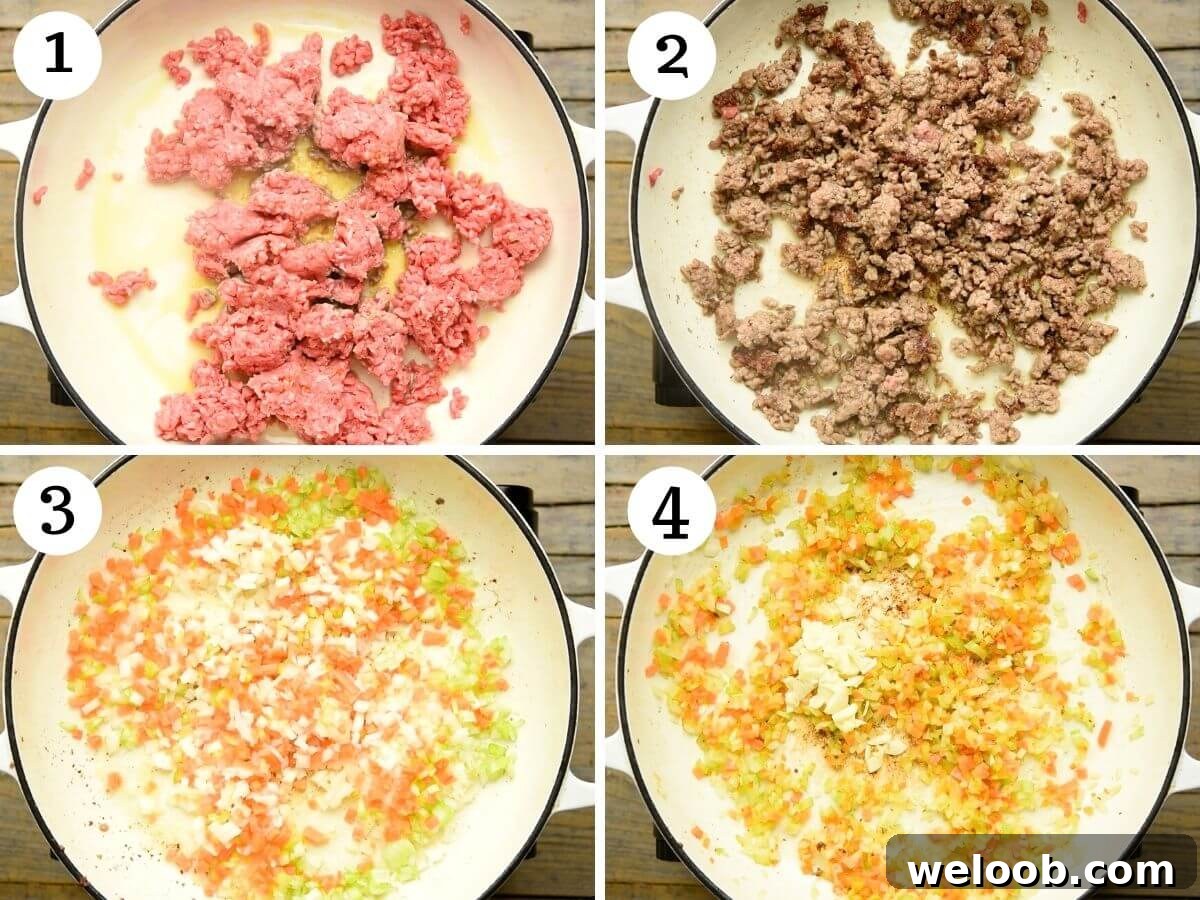
When the vegetables are tender, add the chopped garlic and cook until fragrant. Return the lamb to the pan, stir to combine, then pour in the red wine. Let the wine reduce by half to concentrate the flavour.
Once the wine is reduced, add the stock and canned tomatoes. Break the tomatoes up with your spoon and stir together. Add the rosemary sprigs, bay leaf and a good pinch of salt and pepper.
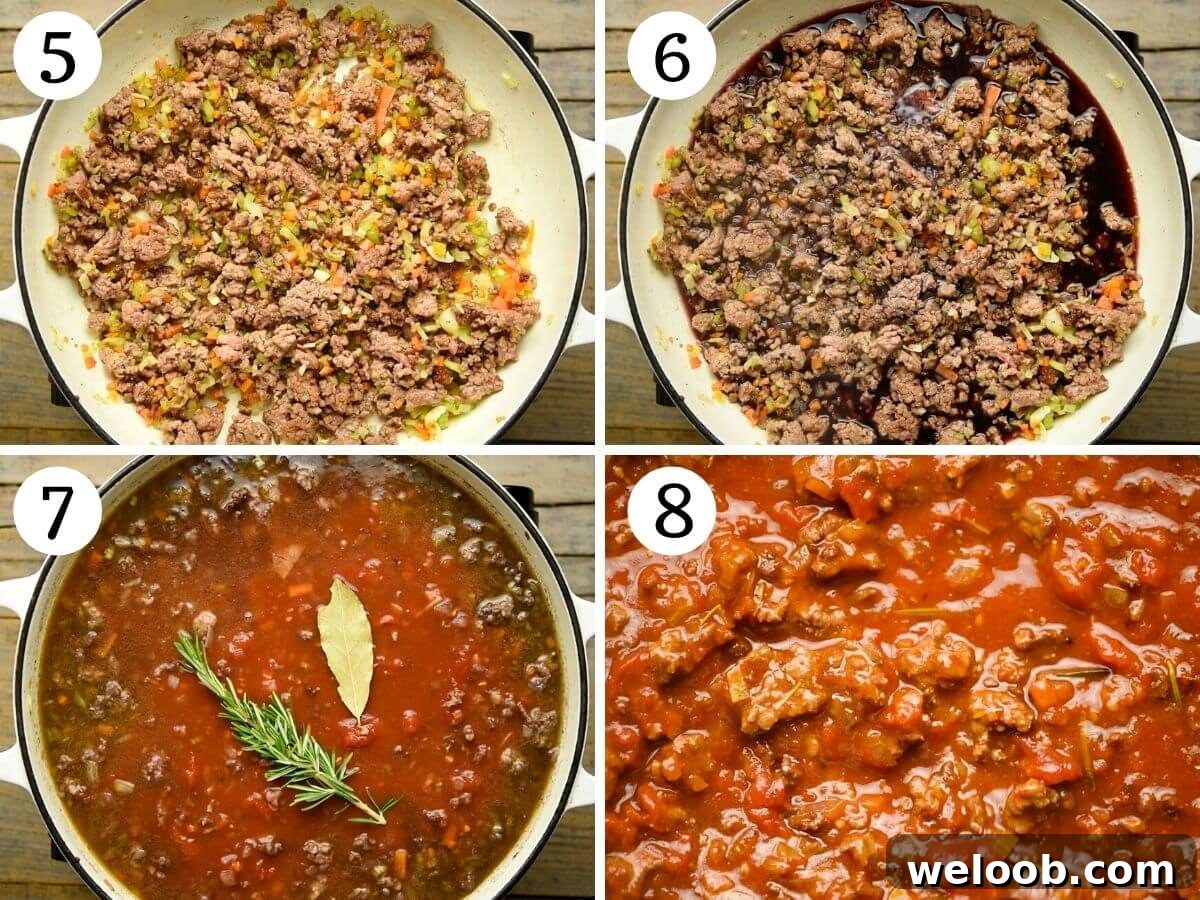
Bring the sauce to a gentle simmer and cook uncovered on medium-low for about 3 hours, stirring occasionally. If the ragu thickens too much during cooking, add a little extra stock or water to maintain a loose, saucy consistency.
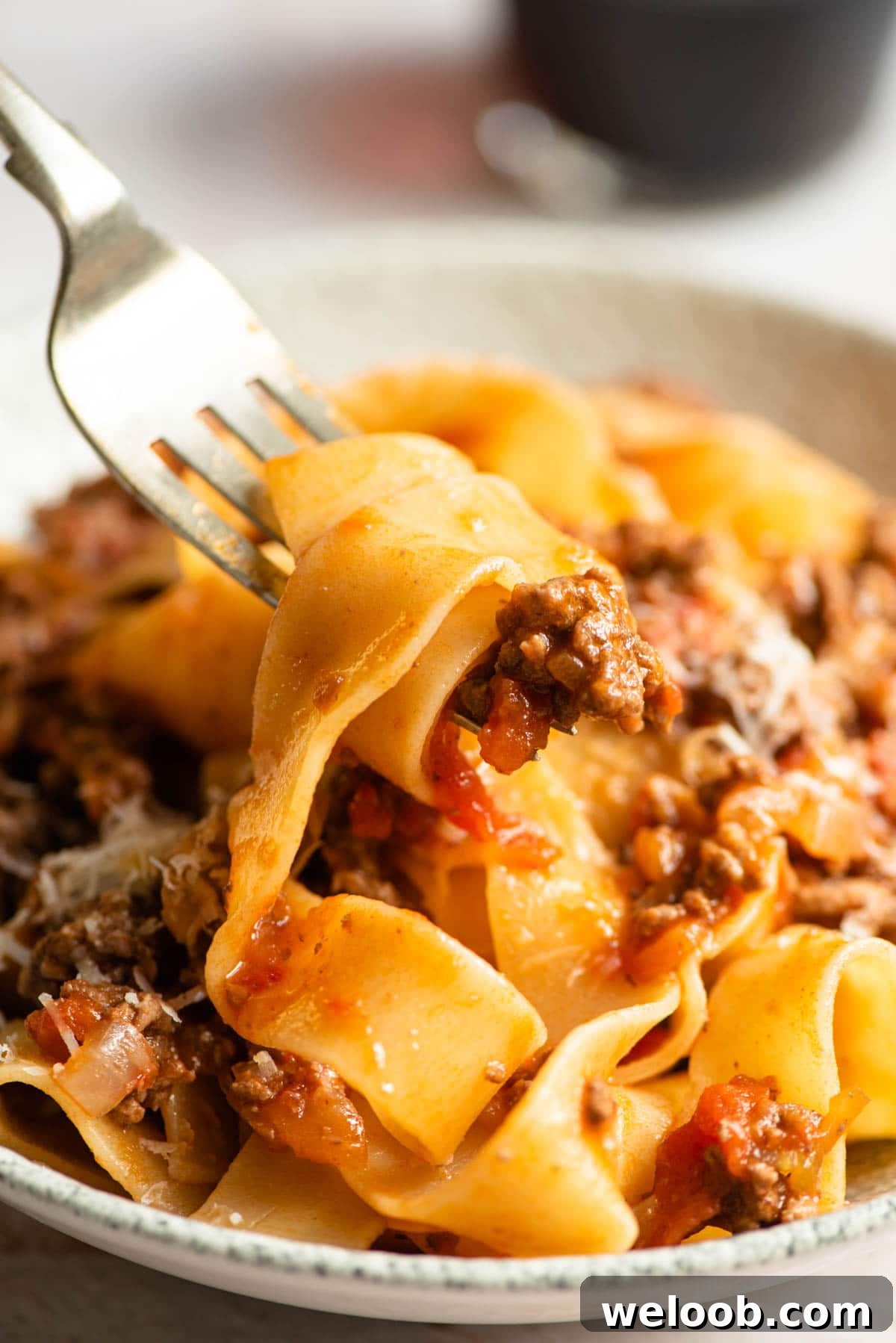
When the ragu is ready, taste and adjust the seasoning. Cook your pasta in a large pot of well-salted boiling water until al dente, keeping the ragu warm. Drain the pasta and add it directly to the sauce, tossing so the noodles are fully coated.
Serve in warmed bowls with a generous grating of Pecorino cheese and crusty bread on the side.
Recipe tips and FAQs
- Drain the fat – after browning the lamb, remove excess fat so the ragu isn’t greasy.
- Add stock if needed – if the sauce reduces too quickly, top up with a little stock to keep it saucy.
- Best pasta – pappardelle is ideal, but tagliatelle, rigatoni or gnocchi also work well.
- Make lasagna – this ragu makes a fantastic filling for lasagna; use it in place of a beef ragu.
- Pecorino cheese – grate Pecorino over the served ragu for a sharper, saltier finish than Parmesan.
Yes. The ragu improves after resting and will keep well in the refrigerator for 3–4 days.
Yes. Freeze in airtight containers for up to 3 months. Thaw completely before reheating.
More Italian ragu recipes
- Italian Beef Ragu
- Authentic Bolognese Sauce (Ragu alla Bolognese)
- Vegetable Ragu with Pappardelle
- Venetian Duck Ragu with Pappardelle
If you try this Lamb Ragu, please rate the recipe and share how it went in the comments; feedback is always appreciated.
Step By Step Photos Above
Most recipes include step-by-step photos and helpful tips to get it right first time.
Lamb Ragu
By Emily
Ingredients
- 1 carrot
- 1 celery stalk
- 1 onion
- 2 cloves garlic
- 1 lb (500g) ground lamb
- 1 cup (240ml) red wine
- 28 oz (800g) canned whole plum tomatoes
- 2 cups (500ml) chicken stock
- 2–3 rosemary sprigs
- 1 bay leaf
- 3–4 tbsp olive oil
- Salt and pepper
For serving (optional)
- 500g (about 1.1 lbs) pappardelle or pasta of choice
- Pecorino cheese, grated
Instructions
- Heat 1–2 tbsp olive oil in a Dutch oven or large pan. Brown the lamb, then drain excess fat and transfer the meat to a bowl.
- Add another 1–2 tbsp olive oil to the pan and sauté the finely chopped carrot, celery and onion slowly until soft but not browned (about 10 minutes).
- Add the chopped garlic and cook until fragrant. Return the lamb to the pan and stir to combine. Pour in the red wine and reduce by half.
- Add the stock and canned tomatoes, breaking the tomatoes up with a spoon. Add rosemary, bay leaf and a pinch of salt and pepper.
- Simmer the ragu uncovered on medium-low for about 3 hours, stirring occasionally. If it becomes too thick, add a little water or stock.
- Taste and adjust seasoning. Cook pasta in salted boiling water until al dente and keep the ragu warm.
- Drain the pasta and toss it with the ragu until well coated. Serve topped with grated Pecorino.
Notes
- Drain the fat: removing excess fat after browning keeps the ragu from becoming greasy.
- Add more stock if needed: maintain a saucy texture by topping up with stock when the ragu reduces too quickly.
- Serve with: pappardelle is recommended; gnocchi or other wide pasta shapes also work well.
- Use in lasagna: swap this lamb ragu into your favourite lasagna recipe for a hearty variation.
- Storage: refrigerate for 3–4 days or freeze up to 3 months; thaw completely before reheating.
Helpful Info for All Recipes
- Extra virgin olive oil is used throughout unless stated otherwise.
- When using canned tomatoes, choose good-quality brands for best flavour.
- Vegetable sizes are assumed medium unless noted.
- Recipes are tested using a fan (convection) oven where applicable.
Nutrition
Carbohydrates: 16 g |
Protein: 23 g |
Fat: 38 g |
Saturated Fat: 13 g
Nutrition information is automatically calculated and should be used as an approximation.
Did you try this recipe?
Leave a comment below!