
Natural vs Dutch-Processed Cocoa Powder: Which to Use?
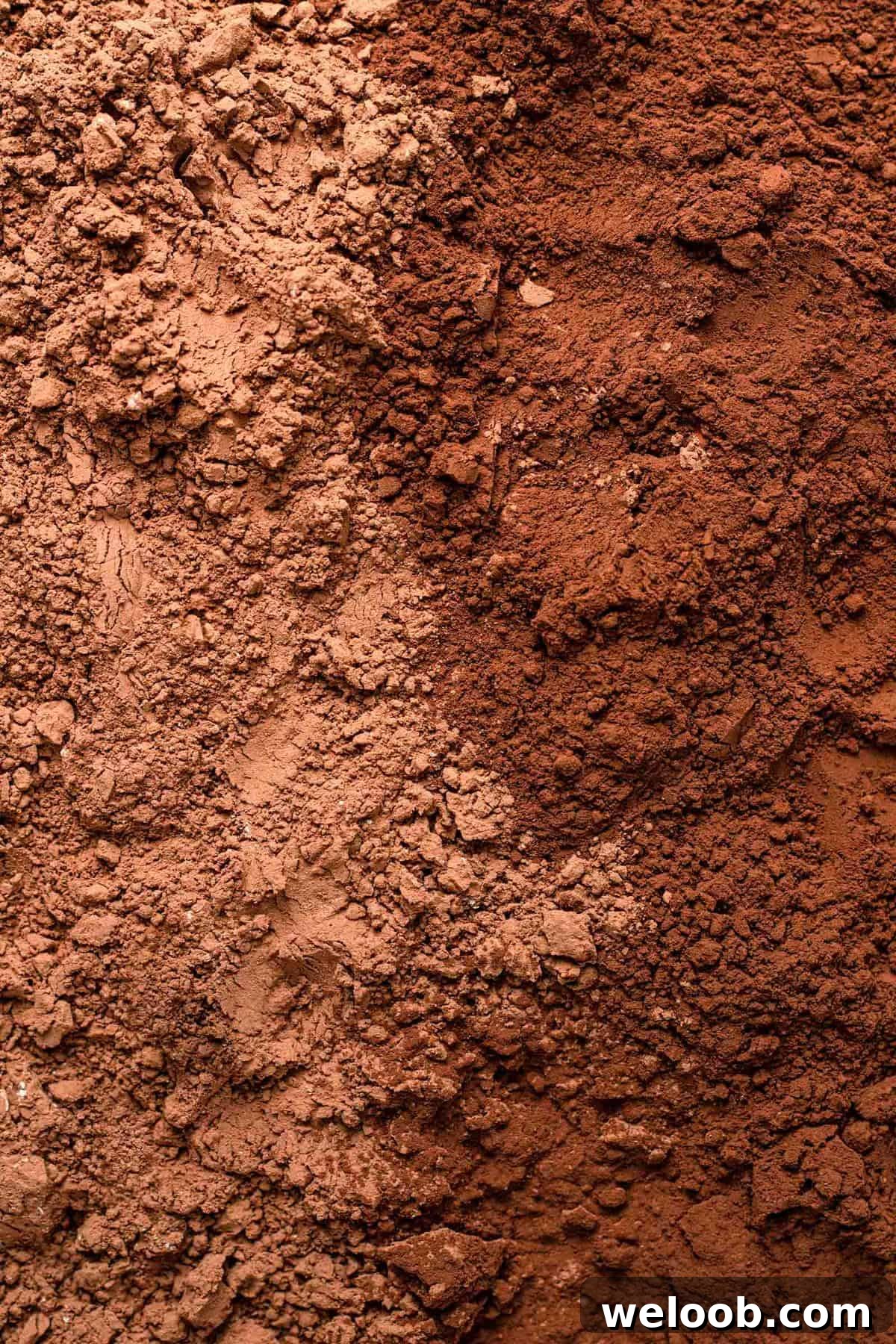
You’ve probably seen the terms “natural cocoa powder” and “Dutch-process cocoa powder” while baking and wondered which to use. This guide explains the differences, how each affects baking, and how to substitute one for the other.
Both natural and Dutch-process powders are forms of cocoa powder, but they differ in processing, acidity, color, flavor, and how they interact with leavening agents. Understanding those differences will help you choose the best powder for cookies, cakes, brownies, and other chocolate recipes.
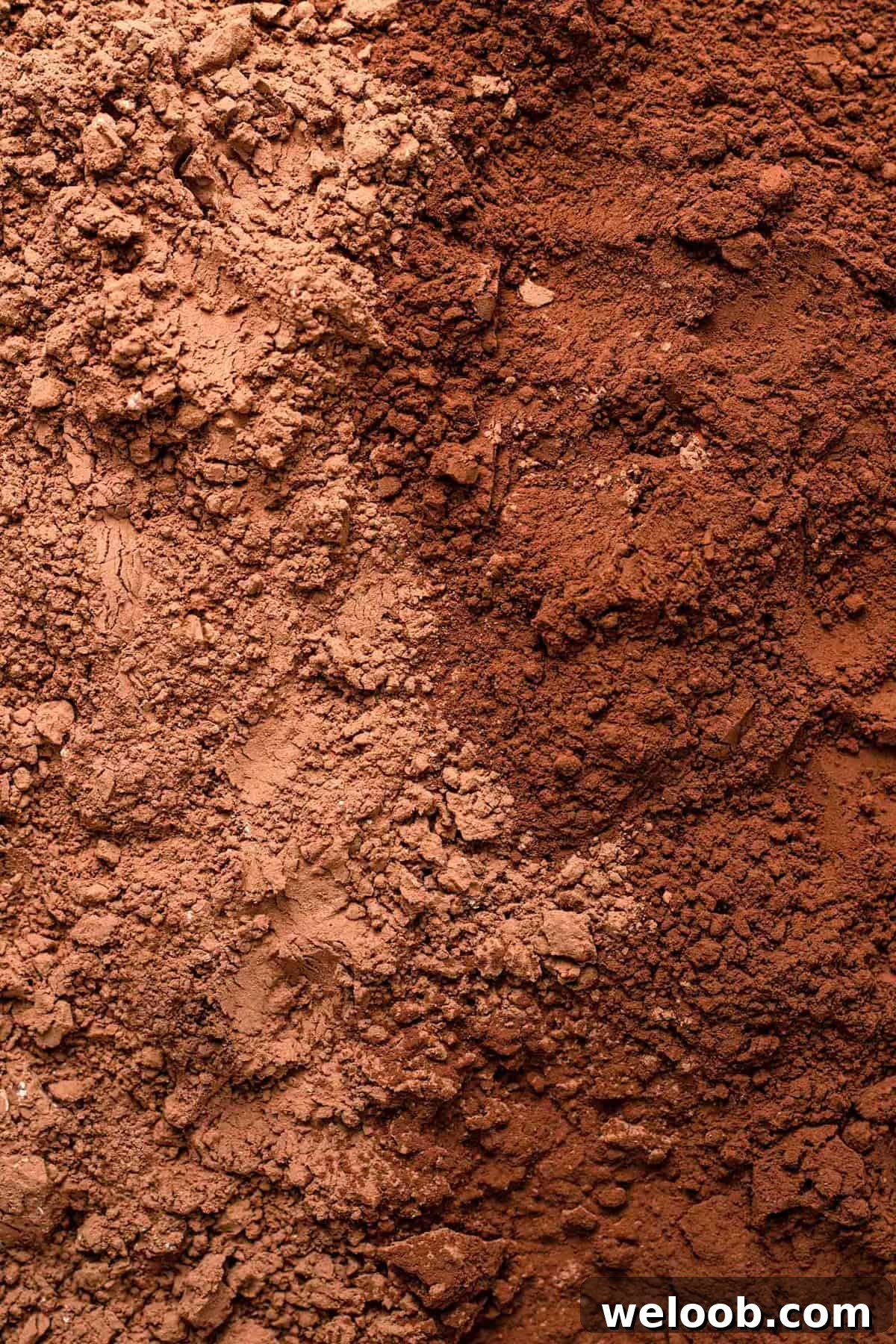
Cacao vs. Cocoa
Terminology can be confusing: “cacao” is commonly used for the raw, unroasted beans or minimally processed products, while “cocoa” often refers to roasted beans and the products derived from them. Both terms are used in different contexts, but for baking purposes most powdered products on store shelves are labeled as cocoa.
What Is Cocoa Powder?
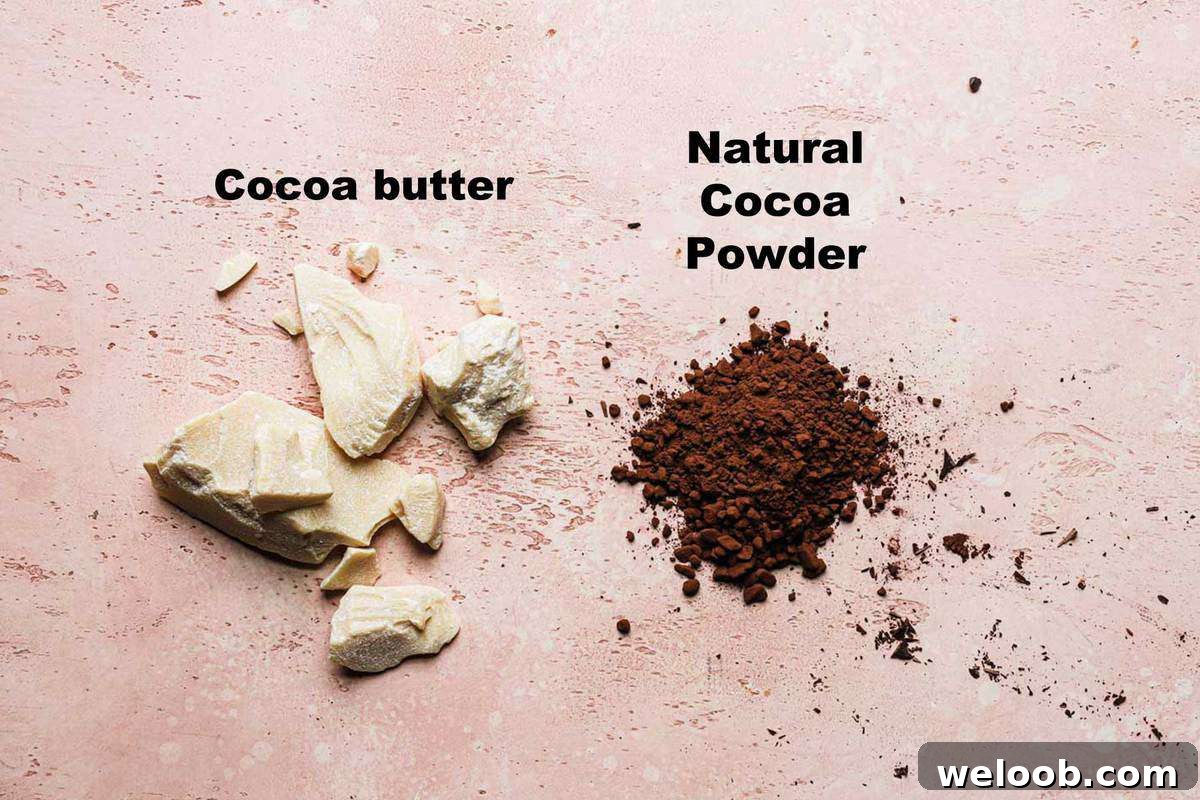
Cocoa powder is made by fermenting and roasting cacao beans, then pressing them to remove most of the cocoa butter. The pressed solids are ground into a powder. That unsweetened powder is the basis for several cocoa powder varieties, including natural and Dutch-process (alkalized) cocoa.
Manufacturers use the pressed chocolate liquor in two main ways:
- Make chocolate products: Sweetened chocolates such as semi-sweet, dark, and milk chocolate are produced by reintroducing fat and sweeteners to chocolate liquor.
- Separate solids and fat: By removing cocoa butter and grinding the remaining solids, producers create unsweetened cocoa powder. That natural powder can then be further processed (alkalized) to produce Dutch-process and other specialty powders.
What Is Dutch-Process Cocoa Powder?
Dutch-process cocoa, sometimes labeled as “alkalized cocoa” or “processed with alkali,” is treated with an alkaline solution to raise its pH. This reduces acidity, mellows astringent bitter notes, and changes the powder’s color—ranging from light brown to very dark brown or nearly black. The higher the pH, the darker and smoother the flavor tends to be.
How Dutch and Natural Cocoa Differ in Baking
You can often substitute one for the other with minor recipe adjustments, but their acidity and flavor differences affect texture, leavening reactions, and color:
- Texture: Natural cocoa is acidic and can react with baking soda to tenderize and help batters set more quickly, often producing lighter, more tender crumb. Dutch-process cocoa is less acidic, which can yield slightly denser, richer baked goods.
- Flavor: Dutch-process cocoa typically tastes smoother and less sharp than natural cocoa. Natural cocoa’s acidity can help balance sweetness, which may make desserts taste brighter or more pronounced when sugar is increased.
- Color: Alkalized cocoa is darker. If appearance matters—such as for dark chocolate cakes or dramatic cookies—Dutch-process or specialty black cocoa will deliver deeper color.
A note about “premium” cocoa: that label usually refers to a higher fat content (often around 20–22%), not whether it is natural or alkalized.
A quick example: double chocolate muffins

- Color: Muffins made with natural cocoa are lighter; those made with Dutch-process cocoa are noticeably darker.
- Texture: The Dutch-process version may need an extra minute or two of baking and can spread slightly more, while natural cocoa often sets faster and remains a bit more compact.
- Flavor: Natural cocoa’s acidity can balance sweetness and make chocolate notes feel brighter, whereas Dutch-process tends to taste rounder and smoother.
Choose the powder that best matches the texture, flavor, and appearance you want for recipes like brownies, chocolate cakes, cookies, or muffins.
Substituting Cocoa Powders
When substituting, check whether the recipe relies on baking soda (which requires an acid) or baking powder (self-contained). Here are practical rules:
- If a recipe uses only baking powder or no leavening at all, you can generally swap natural and Dutch-process cocoa without changing leavening.
- If a recipe calls for baking soda and natural cocoa, the powder is already acidic and will react with the soda. If replacing natural cocoa with Dutch-process, add an acid (for example, use buttermilk instead of regular milk, or add a small amount of vinegar) or replace baking soda with baking powder.
- If a recipe calls for baking soda and uses Dutch-process cocoa, ensure another acidic ingredient is present to activate the soda. If not, add about 1/8 teaspoon of baking soda per 3 tablespoons of natural cocoa to restore leavening—or switch to natural cocoa to preserve the original chemistry.
When the Recipe Doesn’t Specify
If the recipe doesn’t name the cocoa type, you can use either. Think about desired color, flavor, and texture: choose natural cocoa for brighter chocolate flavor and lighter color, or Dutch-process for a smoother taste and darker appearance.
How to Tell If Cocoa Is Dutched
Check the package ingredients. If it says “processed with alkali” or “alkalized,” the powder has been Dutch-processed.
Other Cocoa Powder Types
You may encounter specialty powders:
- Black cocoa: Deeply alkalized and nearly black in color; excellent for dramatic dark baked goods.
- Triple cocoa blends: Mixtures of natural, Dutch-process, and black cocoa created to balance color and flavor.
Where to Buy and How to Store
Most grocery and specialty stores stock both natural and Dutch-process cocoa powders. Store cocoa powder in an airtight container in a cool, dark pantry to preserve flavor and prevent clumping.
Further Reading
If you want to learn more about working with chocolate—temperatures, ganache, or different chocolate types—look for reliable baking resources and guides that cover chocolate science and technique.
Feedback
If you try a recipe using either natural or Dutch-process cocoa, consider leaving a rating or comment on the recipe source. Hands-on experience is the best way to decide which cocoa works for your favorite baked goods.