
How to Make Brioche Bread: Soft, Buttery Loaf
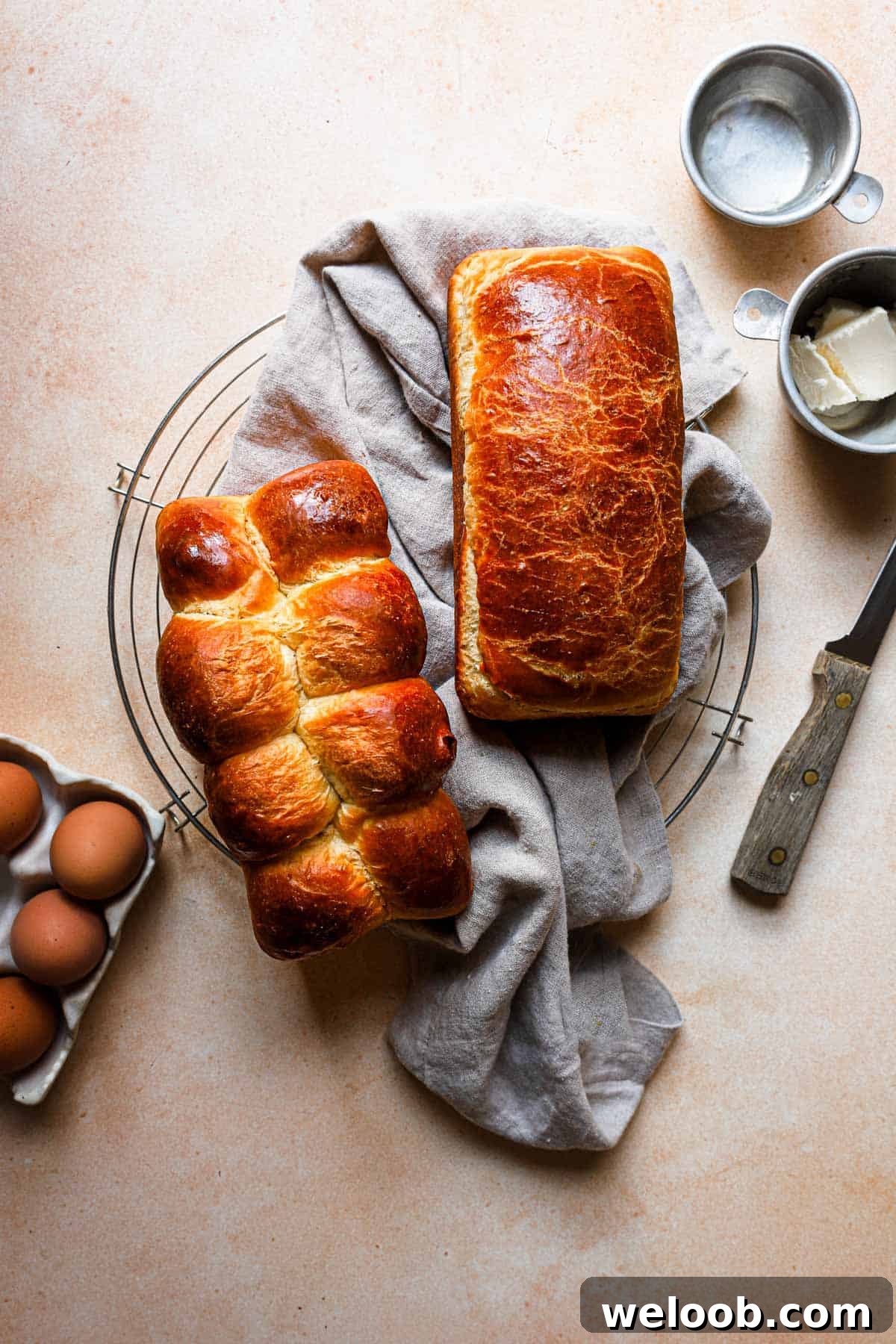
Homemade brioche is a soft, buttery bread that’s surprisingly approachable despite its reputation as a classic of French baking. This versatile dough shines in sandwich loaves and French toast, and it also forms the base for many pastries such as cinnamon brioche rolls, challah-style loaves, and enriched buns.
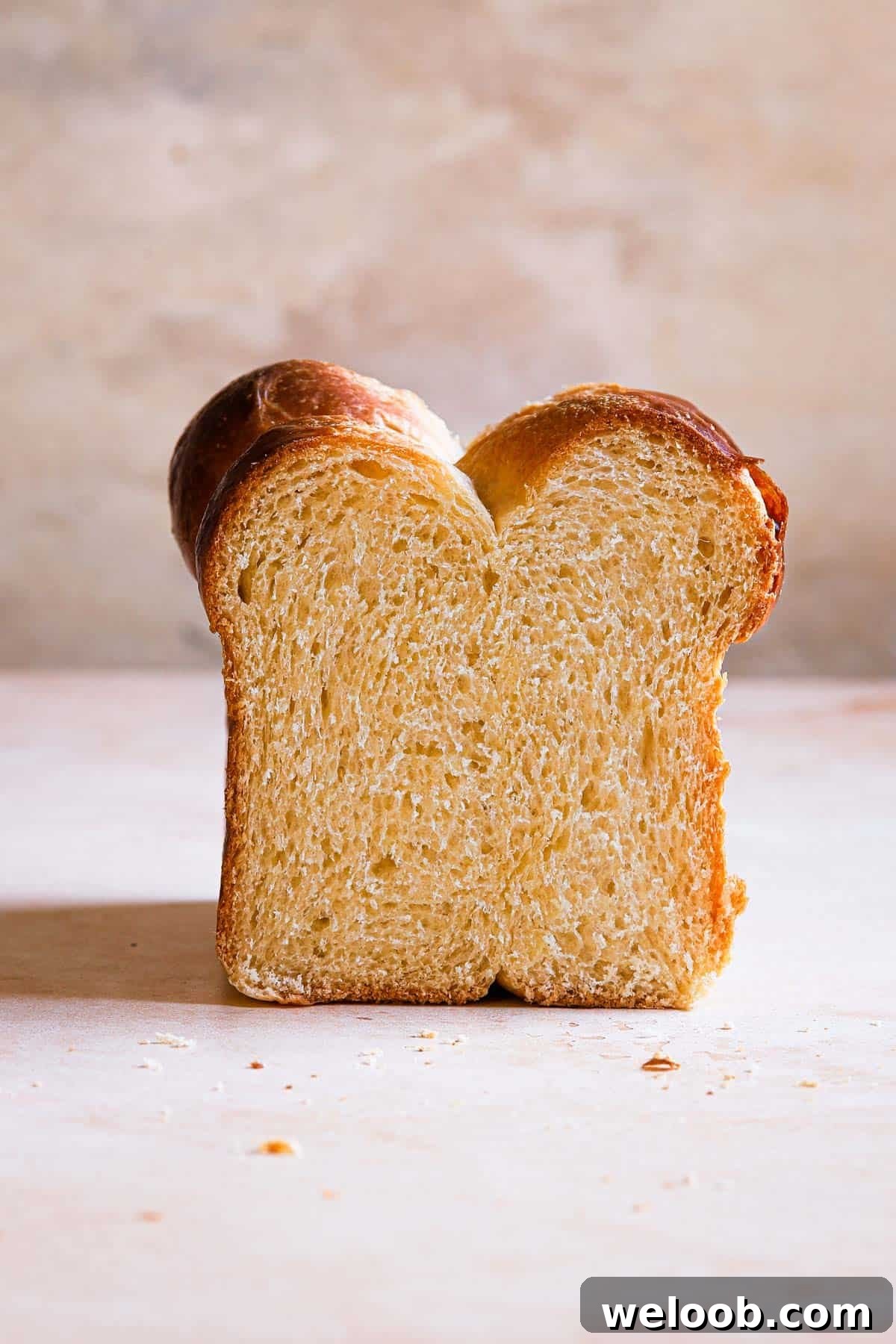
Brioche sits somewhere between bread and cake: it gains structure from flour and gluten development, while butter gives it tenderness and richness. Because fat can hinder gluten formation, butter is added after the initial gluten has developed. That sequence lets the dough build strength first, and then the butter coats the gluten without preventing it from forming a strong, elastic network.
The Three Key Stages of Brioche
The full recipe is included below in the recipe card. The sections that follow give step-by-step guidance and visual cues, plus practical tips collected while developing this reliable brioche method.
Step One: Prep
Prep is essential. Make sure eggs and butter are at room temperature so they incorporate smoothly, and use a kitchen scale for accurate measurements. Important ingredient notes:
- Flour — A mix of unbleached all-purpose and bread flour works best. Bread flour adds extra gluten and elasticity; if you only have all-purpose, that will work too. Avoid bleached all-purpose or cake flour.
- Instant yeast — This recipe is written for instant yeast, which does not need to be dissolved first. If you must use active dry yeast or fresh yeast, see the recipe notes below for conversions and adjustments.
- Cold water — Using cold water keeps dough temperature lower during mixing and prevents the yeast from becoming overstressed by friction heat during kneading.
- Unsalted butter — Salt affects gluten development in addition to flavor. Using unsalted butter lets you control how much salt goes into the dough for consistent texture and taste.
Step Two: Make the Base Dough
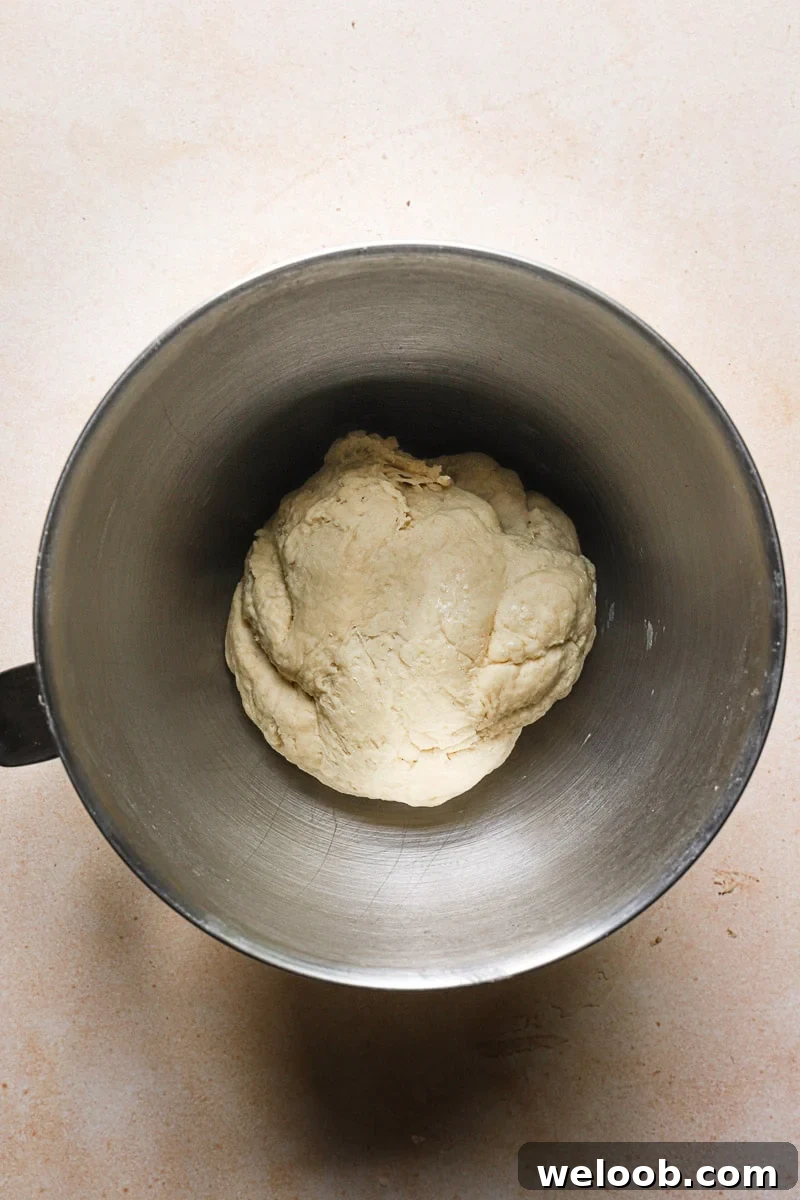
At this point you combine everything except the butter to create a rough, dense dough and begin building the gluten network. Don’t overmix here — if the dough becomes too tight it will be harder to incorporate the butter later.
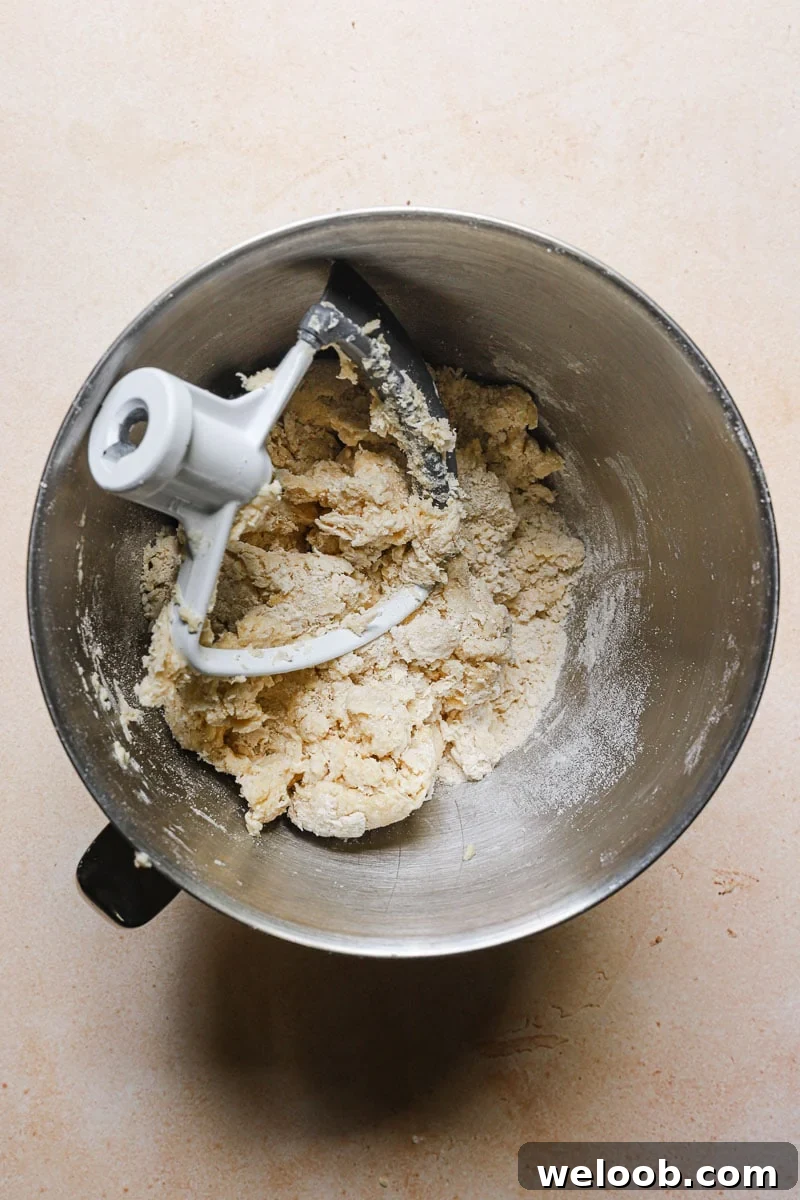
- Begin with the paddle attachment to mix into a shaggy mass; once the flour is hydrated, switch to the dough hook.
- Mix on low speed for about 1–3 minutes until the dough looks dry and dense, similar to a smooth cookie dough.
Step Three: Add the Butter
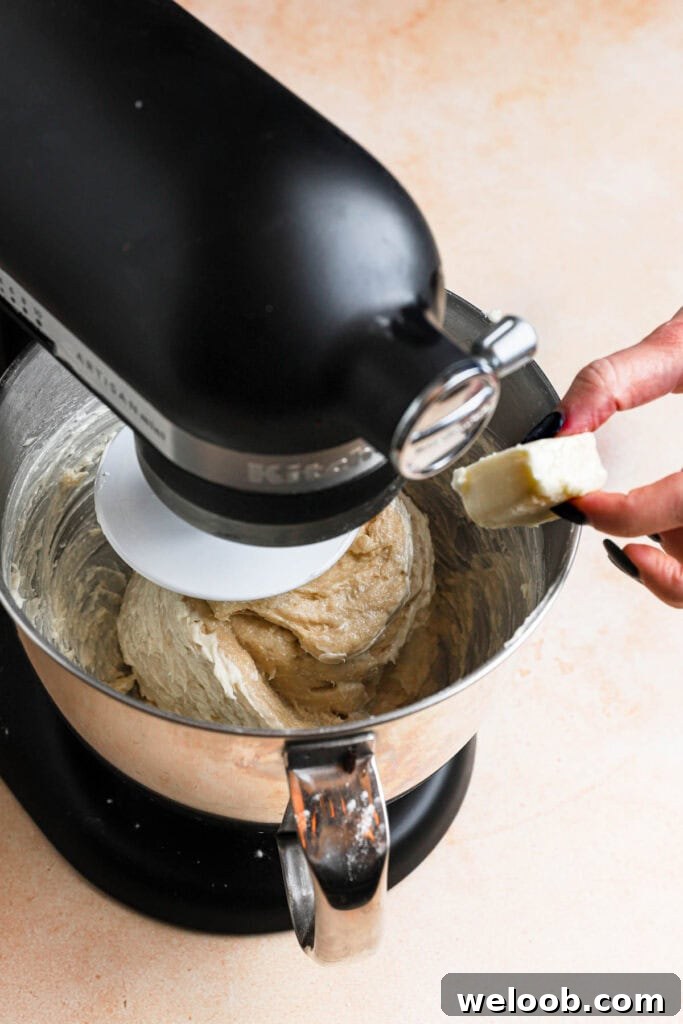
- With the mixer on medium-low, add cubed butter one small piece at a time. Wait until each piece is mostly incorporated before adding the next. Slow, steady additions allow the dough to both strengthen and properly coat with butter.
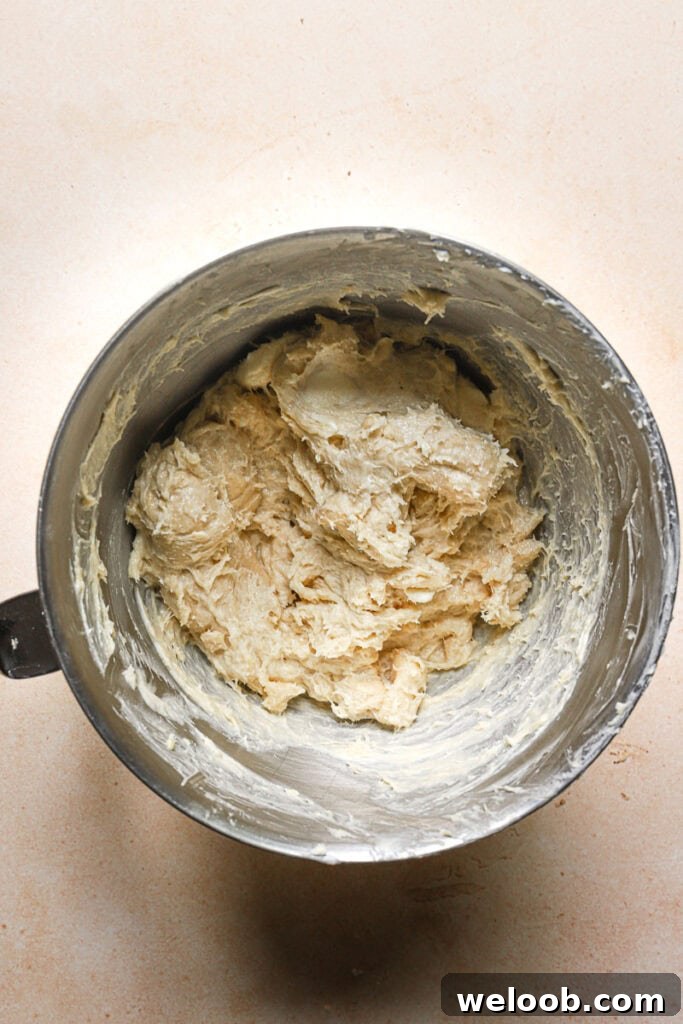
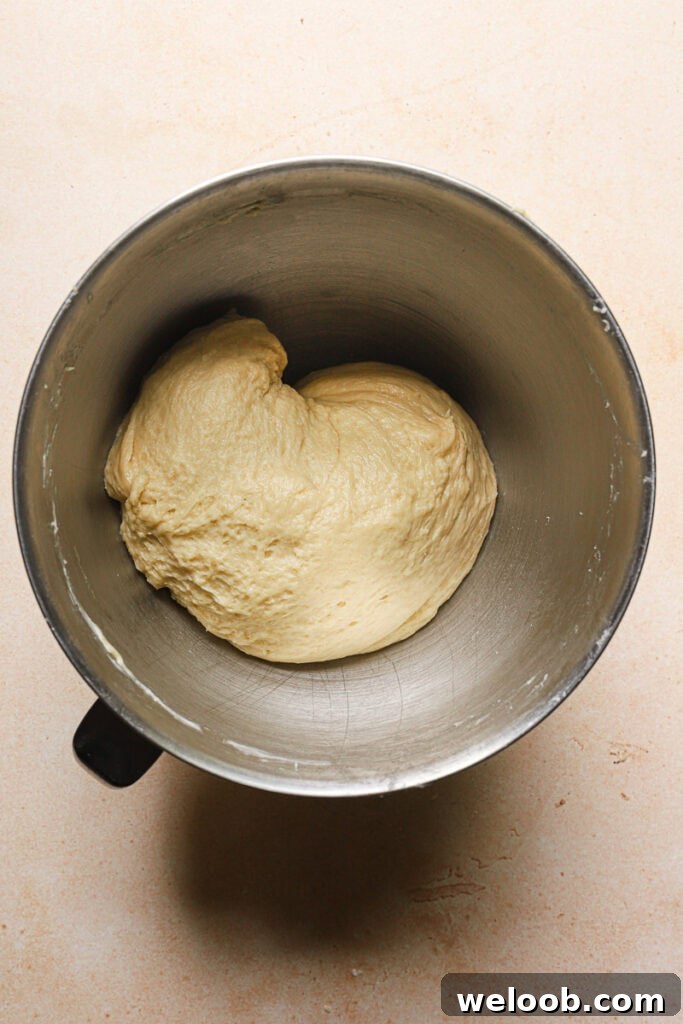
- After all the butter is added, continue mixing. The dough will transform — from sticky and greasy to smooth, elastic, and soft.
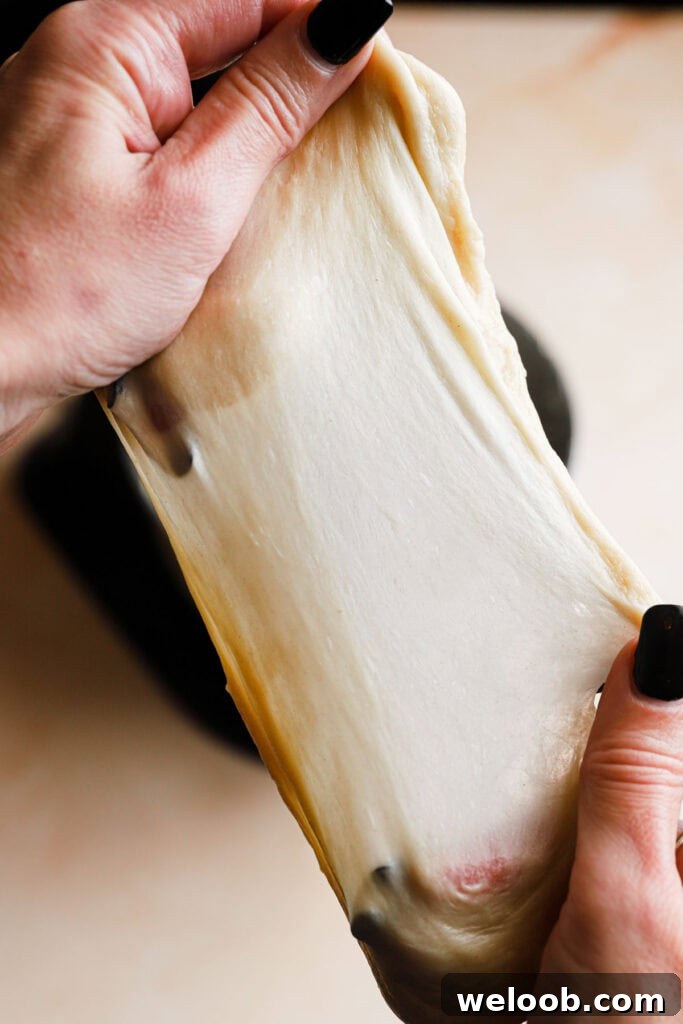
- Mixing time varies by mixer and kitchen humidity; expect anywhere from 10 to 20 minutes. The dough is ready when it cleans the sides of the bowl and stretches thin enough to form a translucent “window.”
- Chill the dough in the refrigerator for a long rest (8–12 hours). The butter makes the yeast work more slowly, and a long, cool rest develops richer flavor.
Shaping
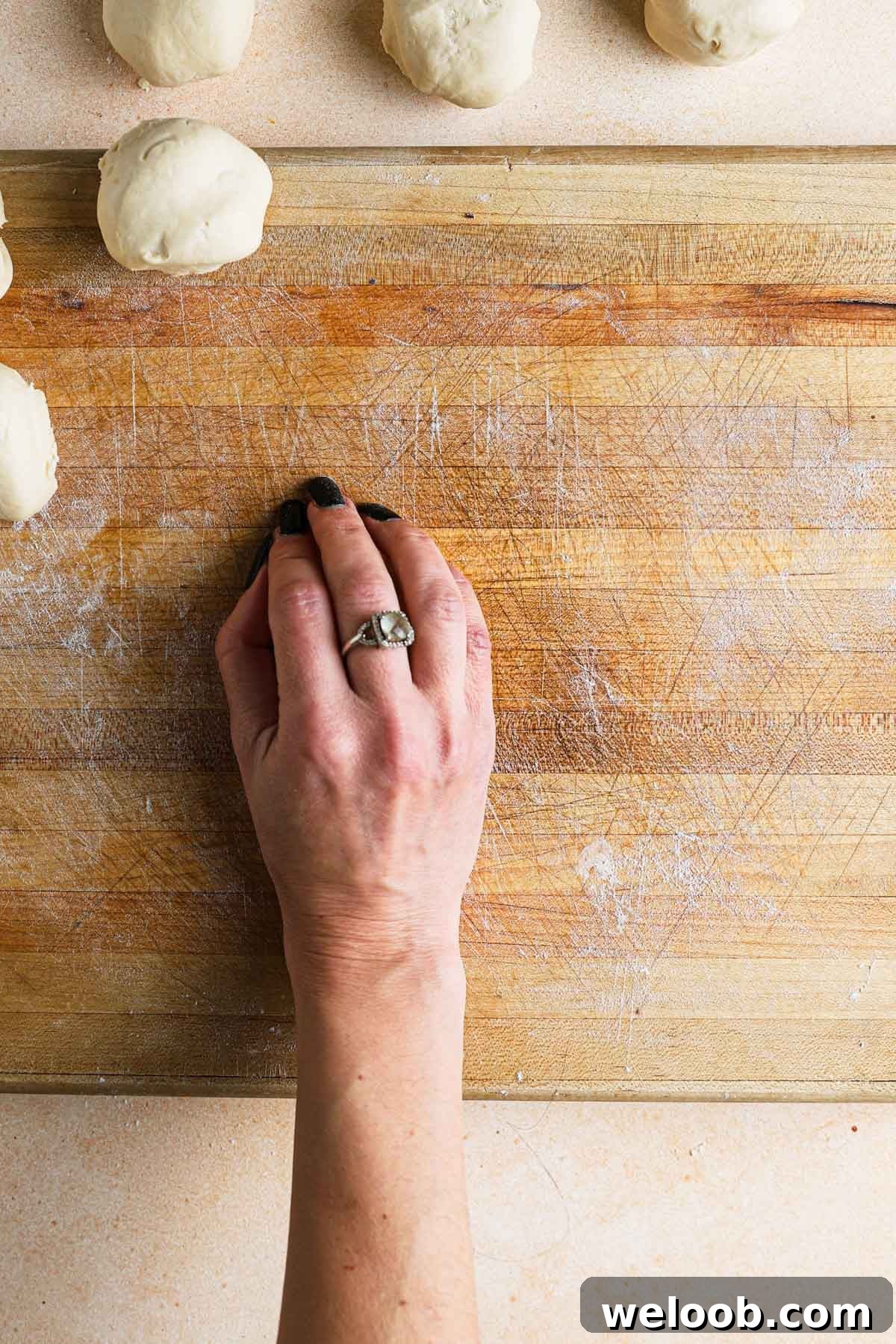
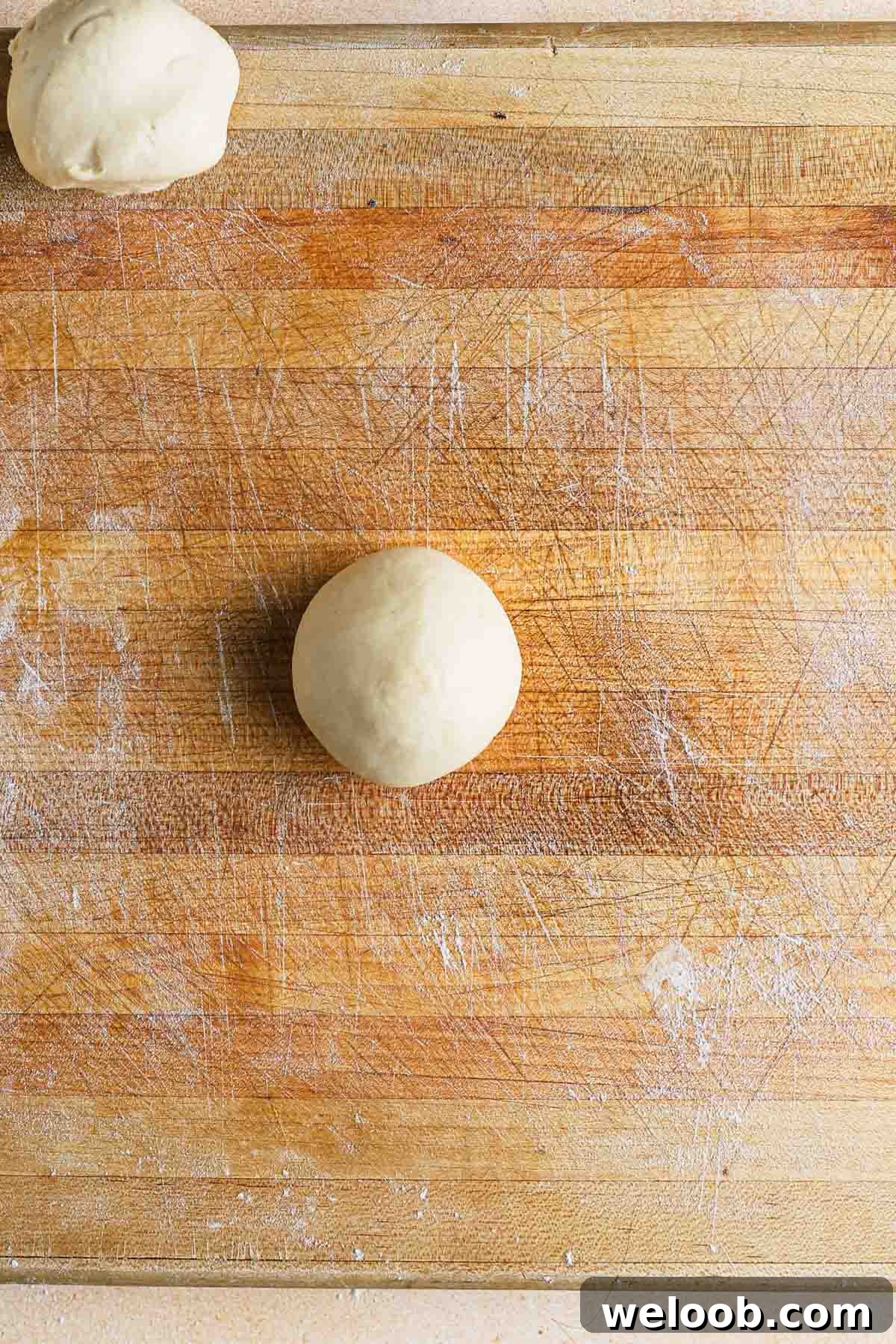
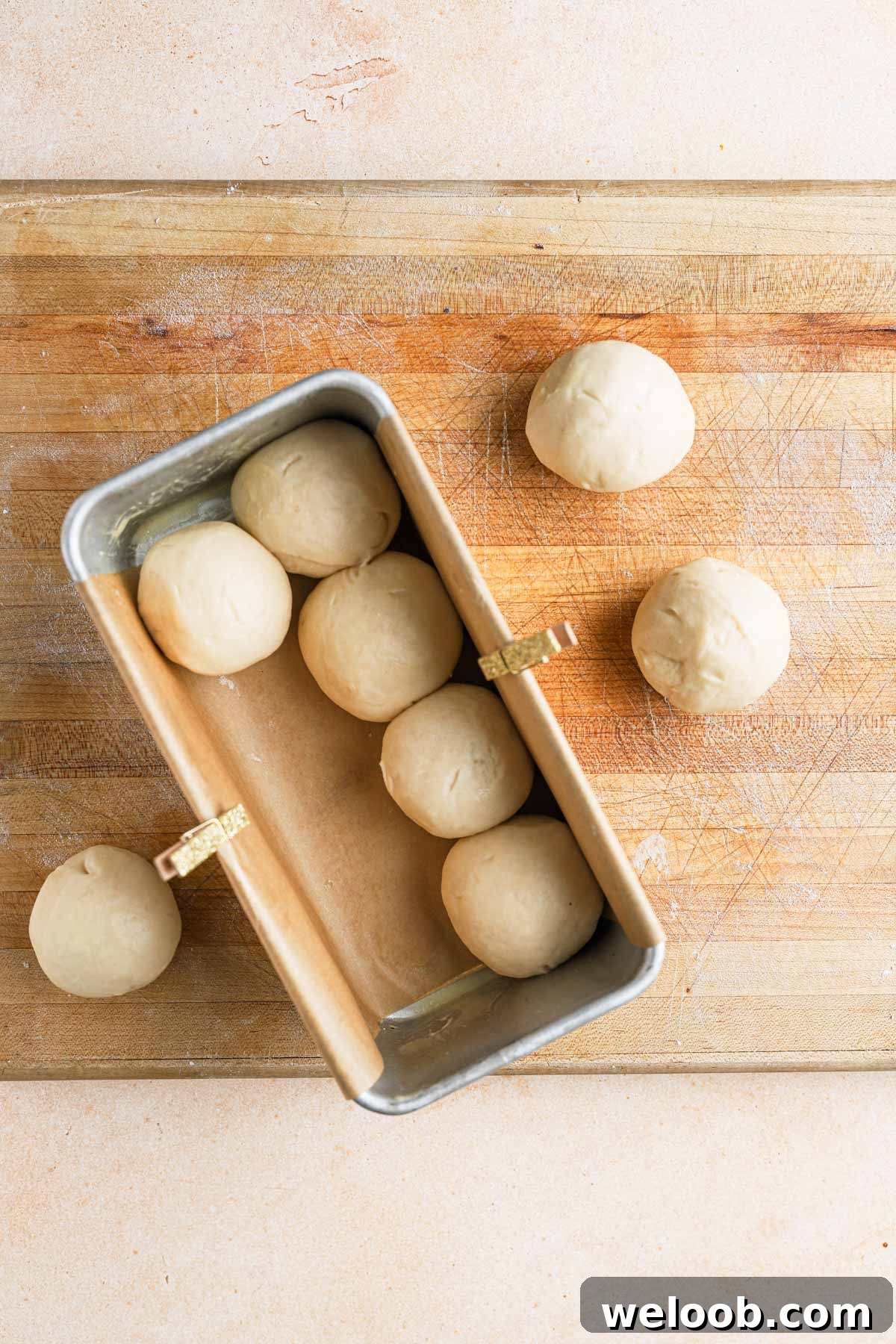
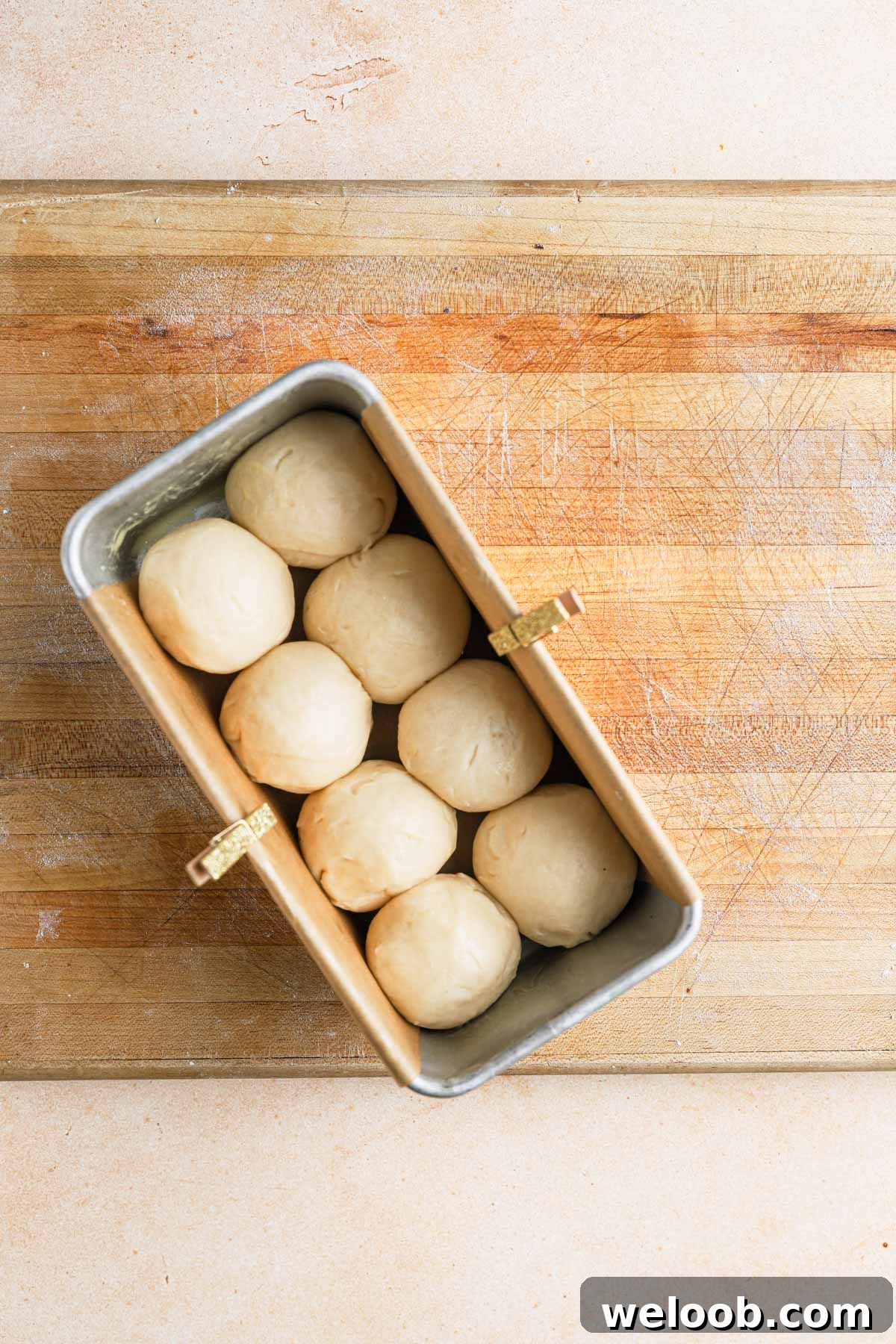
After chilling, you can shape the dough into a classic loaf, a pull-apart Nantaise loaf, individual rolls, or any enriched pastry you like. Work while the dough is cold so the butter stays firm and the dough is easier to handle.
- Lightly dust the work surface with flour and handle the dough gently.
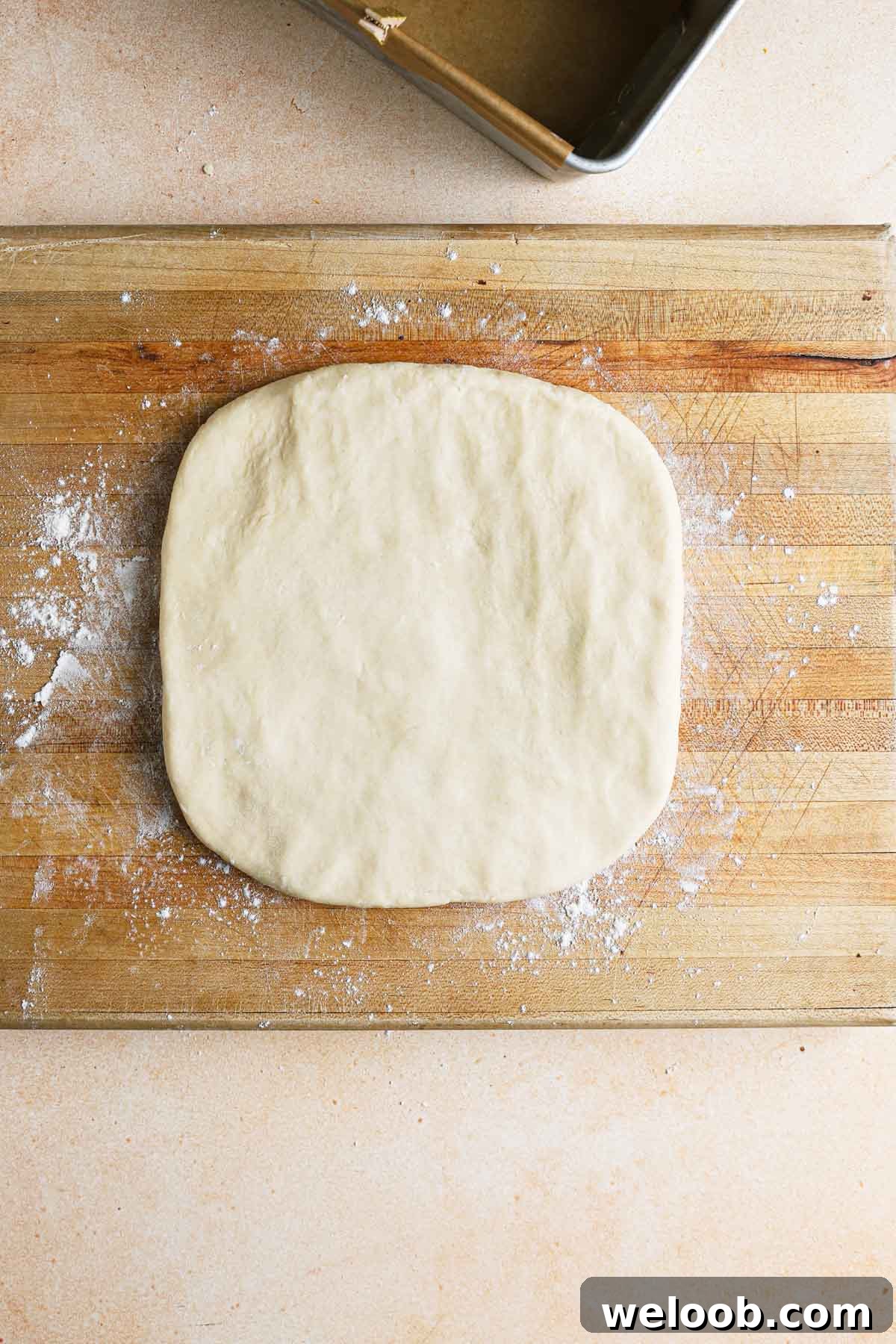
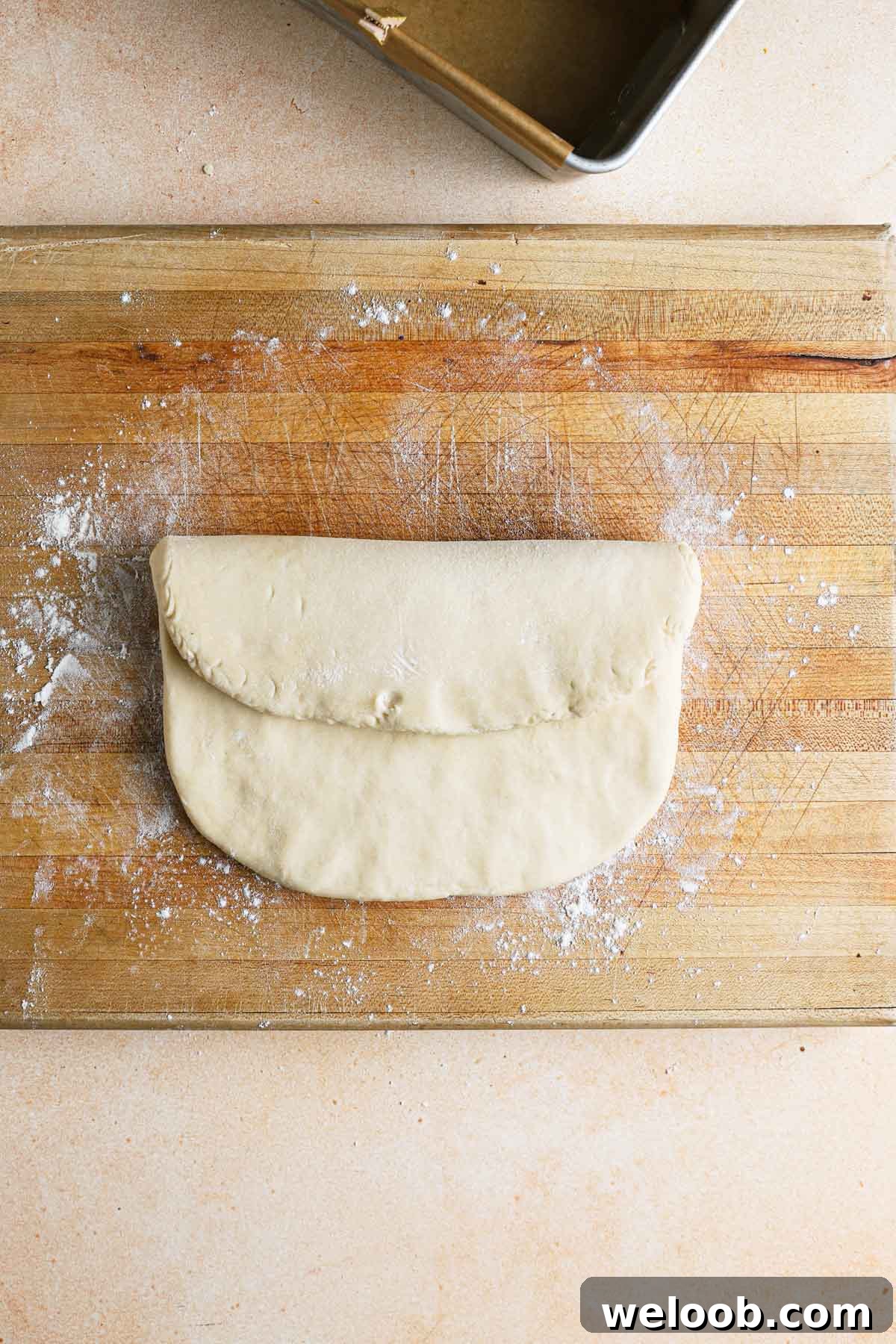
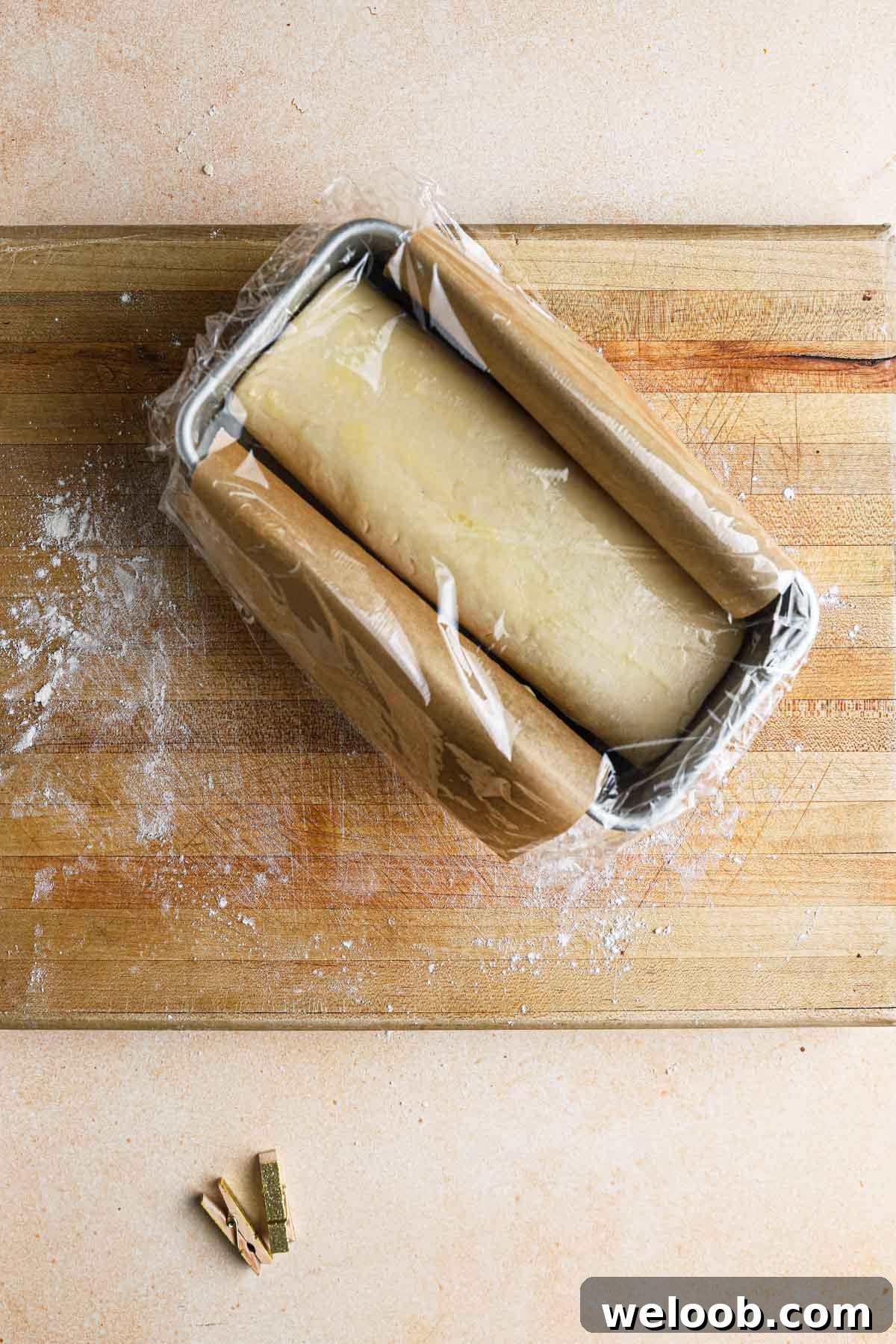
- Press into an 8×8 or 9×9 square, fold into thirds, and place gently in a greased or parchment-lined loaf pan.
- Brush the shaped dough with egg wash before the final rise to promote an even, glossy crust.
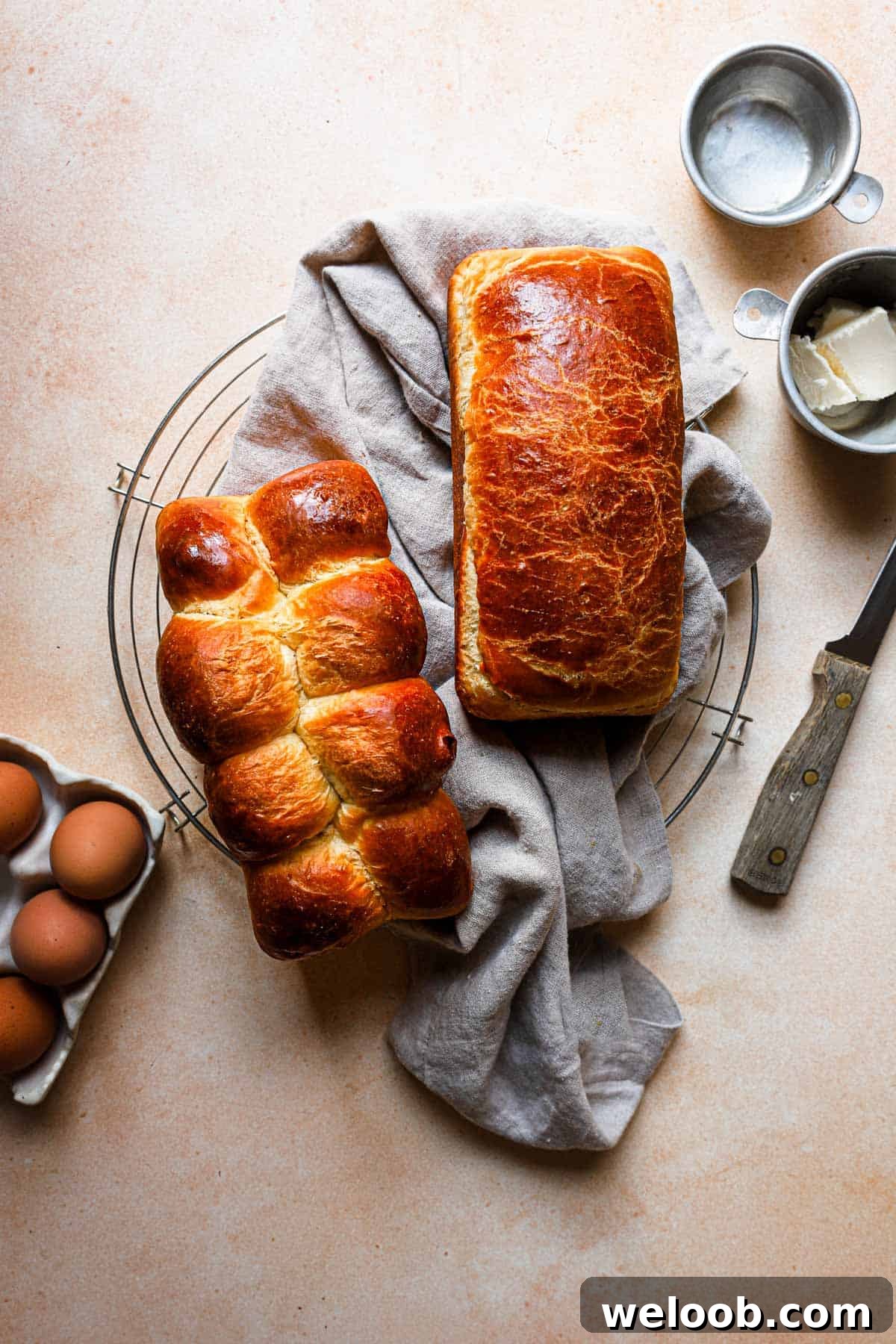
Can You Make Brioche Without a Mixer?
Yes. Long before stand mixers existed, brioche was mixed by hand. Use a large bowl, a sturdy wooden spoon, and your hands for the final kneading. Expect more physical effort and extra time — the dough will look messy at first, and that’s normal. Avoid a hand mixer with a whisk attachment; it won’t build the gluten network effectively.
Storing and Freezing
Brioche is best fresh from the oven when its internal temperature reaches about 180–190°F (82–87°C). Let the loaf cool briefly in the pan, then transfer to a wire rack to finish cooling.
Store at room temperature up to two days, in the refrigerator up to five days, or frozen for up to three weeks.
Freezing the dough: Wrap portions tightly in plastic and freeze for up to one week. Move them to the refrigerator the day before you plan to bake, then shape and bake the next day.
Freezing baked bread: Wrap completely in plastic or foil and place in a freezer bag. Thaw at room temperature before serving.
Ways to Enjoy This Dough
This recipe is a foundation for many enriched baked goods. Use the dough for:
- Chocolate babka or chocolate chip brioche
- Brioche donuts and Bavarian cream-filled donuts
- Maritozzo (sweet Italian cream buns) or brioche challah
- Sweet cheese pastries, brioche hamburger buns, or brioche croissants
- Serve baked slices toasted with preserves, French toast, or almond cream bostock
Troubleshooting
- Use a kitchen scale: accuracy matters. Too much or too little flour changes dough consistency dramatically.
- If the dough doesn’t rise, the yeast may be inactive or the dough needs more time. Check temperatures and yeast freshness.
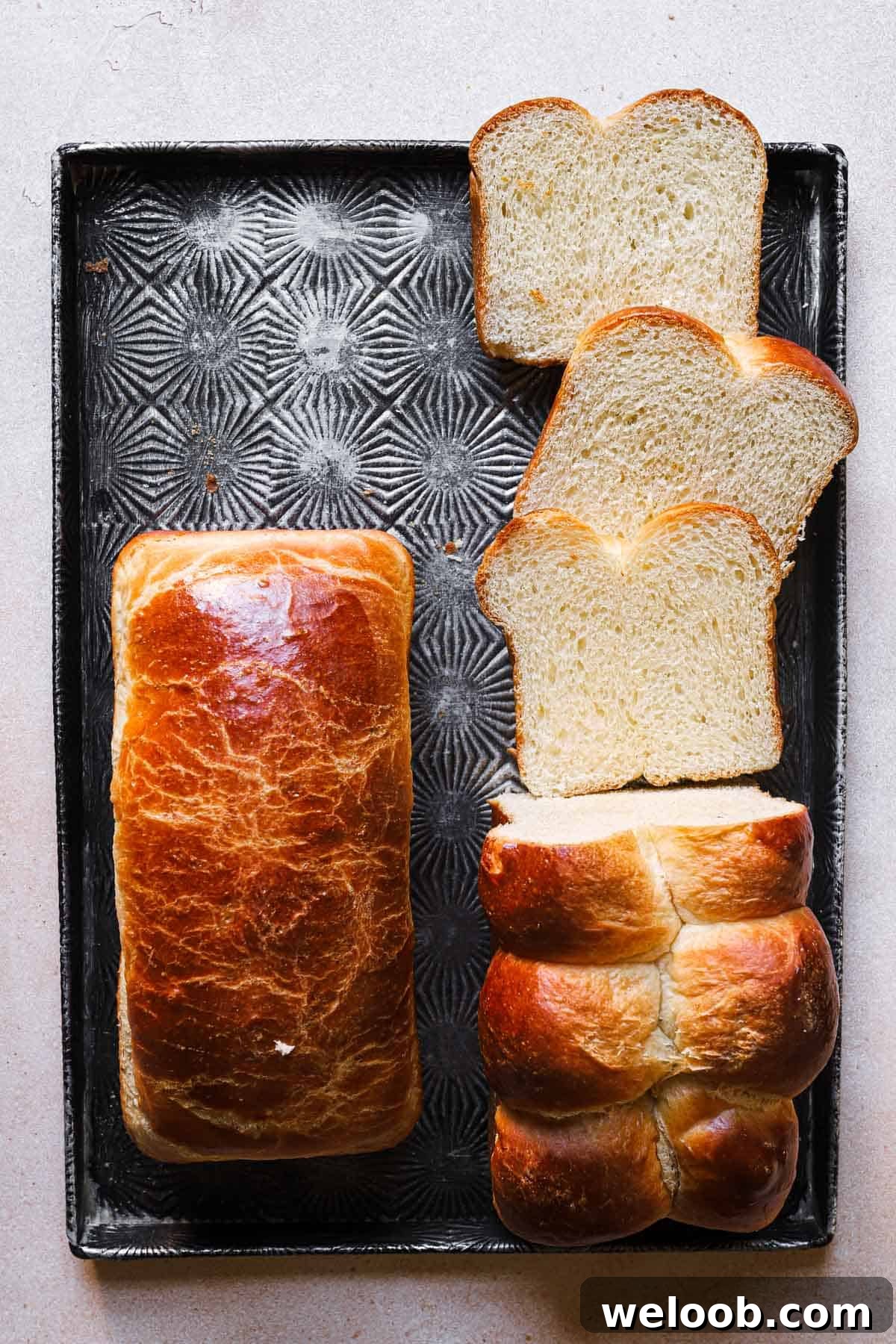

Foolproof Brioche Bread Recipe
30 mins
40 mins
12 hrs
2 9-inch loaves
Dikla Levy Frances
Ingredients
- 3 cups minus 2 tablespoons (350 g) unbleached all-purpose flour
- 3 cups minus 2 tablespoons (350 g) bread flour
- 2 1/4 teaspoons (10 g) instant yeast
- 2 teaspoons (12 g) salt
- 1/2 cup (100 g) sugar
- 4 large eggs, at room temperature
- 3/4 cup (180 ml) cold water
- 20 tablespoons (250 g) unsalted butter, room temperature, cut into 1-inch pieces
Instructions
- In a stand mixer bowl, combine both flours (700 g), yeast (10 g), sugar (100 g), and salt (12 g). Use the paddle attachment to mix briefly.
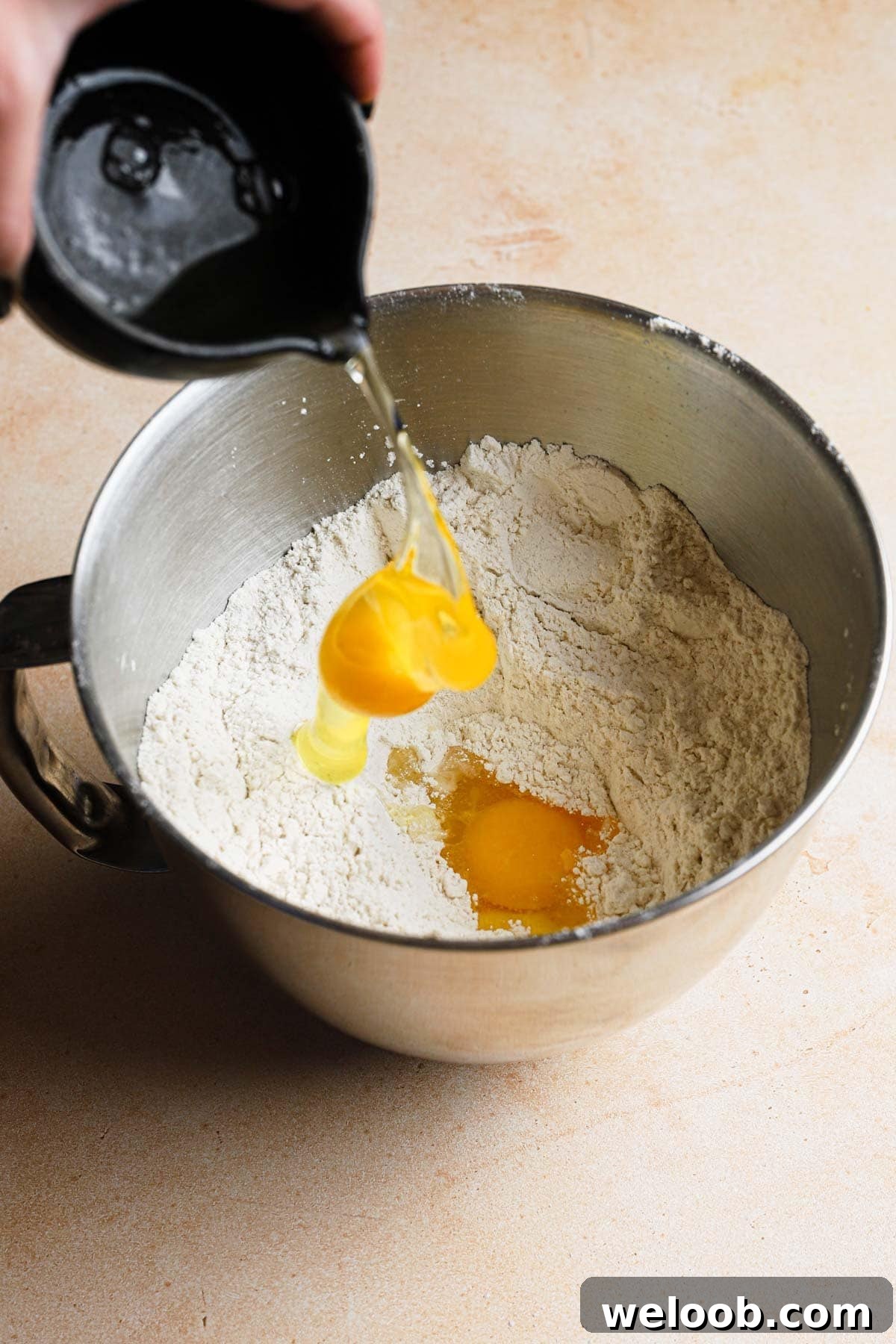
- Add the eggs, then the cold water (180 ml). Mix until a shaggy mass forms and the flour is hydrated.
- Switch to the dough hook and knead an additional three minutes.
- Add the butter (250 g) a piece at a time, pausing about 15 seconds between additions so each piece can incorporate.
- Increase speed and continue kneading until the dough cleans the sides of the bowl and stretches without tearing.
- Divide the dough into two equal portions, wrap and refrigerate for 10–12 hours.
Shape the Dough
- Unwrap one portion and place on a lightly floured surface.
- Gently deflate and press into a 9-inch square.
- Fold the top third toward the center, then fold the bottom over it. Place the loaf in a greased 9-inch pan lined with parchment.
- Brush with egg wash, cover, and allow to rise in a warm spot until doubled.
- Bake at 350°F (180°C) for 35–40 minutes, until the internal temperature reaches about 180–190°F (82–87°C).
- After 10 minutes in the pan, invert the loaf onto a wire rack to finish cooling.
Notes
- Yeast conversions: for active dry yeast use 3 3/4 teaspoons; for fresh yeast use 4 1/2 teaspoons. If substituting, dissolve the yeast in 1/4 cup warm water with 1/2 teaspoon sugar and reduce the recipe water to 1/2 cup.
- You can use all-purpose or all-bread flour alone. If using only bread flour, increase butter to about 275 g.