
Creamy Homemade Lemon Curd Recipe
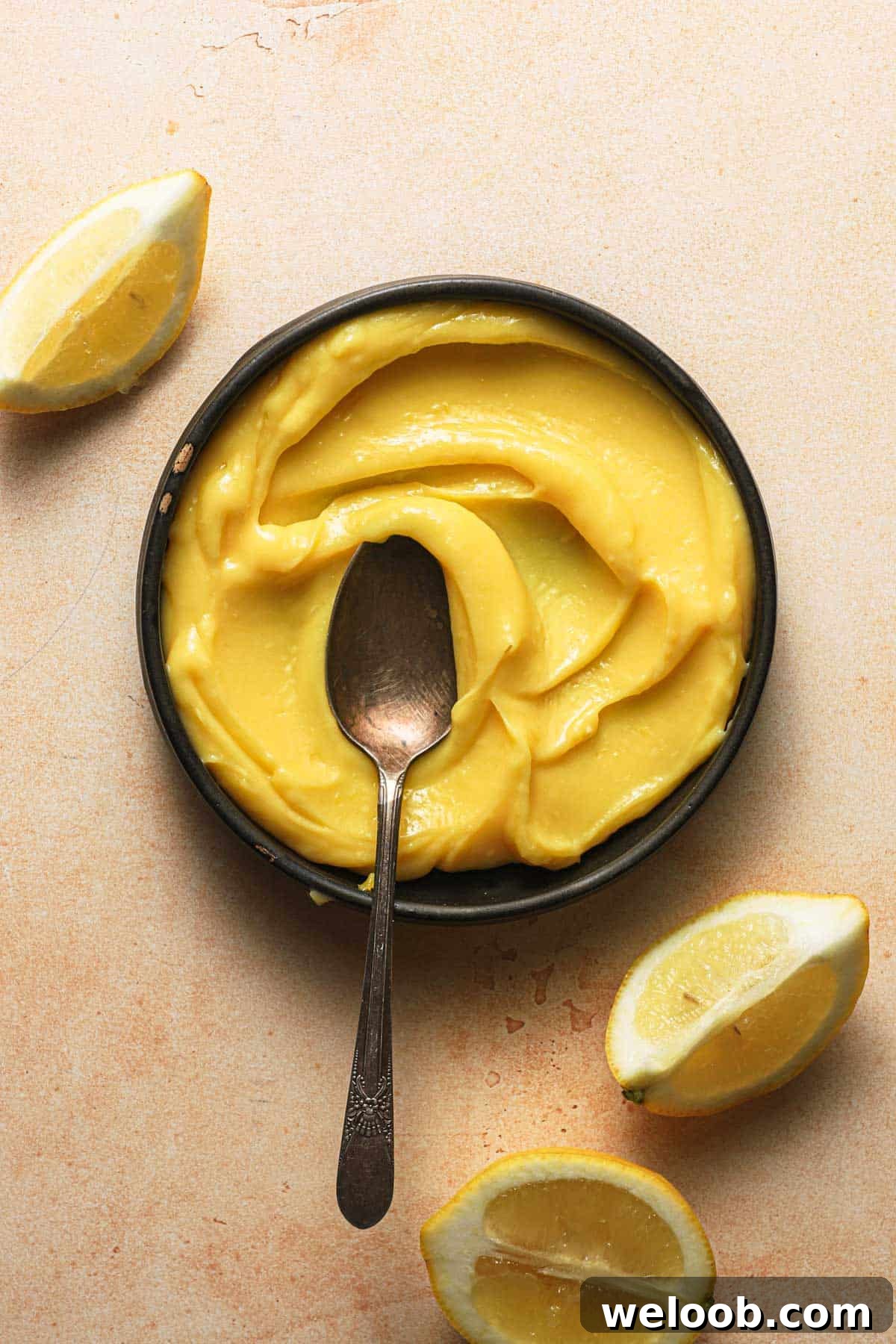
Silky, vibrant homemade lemon curd that bursts with fresh citrus flavor. Made from a handful of simple ingredients—fresh lemons, eggs, butter, and sugar—this curd cooks into a smooth, glossy spread that’s perfectly sweet, tangy, and rich. Use it as a cake filling, swirl it into yogurt, spread it on scones, spoon it into tart shells, or enjoy it straight from the jar.
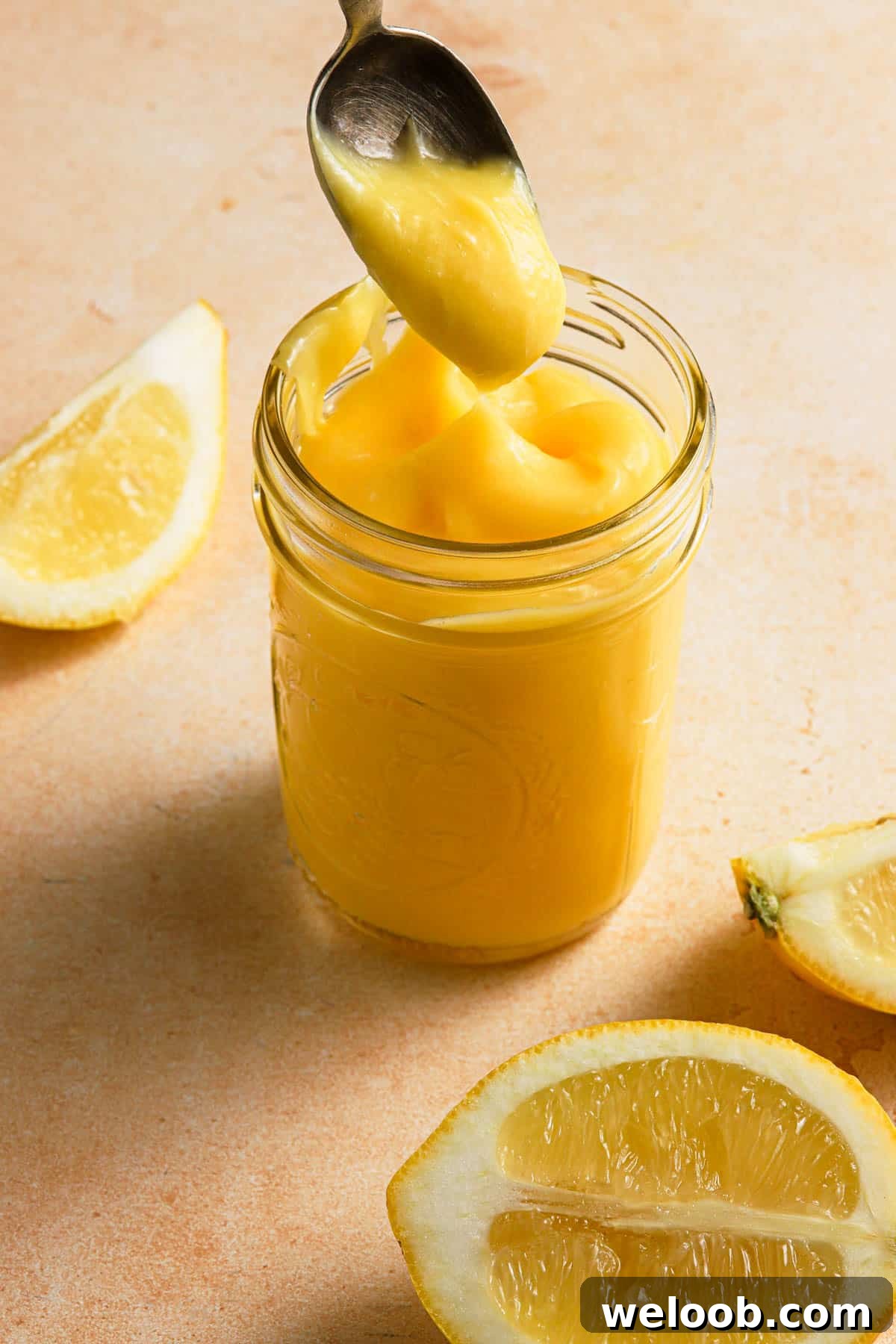
I’ll be honest: zesting and juicing lemons can feel tedious, so I sometimes put off making lemon curd. But when I want to impress with a Limoncello Mascarpone Cake, I always make the curd—and it’s surprisingly simple. The most time-consuming part is extracting the lemon juice. Once you get a rhythm, the rest is quick and very rewarding.
Below you’ll find clear tips and tricks I use every time I make homemade curd, plus a straightforward recipe you can follow. The full ingredient list and step-by-step instructions are in the recipe section at the bottom.
Whole Eggs vs. Egg Yolks
Many lemon curds rely only on egg yolks for a rich, custardy texture. This recipe uses one whole egg plus additional yolks to achieve a balance of richness and brightness. Using whole eggs increases the water content slightly, which makes the curd a touch lighter in texture and often brighter in color. It also changes how the mixture sets: the extra protein from the whole egg coagulates at a lower temperature, so the curd thickens steadily while remaining smooth.
How to Make Lemon Curd
The technique matters more than fancy equipment. Work gently and patiently: cook the mixture over low, steady heat, stir constantly, and don’t rush the process. Below are practical tips that will help you get consistently smooth lemon curd every time.
- Use room-temperature ingredients. Room-temperature eggs and butter combine more evenly with the sugar and lemon juice, reducing the chance of separation and ensuring a silky finish.
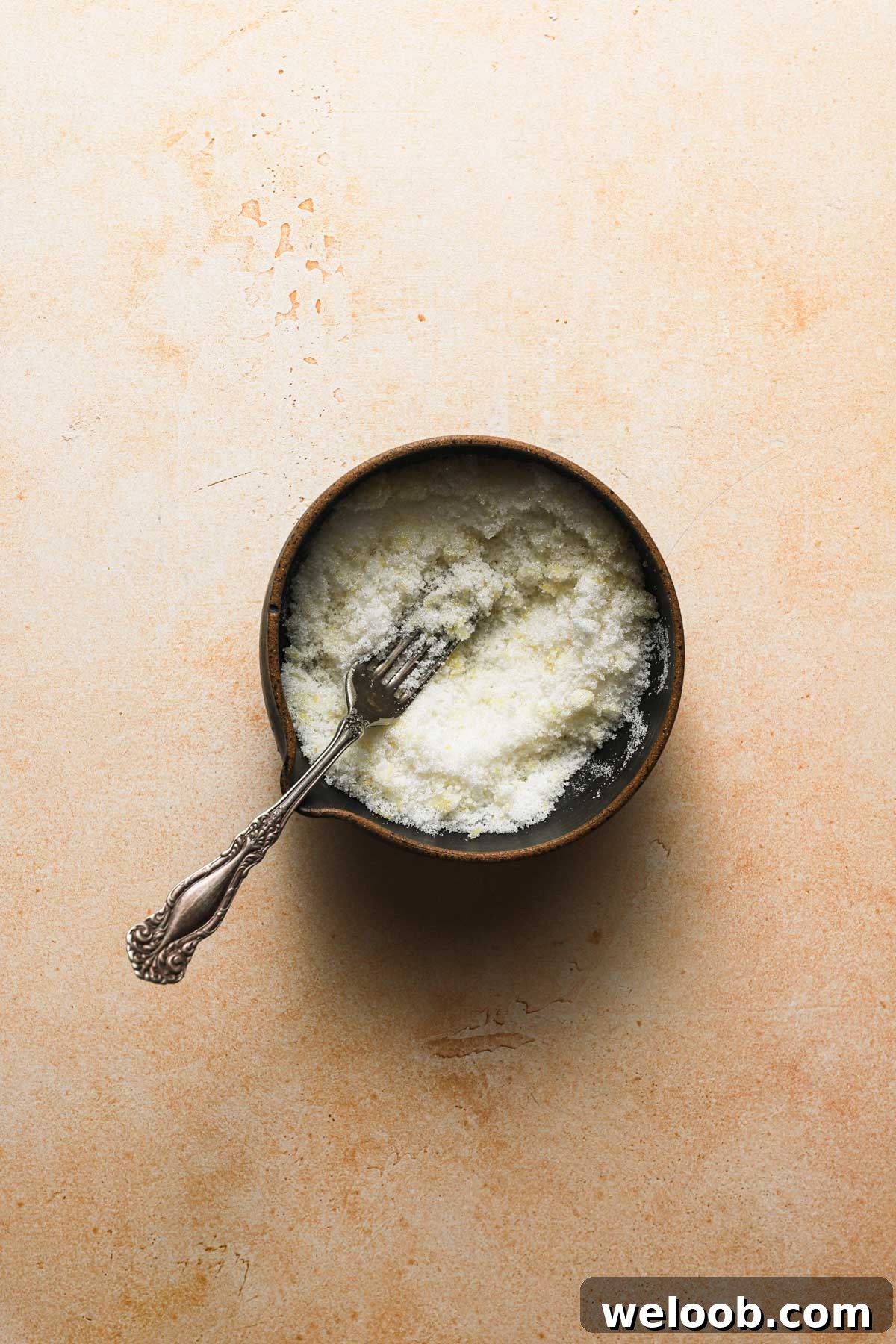
- Rub the lemon zest into the sugar first. Doing this releases the lemon oils and gives the sugar a concentrated citrus aroma, which enhances the finished curd.
- A rubber spatula or wooden spoon is ideal for stirring while cooking. Avoid reactive metal tools that may discolor the curd or affect flavor.
- Cook over medium-low to low heat and stir constantly to prevent the eggs from scrambling. Patience here makes the difference between smooth curd and curdled eggs.
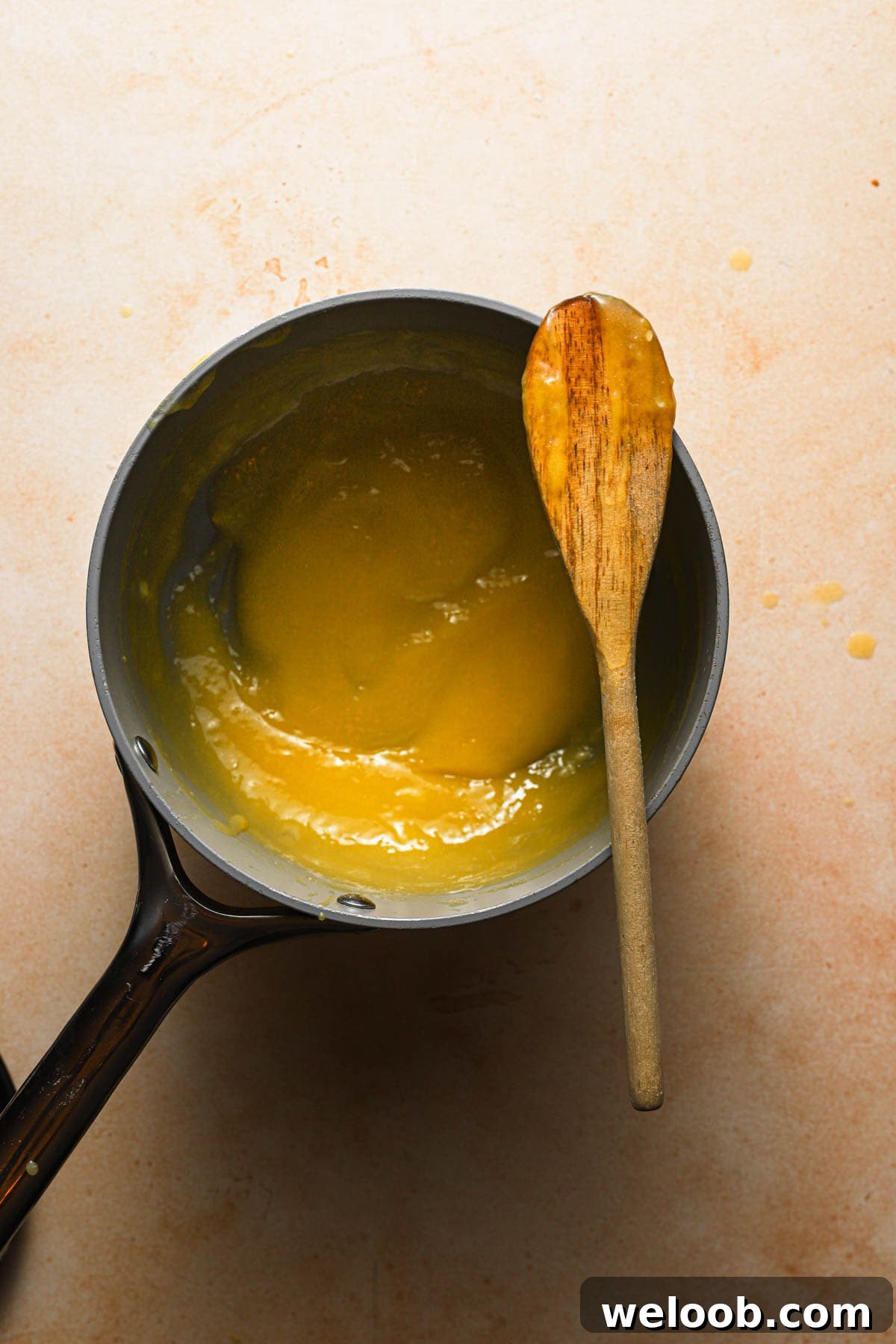
- To test readiness, dip a spoon into the curd and run your finger across the back. If the line stays clear and the curd does not run back together, it’s thick enough.
- If you prefer a thicker curd, add 2–3 extra tablespoons of butter at the end.
- Warm curd will look looser than its final texture; it sets and thickens as it cools.
Ways to Use Lemon Curd
- Spread it between cake layers or use it as a cake filling for a bright citrus punch.
- Swirl into yogurt, ricotta, or mascarpone for a quick dessert or breakfast upgrade.
- Spoon over pound cake, angel food cake, or a simple butter cake for a citrus glaze.
- Fill tart shells or mini pâte sablée for lemon tarts and cookies.
- Drizzle over pancakes, waffles, or vanilla ice cream for a lively finish.
- Fold into stabilized whipped cream to make a lemon mousse or cream for a tart shell.
Storage
Refrigerate the curd in a sealed jar for up to five days. For longer storage, freeze it: place cooled curd in a freezer-safe bag or container, remove as much air as possible, and freeze for up to five months. Thaw in the refrigerator overnight before using.
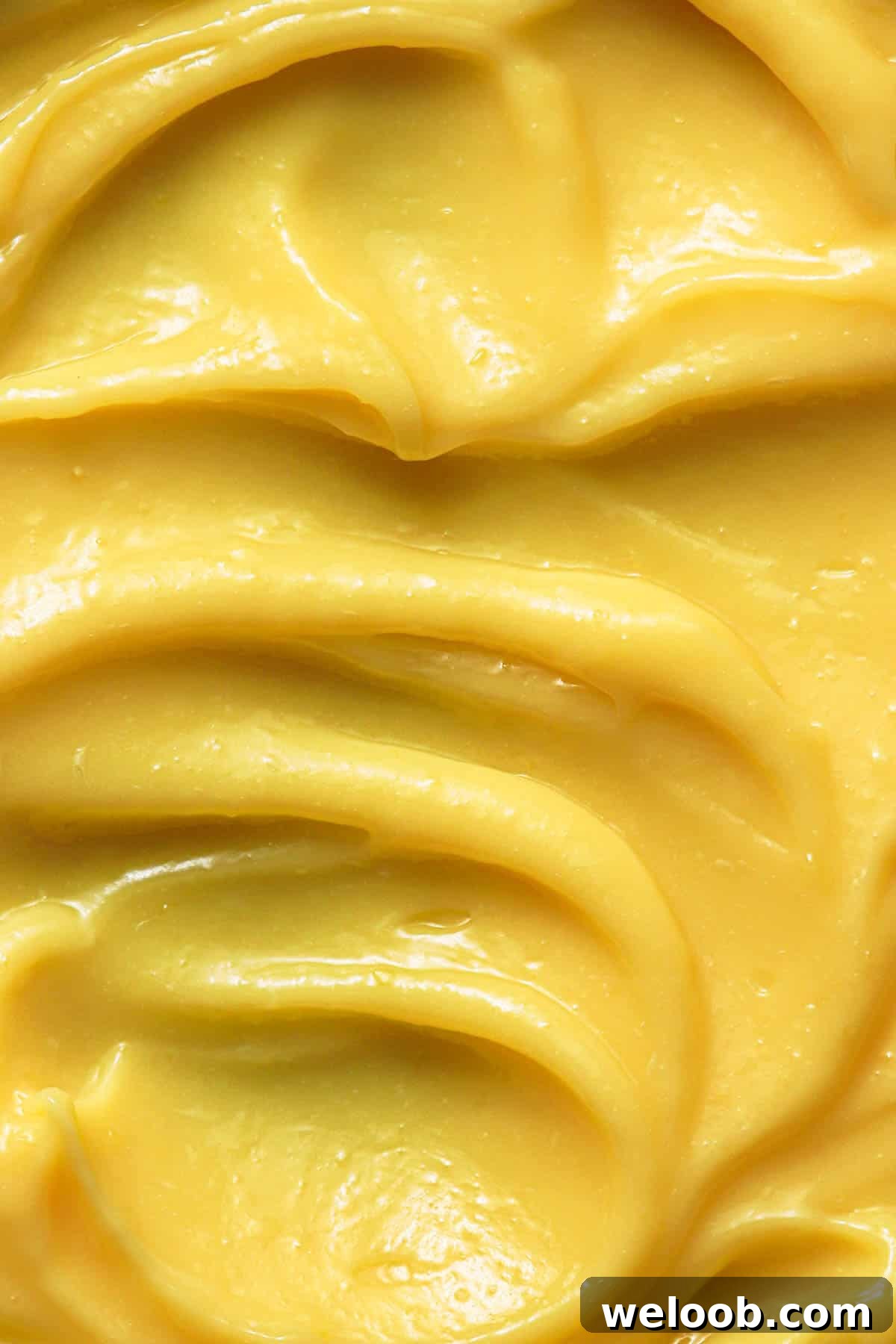
Homemade Lemon Curd | Four Ingredients
Thick, creamy lemon curd made with fresh lemons. Ready in minutes and perfect for filling, topping, or drizzling on pastries, cakes, and cookies.
Ingredients
- 1/2 Cup (100 g) sugar
- 1 Tablespoon fresh lemon zest (from about 2 medium lemons)
- 1 large egg, room temperature
- 2 large egg yolks, room temperature
- 1/2 Cup (120 ml) fresh squeezed lemon juice
- 6 Tablespoons (85 g) unsalted butter, cut into 1/4-inch pieces
Instructions
- Rub the lemon zest into the sugar with your fingertips until the sugar smells bright and turns pale yellow.
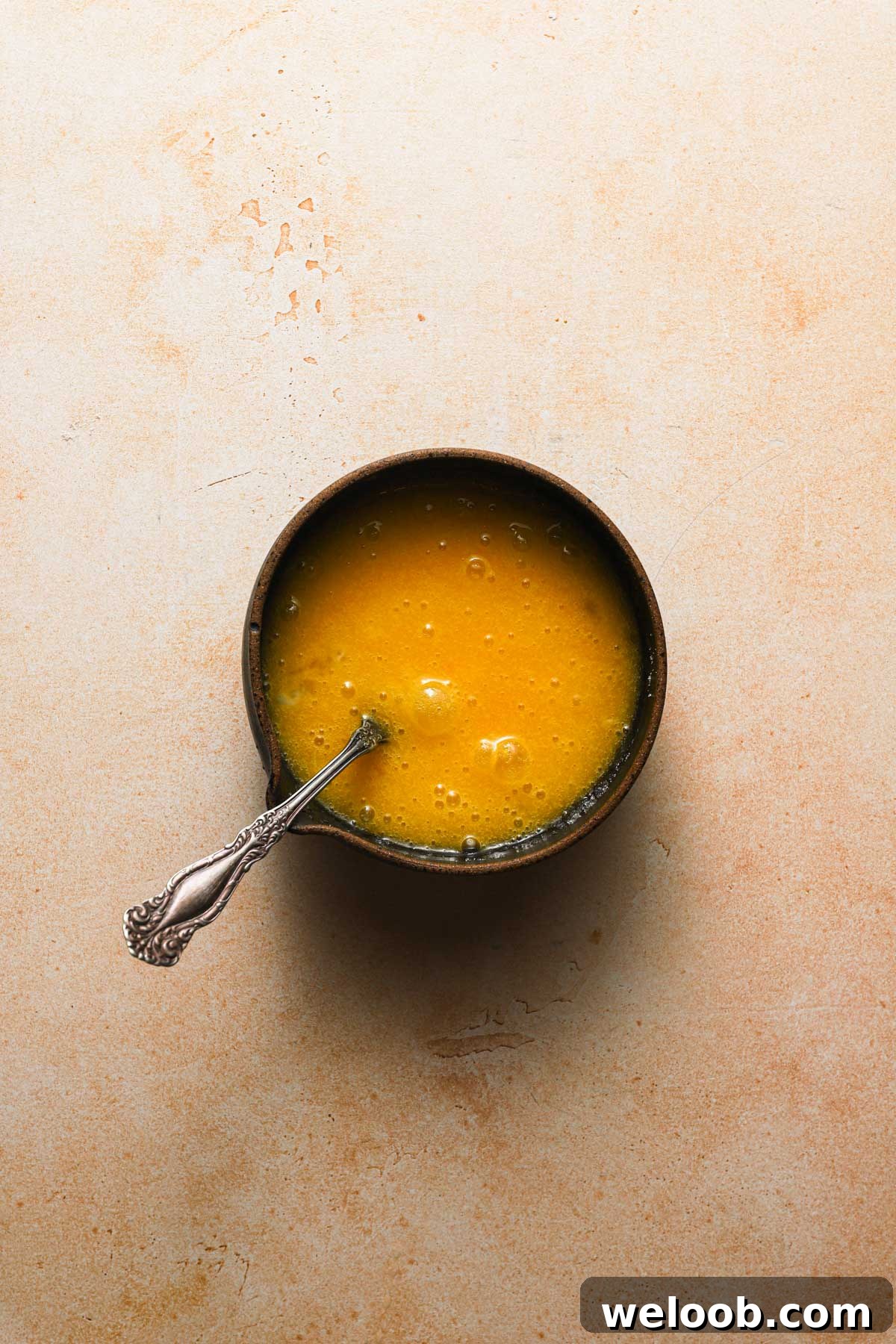
- In a bowl, whisk the whole egg and the egg yolks into the lemon-scented sugar until smooth.
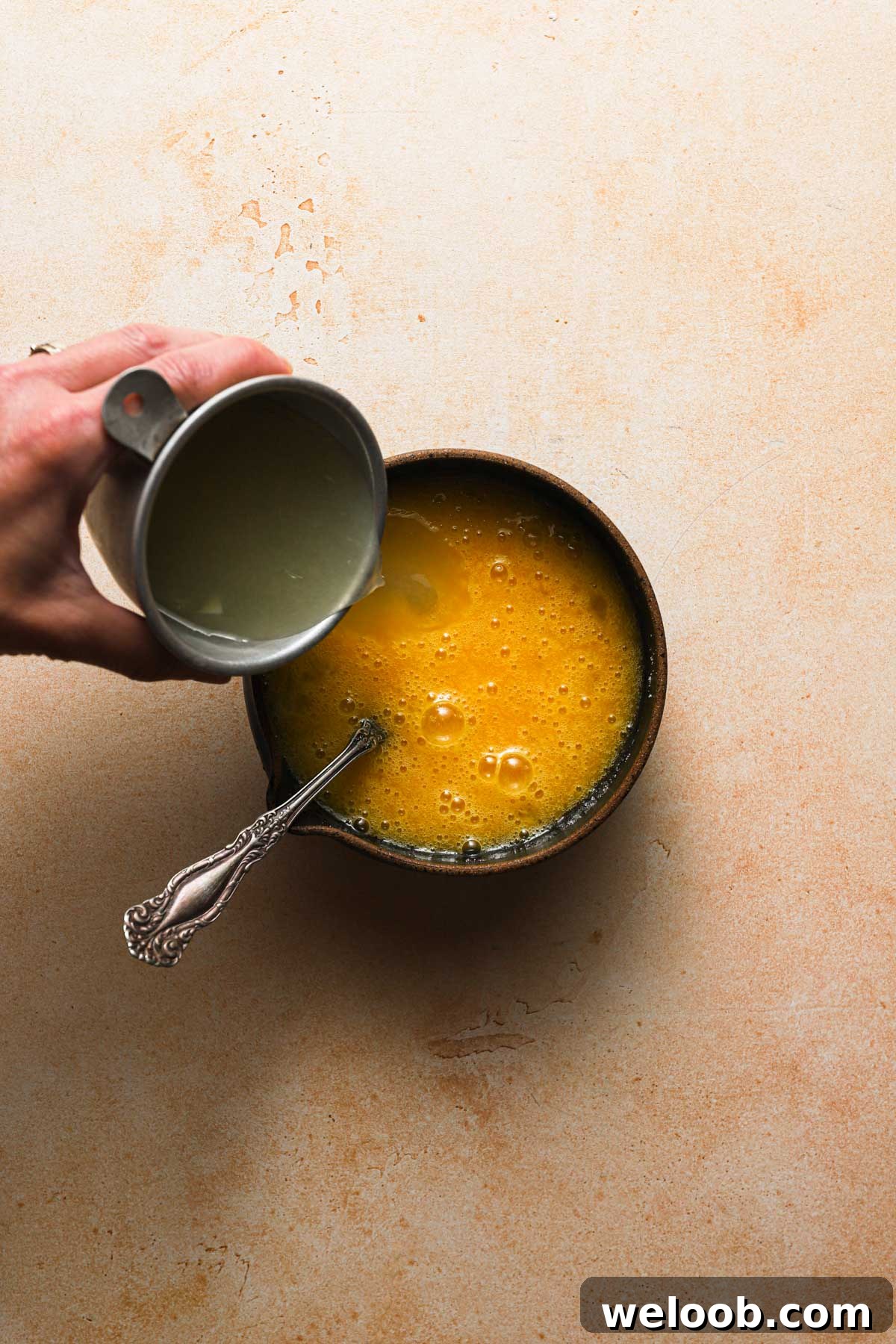
- Stir in the fresh lemon juice until fully combined.
- Transfer the mixture to a medium saucepan and cook over medium-low heat. Stir constantly with a wooden spoon or rubber spatula to prevent the eggs from curdling. Continue until the mixture thickens and coats the back of the spoon.
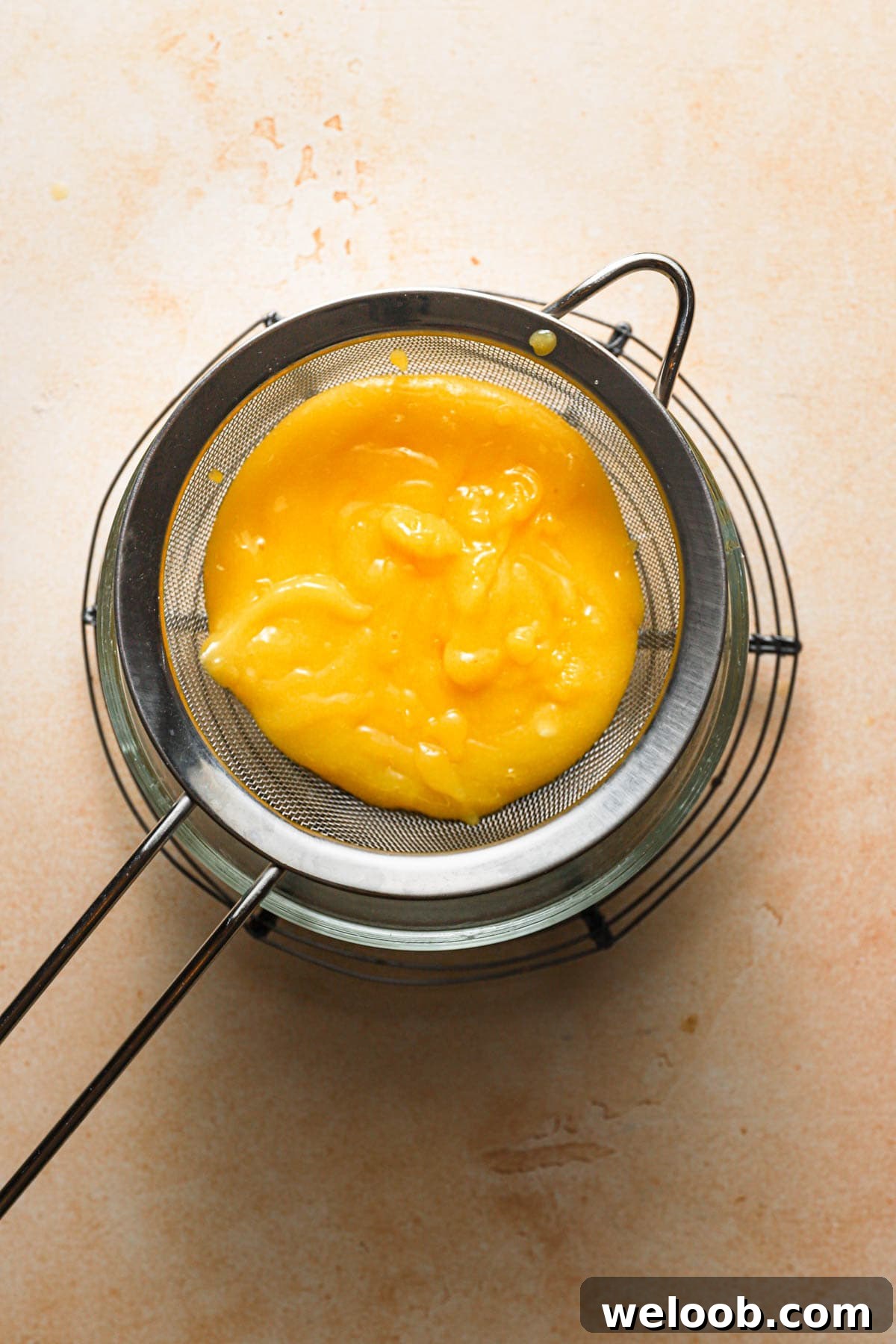
- Remove from heat and immediately strain the curd through a fine-mesh sieve into a clean bowl or jar to remove any cooked bits and zest for extra-smooth texture.
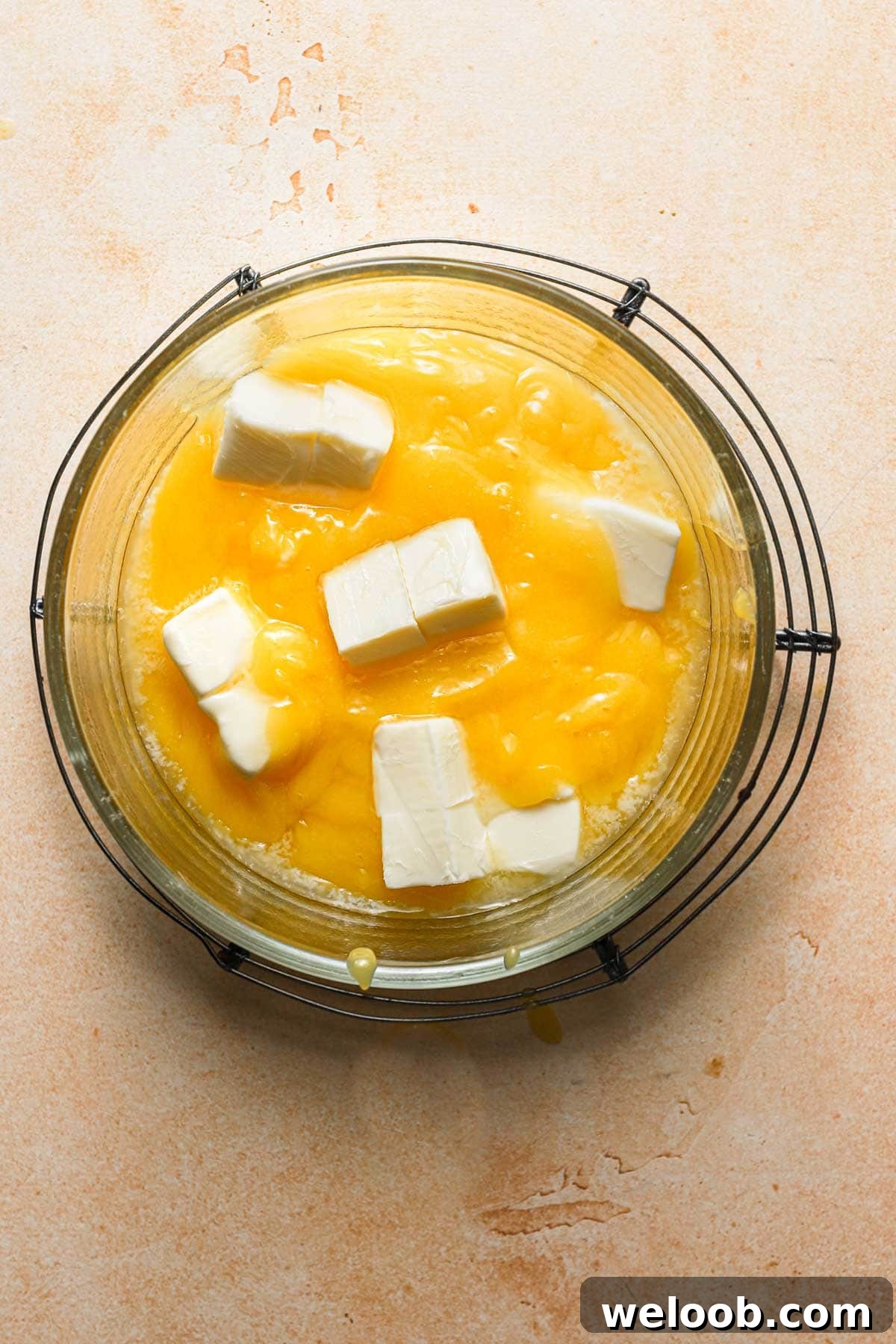
- Add the cold butter pieces to the hot curd and gently stir until the butter is completely melted and incorporated.
- Let the curd cool to room temperature, then cover and refrigerate. Use within five days or freeze for longer storage.
Notes
- To make dairy-free curd, substitute vegan butter and keep an eye on texture; the flavor will still be bright and citrus-forward.
- To check doneness, dip a spoon into the curd and wipe a line across the back with your finger. If the line holds and the curd does not run back together, it’s ready.
- Avoid boiling the curd. Gentle, steady heat prevents eggs from scrambling. A double boiler is a safe alternative if you’re concerned about temperature control.
- If you want a firmer curd for cake filling, increase the butter by 2–3 tablespoons at the end.