

The pregnancy that led to the birth of my second child was much easier than my first. I only vomited twice during the entire nine months and, overall, I felt well and energetic.
 |
| This is me during my pregnancy |
It was a time of travel and enjoyment.
 |
| In Douala |
 |
| At Down Beach, Limbe |
Unlike my first pregnancy, I didn’t feel fragile or unwell. Because I felt strong, I expected a straightforward labour. Here’s how everything unfolded.
On the first day I began to experience severe pains while doing household chores. I tried to endure them, but when they became unbearable I asked my younger brother to accompany me to the clinic. Around 1 a.m. we walked to a private clinic half a mile away on our street. The nightlife was alive on that street—bars open and people out—but I was focused on my swollen belly and getting help.
I went in sure that I would return home with my baby. This was not my first birth, and I had heard many stories that later pregnancies can be quicker and easier. A friend told me how her aunt laboured for only twenty minutes and even delivered herself at home. Stories like that made me expect a speedy delivery.
We made our way over the uneven black rocks that line the street in Buea. My brother Desmond walked beside me, full of hope and asking countless questions in the final weeks. Once he came home in the dark and assumed I had already gone into labour—he was always excited about the arrival.
Toward the end of the third trimester, I repeatedly told him to stop asking because it made me anxious. That night, he was ready to witness the birth. At the clinic I was examined by a midwife named Magdalene—Aunty Mado—and she told me my cervix was 2 centimetres dilated. She encouraged me to climb the stairs repeatedly to encourage progress. I followed her advice, but by dawn there was no baby. We left exhausted and frustrated.
Back home on the second day I carried on with light activities between contractions, hoping each one would help dilate my cervix.
By the third day the contractions had intensified. Desmond and I ran last-minute errands: I bought a few things for the baby, picked up refreshments for guests, and withdrew money for hospital bills. I called my friend Akwi from nearby Mutengene and she came with her young child to help with meals and house tasks.
Everything seemed ready: my hospital bag was packed and the contractions were stronger. At the clinic a different midwife checked me and said I was 4 centimetres dilated. She seemed surprised I’d only moved from 2 to 4 centimetres and asked why. I had no explanation—sometimes labour does not progress predictably—and that frustrated me. I left my bags at the clinic and returned home feeling defeated.
After a short rest, some inner strength returned and I decided to go back. That night Aunty Mado was on duty again and she found I was 6 centimetres dilated—real progress. I paced the clinic grounds trying to encourage the process, but whenever I entered the labour room my contractions seemed to ease. Each time I left, the pain returned stronger. It felt as if something in the room stalled my labour.
After three days of on-and-off labour, I turned to prayer with renewed intensity. I prayed out loud around the clinic, asking for a safe delivery and relief. My brother and my aunt—who had come at our mother’s request—joined in. We prayed until we were exhausted, dozing intermittently, but I clung to that hope. Prayer became my refuge and support when my own strength wore thin.
Eventually a calm came over me and I felt certain I could enter the labour room. Unlike earlier, the room now felt right and the baby began to move down. I screamed with the urge to push and Aunty Mado ushered me into the delivery room. I could barely walk, but within moments I delivered a baby girl weighing 3.45 kilograms at 2:45 a.m. that November night. Immediately after she was born I thanked God for a safe delivery.
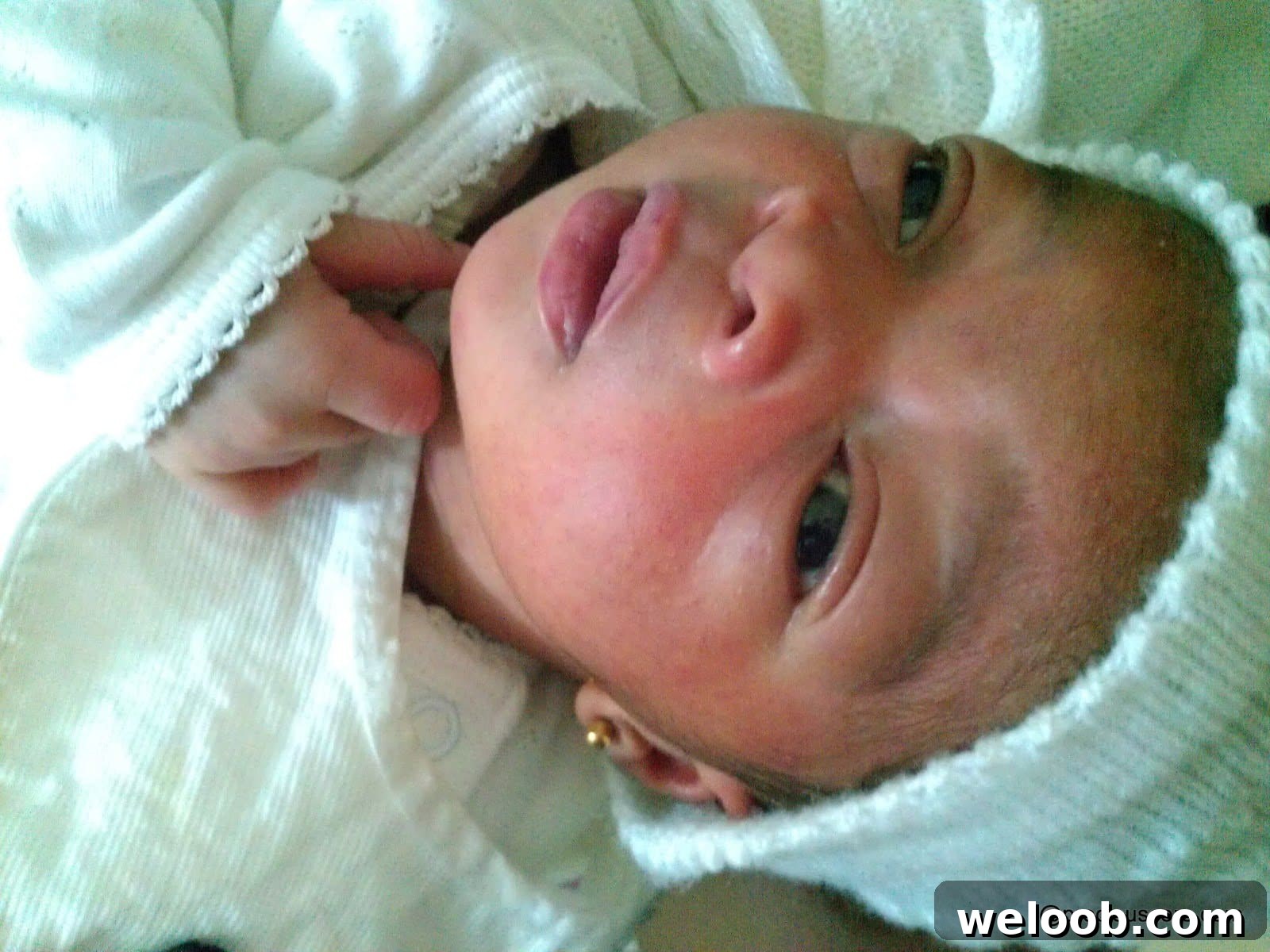
And the girl grew in wisdom and stature and in favour with God and with man.
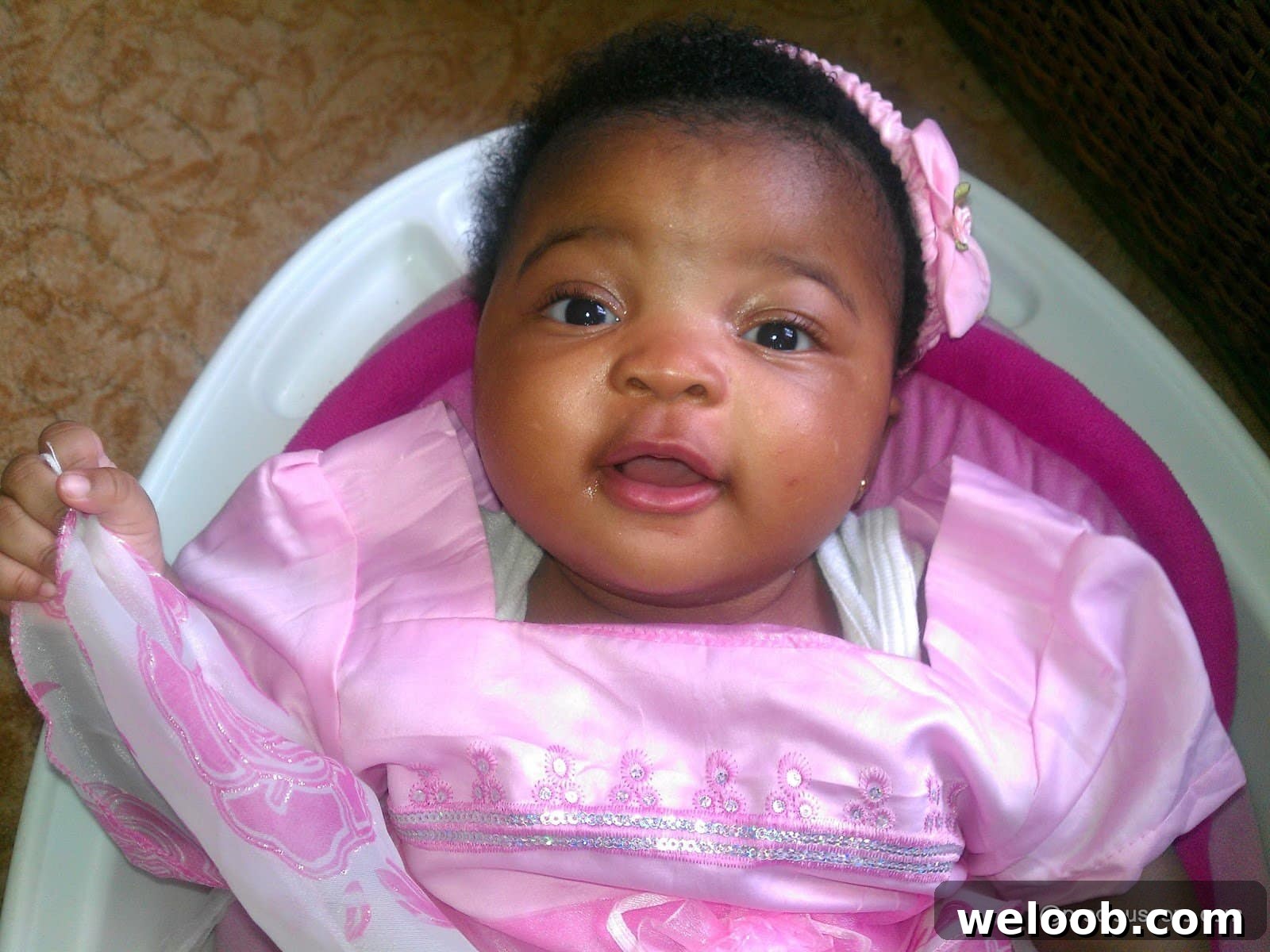
We named her Salma, which suggests peace and perfection. In so many ways she has felt like an answered prayer.
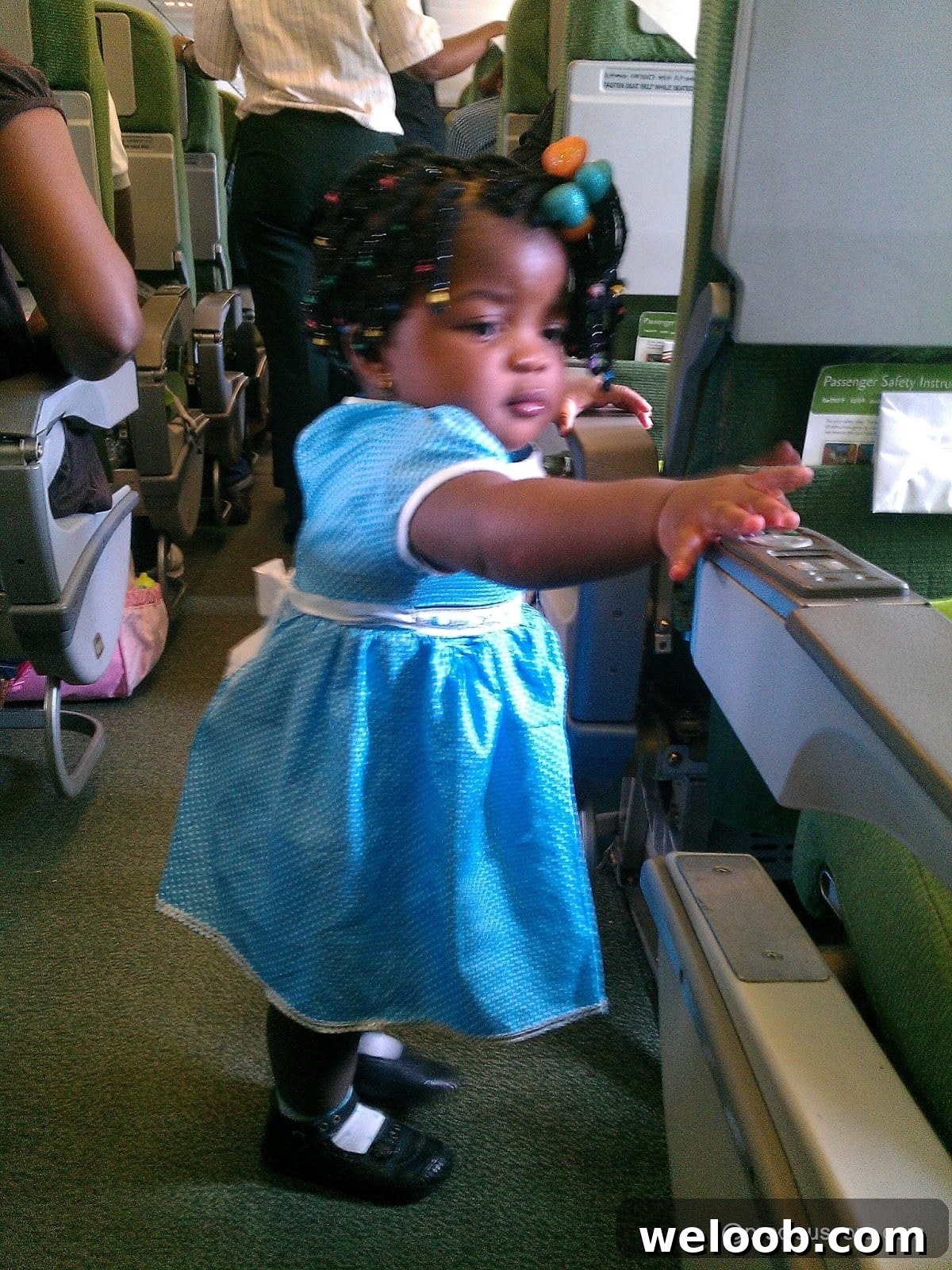 |
| Salma at 10 months |
After delivery the nurses noted she had been turning blue and was exhausted from the repeated contractions. She recovered, and now, at three years old, every time I look at her I remember how powerful persistent prayer can be. The experience reinforced my belief that determined, heartfelt prayer matters.
If you face a situation that feels hopeless, consider persistent, focused prayer combined with practical action. It can bring strength, peace and, sometimes, an outcome you can barely imagine.