
Classic Sweet Cheese Blintzes Recipe and Tips

Classic blintzes are delicate, thin crepes filled with a lightly sweetened cheese filling, then pan-fried until golden. Creamy inside with a tender bite, they’re best served warm and paired with a bright, juicy fruit topping.

I was well into adulthood before I first tasted blintzes. I’d heard of them growing up, but in my Moroccan Jewish household dairy was rarely a mainstay, and blintzes never made the table. Now I’m hooked on breakfast and brunch sweets and love nostalgic recipes. Blintzes are traditionally served for Shavuot, usually two per plate as a nod to the two tablets of the Ten Commandments. If you prefer a simpler approach, a layered blintz casserole is a great shortcut.
This page covers a classic cheese blintz preparation with tips to get smooth crepes, a stable sweet cheese filling, and a vibrant strawberry topping. Follow the steps, and you’ll get consistent, restaurant-quality results at home.
About the Filling
Traditional blintz filling uses farmer cheese — a dense, slightly grainy cheese similar to a very firm cottage cheese. If you don’t enjoy that texture, combine farmer cheese with cream cheese for a smoother, creamier result. Farmer cheese can be hard to find; ricotta is an acceptable substitute. I add lemon zest to the filling to brighten the flavor and complement the strawberry topping. The filling is easy to personalize — try folding in chopped pistachios or a spoonful of chocolate spread if you like.
Let the Fun Begin
Making blintzes is hands-on and a little meditative — a labor of love. Pay attention and take your time; the process rewards patience. I learned by trial and error and am sharing the tips that helped me improve quickly so you can succeed on your first try.
- The batter benefits from a 30-minute rest. This lets the flour hydrate and the gluten relax, producing tender crepes. Don’t skip this step.
- Plan your workflow: make the batter, then while it rests prepare the filling and the topping. Next, cook the crepes, fill them, and finish by frying the blintzes.
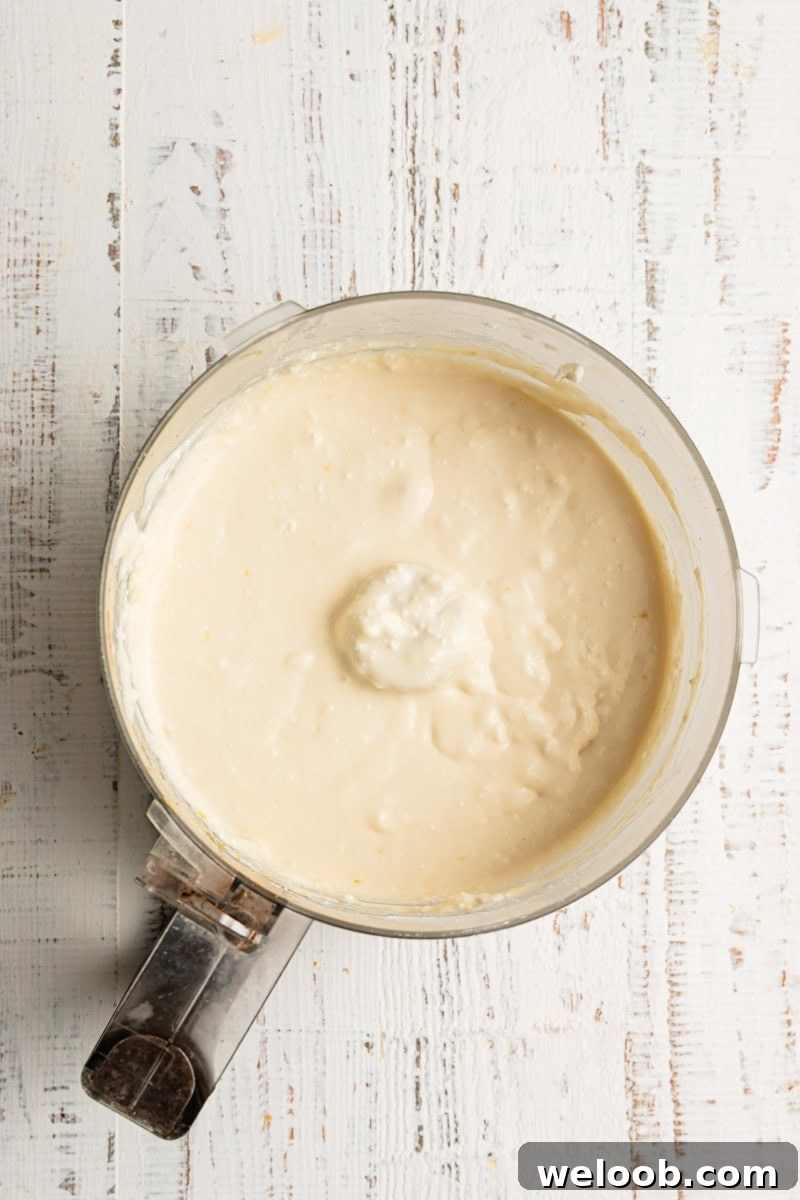
- If you use a food processor to blend the filling, it will become very smooth but somewhat loose. For a firmer filling that’s easier to fold, whisk the ingredients by hand in a bowl until just combined.
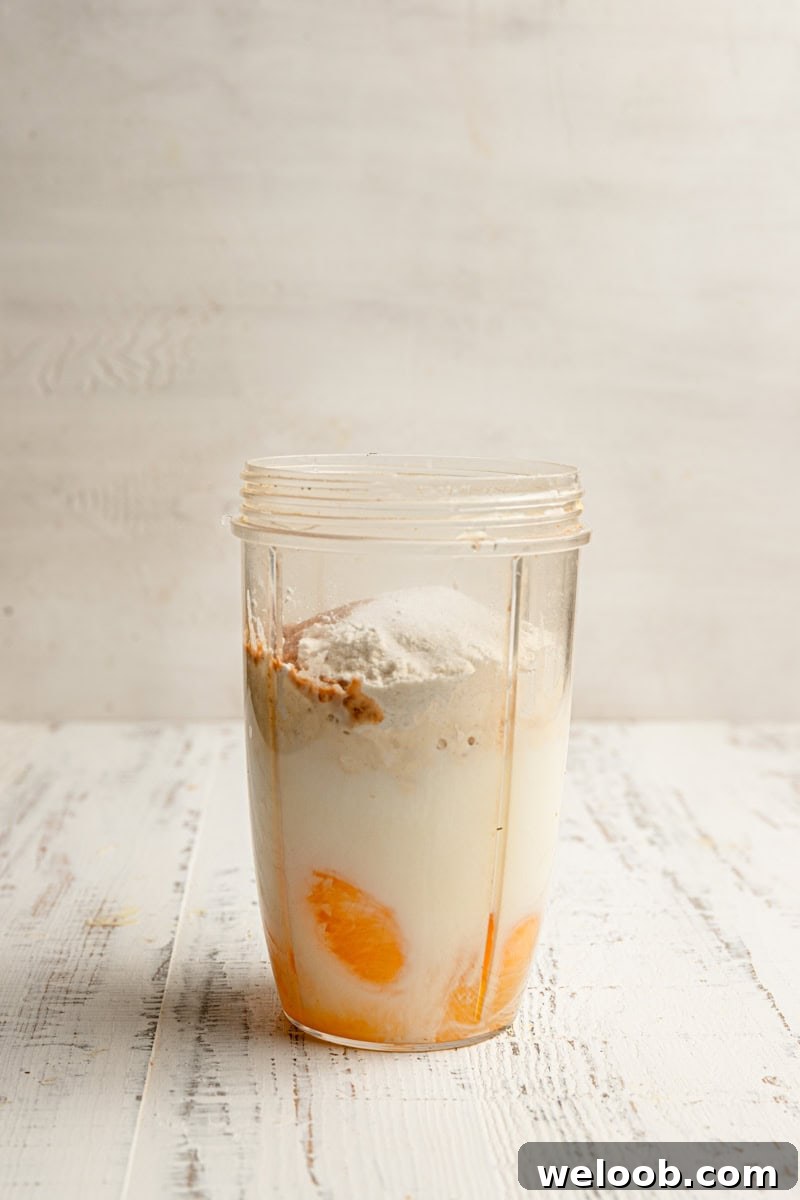
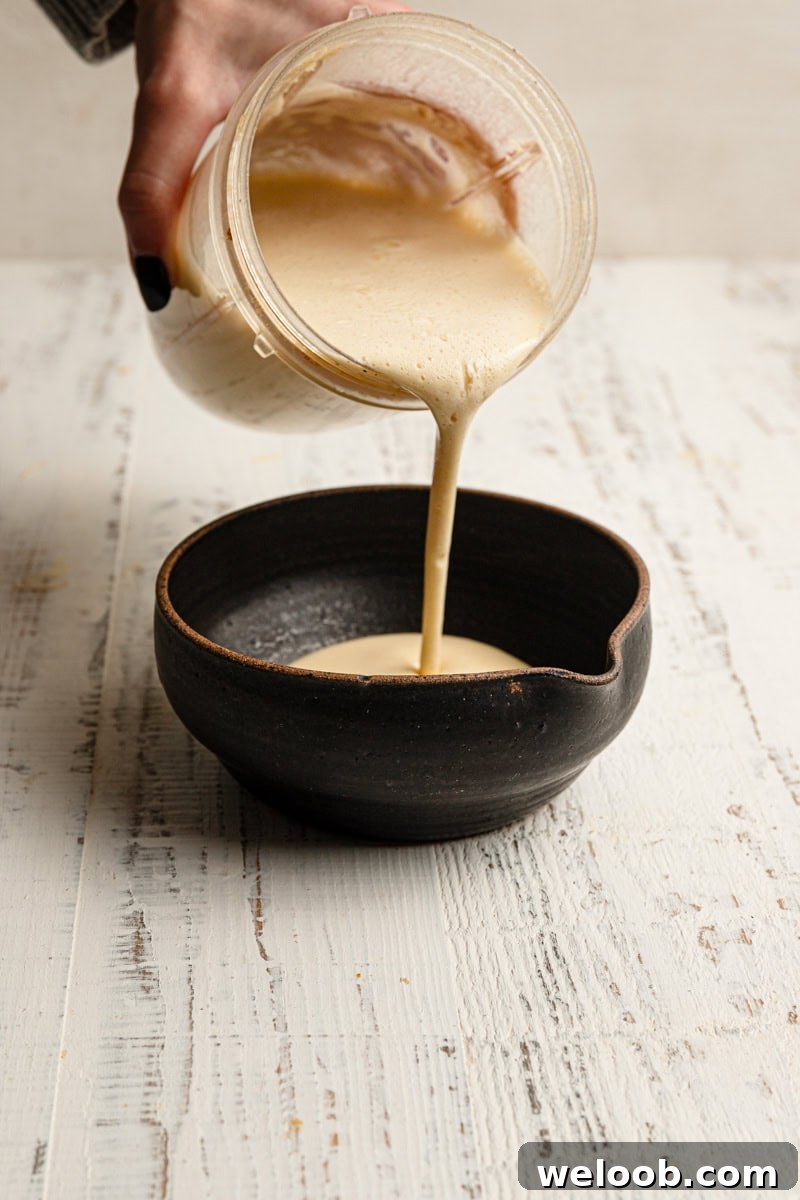


My Foolproof Crepe Method
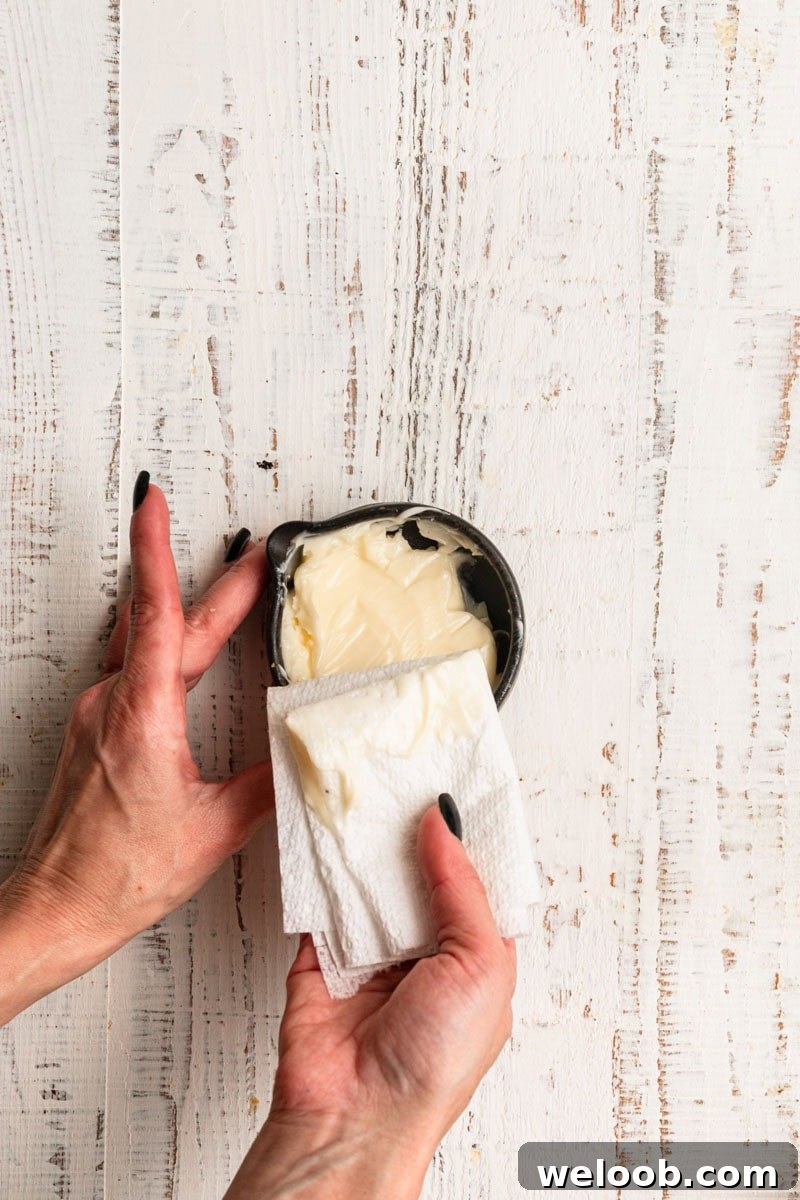
Most problems come from too much butter in the pan. Excess fat creates a shallow fry that prevents the batter from spreading and causes uneven browning. Use less butter and be attentive to heat control.
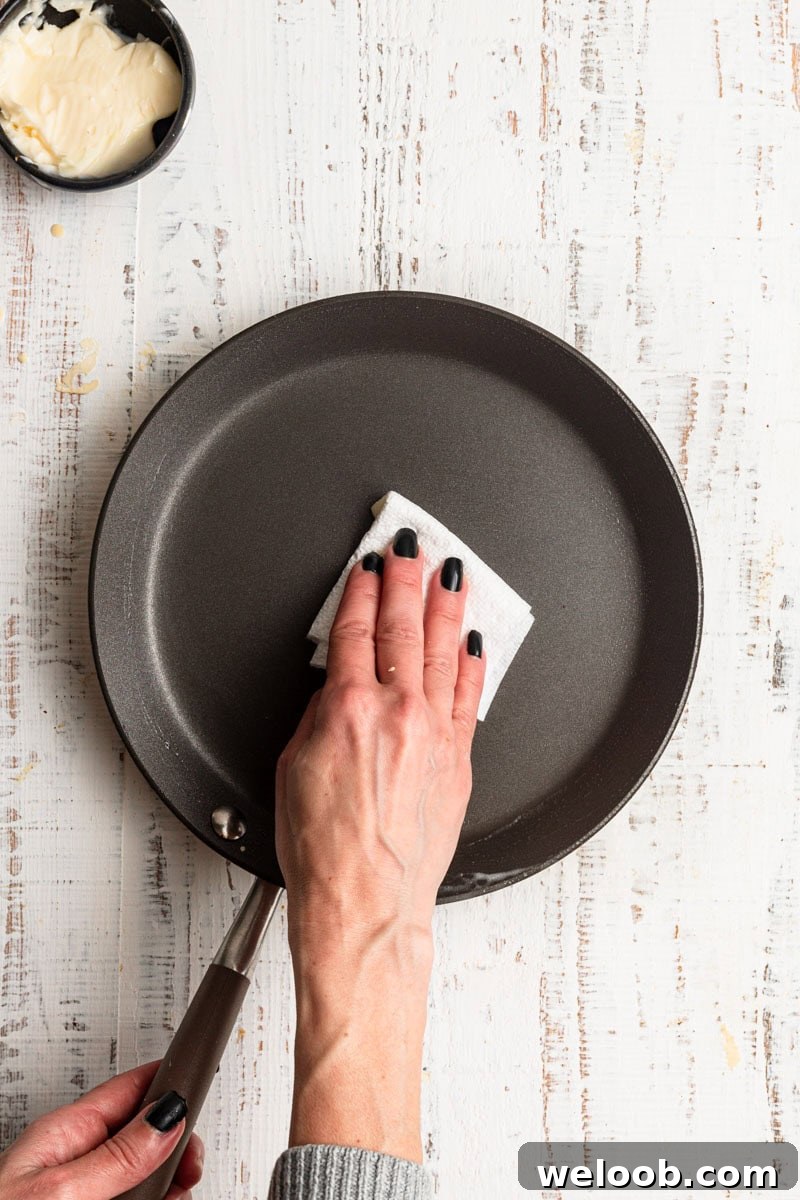
- Rather than pouring butter into the pan, dab a paper towel in soft butter and lightly coat the pan surface.
- Expect the first crepe to be imperfect; it’s a trial run that helps you set the right heat.
- Cook over low to medium-low heat. Adjust as necessary for your stovetop.

Shaping and Frying the Blintzes
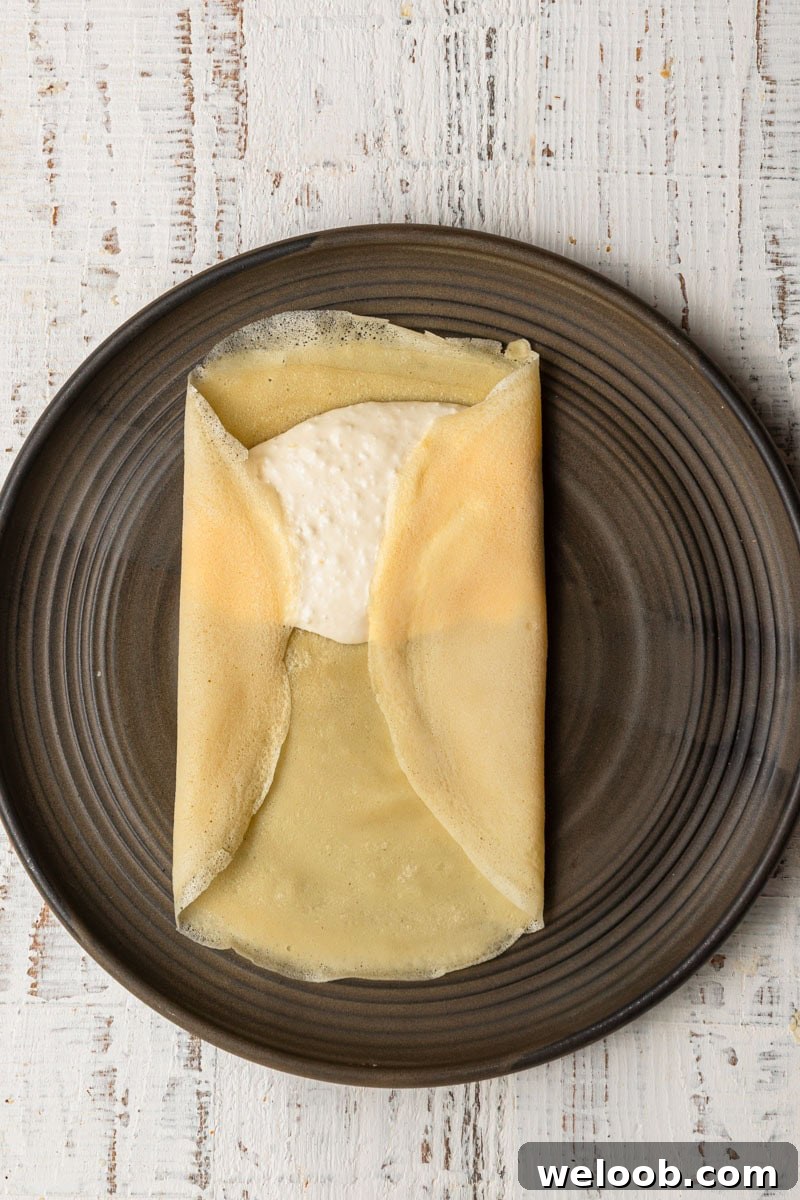
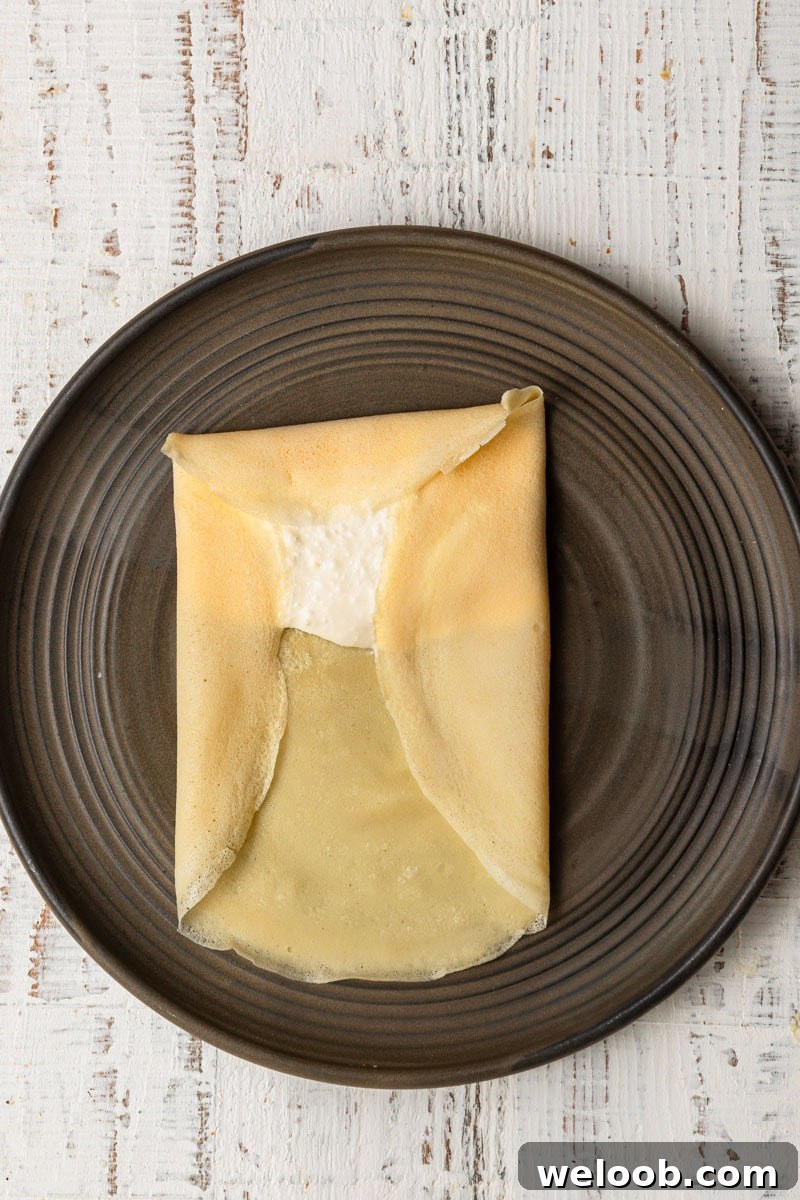
- For a simple approach, spoon the filling in the center and fold the opposite sides toward the center before rolling.
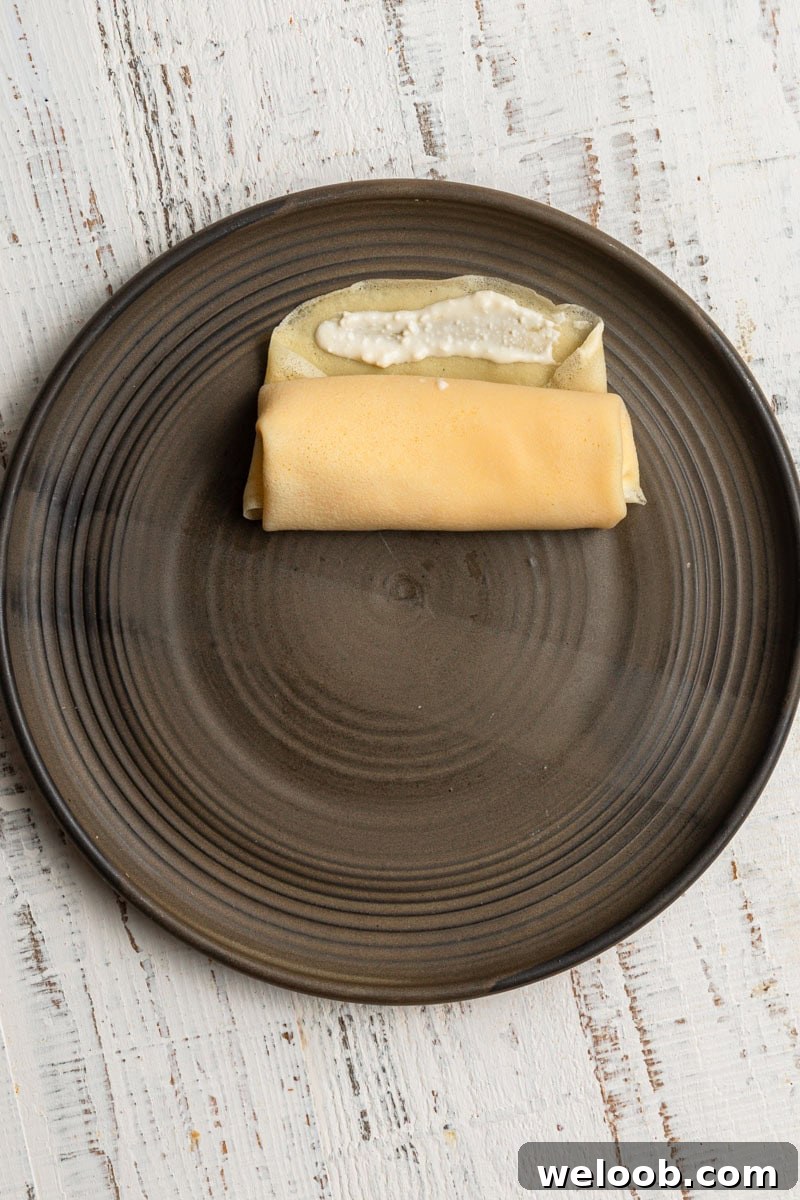
- When rolling, use your ring and little finger to press the wrapper edges so the filling doesn’t slip out.
- Smear a bit of filling on the final edge to seal the blintz.
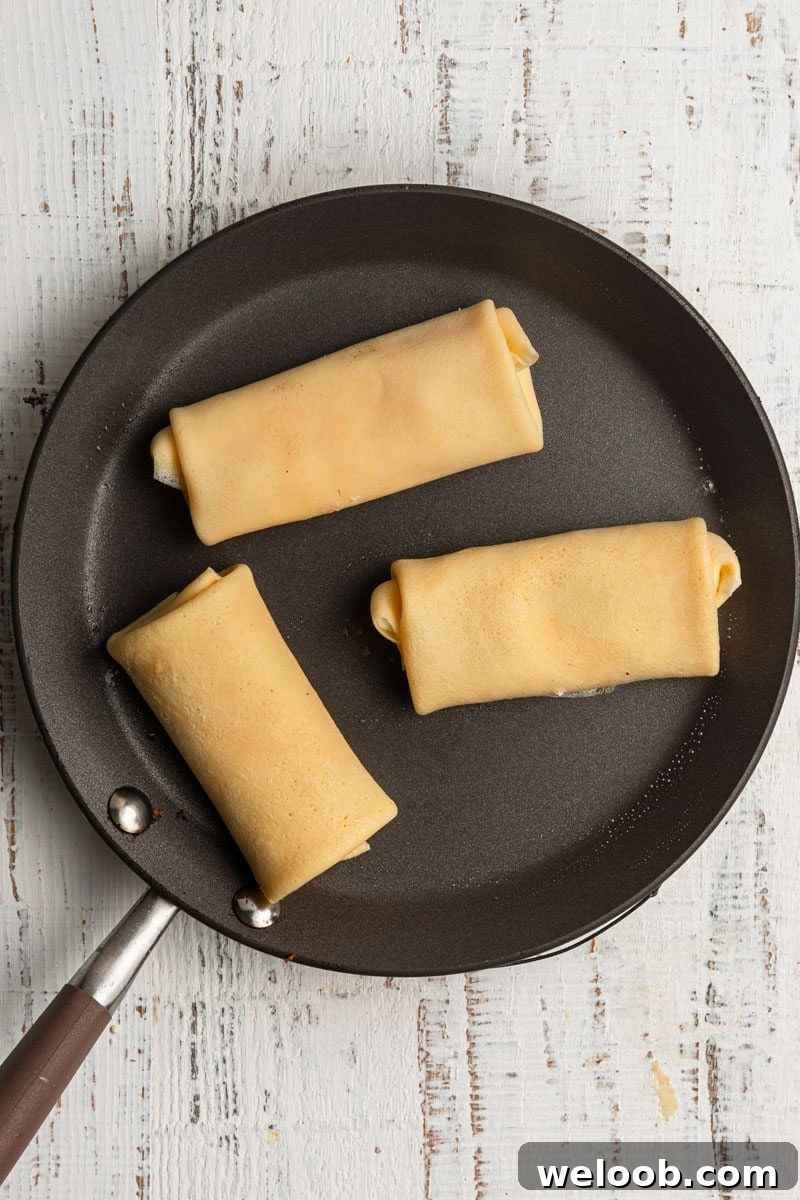
- Pan-fry the filled blintzes gently with a light coating of butter. Too much butter will cause dark, greasy spots.

Topping and Serving Options
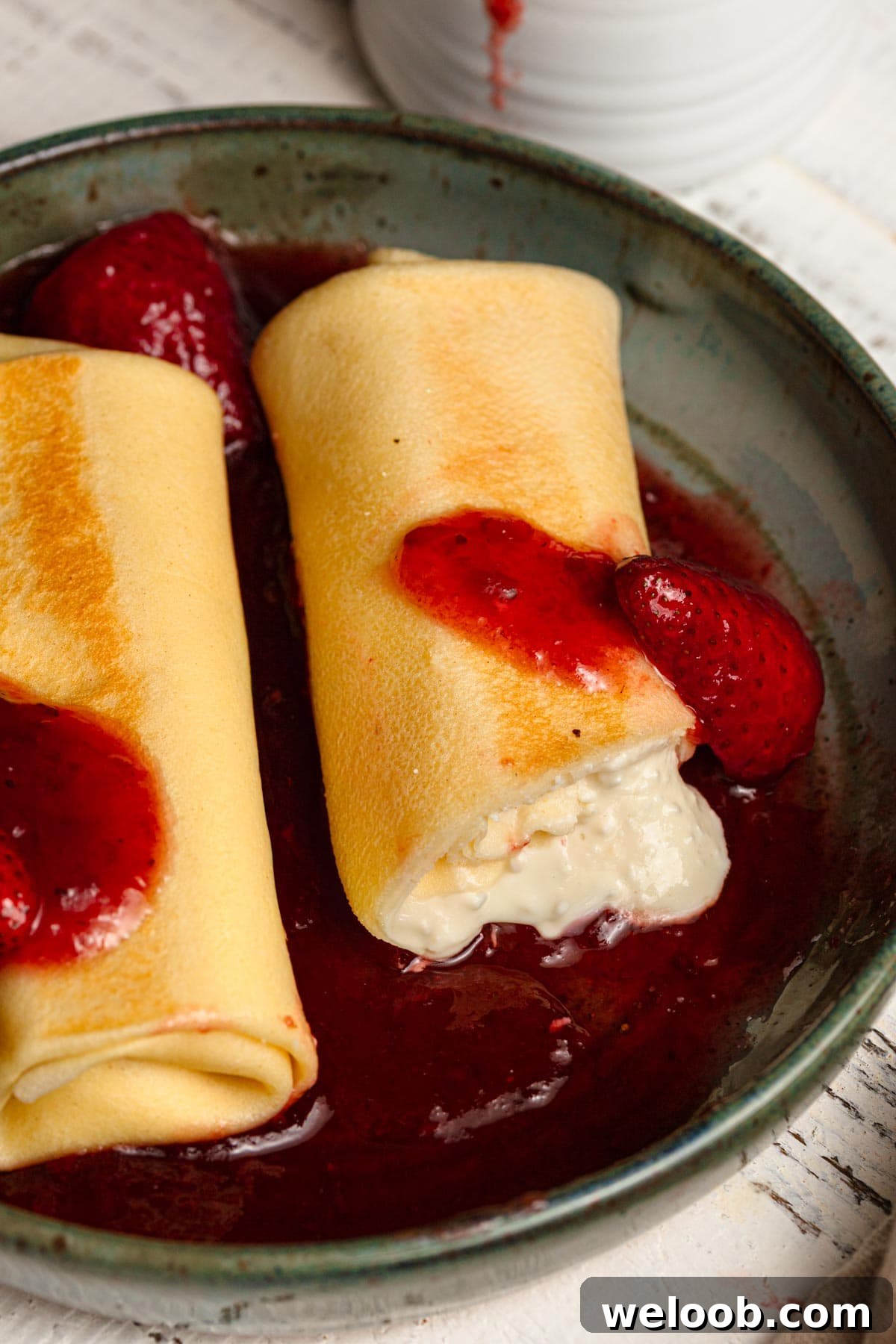
Blintzes are best served warm. Classic toppings include cooked berries in a syrup or a warmed fruit compote. I often serve them with a warm apple compote or a scoop of ice cream with a drizzle of warm caramel. Fresh berries with a light glaze are bright and seasonal and pair beautifully with the lemon-scented cheese filling.

Classic Blintzes with Sweet Cheese Filling
Ingredients
The Filling
- 1 cup (225 g) farmer cheese at room temperature (or ricotta)
- 1/2 cup (113 g) cream cheese at room temperature
- 1/3 cup (40 g) powdered sugar
- Zest from 1 small lemon
- 1 teaspoon vanilla extract
- 1 large egg, at room temperature
- 1 large egg yolk, at room temperature
The Crepes
- 4 large eggs, at room temperature
- 1 cup (240 ml) milk, at room temperature
- 1 cup (120 g) all-purpose flour
- 1 tablespoon (12 g) sugar
- 1 teaspoon vanilla extract
- 1/4 cup (55 g) unsalted butter, softened, for frying
Strawberry Topping
- 1 cup strawberry preserves
- 4 cups (about 450 g) fresh strawberries, halved or sliced
Instructions
Make the Batter
- Place the four eggs, milk, flour, sugar, and vanilla in a blender or food processor and blend until smooth.
- Pour the batter into a large bowl and let it rest for 30 minutes to hydrate the flour and relax the gluten.
Make the Filling
- Combine farmer cheese, cream cheese, powdered sugar, egg, egg yolk, lemon zest, and vanilla in a food processor and pulse just until combined. Refrigerate while you make the crepes.
- Tip: For a thicker, more stable filling, mix the cheeses and sugar in a bowl with a whisk, then add the egg, yolk, zest, and vanilla last.
Cook the Crepes
- Preheat an 8- or 10-inch skillet with sloped sides over medium heat. Lightly grease the pan by dabbing a paper towel in softened butter and wiping the surface.
- Pour about 1/4 cup of batter into the center and quickly swirl the pan to coat the surface evenly.
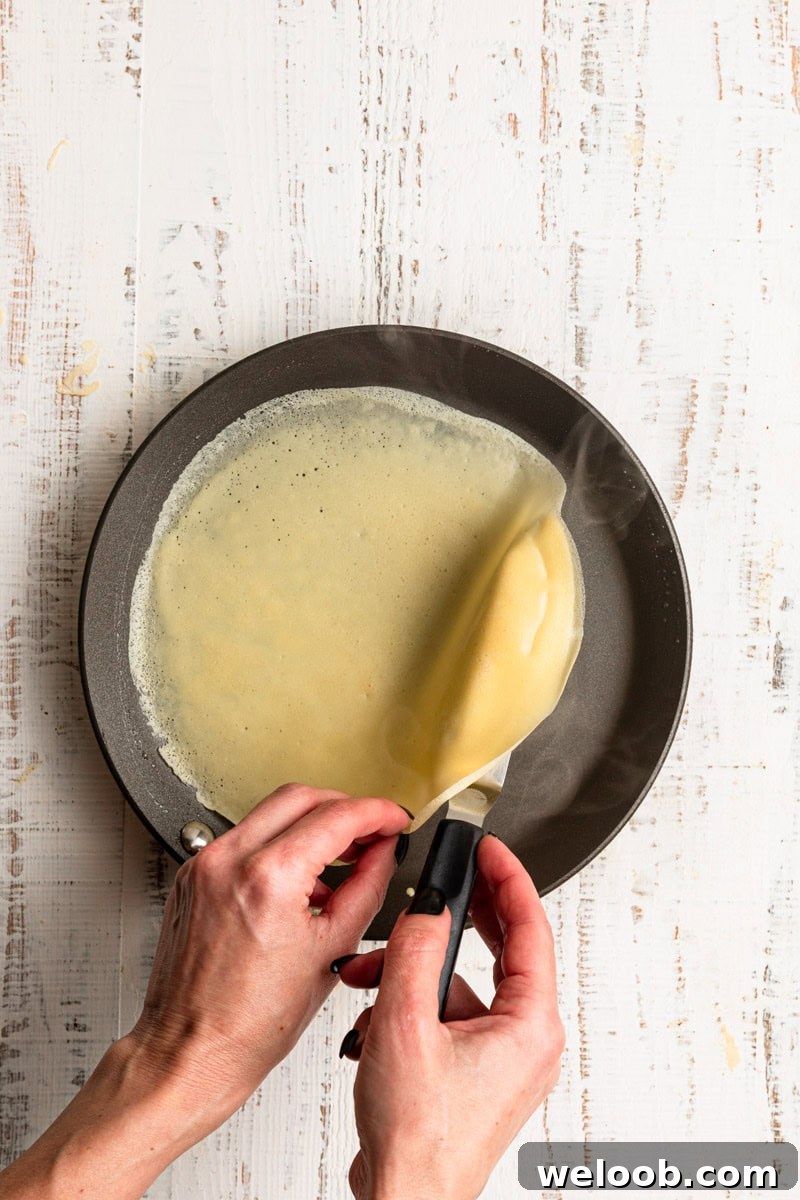
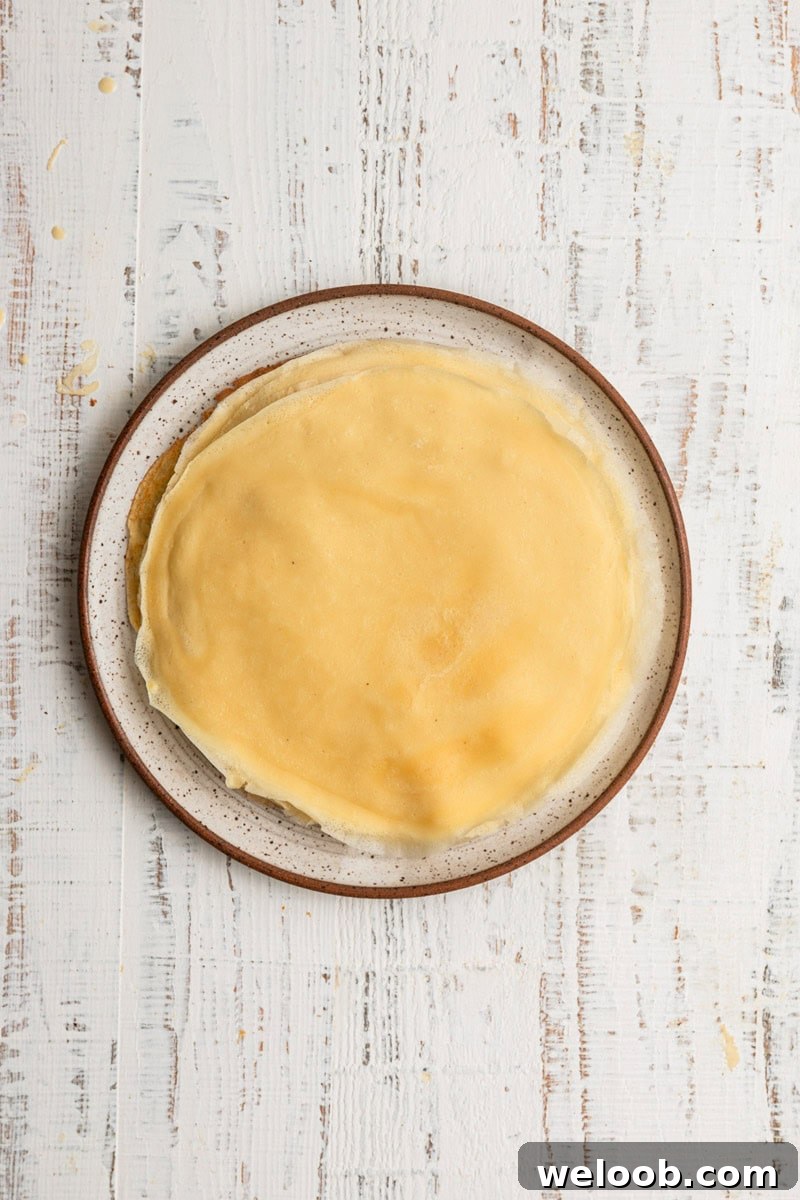
- Cook until the top surface is dry, about 30 seconds, then flip with an offset spatula and cook another 10–20 seconds. Transfer to a plate and repeat with the remaining batter, stacking the crepes.
Fill and Fry the Blintzes
- Spoon roughly 2 tablespoons of filling onto a crepe, either in the center or about 1 inch from the edge. Roll like a burrito or fold sides in first to form a neat package.
- Use a bit of filling to “glue” the final edge so the blintz stays sealed.
- Lightly grease the skillet and place 3–4 blintzes seam-side down. Cook over medium-low heat for about four minutes per side until golden and warmed through.
- While frying, warm the strawberry preserves in a small saucepan over medium heat and pour it over the fresh strawberries to make the topping.
- Serve the blintzes warm topped with the glazed strawberries or your preferred compote.
Notes
- To prepare ahead: refrigerate cooked but un-fried blintzes for up to three days. Reheat in a 300°F (150°C) oven for 15–20 minutes before frying or serving warm.