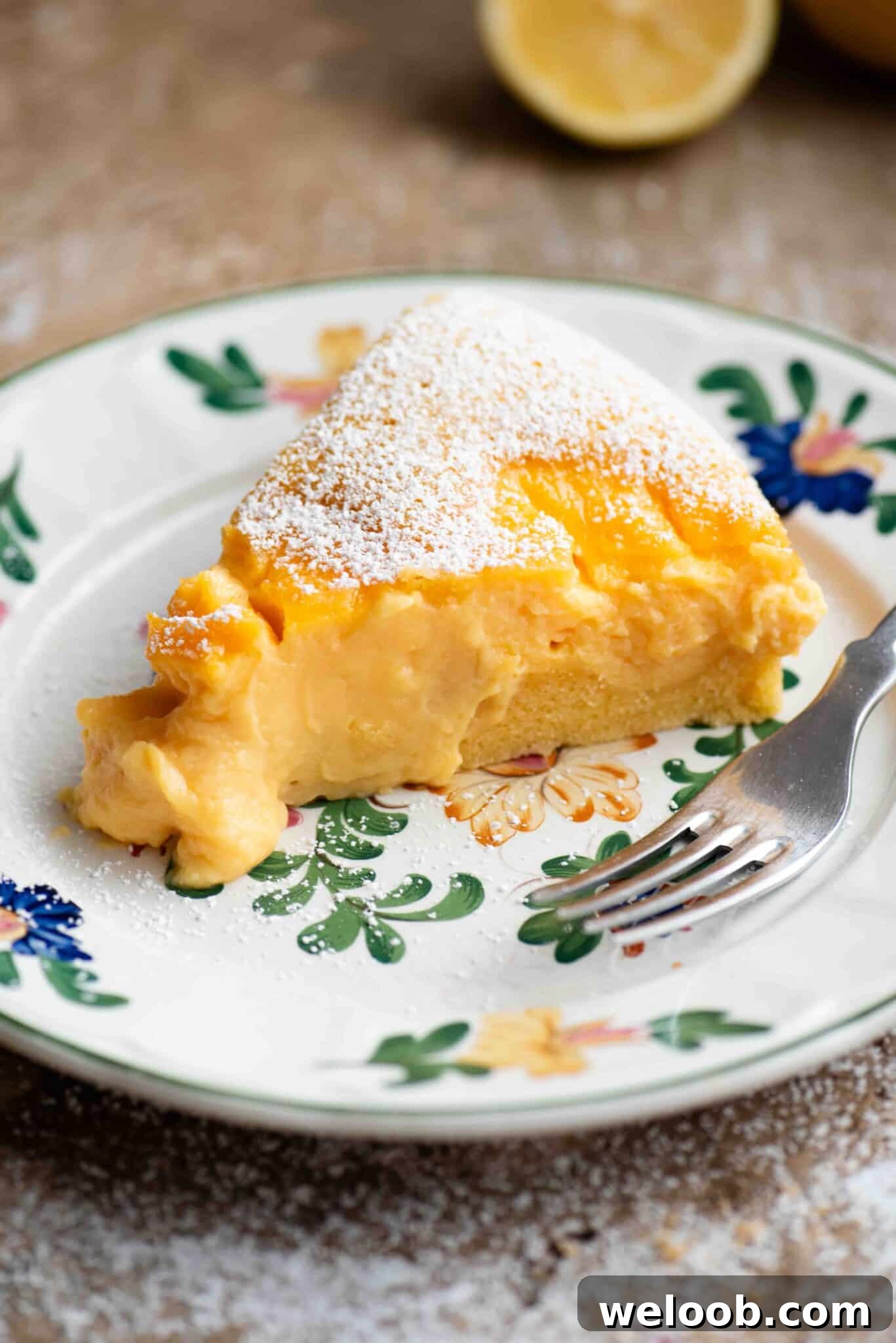
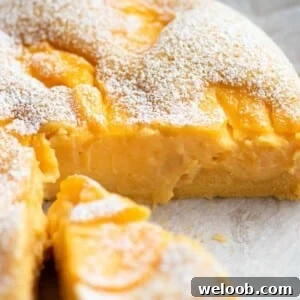
Torta Nua is a classic Italian-style breakfast cake built from a tender lemon sponge and generous spoonfuls of creamy vanilla-and-lemon pastry cream. The contrast between the light, airy cake and the silky, citrus-scented filling creates a simple yet memorable dessert that works beautifully for breakfast, brunch or an afternoon treat.
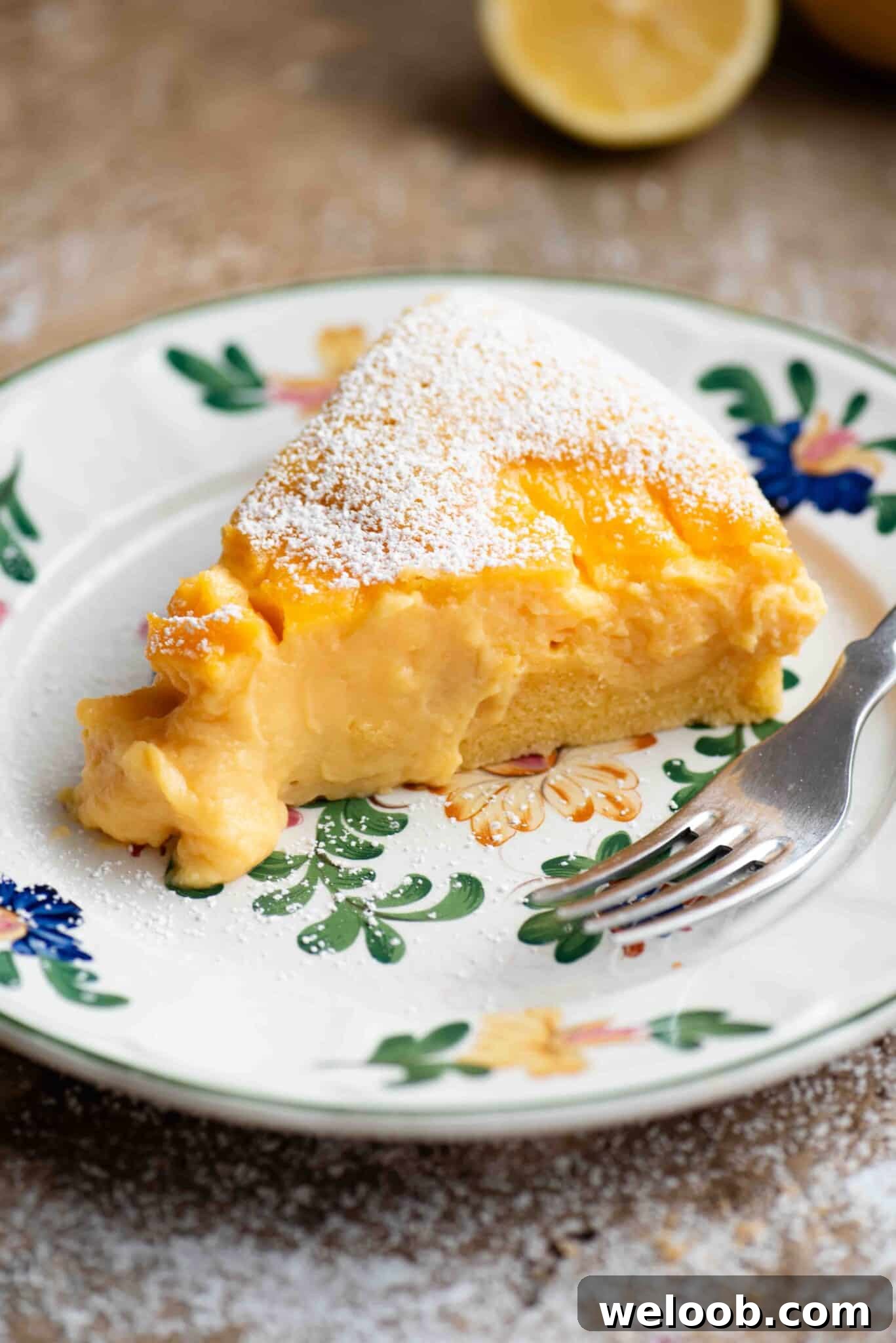
Although Torta Nua feels like a rustic heirloom cake, its surge in popularity is relatively recent. It spread widely through online food blogs and social channels in the 2010s and has inspired many variations since, from chocolate and Nutella-filled versions to ricotta-infused adaptations. At its heart, the recipe is uncomplicated: a vanilla-and-lemon flavoured sponge topped with dollops of lemony pastry cream that remain soft after baking.
The base sponge is very similar to an Italian breakfast cake—light, moist and subtly flavoured with lemon and vanilla—while the pastry cream (crema pasticcera) adds a rich, custardy element. During assembly, spoonfuls of chilled pastry cream are gently placed on the raw batter; as the cake bakes, the cream softens but does not fully melt away, creating pockets of luscious filling throughout the slice.
I tested and refined this recipe multiple times to reach consistent results. Below you’ll find clear ingredient notes, practical tips and step-by-step instructions to help you make a reliable Torta Nua at home.
Ingredient notes
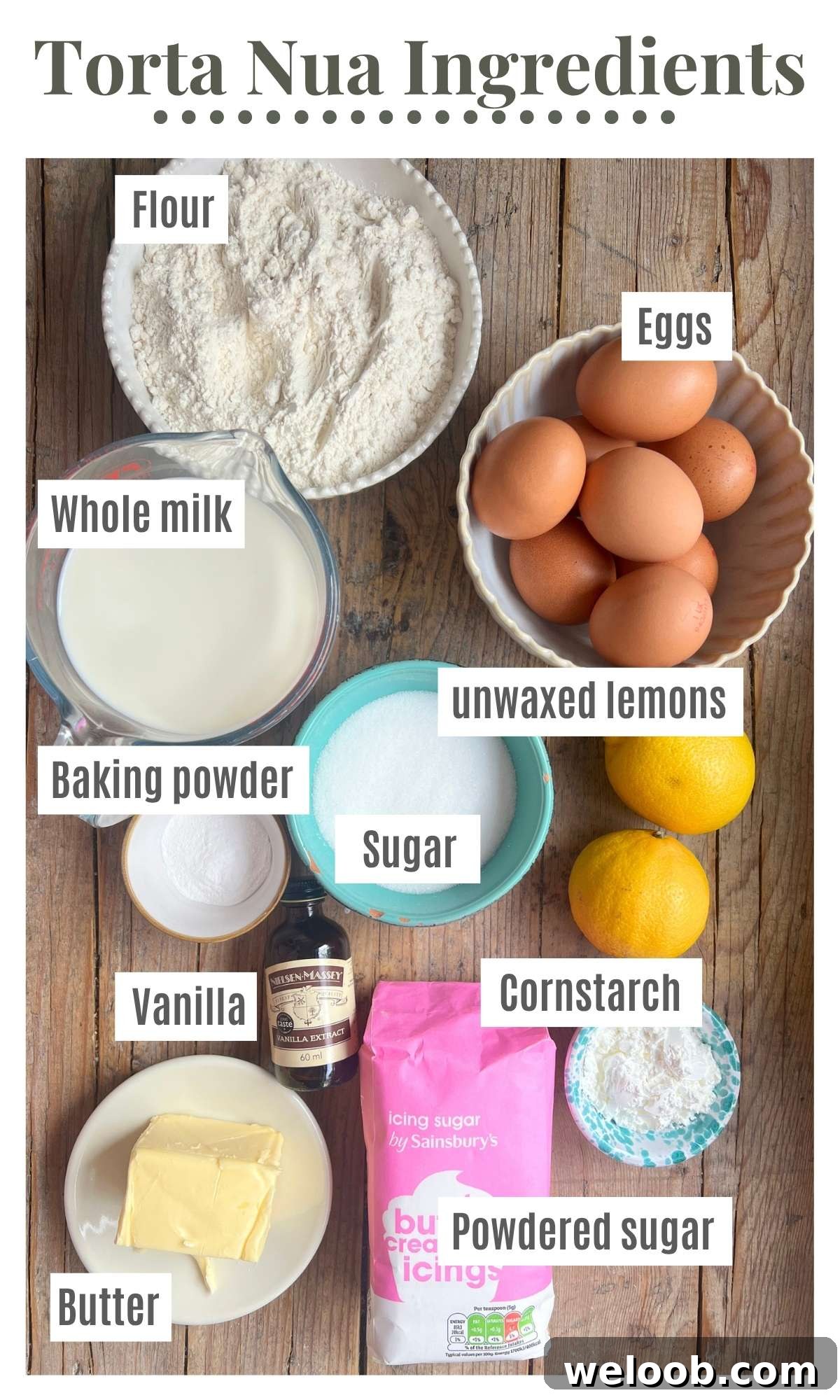
- Flour: Italian 00 flour is traditional and widely used in Italy, but plain all-purpose flour works well too. Use a reliable, medium-protein flour for a tender crumb.
- Eggs: Egg yolk colour varies by egg type—”golden yolks” can deepen the pastry cream’s hue, but regular yolks produce perfectly fine results. Save or freeze any leftover egg whites for other recipes.
- Sugar: Caster (superfine) sugar dissolves quickly and gives a smooth batter, though granulated sugar is an acceptable substitute.
- Lemons: Use unwaxed lemons because the peel is zested or peeled for flavouring. Avoid using fruit with waxed skins unless you scrub and remove the wax first.
- Vanilla: A good-quality vanilla extract boosts flavour. Vanilla bean paste or scraped vanilla seeds are suitable alternatives if you prefer.
- Whole milk: Full-fat milk is recommended for the pastry cream; it provides richness and a smooth texture that lower-fat milks won’t match.
Top tips for making Torta Nua
Whip the batter thoroughly: The sponge relies on aeration to support the pastry cream pockets. Beat the eggs and sugar until frothy and smooth—at least two minutes by hand or with a mixer—then incorporate the dry ingredients carefully to avoid deflating the mixture.
Line and grease your pan: Even with a non-stick pan, butter the springform and line the bottom with parchment for easy release and a clean edge.
Choose the right pan size: A 9-inch (23 cm) springform pan produces the ideal height and texture. Using a smaller pan will raise the cake and may require adjusting the pastry cream quantity and baking time.
More Italian desserts to try
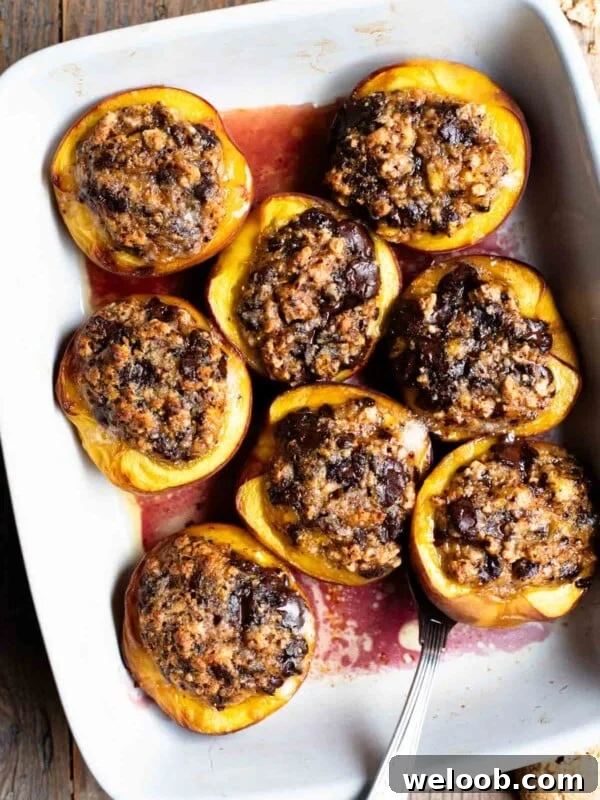
Italian Desserts
Italian Baked Peaches (Pesche Ripiene alla Piemontese)
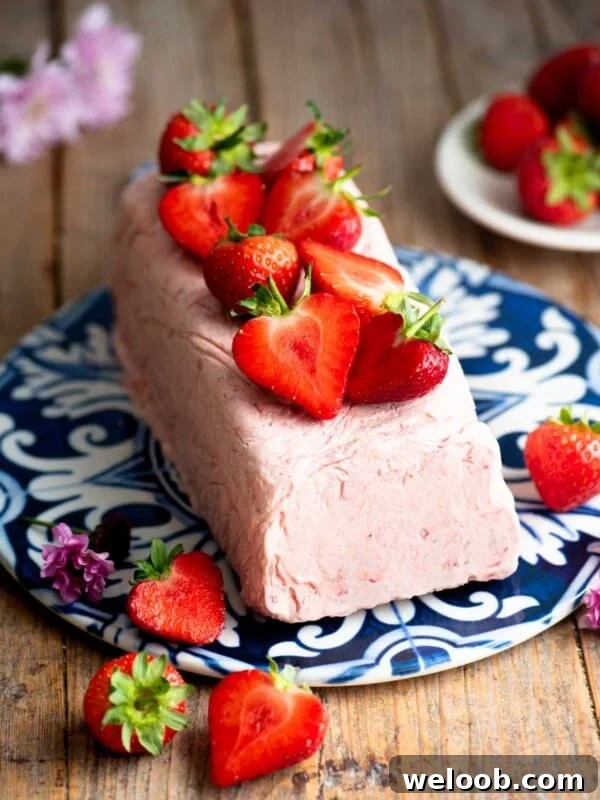
Italian Desserts
Strawberry Semifreddo with Strawberry Sauce
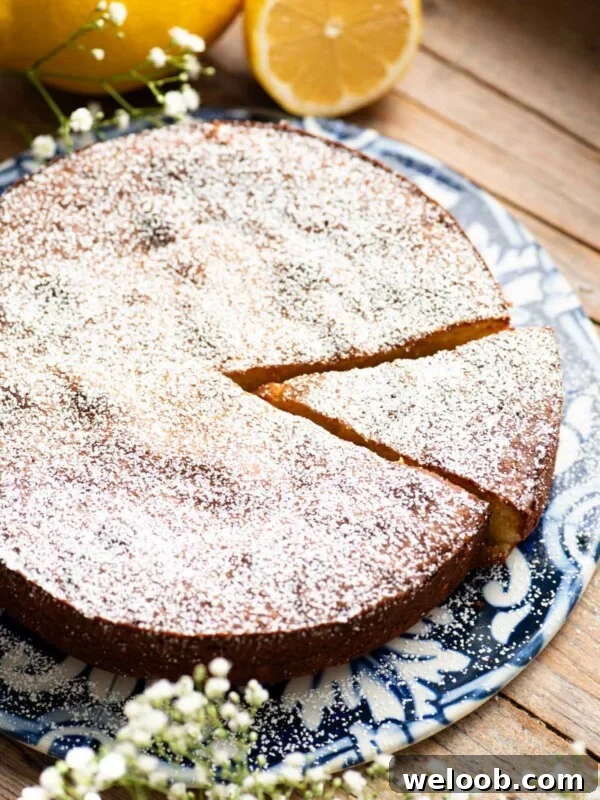
Italian Desserts
Torta Caprese Bianca (Lemon Caprese Cake)
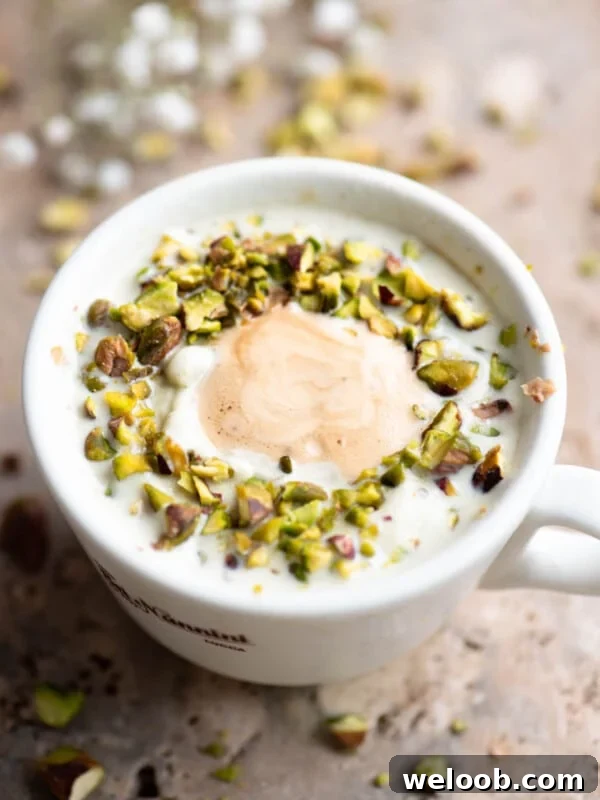
Italian Desserts
Pistachio Affogato
Step By Step Photos Above
Complete instructions, photos and practical tips are provided so you can achieve the best result on your first try.
Torta Nua (Italian Cake with Pastry Cream)
By Emily
Equipment
- 9-inch loose-bottom springform cake pan
- Baking parchment
- Sieve
- Stand mixer or electric hand whisk
- Plastic wrap (cling film)
Ingredients
For the crema pasticcera
- 3 large egg yolks (regular yolks are fine)
- 355 ml (1.5 cups) whole milk
- Peel of 1 lemon
- 30 g (1/4 cup) cornstarch
- 50 g (1/4 cup) sugar
- 1 teaspoon vanilla extract
For the cake
- 280 g (2 cups) 00 flour or all-purpose flour
- 115 g (1 stick) unsalted butter, melted
- 2 teaspoons baking powder
- 4 large eggs
- 180 g (3/4 cup plus 2 tablespoons) caster/superfine sugar
- Zest of 1 lemon
- 120 ml (1/2 cup) whole milk
- Powdered/icing sugar, for dusting
Instructions
To make the pastry cream
- Peel the lemon in strips with a vegetable peeler and put the peel, milk and vanilla extract in a saucepan. Heat until the milk just begins to simmer, then remove from the heat.
- In a bowl, whisk together the egg yolks, sugar and cornstarch until smooth.
- Add a small splash of the hot milk to the egg mixture while whisking to temper the yolks. Strain the remaining milk over the bowl through a sieve to remove the lemon peel, whisking constantly.
- Return the combined mixture to the saucepan and cook over medium-low heat, stirring constantly. Use a wooden spoon until you feel the mixture thicken, then switch to a whisk to smooth out any lumps. Cook until very thick.
- Transfer the pastry cream to a clean bowl and cover the surface directly with plastic wrap to prevent a skin from forming. Allow cooling for 20–30 minutes.
To make the cake
- Preheat the oven to 180°C (350°F) static. Grease a 9-inch springform pan with butter and line the bottom with parchment paper. Place the pan on a baking tray.
- Melt the butter and let it cool until warm. Warm the milk until tepid, not hot.
- Whisk together the flour and baking powder in a bowl to aerate.
- In a mixer or bowl, beat the eggs, sugar and lemon zest until frothy and combined—about 2 minutes. The mixture should be light and airy.
- Add the melted butter and whisk in, followed by the warm milk.
- Fold in the flour and baking powder a spoonful at a time while whisking gently. Scrape down the sides and ensure the batter is smooth and lump-free.
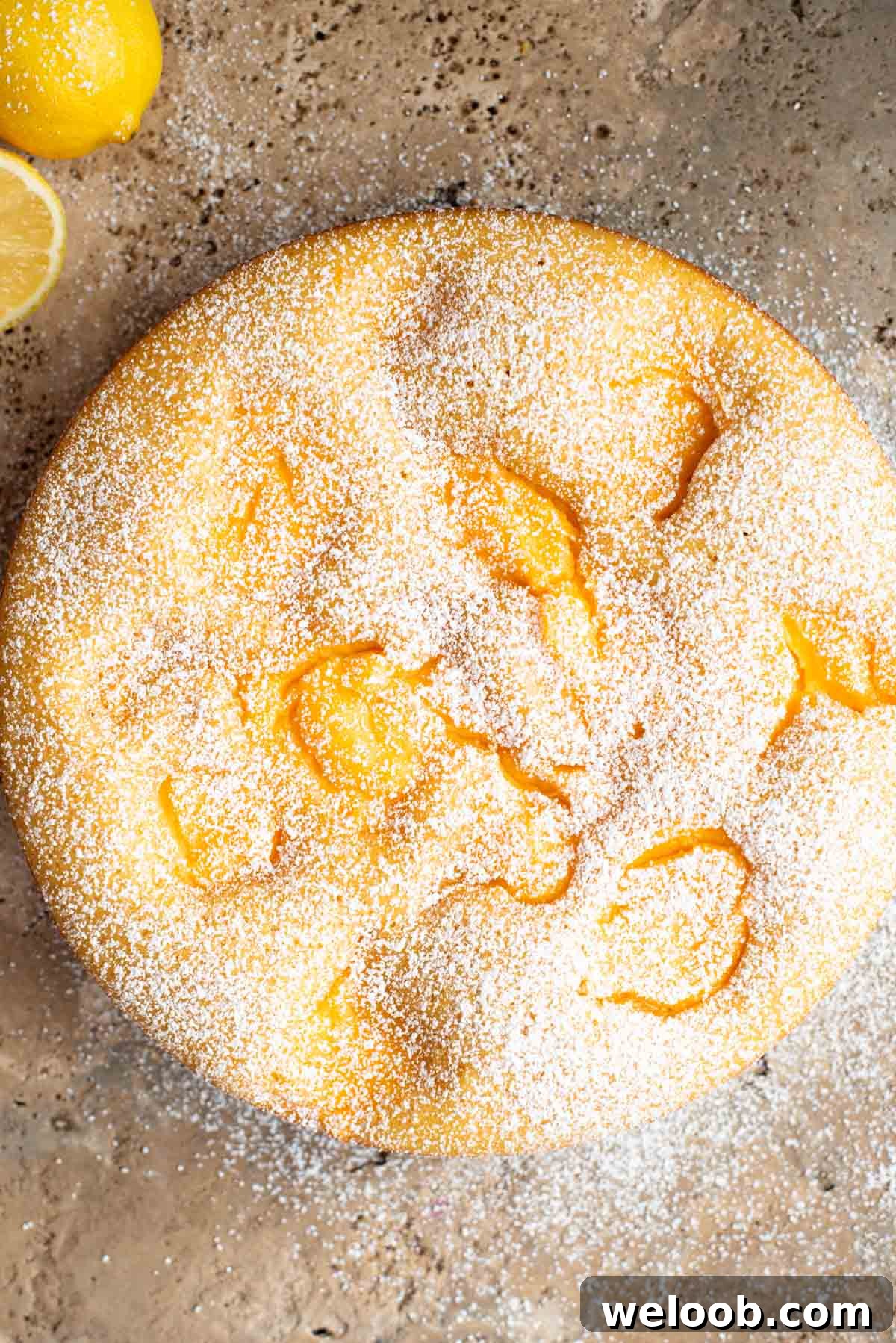
- Pour the batter into the prepared pan. Drop spoonfuls of the cooled pastry cream over the batter—about 2 tablespoons per dollop—placing them around the outer edge and in the center to create even pockets.
- Bake for about 35 minutes, checking doneness with a skewer inserted into the sponge. Remove from the oven and let rest for 10 minutes before releasing the springform ring.
- When fully cooled and just before serving, dust the top with powdered sugar, slice and serve.
Notes
- Use a kitchen scale: This cake benefits from accurate measurements, so weighing ingredients will give the best, most consistent outcome.
- Temperatures matter: Both melted butter and milk should be warm or at room temperature—not hot—when added to the batter.
- Cool the pastry cream: The pastry cream should be cooled for at least 20–30 minutes; warm cream is acceptable but avoid using it piping hot.
- Storage: Keep the cake in a cool place out of direct sunlight for up to two days, then refrigerate. Note that refrigeration can dry cakes, so it’s best enjoyed within the first couple of days.
- Freezing: Freezing is not recommended for this cake because the texture of the pastry cream changes significantly once frozen and thawed.
Helpful Info for All Recipes
- Extra virgin olive oil is used by default in savory recipes unless noted otherwise.
- When using canned or jarred tomatoes, choose a reliable brand for consistent flavour.
- Vegetable sizes are standard unless otherwise specified.
- Recipes are tested using a fan (convection) oven; adjust times slightly if using a conventional oven.
- Nutrition information is calculated automatically and provided as an approximation.
Nutrition
Nutrition information is automatically calculated and should be used as an estimate.