
How Long to Boil Chicken Breast for Tender, Juicy Results
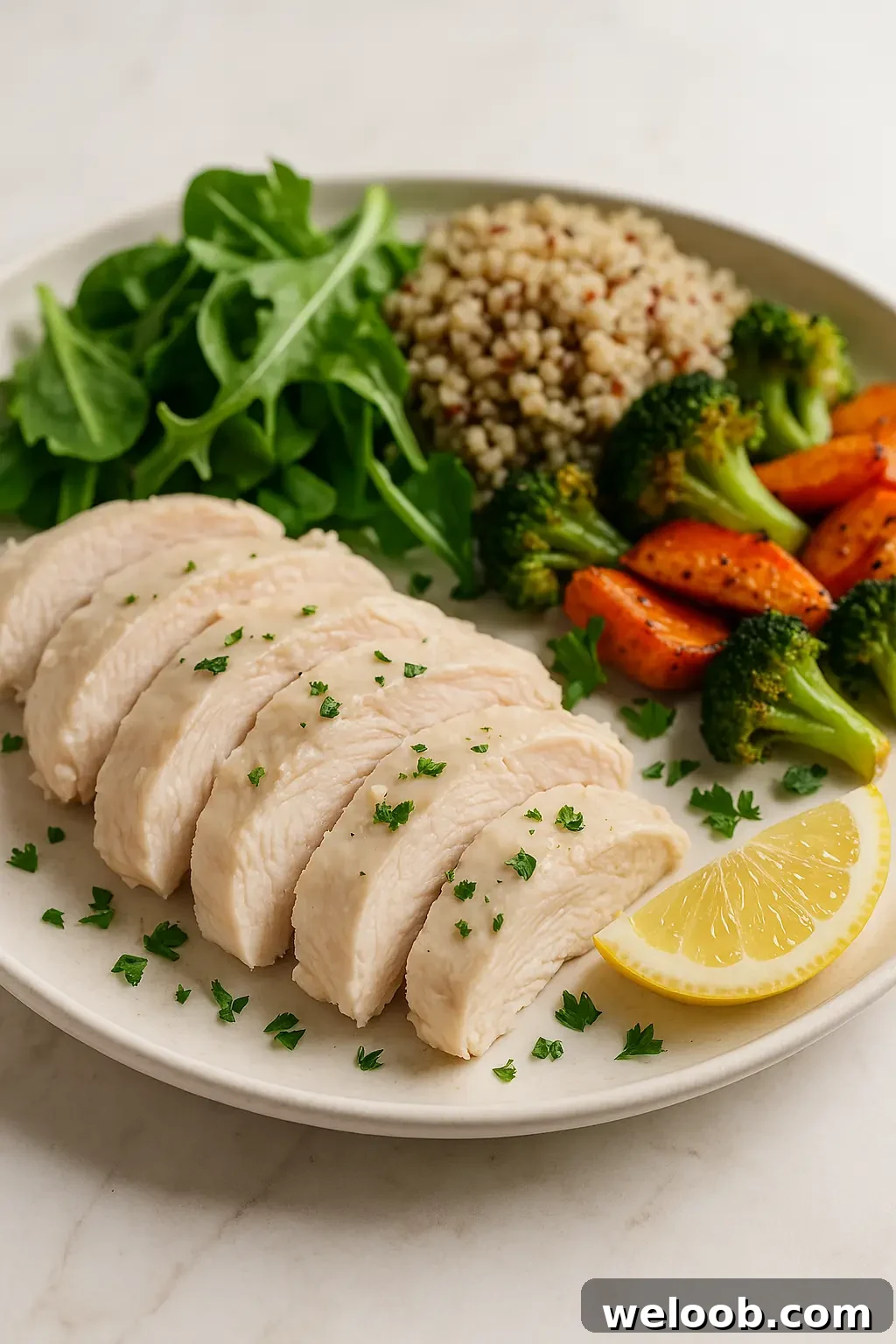
How long to boil chicken breast? Learn the exact timing, proven technique, and expert tips to boil chicken breast perfectly—moist, juicy, and never dry.
Introduction
“How long to boil chicken breast” is a common kitchen question because the difference between dry, stringy chicken and tender, juicy meat is largely timing and technique. Simmering (often called boiling) is one of the simplest, healthiest, and most versatile ways to prepare boneless or bone-in chicken breasts. When done right it yields lean, flavorful protein with minimal effort and no added fat. This guide explains recommended times, a step-by-step method, flavor variations, storage tips, and practical uses for poached chicken.
How Long to Boil Chicken Breast?
The key to success is a gentle simmer rather than a rolling boil. A steady, low simmer cooks the meat evenly and keeps it moist. Use a digital thermometer to verify the internal temperature reaches 165°F (74°C), the USDA minimum for safe poultry.
| Type of Chicken Breast | Simmer Time (after water reaches a gentle boil) |
|---|---|
| Thin cutlets (about 1/2 inch) | About 8 minutes |
| Standard boneless, skinless breasts | 12–15 minutes |
| Bone-in chicken breasts | 18–20 minutes |
| Frozen (thawed first) | 12–15 minutes |
Step-by-Step Instructions for Boiling Chicken Breast
1. Arrange the Chicken
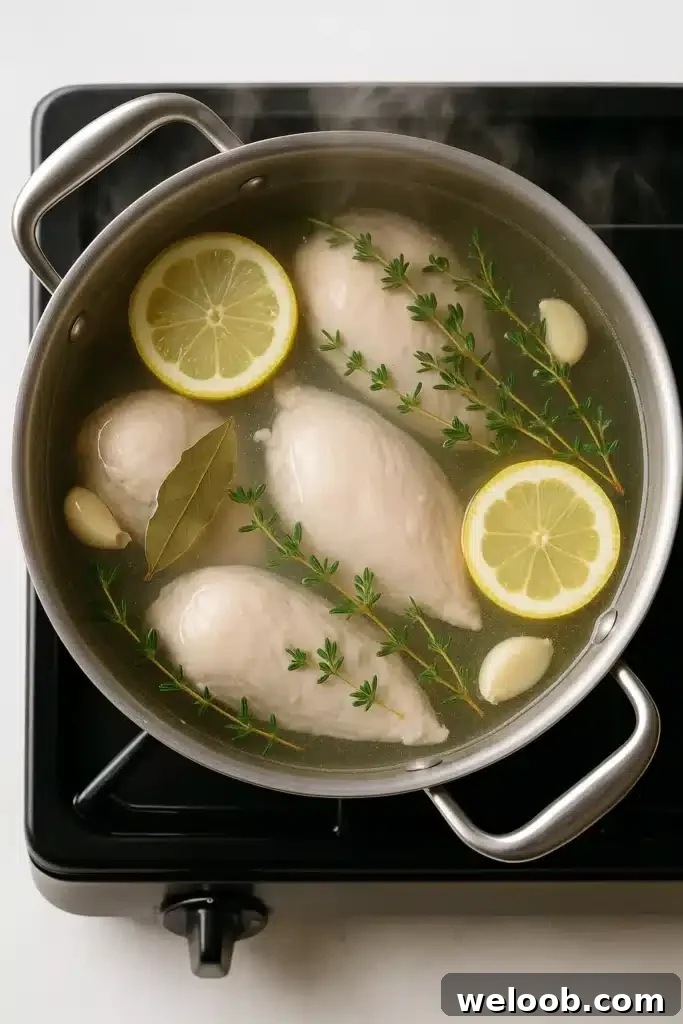
Place 1 to 4 boneless, skinless chicken breasts in a single layer in a wide saucepan or deep skillet. Avoid stacking pieces so they cook evenly.
2. Add Water and Seasoning
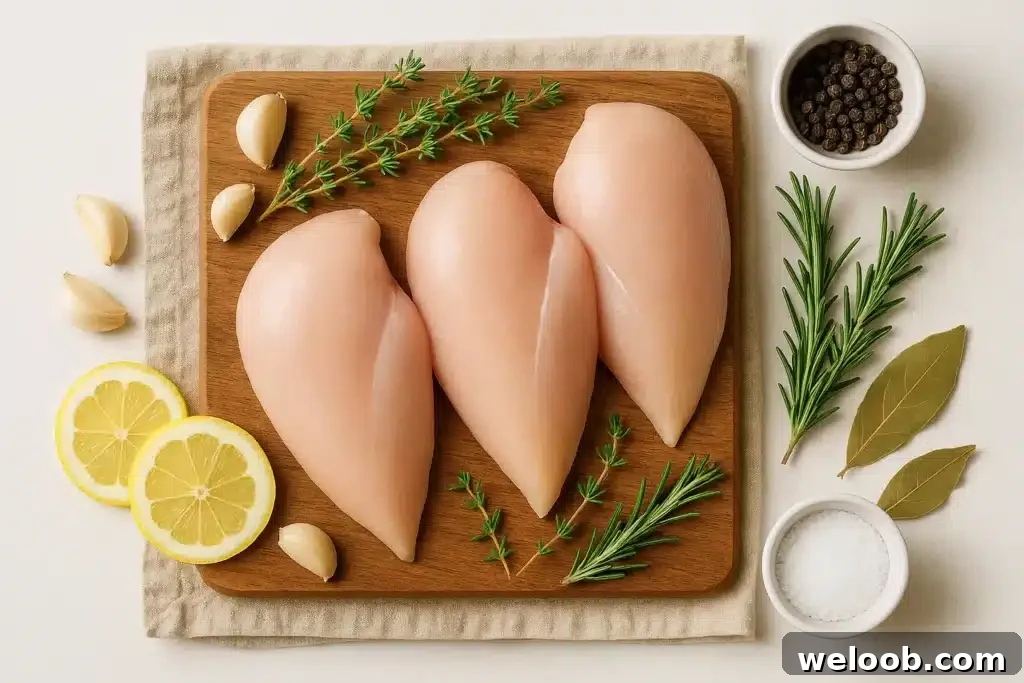
Cover the chicken with cold water by at least 1 inch and add about 1 teaspoon of salt for two breasts. Optional aromatics boost flavor:
- 1–2 smashed garlic cloves
- 2–3 lemon slices
- Fresh thyme or rosemary sprigs
- 1/4 onion, sliced
- Whole black peppercorns or a bay leaf
3. Bring to a Gentle Boil
Heat over medium-high until the water reaches a gentle boil—usually 5–7 minutes depending on the pan and stove. Then immediately reduce heat to maintain a low simmer.
4. Simmer to Finish
Cover the pot and simmer for the time appropriate to the cut (see the timing table above). Keep the surface at a bare simmer—small bubbles breaking the surface rather than a vigorous boil.
5. Check for Doneness
Test the thickest part with a digital thermometer; it should read 165°F (74°C). If you don’t have a thermometer, cut into the center—juices should run clear and there should be no pink.
6. Rest Before Slicing
Remove the chicken from the liquid and let it rest on a cutting board for 5–10 minutes. Resting lets juices redistribute so slices stay moist.
Why Simmering Is Better Than Boiling
Although the phrase is “boil chicken,” aggressive boiling can force moisture out of the meat and result in a rubbery texture. Gentle simmering preserves tenderness and keeps the cooking liquid clear and flavorful—ideal for using as a light broth in soups, rice, or sauces.
- Boiling too aggressively can squeeze moisture from the meat and make it stringy.
- Gentle simmering keeps texture soft, infuses aromatics, and produces a reusable poaching liquid.
Flavor Variations (Aromatics by Cuisine)
Customize the poaching liquid to match the meal you plan to prepare:
Mediterranean: Lemon slices, bay leaf, thyme, garlic.
Mexican: Jalapeño, cumin seeds, onion, garlic.
Asian: Ginger slices, scallions, a splash of soy sauce added after cooking.
Indian: Cinnamon stick, turmeric, cardamom pods.
These aromatics not only flavor the meat but create a fragrant poaching liquid that can enrich other dishes.
Storage and Freezing Tips
Refrigeration
- Allow chicken to cool completely before refrigerating.
- Store in an airtight container; include a small amount of the poaching liquid to help maintain moisture.
- Keeps well for up to 5 days in the fridge.
Freezing
- Slice or shred before freezing for easier portioning.
- Seal in airtight freezer bags or containers, label with date and portion size.
- Freeze for up to 3 months for best quality.
For meal prep, freeze in 1-cup portions for easy use in recipes.
Estimated cooked yield: a single 12 oz raw breast typically yields about 8 oz cooked, which shreds to roughly 2 cups—enough for a large salad or 2 sandwiches.
| Raw Chicken Weight | Cooked Yield | Shredded Chicken |
|---|---|---|
| 12 oz (1 breast) | About 8 oz | ~2 cups |
Best Ways to Use Boiled Chicken Breast
Poached chicken is a neutral, tender protein that adapts to many dishes. After cooking and resting, shred, slice, or cube the meat for:
- Salads & Wraps: Chicken Caesar wrap, Greek salad, chicken-avocado BLTs.
- Pasta, Rice & Grain Bowls: Creamy pasta, brown rice bowls, quinoa and herb salads.
- Global-Inspired Meals: Tinga tacos, butter chicken bases, coconut curries.
- Soups: Chicken noodle, tortilla soup, white bean and chicken chili.
Cold poached chicken is especially convenient for quick lunches and meal prep bowls.
Frequently Asked Questions
How long should I simmer chicken for shredding?
Simmer boneless breasts 12–15 minutes until the internal temperature reaches 165°F (74°C), then rest before shredding.
Can I boil frozen chicken breasts?
Thawing first is recommended. Starting from frozen can cause uneven cooking and increase food-safety risk.
Is boiled chicken healthy?
Yes. Poached chicken is low in fat, high in protein, and contains no added cooking oil—suitable for many healthy eating plans.
What if my chicken is pink inside?
Pink meat is unsafe unless the internal temperature is 165°F. Always confirm doneness with a thermometer.
Can I reuse the poaching liquid?
Yes. Strain and refrigerate for up to 5 days or freeze portions as a light chicken broth for soups, grains, or sauces.
Nutrition Facts (Per 4 oz cooked chicken breast)
| Nutrient | Amount |
|---|---|
| Calories | 189 kcal |
| Protein | 35 g |
| Total Fat | 4 g |
| Saturated Fat | 1 g |
| Carbohydrates | 0 g |
| Sodium | 789 mg |
| Cholesterol | 96 mg |
Simple Recipe Card
Ingredients
- 2 boneless, skinless chicken breasts
- 1 teaspoon salt
- 2 garlic cloves, smashed (optional)
- 2–3 lemon slices (optional)
- 1 bay leaf (optional)
- 4 cups cold water (adjust to cover)
- Optional: fresh thyme or rosemary
Instructions
- Place chicken breasts in a single layer in a deep skillet or saucepan.
- Cover with cold water by about 1 inch. Add salt and any aromatics you like (garlic, lemon, bay leaf, herbs).
- Bring water to a gentle boil over medium-high heat.
- Reduce heat to low, cover, and simmer for 12–15 minutes for boneless breasts (adjust time for bone-in or thin cutlets).
- Check internal temperature—165°F (74°C) is the safe target. Remove from water and let rest 5–10 minutes before slicing or shredding.
- Strain and reserve the poaching liquid if desired as a light broth.
Notes
Poached chicken is ideal for salads, wraps, grain bowls, and soups. Store cooled chicken in an airtight container for up to 5 days in the refrigerator or freeze portions for up to 3 months.
Conclusion
Understanding how long to boil chicken breast—and using a gentle simmer—lets you produce tender, juicy results every time. This straightforward method creates a versatile, lean protein you can build into countless meals. Keep a cooked batch on hand for quick lunches, dinner staples, or to add protein to soups and grain bowls.