
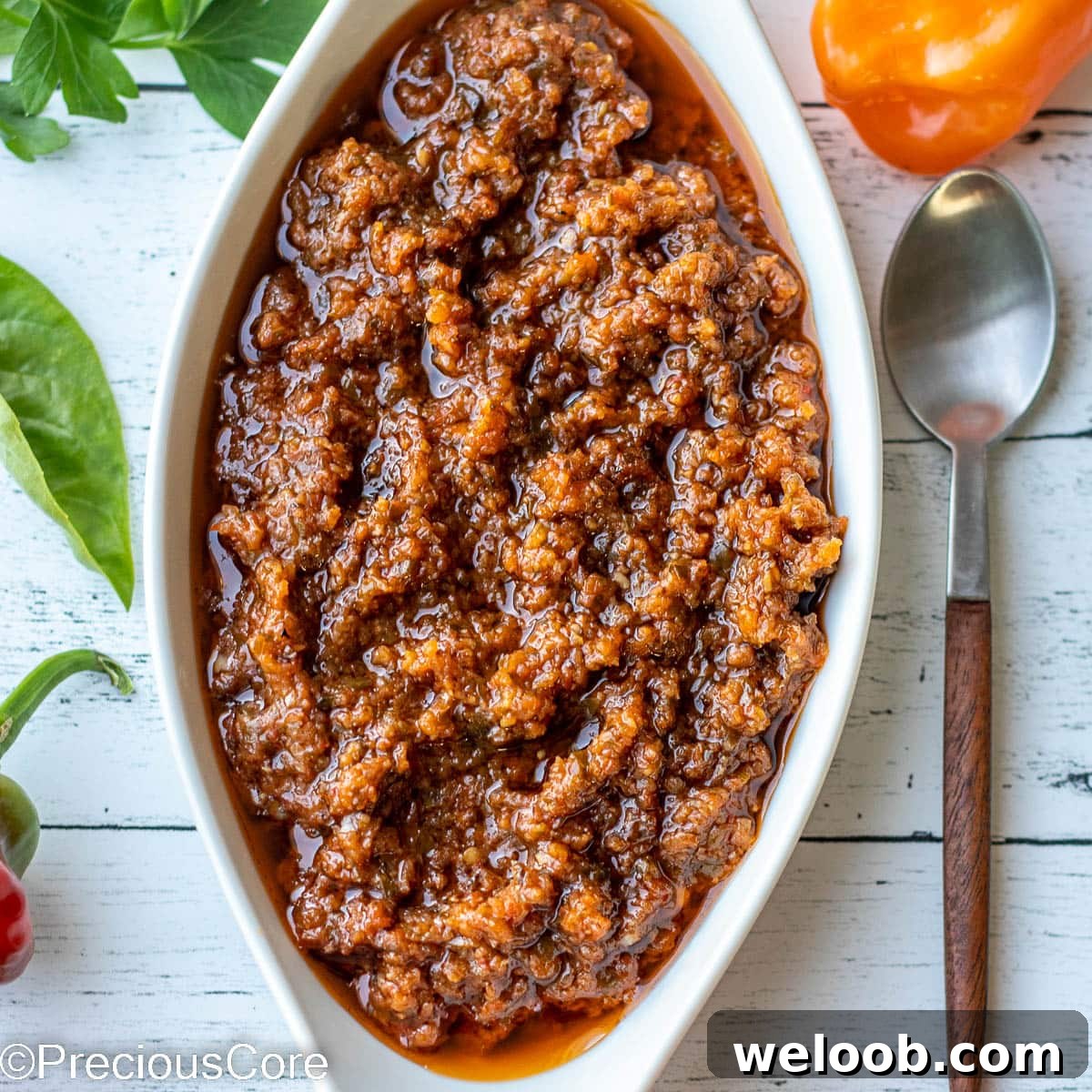
Here’s my beloved African Pepper Sauce — a fragrant, piquant condiment that brightens everything from garlic butter wings and fish rolls to puff-puff and plain white rice. This West African-style pepper sauce is simple to make, keeps well, and is an essential pantry staple for home cooks and entertainers alike.
The base is hot peppers, balanced with tomatoes and aromatics so the heat is lively but enjoyable. Below I share the method I’ve used for years, along with tips for storage, adjustments, and serving suggestions.
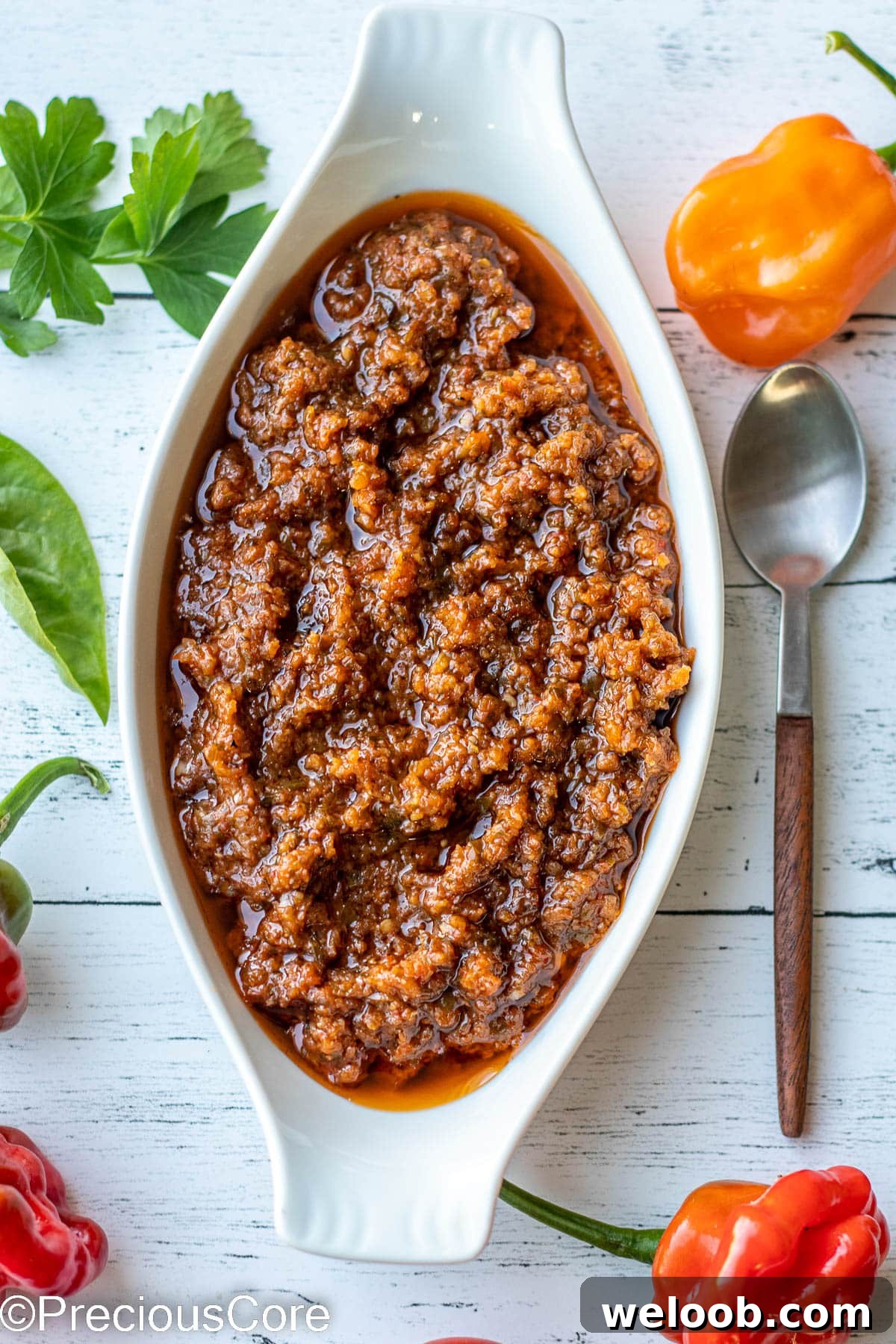
This spicy sauce is perfect on the table as a condiment or as a dip for appetizers. Friends often take a jar home after dinner, and I’ve lost count of how many parties I’ve made it for — it’s always a crowd pleaser.
Table of Contents
- Why You’ll Love This Recipe
- Ingredients For African Pepper Sauce
- How To Make African Pepper Sauce
- What To Use African Pepper Sauce On
- Expert Tips
- Recipe FAQs
- Similar Recipes
- African Pepper Sauce Recipe
Why You’ll Love This Recipe
- An all-around condiment: This pepper sauce transforms simple meals and snacks, adding bright heat and aroma that complement many dishes.
- Spicy but balanced: Tomatoes mellow the heat and add sweetness, so you can enjoy generous spoonfuls without being overwhelmed. Omit or reduce tomatoes if you prefer a hotter sauce.
- Simple ingredients: The recipe uses familiar, easy-to-find ingredients, making it approachable for cooks everywhere.
Keep a jar of this sauce in your fridge and it will quickly become one of your go-to flavor boosters. It also makes a thoughtful edible gift for friends and family.
Ingredients For African Pepper Sauce
These are the core components that build the sauce’s flavor and texture:
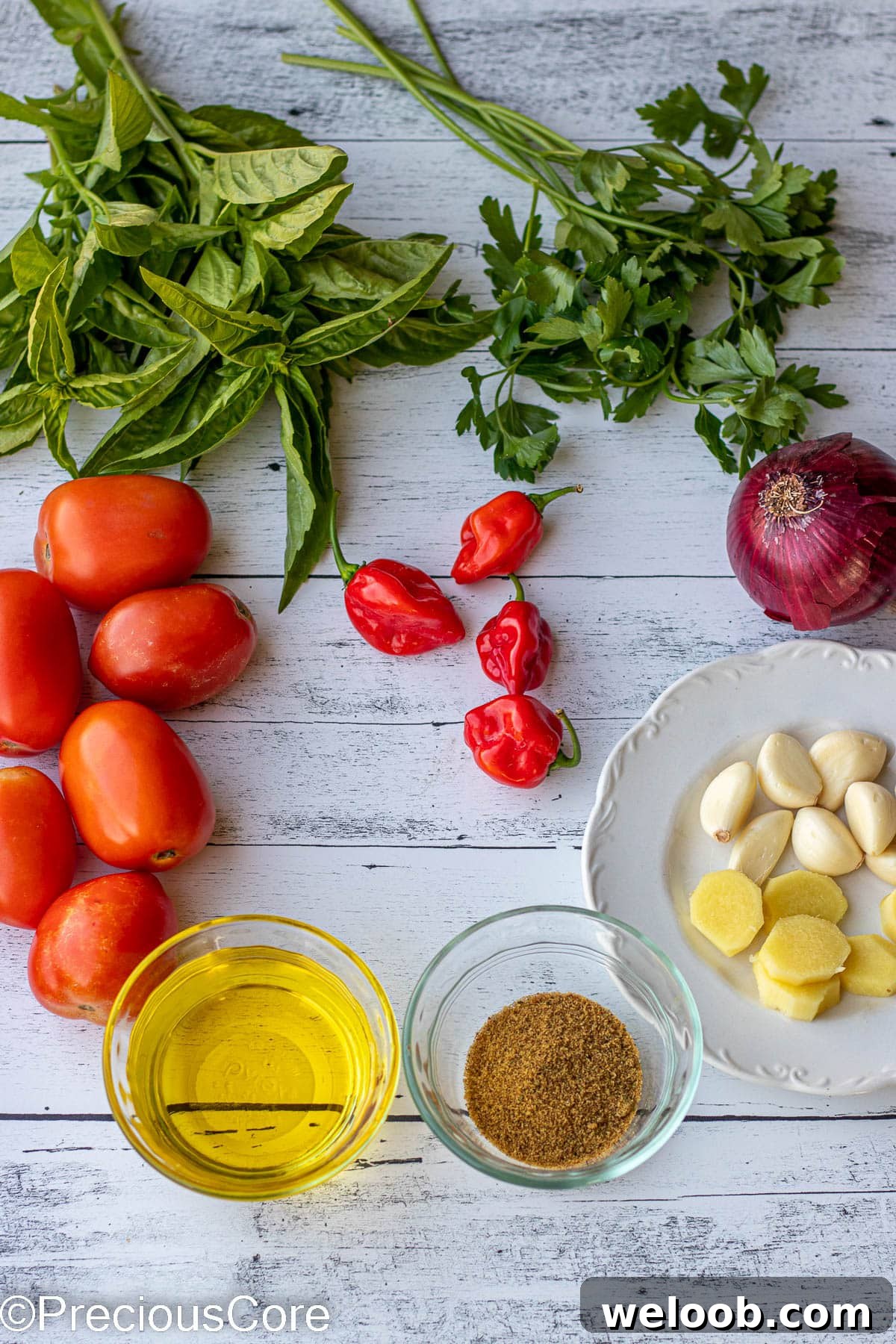
- Hot peppers: Habanero or scotch bonnet are traditional; substitute other chilies if needed.
- Onion: Adds body and savory depth.
- Garlic and ginger: Provide warmth and complexity.
- Tomatoes: Tame the heat and add a vibrant color and subtle sweetness.
- Bouillon or seasoning powder/cubes: For authentic West African flavor — chicken or beef bouillon works well.
- Salt and ground pepper: Use white or black pepper according to preference.
- Herbs: Parsley, basil, and celery are common; I often use basil with parsley or celery.
- Oil: A neutral oil (vegetable, canola, or light olive/avocado) helps preserve the sauce and carry flavor.
See the recipe card below for exact measurements and serving info.
How To Make African Pepper Sauce
Follow these straightforward steps:
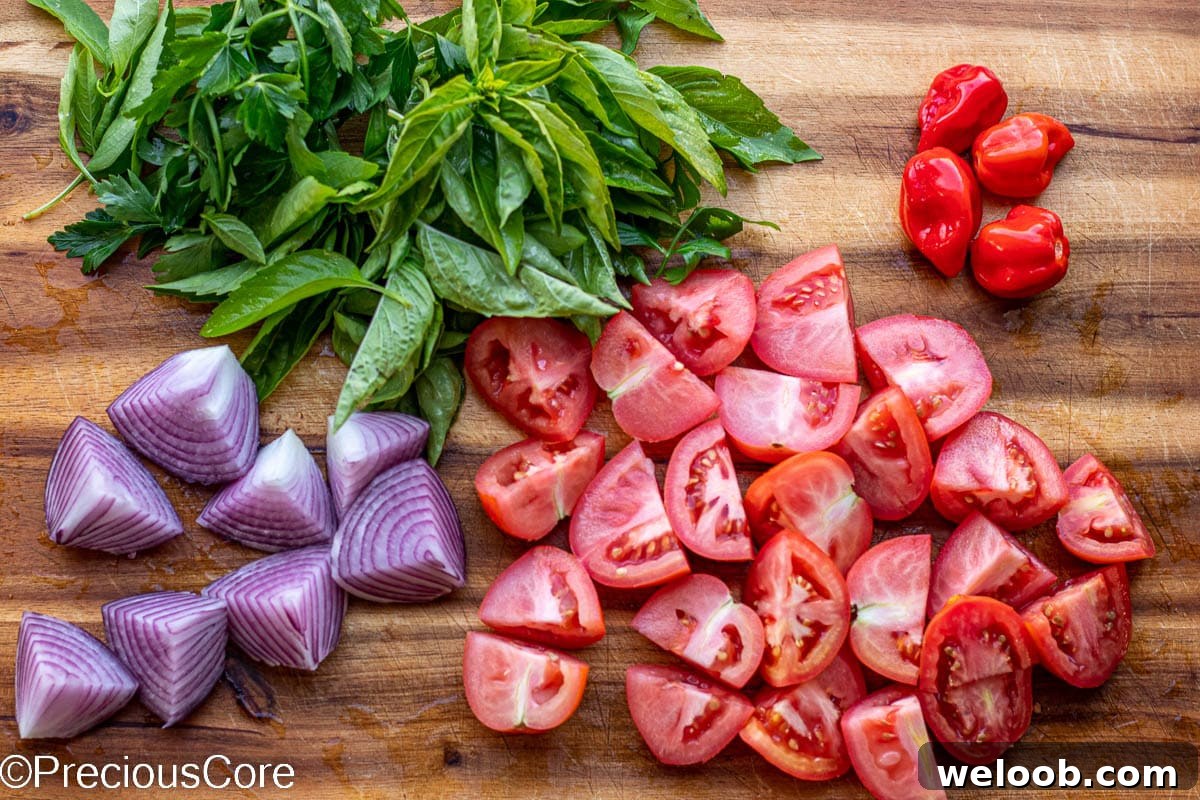
- Prep: Rinse herbs and remove tough stems. Quarter tomatoes and chunk the onion. Remove pepper stems.
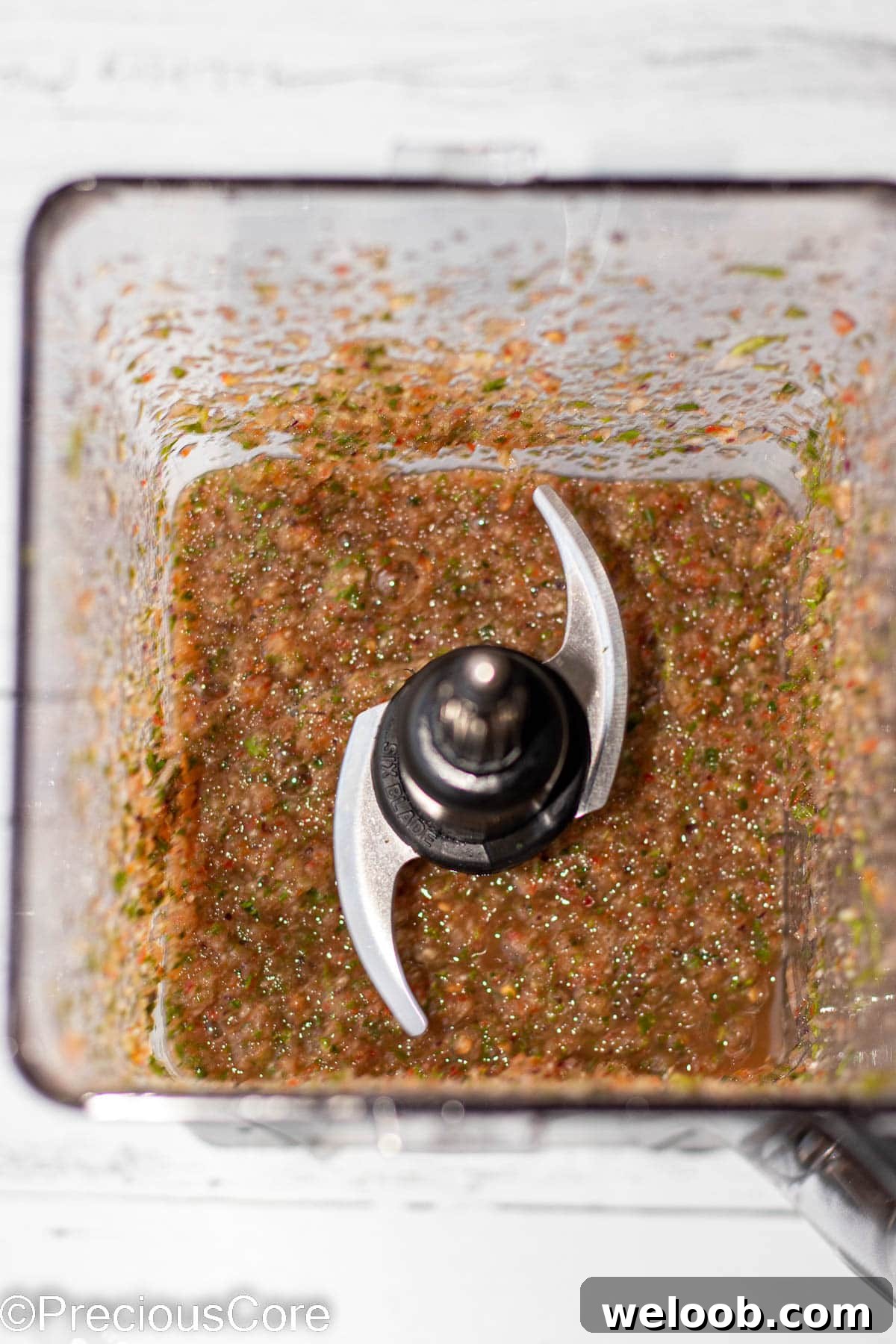
- Blend: In a blender add tomatoes first, then onions, herbs, garlic, ginger, and peppers. Pulse on low to a slightly chunky paste. No water is necessary unless you want a thinner consistency.
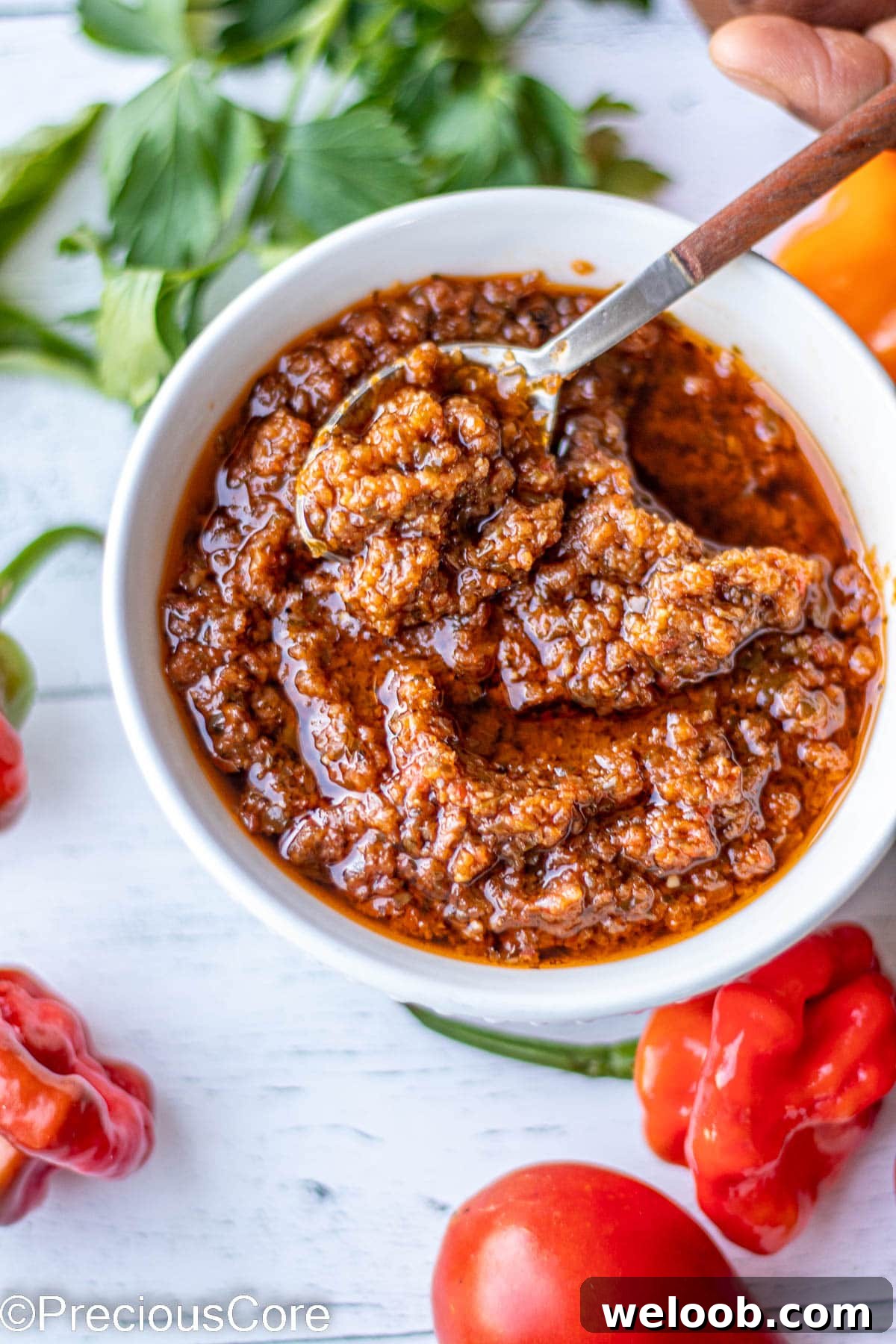
- Cook: Transfer the blended mix to a medium pot over medium heat. Add oil, bouillon, salt, and pepper. Cover and simmer, undisturbed, for 15 minutes. Reduce heat to low and simmer another 15 minutes, stirring occasionally to prevent sticking.
- Cool and store: Let the sauce cool, then transfer to an airtight jar. Store in the refrigerator; a mason jar with a tight lid works great.
What To Use African Pepper Sauce On
This versatile sauce pairs well with many dishes, for example:
- Baked or grilled chicken
- Cameroonian soya-style skewers or grilled meats
- Hard-boiled eggs
- Grilled fish such as salmon or red snapper
- Oven-baked turkey wings
- As a spicy marinade for meats
Expert Tips
- Storage: Refrigerate in a sealed container. Keep an extra thin layer of oil on the surface to extend freshness — it can last up to a month in the fridge. Freeze portions for up to three months.
- Scaling: Easily double or triple the recipe, or halve it for a smaller batch.
- Reducing fumes: When simmering, the aroma can be strong and cause sneezing. Keep the pot covered and lower the heat before stirring to avoid splatter.
- Alternative cooking: For deeper flavor, heat the oil first and briefly fry the blended mixture for a few minutes before simmering.
- Handling hot peppers: Wash hands thoroughly after handling peppers or wear gloves to avoid irritation.
Recipe FAQs
There are many hot sauces across Africa. One well-known type is called pili pili or peri peri, which is popular in parts of East and Southern Africa. West and Central Africa commonly refer to a spicy condiment simply as pepper sauce.
Many African hot sauces are made from scotch bonnet or habanero peppers combined with aromatics like garlic and ginger. Recipes vary widely by region and household.
“African pepper” can refer to many varieties; some are mild and some are very hot. The sauces typically range from mildly spicy to intensely hot depending on pepper choice and proportion.
Similar Recipes
Enjoying this? Try more African recipes:
Cameroonian Spaghetti Omelette Sandwich
Fried Pork And Plantains
Catfish Pepper Soup
25 African Breakfast Food Recipes
Banana Fritters
How To Make Chin Chin
If you make this recipe please leave a star rating below — your feedback helps others find the recipe and I love hearing from you. Thank you!
African Pepper Sauce
Rate
Print Recipe
Ingredients
- 6 roma tomatoes cut into quarters
- 1 red onion cut into chunks
- 4 habanero peppers stems removed
- 6 sprigs parsley rinsed, hard stems removed
- 6 sprigs basil rinsed, leaves plucked from hard stems
- 2 inches ginger root peeled and cut into chunks
- 8 cloves garlic peeled
- 1/4 teaspoon ground white pepper
- 1/4 teaspoon salt
- 2/3 cup neutral oil olive, avocado, or vegetable oil
- 4 teaspoons beef bouillon powder or equivalent seasoning cubes
Instructions
-
Blend: Add tomatoes to the blender first, then onions, herbs, garlic, ginger, and peppers. Blend on low to a slightly chunky paste. Add water only if you want a thinner texture.
-
Cook: Pour the blend into a medium pot over medium heat. Add oil, bouillon, salt, and pepper. Cover and simmer, undisturbed, for 15 minutes. Reduce heat to low and simmer another 15 minutes, stirring occasionally to prevent burning.
-
Cool and store: Let cool, then transfer to an airtight jar and refrigerate.
Notes
Scaling: Multiply or divide the ingredient quantities to make larger or smaller batches.
Handling hot peppers: Wash hands after handling peppers or wear gloves to avoid irritation.