
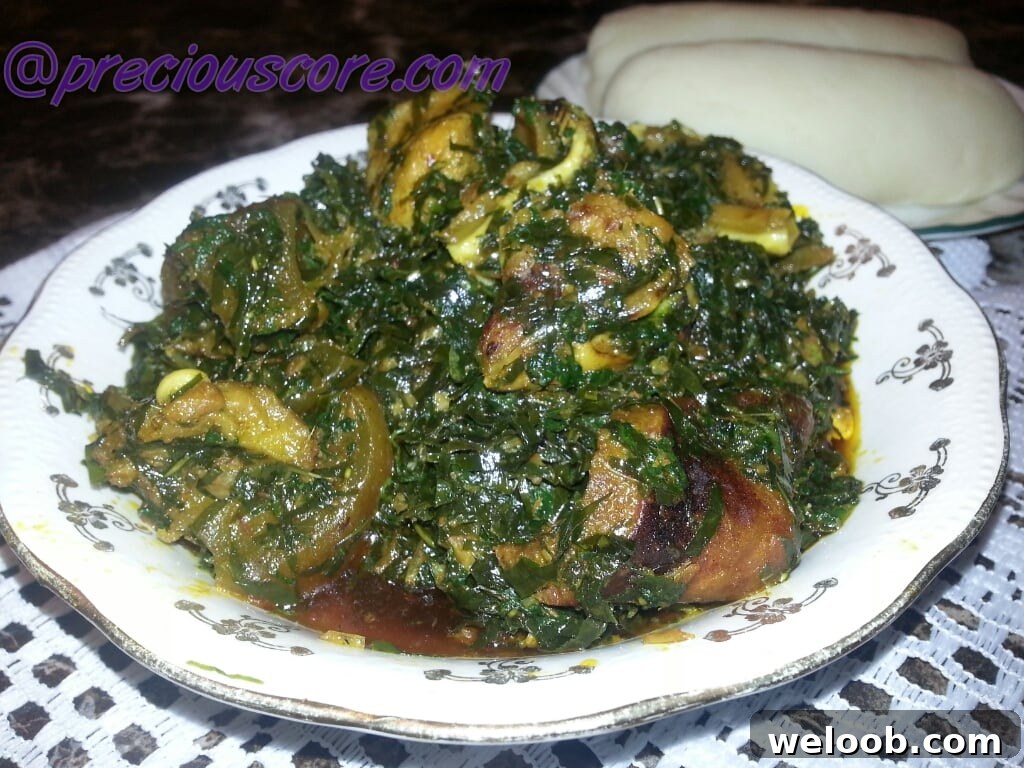
Eru is a beloved dish in my household—everyone from Mr N. to the baby loves it, and there are rarely any leftovers. A few weeks ago my parents sent me dried eru and crayfish all the way from home. I was thrilled, since it would be some time before I could find these leaves at an African store. True to form, they even labeled the packs like a school supply shipment. Below are the packages they sent.
Eru is a wild leafy plant harvested in the forests of Cameroon. In parts of Nigeria it’s known as ukazi or afang. The people of Cross River State use ukazi to make the popular Afang soup, which is similar to Eru but usually has a thinner consistency and uses ground or pounded leaves. Another related soup is Edika Ikong, also from Cross River State; it resembles Eru closely. If I must compare, Eru feels like the original—what I jokingly call the grandmother—while Afang is the “child.” I’ve tasted both and I know which I prefer.
Almost everyone I’ve met enjoys this delicacy. At parties it’s the dish that makes even the most polite person break ranks when the pot gets low. Below I’ll show you how to make perfect Eru every time, but first a few important don’ts:
– Don’t add water after you put in the eru. Eru is a dry-style soup. You do need water to cook the meat and fish, but let that liquid reduce before adding the greens. The spinach or waterleaf will supply the moisture the dish needs.
– Don’t add onions. Traditional eru does not include onions; they aren’t part of the authentic flavor profile.
– Don’t cook eru without crayfish. My mother always says crayfish is essential. Dried fish can complement the dish, but it won’t replace the taste of crayfish.
– Don’t eat eru with a spoon (I’m half-joking here)—it’s traditionally eaten with fufu, garri, pounded yam, or similar staples.
Let’s get cooking.
ERU RECIPE
Prep time: 30 minutes
Cooking time: 1 hour
Total time: 1 hour 30 minutes
Ingredients
6 cups dried or fresh Eru/Ukazi (soaked if dried)
3 bundles of spinach or waterleaf, chopped
2–3 pounds mixed meat and fish of choice (examples: beef skin/canda, beef stripes, beef, goat, dried or smoked fish, stockfish, snails)
2 cups ground crayfish
3 cups palm oil plus 1/2 cup canola or groundnut oil
1 crayfish seasoning cube (Maggi Crevette or similar)
1 habanero pepper (optional, for heat)
Salt to taste
Method
If you’re using dried eru, soak it in water until it softens, then drain.
Wash your chosen meats and place them in a pot to boil. I used beef skin (canda) and beef stripes. While the meat cooks, chop the spinach or waterleaf and set it aside.
Once the meat is halfway done, season with salt. When the meat is fully cooked, add the chopped spinach and stir. The spinach will wilt and release moisture quickly.
Drain the softened eru and add it to the pot. The small amount of liquid from the spinach will help soften the eru further and integrate the greens.
Add your fish or stockfish at this stage and mix well. I had some pre-boiled stockfish, so I added that in.
Pour in the palm oil and the canola (or groundnut) oil, add the seasoning cube, and lastly stir in the ground crayfish. Tip: blending palm oil with a lighter vegetable oil prevents the palm oil from solidifying and becoming hard when the dish cools.
Stir everything thoroughly so the oils, crayfish and seasonings coat the greens and proteins evenly. Adjust salt and pepper to taste. Once fully incorporated and heated through, the eru is ready to serve.
Serve Eru hot with water fufu (akpu), garri, pounded yam, or any swallow of your choice. It pairs beautifully with staples that help scoop up the rich, oily greens and tender meat.
If you try this recipe, please come back and tell me how it turned out by leaving a comment. Enjoy your meal!