
Garlic Butter Shrimp Pasta in White Wine Sauce
Garlic Butter White Wine Shrimp Pasta – Quick Recipe
No reviews
- Author: Patri
Description
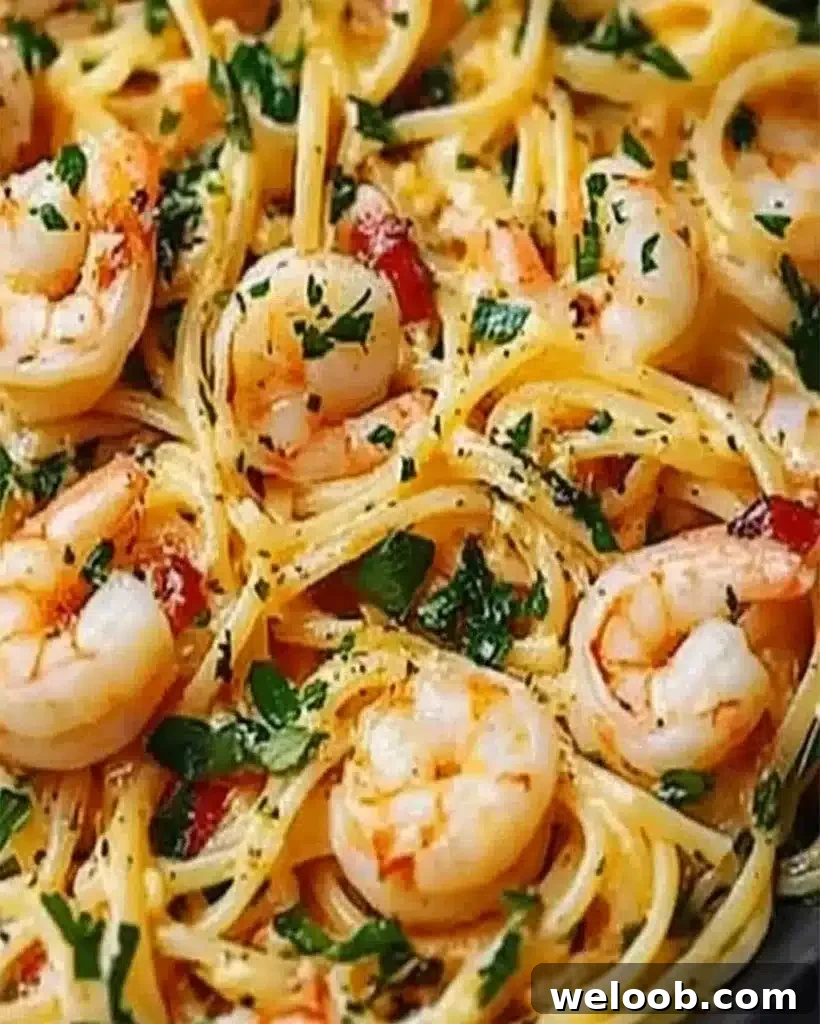
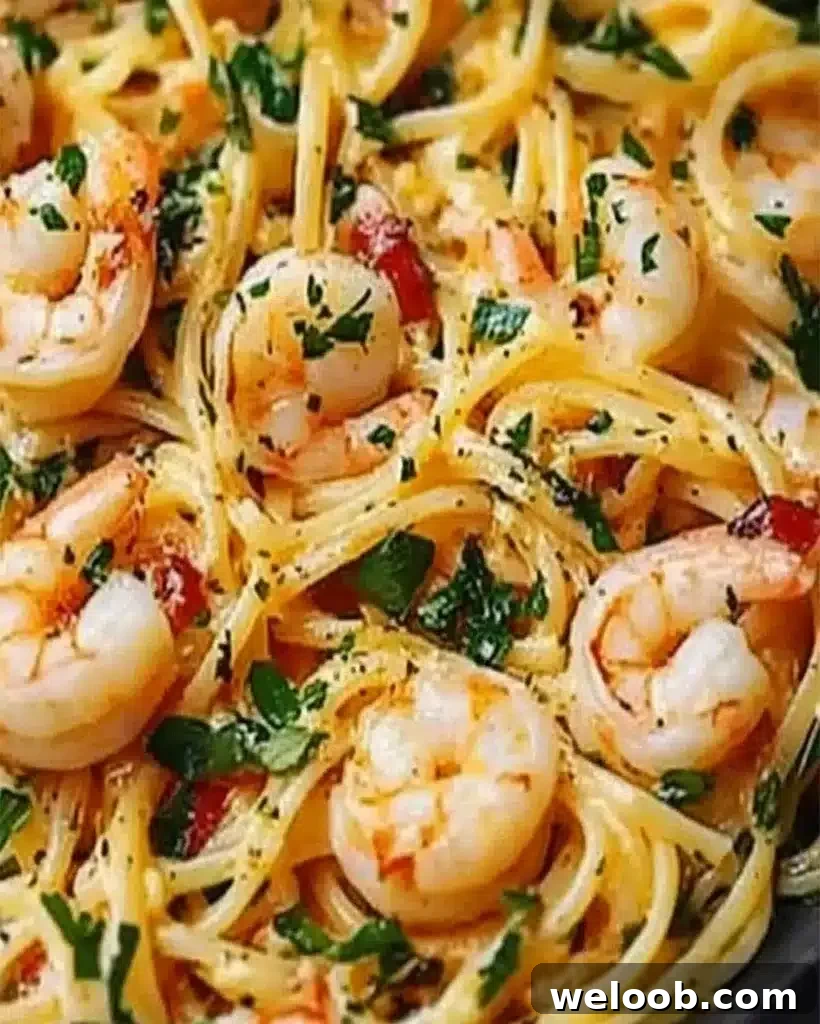
Welcome, pasta lovers! If you want a fast, elegant dinner that’s full of flavor, this Garlic Butter White Wine Shrimp Pasta is for you. Tender shrimp mingle with burst grape tomatoes and bright spinach, all coated in a silky garlic butter sauce lifted by a splash of dry white wine and lemon. It’s an ideal recipe for weeknights or a casual dinner party — quick to prepare, satisfying, and reliably delicious.
Ingredients
Scale
- 8 ounces linguine (or any pasta you prefer)
- 2 teaspoons olive oil
- 2 tablespoons unsalted butter
- 10 ounces grape tomatoes, halved
- 3 cloves garlic, minced
- ½ cup dry white wine
- Juice and zest of 1 large lemon
- ½ pound raw shrimp, peeled and deveined
- A large handful of baby spinach
- Fresh basil leaves, for garnish
- Kosher salt and black pepper, to taste
Optional substitutions:
- Use gluten-free pasta for a gluten-free version.
- Replace butter with vegan butter to make the dish dairy-free.
Instructions
Step 1: Prepare the pasta
Bring a large pot of salted water to a boil and cook the linguine according to package directions until al dente. Before draining, reserve about ½ cup of the pasta cooking water. Drain the pasta and toss it with 2 teaspoons of olive oil to keep the strands from sticking while you finish the sauce.
Step 2: Sauté the tomatoes and garlic
In a medium sauté pan over medium heat, melt the butter. Add the halved grape tomatoes and cook for about 4–6 minutes, stirring occasionally, until they begin to soften and burst. Add the minced garlic and cook for 20–30 seconds more, until fragrant but not browned.
Step 3: Add the white wine and lemon
Increase the heat to medium-high and pour in the dry white wine. Allow it to simmer until reduced by roughly half, about 3–4 minutes. Stir in the lemon juice and zest to brighten the sauce and balance the butter.
Step 4: Cook the shrimp
Season the raw shrimp lightly with salt and pepper, then add them to the pan. Cook for approximately 3–5 minutes, stirring occasionally, until the shrimp turn pink and opaque. Take care not to overcook — shrimp cook quickly and become rubbery if left too long.
Step 5: Add the spinach and pasta
Toss the baby spinach into the pan and cook until just wilted. Add the reserved linguine to the sauce and toss thoroughly to coat. If the sauce seems too thick, loosen it with a few tablespoons of the reserved pasta water until you reach the desired consistency. Finish with torn fresh basil leaves and a final seasoning check.
Helpful Tips
- Fresh ingredients: Fresh garlic, ripe tomatoes, and bright spinach make a noticeable difference in flavor and texture.
- Reserve pasta water: Starchy pasta water helps emulsify the sauce so it clings to the pasta.
- Don’t overcook shrimp: Remove shrimp from heat as soon as they are pink and firm to preserve tenderness.
- Wine selection: Use a dry white wine you enjoy drinking—Sauvignon Blanc or Pinot Grigio are good choices. If you prefer not to use alcohol, substitute a low-sodium chicken or vegetable stock with a splash of vinegar for acidity.
- Lemon zest: Add lemon zest at the end for a fresh aromatic lift that balances the butter.
- Use a large pan: A roomy sauté pan makes it easier to combine pasta and sauce evenly.
Serving Suggestions
Serve this shrimp pasta with a crisp green salad, roasted vegetables, or warm crusty bread to soak up any extra sauce. A chilled glass of dry white wine complements the lemon and garlic notes, or choose sparkling water with a lemon wedge for a non-alcoholic option. Garnish with extra basil and freshly ground black pepper for a restaurant-style finish.
Nutritional Information
Calories per serving: 520
Fats: 25g
Carbohydrates: 55g
Protein: 30g
Vitamins: A, C, and Iron
Nutritional benefits
- Shrimp: A lean, high-protein choice that contributes essential nutrients.
- Spinach: Supplies iron, vitamin K, and other micronutrients.
- Tomatoes: Provide antioxidants and vitamin C, adding color and acidity.
Storage and Leftovers
Store leftovers in an airtight container in the refrigerator for up to 2 days. Reheat gently in a skillet over low heat with a splash of water or stock to restore sauce texture; avoid prolonged microwaving, which can overcook shrimp and dry out the pasta. Seafood dishes are not ideal for freezing, as texture can suffer on thawing.
Frequently Asked Questions (FAQs)
1. Can I use pre-cooked shrimp?
Yes. Add pre-cooked shrimp at the very end just to warm them through so they don’t become rubbery.
2. What white wine works best?
Dry white wines like Sauvignon Blanc or Pinot Grigio are ideal for a bright, clean flavor. Use what you enjoy drinking.
3. What can I use instead of spinach?
Kale or arugula are excellent substitutes; adjust cooking time so greens retain some texture.
4. Can I freeze this dish?
Freezing is generally not recommended for shrimp pasta because shrimp and pasta textures can degrade when thawed and reheated.
Related ideas
If you enjoy this recipe, try variations such as adding red pepper flakes for heat, finishing with a splash of cream for extra richness, or swapping linguine for spaghetti or fettuccine to change the texture.
Conclusion
With a handful of simple ingredients and straightforward steps, this Garlic Butter White Wine Shrimp Pasta delivers big flavor with minimal effort. It’s flexible, quick, and elegant — perfect for busy weeknights or relaxed dinners with friends. Try it tonight and adjust the seasoning or add-ins to suit your taste. Bon appétit!