
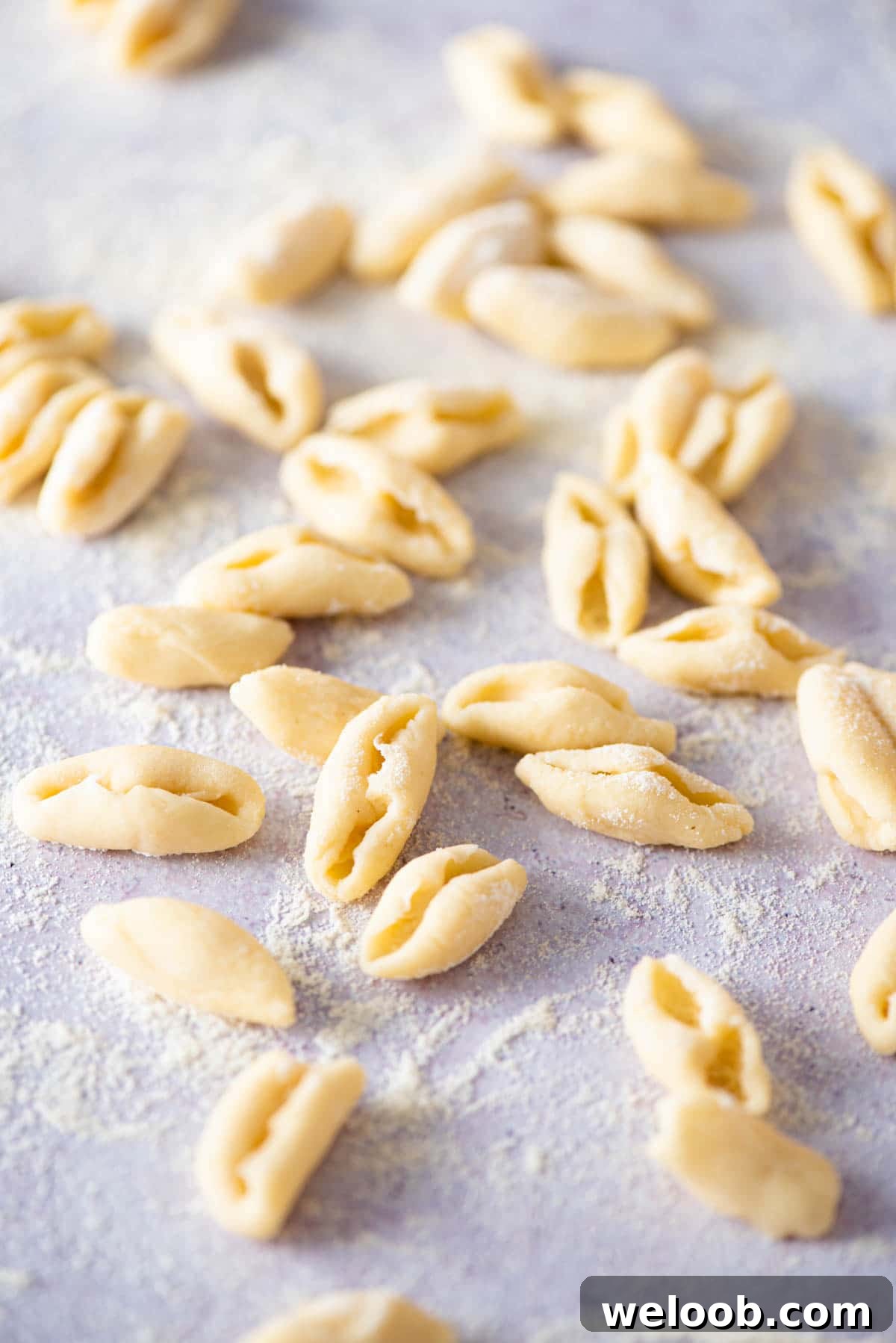
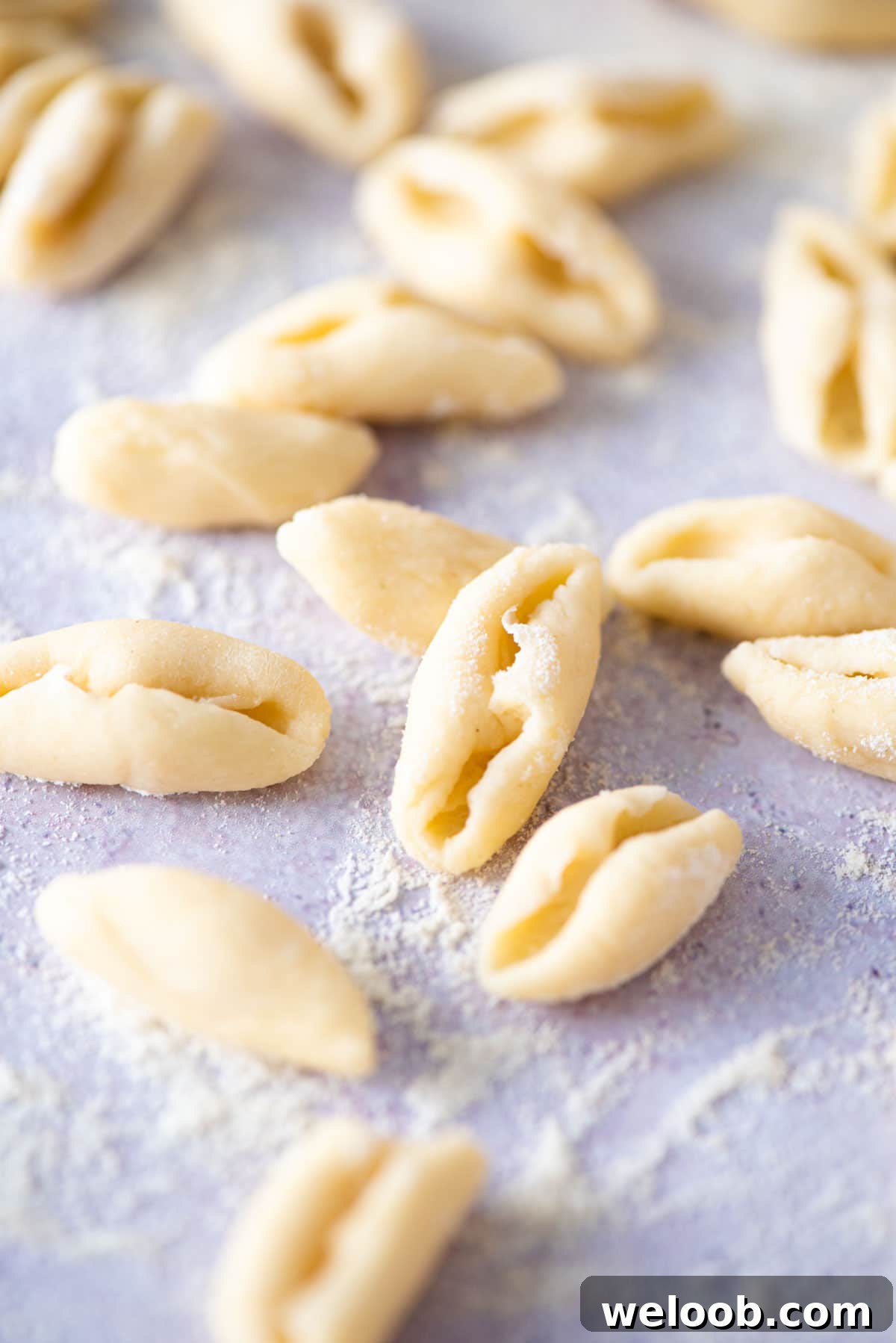
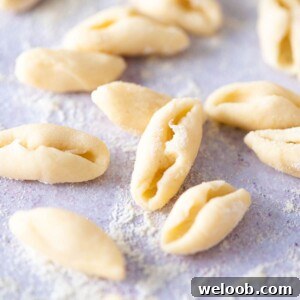
How to make homemade cavatelli pasta with just two simple ingredients. These small shell-shaped pastas come from southern Italy—particularly Molise and Puglia—and are made from an eggless semolina dough, which makes them easy to prepare and perfect with your favorite sauce.
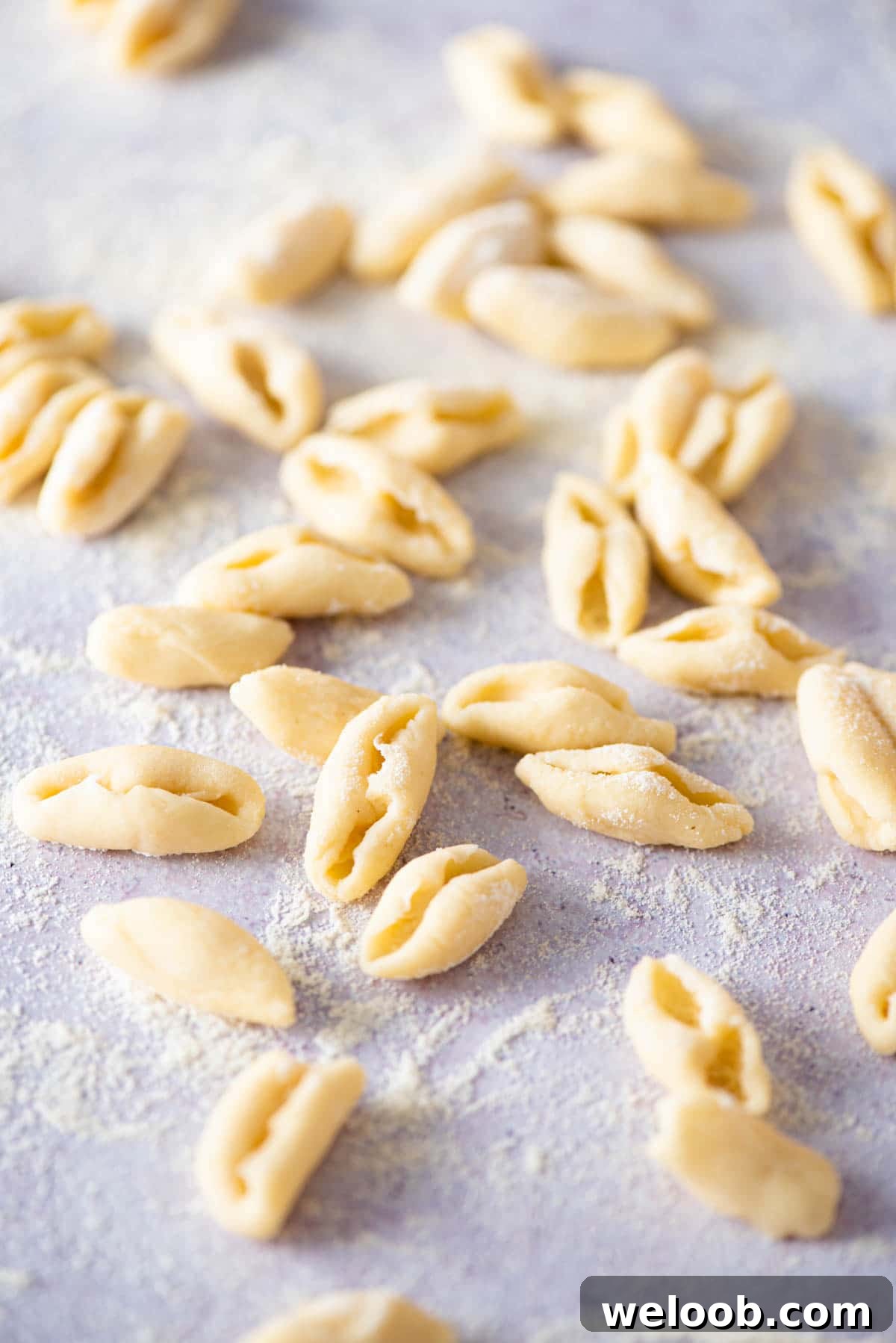
Cavatelli are enjoyable and straightforward to shape by hand; a special tool helps for large batches but is not necessary for most home cooks. While many cavatelli are smooth, you can also make cavatelli rigati with ridges for extra sauce grip, similar to gnocchetti sardi.
See the recipe below for ingredients, step-by-step photos, tips, variations and a video tutorial. For the printable recipe, scroll to the bottom of the page.
Ingredients – what you need
The photo below shows the ingredients and highlights a few helpful tips.
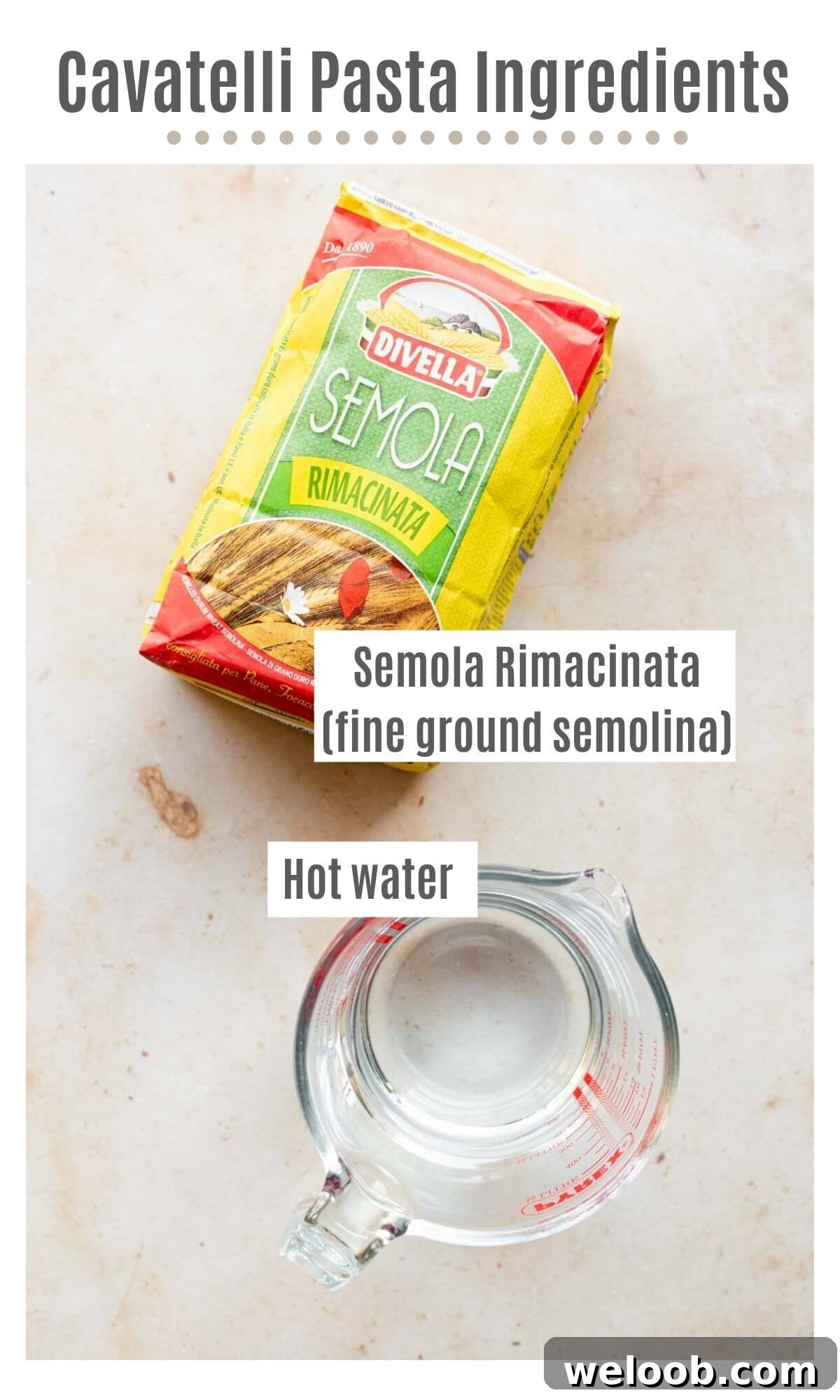
- Semola Rimacinata (300g / 2 cups) – a very fine semolina flour commonly found online or in Italian stores. If unavailable, Italian 00 flour can be used instead.
- Warm water (150ml / 2/3 cup) – warm water makes the dough easier to bring together and knead.
Step-by-step photos and recipe instructions
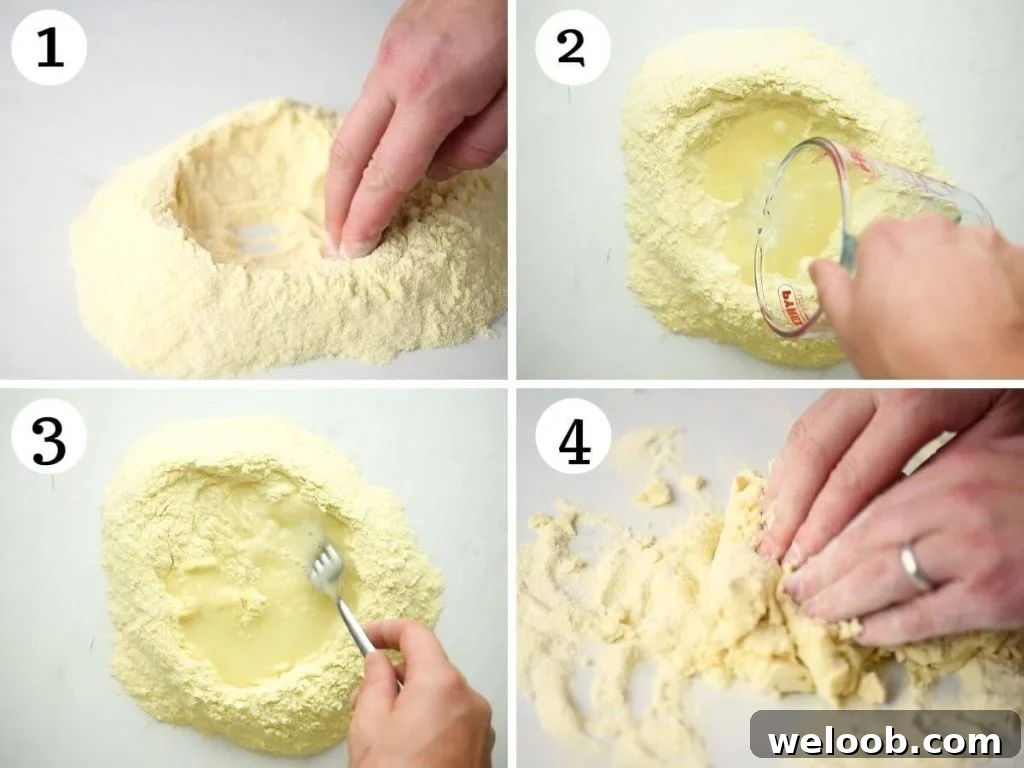
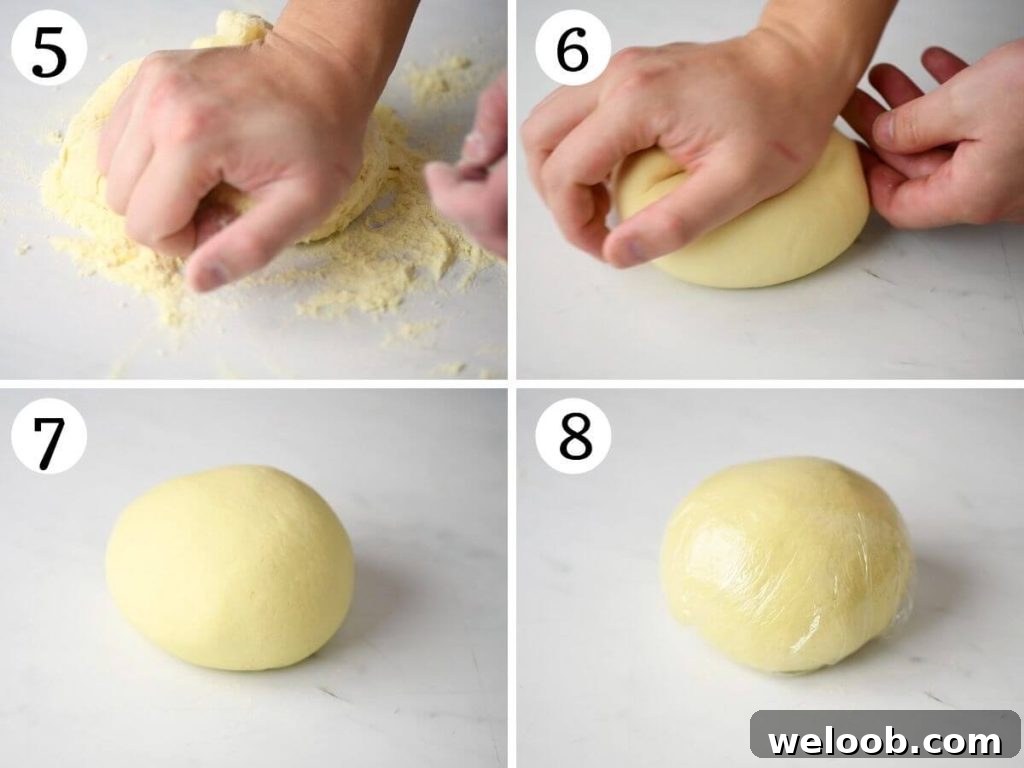
Make the dough – Place the semola in a large bowl or mound it on a clean work surface and form a well in the center.
Add the warm water and incorporate the flour slowly with a fork. When a coarse dough forms, knead it for about 10 minutes until smooth and elastic.
Rest the dough – Cover the dough ball with plastic wrap and let it rest for at least 30 minutes to relax the gluten and make shaping easier.
Divide and roll – After resting, flatten the dough slightly and cut it into quarters. On a clean, flour-free surface (important), roll one quarter into a rope about ½ inch thick. Keep the unused portions covered so they don’t dry out.
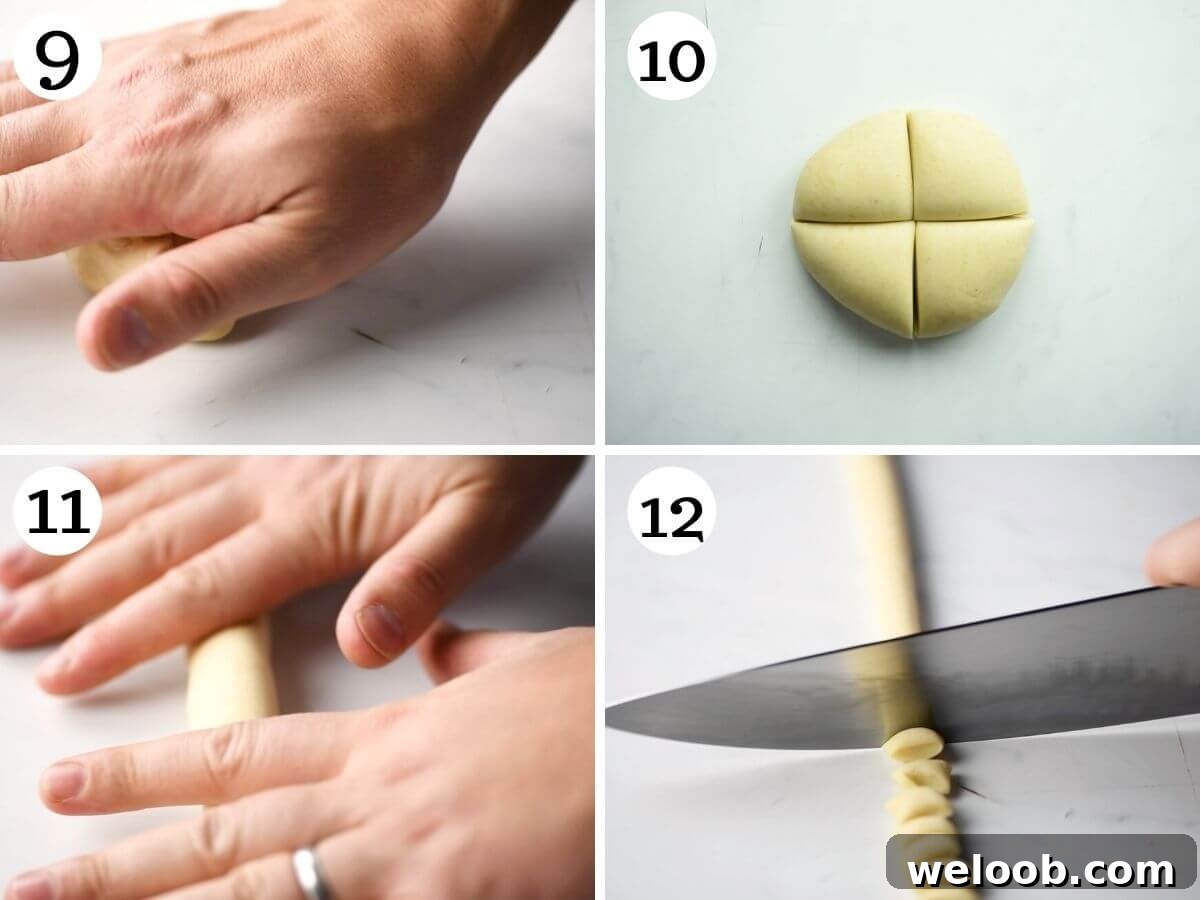
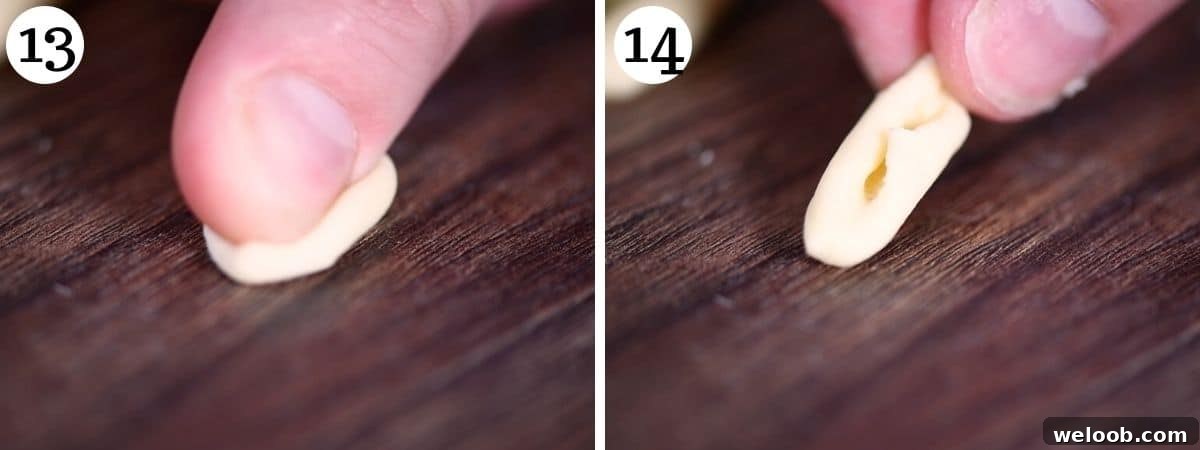
Cut and shape – Cut the rope into pieces about ½ inch wide. To shape a cavatello, place a piece with the cut side at the top and, using your finger or the side of your thumb, roll the dough toward or away from you to form a small shell. Transfer the shaped pieces to a surface lightly dusted with semola.
Repeat with the remaining dough, working in small batches so the pieces stay pliable.
How to make ridged cavatelli
You can create ridged cavatelli (cavatelli rigati) using a small gnocchi board or the back of a fork. The technique is similar to shaping gnocchi or gnocchetti sardi:
- Wooden gnocchi board – Place a cut piece of dough on the board and roll it with your thumb or two fingers, using moderate pressure to create ridges. If the dough is sticky, dust the board lightly with semola.
- Fork – Roll the dough piece over the back of a fork using your thumb to press and roll, producing ridges.
How to cook them
Bring a large pot of salted water to a rolling boil. Fresh semolina cavatelli cook quickly—about 2–3 minutes—though they remain firmer and chewier than egg pasta. Taste one to check for doneness.
Drain and toss with your preferred sauce, then serve immediately.
Recipe tips and FAQs
- Rest the dough – Let the dough rest for at least 30 minutes before shaping; rested dough is more pliable and easier to work with.
- Do NOT flour the rolling surface – When rolling the dough into ropes, keep the work surface free of flour or semola; dusting the surface can make the dough slide and become difficult to roll. If the dough becomes too sticky, cover it and allow it to rest until tacky again.
- Roll from the cut side – Shape the pieces with the cut side at the top for a smooth shell and better grip on the surface.
- Keep pieces small – Cut ropes into small pieces (about ½ inch) to avoid dense, heavy cavatelli; it may take a few attempts to get the ideal size.
If the dough springs back while you try to roll it, it likely needs more resting time. Rewrap it and rest for another 10–15 minutes.
Italian 00 flour is an acceptable substitute for fine semolina (semola rimacinata).
Fresh semolina cavatelli usually cook in about 2–3 minutes in plenty of salted boiling water. They will be firmer and chewier than egg pasta.
Store dusted cavatelli in the refrigerator for up to 4 days. To freeze, arrange them in a single layer on a tray, freeze, then transfer to a freezer bag. Cook from frozen—add a few extra minutes to the cooking time.
Sauces to serve them with
Cavatelli pair beautifully with many sauces. Traditional pairings include a simple broccoli sauce, tomato with ricotta salata, or a hearty beef ragu. They also work well with creamy sauces—try ricotta-based sauces, pasta alla boscaiola (sausage and mushroom), or a gorgonzola cream. For tomato-forward options try a classic salsa al pomodoro, arrabbiata, or a ricotta-tomato sauce.
More homemade pasta you can make
- Semolina Pasta Dough (egg-free)
- How to make Pici Pasta (egg-free)
- Homemade Pasta Dough – step-by-step (egg dough)
- Homemade Ravioli guide (egg dough)
- Spinach Pasta Dough (2-ingredient eggless)
- Beetroot Pasta Dough (egg dough)
If you make this Homemade Cavatelli Pasta or any other recipe, please rate it and share how it turned out in the comments. I love hearing from readers!
Step by step photos above
Most recipes include step-by-step photos and tips to help you succeed.
Homemade Cavatelli Pasta
By Emily
Ingredients
- 300 g Semola Rimacinata (semolina flour) 2 cups*
- 150 ml hot water ⅔ cup
Instructions
- Put the semola flour in a large bowl or on a clean work surface and make a well in the center.
- Add the warm water and slowly incorporate the flour with a fork. When a rough dough has formed, knead for 10 minutes until smooth and elastic.
- Cover the dough with plastic wrap and rest for at least 30 minutes.
- After resting, divide the dough into quarters. On a clean, flour-free surface, roll one quarter into a rope about ½ inch thick, keeping the rest covered.
- Cut the rope into ½ inch pieces. With the cut side facing up, roll each piece with your thumb or finger to form a shell, then place on a surface lightly dusted with semola.
- Repeat with the remaining dough until all cavatelli are shaped.
How to cook them
- Bring a large pot of salted water to a boil and cook the cavatelli for about 2–3 minutes. Check one for doneness.
- Drain and toss with your chosen sauce, then serve.
How to store them (refrigerator and freezer)
- Refrigerate dusted cavatelli in an even layer for up to 4 days.
- To freeze, lay them out on a tray to freeze individually, then transfer to a freezer bag. Cook from frozen, adding a few minutes to the boiling time.
Video
Notes
- Measuring with cups: Spoon semola into the cup and level it off. Scooping can add too much flour—using a kitchen scale gives the best results.
- Let the dough rest: Resting for at least 30 minutes makes the dough easier to shape.
- Do not flour the rolling surface: Dusting the surface while rolling ropes can make the dough slip. If it becomes sticky, cover and rest until tacky again.
- Roll from the cut side: Position pieces with the cut side up when you roll to create a better-shaped shell.
Helpful Info for All Recipes
- I typically use extra virgin olive oil unless noted otherwise.
- All vegetables are medium sized unless stated.
- Recipes are tested using a fan (convection) oven.
- Nutrition information is automatically calculated and should be used as an approximation.
Nutrition
Carbohydrates: 53 g |
Protein: 10 g |
Fat: 2 g
Nutrition information is approximate.
Did you try this recipe?
Leave a comment below!