
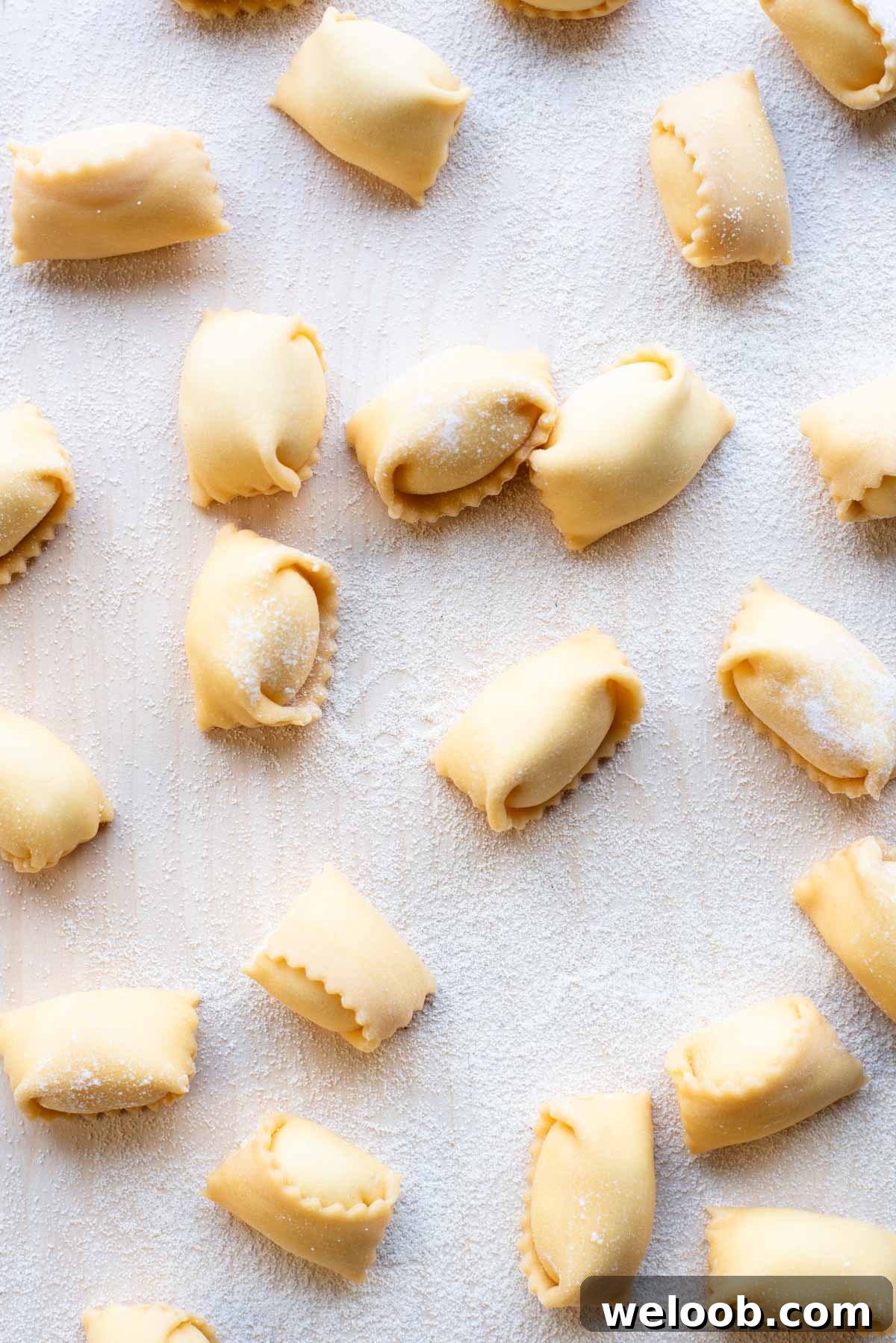
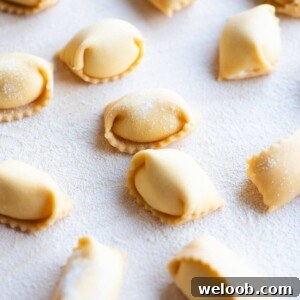
How to make Homemade Agnolotti from scratch. This delicate filled pasta may look intricate, but it’s straightforward to prepare at home. This step-by-step guide walks you through the whole process, from making the dough to shaping and cooking the agnolotti, with photos and a video to help along the way.
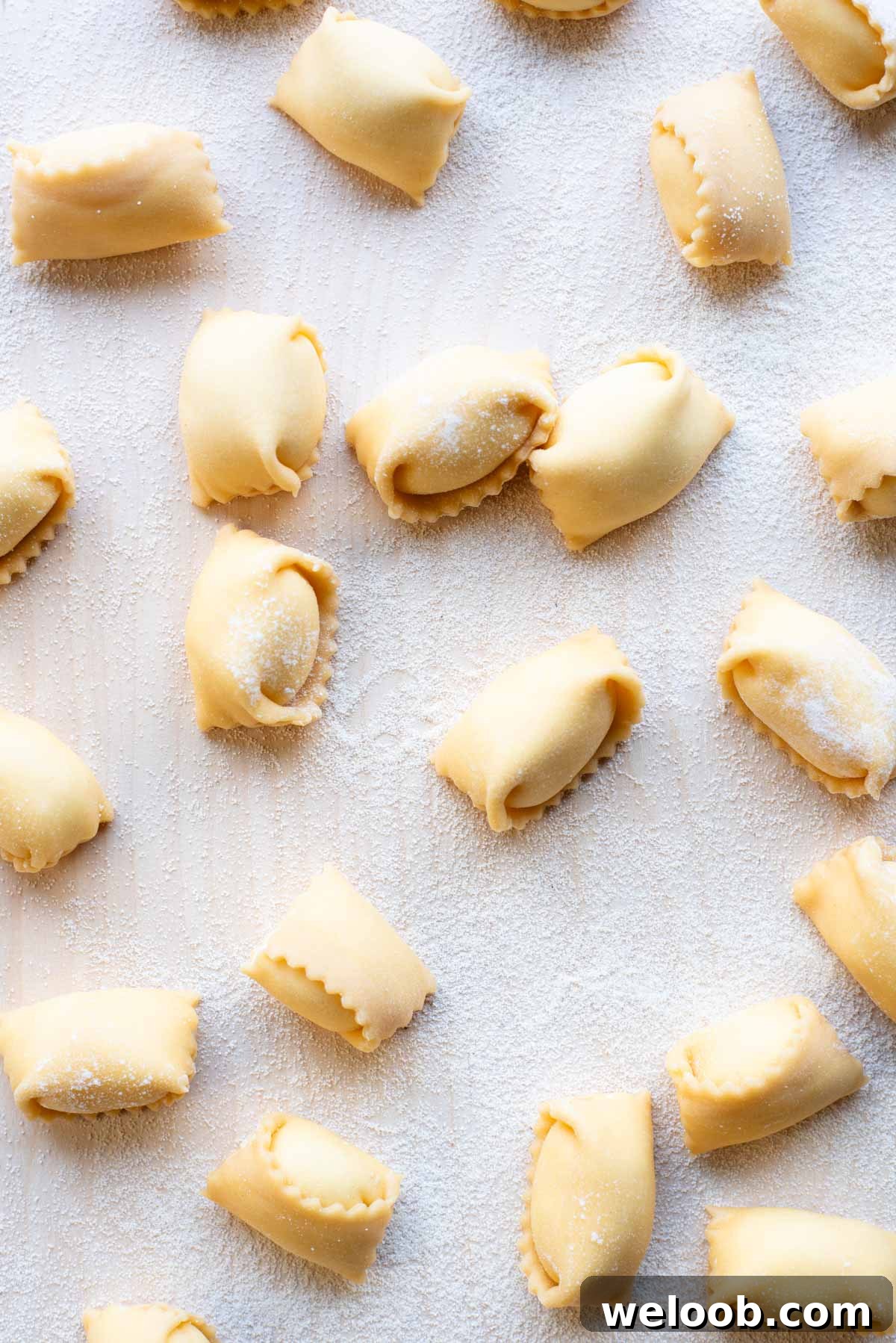
Agnolotti del Plin comes from Piedmont in northern Italy. Traditionally they’re filled with slow-stewed meat and vegetables and served simply with butter or with the braising liquid from the meat—comforting, rich, and satisfying.
They are similar to ravioli but folded differently, which creates a unique shape and reduces the chance of air pockets. Like other handmade filled pastas, agnolotti take time and care, but the results are well worth it for special occasions or family meals.
This version uses a creamy ricotta-and-provolone filling, but the pasta is versatile—use meat ragu, mushrooms, squash, or any filling you prefer. Sauces also vary from a simple butter-and-sage to tomato or creamy cheese sauces. See the full recipe and notes below.
See the recipe below for ingredient notes, step-by-step photos, tips, variations and a video tutorial. Scroll to the recipe box near the bottom for the printable version and full measurements.
Ingredients
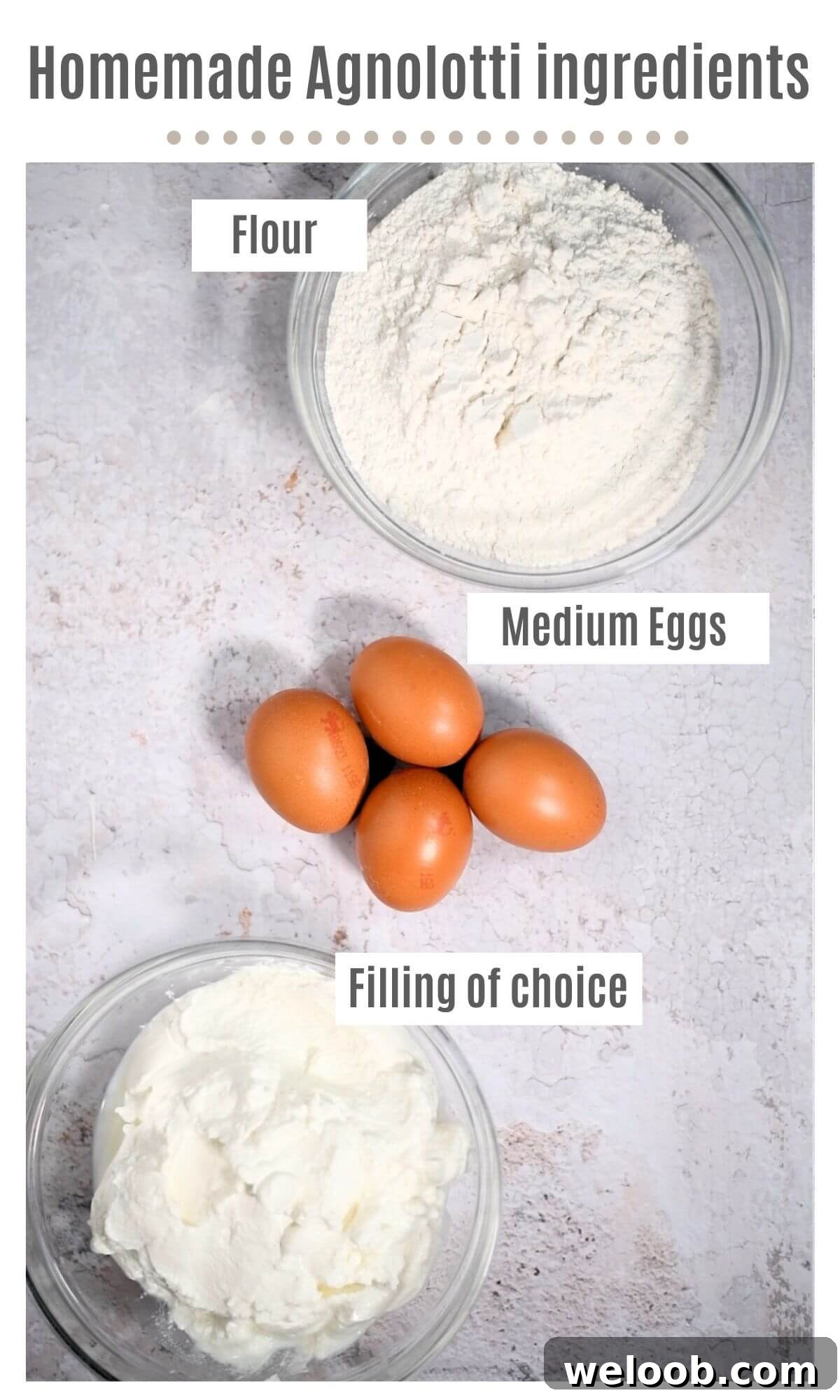
Ingredient notes and substitutions
- Flour – Italian 00 flour is ideal for pasta because of its fine texture, producing a silky dough.
- Eggs – use medium eggs here; an extra yolk adds richness.
- Filling – ricotta works beautifully and is easy to flavor with lemon zest, grated provolone or Parmigiano, or herbs. This recipe pairs ricotta with provolone and black pepper.
- Sauce – choose a light tomato sauce, butter-and-sage, or a cream-based sauce depending on your filling and taste.
Step by step photos and instructions
Preparation tips
If you plan to use ricotta, strain it for at least an hour to remove excess moisture. Make your sauce ahead of time so it’s ready to warm when the agnolotti are cooked. A butter sauce is best prepared at the last minute.
Make the pasta dough
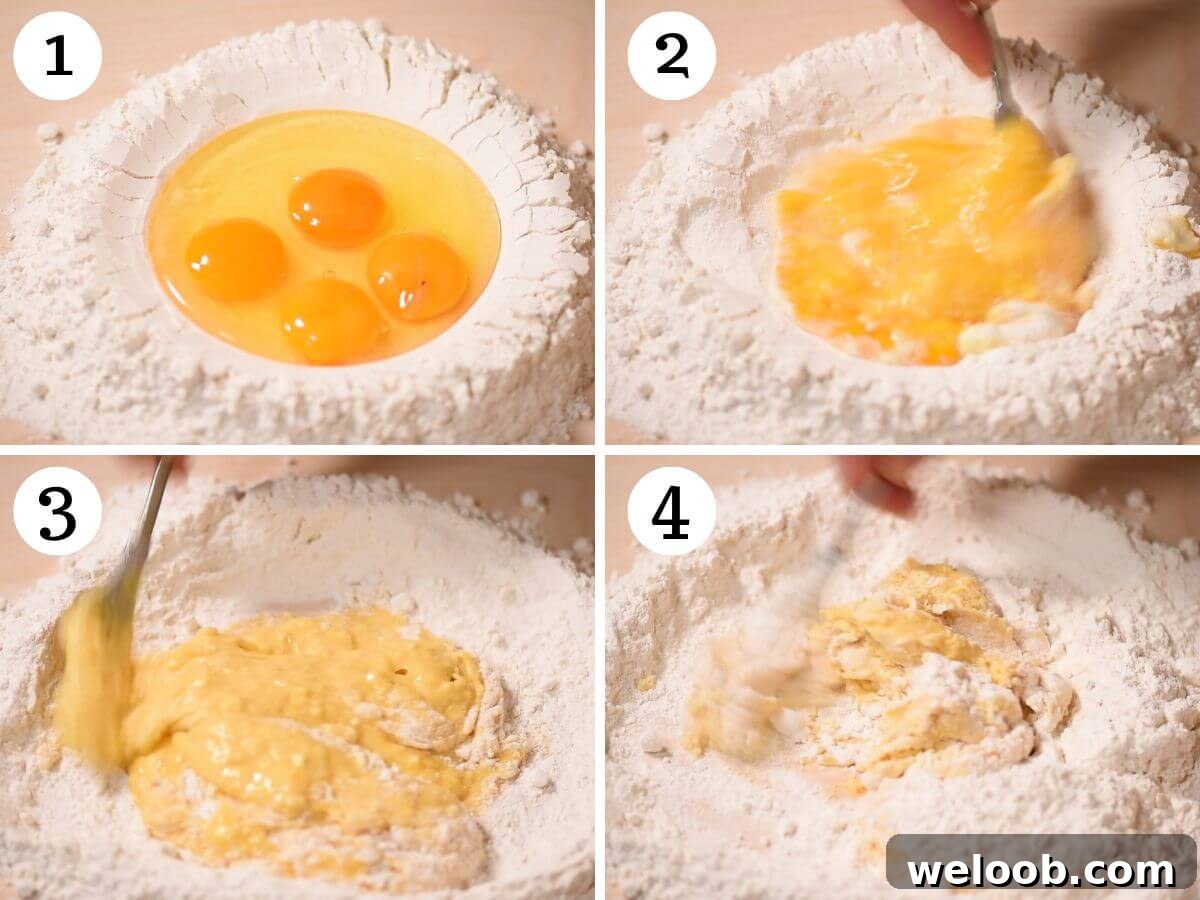
Pour the flour onto a clean surface and form a large well. Add the eggs and extra yolk into the well and beat them with a fork. Gradually incorporate the flour into the eggs until a shaggy dough forms. Bring the dough together with your hands and knead for about 10 minutes until smooth and elastic. If the dough is sticky, dust lightly with extra flour.
Wrap the dough tightly in plastic wrap and rest at room temperature for at least 30 minutes. You can refrigerate the dough overnight; bring it back to room temperature before rolling.
To roll out the pasta dough
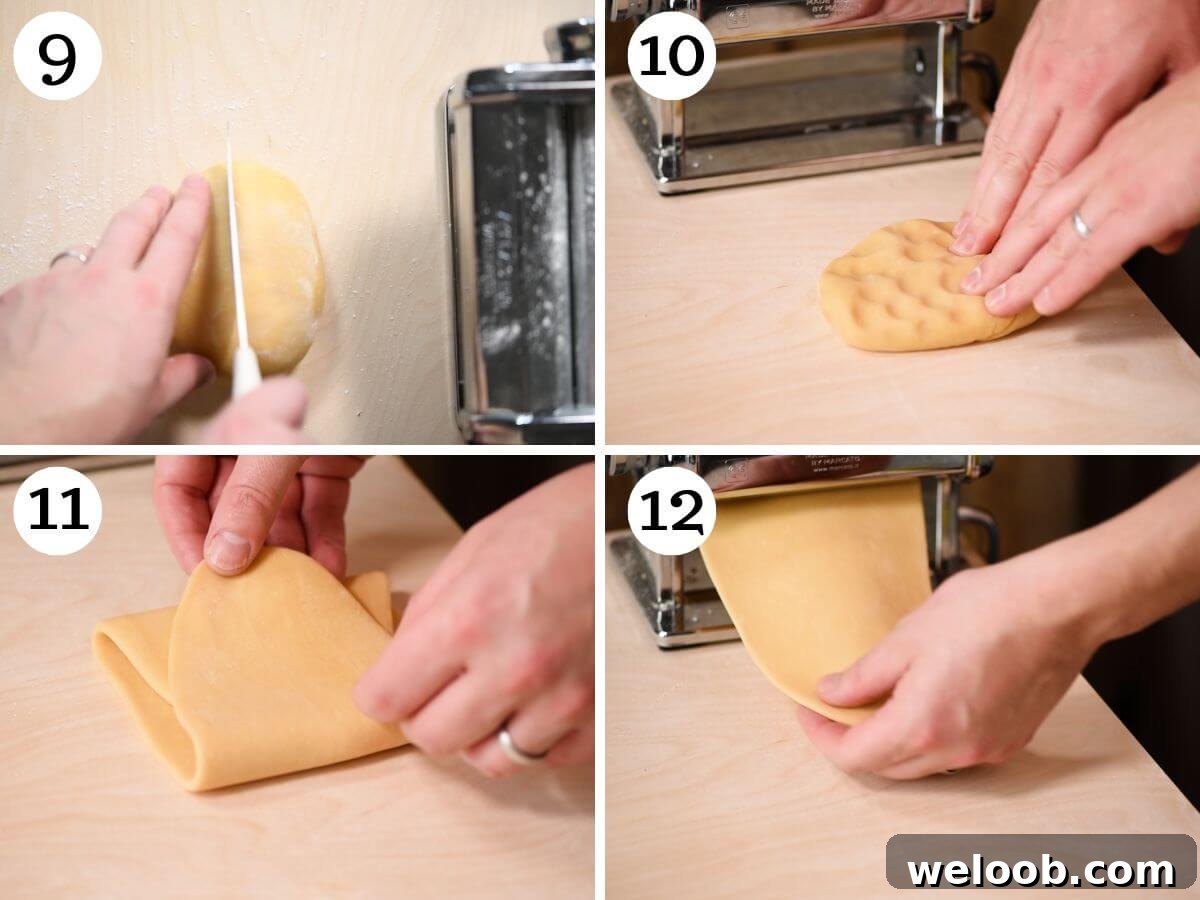
Divide the dough in half, keeping one piece wrapped. Flatten the active piece so it fits the widest setting of your pasta machine (use a rolling pin if needed). Pass the dough through the widest setting, then fold each end toward the middle, flatten, and repeat this 2–3 times to strengthen the dough.
Roll the dough through progressively narrower settings until you reach a thin sheet (approximately setting 6 on many machines). Trim and halve sheets if they become unwieldy.
Fill and shape the agnolotti
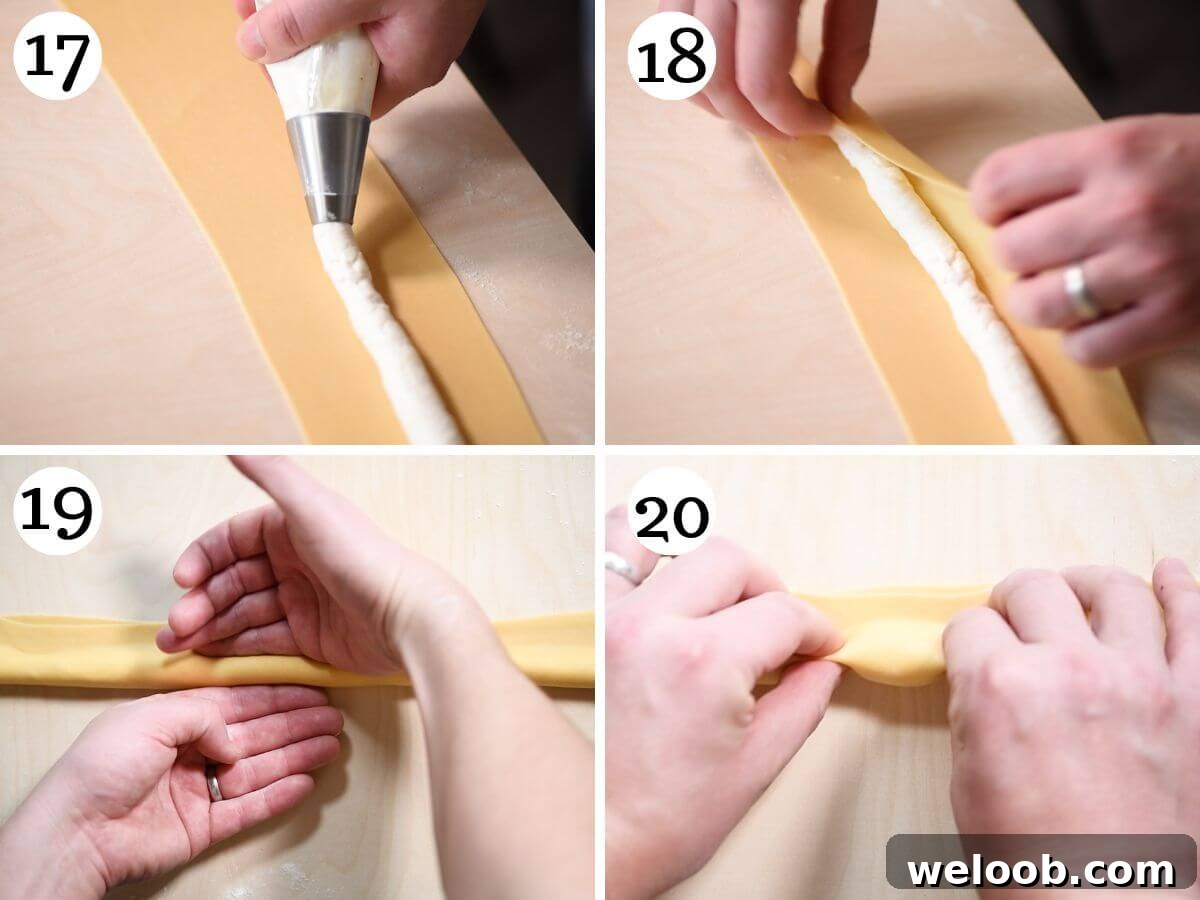
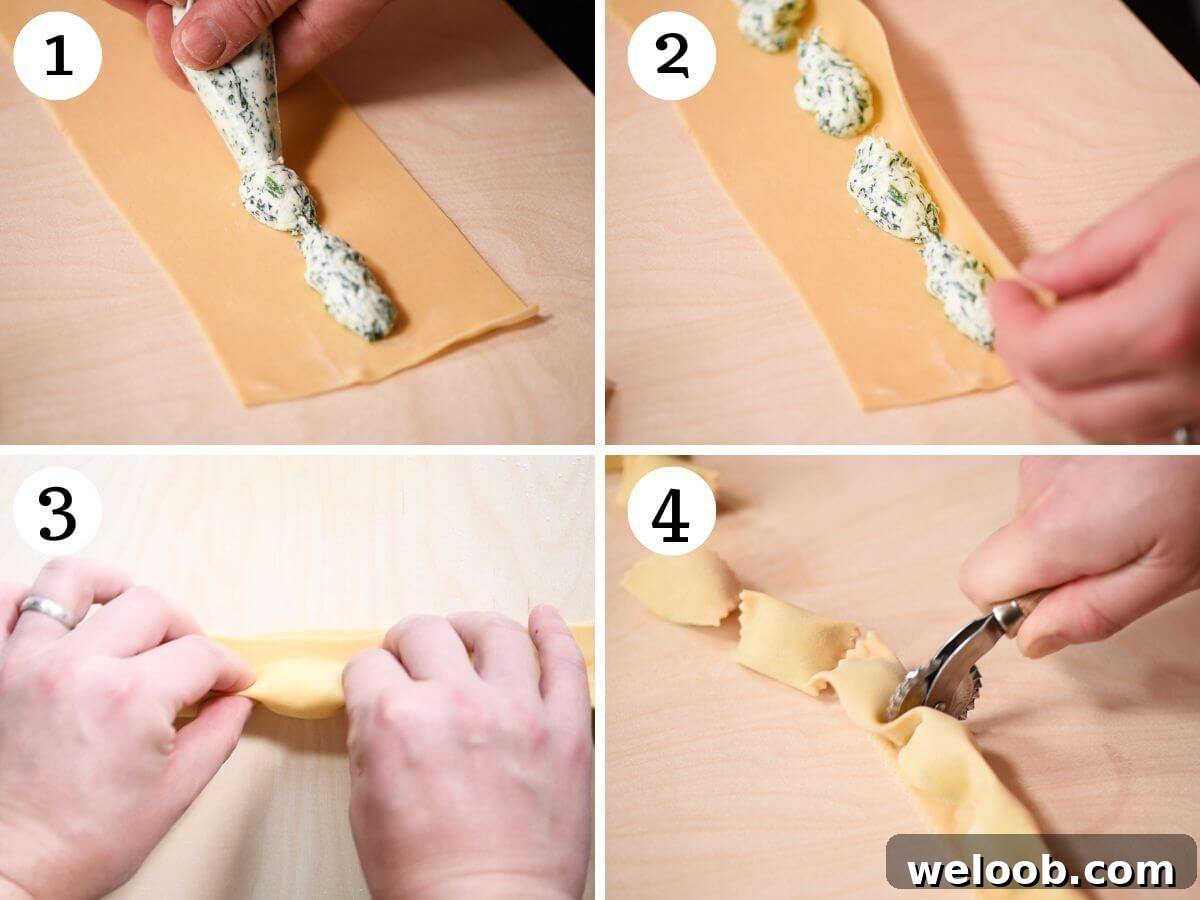
Lay a pasta sheet on your work surface and pipe or spoon the filling in a single long line down the center, leaving about 1 inch (2.5 cm) free at each end. Fold the sheet over the filling, pressing firmly along the seam to seal and remove any air pockets.
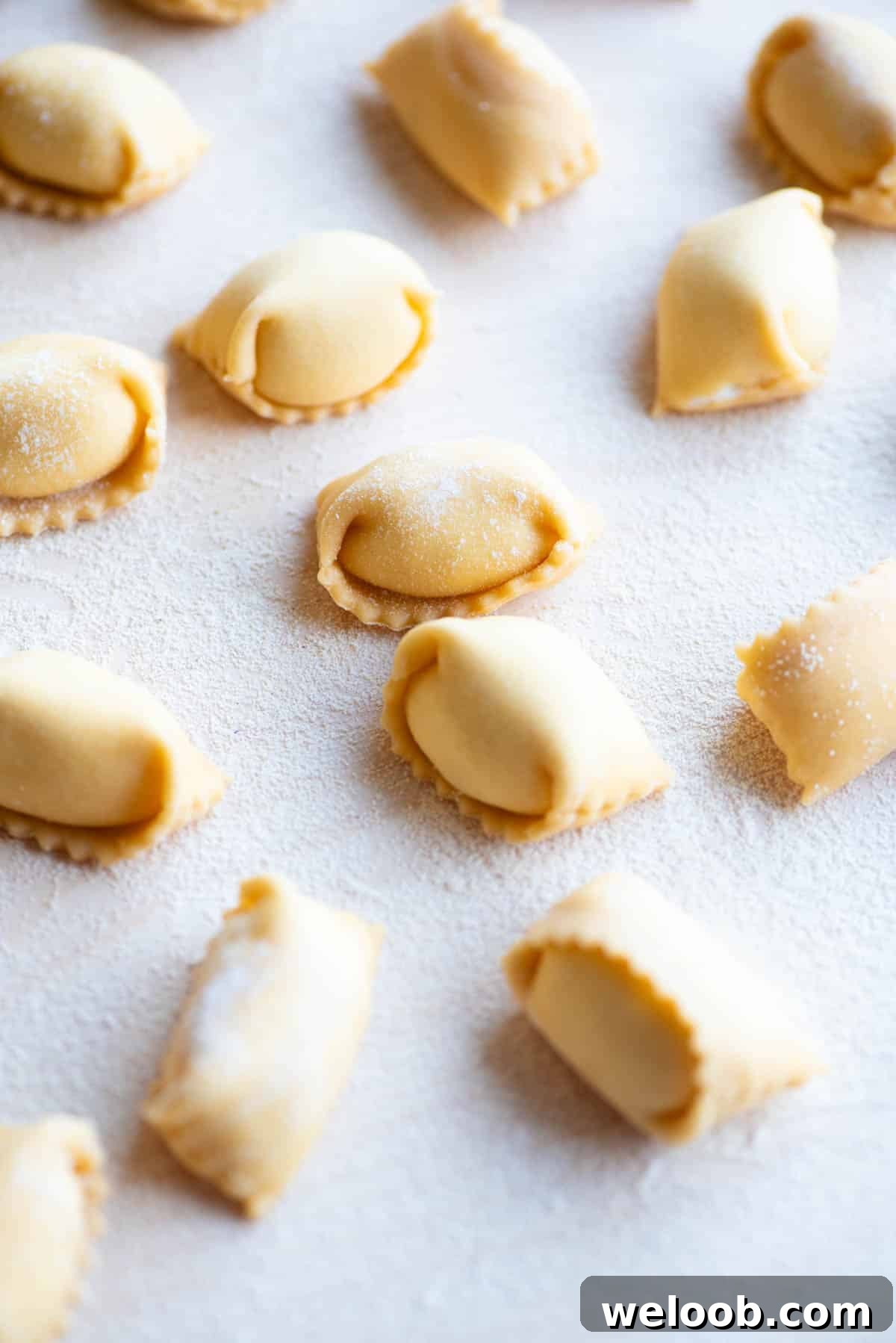
Pinch the sealed edge at roughly 1-inch intervals to form individual pockets. Trim excess dough from the edges, then cut the agnolotti apart with a pasta wheel or knife. Place finished agnolotti on a surface lightly dusted with flour or semolina while you complete the rest.
Filling methods
There are a few ways to fill agnolotti:
- Pipe one long line of filling down the middle (best for smooth fillings).
- Pipe small individual dollops along the sheet—useful if the filling has texture. Pinch the pasta before sealing to avoid trapped air.
- Spoon small mounds of filling along the sheet and proceed to fold and cut.
Cook the Agnolotti
Bring a large pot of salted water to a rolling boil. Add the agnolotti and cook for about 3 minutes, or until they float and the pasta is tender. Lift them out with a slotted spoon and transfer directly to your warmed sauce. Gently toss to coat and serve immediately.
Sauces and filling ideas
- Meat ragu – classic Piedmontese filling uses stewed beef or other braised meats mixed with vegetables.
- Ricotta filling – drain ricotta for at least an hour and combine with grated provolone, smoked scamorza, or Parmigiano; add lemon zest for brightness. Use about 2 cups (500 g) ricotta.
- Mushroom filling – a savory mushroom and cheese mix works beautifully.
- Squash or pumpkin – roasted squash or pumpkin purée with cheese and nutmeg is delicious for autumn menus.
- Tomato sauce – a simple sauté of garlic and onion with passata, finished with fresh basil.
- Butter and sage – a classic, quick finish for delicate fillings; best added just before serving.
- Creamy cheese sauces – Gorgonzola, Parmesan cream, or a mixed cheese cream sauce are all excellent choices.
Recipe tips and FAQs
- Weigh your flour – for consistent results use a kitchen scale. Cup measurements vary between cooks; weighing yields reliable dough texture.
- Egg size – if using large eggs, omit the extra yolk. Add more flour if the dough feels overly soft.
- Sealing – if the dough edge isn’t tacky enough to seal, brush a little water along the edge before folding.
- Use flour sparingly – too much extra flour dries the dough; dust lightly only as needed.
- Resting – allow the dough to rest at least 30 minutes so the gluten relaxes and the dough becomes easier to roll.
The main difference is shape and construction. Ravioli are typically two sheets of pasta sealed around a filling with four cut edges, while agnolotti are made from a single sheet folded over the filling and pinched to form individual pockets.
How to freeze fresh Agnolotti
Freezing filled pasta preserves your effort and lets you enjoy homemade meals quickly later. To prevent cracking, blanch the agnolotti briefly before freezing.
- Blanching note – filled pasta can become brittle when frozen. Blanching helps set the pasta so it survives freezing and boiling.
- How to blanch – boil in salted water until the agnolotti float (about 1–2 minutes), remove with a slotted spoon, and let them dry briefly on a clean towel.
- Freeze – arrange blanched agnolotti in a single layer on a tray to freeze. Once solid, transfer to freezer bags to save space. Refrigerate blanched agnolotti up to 3 days if you prefer not to freeze them.
More homemade pasta tutorials
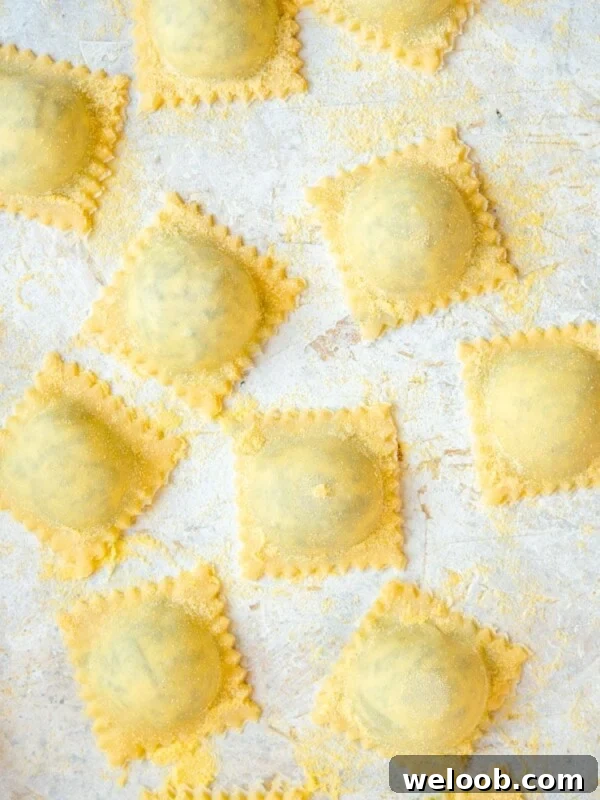
Tips & Tricks
How to Make Homemade Ravioli – The Ultimate Guide
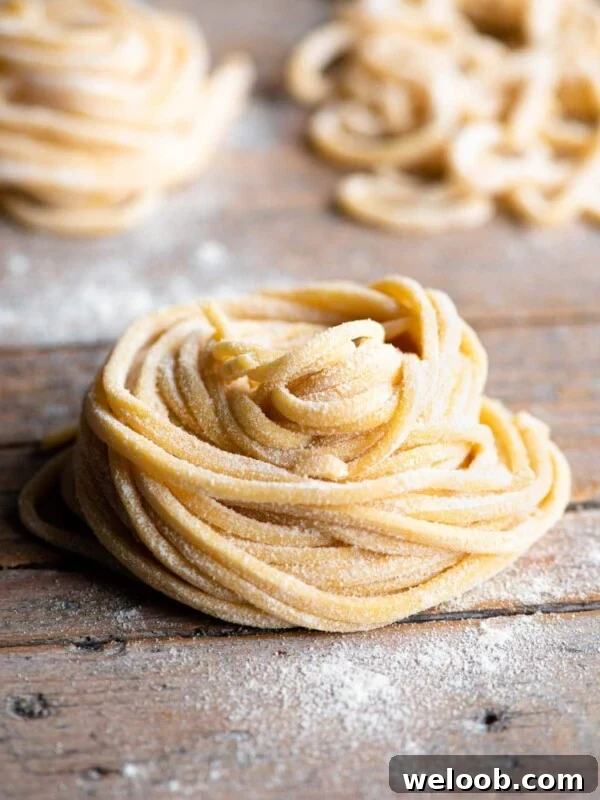
Fresh Pasta
Homemade Tonnarelli Pasta (Spaghetti alla Chitarra)
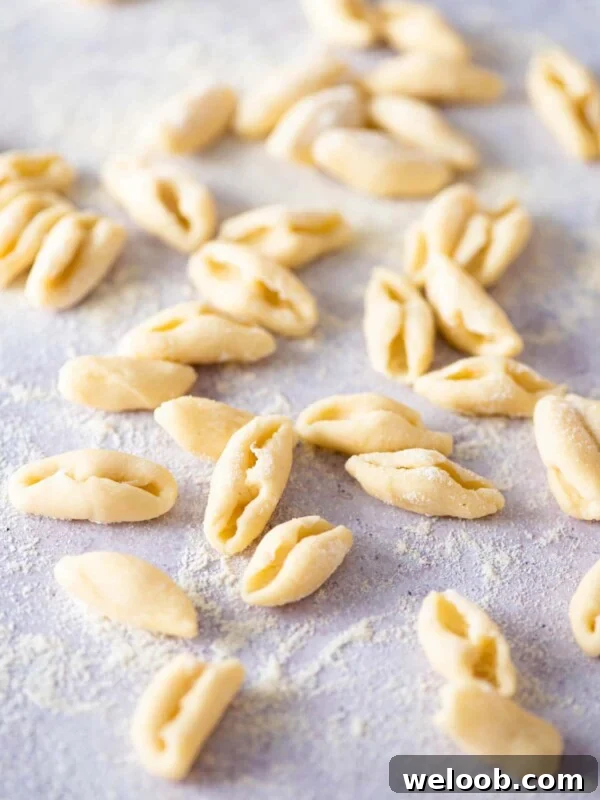
Fresh Pasta
Homemade Cavatelli Pasta
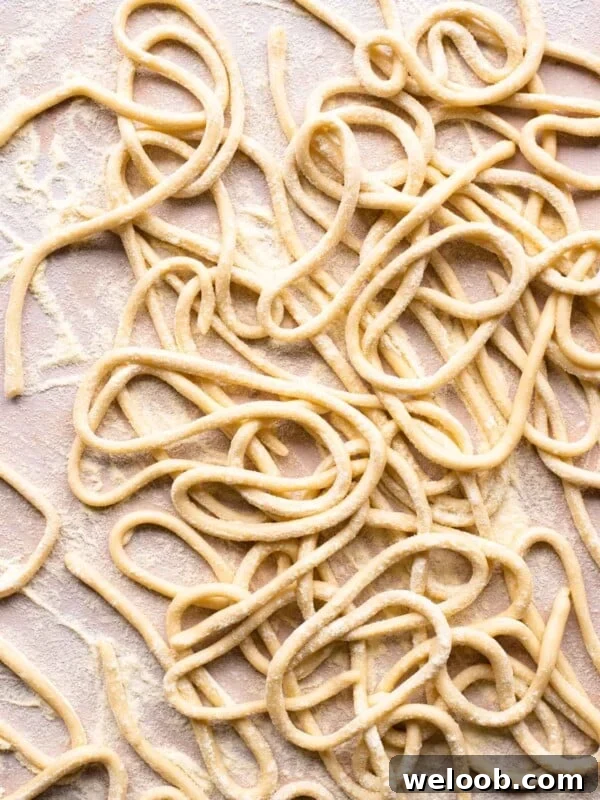
Fresh Pasta
How to make Pici Pasta
If you try this Agnolotti recipe, please rate it and leave a comment to share how it turned out. I love hearing from readers and learning about your variations and tips.
Step By Step Photos Above
Most of our recipes include step-by-step photos, tips, and a video to help you succeed.
Homemade Agnolotti (step by step guide)
By Emily
Equipment
- Pasta machine or rolling pin
- Piping bag (optional)
Ingredients
Pasta dough
- 3 medium eggs
- 1 medium egg yolk
- 300 g Italian 00 flour, plus extra for dusting (about 2 1/4 cups)
Filling (optional)
- 2 cups ricotta (500 g), strained at least 1 hour
- 1 cup grated provolone piccante (100 g) or smoked scamorza/Fontina
- Pinch of black pepper, to taste
Instructions
Preparation tips
- Strain ricotta for at least 1 hour if using. Make sauce ahead if possible.
Make the pasta dough
- Make a well of flour, add eggs and yolk, and beat. Gradually incorporate flour into eggs.
- Knead about 10 minutes until smooth and elastic. Wrap and rest 30 minutes.
Make your filling
- Mix strained ricotta with grated provolone and black pepper; set aside.
To roll out the pasta dough
- Work one half of dough at a time. Fold and pass through the widest machine setting several times, then roll down to setting 6.
- Lay a sheet on the work surface and pipe or spoon filling down the center, leaving 1 inch free at each end.
- Fold over the filling, press to seal and remove air, pinch to form 1-inch agnolotti, trim edges and cut apart.
- Set agnolotti on a floured surface while you finish.
Cook the Agnolotti
- Boil a large pot of salted water. Cook agnolotti about 3 minutes until tender and floating.
- Drain with a slotted spoon and transfer directly to sauce. Toss gently and serve.
Video
Notes
- Weigh your flour – use a scale for consistent dough.
- Eggs – omit extra yolk if using large eggs; adjust flour if dough is too soft.
- Sealing – dampen edges lightly with water if they won’t stick.
- Don’t over-flour – keep dusting minimal to preserve dough texture.
- Resting – rest dough at least 30 minutes to relax gluten.
Helpful Info for All Recipes
- I use extra virgin olive oil in most recipes unless noted.
- All vegetables listed are medium unless specified.
- All recipes are tested using a fan (convection) oven where relevant.
Nutrition
Carbohydrates: 62 g |
Protein: 32 g |
Fat: 27 g
Nutrition info is an approximation.
Leave a comment below!