

Table of Contents
- Introduction
- Regional Cuisine
- Daily Life and Eating Habits
- Family and Traditions
- A Recipe to Remember
Introduction
Can you tell us a bit about yourself? What town and region in Italy are you from?
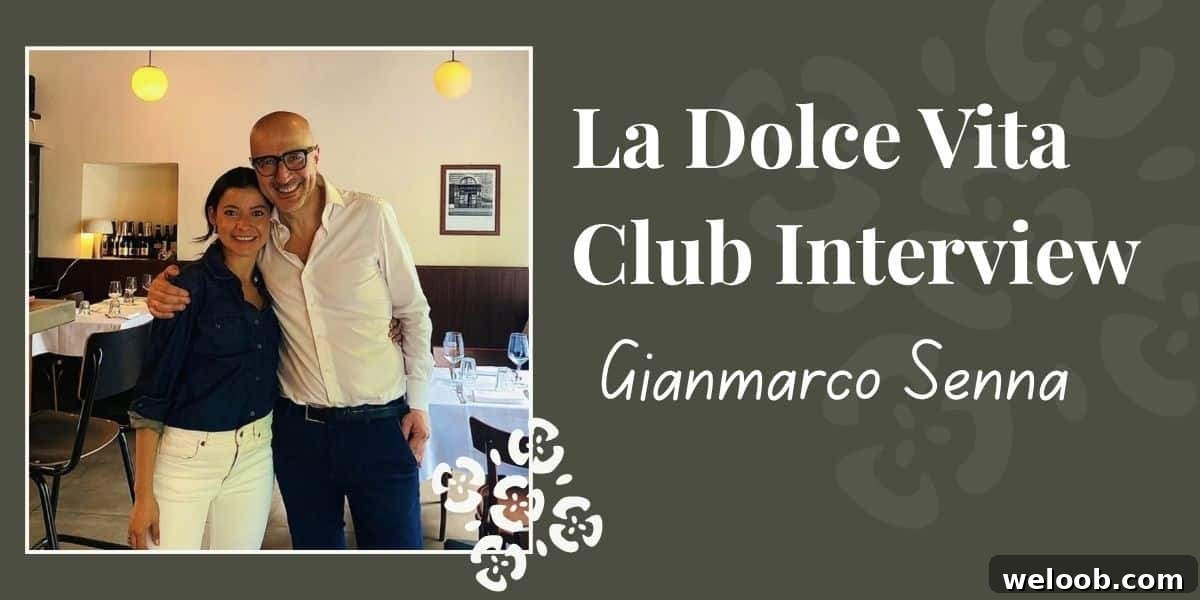
I was born in Milan in 1970. In May 2025 we opened Bela Tusa on Via Pietro Borsieri in the Isola neighbourhood. I run the kitchen alongside Norma Galdamez, who manages the bar and brings her mixology experience to the drinks menu.
Isola sits beside the Porta Nuova towers and the modern developments of the city. Our trattoria occupies a ground-floor space just a few metres from that new skyline, but inside we serve the kind of food Milanese families used to make at home.
The walls of our restaurant are hung with sixty years of Virgilio Carnisio’s photographs documenting working-class Milan: courtyards, laundry lines, old trattorie and trades that have largely vanished. The images are a reminder of a city that has changed dramatically in recent decades.
“Si mangia dentro la città che non ce l’ha fatta.”
That phrase captures the feeling: outside, the neighbourhood is new and modern; inside the trattoria you step back into the Milan of the past, eating traditional dishes and looking at photographs of a vanished everyday life.
Regional Cuisine
What do the locals eat in your region? Are there specific dishes your region or town is known for?
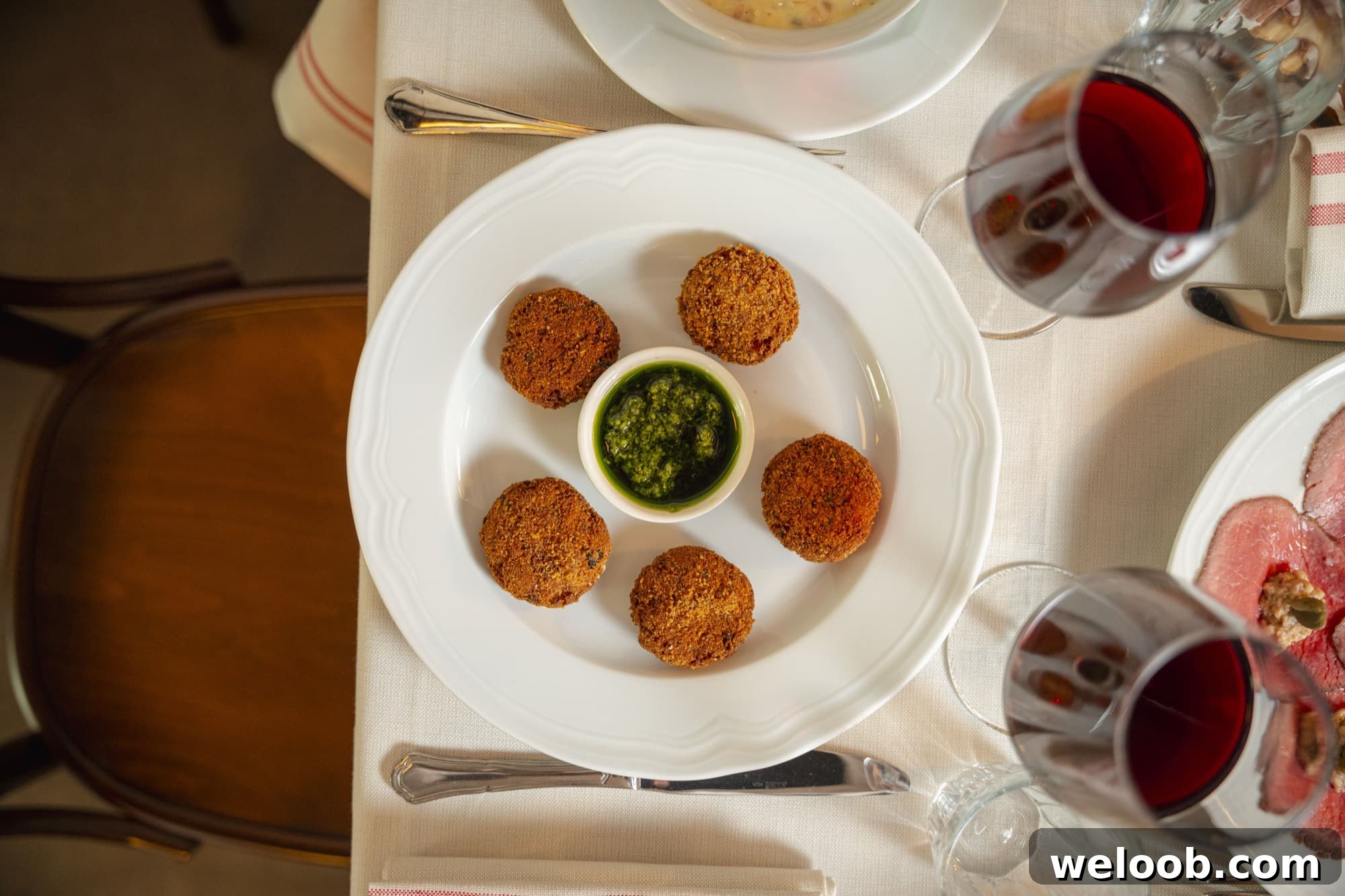
Milanese cooking is not focused on pasta and tomato sauce as many outsiders expect. It’s a cuisine of rice and butter. Rice fields begin at the city’s edge, and butter has long been the preferred cooking fat here. That history shapes the local dishes: saffron-infused yellow risotto with ossobuco; the bone-in costoletta alla Milanese; mondeghili, fried meatballs made from leftover boiled meats; cassoeula when winter arrives; and braised beef cheek, a humble dish that remains a favourite in many homes and trattorie.
Mondeghili deserve a special mention because their name tells a story. The word comes from the Spanish albóndiga, which itself comes from the Arabic al-bunduqa, meaning “little hazelnut.” Milan spent 170 years under Spanish rule, and many terms and dishes from that era filtered into the local vernacular. Mondeghili are a classic example of frugal, resourceful cooking: a way to use every scrap so nothing is wasted.
How does the cuisine of your region change with the seasons?
Milanese cuisine is shaped by the plains and by winter. The real season here is autumn and winter: cassoeula, for example, waits for the first cold snap because Savoy cabbage needs a frost to develop the right flavour. Autumn and winter dishes are hearty and comforting.
Spring and summer bring lighter variations. Risotto is evergreen but changes with the produce: one summer we served risotto with figs, lemon zest and basil, which proved extremely popular. Bread is also essential year-round. The local michetta is hollow, mostly crust, and is best eaten the same morning it’s baked. In the Po Valley’s humidity, dense crumb breads go rubbery fast, so michetta was designed to be consumed the same day—ask for it in a bakery before ten in the morning.
What should a first-time visitor try?
At the table: try three pillars of Milanese food—yellow risotto with ossobuco, mondeghili and the costoletta alla Milanese. These dishes represent the heart of local cooking and are still preserved in traditional trattorie rather than in modern home kitchens. Ossobuco needs hours of slow cooking, which is why it survives in restaurants and not in most households.
Outside the table: visit a bakery early for a michetta. Nearby we recommend small, artisan bakeries that use organic flours and sourdough techniques—the kind of places where you can taste grains from a named farmer. Also, learn about the Cucine Economiche, public kitchens that opened in the late 19th century to feed workers cheaply; understanding those communal dining traditions helps explain the origins of much Milanese cuisine.
Daily Life and Eating Habits
Can you share what you eat on a typical day?
I wake early and no longer drink coffee; in the morning I usually have orange juice. My main meal is lunch and it tends to be substantial. Evenings are lighter—I prefer not to go to bed feeling full.
How often do you eat out?
When I’m not working I often eat out. Dining out is a pleasure for me, and I enjoy going alone, especially at lunchtime. I like returning to familiar places—there’s a comfort in seeing the same faces and feeling at home in a favourite trattoria. At home my fridge is simple: usually just dark chocolate and fruit, often apples.
Family and Traditions
What does Pranzo della Domenica (Sunday lunch) look like in your home? What dishes are typically served and how long does it last?
A traditional Sunday lunch feels like a memory from my childhood, when family dinners were large and my Nonna cooked for everyone. Since I began working in restaurants, Sundays have often been busy workdays for me, so that extended family lunch has become rarer. When it happens, it follows the slow, convivial rhythm of the past: multiple courses, time to linger and talk.
What dishes or desserts are eaten at Christmas in your region?
Classic Christmas dishes here include ravioli in broth and capon. For dessert we serve panettone, Milan’s signature holiday cake. In our tradition panettone is paired with a mascarpone cream known locally as “mascherpa.” It’s a seasonal moment when the city shares something uniquely its own.
How is Christmas Day celebrated?
For Milanese people, the main celebration is lunch on December 25th. This contrasts with parts of southern Italy, where the large meal often happens on Christmas Eve. Many of my own Christmases have been spent working in a trattoria; when I have celebrated with family, we usually gather in a friend’s trattoria rather than at home.
A Recipe to Remember
Gianmarco shared two recipes written by chef Luca Di Lorenzo, prepared in their Milanese trattoria. He notes that mondeghili are a true recovery dish: traditionally nothing was bought specifically for them. Leftover boiled or braised meats from the day before—trimmings from ossobuchi or cheeks—were combined to make the mixture. If you use fresh meat made just for the purpose, you will get a tasty meatball, but it won’t be the same dish born of thrift and reuse.
MONDEGHILI (Deep Fried Meatballs)
Serves 5 to 6, about 28 meatballs
Ingredients
- 400 g stale bread, plus cold water to soak it
- 200 g braised veal and beef (trimmings from ossobuchi and cheeks)
- 400 g lean minced beef
- 150 g Grana Padano aged 12 months, grated
- 4 eggs
- 75 g mortadella, minced
- 30 g salt
- 3 g garlic powder
- Gremolada to taste: chopped parsley and grated lemon zest (approx. 10:1 ratio)
- Black pepper to taste
- Breadcrumbs for coating
- Seed oil for frying
Method
1. Soak the stale bread in cold water until softened.
2. While still warm, run the braised meat through a mincer with the mortadella and the softened bread.
3. Add the minced beef, eggs, salt, pepper, garlic powder, gremolada and grated Grana Padano.
4. Work the mixture vigorously until it is evenly combined and compact.
5. Shape into meatballs, pressing out any air, then slightly flatten each one.
6. Coat in breadcrumbs and fry in seed oil at 180°C until golden. Each raw meatball should weigh about 52–53 g; a portion is five meatballs.
Tips
Why these steps matter: using warm braised meat helps it break down properly through the mincer; vigorous mixing creates a compact texture so the meatballs hold together; pressing out air prevents cracking during cooking; and flattening is traditional—the old version was cooked in butter and the shape helps them cook through. We fry them today, but the flattened form remains a defining characteristic of the recipe.
RUSUMADA (Red Wine Zabaglione)
Serves 2
This is a dessert many Milanese over sixty remember but few make anymore. It was traditionally served to thin children or to those recovering from illness: egg yolk beaten with sugar and diluted with red wine—part medicine, part treat. The modern version adds cream.
- 4 egg yolks
- 38 g sugar
- 275 ml red wine
- 75 ml single cream
Beat the yolks with the sugar until pale and thick. Add the cream, then the wine, and keep beating until smooth. Chill and serve cold in a glass.
Tips
Because the yolks are not cooked in this preparation, use pasteurised eggs or the freshest eggs you can find. For larger batches, maintain the proportions: red wine 59%, egg yolk 16%, cream 16%, sugar 8% to preserve the right balance of texture and flavour.