
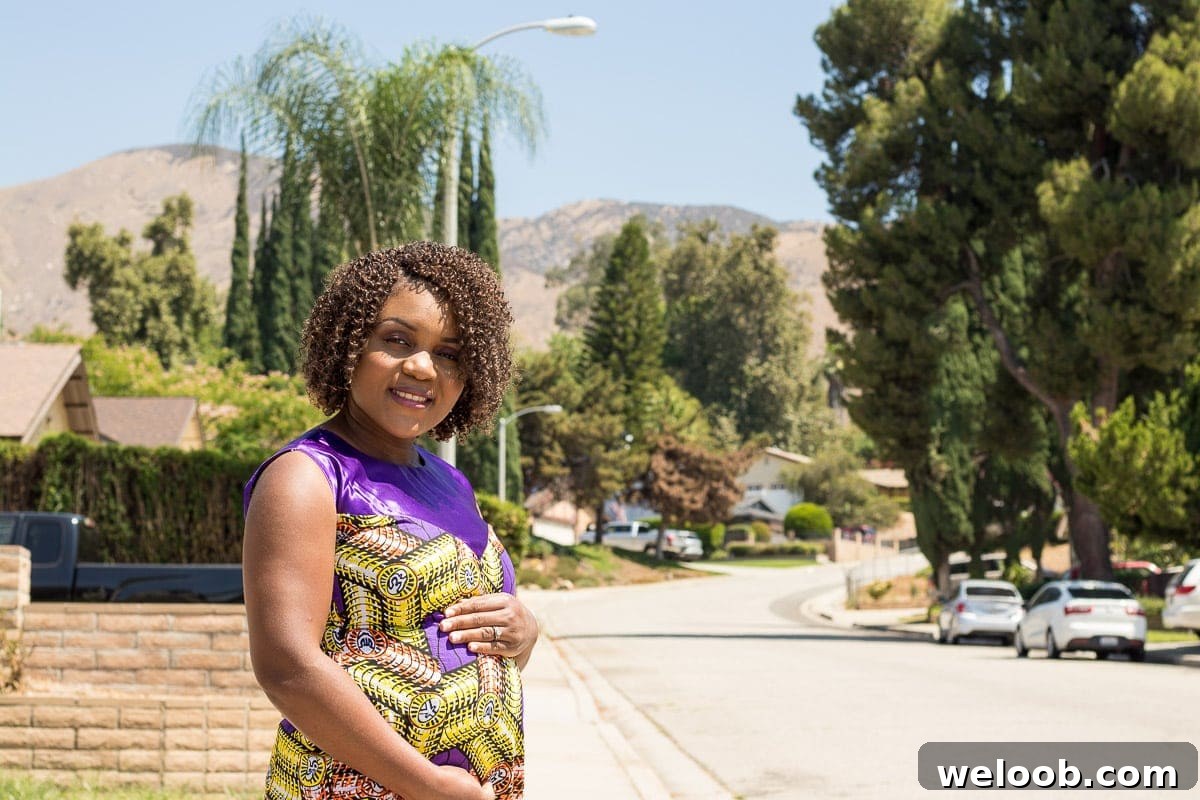
Hey! I’m writing from one of my favorite places on earth—my bed. Today I let my laptop do what it does best: rest on my lap instead of sitting on the small office table where it usually lives. It helps me feel more relaxed and gives me a chance to write before possibly drifting off again from yet another bout of pregnancy-induced sleep.
Lately I’ve been thinking a lot about how different it feels to be pregnant in Cameroon versus being pregnant in the United States. Having experienced pregnancy in both places, I can say they truly are two different worlds with distinct cultures and customs. The contrasts around pregnancy are surprisingly vivid, and I can’t help but reflect on them.
One of the first differences I noticed is how pregnant women are treated in public. In Cameroon, pregnant women often receive preferential treatment. For example, if you’re standing in a queue, people will commonly allow you to move to the front simply because you’re visibly pregnant.
I remember one occasion in Cameroon when I went to pay a bill and the lines were long. Because my pregnancy was obvious, someone suggested I move to the front, and the people who had been waiting accepted this without protest. It felt like a small, kind acknowledgment of where I was in life.
In the U.S., I haven’t had that experience. I wait in line like everyone else at the grocery store or in other places with queues. The automatic, public deference that exists in Cameroon is largely absent here.
Medical care and the way prenatal visits are handled also differ. In the United States, my appointments tend to be private—just the doctor and me, with a nurse assisting. The visits are focused and clinical, and you meet one-on-one with a provider.
In Cameroon, however, many women attend what are called “ante-natal clinics.” These are dedicated days when pregnant women gather at the hospital. Those days are often busy and communal: large groups of women come for tests, group education, and sometimes singing or other shared activities led by nurses. The antenatal clinic creates a collective experience where women support and learn from one another.
Gynecologist visits in Cameroon are usually reserved for higher-risk pregnancies, whereas routine prenatal care commonly happens within the group clinic setting.
Another notable contrast is food and postpartum care. In the U.S., hospitals typically provide meals after delivery, so you don’t have to worry about immediate food needs. In Cameroon, hospitals don’t usually offer that service, which might sound challenging at first—but there’s a beautiful cultural response: family members and friends bring homecooked meals to the new mother.
After giving birth in Cameroon, I was treated like a queen. Relatives and friends showed up with an array of dishes, each one prepared with care. I tasted so many different meals prepared by loved ones—it felt warm and communal.
I genuinely miss that attention and the question people often ask: “You wan chop na weti when you born?”—meaning, “What would you like to eat when you give birth?” People genuinely want to make your wishes come true and will go out of their way to prepare your favorite foods.
Here in the United States, the approach is more solitary: I plan ahead, cook or store meals I’ll want, and bring them to the hospital myself. For this pregnancy, what I’m craving is Ekwang—a Cameroonian delicacy made by grating cocoyams, wrapping small portions in leaves, and cooking them in red palm oil with other ingredients. It’s absolutely delicious. If anyone feels like helping with ekwang wrapping, I wouldn’t say no!
I’m using a picture of myself from a few months ago in this post because I haven’t taken a recent pregnancy photo.