
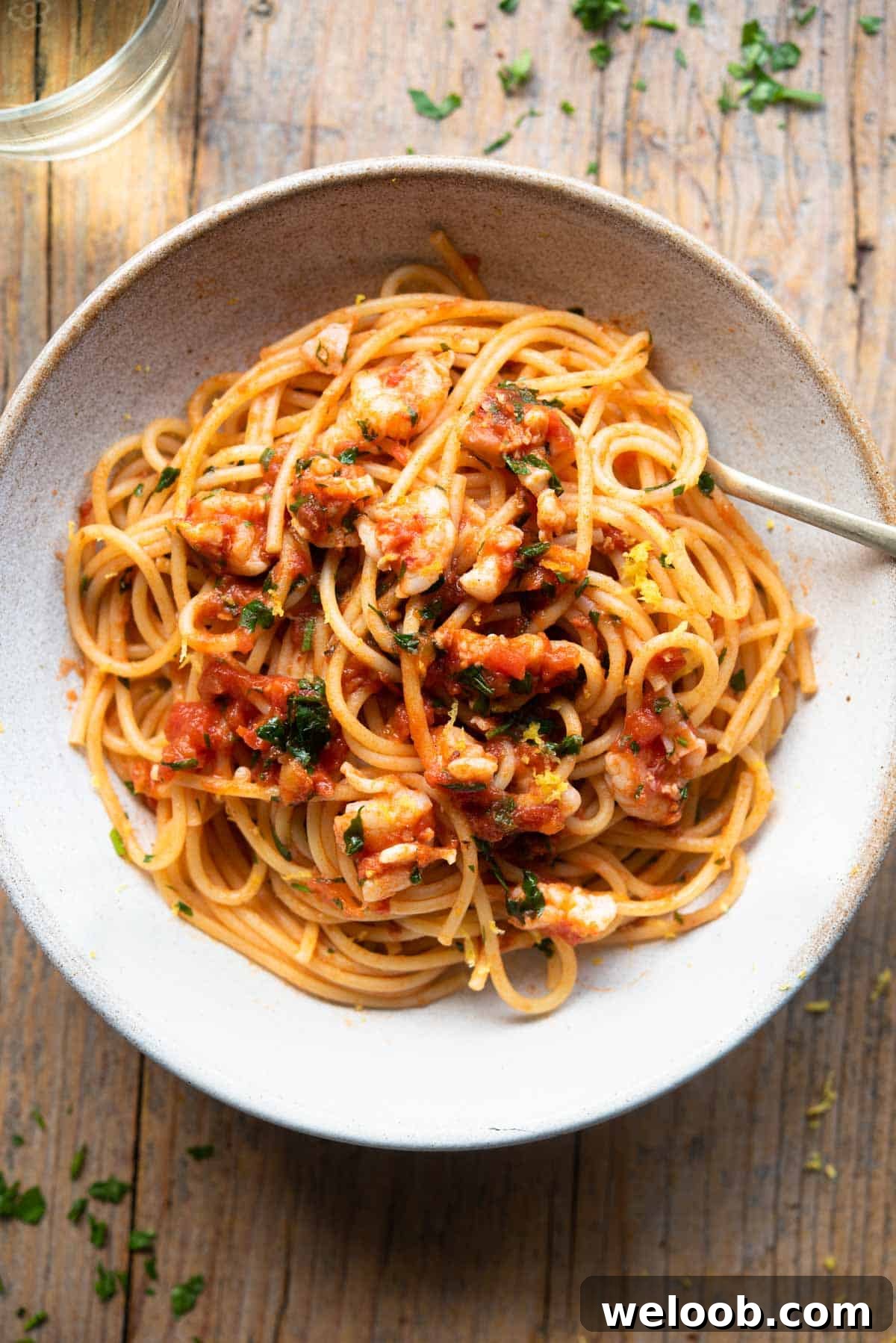
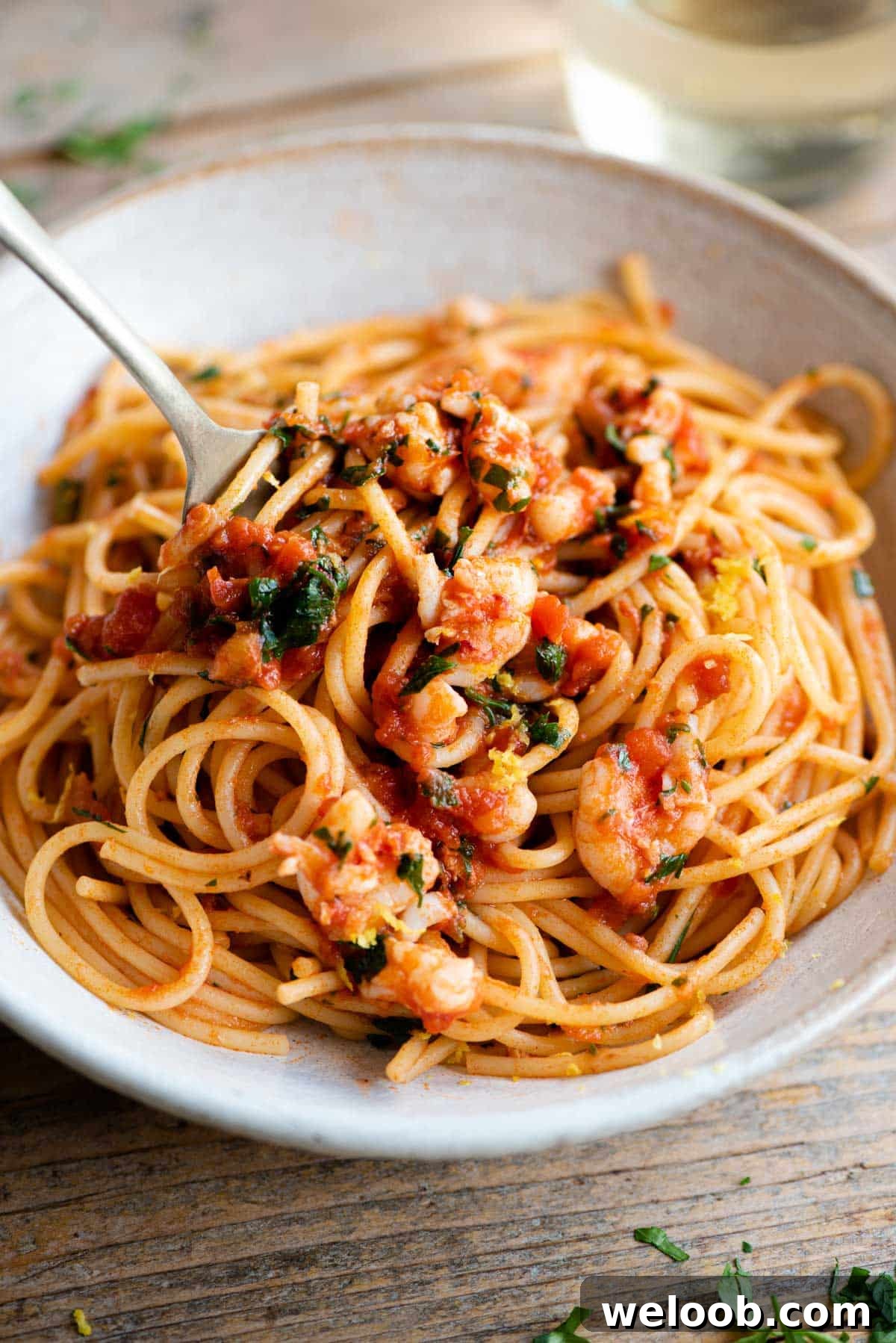
The most delicious and vibrant Shrimp Spaghetti made with spicy ‘Nduja (Calabrian salami), zesty lemon and fresh parsley in a simple tomato-tomato sauce. This easy, flavour-packed recipe is ready in about 25 minutes.
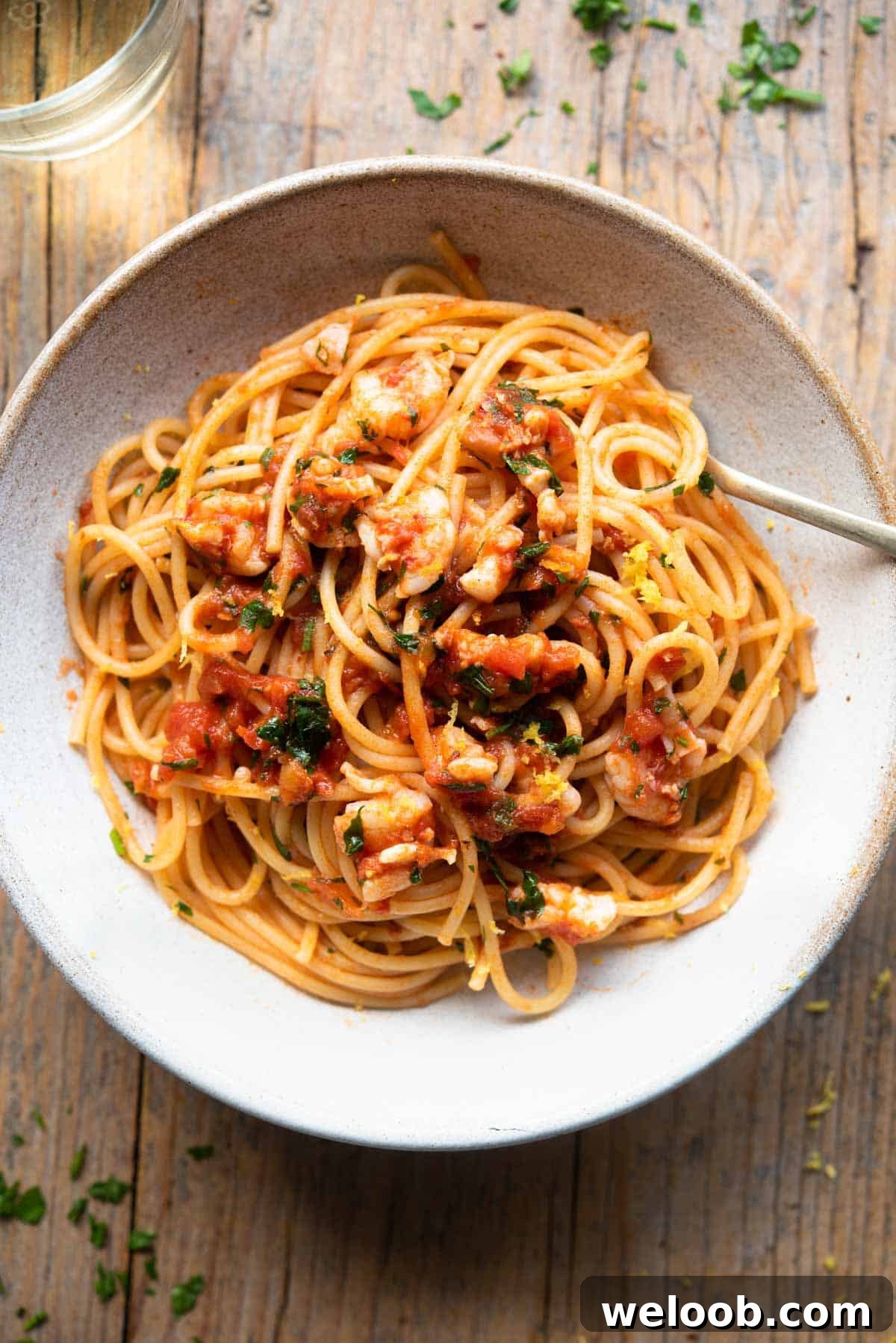
If you love seafood pasta, this shrimp spaghetti is a must-try. It combines sweet, juicy shrimp with the smokiness and heat of ‘Nduja, bright lemon zest, fresh parsley and a splash of white wine—pair with a chilled glass of wine for an ideal dinner.
This recipe uses simple ingredients and comes together quickly. If you can’t find ‘Nduja, you can substitute chilli flakes to taste.
Below you’ll find the full recipe, ingredient notes, step-by-step photos, tips, variations and a video. For a printable version, see the recipe card at the bottom.
Ingredients
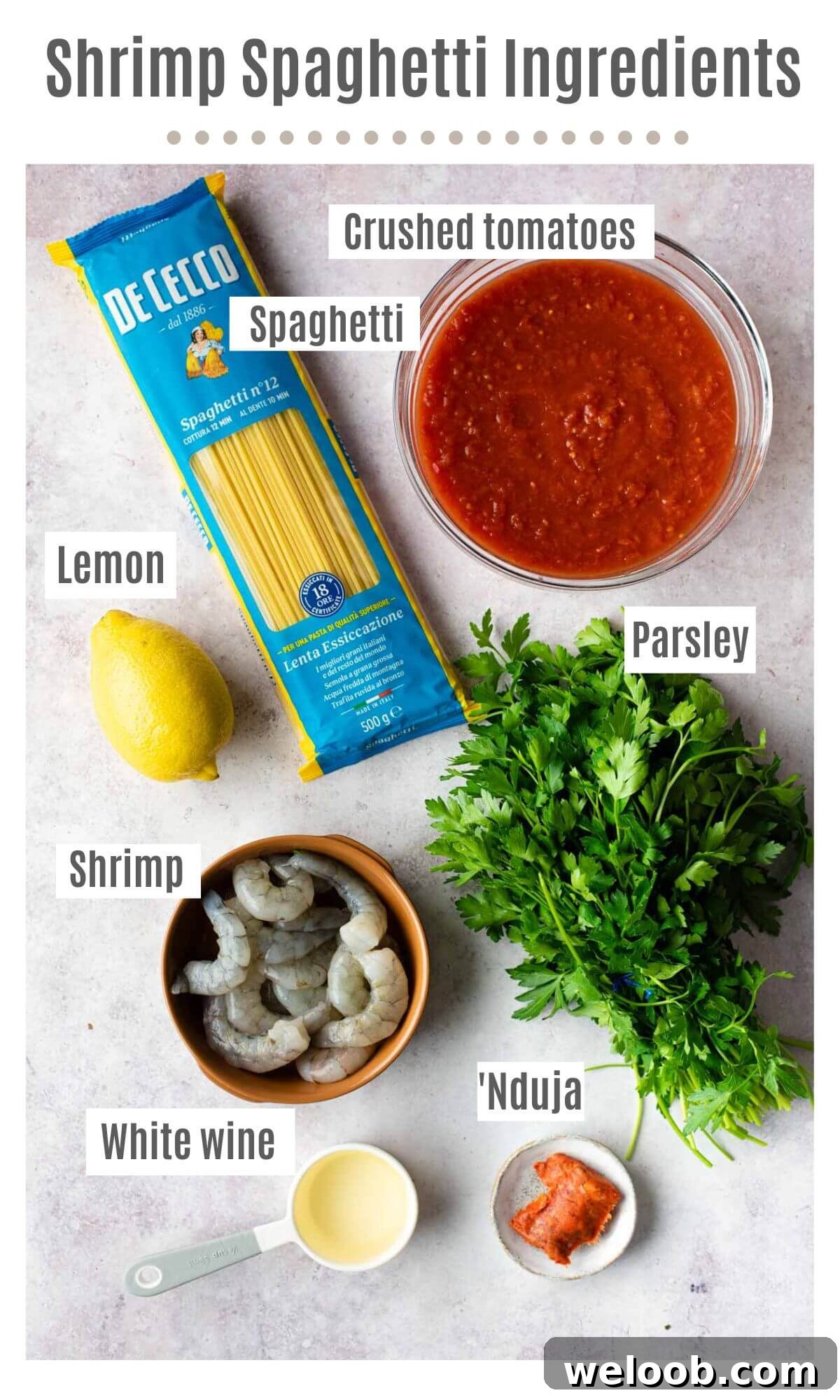
The photo below shows everything you need and includes handy ingredient tips.
Ingredient notes and substitutions
- Raw shrimp (prawns) – Use large raw shrimp. Clean and devein them before cooking. Avoid pre-cooked (pink) shrimp.
- Crushed tomatoes – Use good-quality canned tomatoes such as Cirio or Mutti polpa (crushed) for best flavour.
- Lemon – This recipe uses lemon zest, so choose unwaxed organic lemons if possible.
- ‘Nduja – A soft, spicy spreadable salami from Calabria. Available in Italian delis and many supermarkets; if unavailable, use 1 teaspoon chilli flakes instead and adjust to taste.
- White wine – Use a dry white wine you enjoy drinking. Do not use cooking wine.
Step by step photos and instructions
Cook the ‘Nduja – Heat the olive oil in a large pan, add the ‘Nduja and cook for 1–2 minutes until it starts to melt and release its oils.
Cook the pasta – Bring a large pot of salted water to a boil and cook the spaghetti until al dente (about 8–10 minutes).
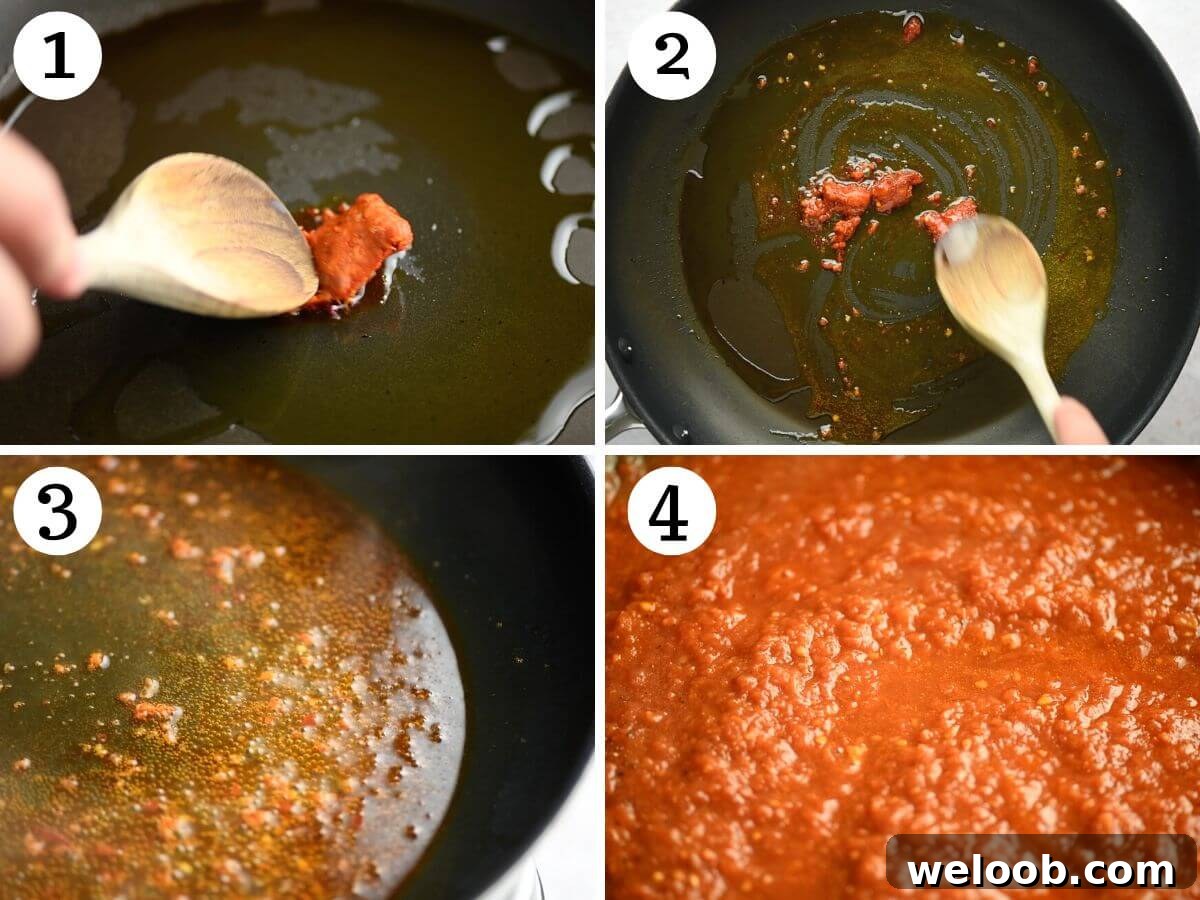
Make the sauce – Add the white wine to the pan with the ‘Nduja and reduce by half. Pour in the crushed tomatoes, season with a pinch of salt and pepper, and simmer for about 10 minutes or until the pasta is ready.
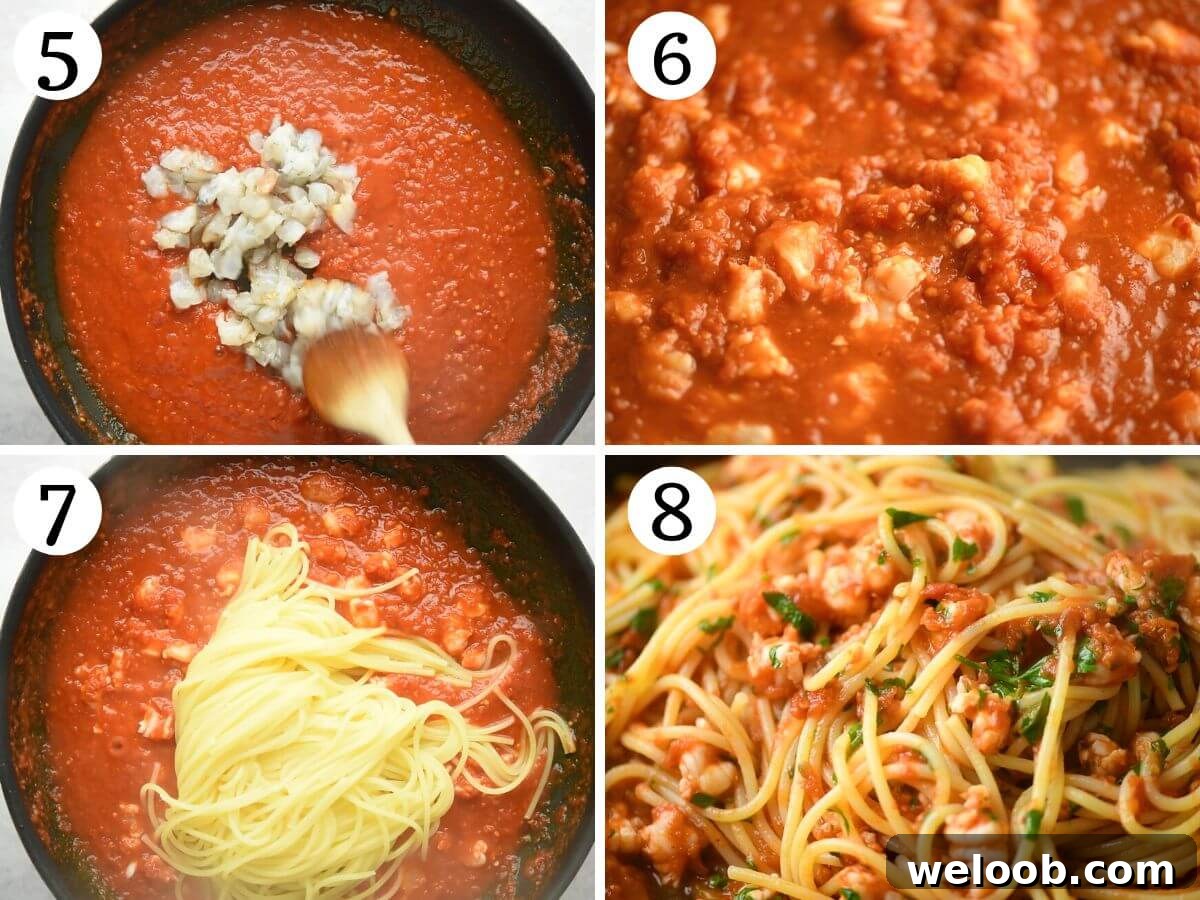
Cook the shrimp – 1–2 minutes before the spaghetti is done, add the chopped shrimp to the sauce and simmer until they turn pink.
Finish – Add the drained spaghetti to the sauce with the parsley, lemon zest and 1–2 tablespoons of reserved pasta water. Toss well to combine and serve immediately.
Recipe tips
- Adjust spiciness – ‘Nduja varies in heat by brand; taste a little before adding and adjust to your preference.
- Use raw shrimp – Ensure shrimp are translucent (raw) and not pre-cooked so they cook gently in the sauce.
- Chop or leave whole – Shrimp can be roughly chopped for bite-sized pieces or left whole for presentation.
Recipe FAQs
Yes. Defrost frozen shrimp completely, then rinse and devein them as you would fresh shrimp.
Yes. Long pasta shapes work best—try linguine or tagliatelle if you prefer.
Best served immediately. Leftovers can be refrigerated and eaten within 1–2 days.
More delicious pasta recipes to try
Pasta
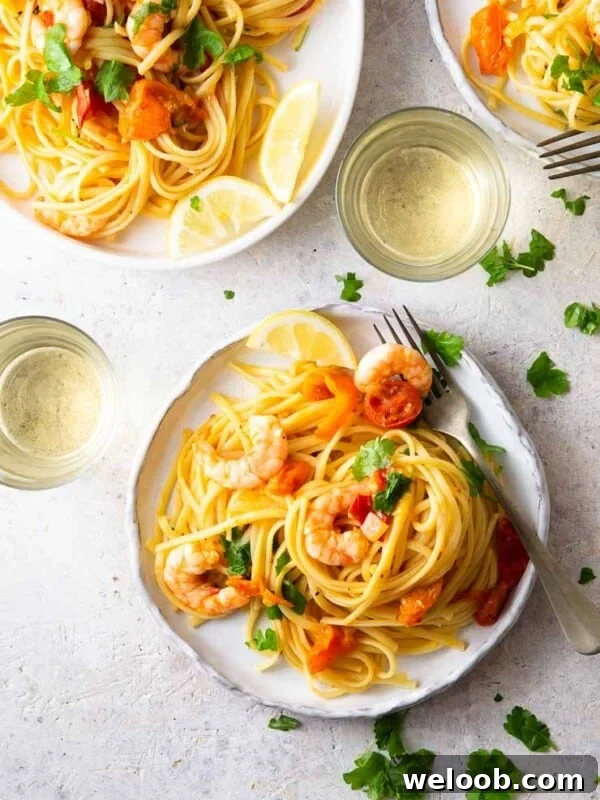
Shrimp Linguine with Burst Tomatoes & Parsley
Fresh Pasta
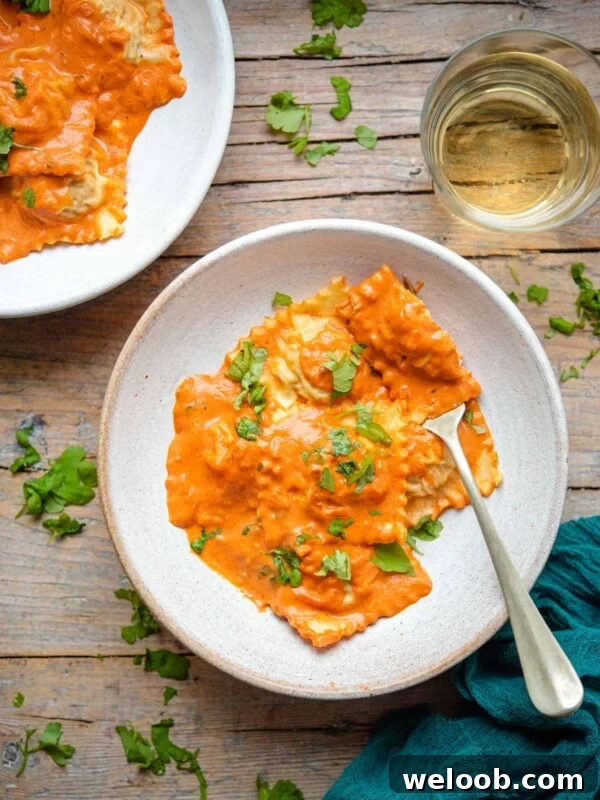
Lobster Ravioli with Vodka Cream Sauce
Pasta
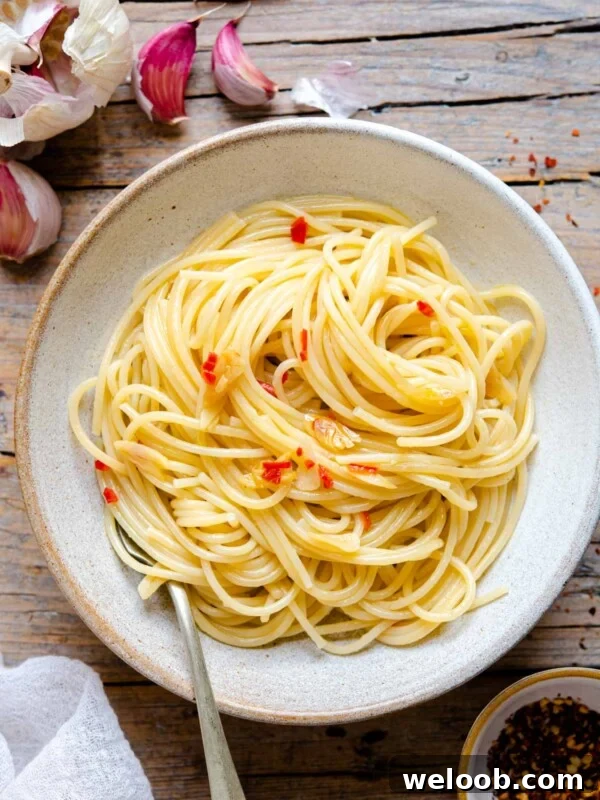
Spaghetti Aglio e Olio: Garlic & Oil Pasta
Classic Italian Recipes
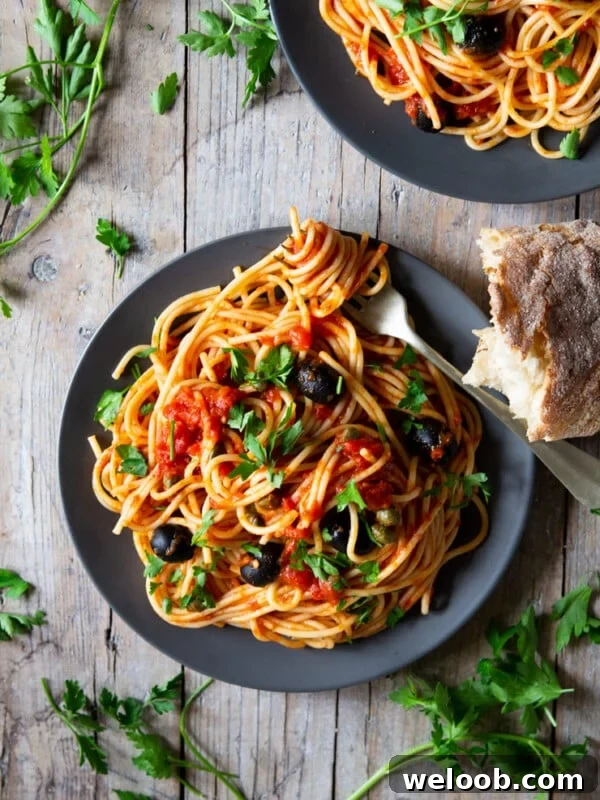
Pasta With Puttanesca Sauce (Spaghetti Alla Puttanesca)
If you try this Shrimp Spaghetti, please rate it and leave a comment to share how it turned out—I love hearing from readers!
Step By Step Photos Above
Most recipes include photos, helpful tips and a video for guidance.
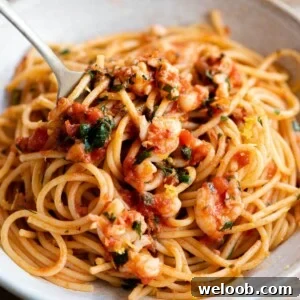
Shrimp Spaghetti with ‘Nduja and Lemon
By Emily
Ingredients
- 14 oz (400g) spaghetti
- 1 cup (160g) large shrimp (prawns), cleaned, deveined and roughly chopped
- 21 oz (600g) crushed tomatoes
- 1 tablespoon ‘Nduja (or 1 teaspoon chilli flakes)
- 1/4 cup (60ml) dry white wine
- Zest of 1/2 lemon
- A large handful fresh parsley, finely chopped
- 1 tablespoon olive oil
- Salt and pepper, to season
Instructions
- Bring a large pot of water to a boil and salt it well.
- Heat the olive oil in a large pan. Add the ‘Nduja and cook 1–2 minutes until it starts to melt and release its oils.
- Add the spaghetti to the boiling water and cook until al dente (about 8–10 minutes).
- Add the white wine to the pan with the ‘Nduja and reduce by half. Stir in the crushed tomatoes, season with salt and pepper, and simmer for around 10 minutes.
- 1–2 minutes before the pasta is ready, add the chopped shrimp to the tomato sauce and simmer until they turn pink. Drain the pasta, then add it to the sauce along with the parsley, lemon zest and 1–2 tablespoons reserved pasta water. Toss to combine and serve immediately.
Video
Video available showing technique and timing.
Helpful Info for All Recipes
- I use extra virgin olive oil in most recipes.
- For canned tomatoes I prefer Cirio or Mutti for consistent flavour.
- Vegetable sizes are medium unless stated otherwise.
- Recipes are tested using a fan (convection) oven when applicable.
- Nutrition is automatically calculated and should be used as an approximation.
Nutrition
Carbohydrates: 86 g |
Protein: 21 g |
Fat: 6 g
Nutrition information is approximate.
Leave a comment below!