
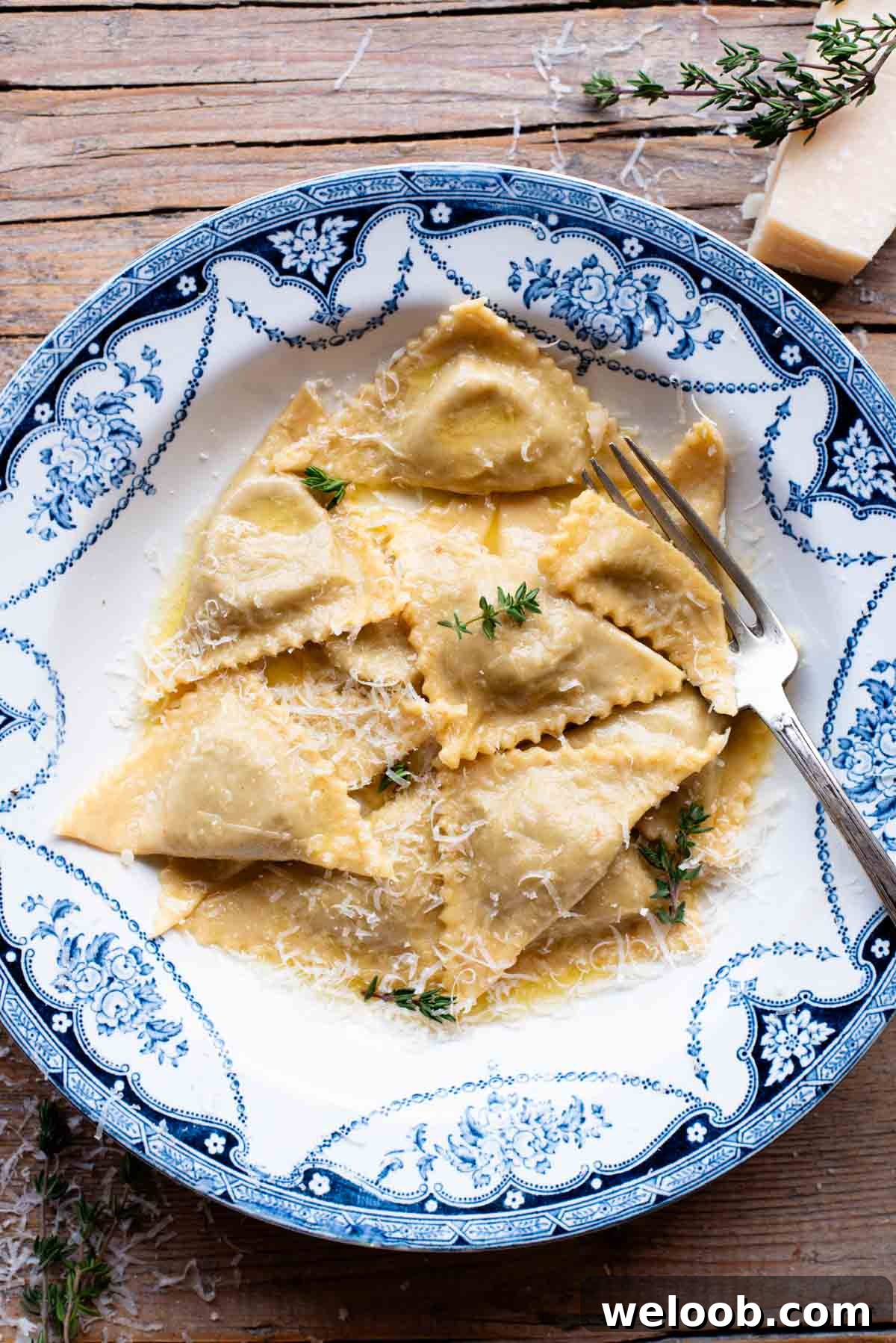
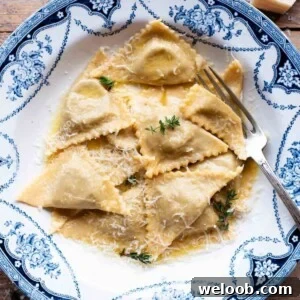
Follow this clear step-by-step guide to make fresh homemade Triangoli Pasta filled with a savory mushroom and Taleggio cheese filling. The delicate triangles are finished in a simple butter sauce and topped with Parmigiano Reggiano for an irresistible plate of pasta.
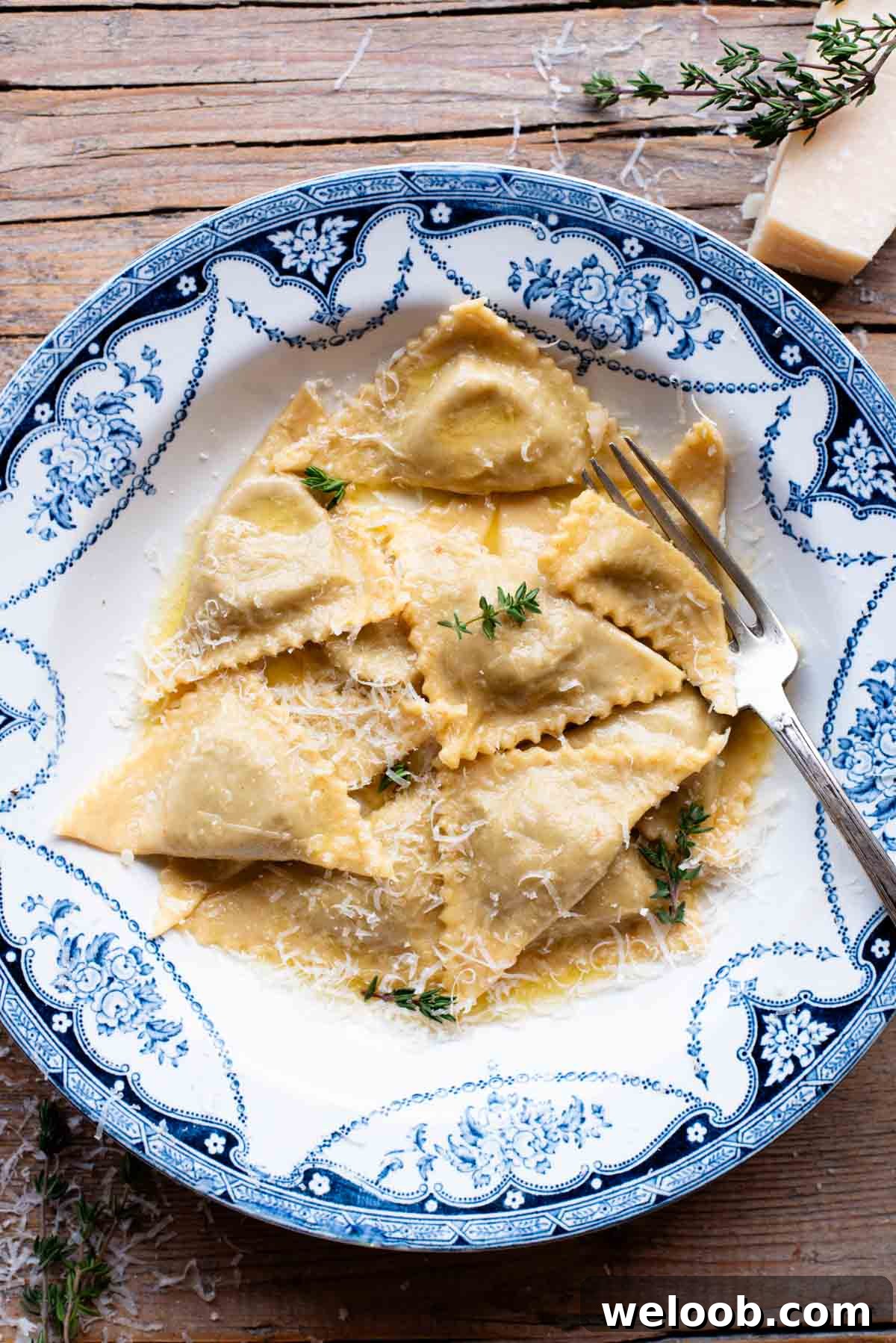
Triangoli are an easy filled pasta shape, ideal for beginners. Similar to ravioli but triangular, they require only two edges to seal, making them quicker and simpler to form.
This recipe uses a silky homemade pasta dough and a rich filling inspired by a popular mushroom ravioli variation, enriched with creamy Taleggio. The finished Triangoli shine in a lightly browned butter sauce sprinkled with Parmigiano Reggiano.
See the recipe below for ingredient notes, step-by-step photos, helpful tips, variations and a video tutorial. For the printable recipe, scroll to the bottom of the page.
Ingredients
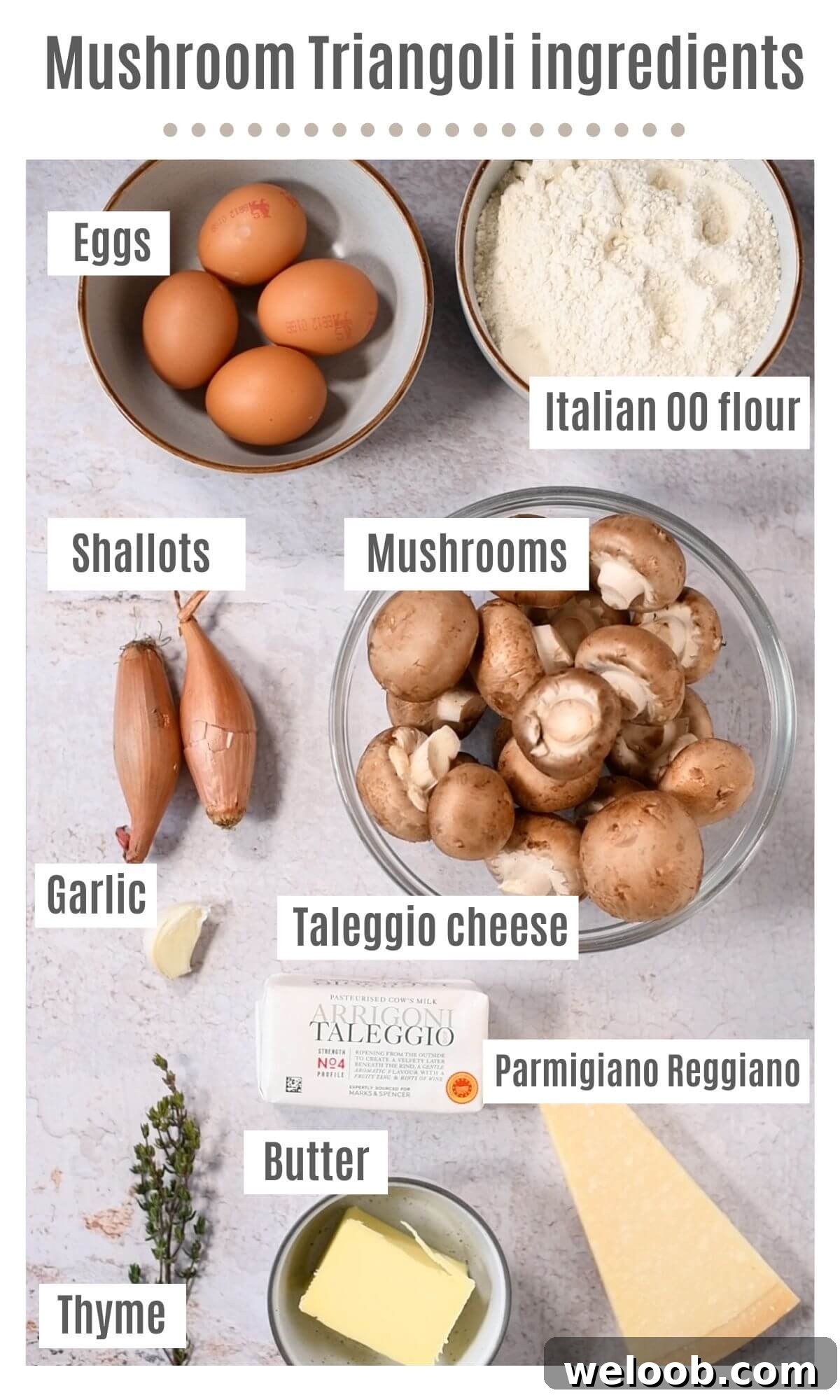
Ingredient notes and substitutions
- Italian 00 flour – the best choice for silky fresh pasta. All-purpose can work in a pinch, but 00 gives superior texture.
- Eggs – choose eggs with deep yellow yolks for a golden dough. The recipe uses medium eggs; if you use large eggs the dough may need slightly more flour.
- Mushrooms – crimini (chestnut) mushrooms were used here. Other varieties work too; wipe them clean with a damp cloth rather than rinsing.
- Taleggio cheese – creamy and flavorful when melted. If unavailable, try stracchino, ricotta (milder) or Gorgonzola for a bolder blue-cheese note.
- Fresh thyme – recommended over dried for brighter flavor.
- Semolina (semola) – optional for dusting. It helps prevent the filled Triangoli from sticking while you work.
Step by step photos and instructions
Make the pasta dough
Place the flour on a clean work surface and make a large well. Add the eggs and egg yolk into the well and beat with a fork.
Gradually incorporate the flour into the eggs until a rough dough forms. Bring it together with your hands and knead for about 10 minutes until smooth and elastic. If sticky, add a little extra flour.
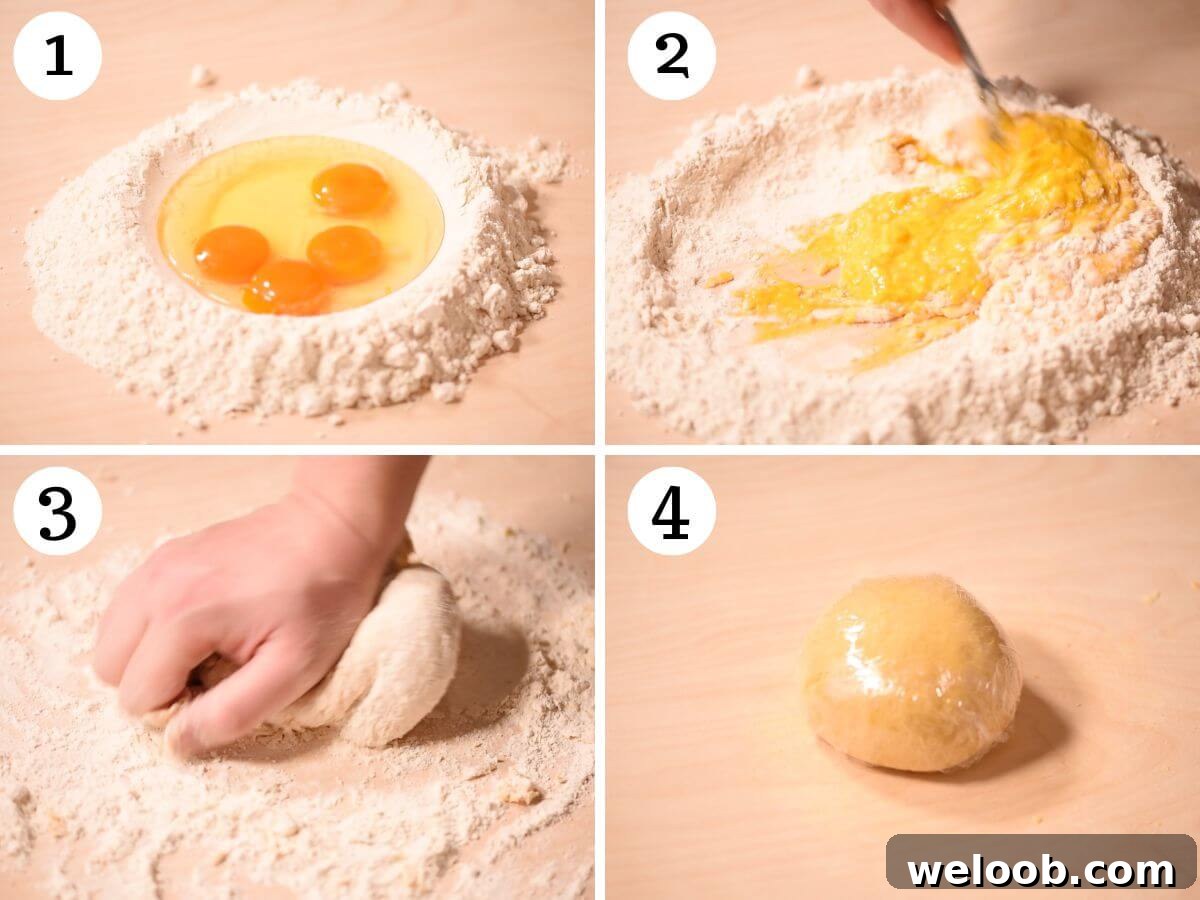
Wrap the dough in plastic wrap and rest at room temperature for at least 30 minutes. You can make it the night before and refrigerate overnight—bring to room temperature before rolling.
Make the filling
Finely chop the shallot and garlic. Roughly chop the mushrooms and add them to a large frying pan with 1–2 tablespoons of olive oil. Cook on high heat until their moisture evaporates and they reduce in size.
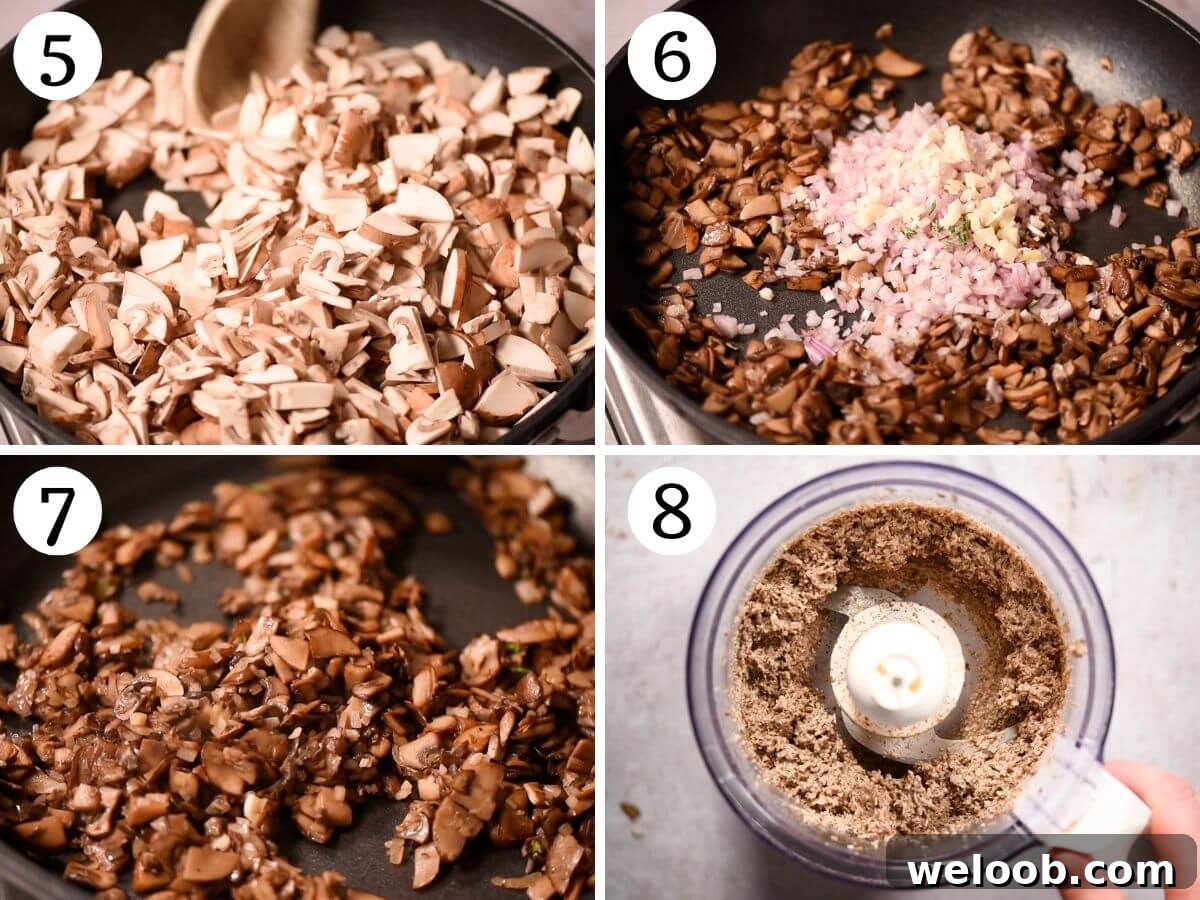
Add the shallot, garlic and thyme and sauté 2–3 minutes until soft. Season with salt and pepper and allow the mixture to cool for a few minutes.
Transfer the cooled mushrooms to a food processor with the Taleggio and Parmigiano Reggiano and blitz to a smooth paste. Spoon the filling into a bowl and let it cool completely before assembling.
Make the Triangoli
Divide the dough in two, keeping one half wrapped. Flatten the working half to fit the widest setting of your pasta machine (or roll with a pin). Pass it through the widest setting, fold the ends into the middle, flatten and repeat once more to develop elasticity.
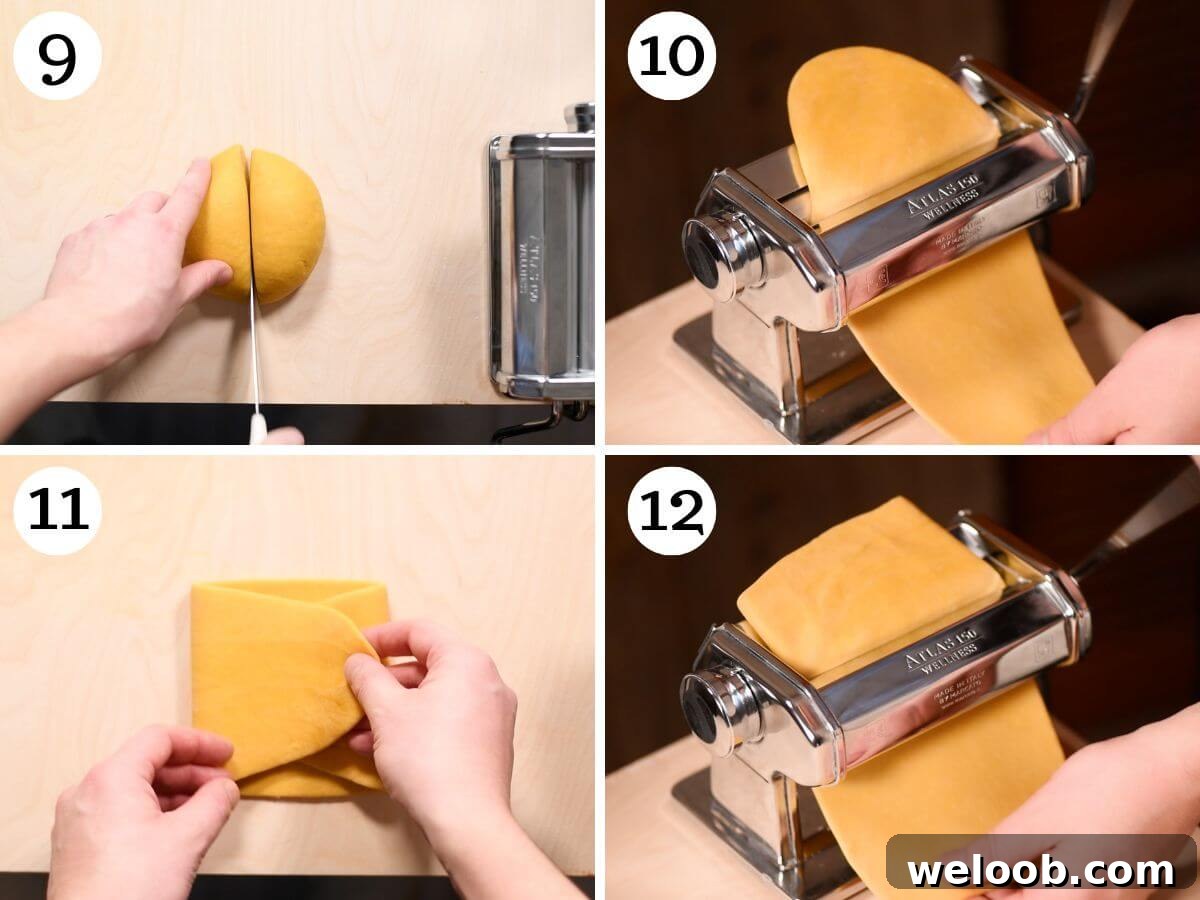
Roll the dough through progressively narrower settings until you reach a thin sheet (finish around setting 6 on many machines). Trim if the sheet becomes too long to handle.
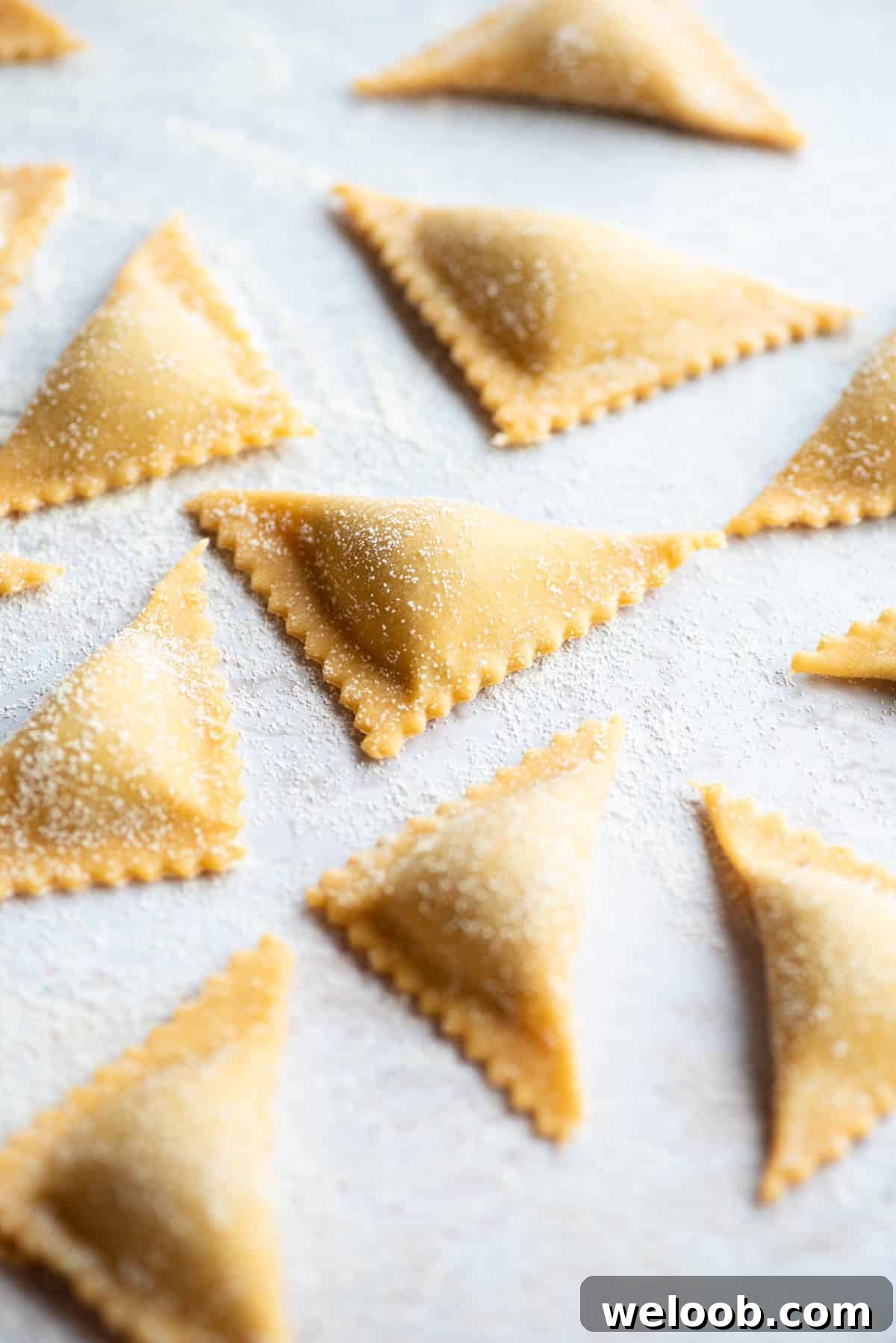
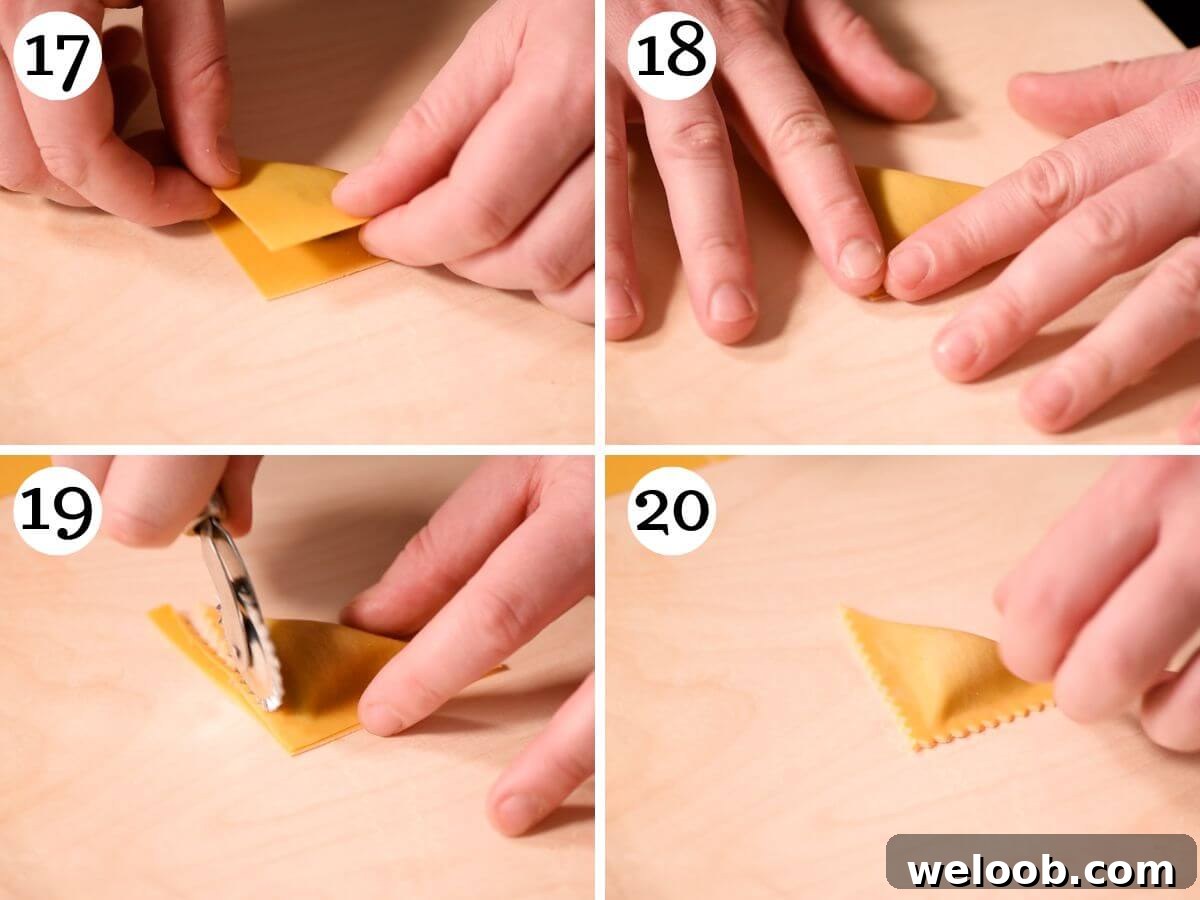
Cut the sheet lengthwise and then into squares about 7cm across (smaller if you prefer). Place a scant teaspoon of filling in the center of each square, fold corner-to-corner to form a triangle and press the edges to seal. Trim the edges if desired.
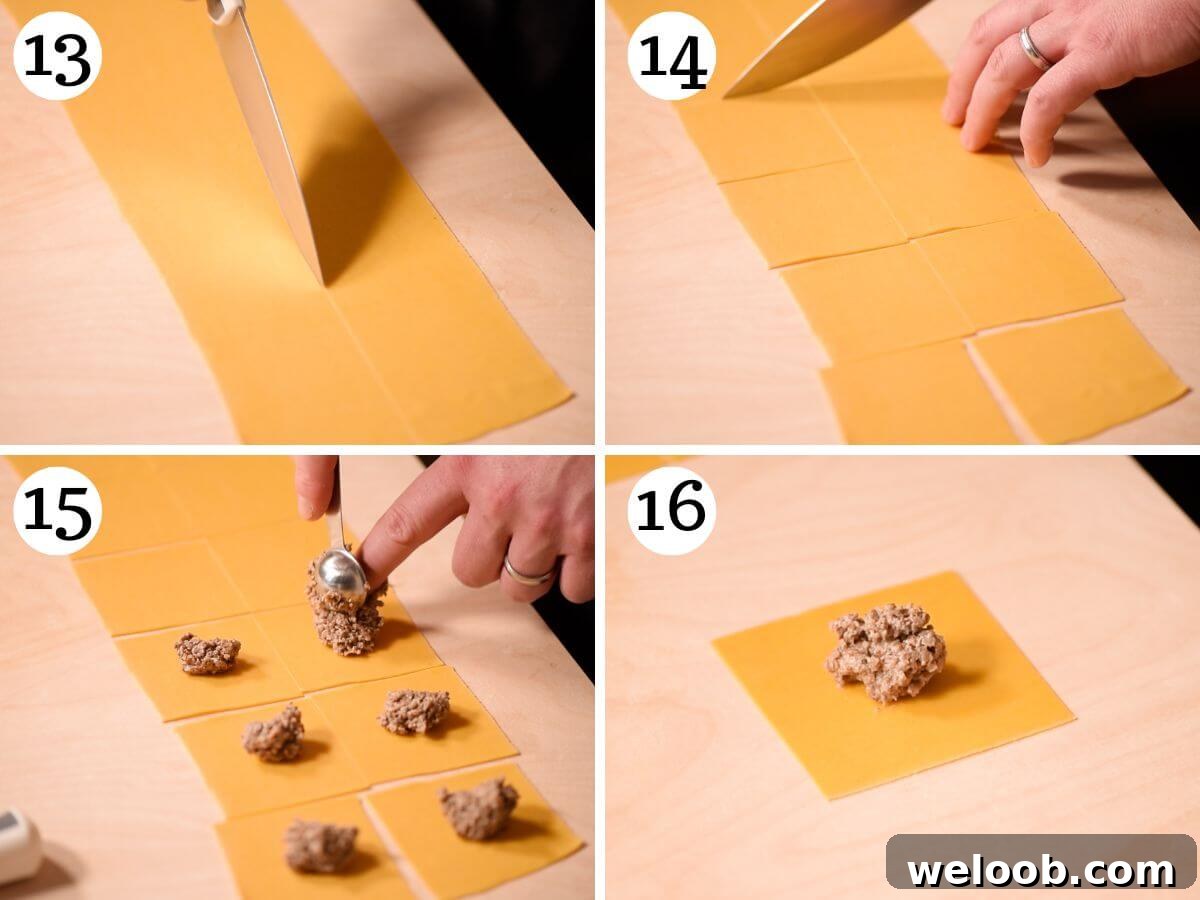
Lay finished Triangoli on a work surface dusted with semolina or 00 flour to prevent sticking.
Cook the pasta and make the sauce
Bring a large pot of salted water to a rolling boil. Cook the Triangoli for about 3 minutes, working in batches if necessary to avoid overcrowding.
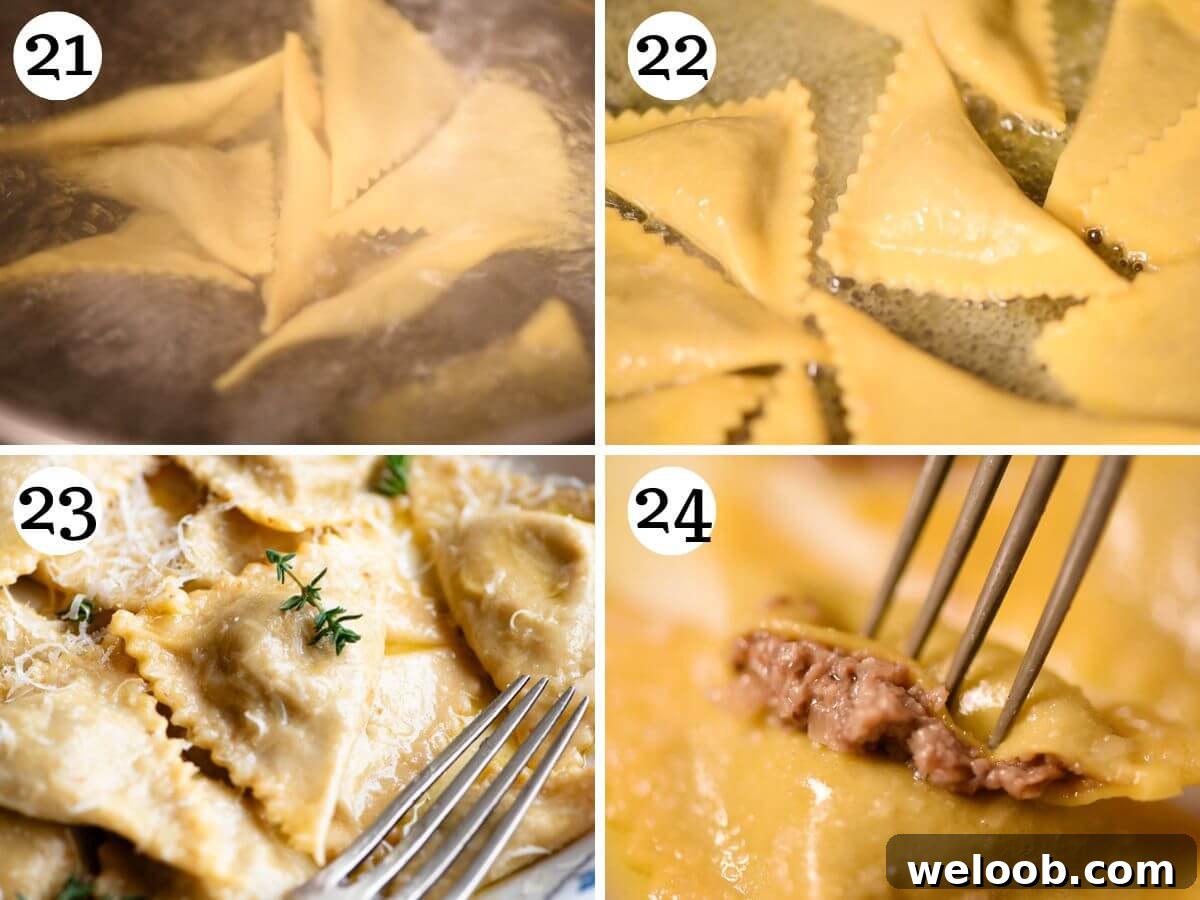
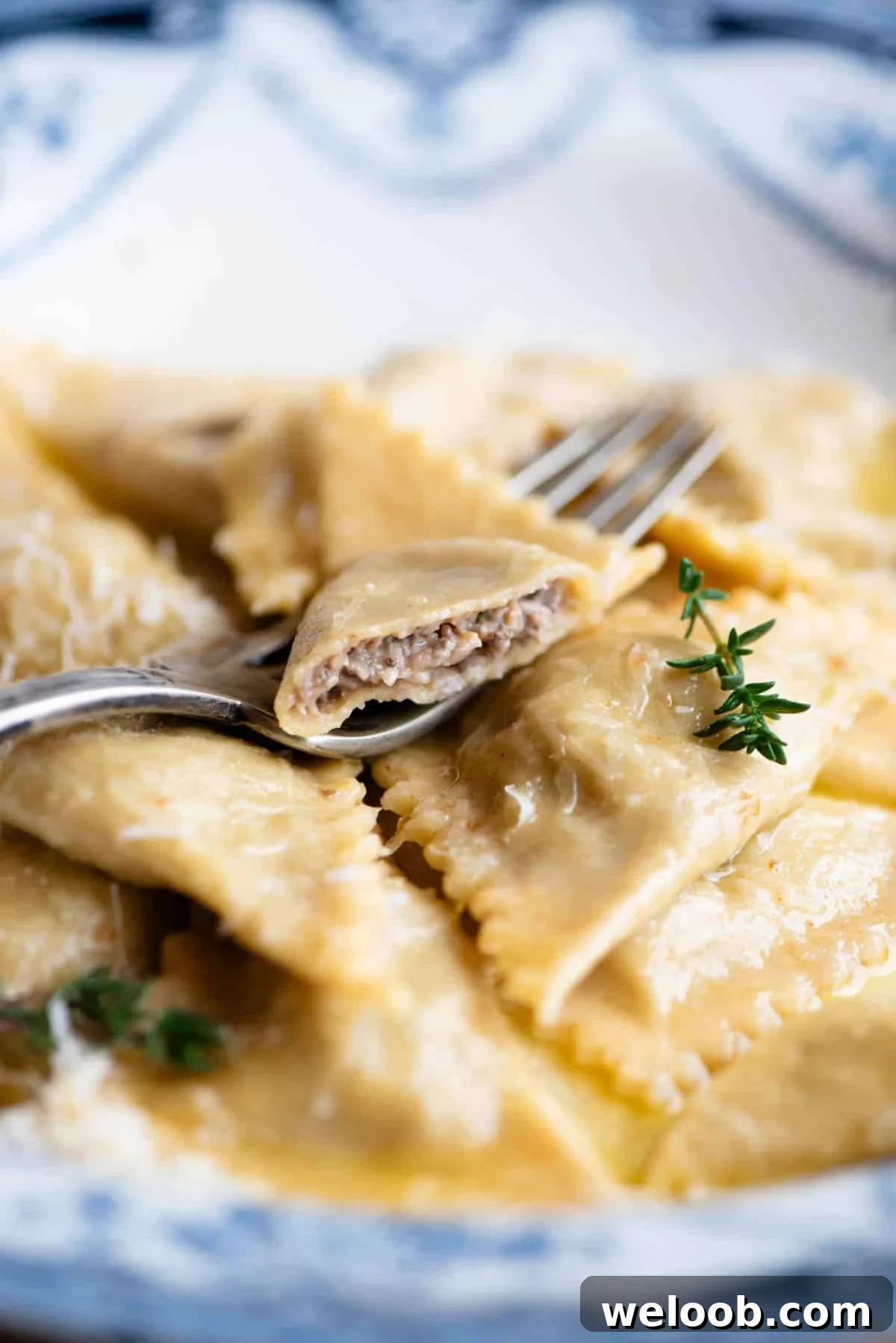
While the pasta cooks, melt the butter in a large frying pan until it develops a light nutty aroma. Using a slotted spoon, transfer the cooked Triangoli directly into the butter. A splash of reserved pasta water helps create a silky, emulsified sauce. Toss gently for about a minute, remove from heat, add Parmigiano Reggiano and serve immediately in warmed bowls.
Recipe tips and FAQs
- Weigh your flour – use a kitchen scale for accurate results; it ensures consistent dough texture.
- Cleaning mushrooms – never soak mushrooms. Wipe them clean with a damp cloth and trim stalk ends before chopping.
- Sealing edges – if the dough starts to dry and won’t seal, moisten the edges with a touch of water to help them stick.
- Kneading – if the dough becomes too dry during kneading, omit any leftover loose flour; differences in egg size can affect hydration.
- Variations – swap fillings and cheeses to suit your taste: ricotta for a milder filling or Gorgonzola for a bolder flavor.
Yes. Arrange filled Triangoli on semolina for 1–2 hours. For longer storage, blanch them and refrigerate or freeze as directed below.
Yes. Blanch the Triangoli first, let them air dry, then freeze in bags. Cook from frozen—do not defrost before boiling.
How to blanch pasta for freezing
Blanching stabilizes filled pasta for refrigeration or freezing so it won’t turn soggy or brittle.
Bring water to a boil and add the Triangoli for about 1½ minutes—about half the full cooking time. Remove with a slotted spoon and place on a clean dish towel in a single layer to air dry, turning once the top side dries.
When completely dry, pack into freezer bags for long-term storage or refrigerate for up to 3 days.
More homemade pasta recipes to try
Fresh Pasta
Homemade Agnolotti (step by step)
Fresh Pasta
Homemade Tonnarelli Pasta (Spaghetti alla Chitarra)
Fresh Pasta
Homemade Cavatelli Pasta
Tips & Tricks
How to Make Homemade Ravioli – The Ultimate Guide
If you make this Homemade Triangoli recipe, please rate it and leave a comment—feedback helps improve recipes and I love hearing how they turn out.
Step By Step Photos Above
Most recipes include step-by-step photos, tips and sometimes video to help you succeed first time.
Triangoli Pasta with Mushroom and Taleggio
By Emily
Equipment
- Pasta machine or rolling pin
- Pasta cutter or knife
- Food processor
Ingredients
- 3 medium eggs (165g)
- 1 egg yolk
- 300 g Italian 00 flour (about 2¼ cups)
- Semolina for dusting (optional)
Filling
- 600 g crimini (chestnut) mushrooms (1.3 lbs)
- 2 shallots
- 1 clove garlic
- 1 sprig fresh thyme
- 50 g Taleggio cheese (2 oz)
- 1 tbsp freshly grated Parmigiano Reggiano (15 g)
- Salt and pepper
Sauce
- 100 g / 7 tbsp butter
- Parmigiano Reggiano to serve
Instructions
Make the pasta dough
- Place the flour on a clean surface, make a well and add the eggs and yolk. Beat with a fork.
- Gradually work in the flour until a rough dough forms. Knead about 10 minutes until smooth and elastic. Add a little extra flour only if needed.
- Wrap and rest at room temperature for 30 minutes or refrigerate overnight (bring to room temperature before using).
Make the filling
- Chop shallots and garlic. Roughly chop mushrooms and cook in 1–2 tbsp olive oil over high heat until moisture evaporates and mushrooms shrink.
- Add shallot, garlic and thyme; sauté 2–3 minutes until soft. Season and cool for 5 minutes.
- Process mushrooms with Taleggio and Parmigiano Reggiano to a smooth paste. Cool completely before filling.
Make the Triangoli
- Ensure the filling is cold. Cut dough in half and roll one portion to the widest pasta machine setting. Fold and repeat to build structure.
- Roll through progressively narrower settings to a thin sheet (finish around setting 6). Cut into squares ~7cm.
- Place a scant teaspoon of filling in each square, fold corner-to-corner, press edges to seal and place on semolina-dusted surface.
Cook the pasta and make the sauce
- Boil a large pot of salted water and cook Triangoli for about 3 minutes. Cook in batches if needed.
- Melt butter in a pan. Transfer Triangoli to the butter with a slotted spoon, add a splash of pasta water to emulsify, toss for 1 minute, remove from heat and stir in Parmigiano Reggiano. Serve immediately.
Notes
- Weigh your flour: for accuracy use a kitchen scale rather than cups.
- Kneading: if dough seems dry stop adding excess flour; egg size affects hydration.
- Cleaning mushrooms: wipe with a damp towel instead of washing.
- Sealing: dab water on edges if the dough begins to dry before sealing.
- Storage: blanch before refrigerating (up to 3 days) or freezing (3–6 months). Cook from frozen.
Helpful Info for All Recipes
- I typically use extra virgin olive oil unless noted otherwise.
- All vegetables are medium unless specified.
- Recipes are developed using a fan (convection) oven when applicable.
- Nutrition values are approximate and automatically calculated.
Nutrition
Carbohydrates: 44 g |
Protein: 13 g |
Fat: 27 g
Nutrition information is an approximation.
Did you try this recipe?
Leave a comment below!