
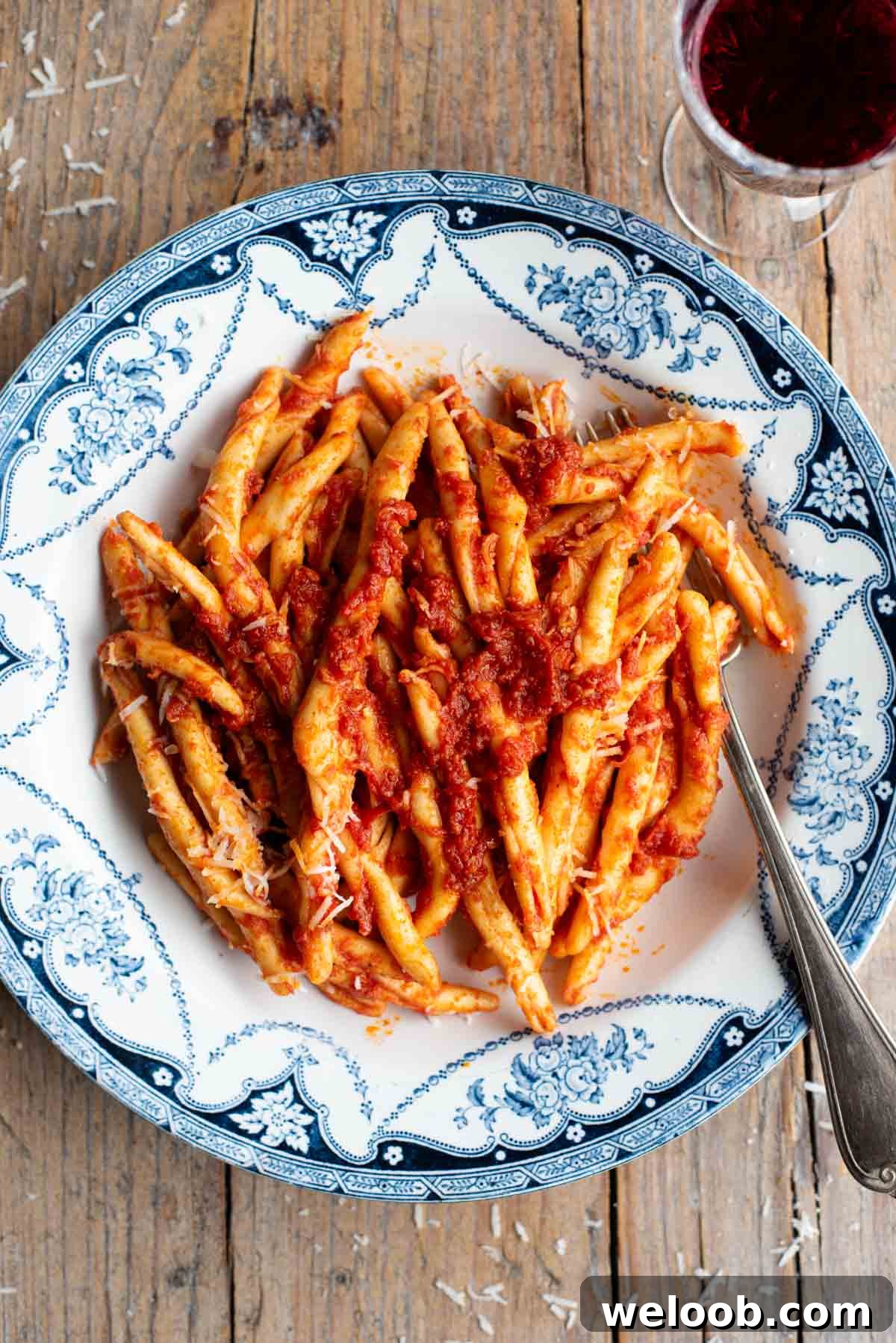
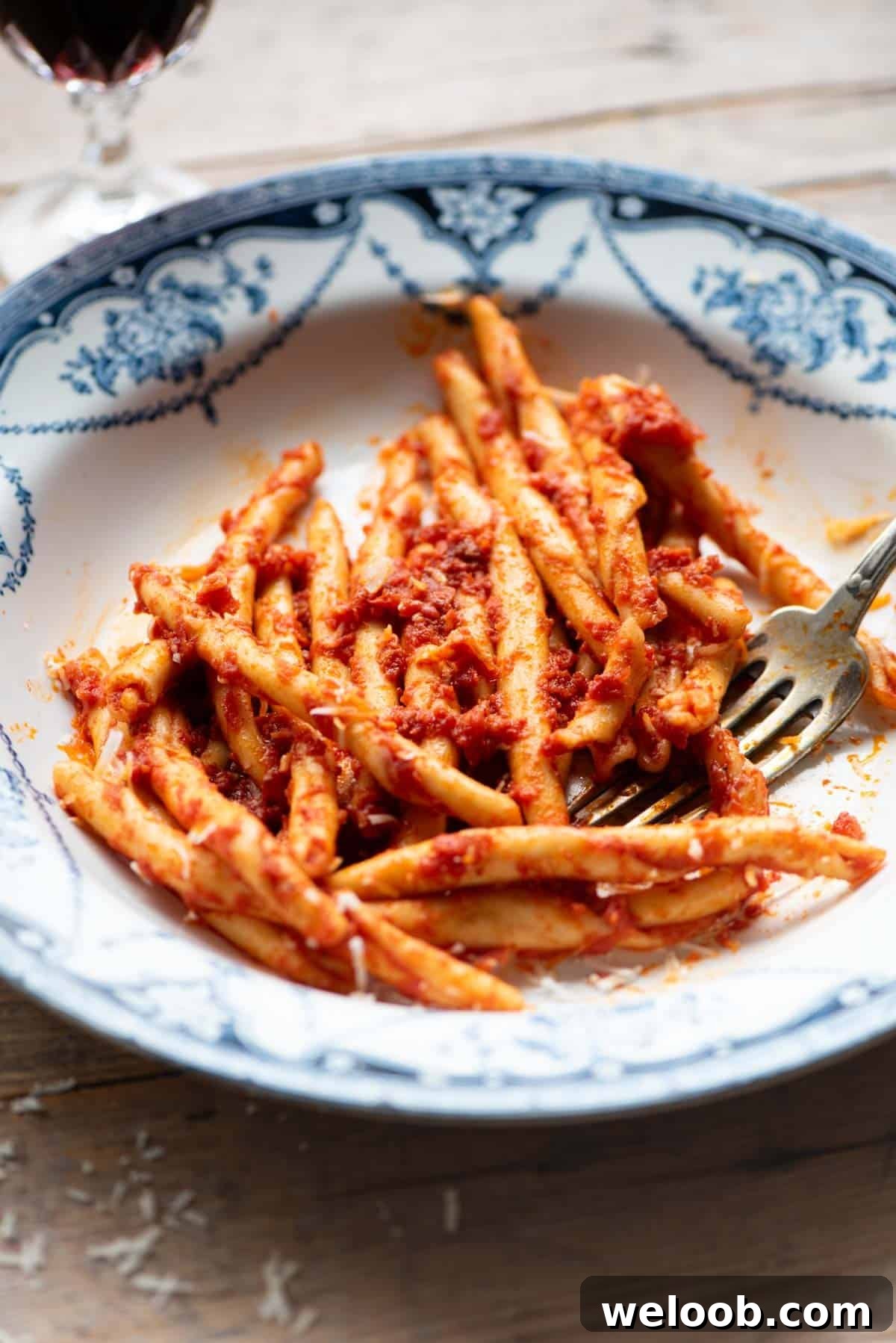
Fileja alla ‘Nduja is a straightforward, fiery pasta from Calabria. It combines traditional Fileja (or another short pasta), spreadable spicy ‘Nduja sausage, crushed tomatoes and is finished with plenty of Pecorino. Simple, bold and perfect for anyone who loves heat.
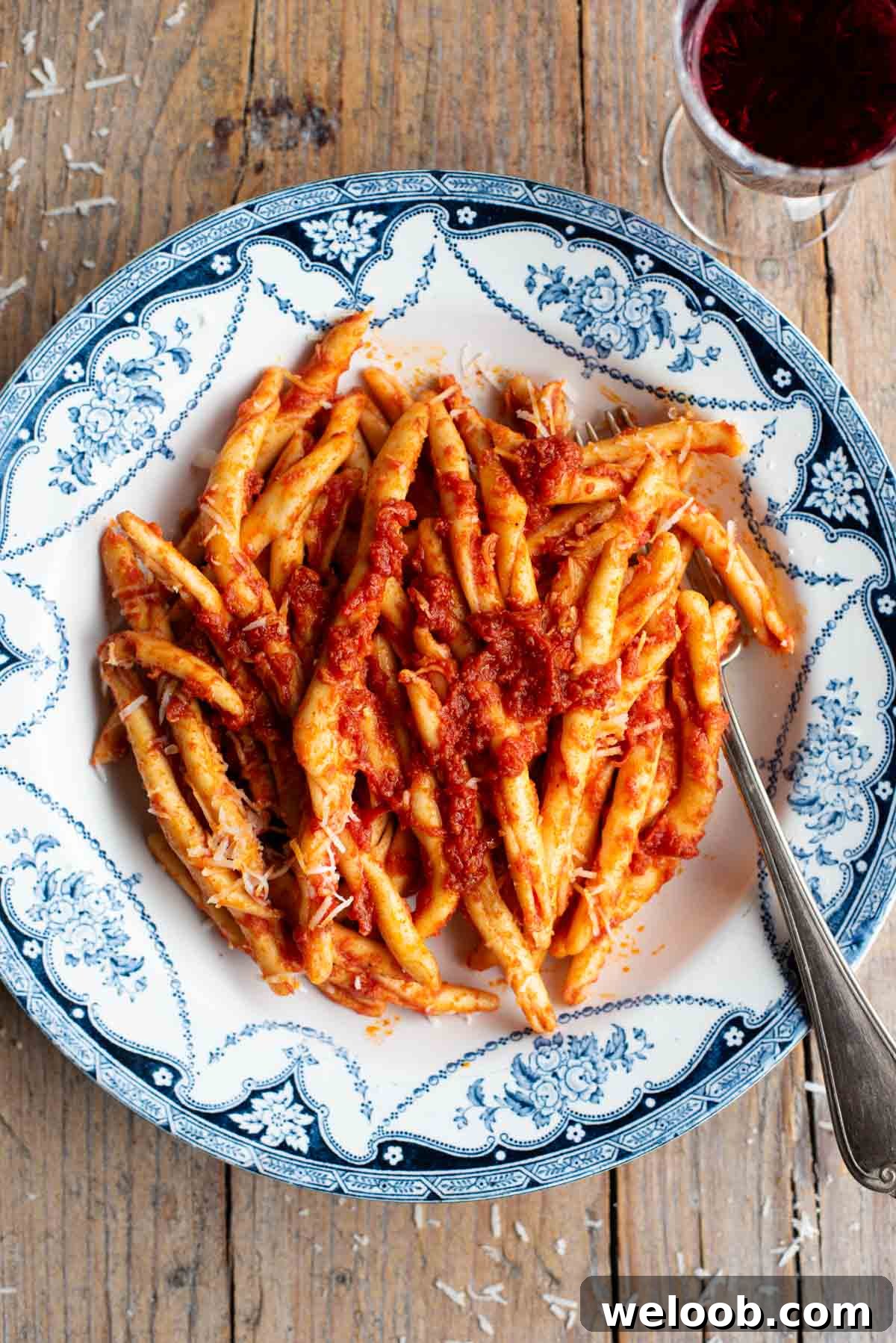
Fileja is a rustic Calabrian pasta made from semolina dough (no eggs). The dough is rolled around a thin metal rod called a Danaco or Dinacolo to form an elongated twisted shape that holds meat sauces beautifully.
One classic way to serve Fileja in Calabria is with a spicy ‘Nduja sauce. ‘Nduja is a spreadable, cured pork sausage flavored with Calabrian chilies. It’s becoming easier to find outside Italy and adds a smoky, spicy depth to tomato sauces.
This recipe uses a slightly smaller amount of ‘Nduja than some traditional versions because it can be very hot; increase it if you prefer more heat. The sauce is quick to make and comes together in about the same time it takes to cook the pasta.
See the recipe below with ingredient notes, step-by-step instructions, tips and variations. For the printable recipe, scroll to the bottom.
Ingredients
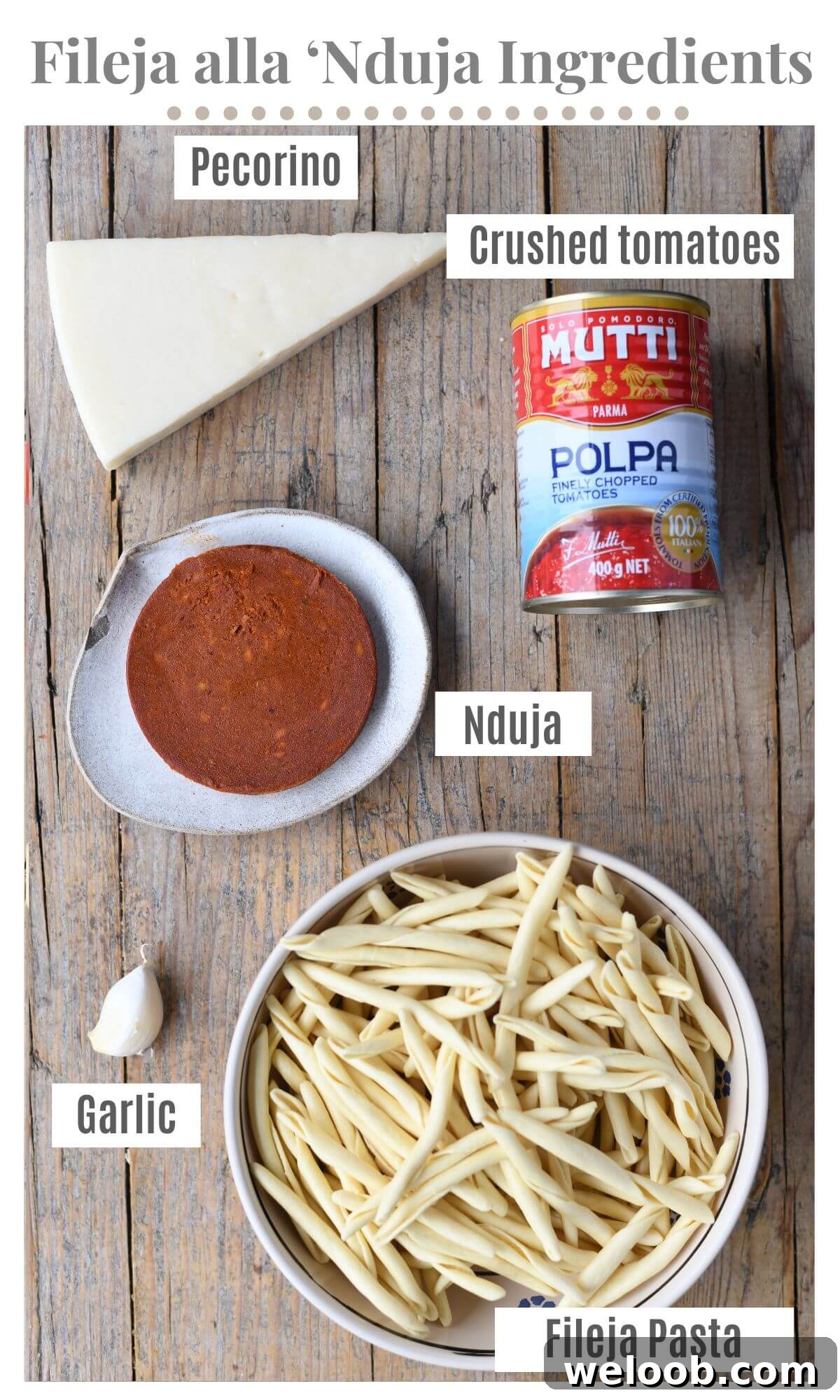
Ingredient notes and substitutions
- Fileja – if you can’t find Fileja, use another short pasta such as penne or rigatoni.
- ‘Nduja – a spicy, spreadable, cured sausage from Calabria. Look for it in Italian delis or many supermarkets; avoid jarred versions if possible for better texture and flavor.
- Tomatoes – canned crushed tomatoes (Mutti Polpa is recommended) work well. Canned plum tomatoes are fine; passata makes a thicker, richer sauce.
Step by step photos and instructions
- Cook the pasta – bring a large pot of salted water to a rolling boil. The sauce needs about 10–12 minutes to finish, so time the pasta to be ready at the same moment, or make the sauce first and reheat it. Cook the pasta al dente.
- Sauté the garlic – warm about 2 tablespoons of olive oil in a pan and gently sauté one whole peeled garlic clove for a minute or two until fragrant (photo 1).
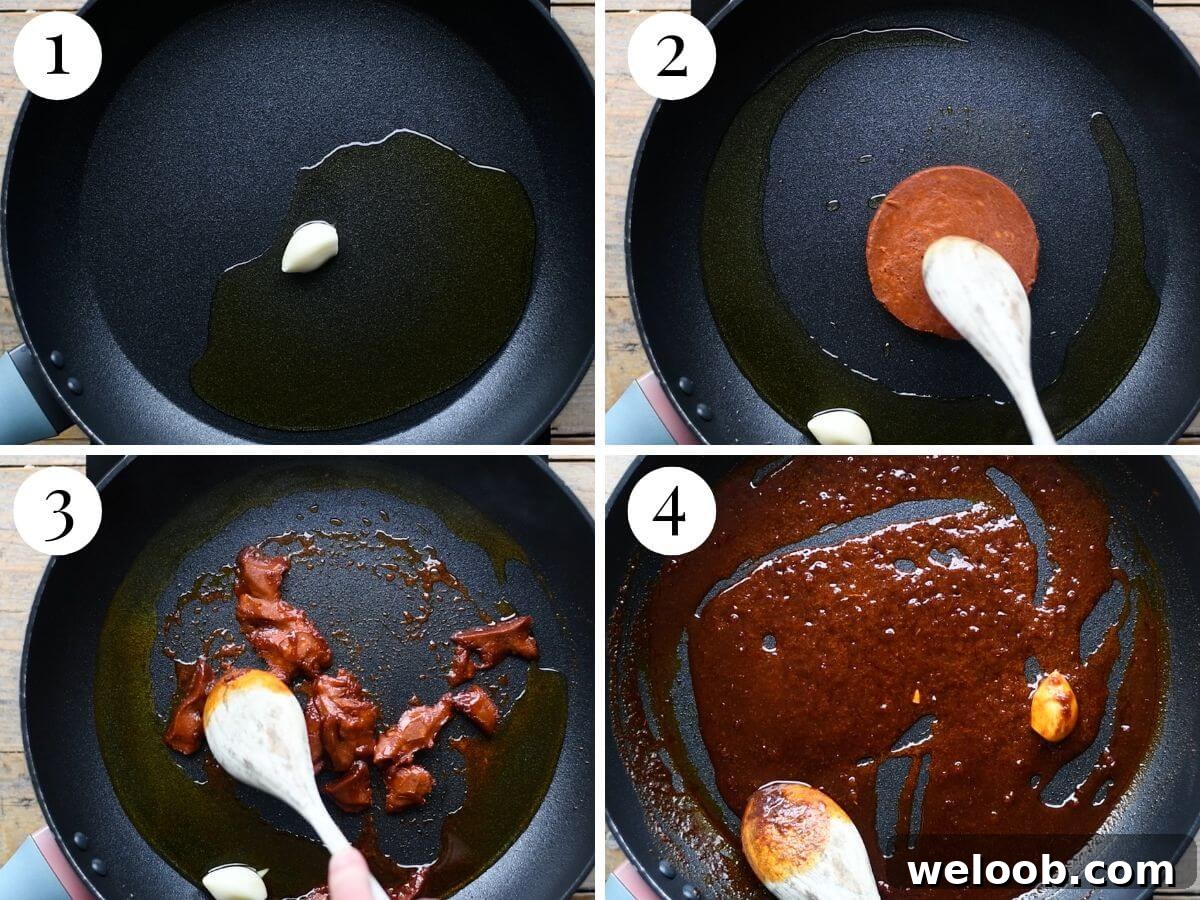
- Add the ‘Nduja – spoon in the ‘Nduja and let it gently melt and sizzle in the oil, releasing its chile oils and flavor (photos 2–4).
- Add tomatoes and simmer – pour in the crushed tomatoes, add a small pinch of salt, and let the sauce simmer for about 10 minutes until it darkens slightly (photos 5–7).
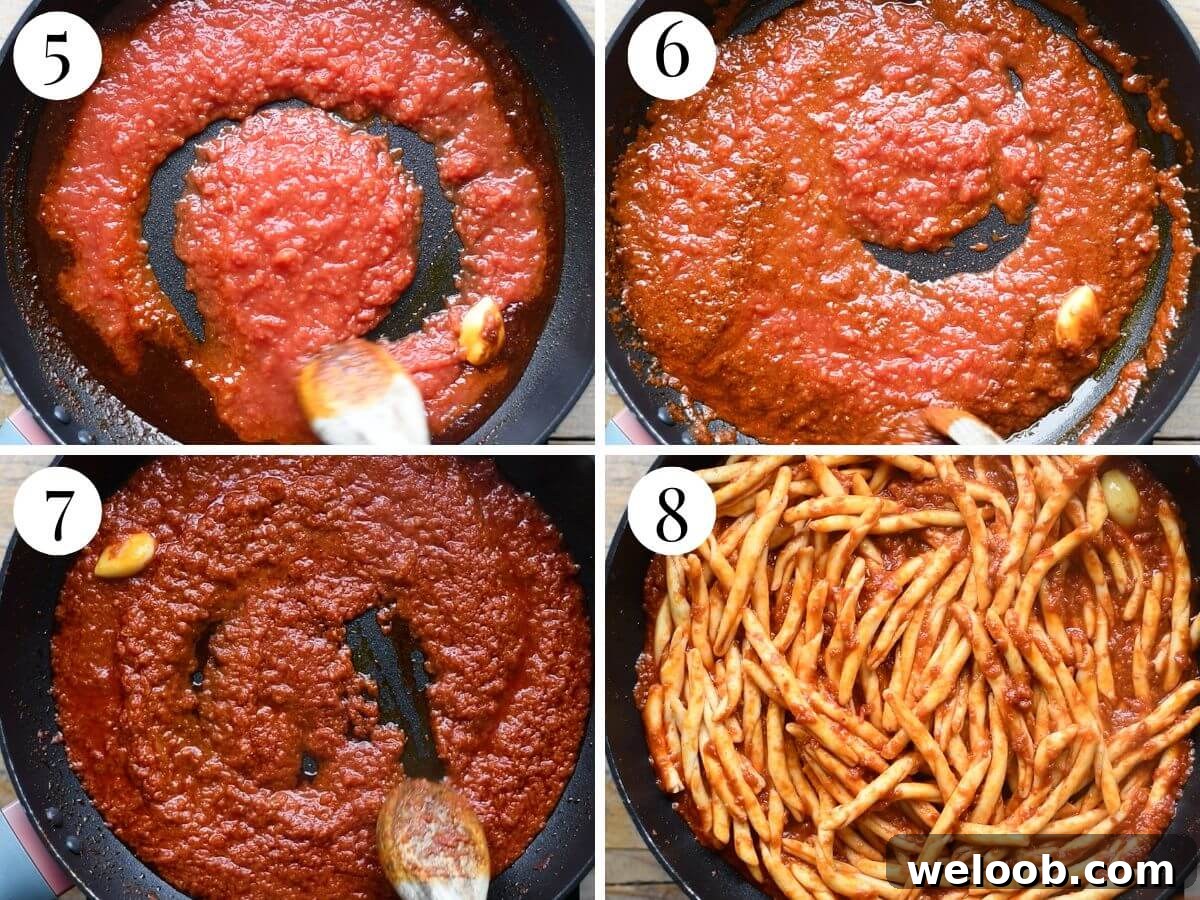
- Combine pasta and sauce – drain the pasta, add it to the pan, and toss to coat in the sauce. Serve immediately with generous shavings or grated Pecorino (photo 8).
Recipe tips
- ‘Nduja varieties – the product comes in tubs, tubes or slices; texture and intensity vary. Freshly packaged sausage is preferable to jarred spreads.
- Heat level – traditional recipes may use about 100g (3.5oz) of ‘Nduja. If you prefer milder spice, start with 70g (2.5oz) and adjust to taste.
- Pasta shapes – Fileja is ideal, but penne, rigatoni or orecchiette also work well with this sauce.
- Herbs – some versions finish with fresh basil, but it’s optional—the sauce is flavorful on its own.
- Storage – the sauce refrigerates for up to 2 days and can be reheated gently or served at room temperature.
More delicious Calabrian recipes to try
Sides
Pipi e Patati (Calabrian Peppers and Potatoes)
Sides
Peperoni Ammollicati (Peppers and Breadcrumbs)
Antipasti
Italian Tuna Stuffed Cherry Peppers
Pasta
Orecchiette with ‘Nduja Sugo
If you make this Fileja alla ‘Nduja or any recipe from the blog, please leave a comment and rate it — feedback is always appreciated.
Step By Step Photos Above
Most recipes include step-by-step photos and helpful tips to get the best results.
Fileja alla ‘Nduja (Spicy Calabrian ‘Nduja Pasta)
By Emily
Ingredients
- 14 oz (400g) Fileja pasta (or a short pasta shape such as Penne)
- 2.5 oz (70g) ‘Nduja
- 14 oz (400g) canned crushed tomatoes (we used Mutti Polpa)
- 1 garlic clove, whole and peeled
- Pecorino, for serving
- Olive oil
- Salt
Instructions
-
Bring a large pot of salted water to a boil. Cook the pasta until al dente.
-
Meanwhile, heat about 2 tablespoons of olive oil in a large pan and sauté the whole peeled garlic clove for 1–2 minutes until fragrant.
-
Add the ‘Nduja and let it melt into the oil. Once it’s melted and bubbling, add the crushed tomatoes with a small pinch of salt and simmer for 10 minutes.
-
Drain the pasta and add it to the sauce. Toss until evenly coated.
-
Serve in bowls topped with plenty of grated Pecorino.
Notes
- ‘Nduja packaging varies; fresh sausage or tube forms have better texture than jarred spreads.
- Adjust the amount of ‘Nduja to control heat. 100g is traditional; 70g is milder but still spicy.
- If Fileja isn’t available, use another short pasta like penne or rigatoni.
- Fresh basil can be added at the end, but the sauce is flavorful without it.
- Store leftovers in the fridge for up to 2 days; reheat gently.
Helpful Info for All Recipes
- I use extra virgin olive oil unless otherwise specified.
- For canned tomatoes I often use Cirio or Mutti for reliable flavor.
- Vegetables are medium-sized unless noted.
- Recipes are tested with a fan (convection) oven when relevant.
- Nutrition calculations are approximate and intended as a guide.
Nutrition
Nutrition information is automatically calculated and should be used as an approximation.