
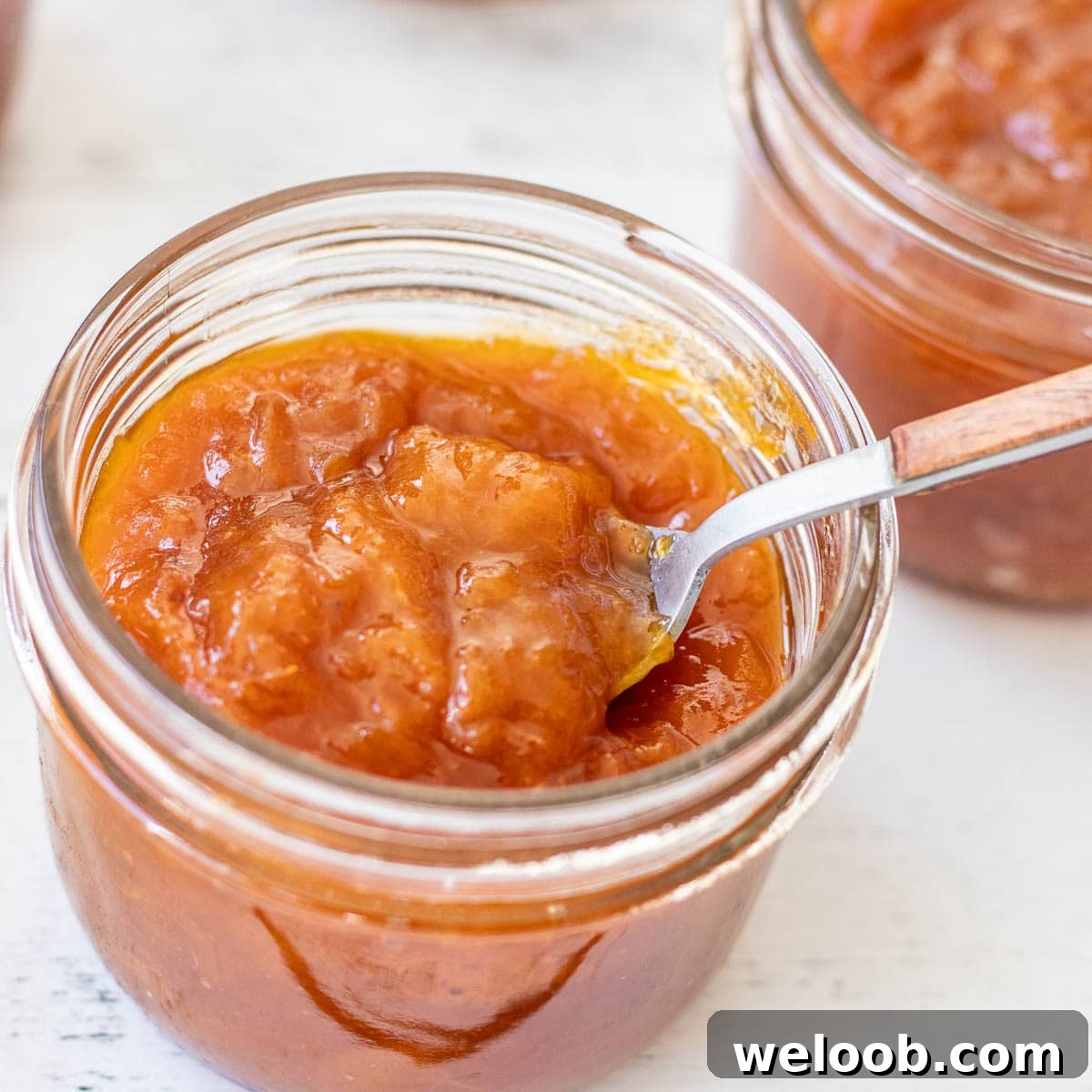
How to make the best Apricot Preserves with only three simple ingredients. Bright apricot flavor balanced with lemon gives a sweet-tart preserve that’s irresistible.
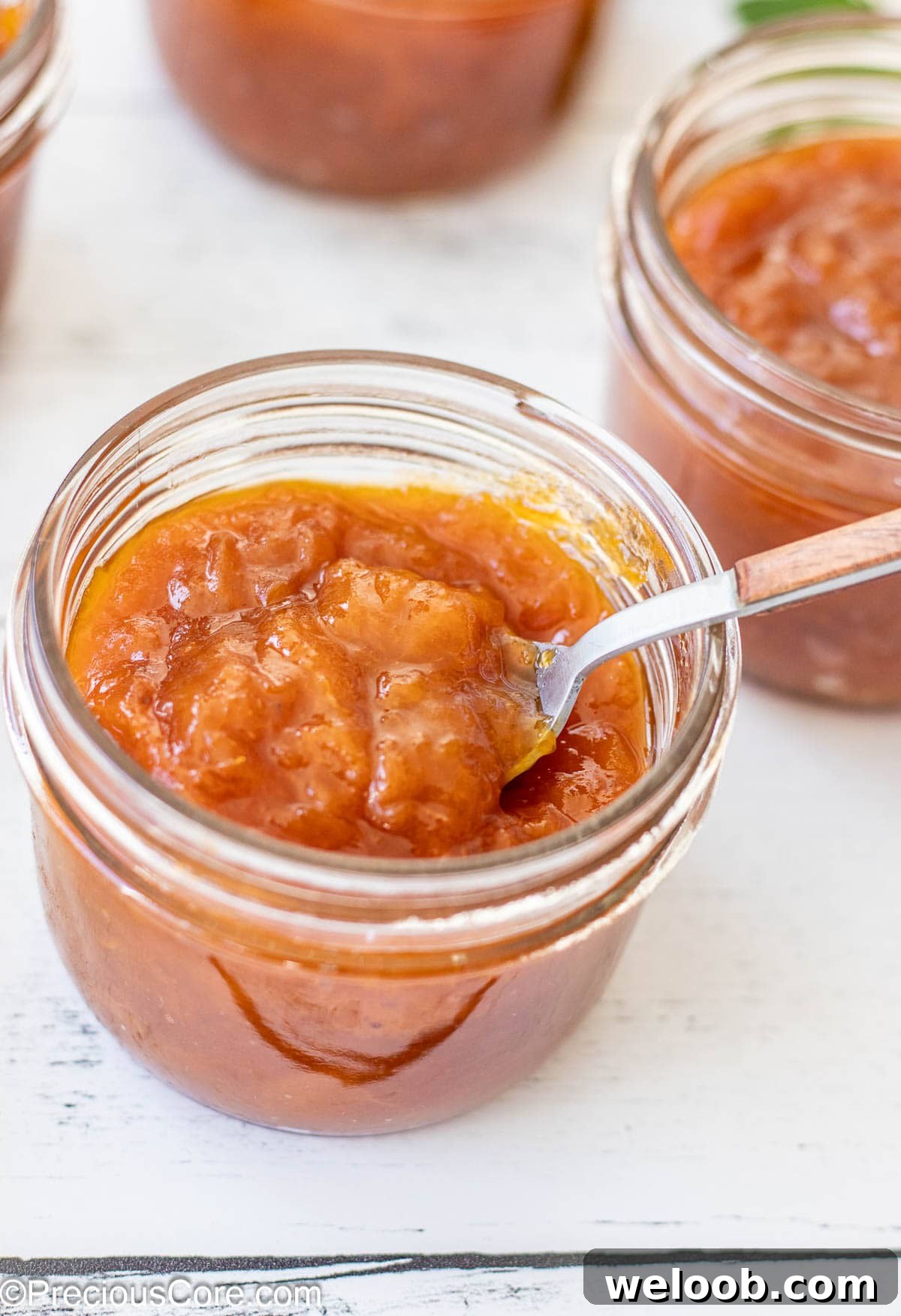
These preserves are delicious by the spoonful, but they also pair perfectly with muffins, pancakes, crepes, waffles, toast, and more.
This recipe was inspired by a generous apricot harvest from a friend’s tree. Homemade apricot jam tastes fresher and more vibrant than store-bought, and canning small batches is an enjoyable kitchen project.
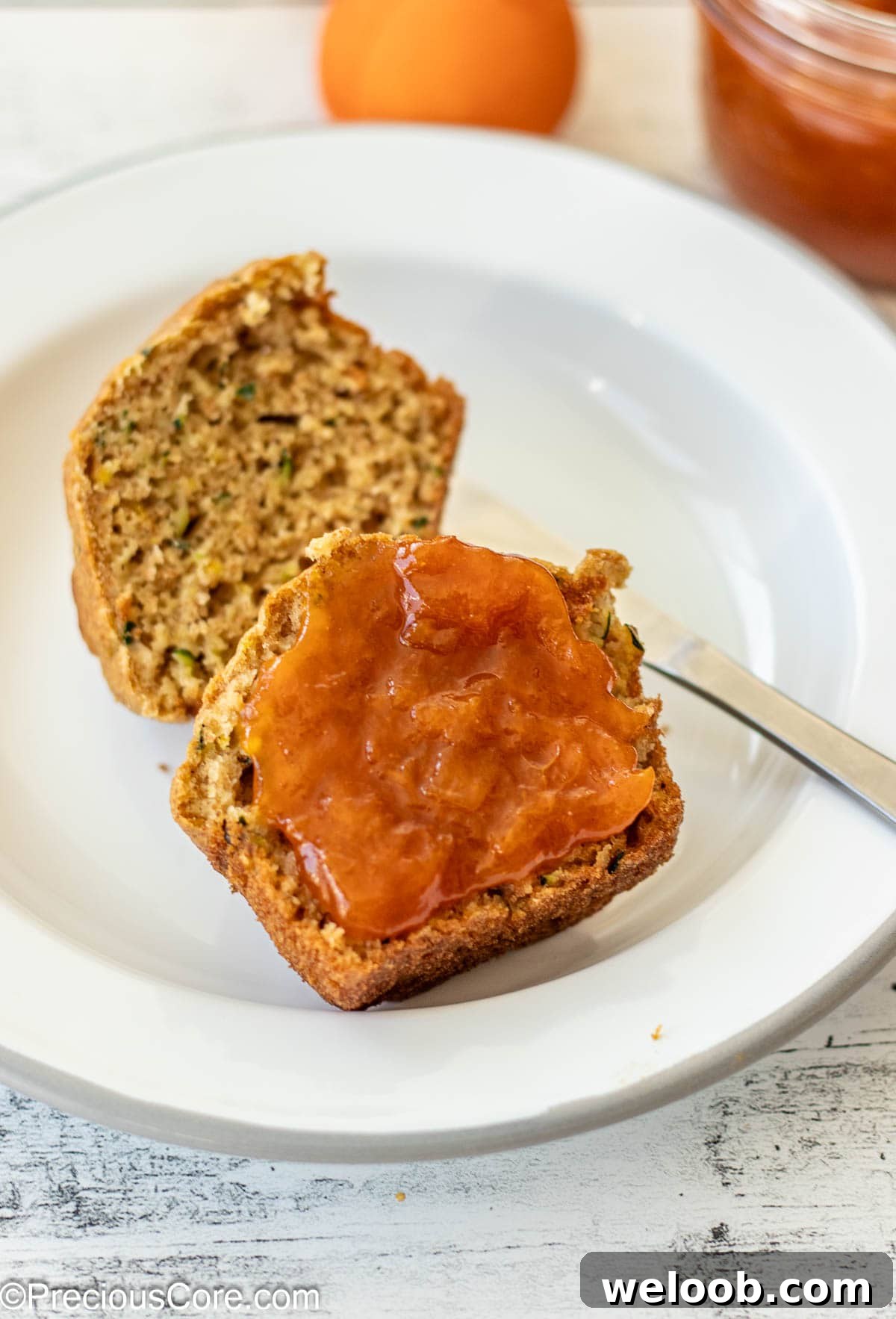
Table of Contents
- Why You’ll Love This 3-Ingredient Recipe
- Ingredients
- How to Make Apricot Preserves
- Quick Canning Guide
- Ways to Use Apricot Preserves
- Useful Tools
- Can You Freeze Apricot Preserves?
- Common Questions
- Recipe Card
Why You’ll Love This 3-Ingredient Recipe
- Versatile: The method works for many fruits — berries, peaches, plums, mango and more — so you can adapt it year-round.
- Simple, lower sugar: This preserve uses just apricots, sugar, and lemon juice. It relies on the fruit’s natural pectin and a modest amount of sugar for balance and preservation.
Ingredients For Delicious Apricot Preserves
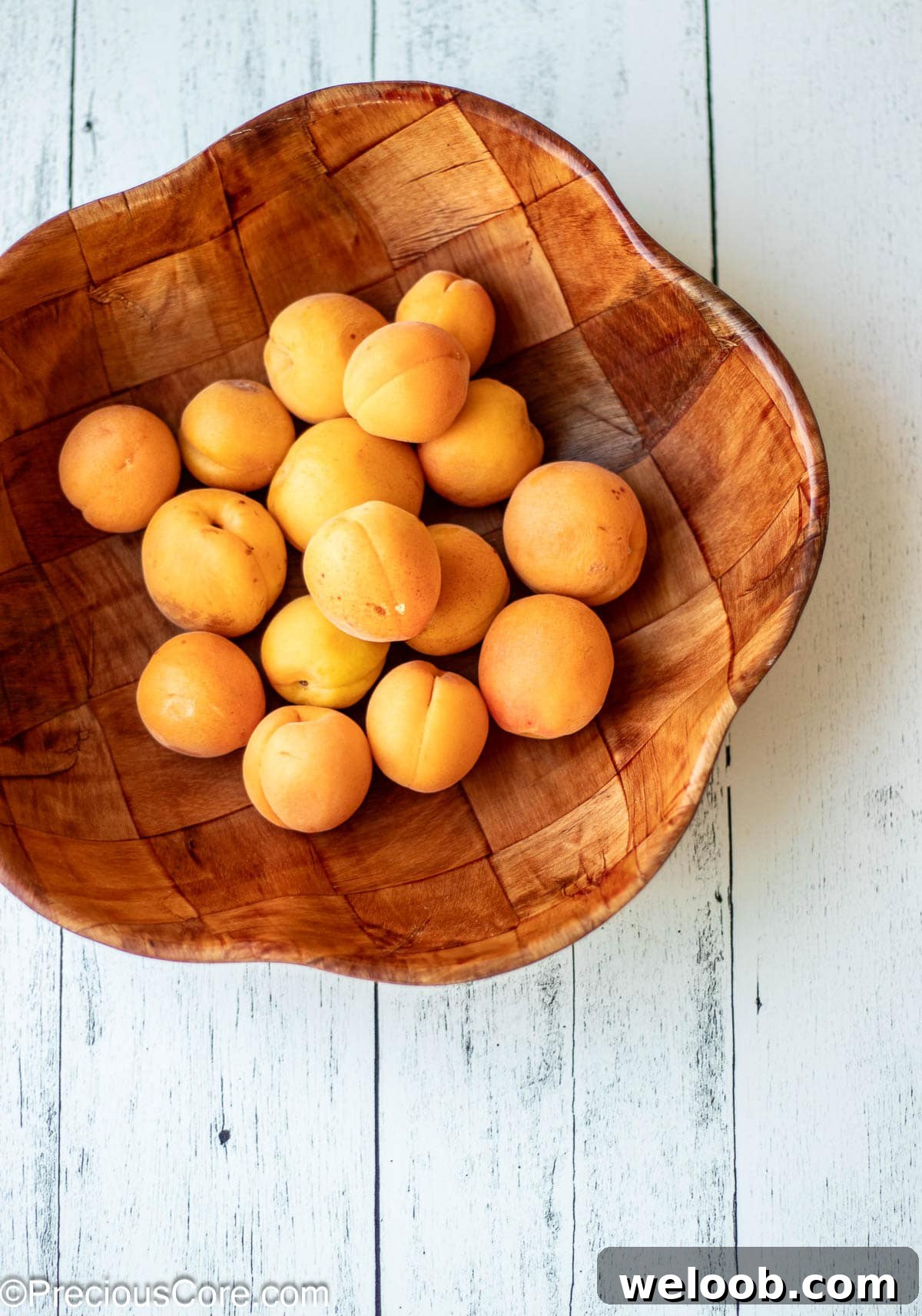
No added pectin is necessary. Use ripe apricots for the best flavor and fresh-squeezed lemon juice for brightness.
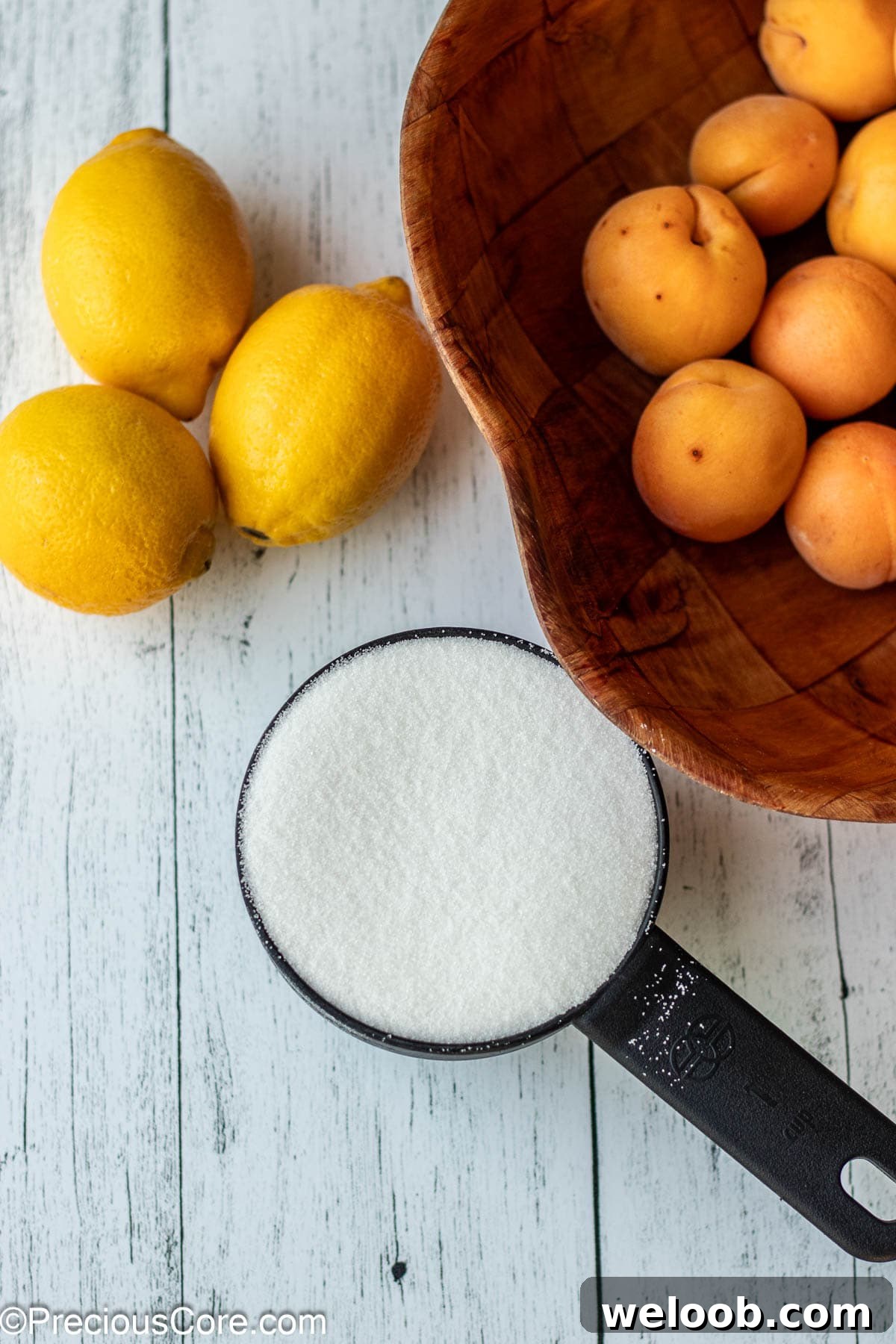
- Apricots: A mix of ripe and slightly firm fruit gives better texture and flavor.
- Lemon juice: Fresh-squeezed, it adds acidity and helps preserve the color and taste.
- Sugar: Granulated sugar or unrefined cane sugar both work. Sugar helps preserve the fruit while balancing acidity.
See the recipe card below for exact quantities and yield.
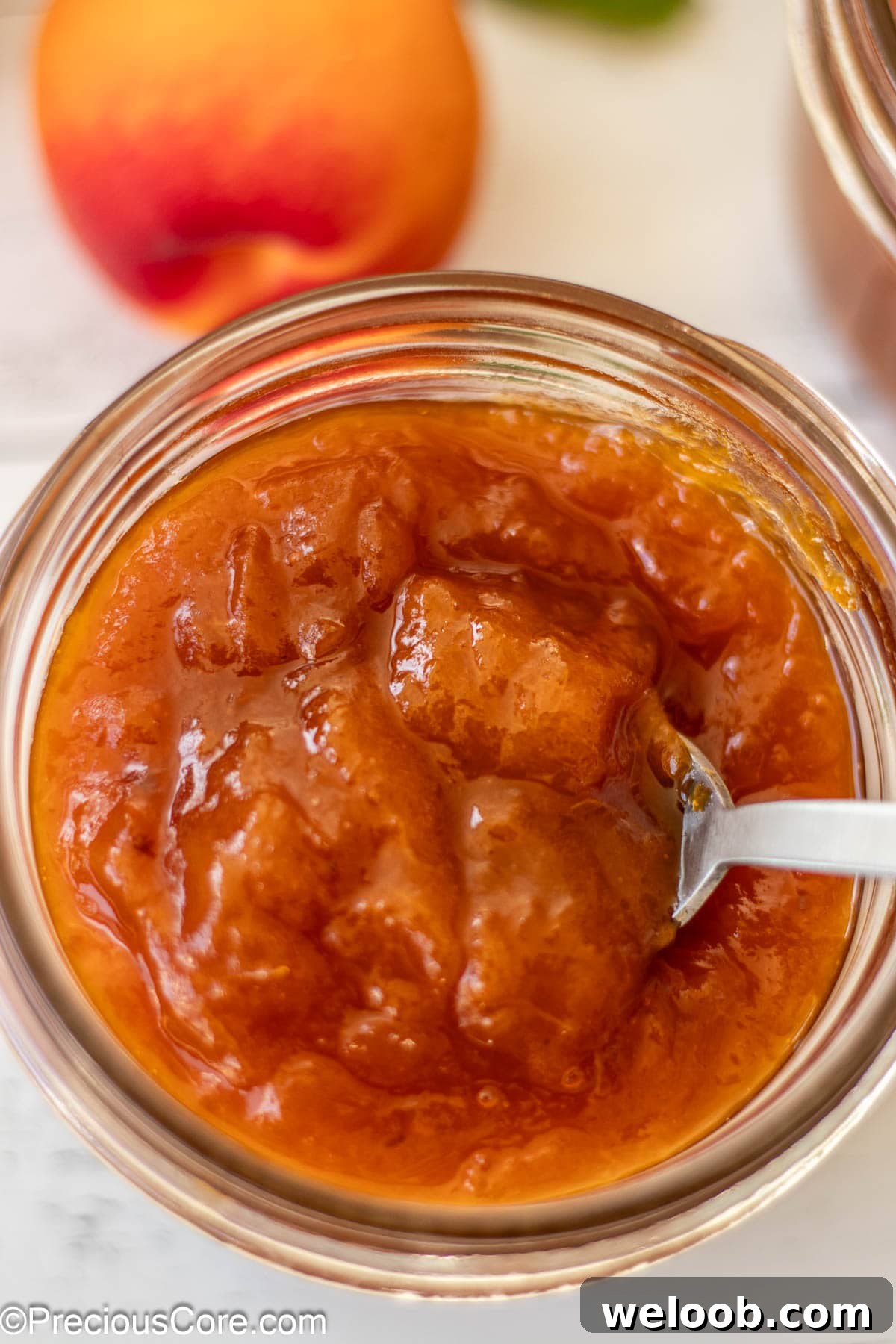
How To Make Apricot Preserves
Follow these clear steps for consistent, flavorful preserves using natural pectin from the fruit.
- Wash the apricots. Rinse thoroughly. For extra cleaning, you can soak them briefly in a bowl of one part white vinegar to three parts water, rub gently, then rinse twice with fresh water.
- Prepare the fruit. Pat dry, halve or quarter the apricots and remove pits. Large pieces will break down as they cook.
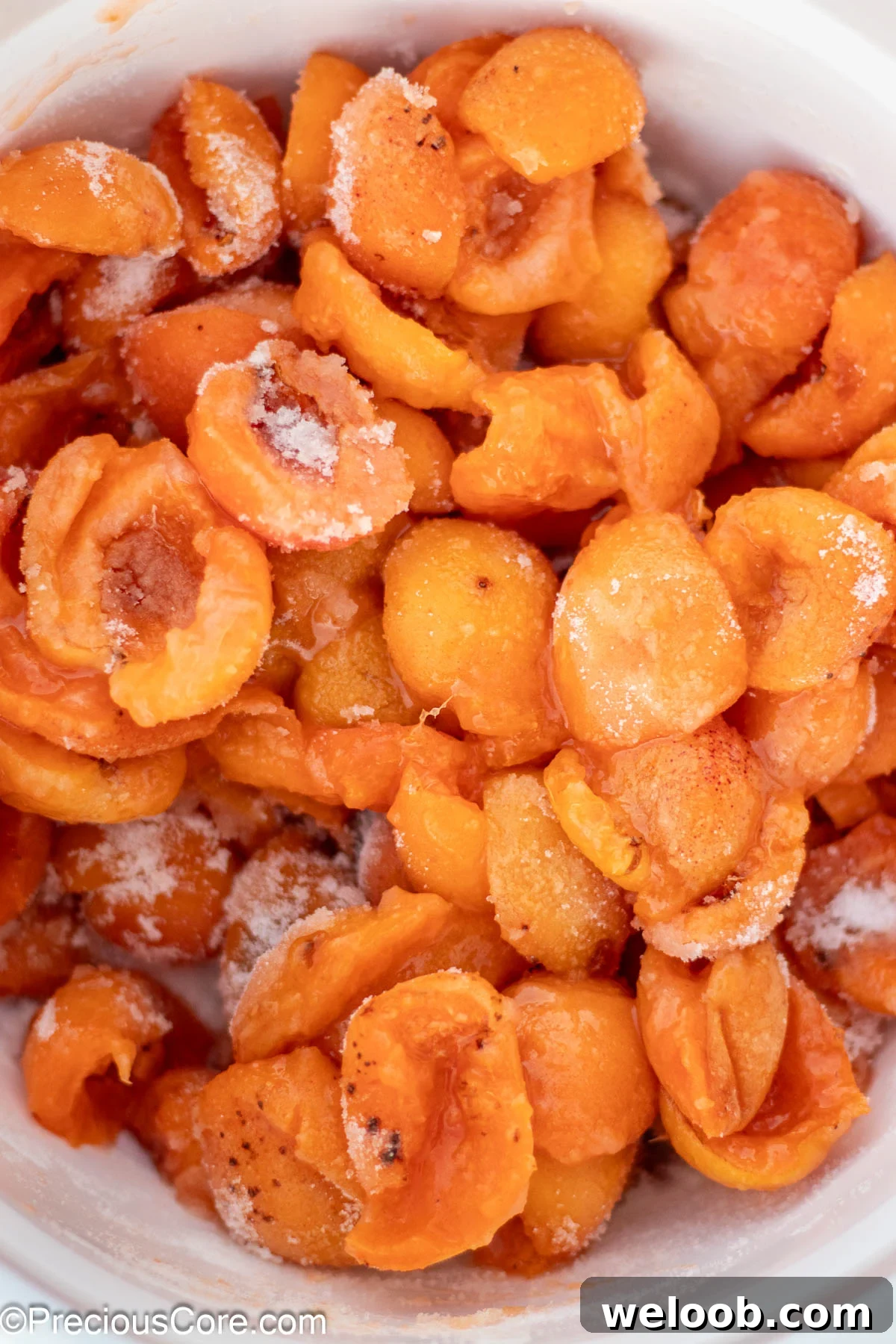
- Macerate. In a large bowl, combine the apricots with sugar and lemon juice. Stir to coat and let sit 30 minutes up to overnight in the fridge to draw out juices and create syrup.
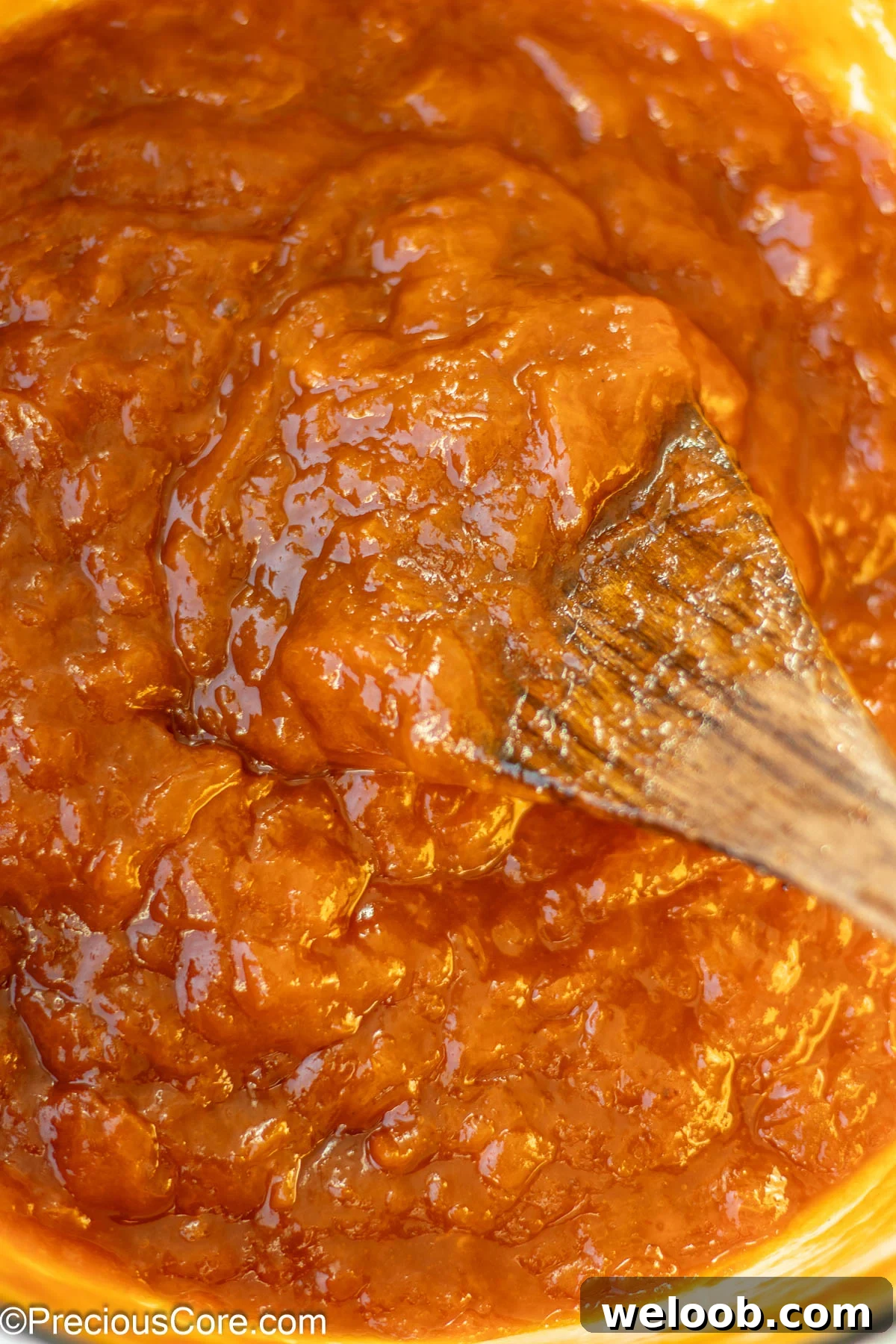
- Cook the preserves. Transfer the mixture to a large pot. Bring to a boil over high heat, then reduce to medium and simmer until jammy, about one hour. Stir periodically to prevent sticking.
- Adjust texture. For chunkier preserves, leave the fruit intact. For a smoother spread, mash with a potato masher while cooking.
- Cool briefly, then jar. Allow the preserves to cool for a few minutes so they settle, then ladle into sterilized jars, leaving appropriate headspace, and proceed with canning steps below.
Quick Canning Guide
To preserve shelf life, follow basic water-bath canning steps for fruit preserves.
- Wash jars and lids. Place jars in a large pot, cover with water and boil 10 minutes to sterilize. Keep lids hot in simmering water.
- Fill hot jars with hot preserves, leaving a small headspace. Wipe rims, apply lids and screw bands finger-tight.
- Return jars to the boiling water bath, ensuring jars are covered by at least 1 inch of water. Boil for 10 minutes.
- Carefully remove jars and let them cool undisturbed for 12–24 hours. Check seals before storing. Properly processed jars keep up to one year in a cool, dark place.
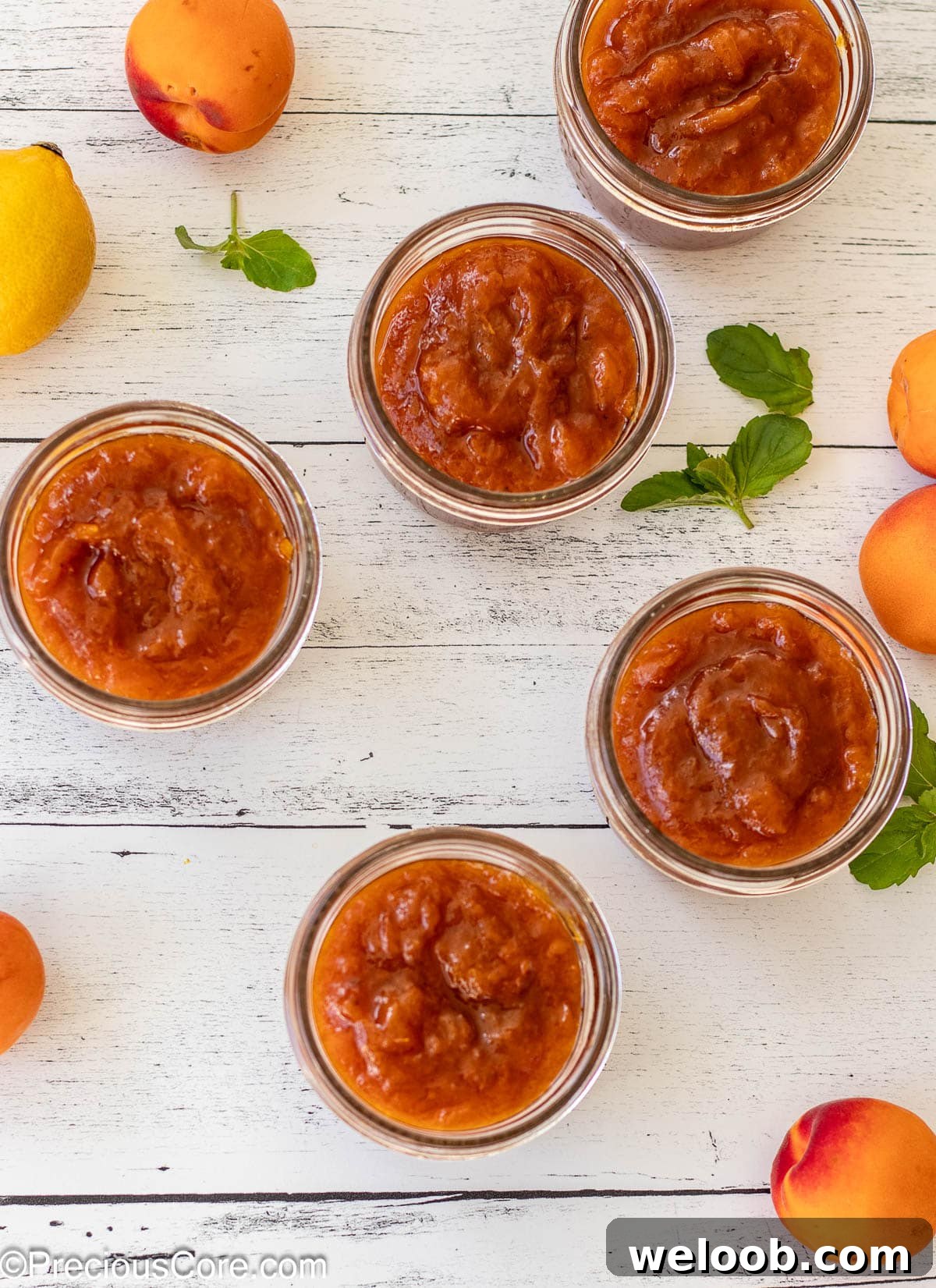
After opening, refrigerate jars to maintain freshness.
Various Uses For Apricot Preserves
- Spread on toast, muffins, pancakes, crepes or waffles.
- Brush over roasted pork, chicken, or ham as a glaze.
- Pair with melted Brie or goat cheese on crostini for a quick appetizer.
- Add to a charcuterie board for a sweet contrast to savory meats and cheeses.
Useful Tools
Helpful items for making and canning preserves include:
- Mason jars (8 oz or other sizes)
- Large pot for cooking the jam
- Water-bath canner or a large stockpot with a rack
- Potato masher for smoothing texture
Can You Freeze Apricot Preserves?
Yes. Once jars have cooled, you can freeze them for up to one year. Alternatively, place preserves in freezer bags, remove excess air, and freeze flat for easy storage.
Commonly Asked Questions
They’re similar — both are cooked fruit with sugar — but preserves usually contain larger fruit pieces while jam is more uniform and spreadable.
Homemade preserves made with fresh apricots, the right balance of sugar and lemon, and proper canning will taste far superior to most commercial options.
A sweet, chunky fruit spread made from apricots, sugar, and lemon juice, cooked until thick and jammy.
Refrigerate after opening to maintain freshness. Unopened, properly canned jars can be stored at room temperature.
Apricot Preserves — Recipe Card
Ingredients
- 4 pounds apricots, rinsed, halved or quartered, pits removed
- 1 pound granulated sugar
- 3/4 cup freshly squeezed lemon juice (about 4 large lemons)
Instructions
- Place the pitted and halved apricots in a large bowl. Add the sugar and lemon juice, stir to combine, and let sit 30 minutes or refrigerate overnight to macerate, or cook immediately.
- Transfer the fruit to a large pot. Bring to a boil over high heat, then reduce to medium and simmer for about one hour, stirring occasionally.
- For chunkier preserves, leave the fruit intact. For smoother preserves, mash with a potato masher during cooking. Continue until the mixture looks jammy.
- Let the preserves cool for about 5 minutes, then ladle into sterilized jars and process using water-bath canning instructions above.
- Serve on toast, muffins, pancakes, or use as a glaze for meats.
Notes
- Weigh apricots before pitting if you need precise measurements — pit removal reduces weight.
- Washing: optional vinegar soak (1 part vinegar to 3 parts water) helps remove debris; rinse thoroughly afterward.
- Make-ahead: macerating the fruit overnight develops a deeper flavor and syrup before cooking.
If you make this recipe, consider leaving a rating — it helps others find it and lets me know how it turned out. Enjoy!