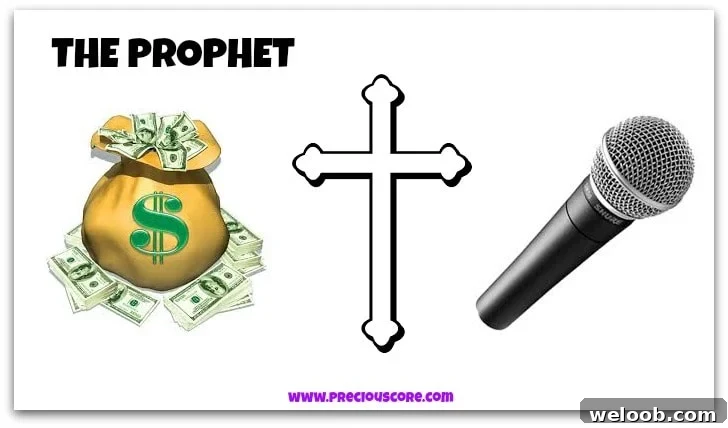
A brother walks to the altar and begins his familiar address.
“Tithing is a command from the Lord. You have to give back one tenth of what God has blessed you with to Him.”
He peers over reading glasses perched on the bridge of his nose, searching the congregation for the expected reactions. When the faces before him are not quite what he wants, he invites everyone to turn to Malachi chapter three, verse ten. He opens his well-worn leather Bible and, in a rasping voice, reads,
“Bring ye all the tithes into the storehouse…”
He calls the congregation to bring their tithes to the front. A few people come forward with white envelopes in hand. They kneel and receive special prayers.
Then he encourages the attendees to bring their regular Sunday offerings. More white envelopes find their way into the decorated collection basket on the stage, accompanied by singing and dancing.
He hands the microphone to the pastor, who announces that the service is a “prophetic service.” He instructs people to speak to their neighbors, and the congregation replies in unison,
“My blessing will be greater than yours!”
Everyone is asked to stand to receive the prophet. Faces glow with expectation as a slender, brown-skinned young man in his late twenties takes the microphone.
“Somebody give God praise!” he cries, and the congregation erupts—shouts, ululations and alleluias fill the room.
The prophet fires up the crowd.
“I want you to praise God more than you ever have before!”
The response is thunderous. The service takes on the air of a performance.
He sings and strides across the altar, pacing from one end to the other. His bright white cassock and animated movements command attention as he addresses the assembly.
“Listen to me,” he declares. “Salvation is the best thing that can happen to anybody!”
The congregation responds with more shouting. One woman at the back is particularly vocal: her face shines with heavy makeup and oil, and she echoes his declarations enthusiastically. She hobbles along the aisle in six-inch heels, leaning into each outburst.
The prophet summons a man in a black suit from the front pew. He steps onto the stage and the prophet announces,
“I see great things happening in your life! God is about to do something that will surprise you.”
Placing his right hand on the man’s forehead, the prophet gives a forceful push. The man staggers backward; assistants stand ready to catch him. He falters but does not fall. The prophet shouts, “Fire!” and the congregation applauds. The moment passes as proof enough.
Next, a woman wearing an enormous scarf is called forward. The prophet claims to see details for her in the spirit and speaks words that mirror those offered to others. He spreads a white bedsheet on the altar, sprays it with a liquid, and instructs her to walk across it. She does so with a ceremonious gait while the congregation cheers.
The prophet then invites the sick to come forward. Several move to the front, including the church’s prophetess, who has been visibly affected by an illness that changed her appearance. They raise their hands; he places hands on many and pushes some to the floor as part of the ritual. When they fall, the prayers conclude and the congregation claps. A select number are allowed to tread the special white bedsheet.
After pronouncing many encouraging words and calling for responses, the prophet announces,
“It is time to sow your seed. Just come forward and sow your seed. If you do not have cash here you could write a check.”
People reach for checkbooks and white envelopes. One by one they come forward to sow their financial seeds—each gift monetary, each contribution offered amid expectation.
After this flurry of activity, the prophet departs the stage clutching his white bedsheet, lips moving in quiet prayer. The pastor returns and makes one last announcement:
“All those who want to see the prophet can do so after the service. However, you must bring a prophetic seed with you.”
He repeats the condition for private meetings: anyone seeking a one-on-one with the prophet should come to his office afterward, and they must bring a prophetic seed.
As ah see am na so ah tok am.