
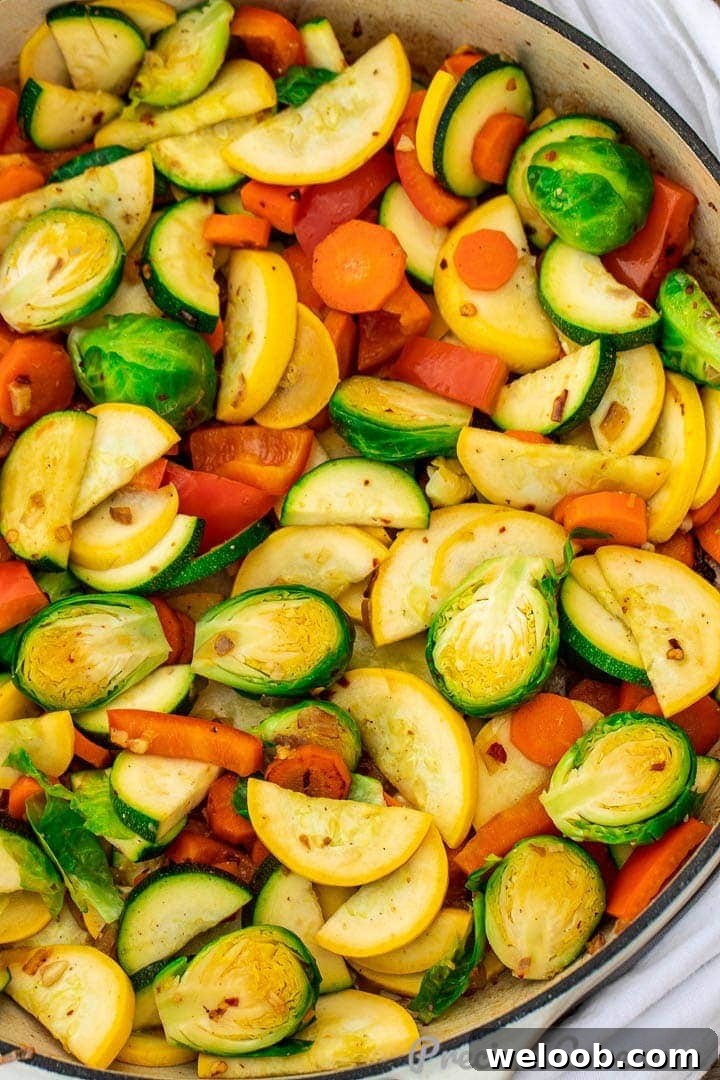
Sautéed Vegetables are a fast, flavorful side dish that comes together in minutes. They add color, nutrients, and great taste to weeknight dinners or holiday meals.
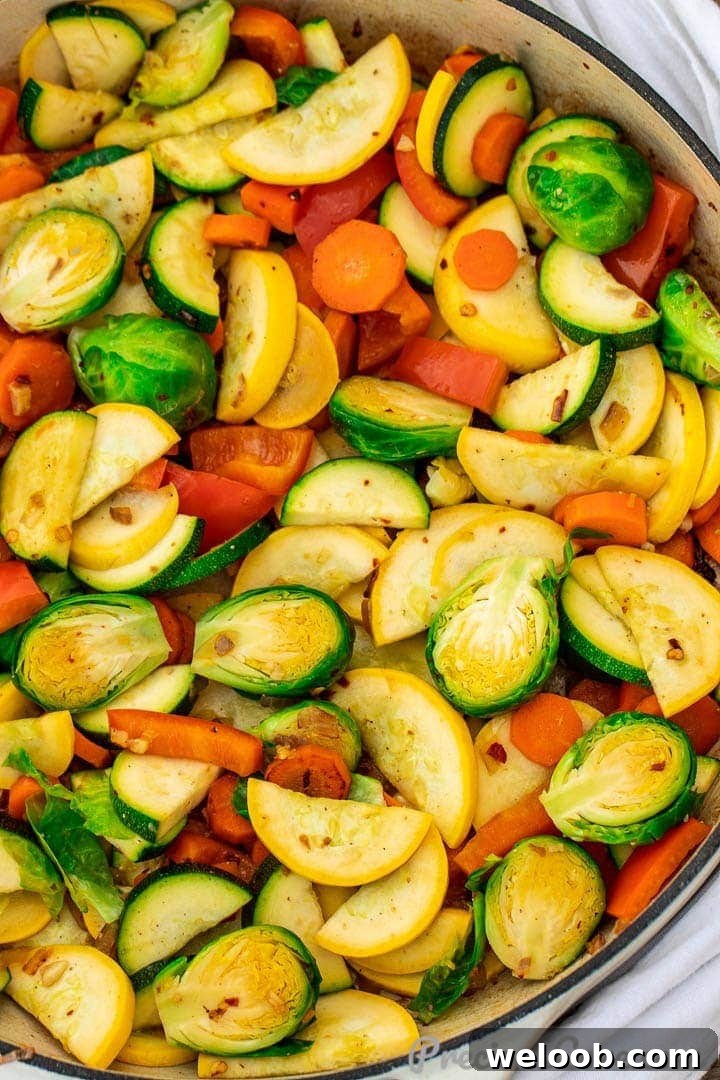
Add this simple sautéed vegetables recipe to your rotation for a quick boost of vitamins and fiber. It pairs well with rice, couscous, roasted potatoes, sweet potatoes, or quinoa.
This method works with many different vegetables, whether you buy pre-cut mixes or chop them yourself. Sautéing in a large skillet is one of the fastest ways to cook vegetables while keeping them tender-crisp.
Table of Contents
- Sautéed Vegetables Recipe
- Sautéed Vegetables Ingredients
- Seasoning For Sauteed Vegetables
- How To Sauté Vegetables
- Expert Tips
- Best Vegetables To Sauté
- How Long To Sauté Vegetables
- Can You Sauté Frozen Vegetables
- How To Sauté Frozen Vegetables
- What To Serve With Sauteed Vegetables
- More Side Dishes You’ll Love
- Sautéed Vegetables Recipe
Sautéed Vegetables Recipe
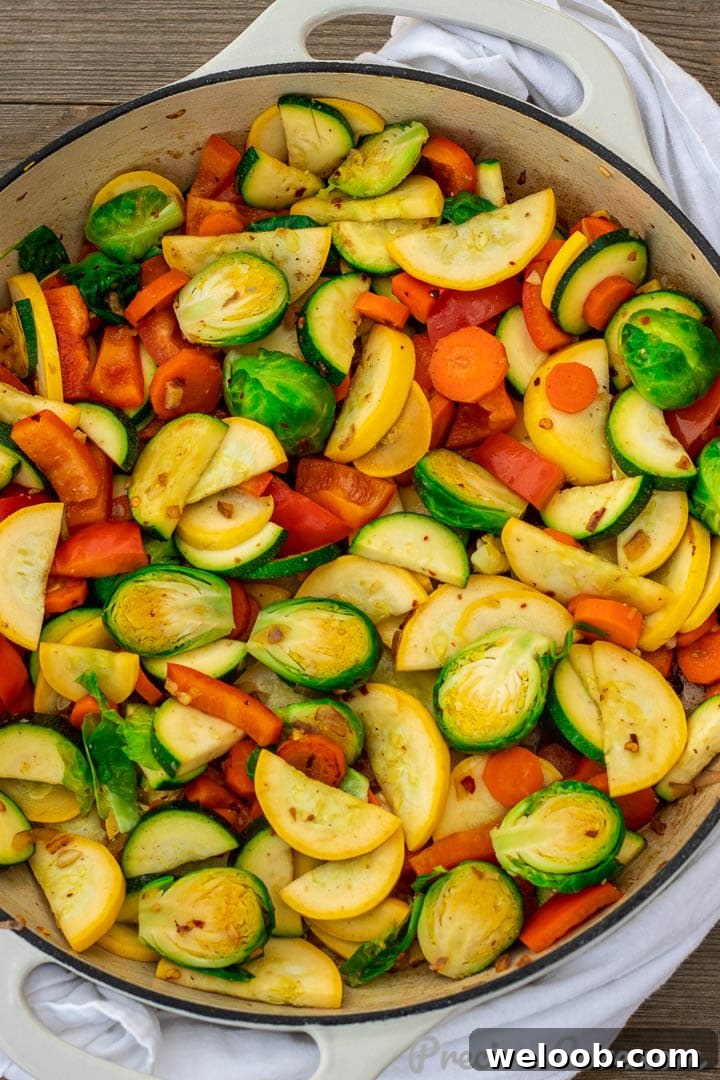
Sautéing is a quick way to transform ordinary vegetables into a tasty side that even picky eaters will enjoy. The technique highlights each vegetable’s texture and natural sweetness while preserving nutrients.
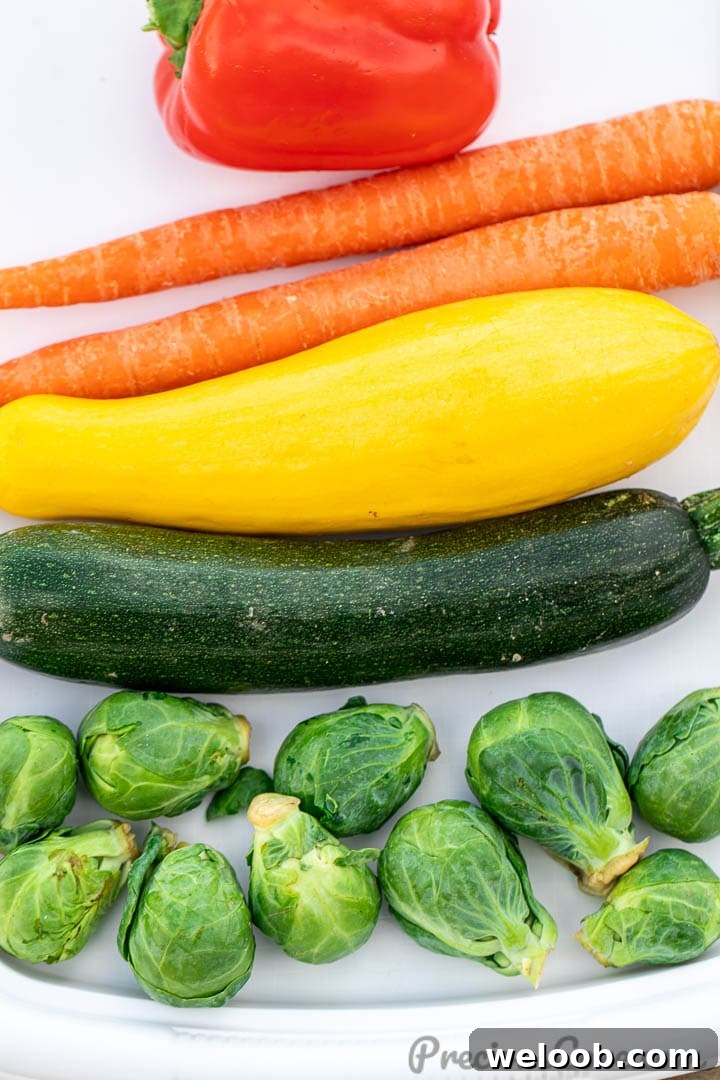
Whether you use a mix of store-bought pre-cut vegetables or fresh produce you prepare yourself, the basic approach is the same: start with oil, build flavor with onion and garlic, then add vegetables in order of cooking time so everything finishes evenly.
Sautéed Vegetables Ingredients
You can make this with a wide range of fresh or frozen vegetables. The example below lists what I used for one batch:
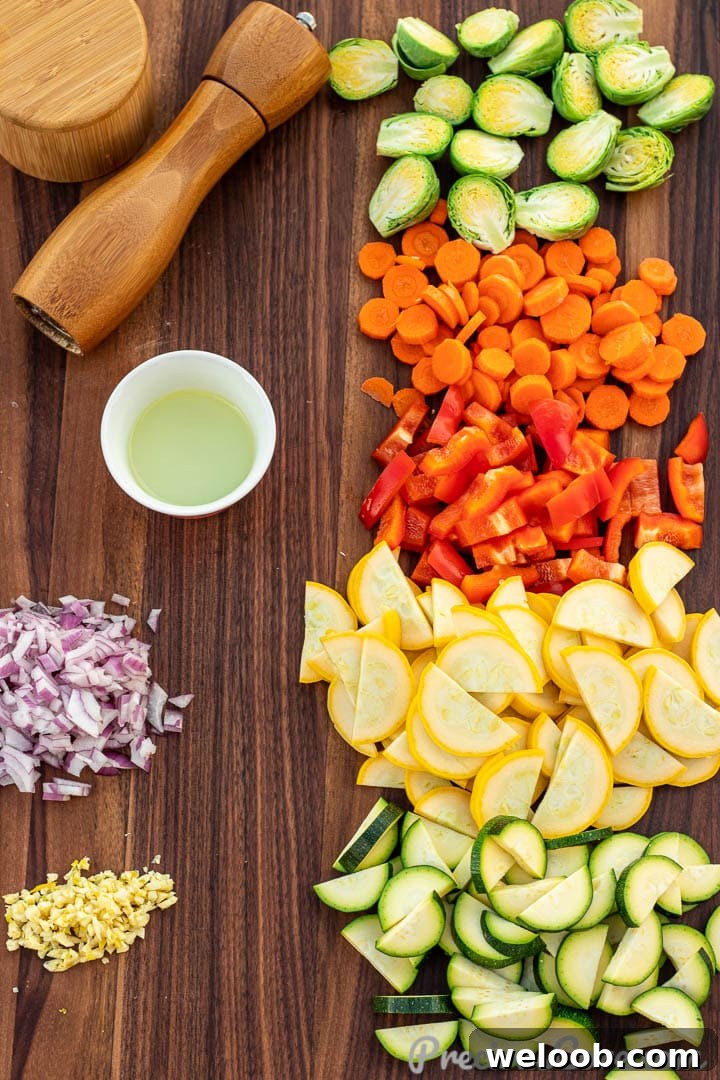
- Carrots. Add color and crispness; full of vitamin A.
- Bell peppers and onions. For sweetness, color and crunch. Use any bell pepper color and any onion you like.
- Squash. Zucchini and yellow squash soften nicely and add a mild, earthy flavor.
- Olive oil. For sautéing; use another neutral oil (vegetable or avocado) if preferred.
- Seasonings. Salt, pepper, and a small amount of bouillon powder or your preferred seasonings. Optionally add red pepper flakes for heat.
See the recipe block below for exact quantities and servings.
Use a variety of colorful vegetables for visual appeal and a wider range of nutrients.
Seasoning For Sauteed Vegetables
A simple seasoning blend of salt, black or white pepper, and bouillon powder works very well. Sautéing onions and garlic first creates a flavorful base. You can also experiment with Italian seasoning, garlic powder, or a splash of soy sauce for deeper umami.
How To Sauté Vegetables
1. Heat the oil. Warm olive oil or another neutral oil in a large nonstick skillet or braiser over medium-high heat until it shimmers.
2. Sauté the onions. Add diced onion and cook until translucent, about 1 minute.
3. Add garlic and aromatics. Stir in minced garlic and any red pepper flakes, cooking briefly so the garlic releases its flavor but does not burn.
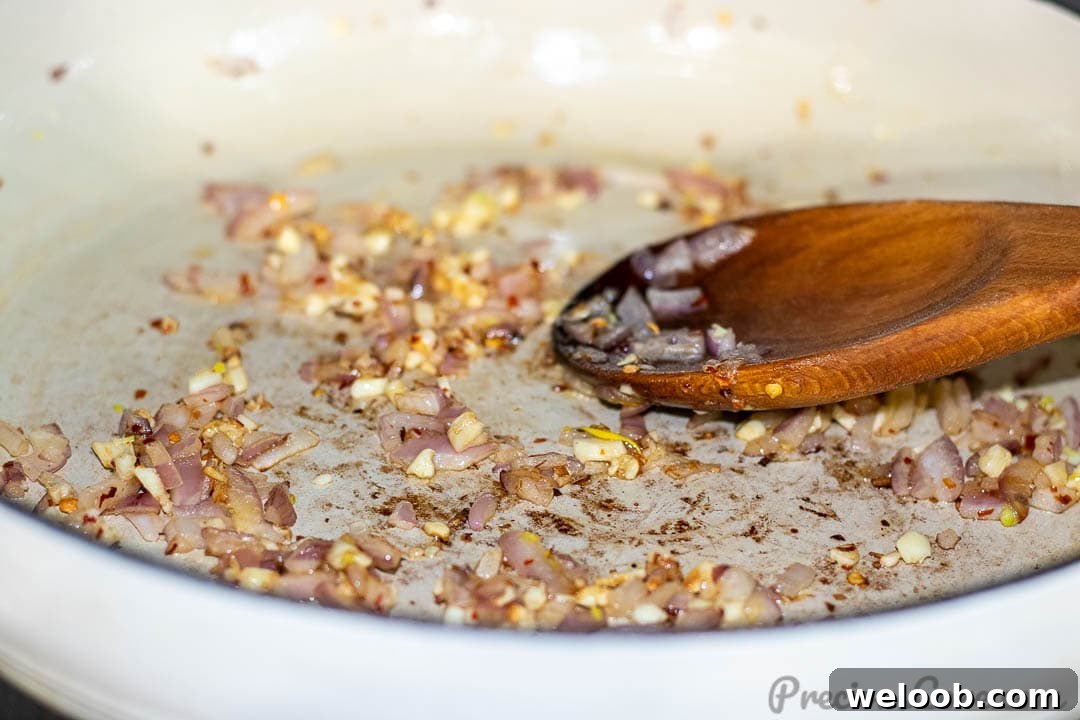
4. Add vegetables by cooking time. Start with the hardest vegetables (for example, Brussels sprouts and carrots) and cook for 30–60 seconds before adding vegetables that soften more quickly, like peppers, zucchini and squash. Staggering additions helps everything reach the same tenderness.
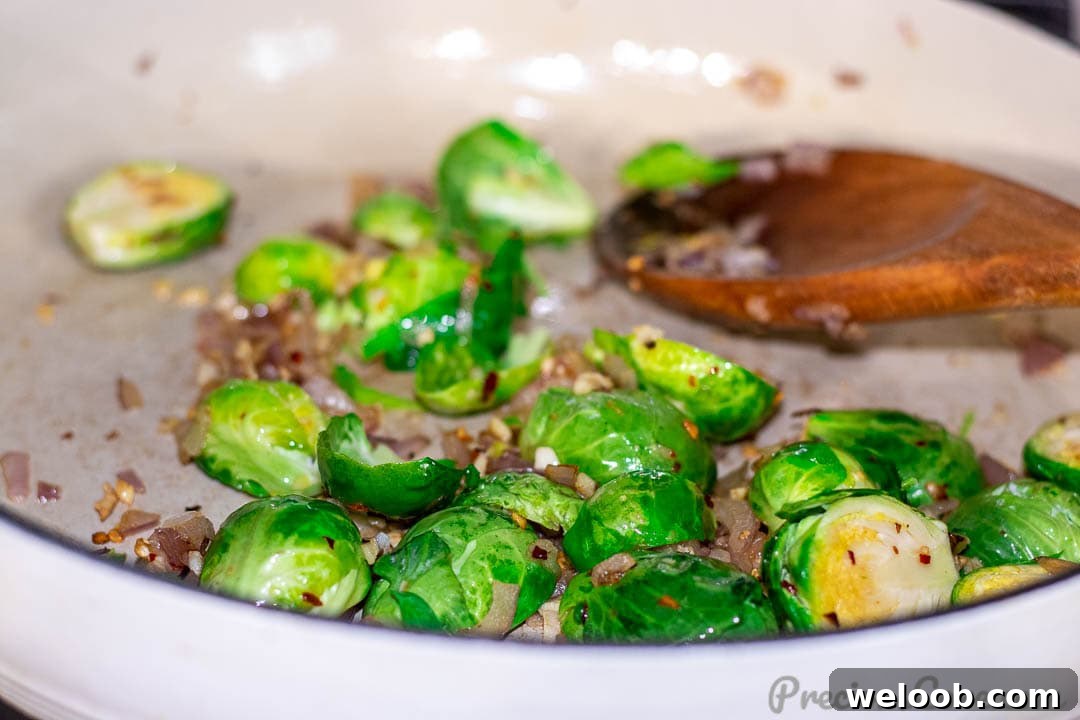
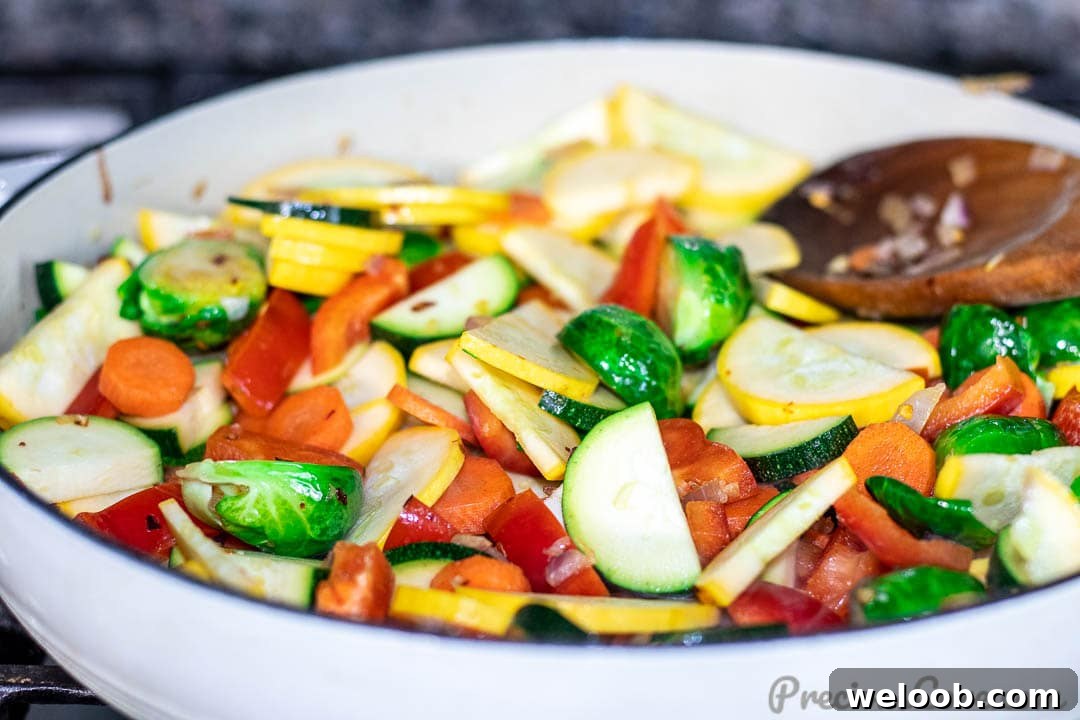
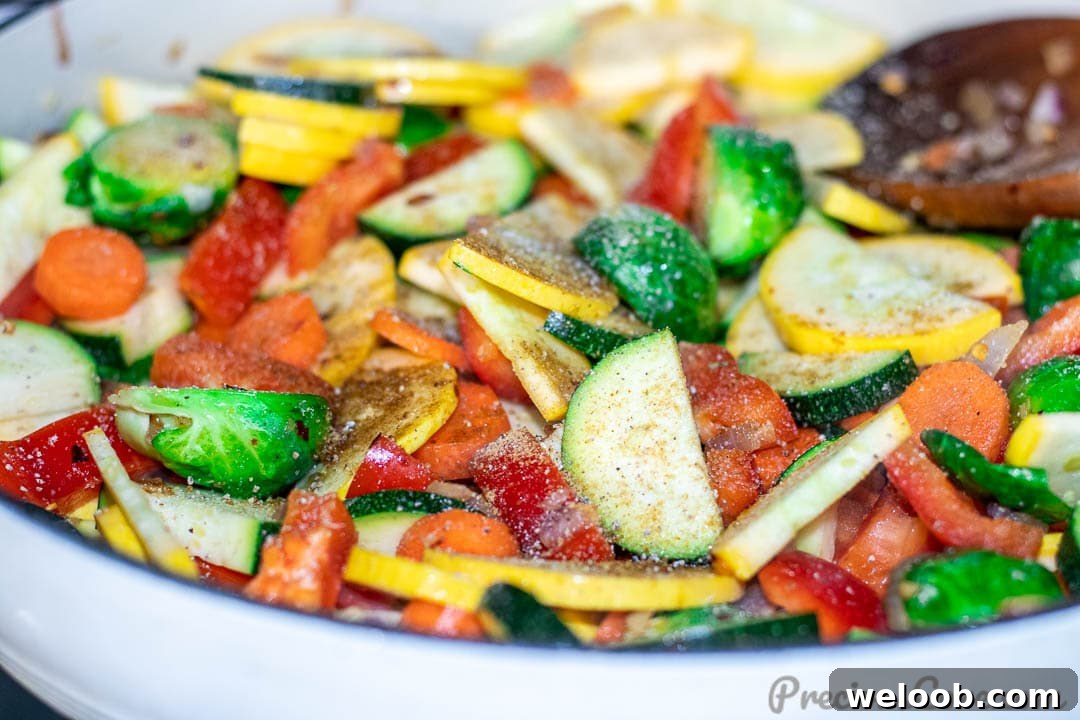
5. Season and finish. Once all vegetables are added, sprinkle on salt, pepper and bouillon powder (or your chosen seasonings). Toss to combine, taste, adjust seasoning, and cook another minute or two until vegetables are tender-crisp. Serve immediately.
Expert Tips
- Use enough oil and a good-quality skillet to prevent sticking and ensure even browning.
- Add leafy greens, cherry tomatoes, or scallions toward the end for brightness; adjust oil as needed.
- For extra depth, add a splash of soy sauce or coconut aminos—use sparingly to avoid overpowering the vegetables.
- Finish with fresh herbs or a sprinkle of grated Parmesan to elevate the dish.
- To make a larger batch, use a wide pan so vegetables have room to brown and cook evenly.
- Store leftovers in an airtight container in the fridge; reheat on the stovetop, in the microwave, or crisp them up in an air fryer.
- Deglaze the pan with a little vegetable broth or water if bits stick to the bottom; broth adds more flavor.
Best Vegetables To Sauté
Most vegetables sauté well. Popular choices include:
- Bell peppers
- Carrots
- Green beans
- Peas
- Zucchini
- Brussels sprouts
- Broccoli
- Cauliflower
- Mushrooms
- Cabbage
- Snow peas
- Asparagus
How Long To Sauté Vegetables
Sauté over medium-high heat for about 3–5 minutes, depending on the vegetables and how crisp or tender you like them. Higher heat encourages caramelization while keeping the interior tender.
Can You Sauté Frozen Vegetables
Yes. Frozen vegetables lose some crunch but are convenient and still tasty. They’re a great time-saver for quick meals.
How To Sauté Frozen Vegetables
Follow the same steps as for fresh produce: sauté onion and garlic first, then add the frozen vegetables and season. Give them a little extra time to cook off excess moisture and to heat through.
What To Serve With Sauteed Vegetables
Sautéed vegetables complement many mains and sides, including roasted or grilled fish, roasted chicken, steak, rice or other grains.
More Side Dishes You’ll Love
- Sauteed Peppers
- Oven Roasted Baby Potatoes
- 3 Ingredient Biscuits
- Chicken Macaroni Salad
If you make this recipe, consider leaving a comment and rating. Feedback helps improve the recipe for everyone!
Sautéed Vegetables
Pin Recipe
Rate
Print Recipe
Ingredients
- 5 oz Brussels sprouts about 10, trimmed and halved
- 2 medium carrots peeled and sliced
- 1 red bell pepper seeded and sliced into chunks
- 1 zucchini sliced about 1/4 inch thick
- 1 yellow squash sliced about 1/4 inch thick
- 2 tablespoons olive oil or other neutral oil
- 1/2 cup diced red onion
- 1 tablespoon minced garlic
- 1/2 teaspoon salt
- 1/2 teaspoon ground white or black pepper
- 1/2 teaspoon bouillon powder beef, chicken, or vegetable bouillon
Instructions
-
Prep the veggies. Rinse and chop all vegetables.
-
Heat a large skillet or cast-iron braiser over medium-high heat. Add oil and heat until shimmering.
-
Add diced onion and sauté until translucent, about 1 minute. Stir in minced garlic and cook about 30 seconds.
-
Sauté the vegetables. Add Brussels sprouts and cook 1 minute. Add carrots and cook 30 seconds, then bell pepper for 30 seconds. Add zucchini and yellow squash and cook until all vegetables reach your desired tenderness.
-
Season with salt, pepper and bouillon powder. Stir well and cook 2 more minutes. Vegetables should remain slightly crisp.
-
Serve warm.
Notes
2. Customize by adding broccoli, cauliflower, mushrooms, asparagus, green beans, peas, or any colorful vegetables you have on hand. This is a great fridge-cleanout recipe.
Nutrition
Additional Info
Note: This post was first published on February 3, 2021 and has been updated with clearer instructions and helpful tips.