
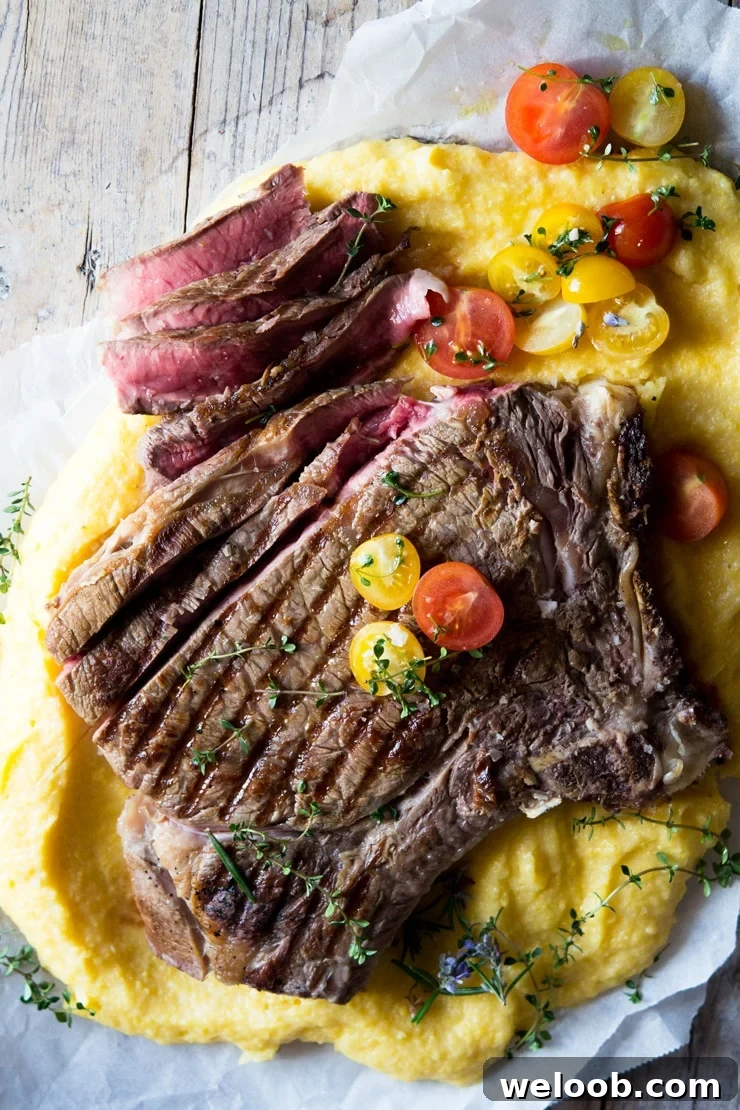
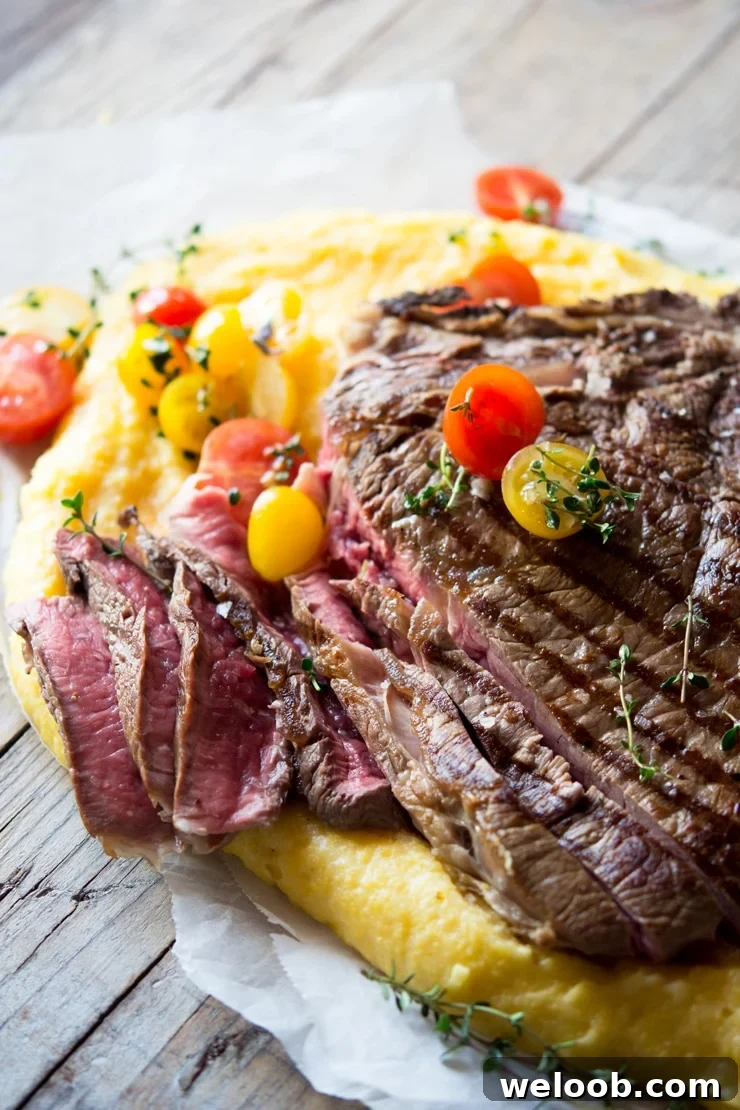
The classic chargrilled porterhouse steak, Bistecca alla Fiorentina. Cooked rare and seasoned simply with salt and a touch of olive oil, this steak is straightforward, authentic and incredibly delicious.
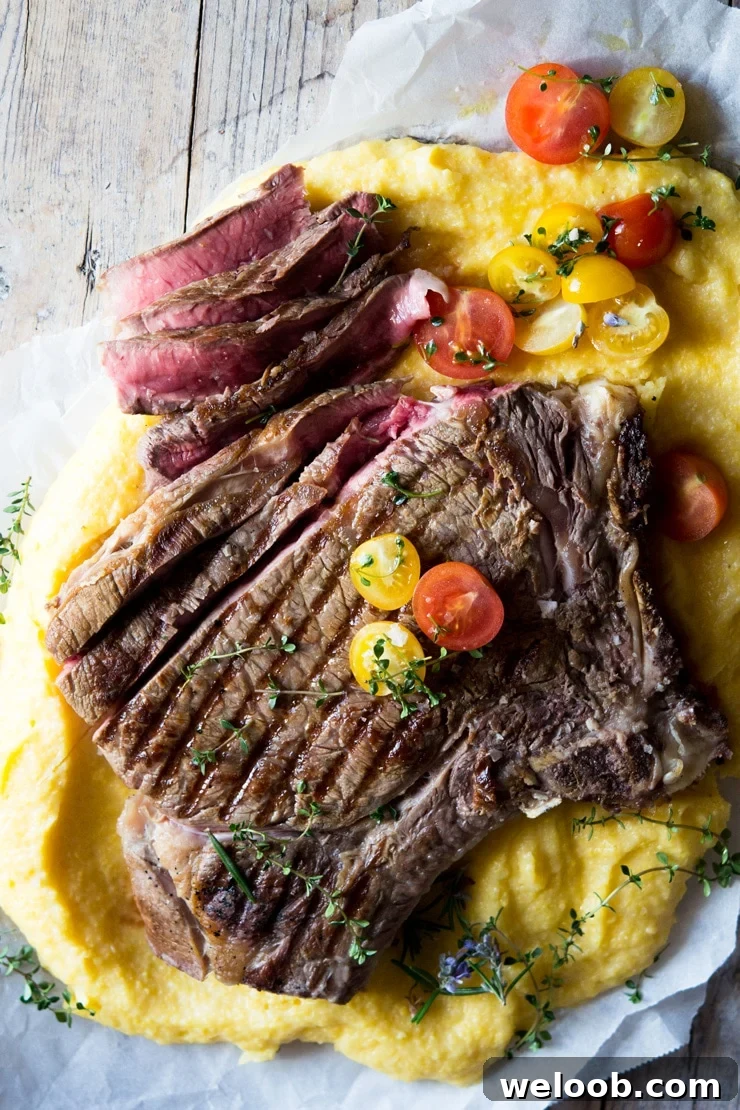
Florentine steak is one of my favourite dishes in Italy. Before I moved here I reserved fillet steak for special occasions, but now when I crave steak I go straight for the Bistecca alla Fiorentina — a bold, impressive cut that’s perfect for sharing.
If you visit Florence, you should order one. Be warned: this steak is traditionally served rare. Florentines take their steak seriously, so you’ll often find it offered only rare. If you dislike the idea of a rare steak because of the juices, there’s an easy solution.
How to Prevent Juices from Running All Over My Plate
Let the steak rest. Never cut into meat immediately after cooking — the juices will pour out and the meat will dry. Rest the steak for at least 3–5 minutes before serving. This keeps the meat juicy and prevents blood-red juices from spoiling your sides like polenta or roasted vegetables.
Top Tips When Making a Florentine Steak
- Choose a thick cut: at least 1–2 inches (2.5–5 cm); three-finger thickness is even better.
- Use the best quality beef you can find. Traditionally Chianina beef is used for Florentine steak.
- Use a mild olive oil sparingly so it doesn’t mask the meat’s flavour.
- Season only with salt — no pepper in the classic version.
- Bring the steak to room temperature before cooking.
- Ensure your griddle or grill is smoking hot before you place the steak on it. Traditionally this is cooked over a wood-fired grill and should be very hot to get a good char.
How to Make a Florentine Steak (Bistecca alla Fiorentina) — Step by Step
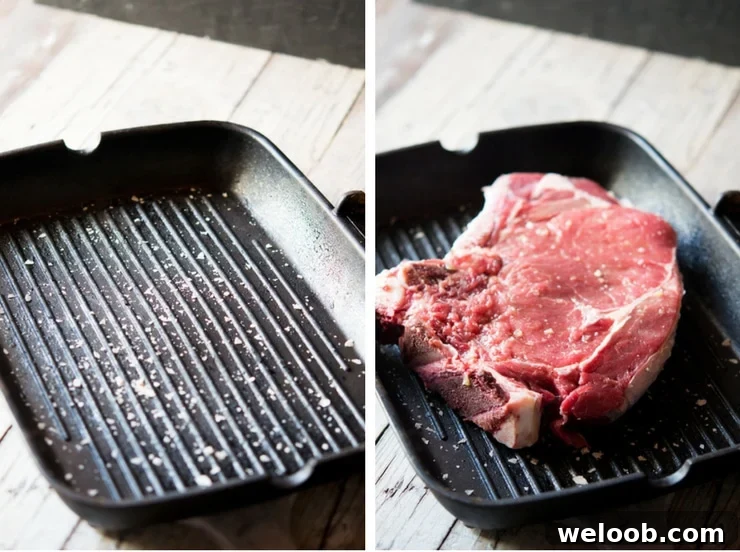
Preheat a griddle or heavy skillet until it is smoking hot. Optionally sprinkle some sea salt flakes on the griddle.
Lightly season the steak with a pinch of salt on both sides and rub a little mild olive oil over it. Place the steak on the hot griddle and sear one side for about 3 minutes until well charred and crusted.
Flip and sear the other side for another 3 minutes. Those times are for roughly a 1-inch (2.5 cm) steak — see the notes below for timing adjustments.
Tip: For thicker cuts, hold the steak upright on the bone with tongs for a few minutes to brown the bone side and render some fat.
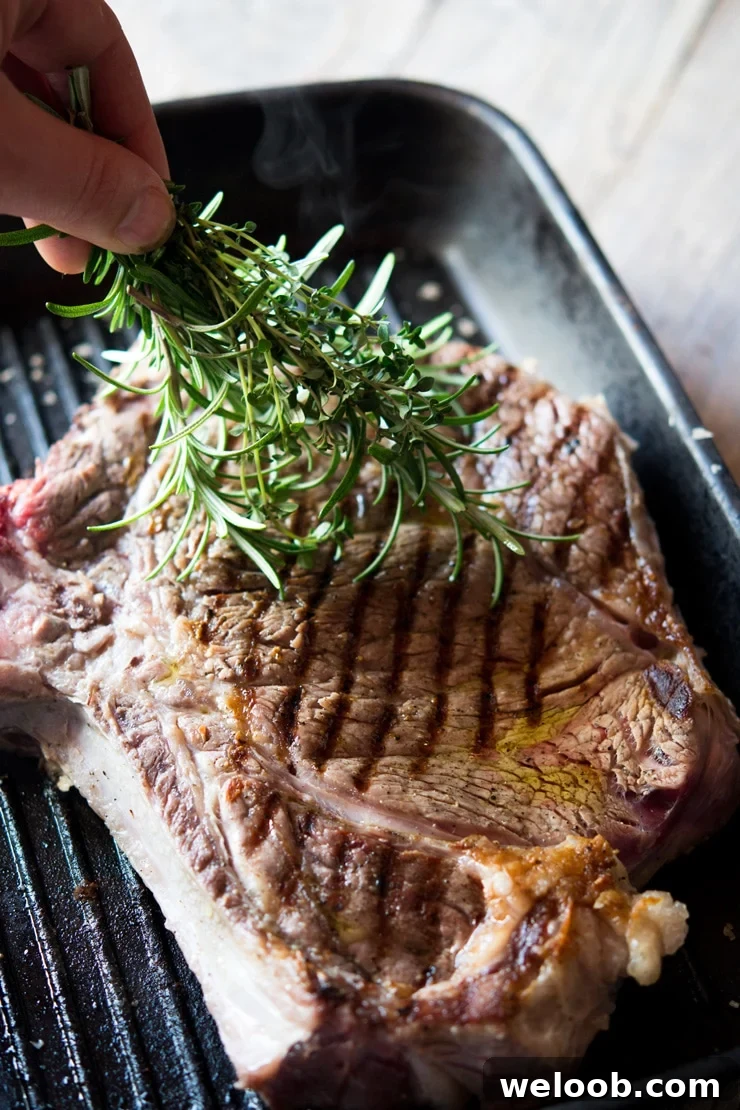
Variations — Add Some Herbs
If you want to vary the classic approach, try brushing the steak with a herb sprig brush made from thyme or rosemary while turning it on the griddle. This adds a subtle aromatic note without overpowering the beef.
Porterhouse vs T-bone
Porterhouse and T-bone steaks come from the same cut; a porterhouse is simply larger and often called the “king” of T-bones. Either works well for this recipe, but a porterhouse is preferable if you want more meat on the bone.
Ways to Serve Your Florentine Steak
- Serve the steak whole on a large chopping board and slice at the table so guests can help themselves.
- Creamy polenta is a classic accompaniment.
- White bean mash is a great side to pair with steak.
- Green beans in tomato sauce are a traditional Florentine side.
- A crisp salad is a fresh contrast.
- Griddled ciabatta rubbed with garlic makes a lovely accompaniment.
- Potato wedges are a simple, satisfying option.
Florentine Steak Cooking Times (for rare)
- 1 inch (2.5 cm) steak — about 3 minutes each side for rare.
- 1.5 inch (3.5–4 cm) steak — about 4 minutes each side.
- 2 inch (5 cm) steak — about 5 minutes each side.
If you try this Florentine steak or any other recipe here, please rate it and leave a comment to let me know how it turned out — I love hearing from readers.
Step By Step Photos Above
Most recipes include step-by-step photos and helpful tips to get great results first time.
Florentine Steak – Bistecca Alla Fiorentina
By Emily
Ingredients
- 1 Porterhouse or T-bone steak, (1–2 inches / 2.5–5 cm thick)
- 1 pinch sea salt flakes
- 1/2 tbsp mild olive oil
Instructions
-
Heat a griddle or heavy pan until it is smoking hot. Optionally sprinkle the surface with sea salt flakes.
-
Season the steak lightly with salt on both sides and rub a little olive oil over the surface. Place the steak on the hot griddle and sear for about 3 minutes on one side until well charred.
-
Flip and sear the other side for another 3 minutes for a 1-inch steak. Adjust cooking times for thicker cuts (see notes below).
-
Tip: For very thick steaks, hold the steak upright on the bone with tongs for a few minutes to brown the edges and the bone.
Notes
How to Stop Juices Running from the Steak
- Let the steak rest for at least 3–5 minutes before cutting. Resting locks the juices in and prevents them from flooding your plate.
- Resting produces a juicier, more flavorful steak and avoids red juices running into sides like polenta or vegetables.
Top Tips
- Choose a thick cut (1–2 inches or more).
- Use high-quality beef; Chianina is the traditional choice.
- Use mild olive oil sparingly and season only with salt.
- Bring the steak close to room temperature before cooking and make sure the griddle is very hot.
Variations — Herbs
- Brush the steak with thyme or rosemary while grilling for a subtle herb aroma.
Cooking Times for Rare
- 1 inch (2.5 cm) — ~3 minutes each side
- 1.5 inch (3.5–4 cm) — ~4 minutes each side
- 2 inch (5 cm) — ~5 minutes each side
Serving Suggestions
- Slice on a large board and serve family-style.
- Serve with creamy polenta, white bean mash, or green beans in tomato sauce.
- Try griddled ciabatta rubbed with garlic or simple potato wedges.
Helpful Info for All Recipes
- I typically use extra virgin olive oil unless otherwise stated.
- When using canned tomatoes I prefer well-known brands for consistent flavour.
- Vegetable sizes are assumed medium unless noted.
- Recipes are tested using a fan (convection) oven unless specified.
- Nutrition calculations are approximate.
Nutrition
Nutrition information is automatically calculated and should be used as an approximation.