
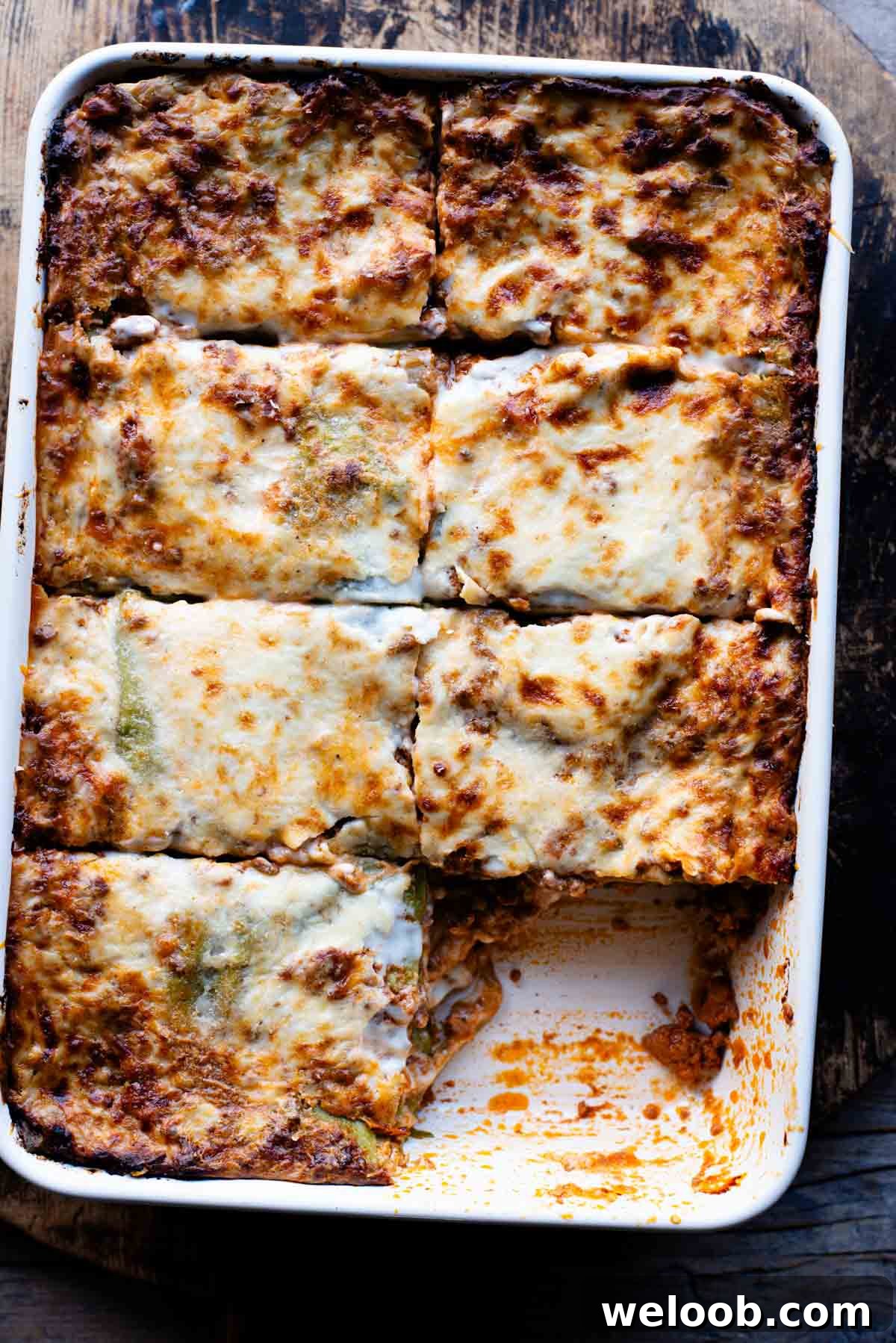
Authentic Lasagna Bolognese (Lasagne alla Bolognese) combines a deeply flavoured Bolognese ragu, silky bechamel sauce and fresh spinach pasta sheets for a comforting, special meal worth the effort.
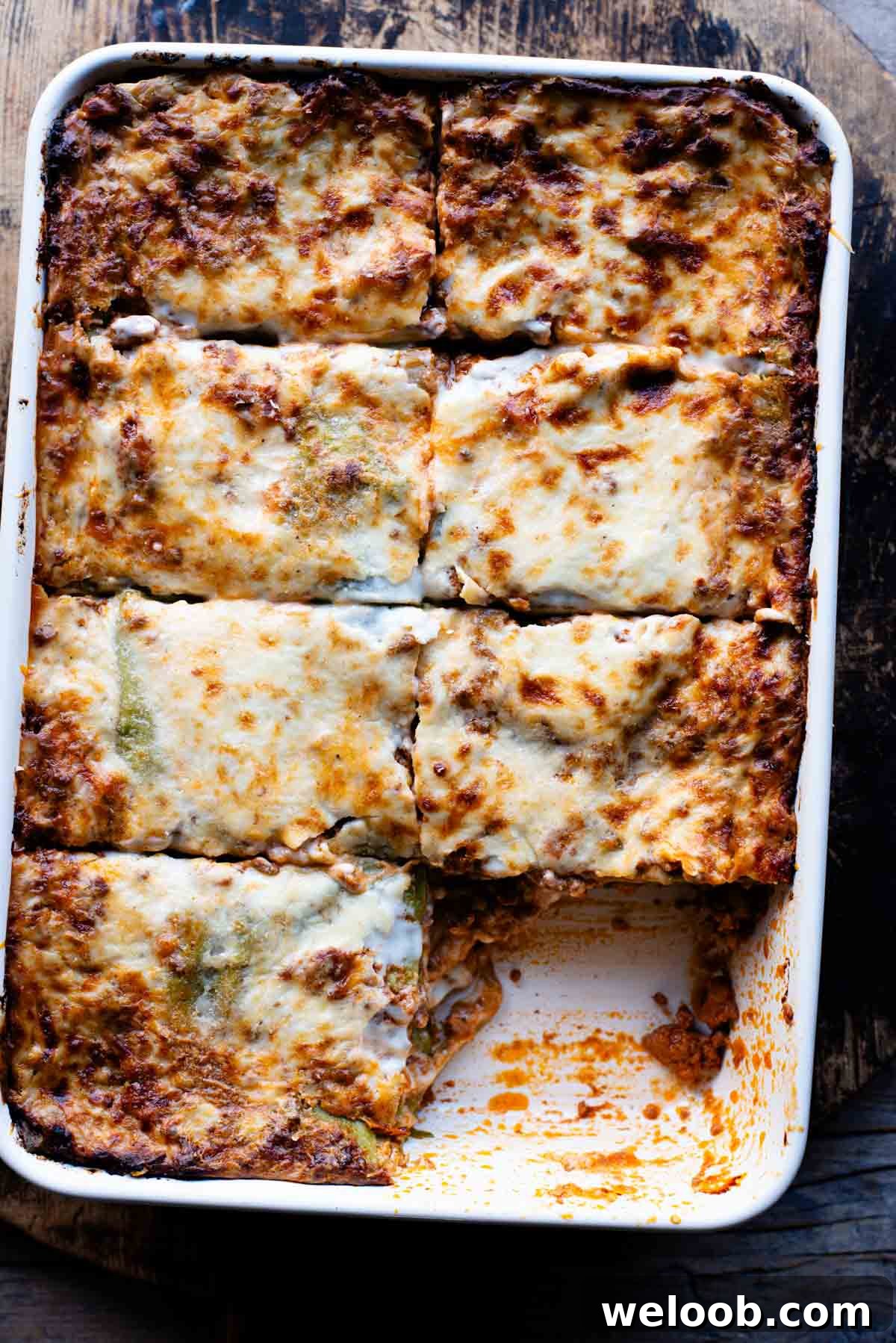
Hailing from Bologna in the Emilia Romagna region, Lasagna Bolognese is rich, satisfying and incredibly comforting. This version uses a classic ragu made with beef and pancetta, a creamy bechamel and spinach pasta sheets. The result is a layered lasagna with balanced, traditional flavours.
Like many classic lasagnas, this recipe is a labour of love. Making the ragu and pasta from scratch takes time, so I recommend preparing the Bolognese and the spinach pasta dough a day ahead and refrigerating them. The flavours deepen overnight and assembling the lasagna becomes much easier.
Note that traditional Lasagna Bolognese does not include mozzarella; the ragu and bechamel are rich enough that additional melting cheese isn’t necessary. This dish is perfect for a family Sunday dinner or special occasions.
See the recipe below for ingredient notes, step-by-step instructions, tips and a video. For the printable recipe, refer to the recipe card.
Ingredients
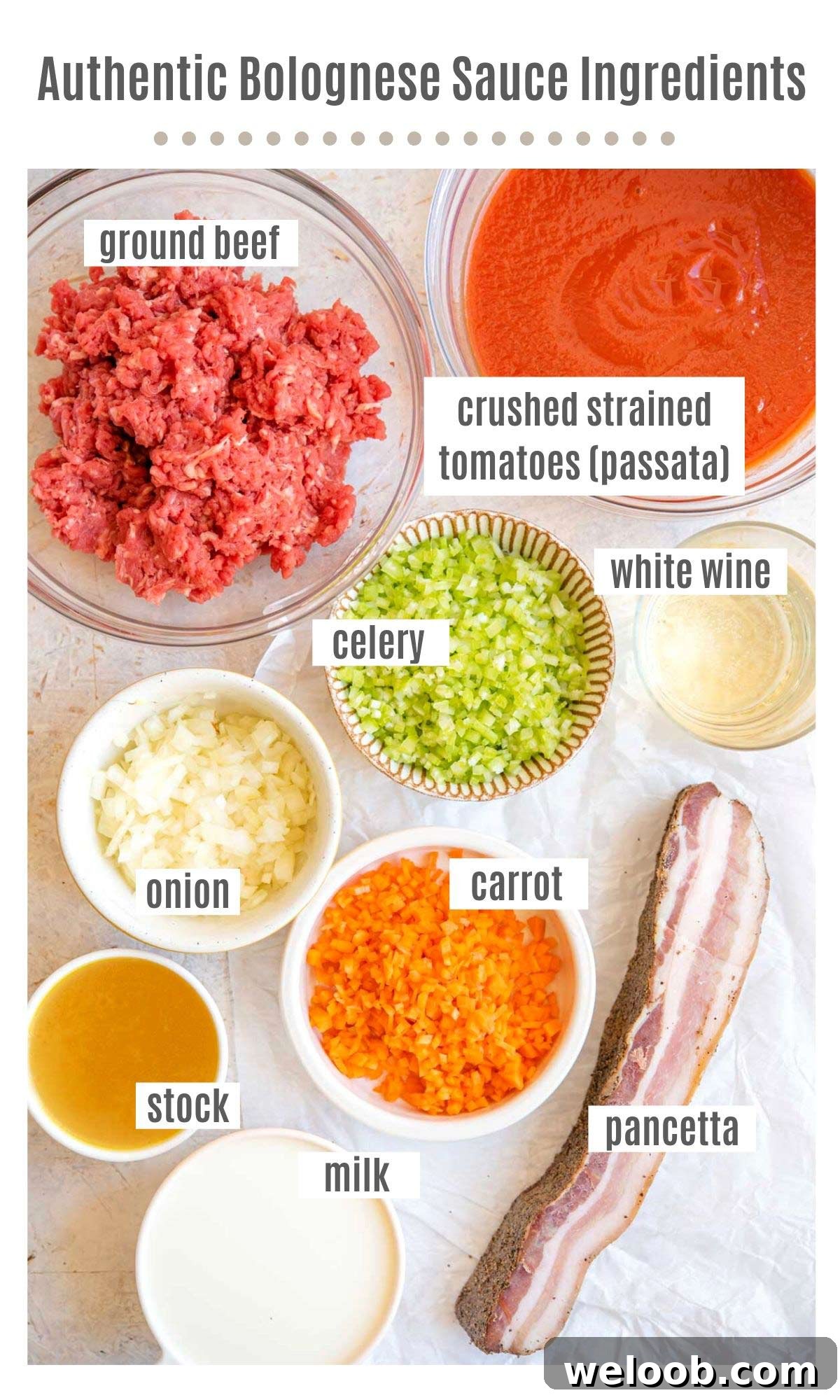
Ingredient notes and substitutions
- Wine – white or red wine is fine; omit it if you avoid alcohol.
- Milk – use whole (full-fat) milk for richness in the ragu.
- Pancetta – a good-quality piece of pancetta makes a noticeable difference compared with pre-cubed supermarket versions.
- Passata – a thick strained tomato puree (often sold in jars). Use a quality brand if available.
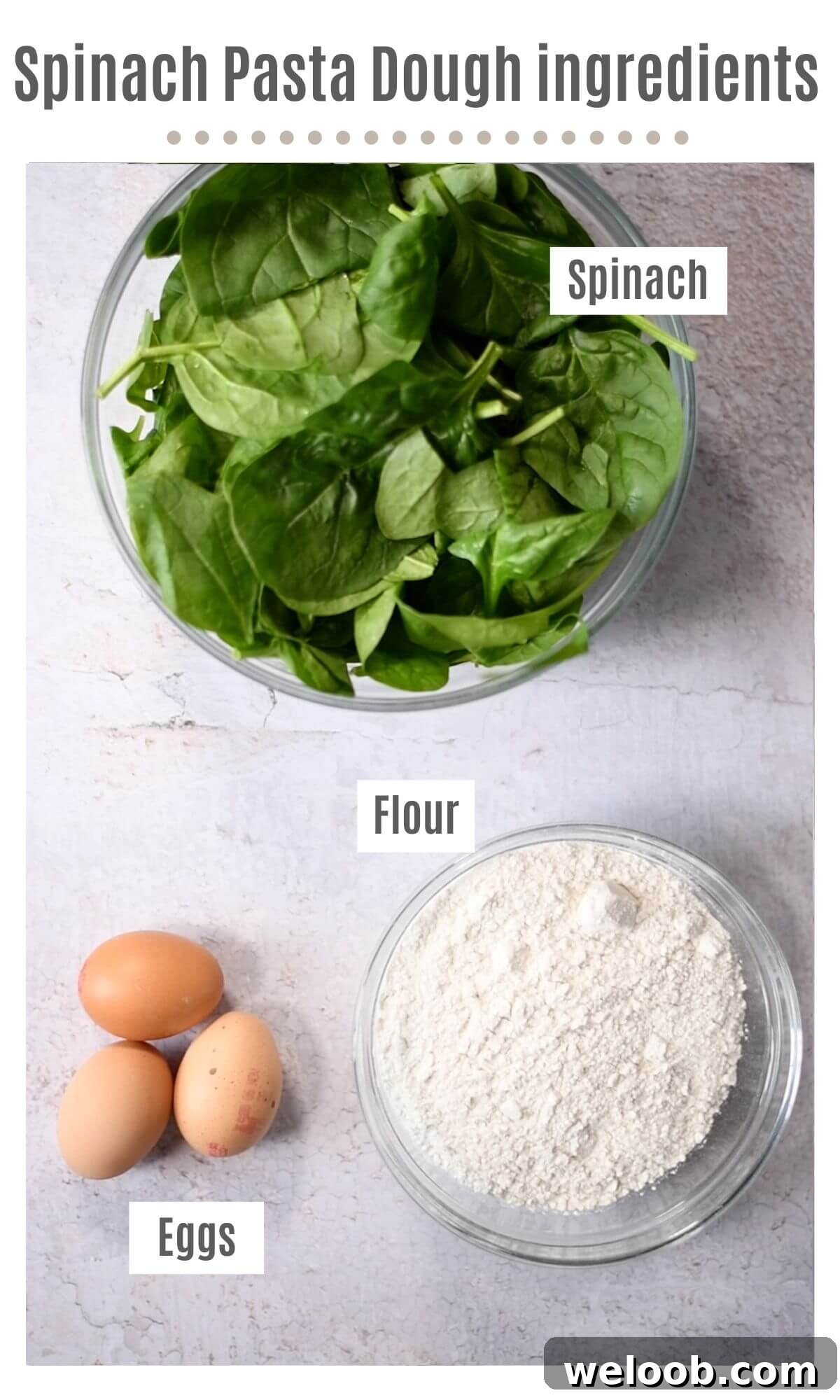
- Spinach – fresh spinach is recommended (does not need to be baby leaves).
- Eggs – 2 whole eggs plus 1 yolk for the spinach pasta.
- Bechamel – flour, unsalted butter, whole milk, freshly grated nutmeg, salt and pepper.
- Parmigiano Reggiano – freshly grated for each lasagna layer.
Step by step photos and instructions
To make the Bolognese Ragu (recommended the day before)
Finely chop carrot, celery and onion, and cut the pancetta into small cubes. Heat olive oil in a large pot and sauté the vegetables with the pancetta until softened but not browned (about 5–10 minutes).
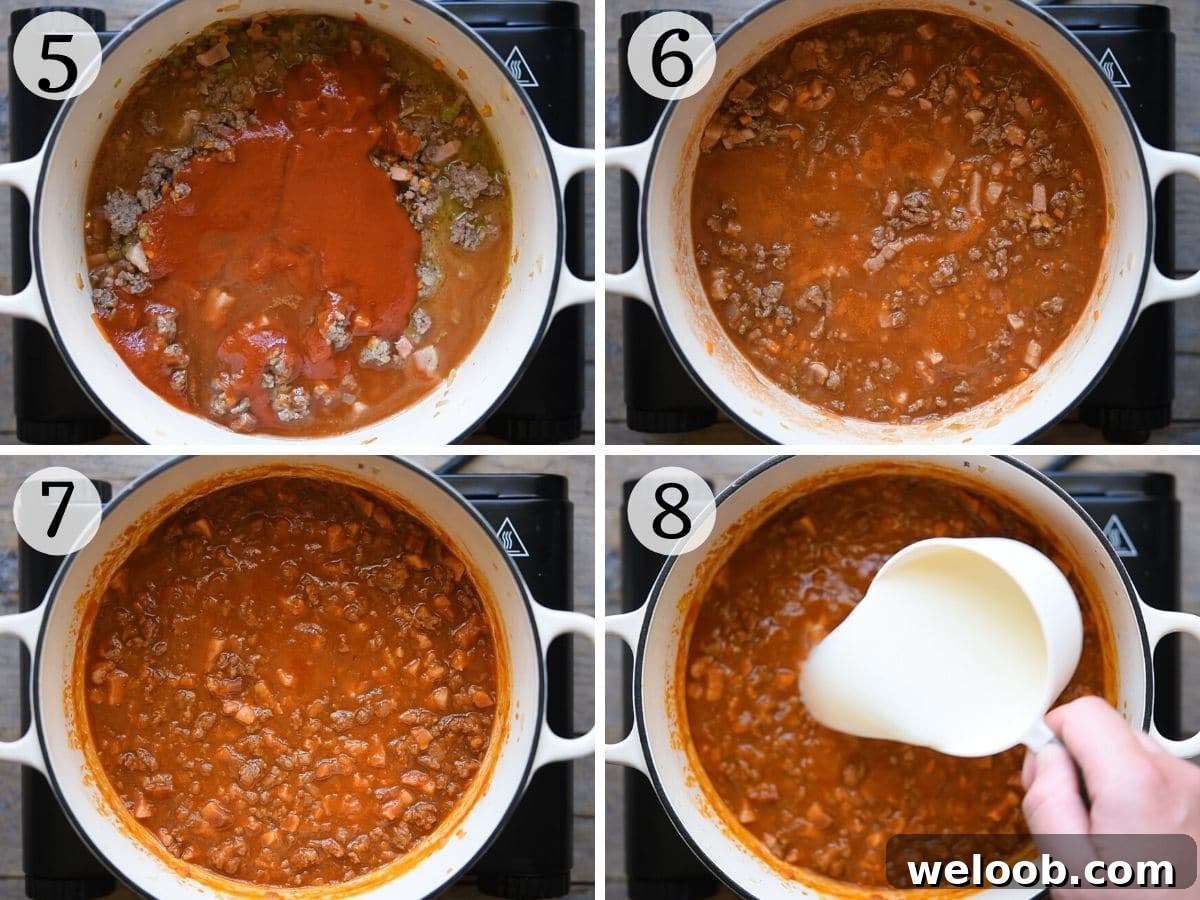
Add the ground beef and cook until browned. Pour in the wine and cook for 1–2 minutes to reduce the alcohol. Stir in the passata and stock, cover and simmer gently for 2 hours.
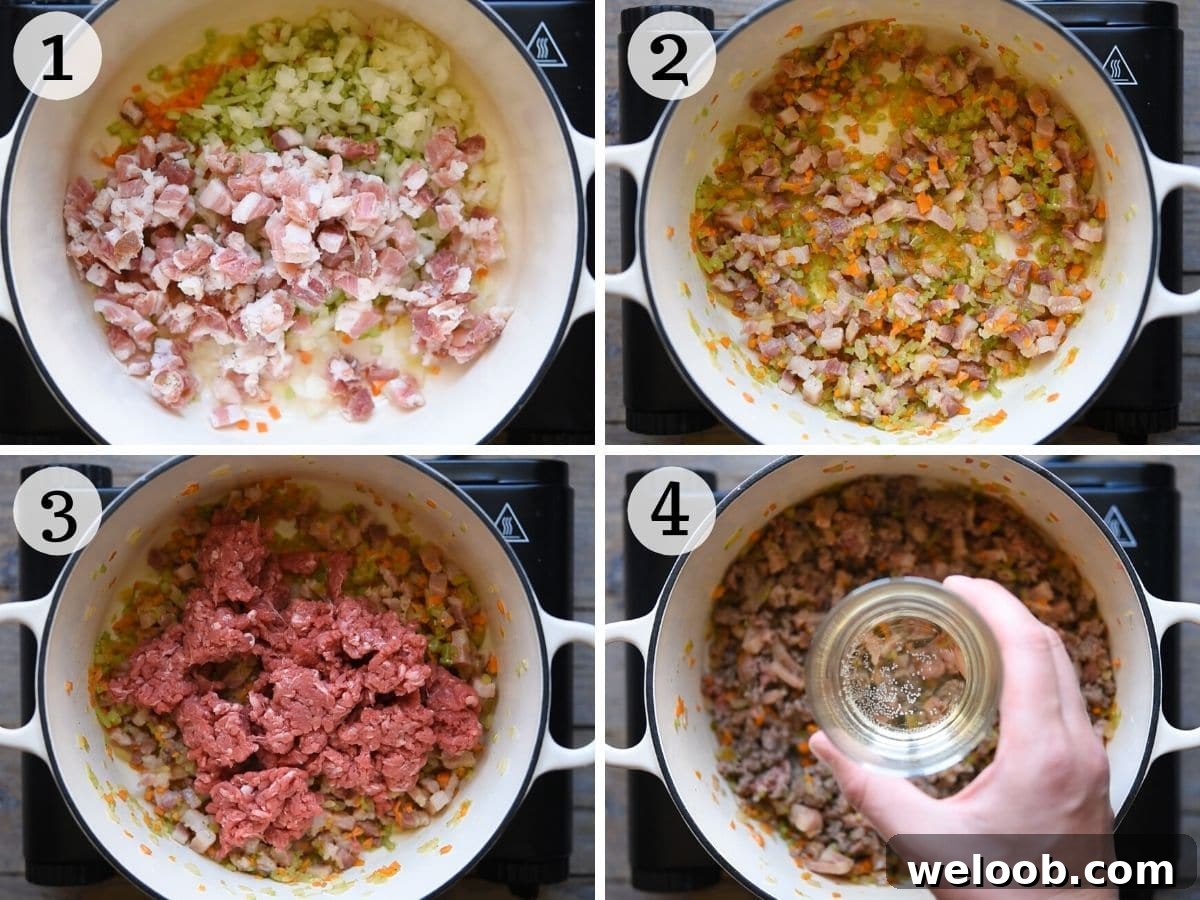
After 2 hours, uncover and add the milk. Continue simmering, uncovered, for another 2 hours. Taste and adjust seasoning with salt and pepper. If preparing ahead, cool completely and refrigerate; the flavour improves the next day.
To make the spinach pasta (recommended the day before)
Bring a large pot of water to the boil, wilt the spinach for 30–60 seconds, drain and rinse under cold water. Squeeze out all excess liquid so the spinach is not watery.
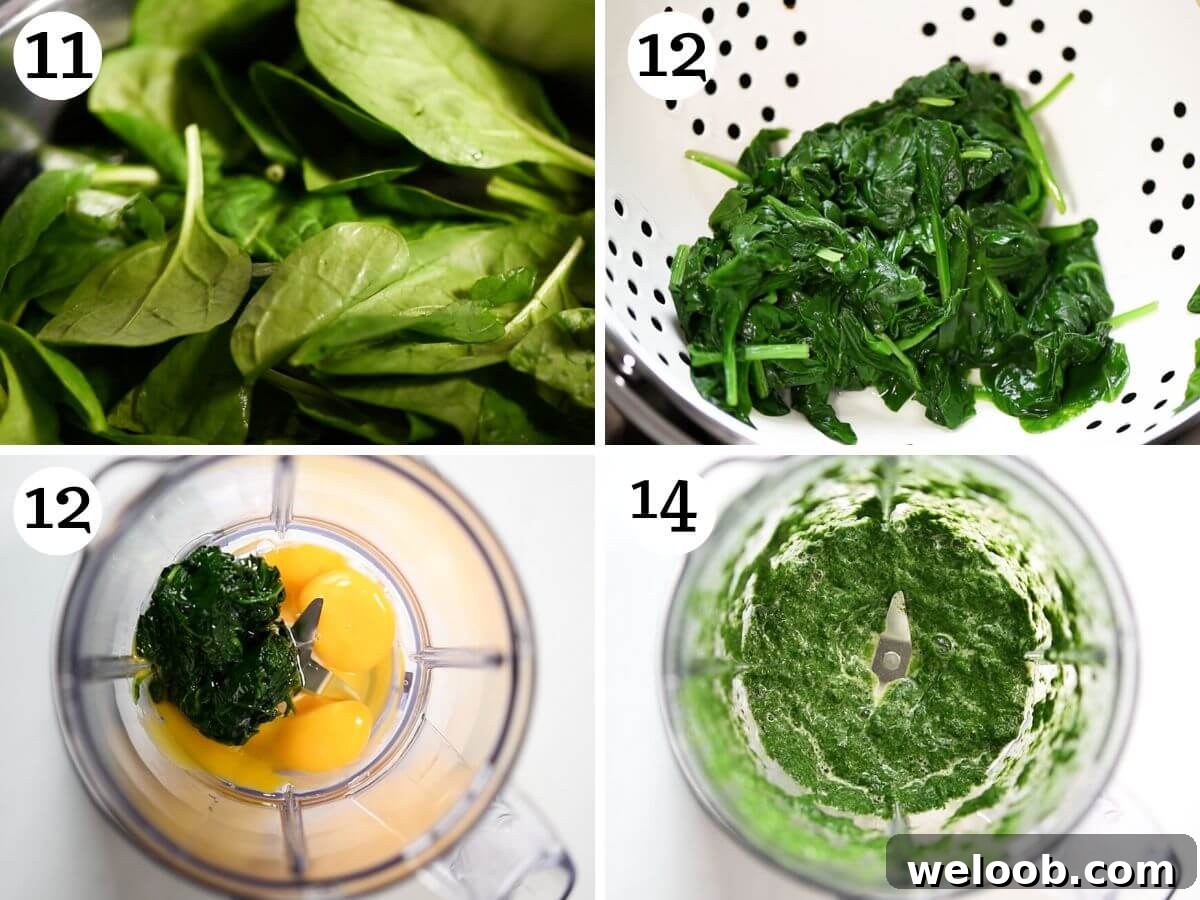
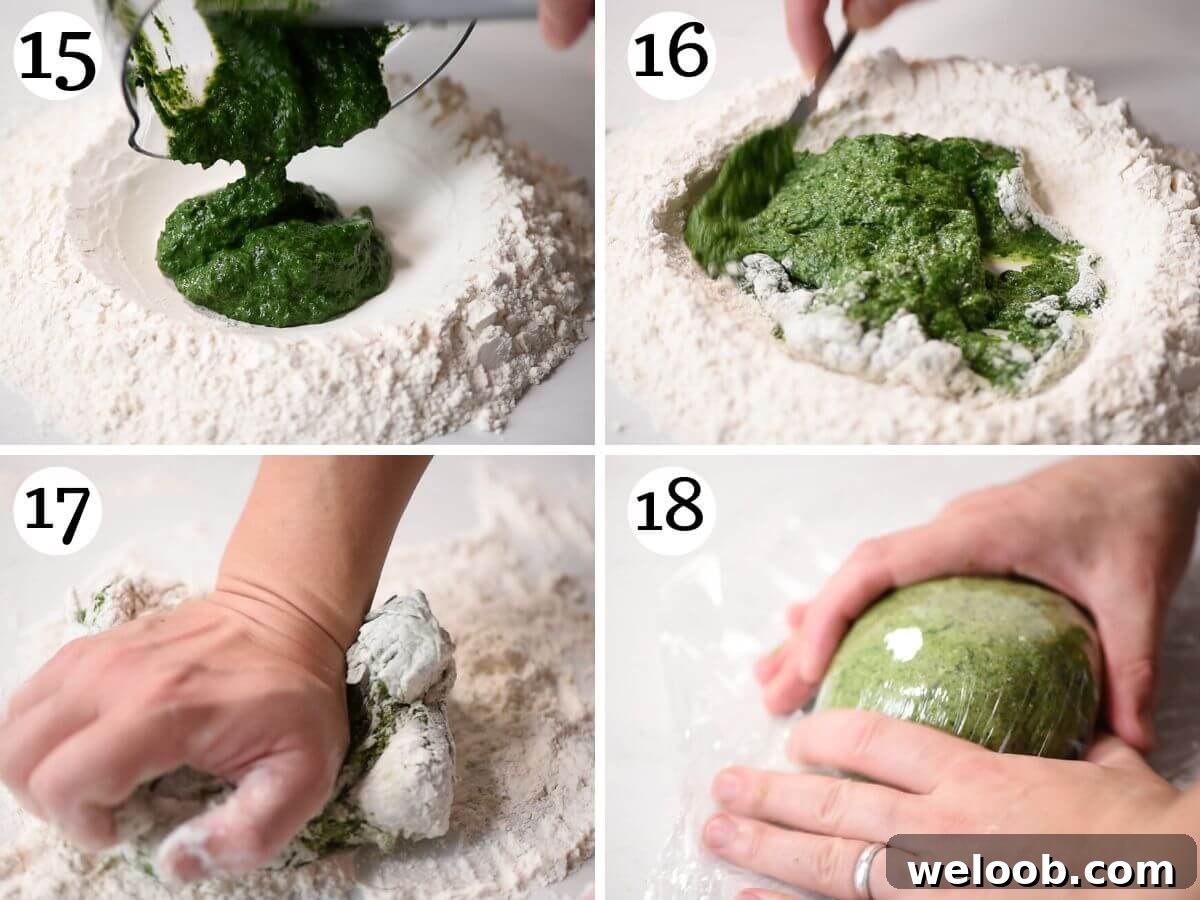
Blend the spinach with the eggs (2 whole eggs and 1 yolk) to a smooth puree. Pile the flour on a work surface, make a well, add the spinach puree and begin incorporating with a fork. When a rough dough forms, knead for about 10 minutes until smooth, wrap in plastic and refrigerate. Remove 30 minutes before rolling.
Make the bechamel sauce
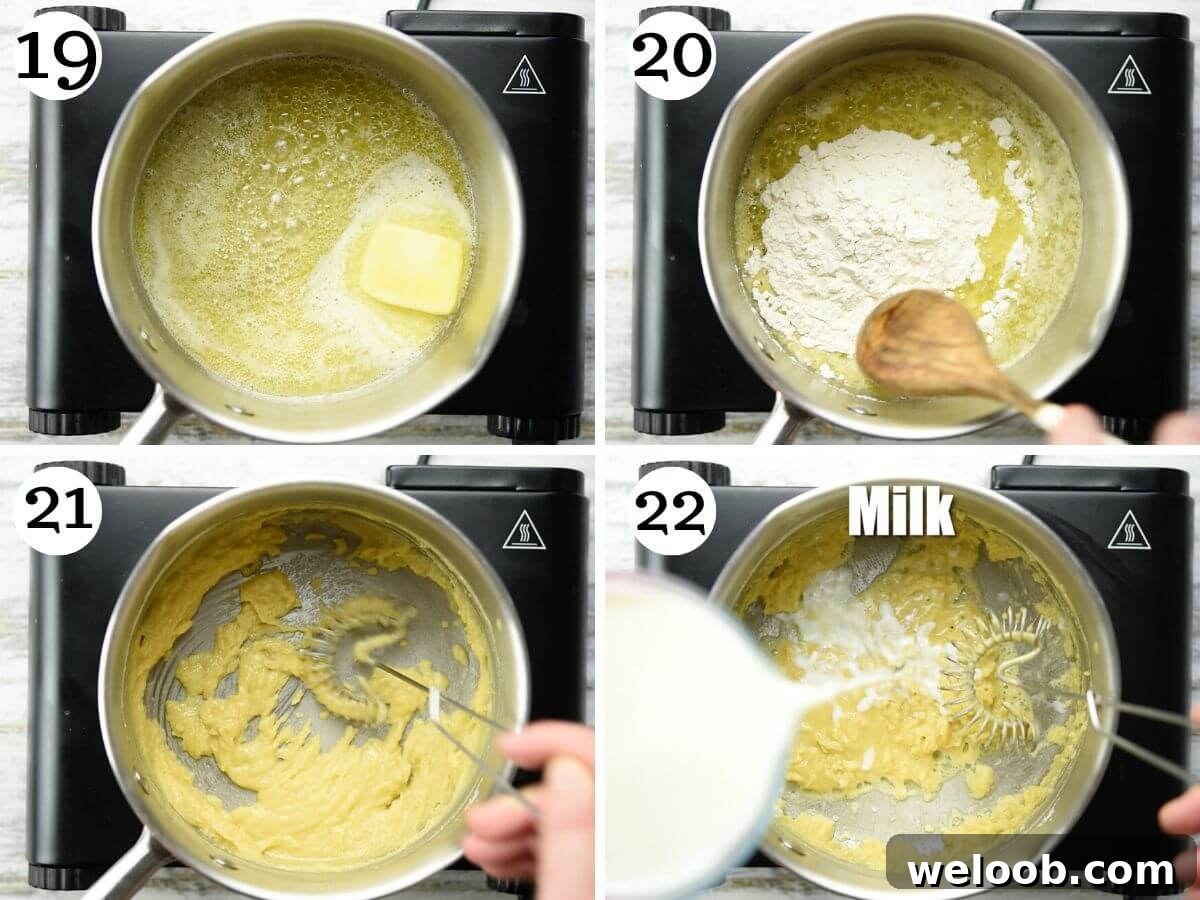
Melt butter in a saucepan, add the flour and whisk to a paste. Cook for about 1 minute, then whisk in the milk in stages, allowing the mixture to thicken between additions. Season with nutmeg, salt and pepper and cook until the sauce coats the back of a spoon. Set aside; if it forms a skin, whisk vigorously before using.
Prepare the pasta (when ready to bake)
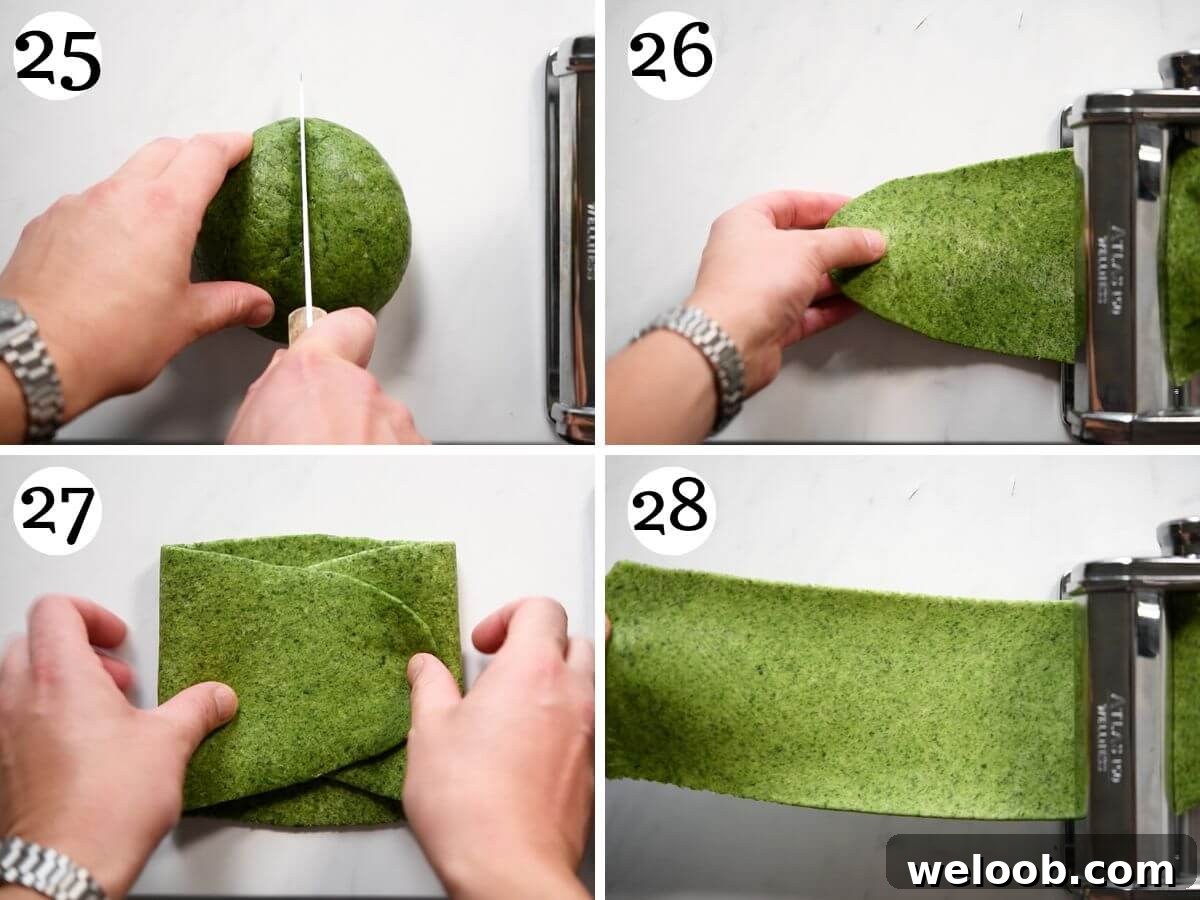
Remove the dough from the fridge 30 minutes before rolling. Bring a large pot of salted water to a boil. Using a pasta machine on the widest setting, roll each portion several times, folding and re-rolling to develop structure, then progressively reduce the thickness until near the final setting. Dust lightly with flour if the dough is sticky.
Cut sheets to fit your lasagna dish. Blanch 2–3 sheets at a time in boiling water for about 1 minute, transfer to a clean towel and let them dry for a few seconds before layering.
Assemble and bake the lasagna
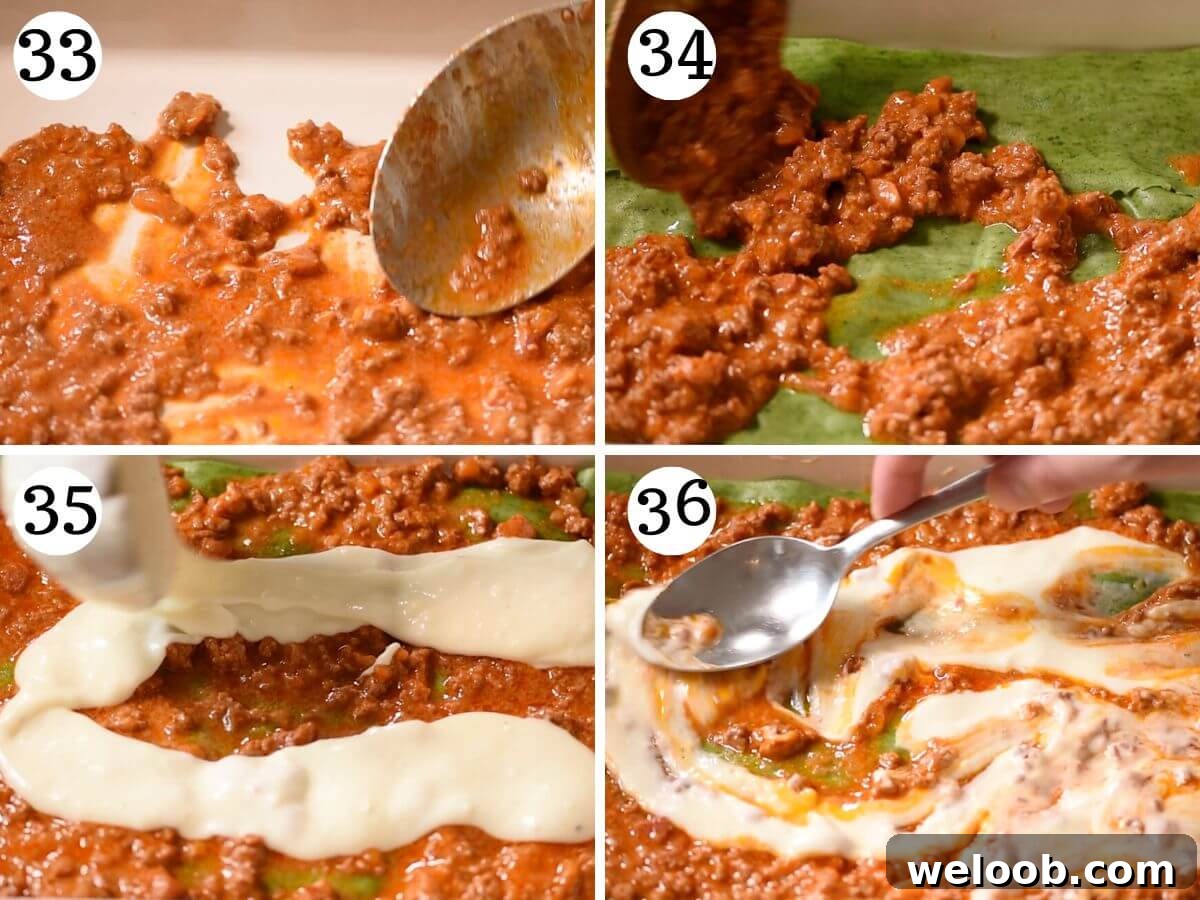
Preheat the oven to 200°C (400°F). Spread a thin spoonful of ragu on the base of the dish to prevent sticking. Lay a layer of blanched pasta sheets, spread a generous spoonful of ragu, a ladle of bechamel and grate Parmigiano Reggiano. Repeat until ingredients are used, finishing with ragu, bechamel and cheese. Aim for at least six pasta layers to ensure structure.
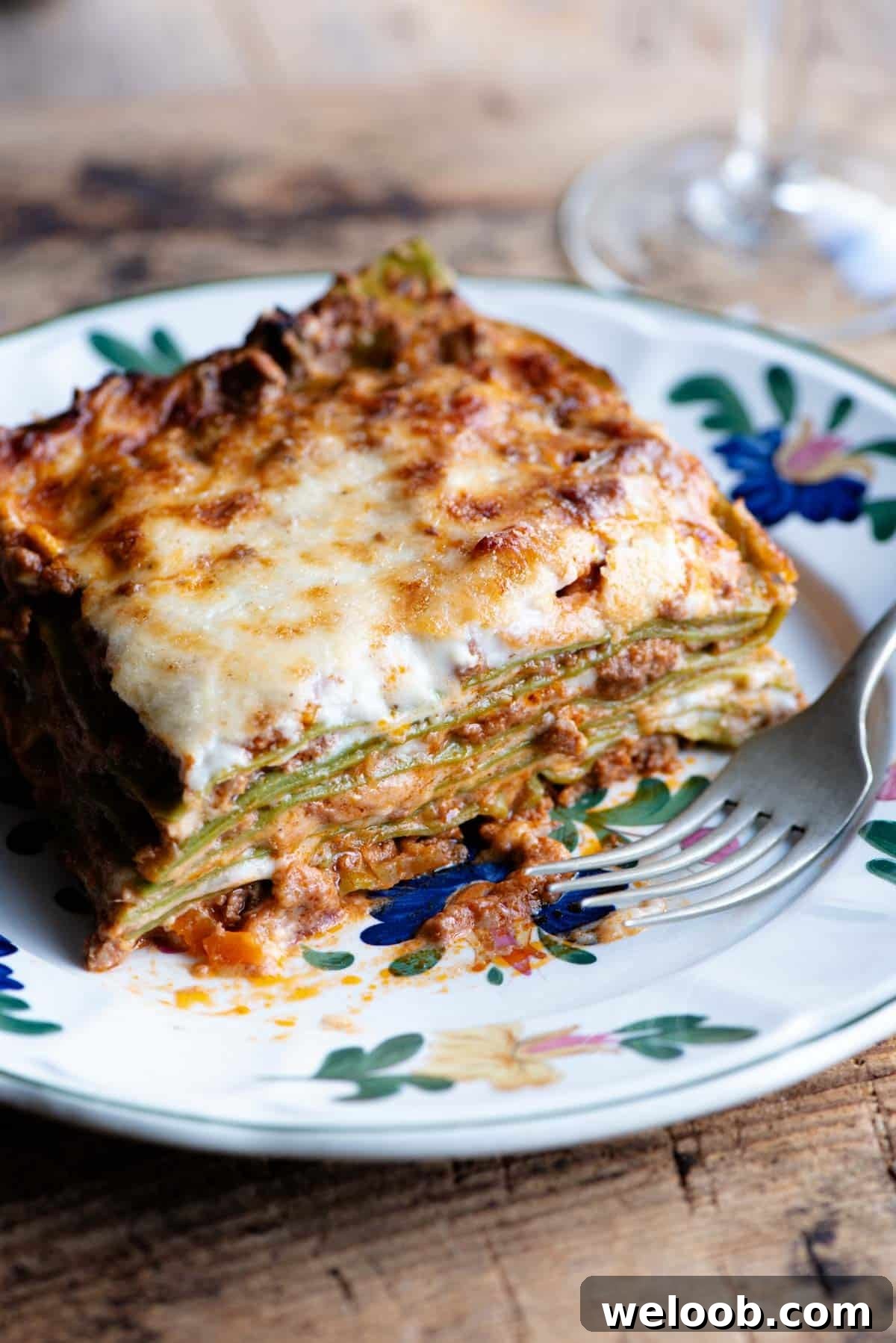
Bake for about 30 minutes or until golden on top. Let the lasagna rest for 10 minutes before slicing and serving.
Recipe tips
- Prep in advance – make the ragu and pasta dough the day before to save time and deepen flavours.
- Rolling – lightly dust pasta, surface and machine if dough is tacky, but use minimal flour.
- Par-boil homemade spinach pasta – blanching helps remove excess moisture so layers hold up during baking.
- Pasta layers – aim for at least six layers; too few layers leave too much filling between sheets and the lasagna may collapse when serving.
- Use a scale – weighing flour gives more consistent pasta results than cup measurements.
Recipe FAQs
Cooked lasagna keeps in the fridge for 2–3 days. Reheat in a preheated 200°C (400°F) oven until piping hot throughout.
Freeze before or after baking (recommended before) for up to 1 month in a freezer-proof dish or portions. Cook from frozen in a preheated 200°C (400°F) oven until thoroughly heated. Use foil trays when cooking from frozen—do not place frozen glass or ceramic dishes directly into the oven.
Lasagna Bolognese specifically uses ragu alla Bolognese (beef, pancetta, tomato and milk), plus bechamel, and traditionally no mozzarella. Other lasagnas can vary in meat, sauces and cheeses.
Serve generous slices with crusty bread or focaccia to mop up the sauce. Lasagna is typically a complete meal and needs no additional sides.
More delicious recipes to try

Mains
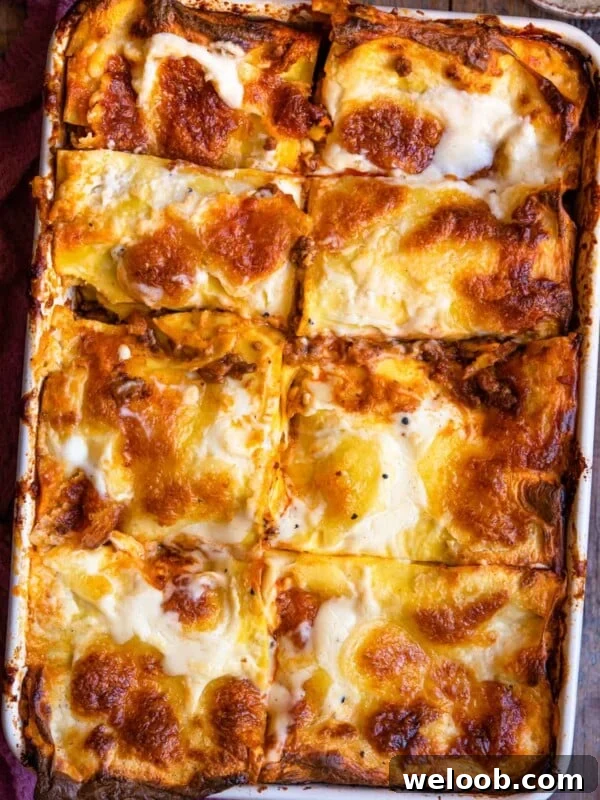
Eggplant Lasagna with Prosciutto and Mozzarella
Pasta
Lasagne al Forno (Italian Beef Lasagna)
Pasta
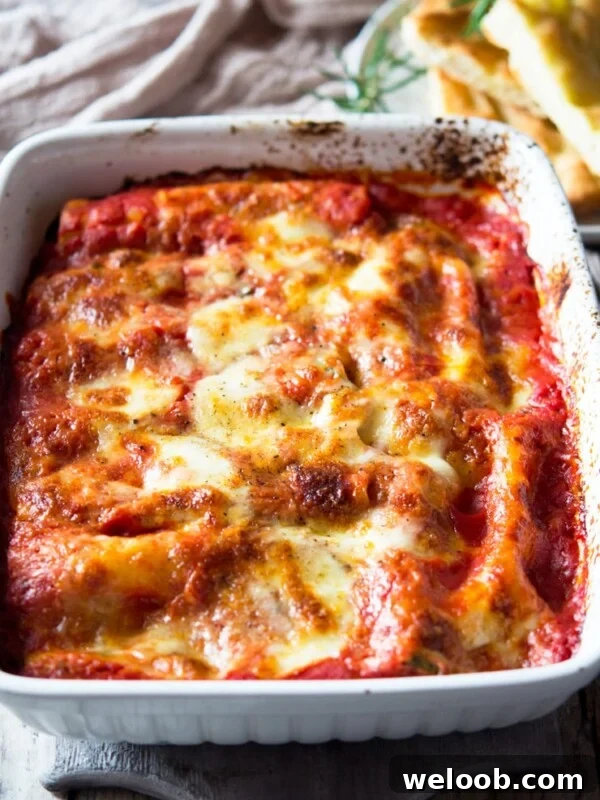
Spinach And Ricotta Cannelloni

Pasta
Butternut Squash Lasagna – Sage, Prosciutto & Goats Cheese
If you try this Lasagna Bolognese recipe or any others, please leave a rating or comment—feedback is appreciated.
Lasagna Bolognese (Lasagne alla Bolognese)
By Emily
Equipment
- 9 x 13 inch baking dish
- Pasta machine or rolling pin
- Clean kitchen towels (for drying homemade pasta)
Ingredients
Bolognese Ragu
- 1 large carrot
- 1 large celery stalk
- 1 large onion
- 2 lbs (1 kg) ground beef
- 7 oz (200 g) pancetta
- 1 cup (240 ml) chicken stock
- 1 cup (240 ml) white wine (or red)
- 2 cups (600 g) passata (tomato puree)
- 2 cups (480 ml) whole milk
- 1 tablespoon olive oil
Spinach Pasta (optional)
- 7 oz (200 g) fresh spinach
- 2 cups plus 2 tablespoons (300 g) Italian 00 flour
- 2 medium eggs
- 1 egg yolk
Bechamel Sauce
- 5 tablespoons unsalted butter (70 g)
- 5 tablespoons flour (70 g)
- 4 cups whole milk (1 litre)
- 1/4 teaspoon nutmeg
- Salt and pepper
- Parmigiano Reggiano, as needed
Instructions
To make the Bolognese Ragu (recommended the day before)
- Finely chop vegetables and dice pancetta.
- Sauté vegetables and pancetta in olive oil until softened but not browned.
- Add beef and brown, then add wine and reduce briefly.
- Stir in passata and stock, cover and simmer 2 hours.
- Uncover, add milk and simmer a further 2 hours. Season to taste.
- Cool and refrigerate if making ahead.
To make the spinach pasta (recommended the day before)
- Blanch spinach 30–60 seconds, cool, and squeeze out excess water.
- Blend spinach with eggs to a smooth puree.
- Make a well in the flour, add puree and incorporate. Knead until smooth. Wrap and chill; rest 30 minutes before rolling.
Make the bechamel sauce
- Melt butter, add flour and cook briefly. Whisk in milk in stages until thick. Season with nutmeg, salt and pepper. Set aside.
Prepare and assemble
- Bring a large pot of salted water to a boil. Roll out pasta and cut sheets to fit the dish. Blanch sheets 1 minute, drain and towel-dry briefly.
- Preheat oven to 200°C (400°F). Spread a thin layer of ragu on the base, then layer pasta, ragu, bechamel and grated Parmigiano. Repeat, finishing with ragu, bechamel and cheese.
- Bake about 30 minutes until golden. Rest 10 minutes before serving.
Notes
- If short on time, use store-bought fresh lasagna sheets (refrigerated fresh sheets do not need blanching).
- Spinach pasta contains more moisture, so par-boiling helps keep the lasagna from becoming too soft.
- Cooked lasagna keeps 2–3 days in the fridge and reheats well. Freeze up to 1 month.
Nutrition
Calories: 849 kcal | Carbohydrates: 51 g | Protein: 39 g | Fat: 52 g (approximate)