
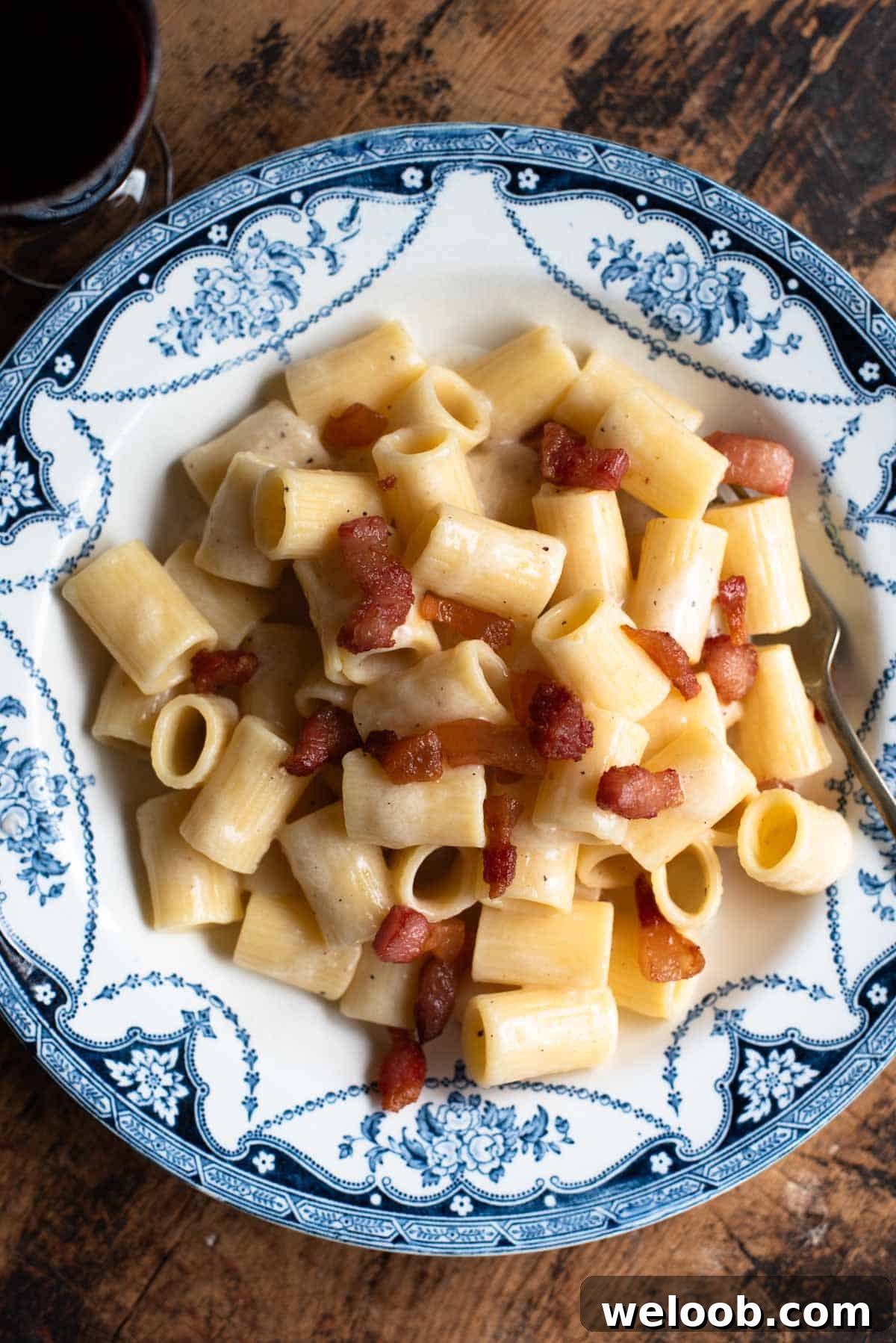
Pasta alla Gricia is an authentic Roman classic made with just four ingredients: pasta, crispy guanciale, salty Pecorino Romano and black pepper. Deeply savoury and surprisingly simple, this dish comes together in under 30 minutes and makes a perfect weeknight comfort meal.
Quick recipe overview
- Flavour – Rich and savoury: salty guanciale, tangy Pecorino and plenty of black pepper.
- Traditional dish – A classic of Rome, from the Lazio region.
- Perfect for – A fast, comforting dinner ready in under 30 minutes.
Pasta alla Gricia sits among Rome’s most famous pasta dishes, alongside Carbonara, Cacio e Pepe and Amatriciana. It’s essentially Cacio e Pepe with guanciale added, or Carbonara without eggs. The bold, salty flavour is incredibly satisfying, and the recipe relies on just four high-quality ingredients. Notes on those ingredients follow.
Ingredient notes
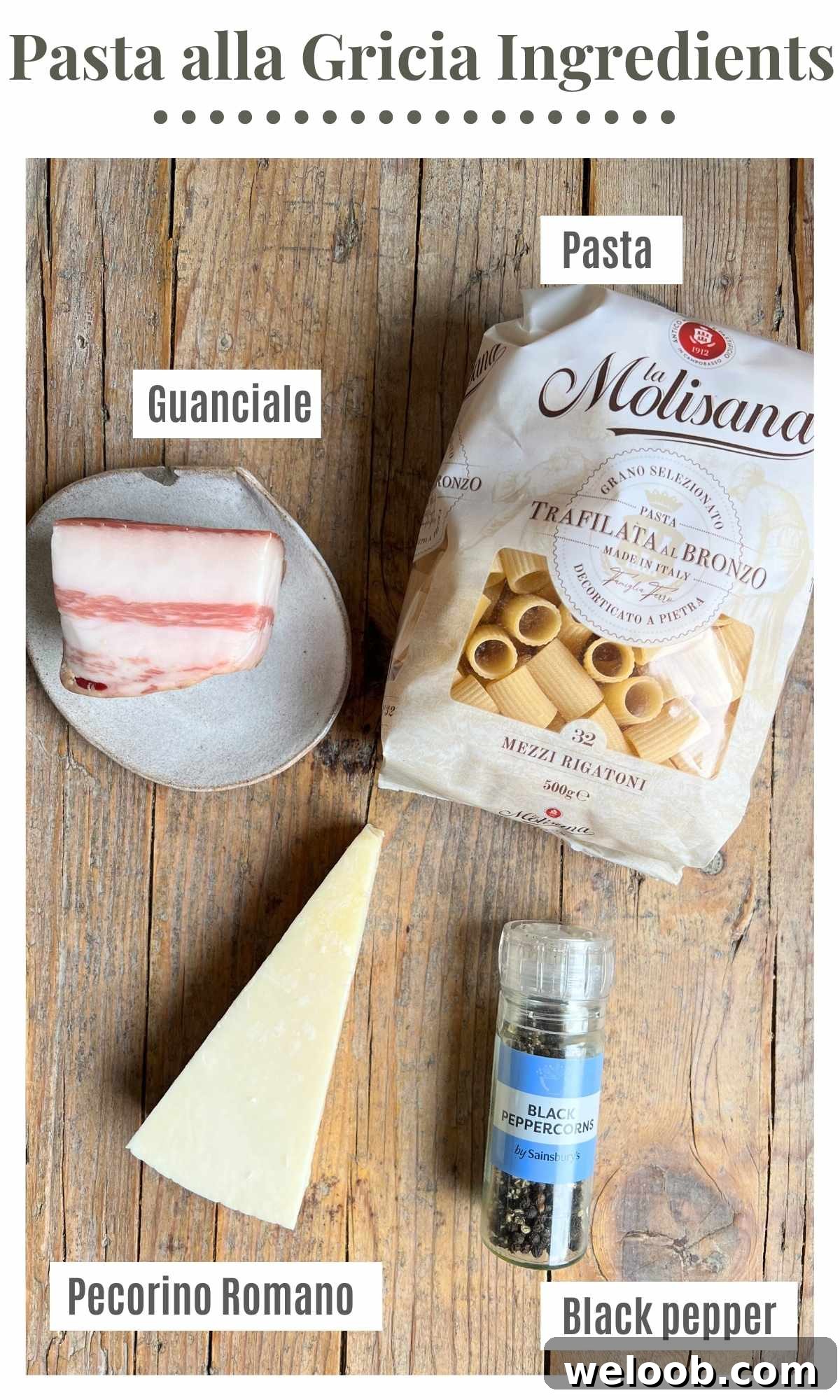
- Pasta – Common shapes are spaghetti, rigatoni or mezze maniche (used here). Most dry pasta shapes work well; aim for something that holds the sauce.
- Guanciale –Essential for an authentic Gricia. Its rendered fat is the backbone of the sauce. If you can’t find guanciale, high-quality pancetta is an acceptable substitute, though the flavour will be milder.
- Pecorino Romano –Use Pecorino Romano DOP for best results. Grate it finely so it combines smoothly with the hot pasta water.
- Black pepper – Use a generous amount and adjust to taste; freshly cracked pepper gives the best aroma and bite.
Where does pasta alla Gricia get its name?
There are several theories about the origin of the name “gricia.” One links it to the old Romanesco term “gricio” or “grici,” referring to vendors who sold basic foods; the dish would have been made from staple items available at a local gricio. Another theory suggests the name comes from the greyish tone (grigio in Italian) that appears when guanciale, pepper and cheese are combined. A third possibility is that the dish originated in Grisciano, a town in Lazio, and took its name from there.
Top tips and recipe FAQs
- Read the recipe first –This is a quick dish, so have each step in mind before you start to avoid overcooking or missed timing.
- Undercook the pasta – Follow the packet timing but stop 2 minutes early. Finish cooking in the pan so the pasta releases starch and helps form a silky sauce.
- Reserve guanciale fat and pasta water –Keep about 2 tablespoons of rendered guanciale fat in the pan and save extra fat in a bowl if needed. Reserve pasta water rather than draining every drop; it’s essential for emulsifying the cheese into a smooth sauce.
- Keep stirring –Turn the heat off before adding the cheese paste, then stir vigorously until the sauce is creamy. If small clumps form, briefly return to very low heat while stirring, but avoid overheating to prevent splitting.
The main difference is egg: Carbonara contains beaten egg, while Gricia has no egg. Other ingredients are otherwise similar.
No. The sauce is best made and eaten immediately because the cheese can solidify and clump. You can grate the cheese ahead of time, but combine it with pasta only just before serving.
Parmigiano Reggiano will change the flavour profile. Some cooks use it, but Pecorino Romano is traditional and gives the characteristic sharp, salty taste of Gricia.
More quick and easy classic Italian pasta recipes
Pasta
Spaghetti alla Carbonara (Authentic Recipe!)
Fresh Pasta
Pici, Cacio e Pepe (Authentic Recipe)
Pasta
Bucatini all’Amatriciana
Classic Italian Recipes
Pasta With Puttanesca Sauce (Spaghetti Alla Puttanesca)
If you try this Pasta alla Gricia, please leave a comment to share how it turned out. I love hearing from readers. You can also follow the author on social media to see more recipes and updates.
Step By Step Photos Above
Most recipes include step-by-step photos, tips for perfect results and sometimes video.
Roman Pasta alla Gricia
By Emily
Ingredients
- 14 oz Pasta (mezze maniche or spaghetti) (400g)
- 4 oz Guanciale (120g)
- 6 oz Pecorino Romano, finely grated (170g)
- Black pepper, to taste
Instructions
-
Bring a large pot of water to a boil and salt it well.
-
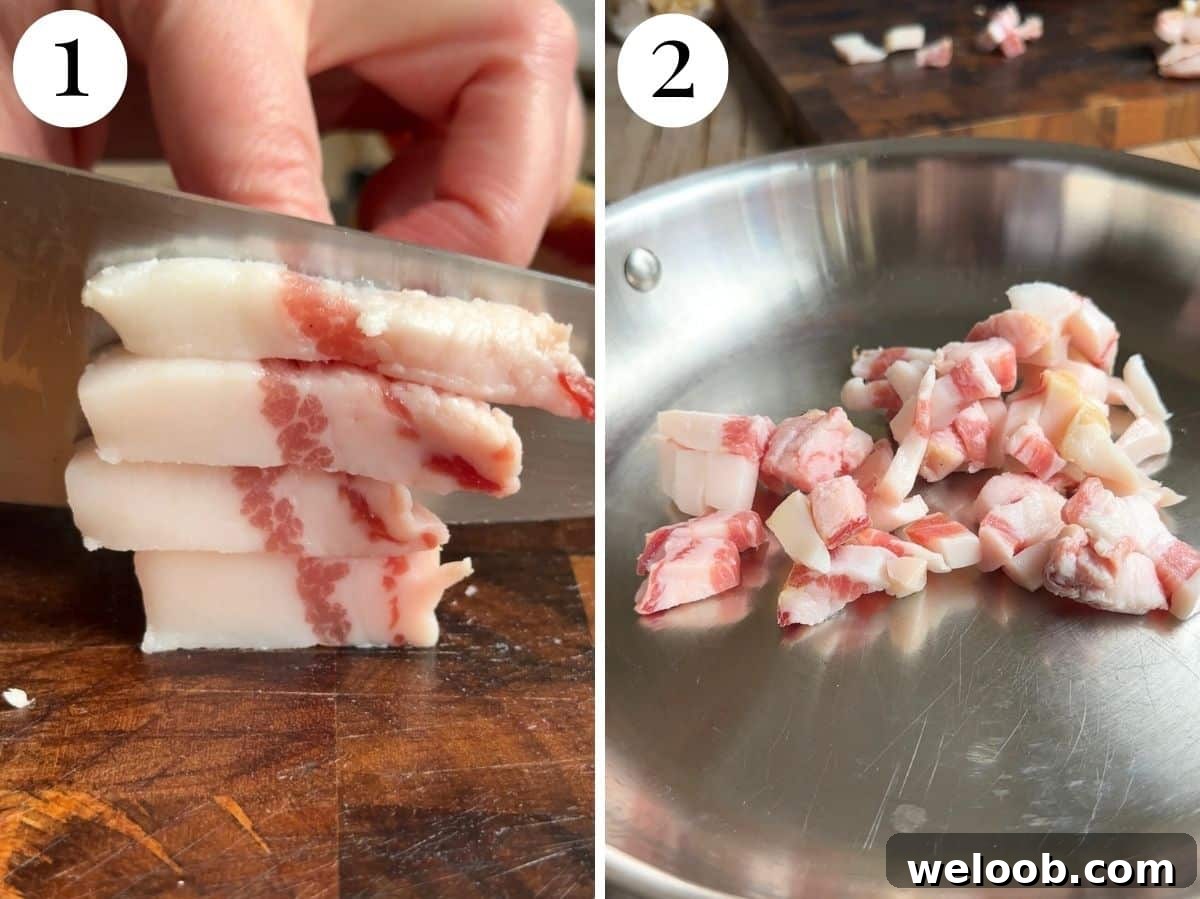
Trim the thick skin from the guanciale and slice into medium strips.

-
Heat a large pan over low-medium heat and add the guanciale. Fry until golden and crisp, then remove with a slotted spoon and set aside. Leave about 2 tablespoons of fat in the pan and transfer excess fat to a bowl. Turn the pan off.
-
Add the pasta to the boiling water and cook 2 minutes less than the packet instructions.
-
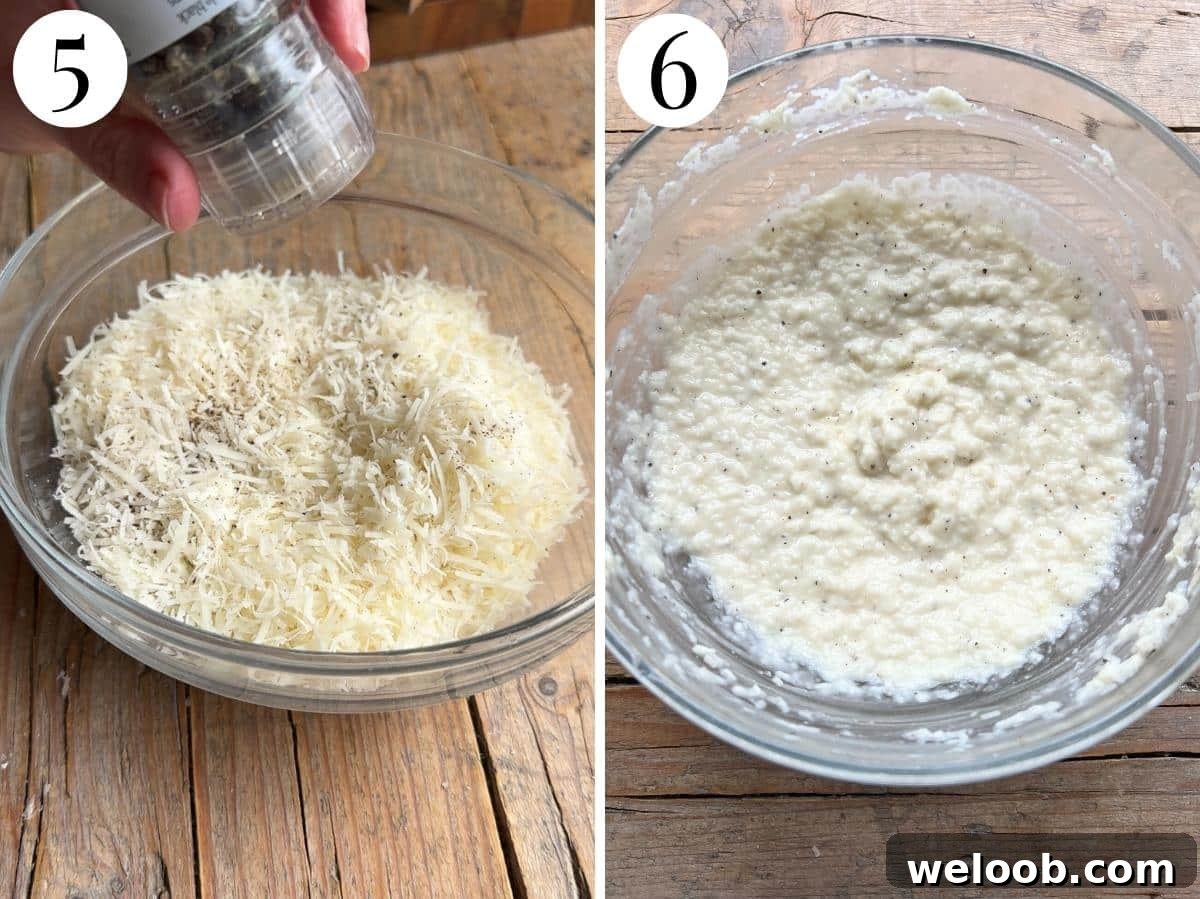
Finely grate the Pecorino into a bowl and add plenty of black pepper. Add a little reserved pasta water and whisk until a thick paste forms; set aside.
-
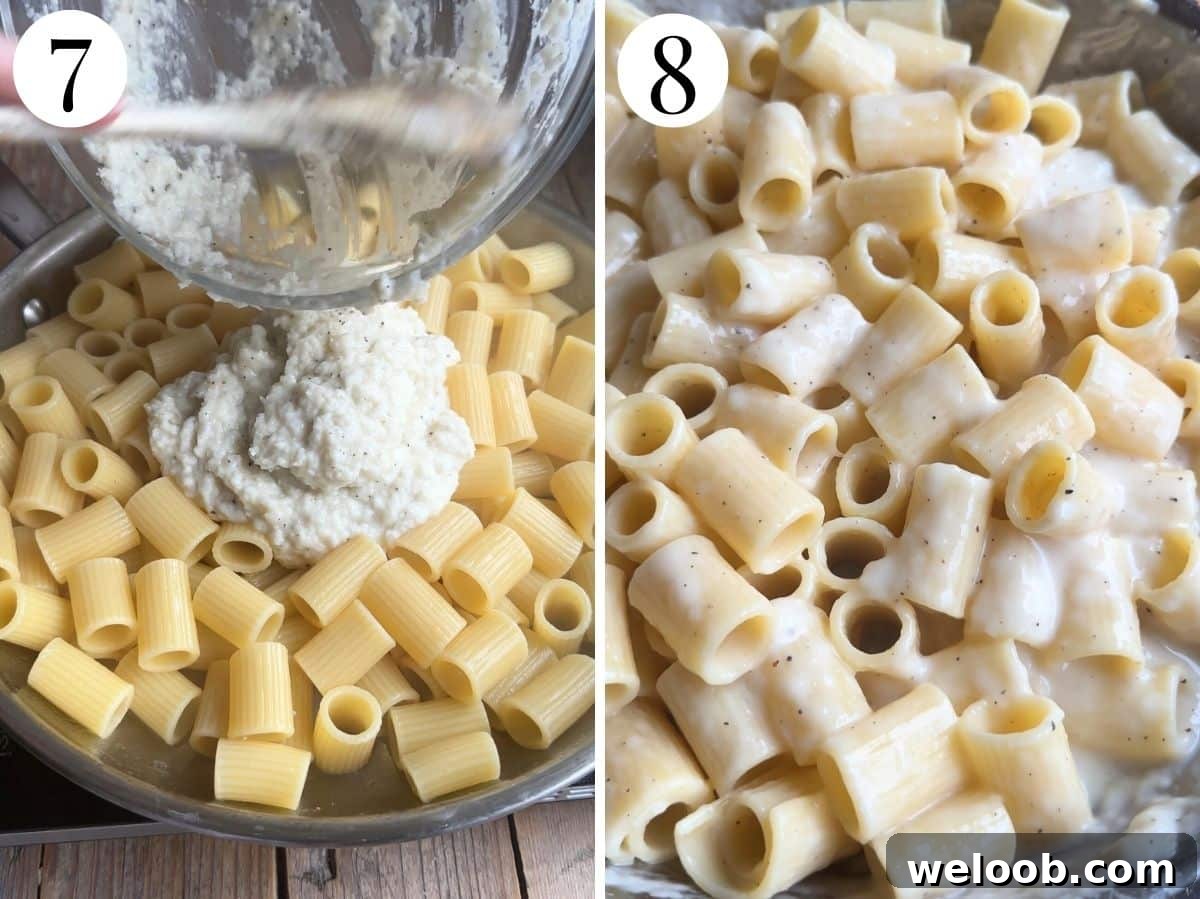
When the pasta is al dente, transfer it to the pan with the guanciale fat and turn the heat to medium. Add about 1/2 cup (125ml) pasta water and stir for 2–3 minutes until the water thickens slightly and coats the pasta.
-
Turn the heat off and add the Pecorino paste. Stir vigorously until the sauce is creamy and emulsified, tossing the pasta in the pan to help it come together. If needed, briefly warm on very low heat while stirring to finish.
-
Serve immediately in bowls and top with the crispy guanciale.
Notes
- Cheese –Use Pecorino Romano DOP and grate it finely for a feathery texture; about 200g/7oz equals roughly 3 1/4 cups grated.
- Make ahead/leftovers –Best eaten immediately. Aside from grating the cheese in advance, the dish doesn’t store or reheat well because the sauce can clump.
Helpful Info for All Recipes
- Extra virgin olive oil is used unless otherwise stated.
- When using canned tomatoes, choose quality brands for the best flavour.
- All vegetables are medium sized unless noted.
- Recipes are tested using a fan (convection) oven unless stated otherwise.
- Nutrition is automatically calculated and should be used as an approximation.
Nutrition
Nutrition information is an approximation.