
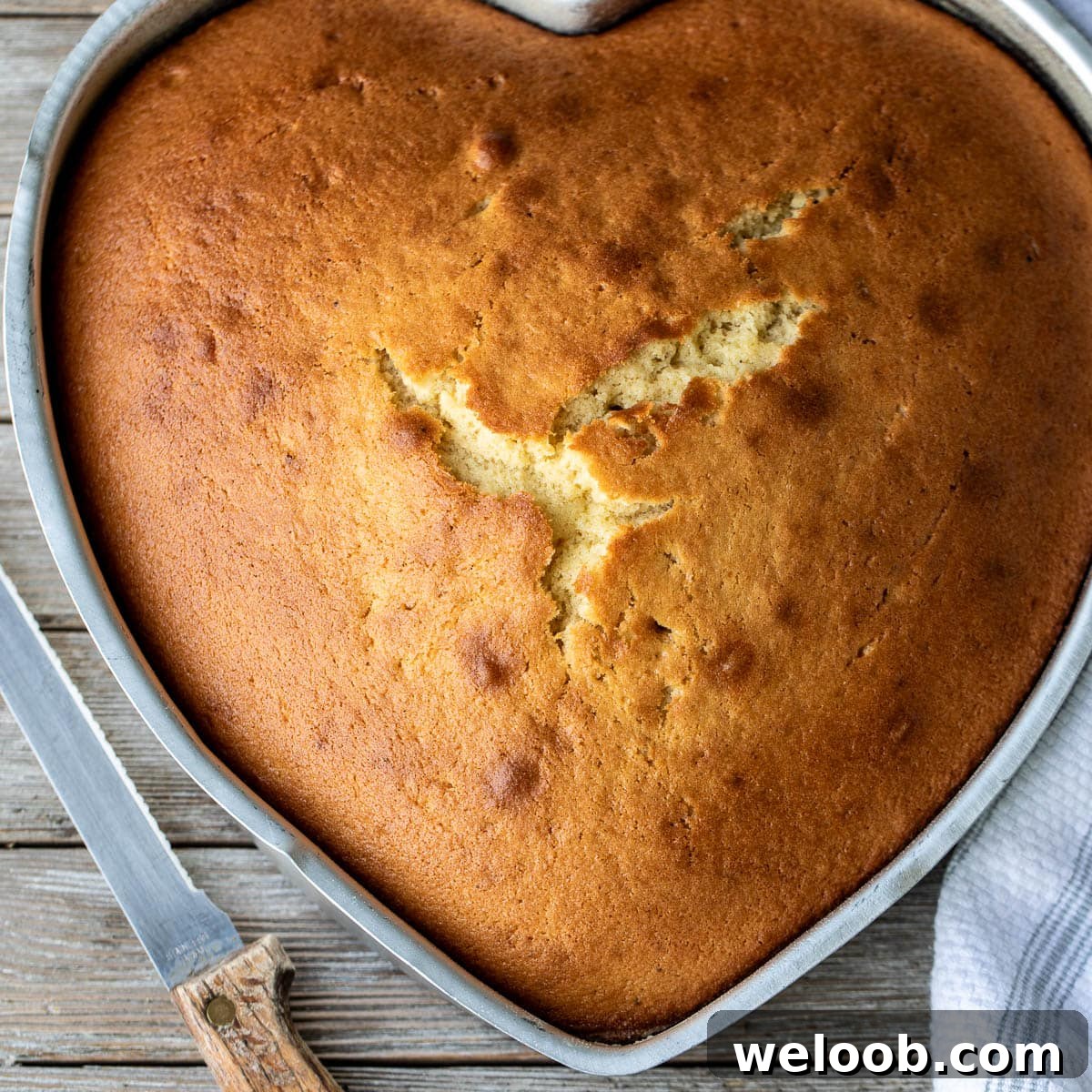
Here is a reliable, classic Plain Cake Recipe that’s perfect for breakfast, brunch, an afternoon snack, or a simple dessert. Many home bakers have tried this recipe and had great results — it’s truly fool‑proof.
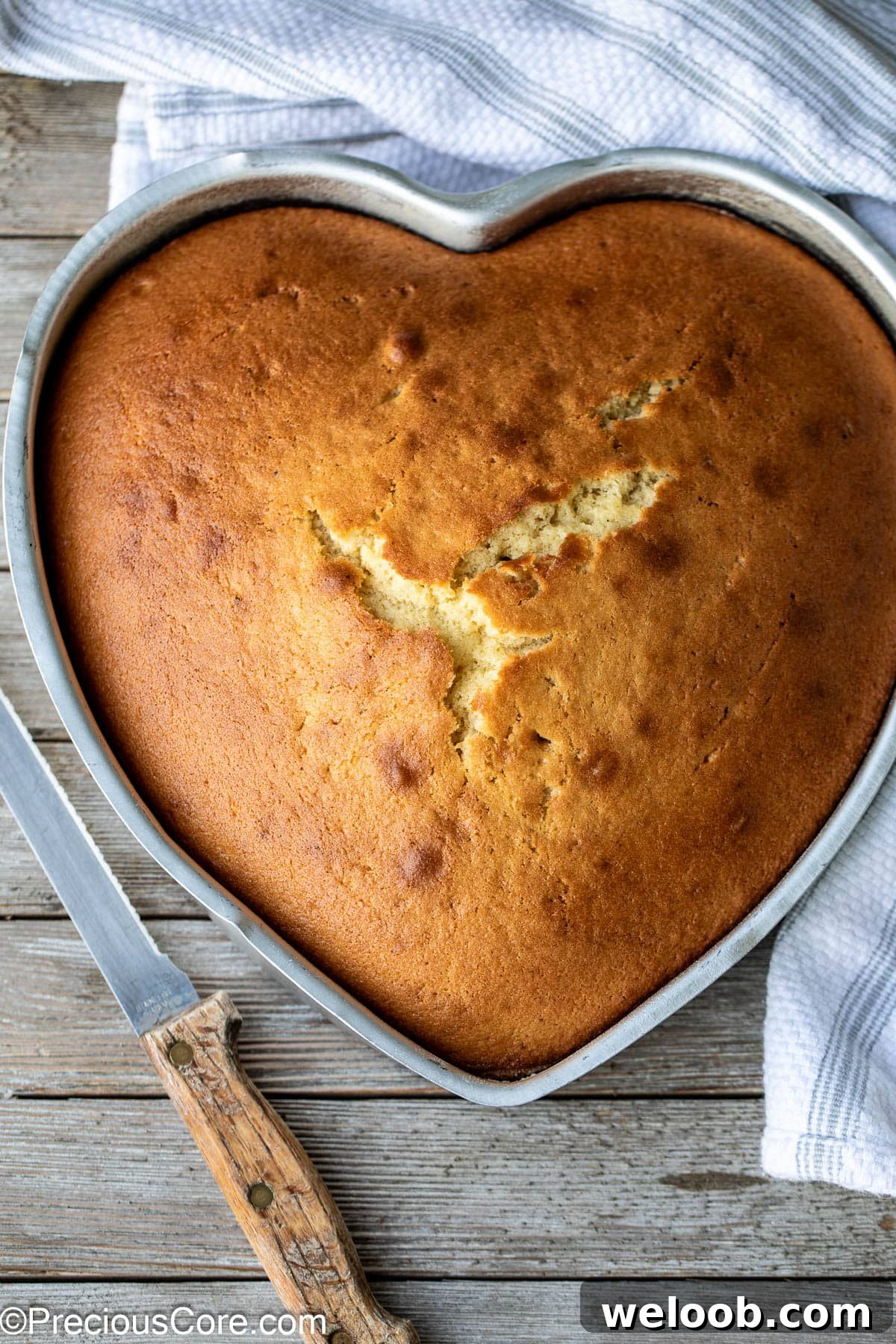
This was the first cake I learned to bake, taught to me by my food and nutrition teacher. Over the years I’ve experimented with many variations — coconut, carrot, apple, pumpkin — but today I’m returning to the basics: the plain cake that started it all. You can bake it with or without a conventional oven.
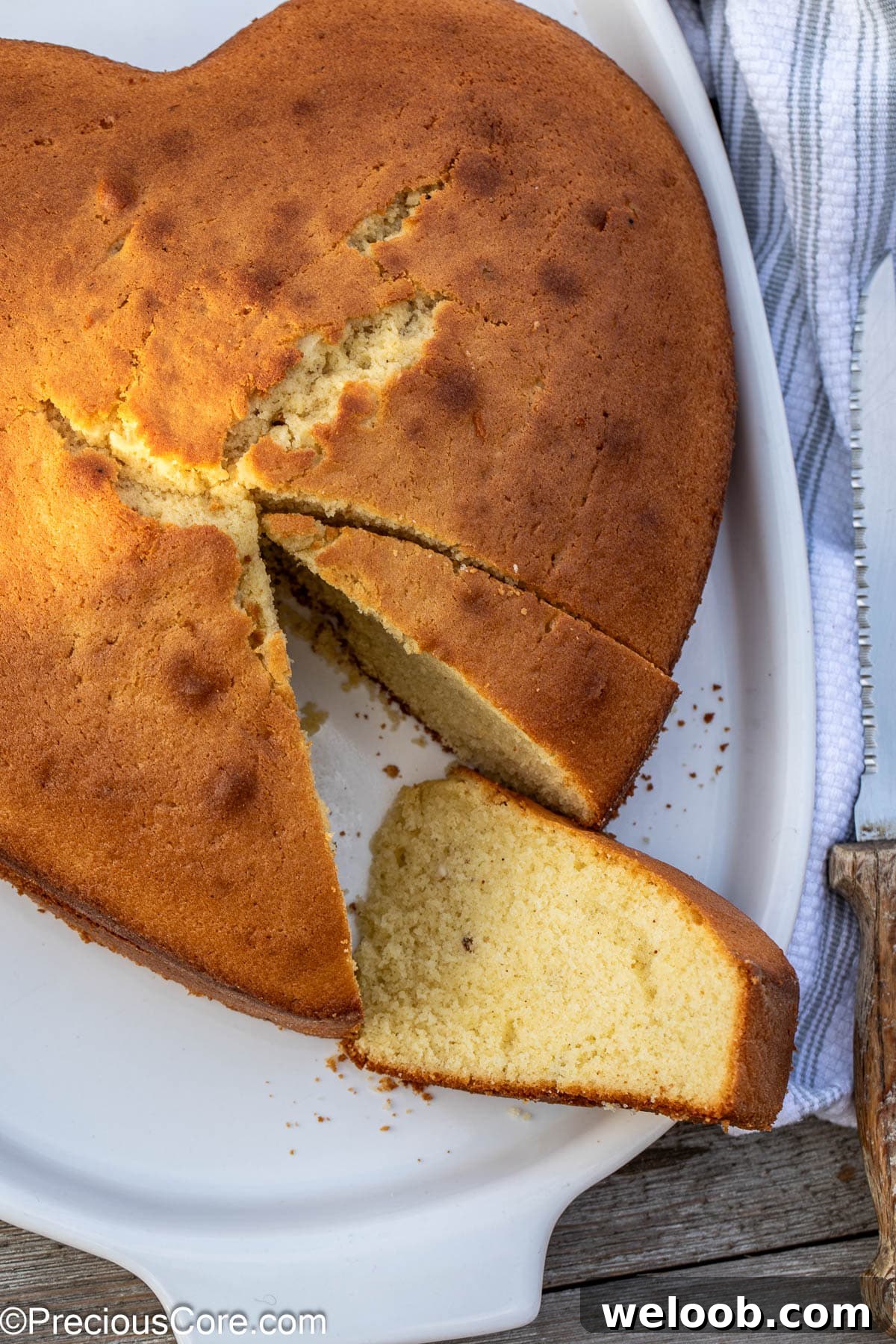
When I was younger we sometimes used a large pot filled with hot sand over a three‑stone hearth as a makeshift oven. I’d mix my batter, bake the cake, and the whole household — and often the neighbors — would clamour for a slice. Leftovers were wrapped and hidden for my dad after his evening meal or saved for guests.
Those are fond memories, and this simple recipe brings them back. Below you’ll find the reasons this recipe works, the ingredients and equipment, step‑by‑step instructions, helpful substitutions, and tips to get a great bake every time.
Table of Contents
- Why This Recipe Works
- Ingredients Needed
- Watch How To Make A Plain Cake
- How To Make A Plain Cake
- Substitutions and Variations
- Expert Tips For Plain Cake
- Recipe Frequently Asked Questions
- Similar Recipes
- Plain Cake Recipe Card
Why This Recipe Works
- Balanced sweetness: The cake is gently sweet and slightly airy — pleasant without being overpowering.
- Versatile: Enjoy it with tea or coffee, serve it for breakfast or dessert, or use it as a base for layered cakes and frostings.
- Frosting optional: This cake is delicious on its own, but it also transforms easily into a frosted layer cake if you prefer.
Ingredients Needed
This straightforward vanilla‑style cake is forgiving and suitable for first‑time bakers. Use room‑temperature ingredients for the best texture.
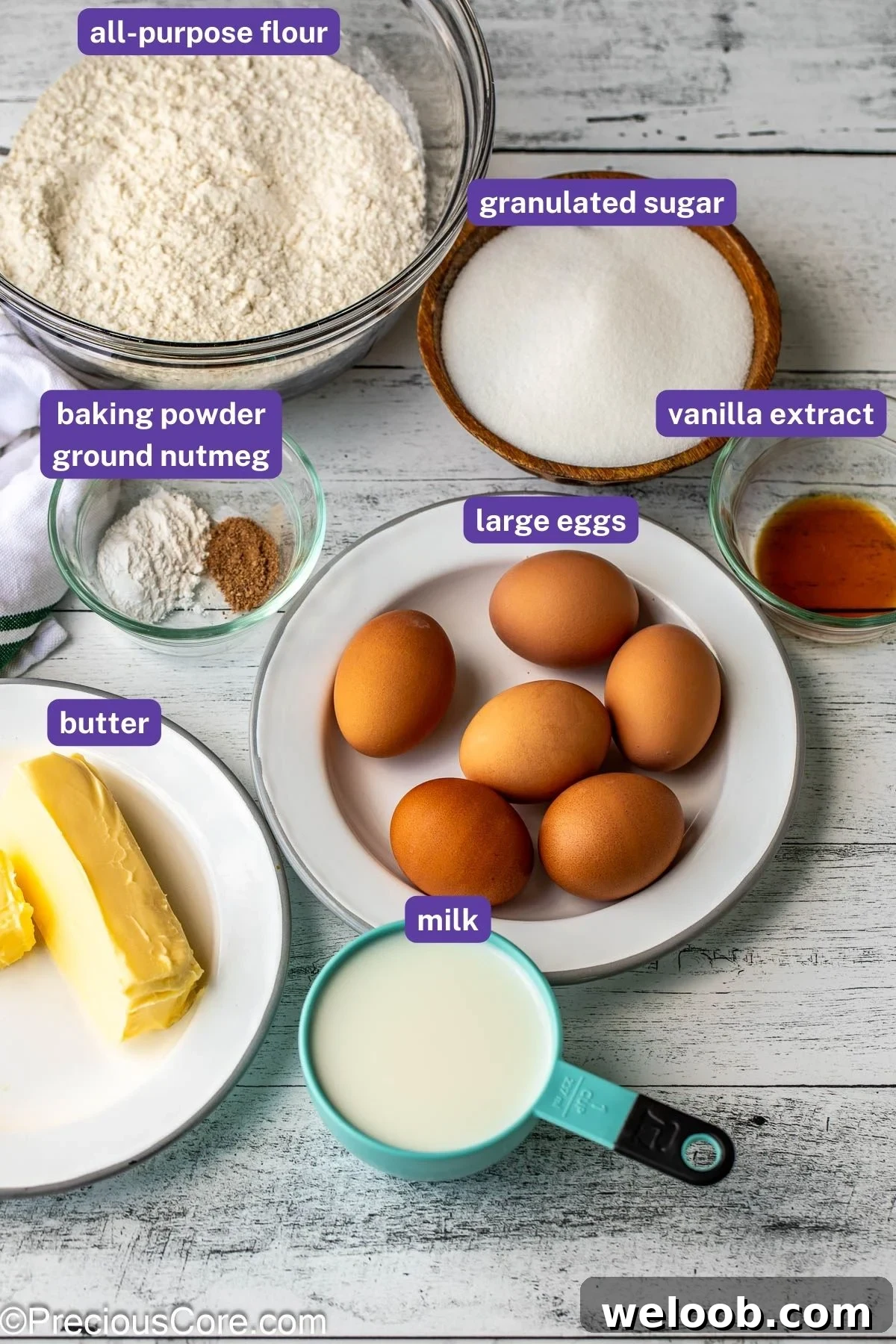
- Flour and sugar: All‑purpose flour and granulated sugar keep this recipe simple and reliable.
- Eggs: Six whole eggs add structure and help the cake hold together without crumbling.
- Milk: Milk keeps the cake moist; whole, 2%, or evaporated milk all work well.
- Butter or margarine: Softened butter or margarine gives a tender crumb. Make sure it’s soft enough to cream easily with the sugar.
- Baking powder: Fresh baking powder is essential for a proper rise.
See the recipe card below for the exact ingredient amounts and measurements.
Watch How To Make A Plain Cake
How To Make A Plain Cake
The method is the classic creaming technique: cream the fat and sugar, add the eggs, and then alternate dry and wet ingredients. Follow these steps:
- Cream the butter or margarine and sugar until light and fluffy. If using a stand mixer, medium to high speed works well.
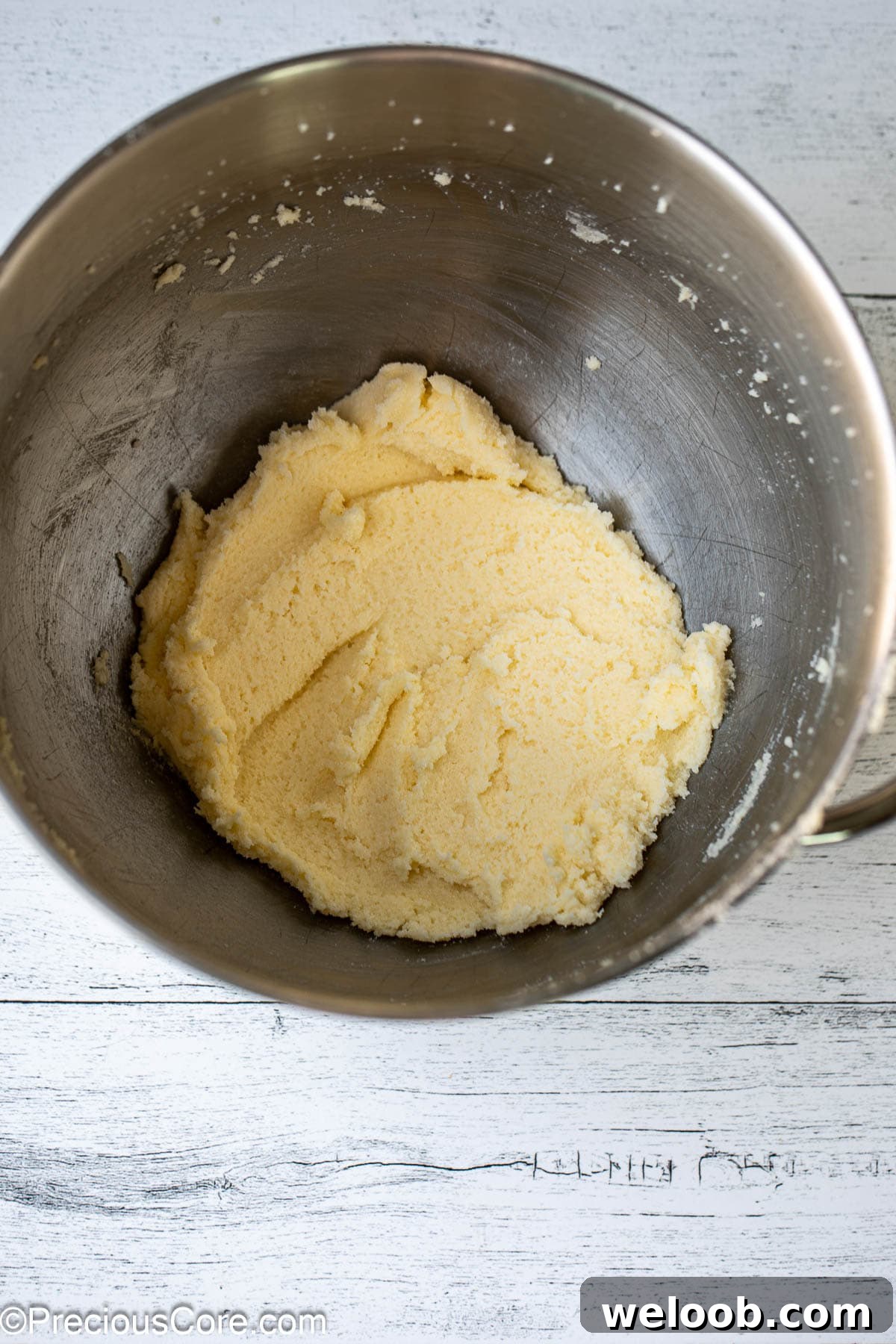
Mix by hand, with a hand mixer, or in a stand mixer — all are fine. Adjust speeds and times according to your equipment.
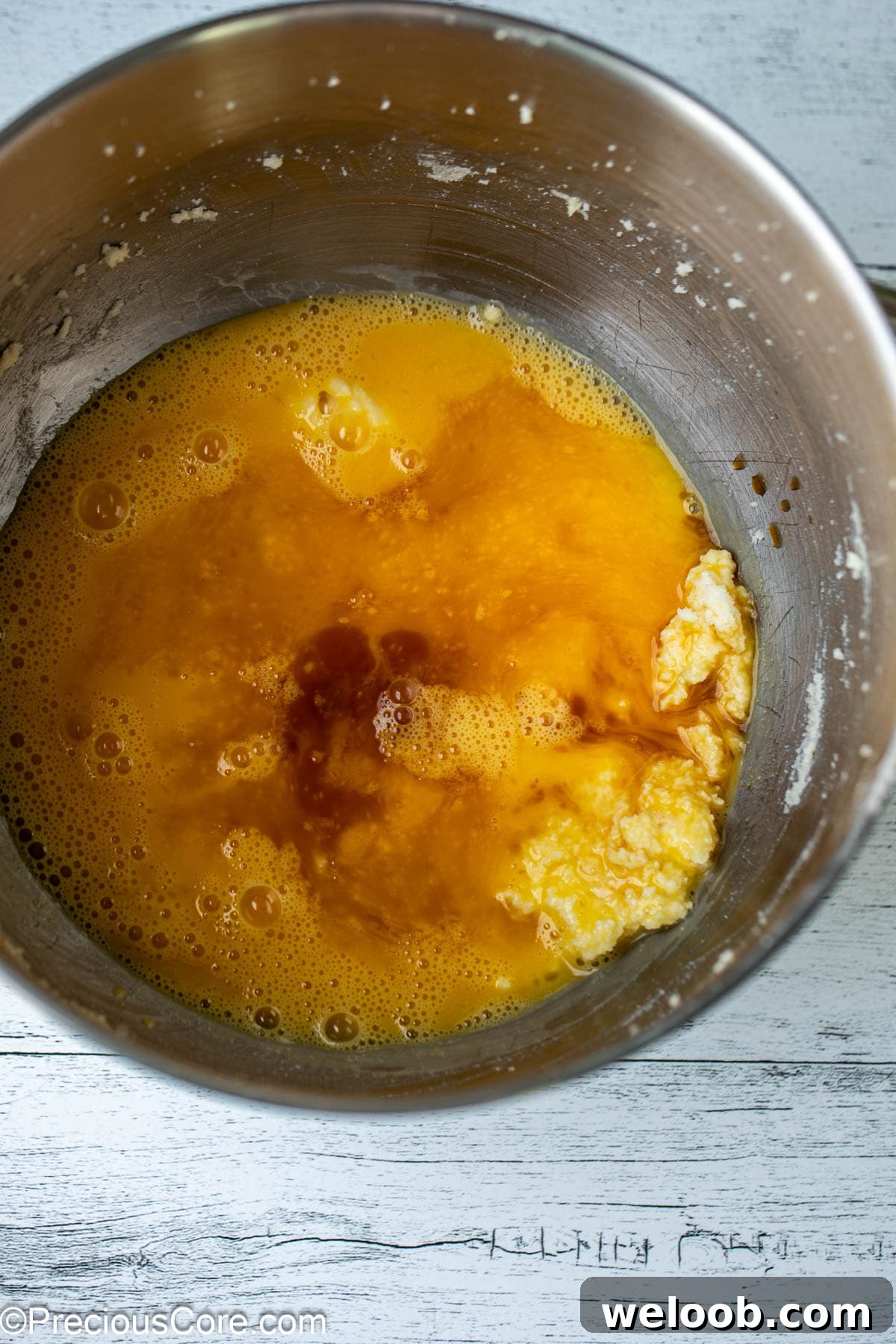
2. Add the eggs one at a time, mixing after each addition, then stir in the vanilla extract.
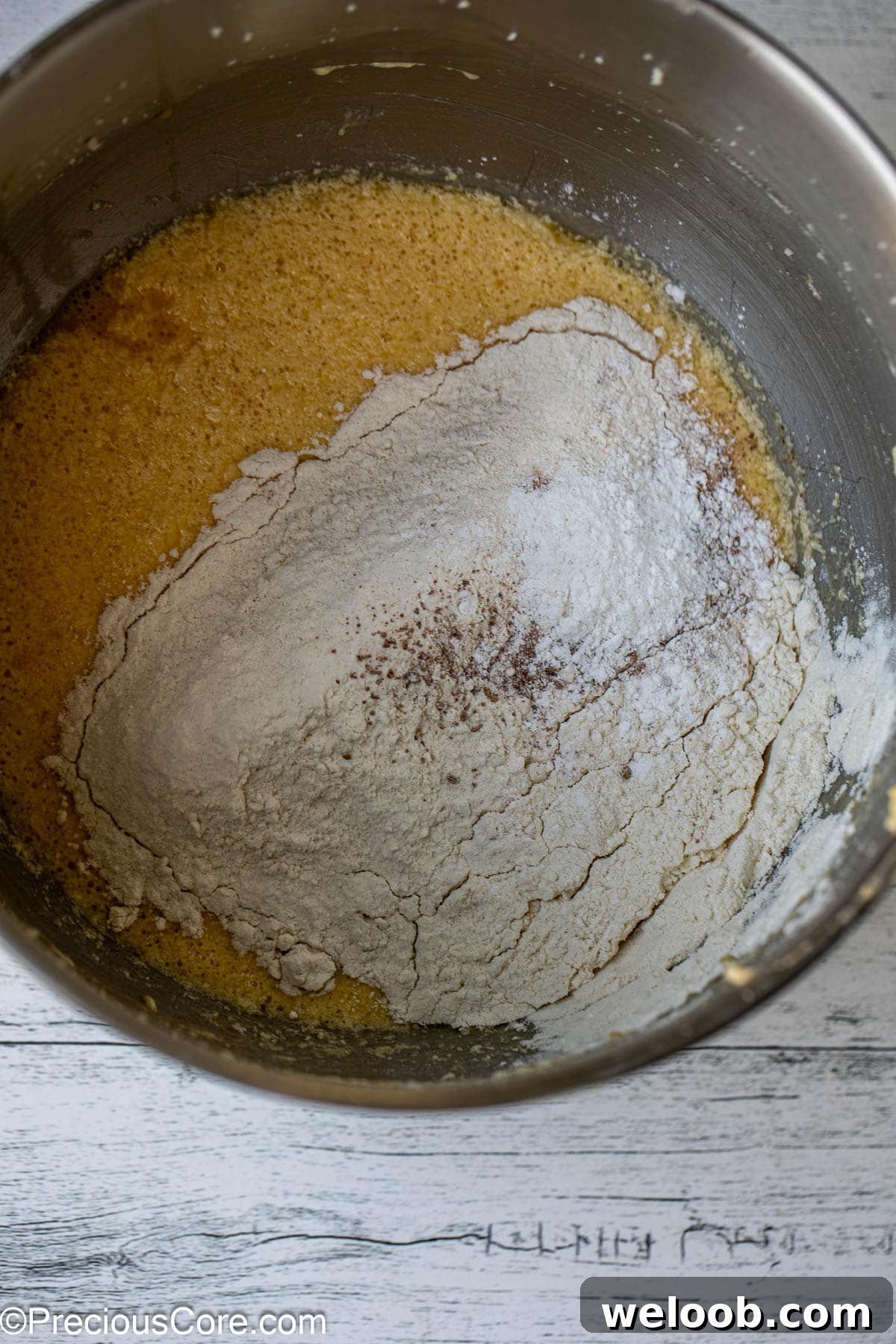
3. Add dry ingredients and spices: Stir in one‑third of the sifted flour along with the baking powder and nutmeg until combined.
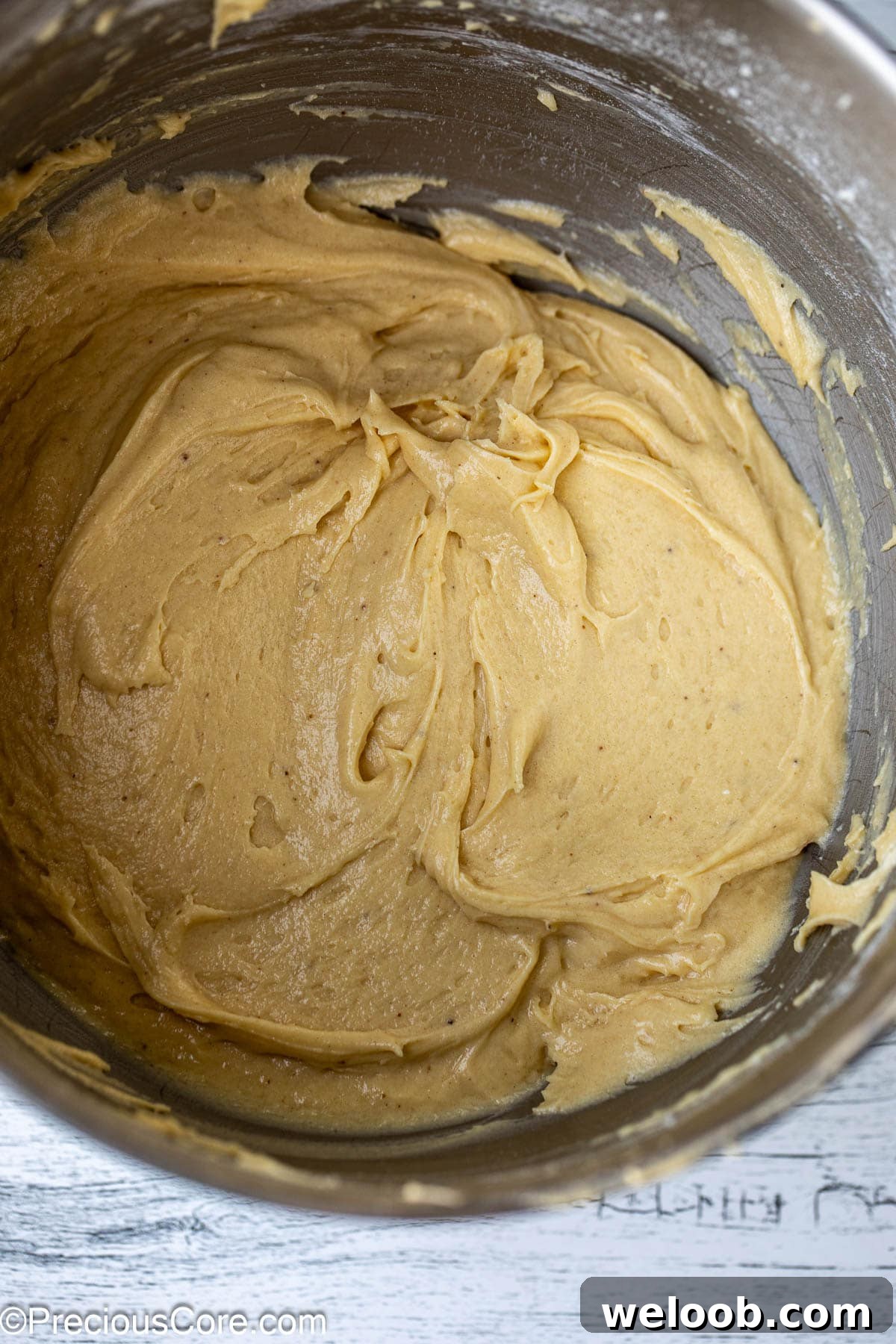
4. Alternate milk and flour: Add half the milk and mix, then half the remaining flour, then the rest of the milk, and finally the remaining flour. Mix just until incorporated.
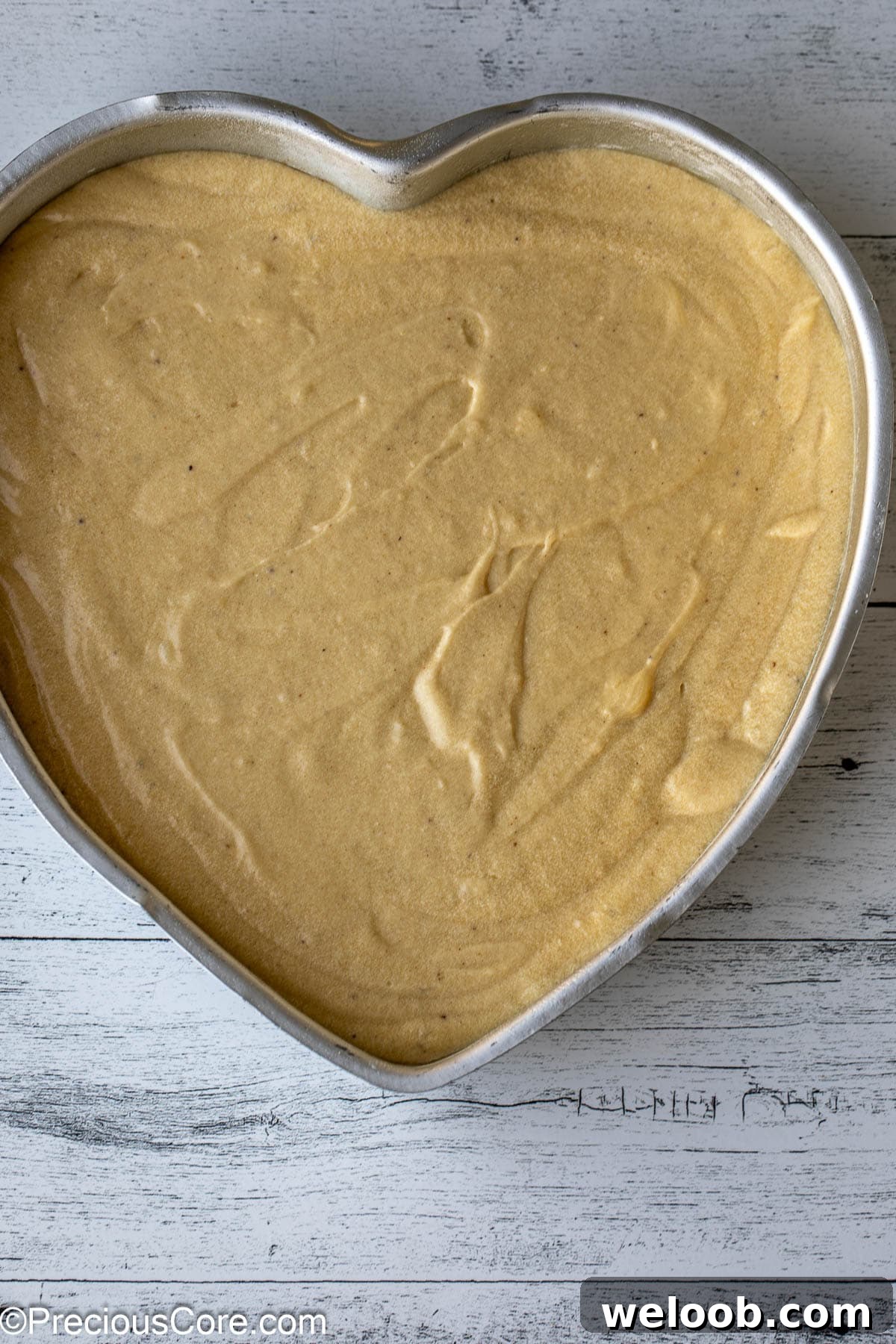
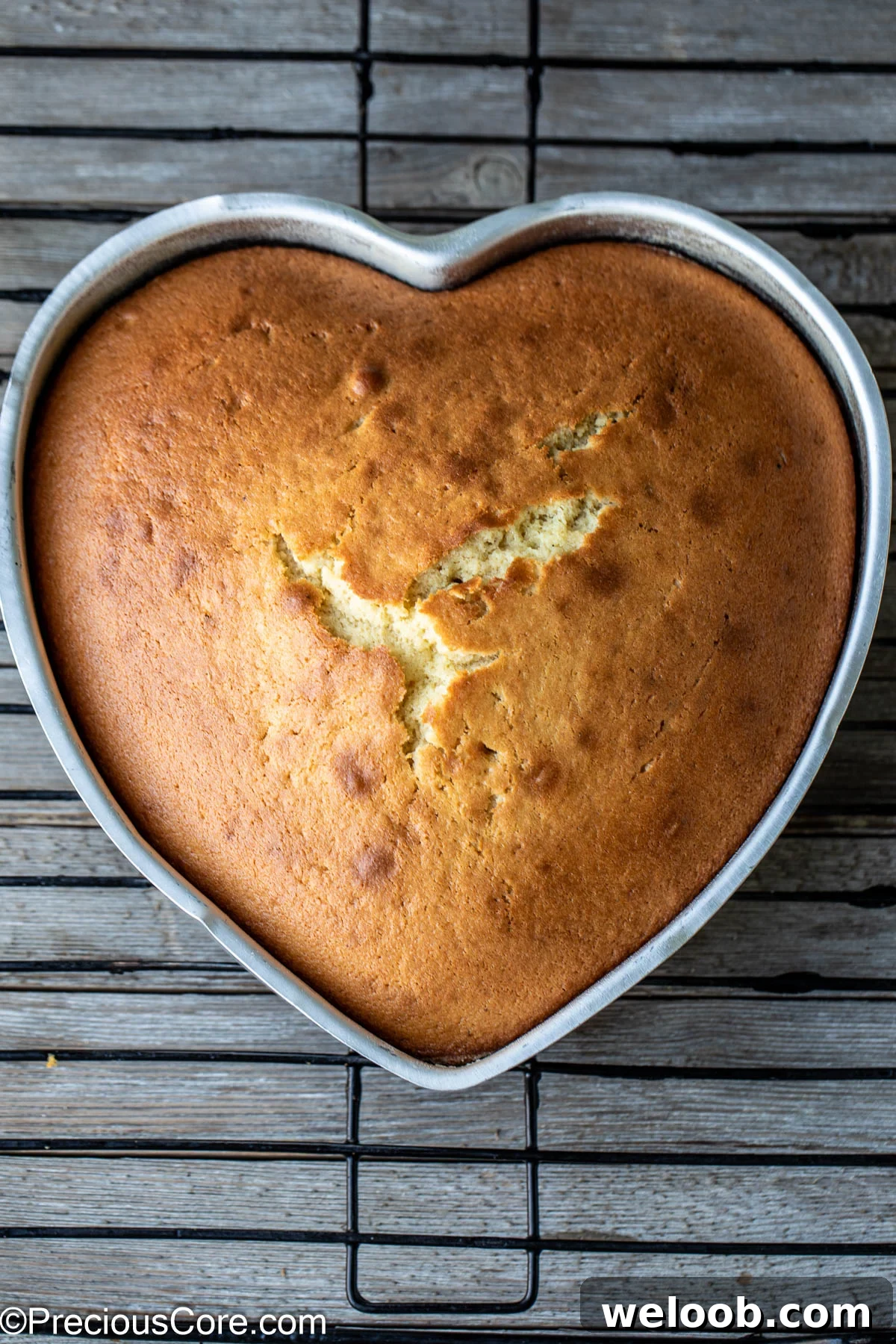
5. Bake: Pour batter into a greased and floured pan (or a pan lined with parchment), and bake until a toothpick inserted in the center comes out clean. Let the cake cool in the pan for 10 minutes, then transfer to a wire rack to cool completely.
Substitutions and Variations
- Spices: Add cinnamon, cloves, or ginger for a spicier profile.
- Flavour extracts: Swap vanilla for lemon, almond, maple, or coconut extract for a different twist.
- Milk options: Plant‑based milks like almond milk work, though they slightly change the cake’s flavor.
I recommend sticking with all‑purpose flour for this recipe rather than cake flour for the most consistent result.
Expert Tips For Plain Cake
- Adjust baking time when using different pan sizes: larger pans yield a shorter cake that bakes faster; smaller, deeper pans take longer.
- If using a smaller pan, consider lowering the oven temperature slightly and extending bake time to avoid overbrowning while the center finishes cooking.
- Never fill pans more than two‑thirds full to prevent overflow.
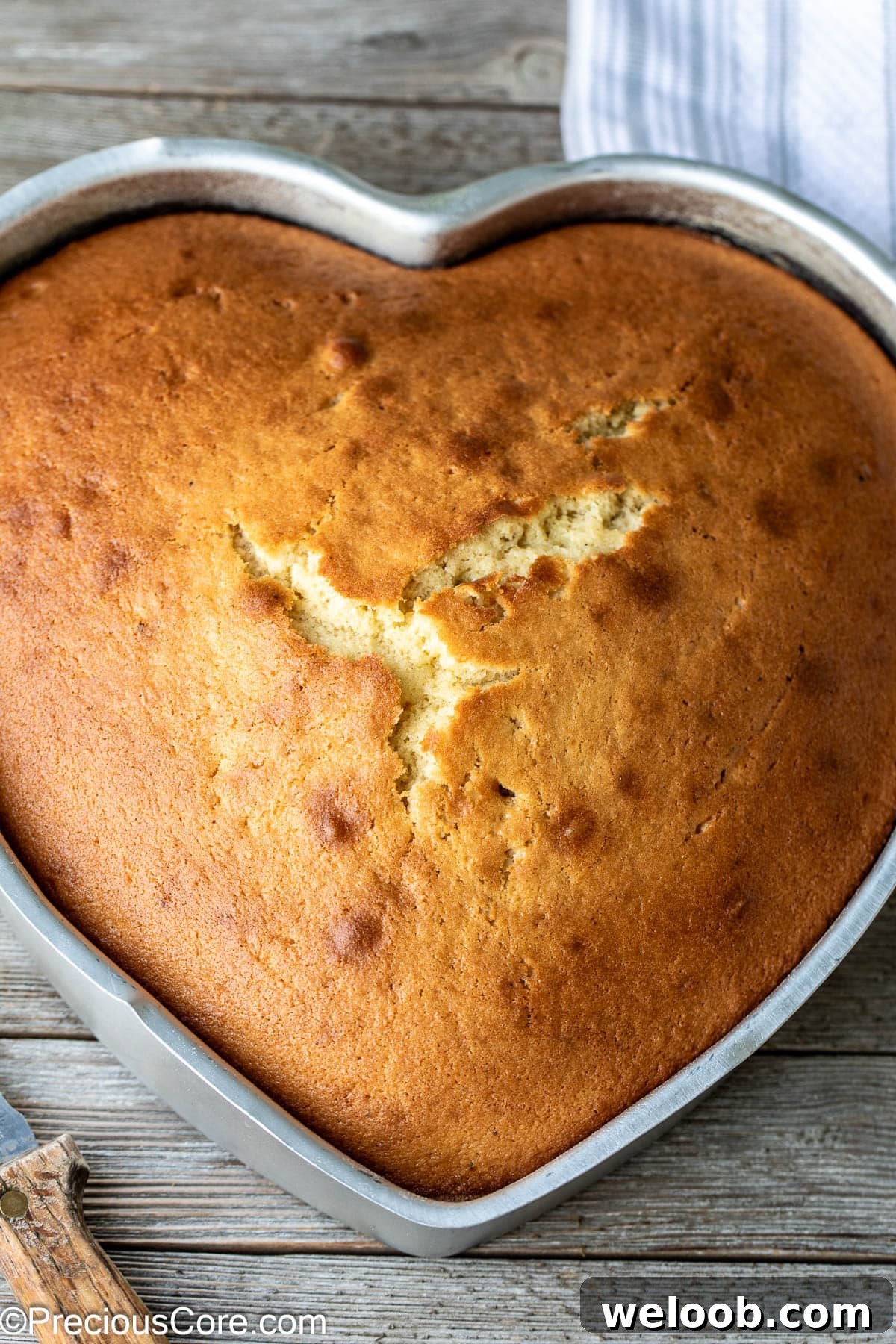
- If your cakes consistently dome, check your oven temperature with an oven thermometer and calibrate if necessary.
- Use cake strips or an insulated wrap around the pan to promote even baking and reduce doming.
- Store leftovers in an airtight container in the refrigerator for up to a week. Bring slices to room temperature before serving for best flavor.
- If you bake this recipe as layers, frost with cream cheese, American buttercream, or chocolate frosting to suit the occasion.
Recipe Frequently Asked Questions
This cake is lovely as written, with subtle vanilla and nutmeg. To boost flavor, try a different extract (lemon, almond, or maple), add fresh citrus zest, or fold in nuts or dried fruit.
Sponge cakes rely more on eggs for lift and are often lighter and airier, sometimes involving whipped egg whites. Plain or butter cakes use the creaming method with fat and chemical leaveners like baking powder for structure and a classic crumb.
Most cakes fall into two broad categories: butter (or oil) cakes, which contain fat and have a tender crumb, and foam cakes, which are lighter and depend on well‑beaten eggs for volume. Some recipes blend techniques or fall outside these classifications.
Similar Recipes
If you enjoy this plain cake, try these other easy cakes:
Classic Chocolate Cake
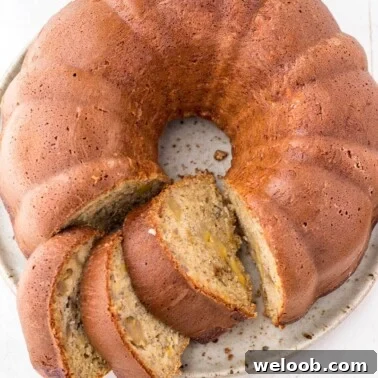
Plantain Cake
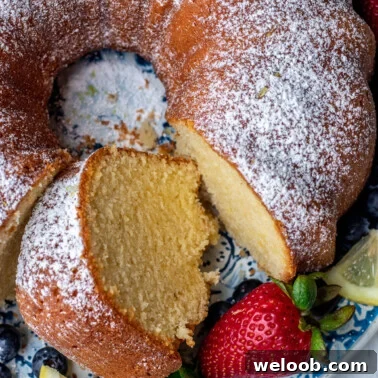
Southern Lemon Pound Cake Recipe
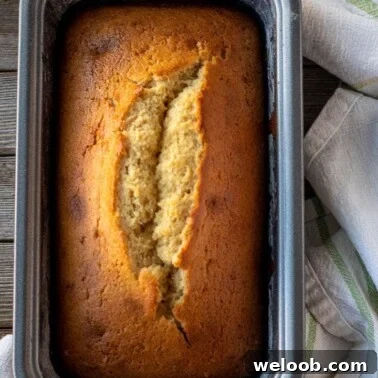
Vanilla Pound Cake
If you try this recipe, please leave a star rating below — your feedback helps others find it and I love hearing from you. Thank you!
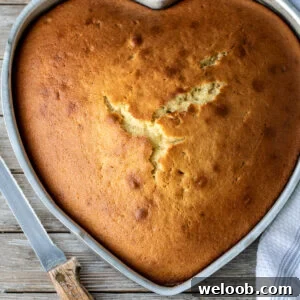
Plain Cake Recipe
Equipment
- heart baking pan
- stand mixer or hand mixer (optional)
Ingredients
- 10 tablespoons softened salted butter (141 grams) or margarine
- 1 ½ cups granulated sugar (300 grams)
- 6 large eggs, at room temperature
- 2 teaspoons vanilla extract
- 3 cups all‑purpose sifted flour (360 grams)
- ½ teaspoon ground nutmeg
- 2 teaspoons baking powder
- 1 cup whole milk (250 ml) — 2% or evaporated milk will also work
Instructions
- Preheat oven to 350°F (176°C). Oil and flour a 10‑inch baking pan and set aside.
- In a large bowl or the bowl of a stand mixer, beat the softened butter or margarine with the sugar until light and fluffy (about 4–6 minutes on medium‑high with a stand mixer).
- Add the eggs one at a time, mixing after each addition. Stir in the vanilla extract.
- Add one‑third of the flour with the nutmeg and baking powder; mix until incorporated. Add half the milk and mix. Add half of the remaining flour and mix, then the remaining milk, and finally the last of the flour. Mix until there is no visible dry flour, taking care not to overmix.
- Pour batter into the prepared pan and bake for about 50 minutes, or until a toothpick inserted into the center comes out clean.
- Let the cake cool in the pan for about 10 minutes, then transfer to a cooling rack to cool completely before slicing. Enjoy!
Video
Notes
- Adjust baking time for different pan sizes. Larger pans yield thinner cakes that bake faster; smaller pans will need more time.
- To make layer cakes, divide batter between two 8‑inch round pans and bake until done.
- Serve with whipped cream, fresh fruit, or yogurt, or enjoy plain with tea or coffee.
- This version clarifies the order of adding eggs and milk for a more consistent result while keeping the familiar plain cake taste.