
Table of Contents
- Introduction
- Regional Cuisine
- Daily Life and Eating Habits
- Family and Traditions
- Festive Meals
- A Recipe to Remember
Introduction
Can you tell us a bit about yourself? What town and region in Italy are you from?
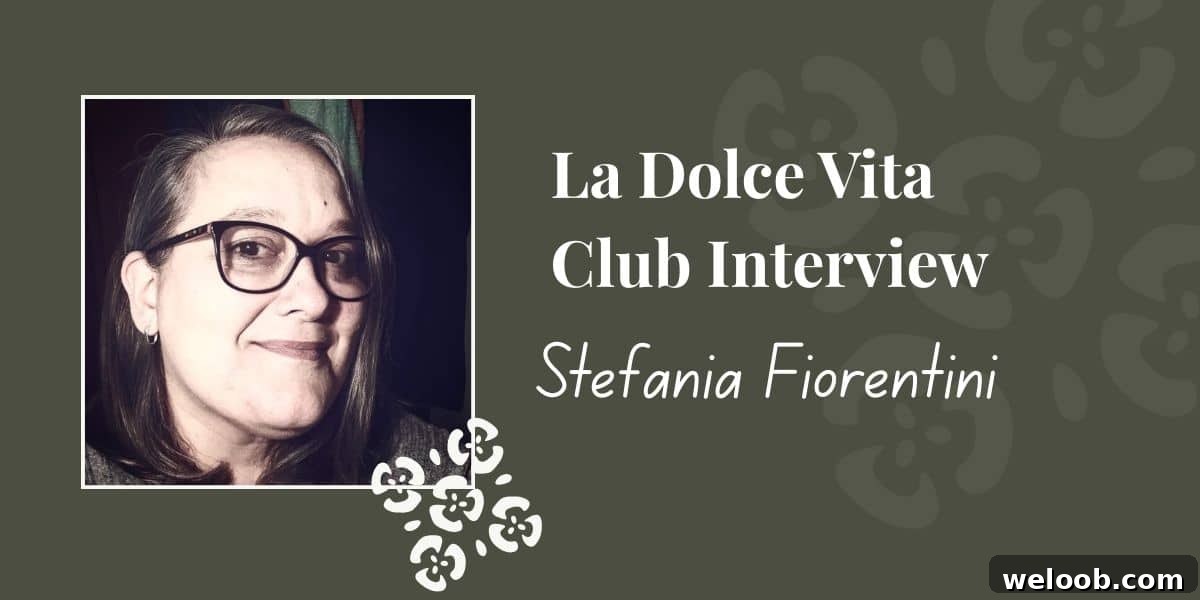
Hello! I was born in Suvereto, a small town in Tuscany. I lived there until I was 31, then moved to Piombino. It’s not a big city, but it’s considerably larger than Suvereto and still retains that Tuscan charm.
Regional Cuisine
What do the locals eat in your region? Are there specific dishes your region or town is known for?
Tuscan cuisine is diverse: each province and even individual towns have their own traditional recipes. In the province of Livorno, Cacciucco—a rich seafood stew—is the most famous dish. I don’t eat seafood, so I can’t describe its flavor from personal experience, but my family and friends rave about it. My personal favorite is tortelli maremmani served with a hearty, oily ragù.
Tortelli is the Tuscan name for ravioli. These tortelli are typically filled with spinach and ricotta and dressed with a savory Tuscan meat ragù.
Are there unique or traditional ingredients used in your region’s cuisine that are not commonly found in other regions?
One herb that stands out is nepitella. I used to pick it with my Nonna during walks in the macchia. It’s traditionally paired with snails but also enhances meat dishes and even the filling for tortelli.
How does the cuisine change with the seasons? Examples for spring/summer vs autumn/winter?
Winter brings hearty fare: vegetable soups like zuppa, often served with toasted garlic-bread and raw onion, and wild boar dishes—sometimes served atop hot polenta. In summer, meals are lighter and simpler. Pasta salads are popular, made from whatever’s in the fridge—mozzarella, eggs, salami, vegetables, tuna—and the beloved Pane Fregato con il Pomodoro: torn bread rubbed with garlic, topped with ripe tomato, a pinch of salt, generous olive oil and fresh basil. It’s perfect for main meals, beach breaks, or parties.
What should a first-time visitor try?
No hesitation: sample the local charcuterie. Tuscany offers a wide variety of cold cuts—pork, wild boar, and cinta senese among them. And don’t miss pecorino cheese.
Daily Life and Eating Habits
Can you share what you eat on a typical day?
Breakfast is usually a coffee or cappuccino with a croissant, or for me a small savory sandwich. For lunch and dinner we alternate between pasta dishes and a second course—if pasta is served at lunch, the evening meal is often meat or cold cuts. Aperitivi aren’t everyday occurrences, but when we have one it tends to turn into dinner: focaccia (in Tuscany called schiaccia), small pizzas, cold cuts, zuppa or pasta salad. Dinner typically starts around 8pm, unless an aperitivo has already become a full meal.
How often do you eat out?
More frequently in summer, but overall less than once a week. I love cooking at home and enjoy spending time in my kitchen.
What would be your perfect meal from start to finish?
To start: seasonal crudités, a selection of cold cuts and giardiniera. Then tortelli maremmani, followed by roasted chicken breast with potatoes. For dessert: mascarpone cream with chocolate chips and cookies, finished with an espresso macchiato freddo.
Family and Traditions
Can you share any fond memories or traditions related to food from your childhood?
So many memories—my Nonna preparing Sunday lunch in her small kitchen, wearing her spotless apron and guarding fried artichokes from being stolen, playfully brandishing a wooden spoon. The house filled with the smell of ragù and the familiar family remarks: “Don’t eat that bread, you’ll spoil your stomach!” and “Eat some bread with that meat, you’ll never be full otherwise!”
One story I cherish is the invention of Bracioline a Strisce. When my brother and I refused to eat slices of meat my Nonna served, she cut them into strips and presented them as a specialty. We devoured them and declared them the best she’d ever made. From then on, braciola had to be served in strips.
What does Pranzo della Domenica (Sunday lunch) look like in your home?
Sunday lunch is the most relaxed meal of the week. We usually begin with cheese and a glass of prosecco, followed by a primo—lasagne, cannelloni or egg pasta with classic ragù—then roasted meat with potatoes or a salad, and ideally ice cream for dessert. If not ice cream, one of my mum’s cakes might appear—she uses little butter and sugar, so sometimes the cakes are a bit tough, which makes ice cream a welcome option. The meal’s length varies, but once we sit down it can last all afternoon.
Festive Meals
What dishes or desserts are eaten during Christmas time in your region?
We have a wealth of desserts: ricciarelli, cantucci, stinchi di morto, and my beloved panforte. Desserts are a major part of the season.
What are your Christmas Day traditions?
I usually arrive at my mum’s mid-morning to help set the table and tidy up. Once guests arrive we exchange gifts in a flurry of “thank you!”s, then settle in for a large lunch: starters, two first courses, plenty of roasted meats, several side dishes, fruit, many Christmas desserts and cakes, nuts and dried fruit, and coffee. We keep the table set and, after a brief dishwashing pause, leave glasses, fruits and sweets out so conversation and snacking continue through the afternoon. In my family we like to joke that food has no calories on Christmas Day.
A Recipe to Remember
One of my favorite winter snacks, a memory of my Nonna, is both simple and delightful. Slice an organic Tarocco orange, arrange the slices on a plate, sprinkle generously with sugar to enhance the juices, and drizzle a little olive oil over them. It sounds basic, but once you try it you’ll understand why it’s so special.