
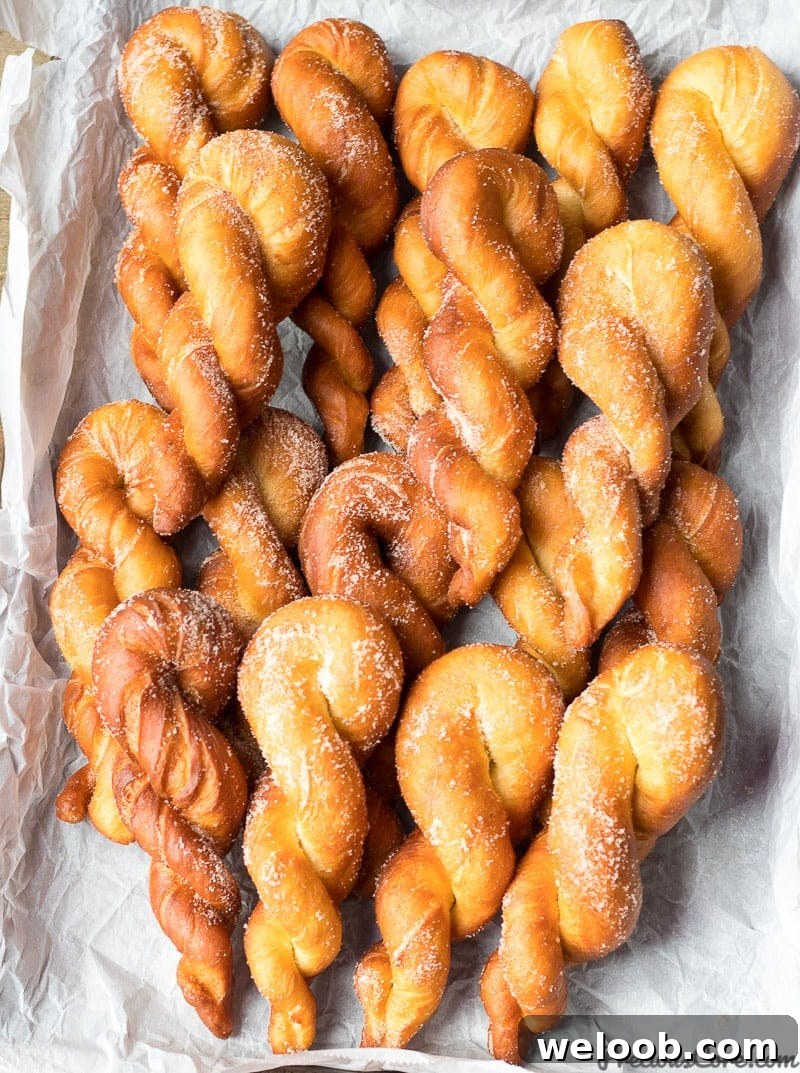
Give me these twisted doughnuts warm with a glass of milk and I will be in snacking heaven!
These twisted doughnuts are soft and pillowy on the inside with an irresistible buttery flavor. They’re a playful variation of African doughnuts shaped into twists — fun to make and delightful to eat.
I first learned about these at a gathering where I was frying a snack called gateau. A Sierra Leonean woman watched, helped, and told stories while shaping dough into twists. She explained how the same dough is used across cultures and showed me how simple it is to form the twists.
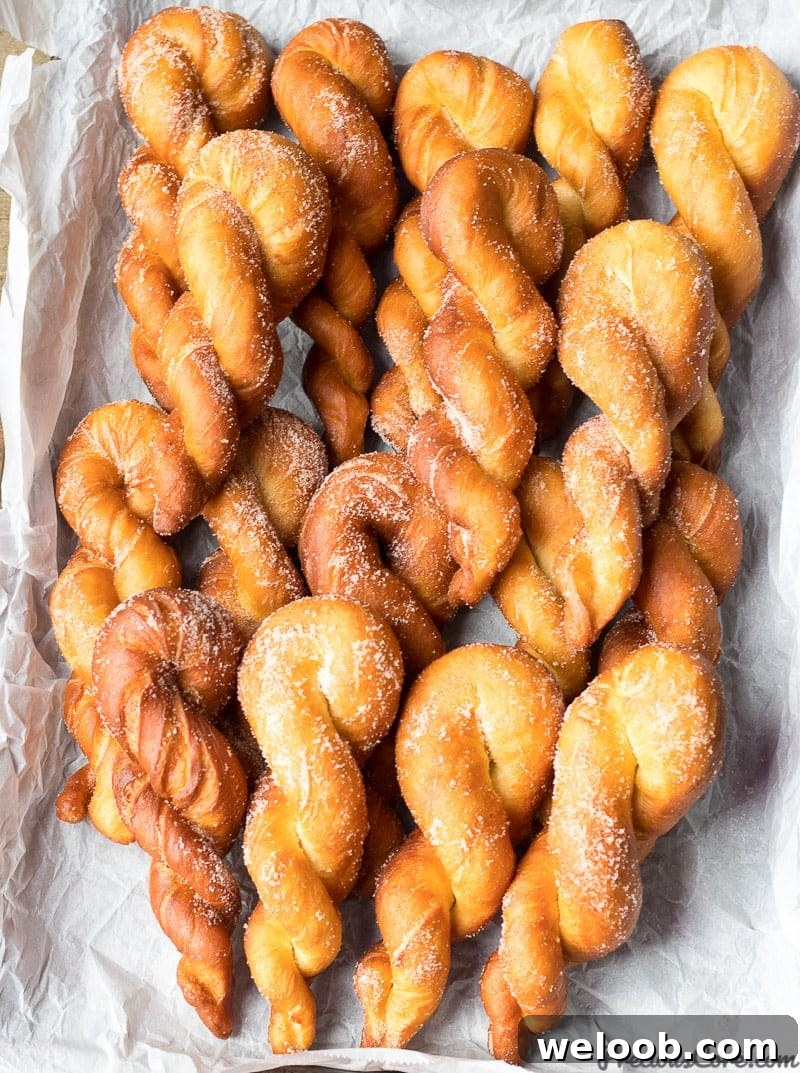
These twisted doughnuts cross continents. Sierra Leoneans and Cameroonians make similar treats (in Cameroon they call them gateau). In Korea they’re called kkwabaegi, in the Philippines shakoy, and with a ring shape they become Nigerian-style doughnuts. No matter the name, the combination of a slightly crunchy exterior, fluffy interior, and buttery taste is universally appealing.
If you love doughnuts, you might also enjoy other recipes like Sugar Coated Donuts, Baked Pumpkin Spice Doughnuts, and Coconut Doughnuts — but these homemade twists are especially satisfying.
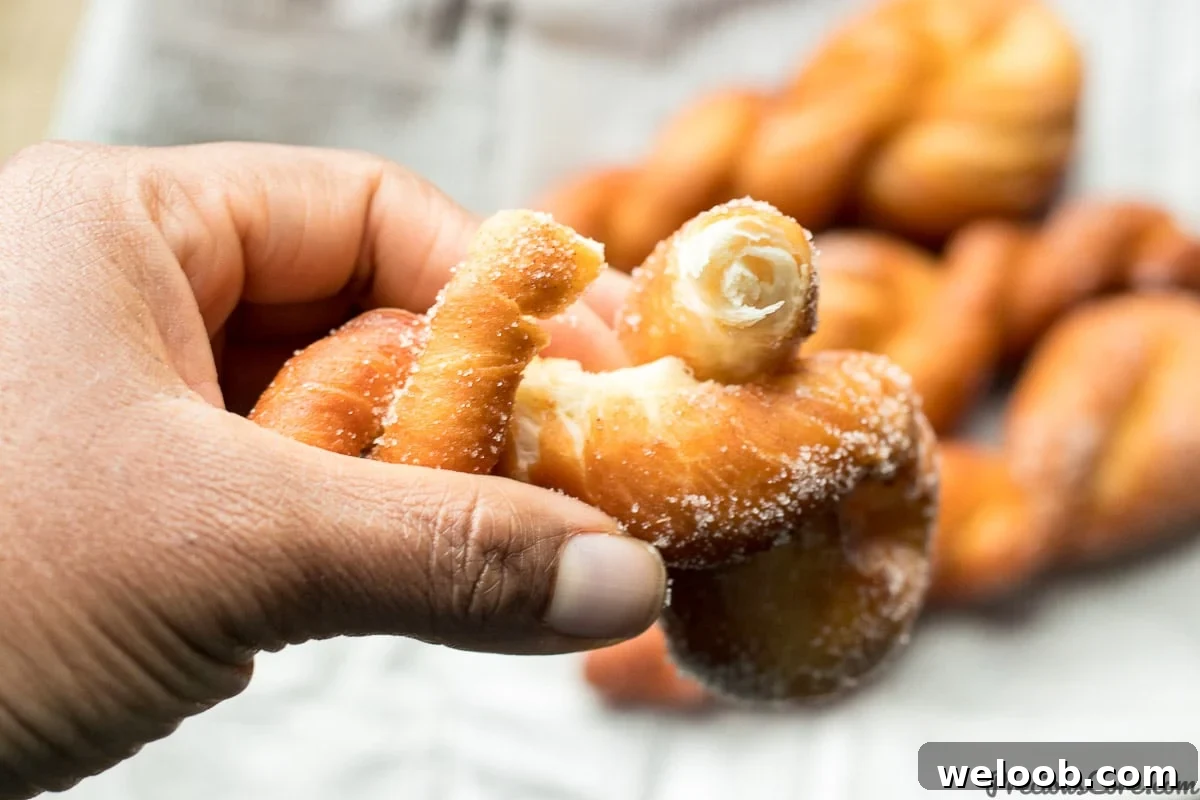
In the Asian market where I shop, a product labeled “sweet twists” resembles these doughnuts. I buy them sometimes, but homemade versions are far superior. Store-bought twists can be fried in old oil, which affects flavor. When you make them at home the freshness and aroma are unbeatable, and shaping the twists is part of the fun.
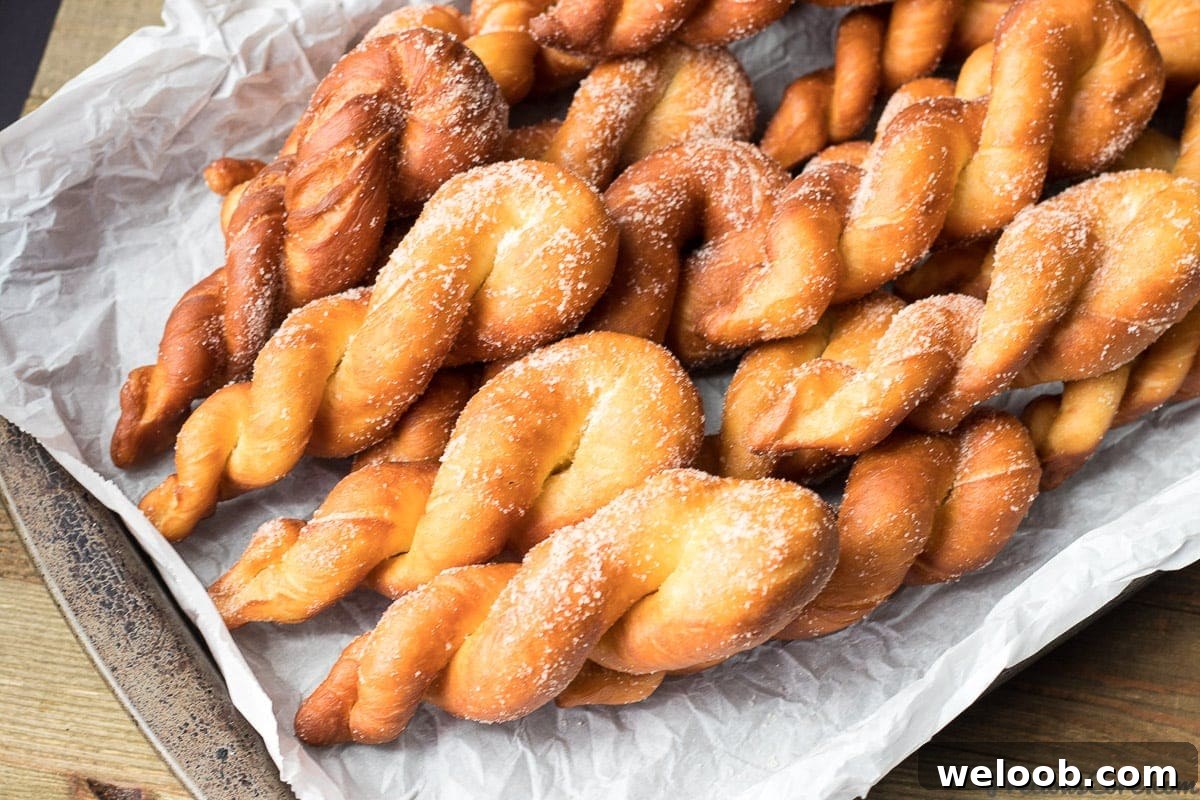
How To Make African Doughnuts
The dough is simple: flour, yeast, butter, sugar, milk, an egg, and a pinch of salt. Start by warming the milk until it’s slightly warm to the touch (about 110°F). Dissolve the yeast in the milk and let it sit for a couple of minutes, then whisk in the sugar, salt, melted butter, and egg. Add flour and mix to form a dough.
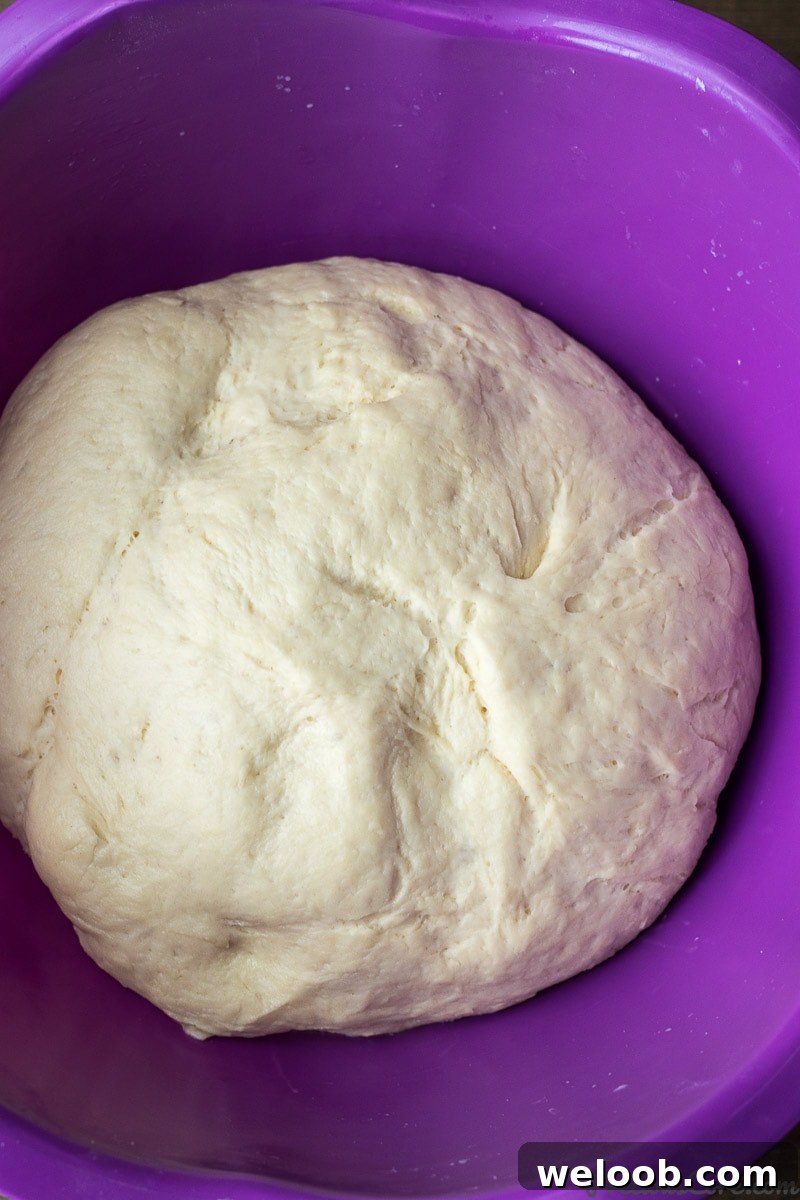
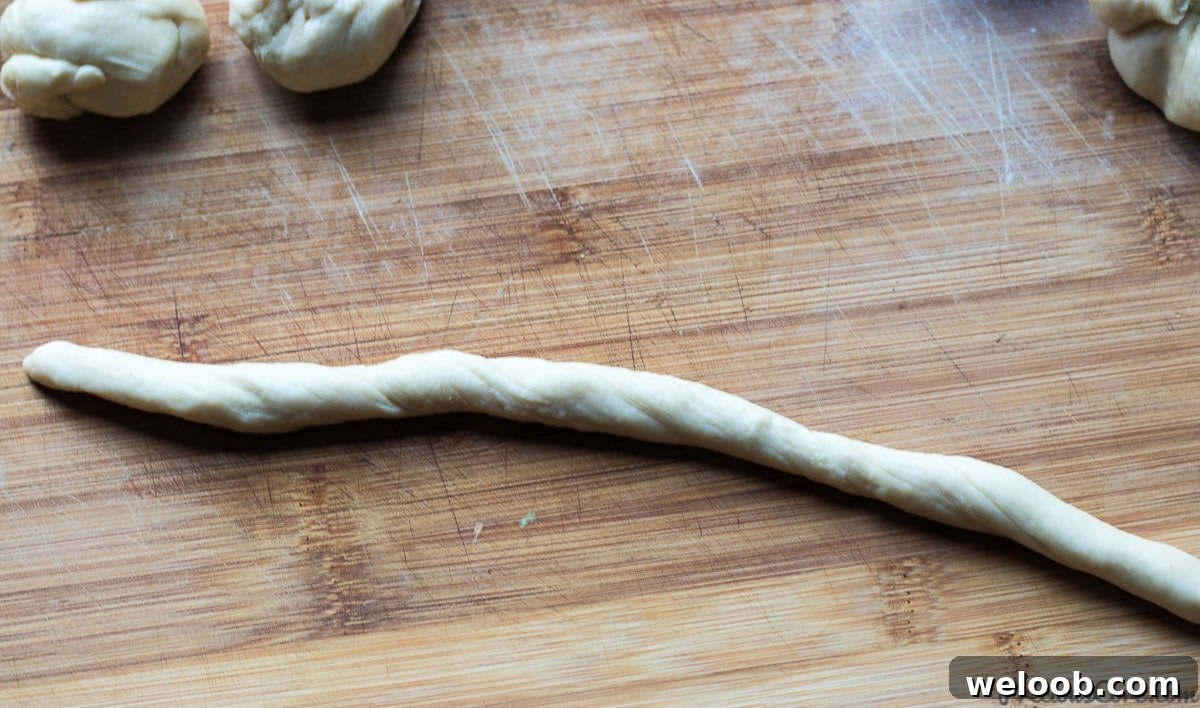
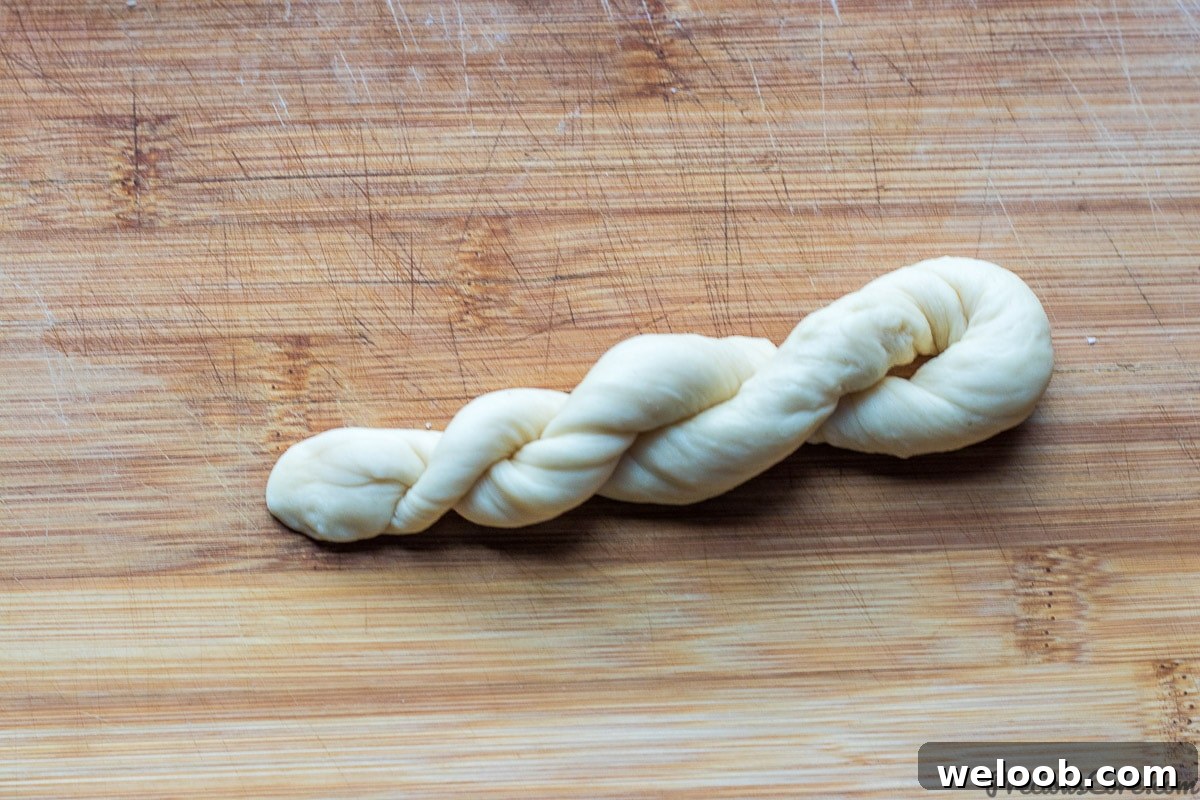
Cover the dough and let it rise in a warm place until doubled in size. Punch the dough down, transfer to a floured surface, and divide into 24 equal pieces. Roll each piece into a rope about 13 inches long. Twist the rope by rolling each end in opposite directions until 3–4 twists form, then pinch the ends together to seal.
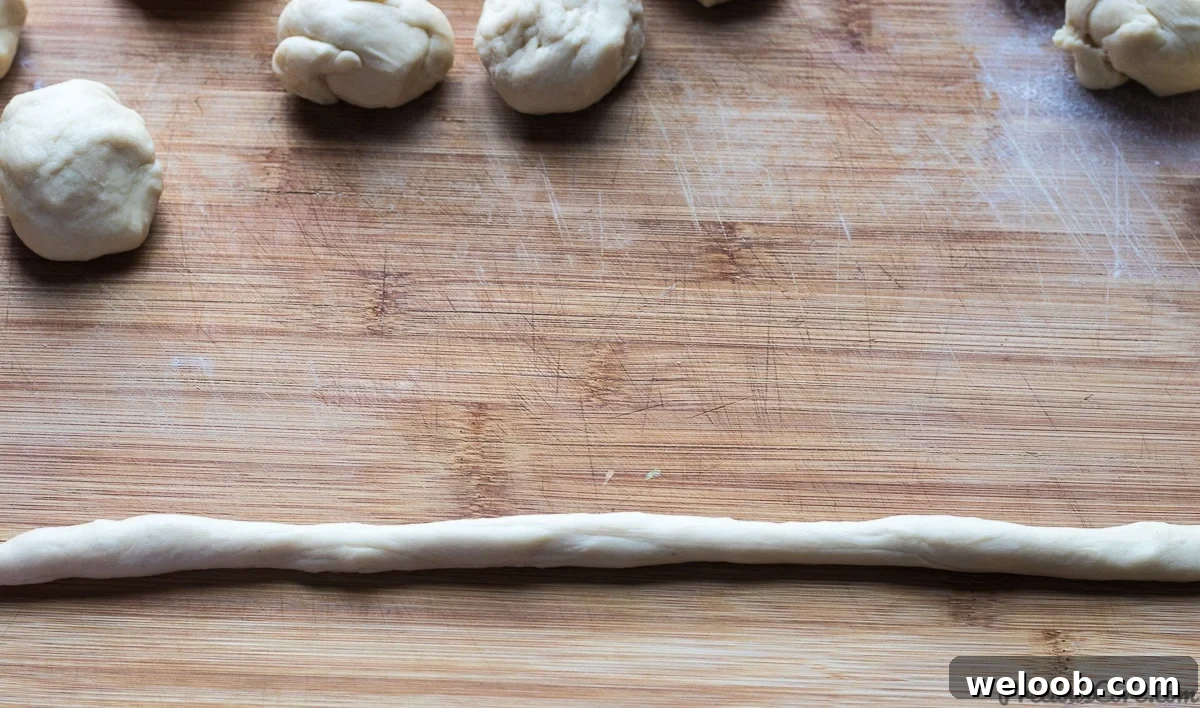
If shaping twists is difficult, you can form the dough into 1-inch balls instead. Balls cook through more slowly than twists, so allow extra frying time.
Place the shaped twists on a tray, let them rise for about 20 minutes, flipping halfway so both sides rise evenly. Heat oil to about 350°F, then reduce to medium-low and fry the doughnuts in batches without overcrowding. Cook until golden brown on both sides, about 4 minutes total. Drain on paper towels and toss in granulated sugar, or shake in a bag with sugar and cinnamon for an extra treat.
These doughnuts freeze well. Store in a sealed bag, thaw when needed, and warm briefly in the microwave if you prefer them hot — though warming will soften or melt the sugar coating.
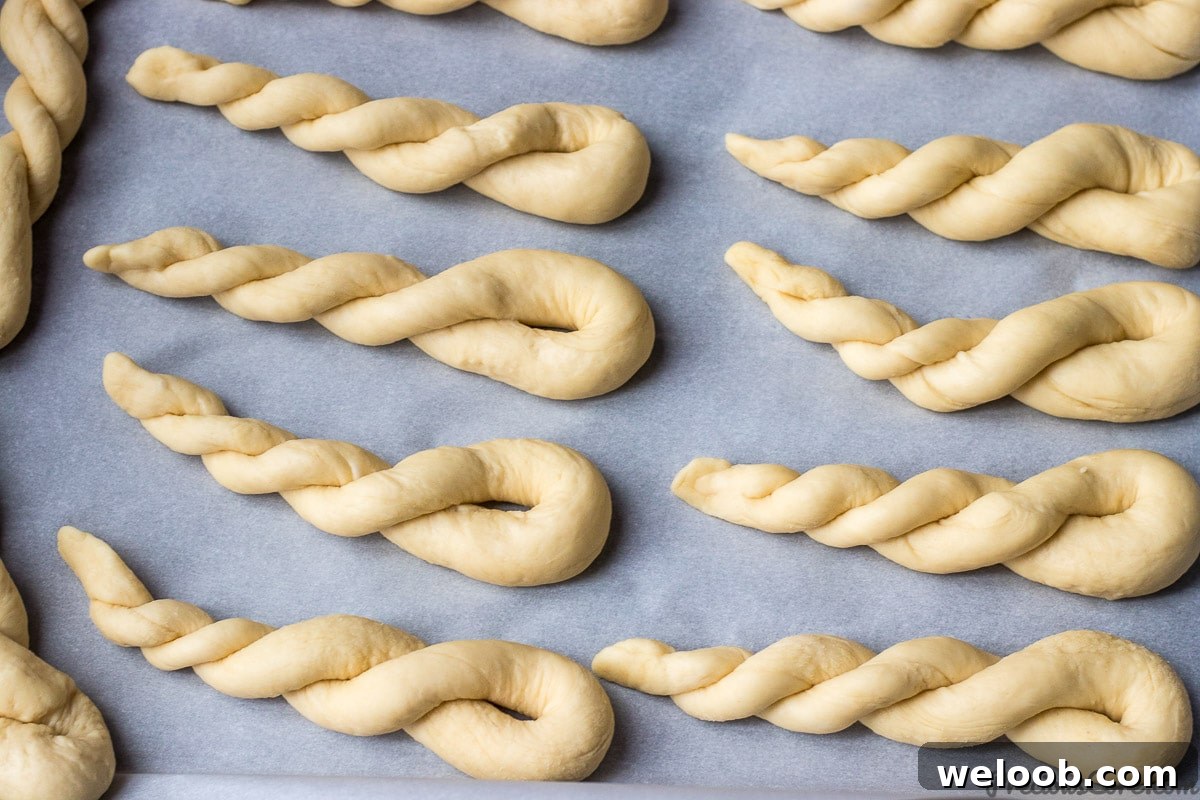
I adapted this recipe from Maangchi and converted the measurements into grams for ease. The dough uses 500 grams (about 4 cups) of all-purpose flour, which yields roughly 24 doughnuts.
What Are African Doughnuts?
African doughnuts are a variety of deep-fried dough treats found across the continent. Shapes and names differ by region: Nigerian doughnuts are often rings, Cameroonian and Ghanaian versions are frequently small balls, East African mandazi are triangular, and South African koeksisters are braided.
Despite regional differences, most recipes use the same core ingredients: flour, sugar, a leavening agent (yeast or baking powder), and fat such as butter or margarine. Some recipes are richer with additional ingredients, while others like puff puff are simpler. They’re a staple at gatherings and a beloved snack across many African communities.
Make these doughnuts for breakfast, as a snack, or to impress guests at potlucks and picnics. They’re easy to scale and always crowd-pleasers.
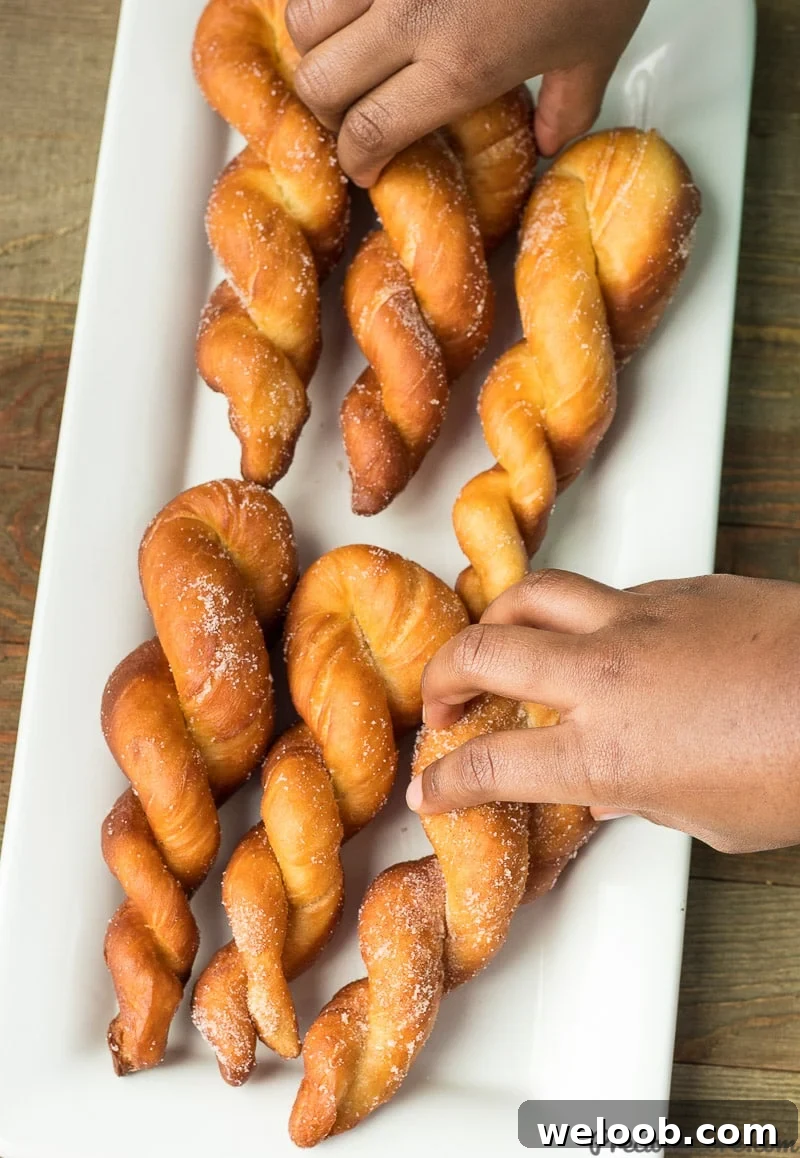
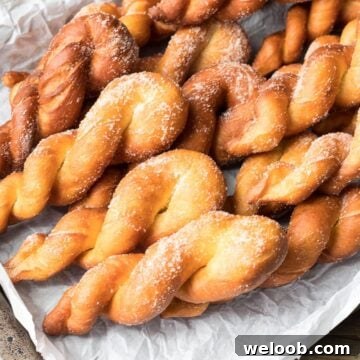
African Doughnuts – Twisted Doughnuts
Ingredients
- 4 cups all-purpose flour (500 g)
- 2 1/2 teaspoons active dry yeast (1 oz sachet)
- 12 oz evaporated milk (354 ml or 1 1/2 cups)
- 3 tablespoons melted butter
- 3 tablespoons granulated sugar
- 1 teaspoon salt (level)
- 1 egg
- Oil for frying (corn, canola, or vegetable)
Instructions
- Warm the milk until slightly warm to the touch (about 110°F). Sprinkle in the yeast and let rest for 2 minutes.
- Add the sugar, salt, melted butter, and egg to the milk and whisk to combine. Stir in the flour and mix to form a dough.
- Cover with plastic wrap and let the dough rise in a warm place for about 1 hour, until doubled in size.
- Punch down the dough, transfer to a floured surface, and divide into 24 equal pieces.
- Roll each piece into a 13-inch rope. Twist the rope by rolling the ends in opposite directions until 3–4 twists form, then pinch the ends to seal.
- Place the twists on a tray and let rise for about 20 minutes, flipping halfway through so both sides rise evenly. Heat oil for frying during this time.
- Heat oil to about 350°F, then reduce to medium-low. Fry the doughnuts in batches without overcrowding until golden brown on both sides (about 4 minutes total). Drain on paper towels.
- Coat the hot doughnuts with granulated sugar, or shake them in a bag with a mixture of 2 tablespoons sugar and 1/2 teaspoon cinnamon for a cinnamon-sugar coating.
Notes
- If forming twists is difficult, shape the dough into 1-inch balls and fry. Balls require a little more cooking time to cook through.
- These doughnuts freeze well. Store in a sealed bag and thaw before eating. Warm briefly in the microwave if desired, but be aware this can soften the sugar coating.
- Nutritional values are per doughnut: about 110 kcal, 19 g carbohydrates, 4 g protein, 2 g fat.
Additional Info
Course: Breakfast, Snack
Cuisine: African, Fusion
Calories: 110 per doughnut
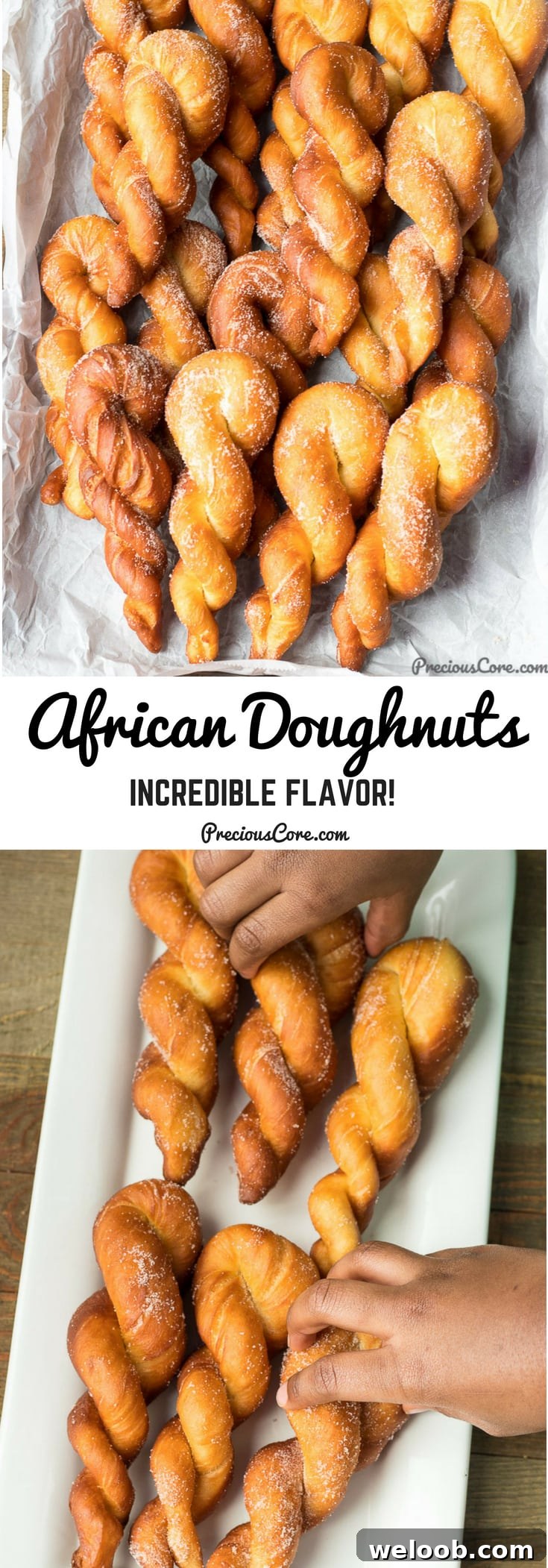
Pin this recipe:
You are stronger than you think, braver than you think and more capable than you can ever imagine. Never stop believing in you!