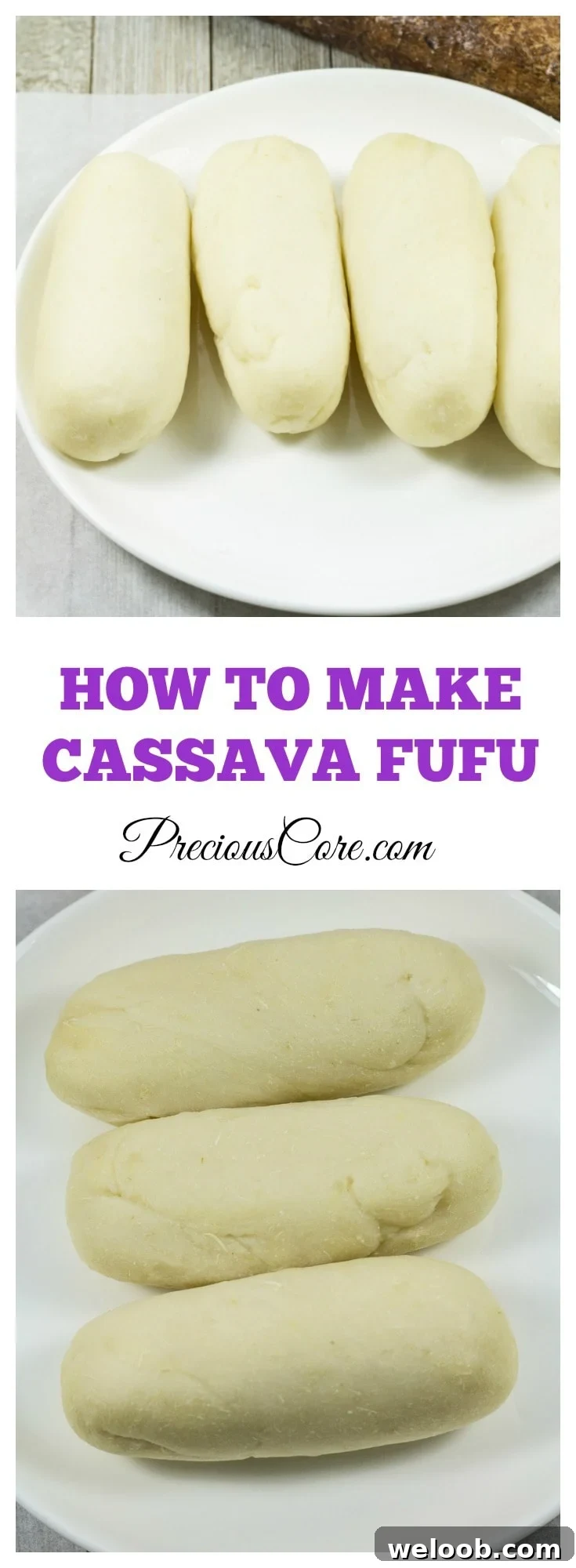
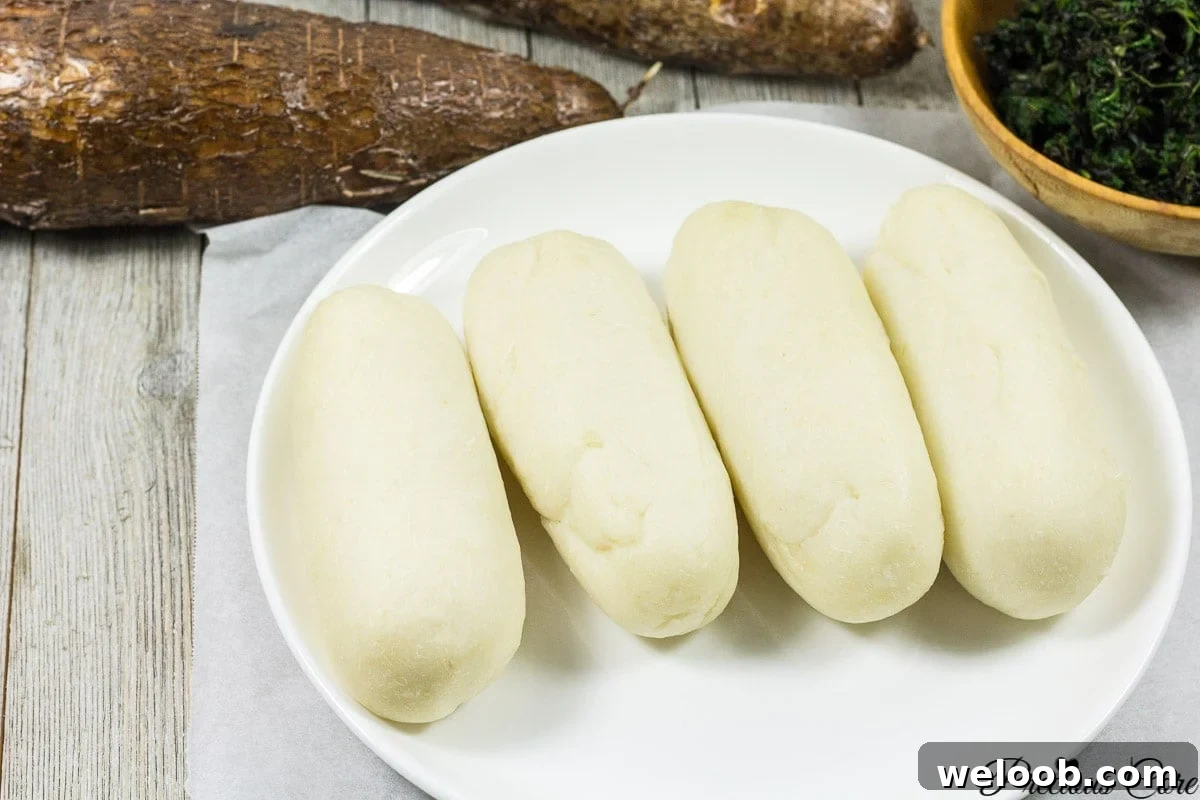
Here is an updated, clear guide on how to make water fufu (cassava fufu) from scratch. This simple, one-ingredient method explains how to ferment cassava (yuca) and turn it into the soft, slightly tangy fufu popular across West and Central Africa.
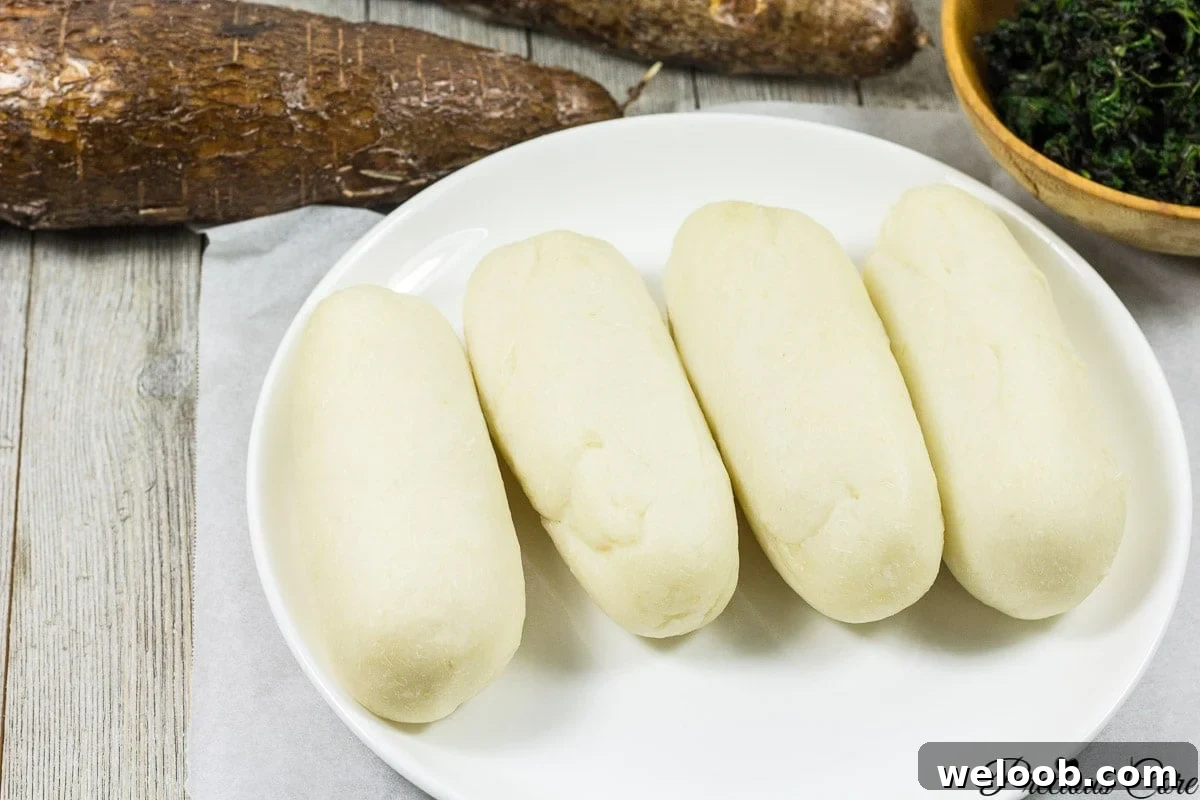
Fufu goes by many names—fufu, foo foo, fou fou—and is a beloved starchy side served with soups and stews. Common varieties include corn fufu, yam fufu and cassava fufu. In Nigeria, the fermented cassava version is often called akpu, while in Cameroon it is known as water fufu.
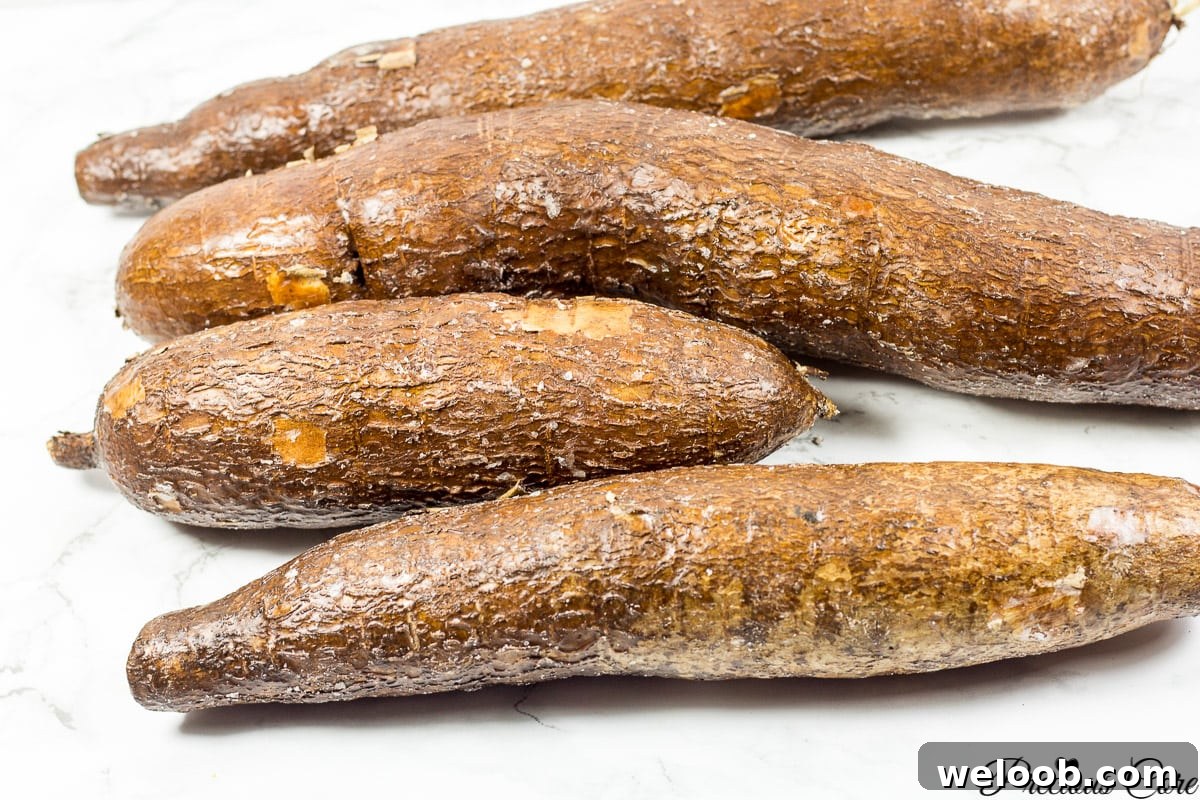
Water fufu is prepared by fermenting peeled cassava tubers. The fermented roots develop a pronounced aroma, are then ground into a puree, drained to remove excess liquid, and finally cooked into a smooth dough-like fufu with a mild, tangy flavor.
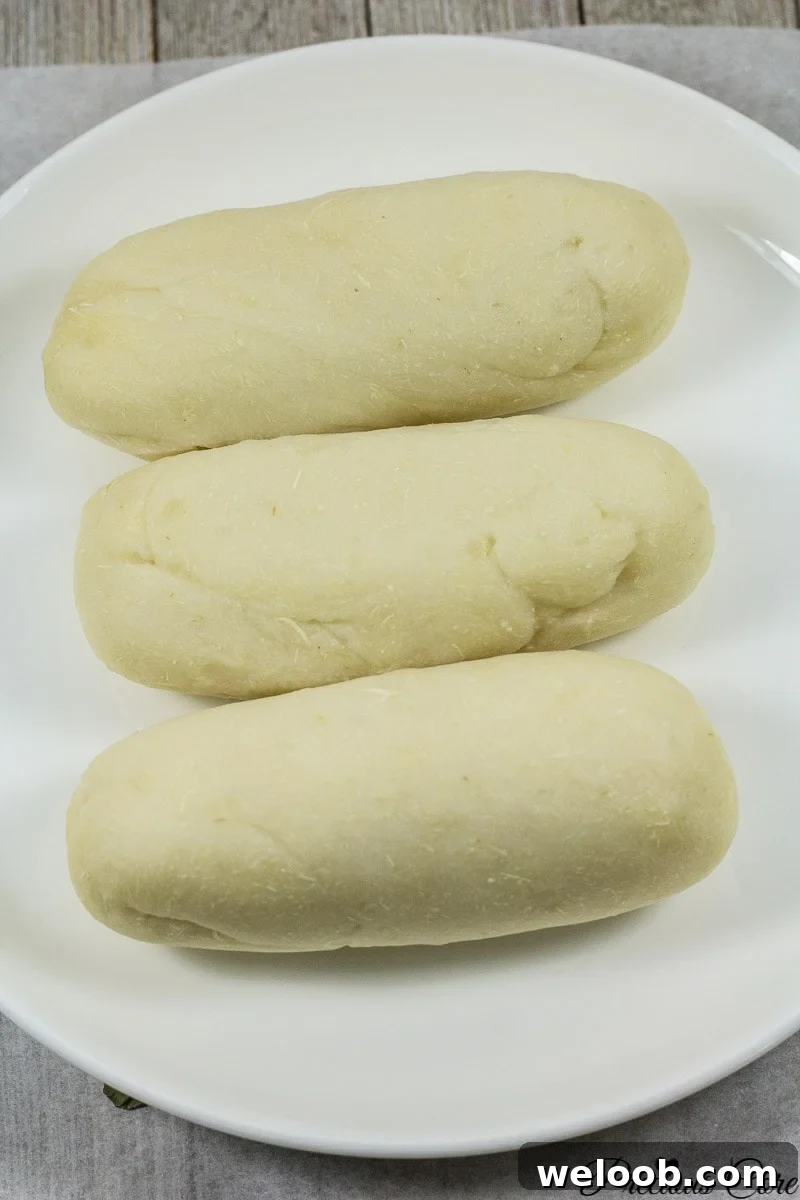
Using a cheesecloth or clean kitchen towel to squeeze the puree makes draining easier. Once cooked, serve the fufu with your favorite soup or stew.
Popular pairings include ogbono soup, okra soup, groundnut (peanut) soup, and in Cameroon the classic vegetable stew called eru. In Nigeria, cassava fufu is often enjoyed with egusi, bitter leaf soup, or ogbono soup. The combination of water fufu and eru or egusi is especially delicious.
Texture and taste: water fufu has a slightly elastic, rubbery texture and a gentle tang from fermentation. Its flavor is subtle and distinctly cassava-based, making it a perfect vehicle for richly seasoned soups and stews.
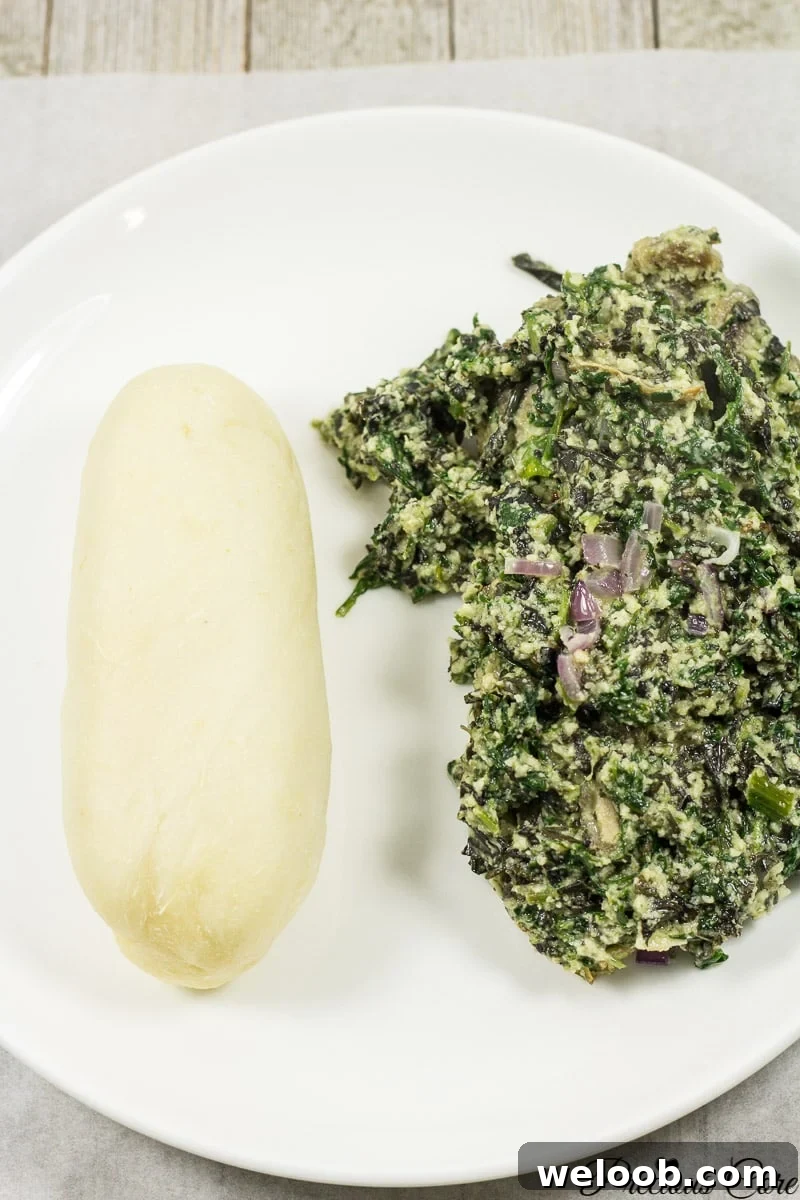
I served mine with ndole, a Cameroonian dish, but it pairs equally well with eru and many West African soups.
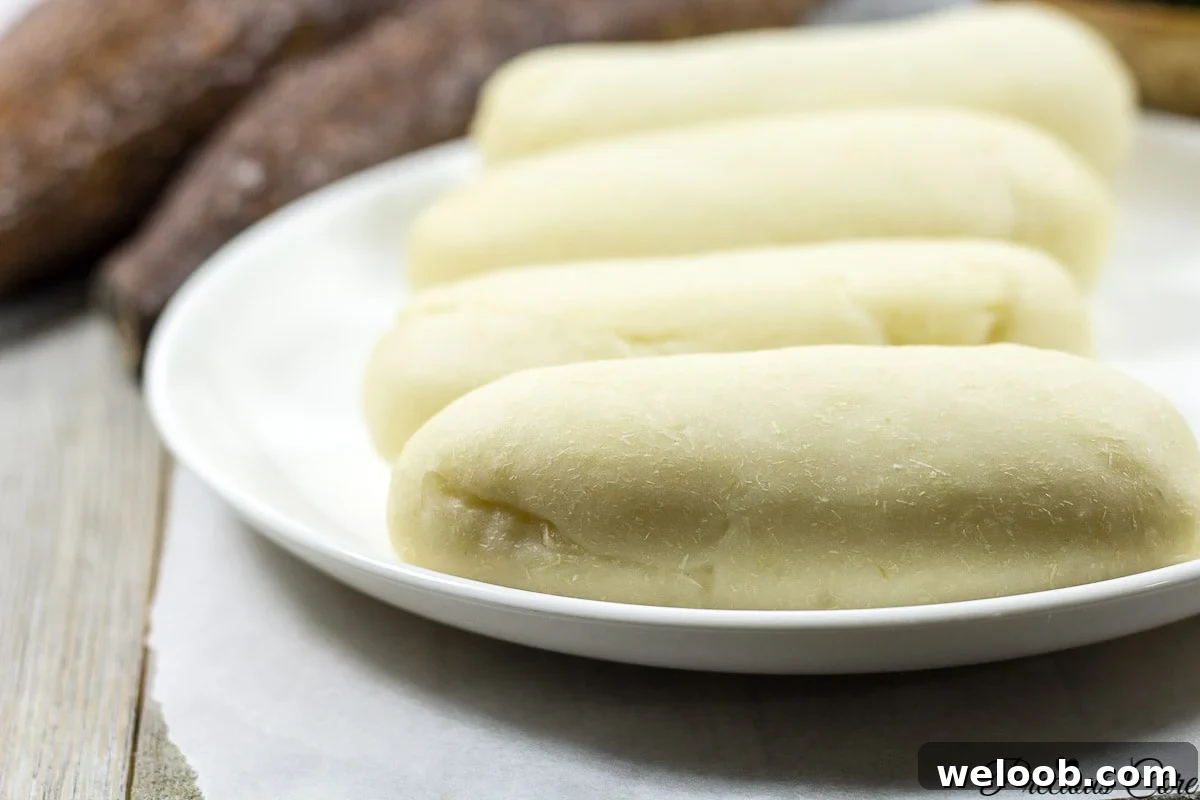
Watch how to make Water Fufu:
How to Make Water Fufu from Scratch – Cassava Fufu
Ingredients
- 6 large tubers of cassava (yuca root)
- 2 teaspoons baking soda optional
Instructions
-
Peel the cassava. Cut each tuber into 5 or 6 pieces, then split each piece along the central fiber so you can lift and remove the skin with a knife or by hand.
-
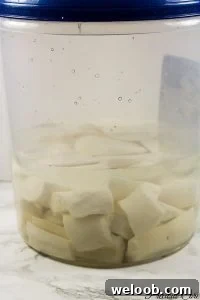
Wash the peeled cassava thoroughly and place in a large container. Add enough water to fully cover the cassava and stir in the baking soda (if using). Cover and leave in a warm place to ferment for 3–5 days. The cassava is ready when it becomes mostly soft when pressed—some pieces may remain firmer, but most should be soft.

-
Drain the fermented cassava to remove excess liquid. Blend or process the cassava into a smooth puree, working in batches if necessary.
-
Remove any remaining fibers by hand or by adding a little water and passing the puree through a fine strainer. If you plan to cook the fufu immediately, removing fibers by hand is recommended.
-
Place the puree into a clean kitchen towel or cheesecloth and squeeze firmly to extract excess water. If you added water to strain the puree, squeeze longer or tie the cloth and press it down with a heavy object until most liquid is removed. The drained mass is now ready to cook.
To cook the cassava fufu:
-
Put the drained raw fufu into a pot and work it with your hands to break up large lumps. Add about 1/4 cup of water and mix into a smooth paste.
-
Place on medium-high heat, cover, and let rest for 2 minutes. Begin stirring with a wooden spoon, pressing and stirring to dissolve lumps as it cooks.
-
Add up to about 1 cup of water, a little at a time, while stirring to maintain a soft, workable texture. Continue cooking and stirring until the color changes from bright white to an off-white—this signals that the fufu is cooked through.
-
Turn off the heat and shape the fufu into lumps, logs or balls as desired.
-
Serve immediately with your preferred soup or stew. Popular choices include eru, ogbono, egusi, ndole, or any richly flavored sauce.
Notes
Nutrition
Additional Info