
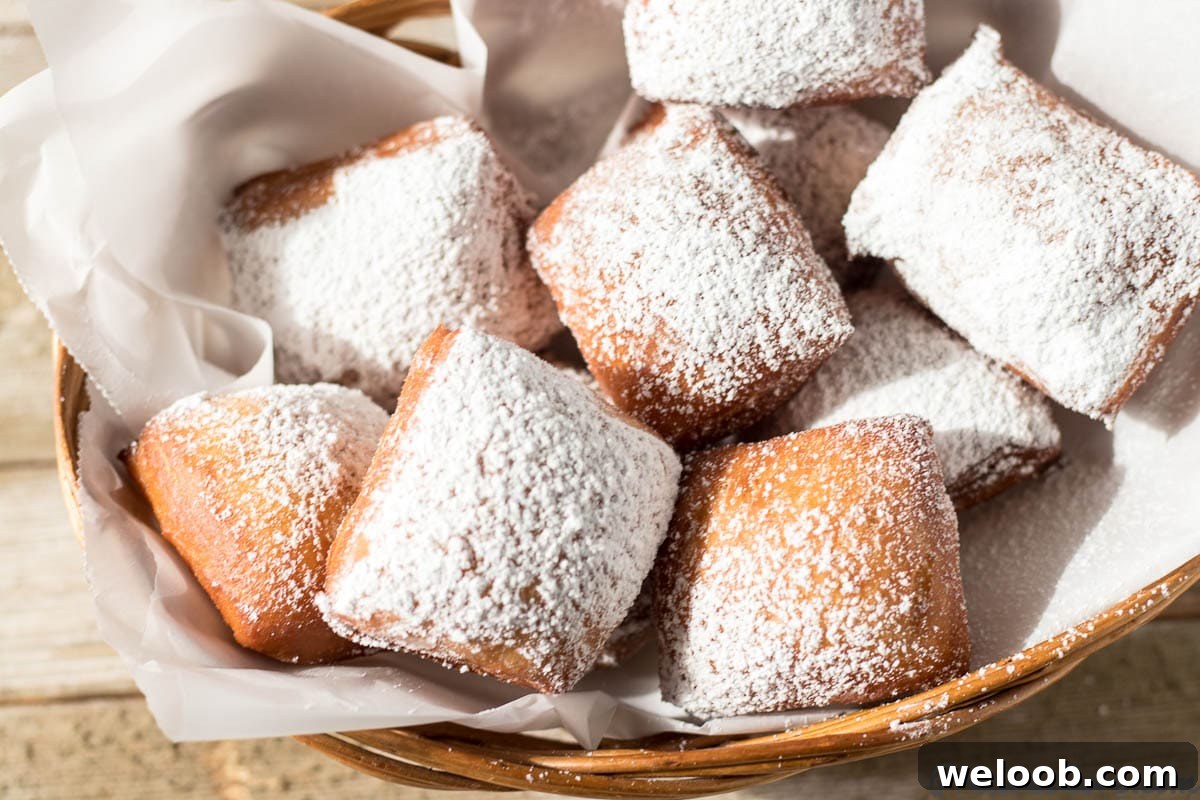
Soft, buttery New Orleans beignets that aren’t overly sweet so the dusting of powdered sugar can be the star. These beignets are light, airy, and tender—just like they should be. This is a reliable homemade beignets recipe you’ll want to make again and again.
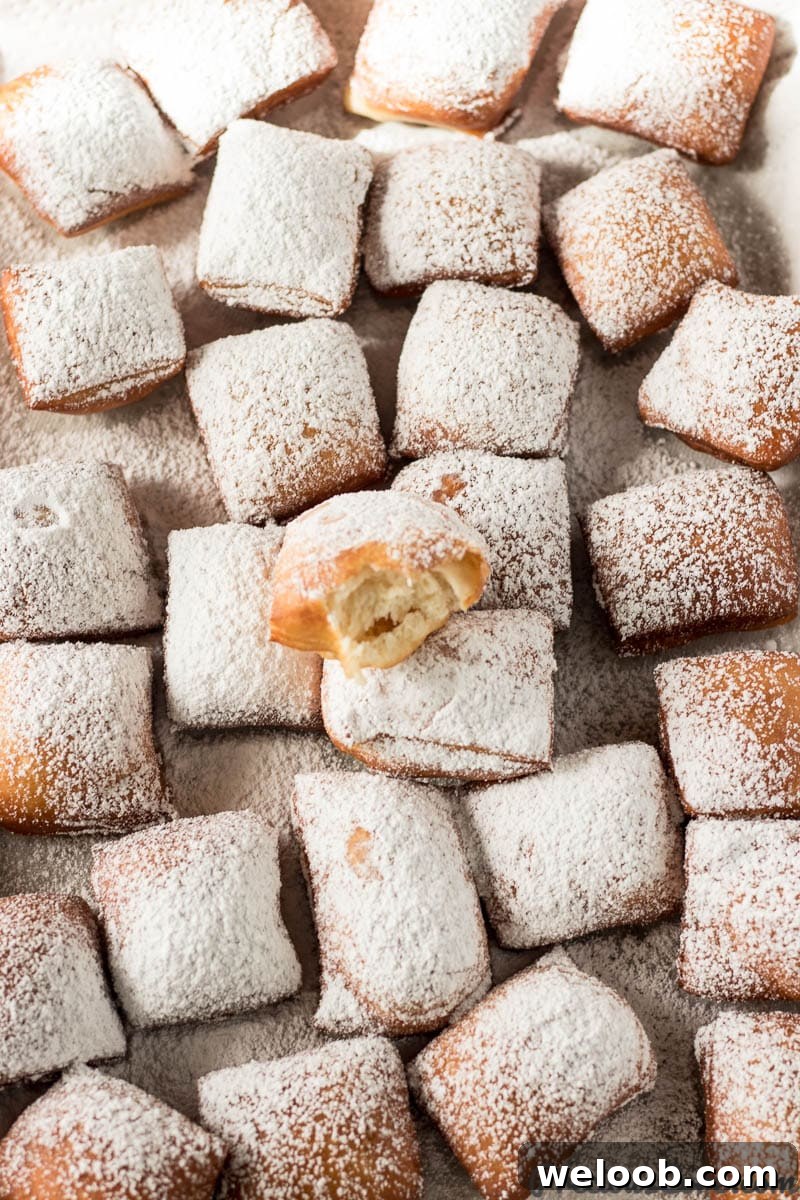
There’s something irresistible about deep-fried dough. I always feel happy when I make fried sweets like twisted doughnuts or puff puff. On a visit to a Caribbean/Southern restaurant I watched a server bring a basket of puffy, powdered beignets to a nearby table and I couldn’t stop thinking about them.
Although I was too full to try them that day, the image stayed with me. I added beignets to my recipe list, researched variations, and experimented in the kitchen. My first attempts were dense, but with practice I developed a version that yields the soft, airy beignets I wanted. That perfected recipe is what I’m sharing here.
Table of Contents
- What Are New Orleans Beignets?
- How Are Beignets Different from Donuts?
- Why Make This Beignets Recipe?
- Ingredients Needed
- How to Make Beignets
- Important Tips For Making Beignets
- Variations to Beignets Recipe
- FAQs
- What is the best oil to fry beignets?
- What dough are beignets made of?
- Can you eat beignets cold?
- What do you serve with beignets?
- Are beignets supposed to be hollow?
- Serving
- Similar Recipes
- Beignets Recipe Recipe
What Are New Orleans Beignets?
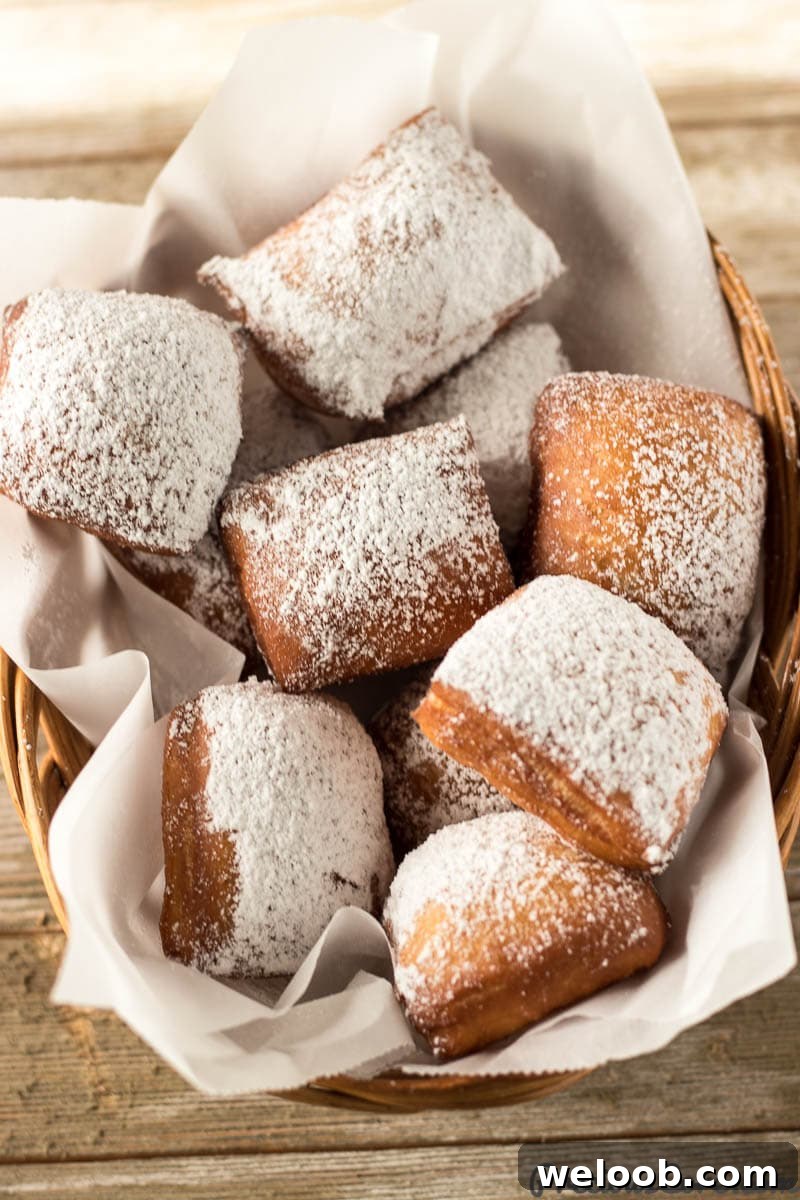
Beignets are deep-fried pieces of yeast dough, often associated with New Orleans, Louisiana. The New Orleans style is typically cut into squares, fried until puffed, and generously dusted with powdered sugar. They’re a favorite during Mardi Gras but delicious year-round, traditionally served with café au lait.
The word “beignet” is French for fritter, a tradition brought to the U.S. by French colonists. Pronunciation tip: say “ben-yay,” not “beg-nets.”
How Are Beignets Different from Donuts?
Both beignets and donuts are fried dough, but beignets are usually square and very light with a hollow interior, while classic American donuts are round and often have a center hole. Beignets themselves aren’t very sweet—the powdered sugar on top supplies most of the sweetness.
Why Make This Beignets Recipe?
This recipe produces tender, buttery beignets that pair perfectly with coffee, tea, or hot chocolate. They’re a crowd-pleaser for breakfast, brunch, potlucks, or holiday gatherings. Although they require some rising time, the steps are straightforward and the result is worth it.
Ingredients Needed
These are common pantry ingredients:
- All-purpose flour – 4 cups (bread flour can work too).
- Granulated sugar – to activate the yeast and flavor the dough.
- Whole milk – warmed to about 110°F to activate the yeast (or use reconstituted evaporated milk).
- Active dry yeast – can substitute instant yeast if needed.
- Egg – adds richness.
- Melted butter – unsalted preferred; neutral oil can be substituted.
- Salt – balances flavor.
- Powdered sugar – for dusting; add to taste.
See the recipe card below for exact measurements and nutrition details.
How to Make Beignets
Summary of the process:
- Warm the milk and stir in the yeast; let it bloom for a couple of minutes.
- Mix in sugar, egg, and melted butter.
- Add flour and salt, mixing to form a slightly sticky dough.
- Knead on a floured surface until smooth and elastic, then let the dough rise in a warm place for about 2 hours (or refrigerate overnight).
- Punch down the dough, roll it into a rectangle, and cut into 2-inch squares.
- Heat oil to around 350°F (175–180°C) and fry the squares until golden, about 1–2 minutes per side.
- Drain on paper towels or a wire rack, then dust generously with powdered sugar.
Important Tips For Making Beignets
- Maintain oil temperature near 350°F. If it’s too hot the outsides burn before the inside cooks; too cool and the beignets absorb oil.
- If you prepare the dough ahead, keep it covered and refrigerated. Bring it to room temperature before rolling and cutting.
- Use medium heat to control the oil temperature and increase briefly if it dips.
- A Dutch oven or deep fryer works well for larger batches; a pot with 3–4 inches of oil is sufficient for smaller amounts.
- Use a slotted spoon or tongs to remove beignets safely and drain excess oil.
Variations to Beignets Recipe
Easy variations:
Cinnamon beignets: Combine cinnamon with powdered sugar for dusting.
Chocolate-filled: Pipe chocolate-hazelnut spread into fried beignets.
Jam-filled: Fill beignets with your favorite jam for a fruity twist.
FAQs
What is the best oil to fry beignets?
Use a neutral oil with a high smoke point such as vegetable, canola, corn, cottonseed, or peanut oil so the oil flavor doesn’t interfere with the beignets.
What dough are beignets made of?
Beignets are made from a yeasted dough that yields a light, airy interior—different from many cake-style doughnuts.
Can you eat beignets cold?
They’re best eaten warm right after frying, but you can eat them cold; they simply taste best fresh.
What do you serve with beignets?
Serve with coffee, café au lait, hot tea, or hot chocolate. A side of jam or chocolate for dipping is also delightful.
Are beignets supposed to be hollow?
Yes—authentic beignets are light and airy, often with a hollow or pocketed interior, which sets them apart from denser doughnuts.
Serving
Serve beignets with:

Honey Lemon Tea

Ginger Drink

Coconut Hot Chocolate
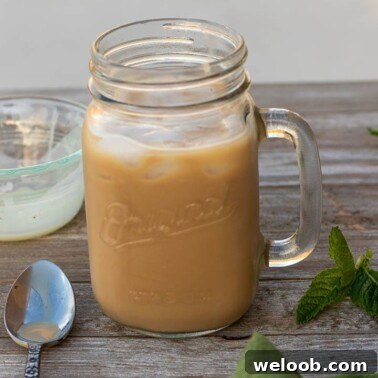
Iced Coffee Recipe
Similar Recipes
If you love these beignets, try other fried dough treats:
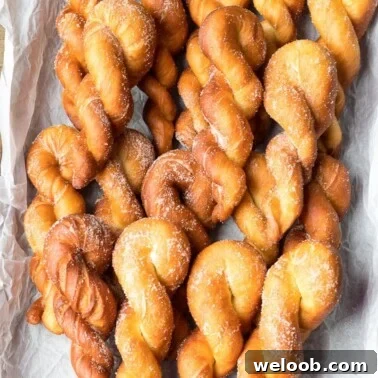
African Doughnuts – Twisted Doughnuts

How To Make Puff Puff
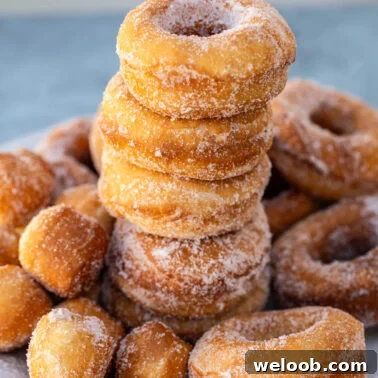
Sugar Coated Donuts

Beignets Soufflés
Also try a baked alternative like baked pumpkin donuts for a different take on fried flavors.
If you make this recipe please leave a star rating. Your feedback helps others find the recipe and I love hearing from you—thank you!

Beignets Recipe
Ingredients
- 4 cups all-purpose flour (480g)
- 1/4 cup granulated sugar (50g)
- 1 1/2 cup whole milk, warmed (360ml)
- 2 1/4 teaspoons active dry yeast (7g)
- 1 large egg
- 4 tablespoons unsalted butter, melted
- 2 teaspoons salt
- 2 tablespoons powdered sugar, for dusting (add more if desired)
Instructions
-
Place the warmed milk in a large bowl and sprinkle in the yeast. Let rest 2 minutes, then stir in the sugar, egg, and melted butter.
-
Add flour and salt and mix to form a slightly sticky dough. Turn onto a floured surface and knead about 5 minutes until smooth and elastic.
-
Return the dough to the bowl, cover, and let rise in a warm spot for about 2 hours, or refrigerate overnight.
-
Punch down the dough and, if refrigerated, allow it to come to room temperature. Roll into a 14 x 12-inch rectangle and cut into 2-inch squares. Let rest 10 minutes while heating the oil.
-
Heat oil to about 350°F (180°C) with 3–4 inches in a pan. Fry beignet squares 1–2 minutes per side until golden. Drain on paper towels or a wire rack and dust with powdered sugar.
-
Serve warm with coffee or tea.
Notes
2. The dough is mildly sweet; most sweetness comes from the powdered sugar topping, so adjust the dusting to your preference.
3. They’re best eaten warm but can be served cold if needed.
4. Make-ahead tip: make the dough the day before and refrigerate; bring to room temperature before rolling and cutting.