
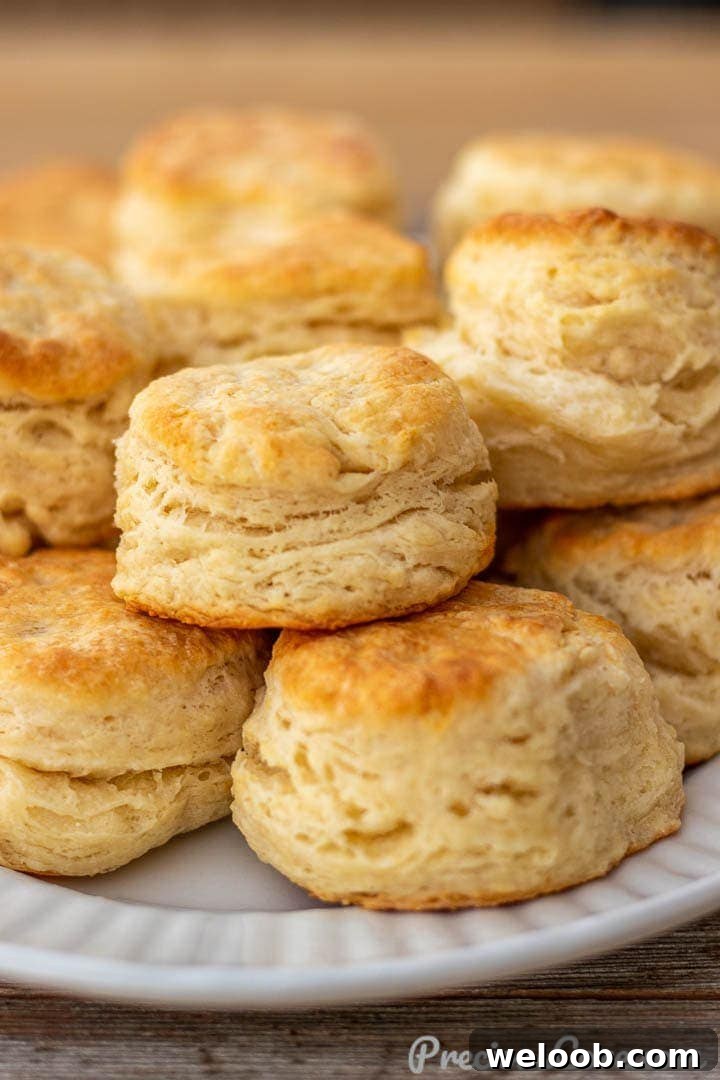
Homemade Buttermilk Biscuits — flaky, fluffy, and buttery. Perfect for breakfast, brunch, or as a side dish.
Below I share tips and a reliable method to make the best biscuits at home.
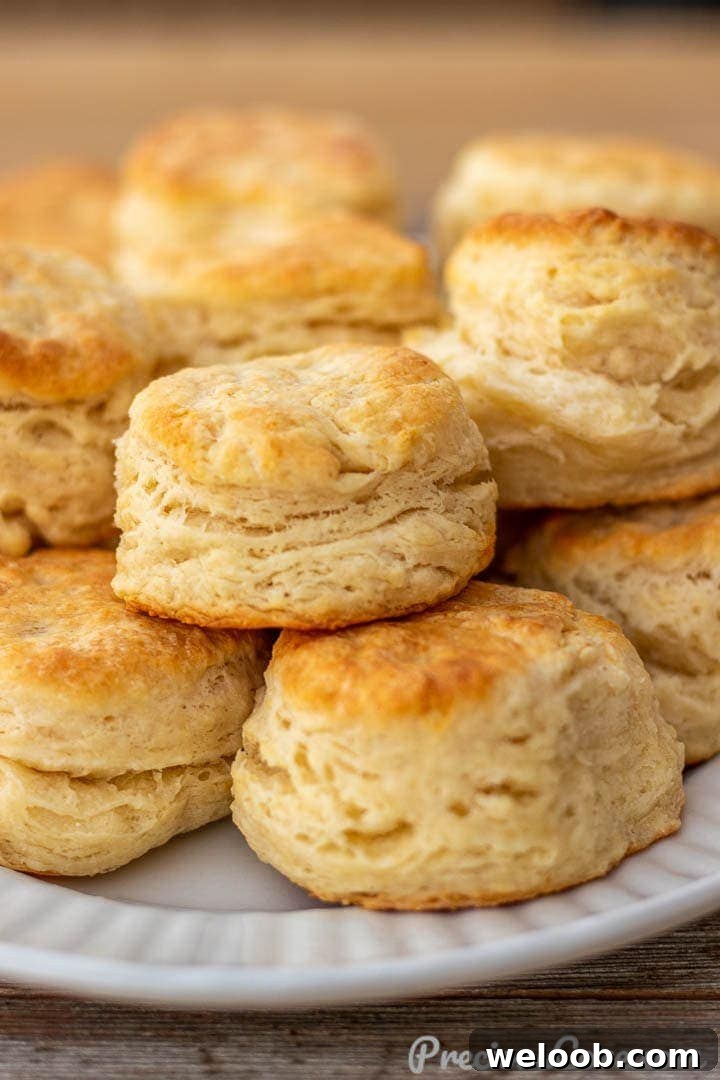
Over the years I’ve refined this buttermilk biscuit recipe until I landed on one that consistently yields tender, flaky layers and a rich buttery flavor.
These biscuits are moist and tender, with distinct flaky layers. They’re excellent plain or split and served with butter or jam.
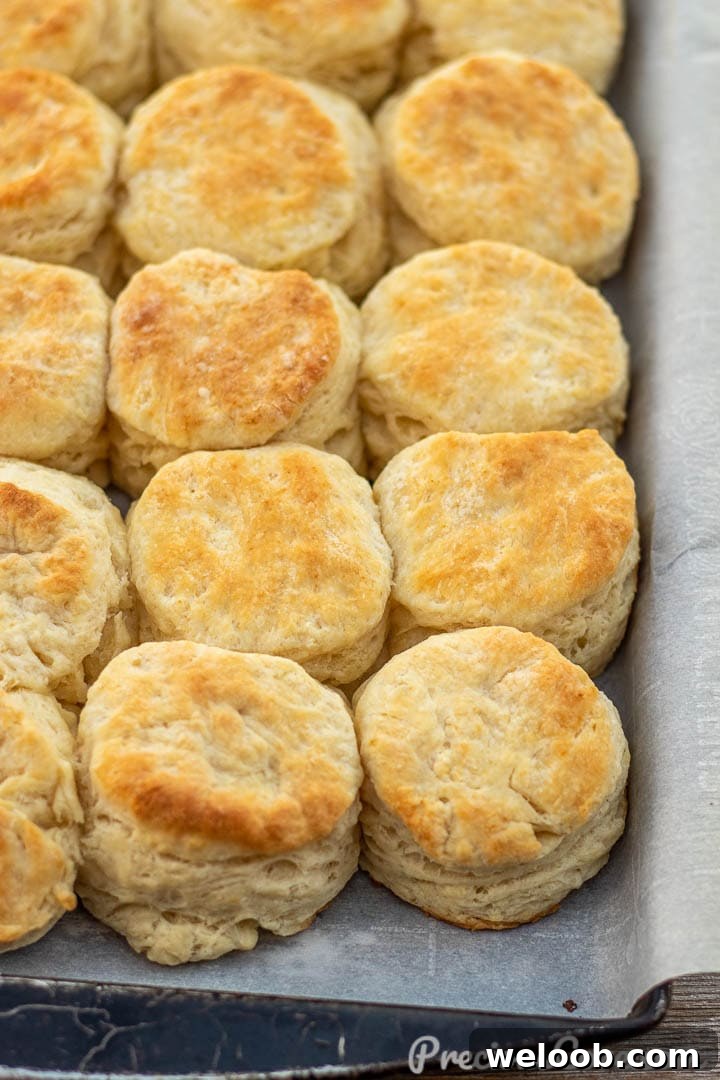
They’re quick and easy to make — ready in about 30 minutes — which makes them a great option for busy mornings or last-minute guests.
If you enjoy biscuits, try variations such as 3-ingredient biscuits or cream cheese biscuits for different textures and flavors.
Table of Contents
- Ingredients for Buttermilk Biscuits
- How To Make Homemade Buttermilk Biscuits
- Tips For The Perfect Homemade Biscuits
- Favorite Tools For Homemade Biscuits
- Buttermilk Biscuits Recipe
Ingredients for Buttermilk Biscuits
Basic ingredients you’ll need:
- Butter: Cold unsalted butter for richness and flakiness.
- Flour: All-purpose (plain) flour.
- Baking powder and baking soda: Leavening to help the biscuits rise.
- Salt: Enhances the flavor.
- Sugar: A small amount for balance, not sweetness.
- Buttermilk: The key ingredient for flavor, tenderness, and lift.
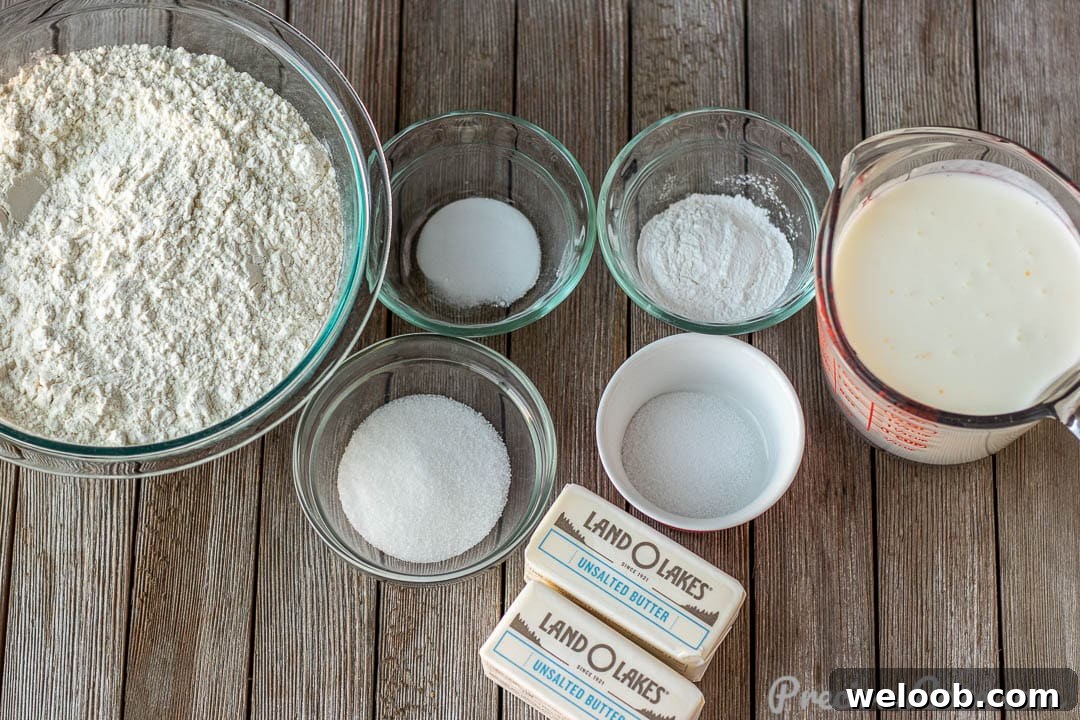
See the recipe card below for exact ingredient amounts and yields.
How To Make Homemade Buttermilk Biscuits
Follow these steps for tender, layered biscuits. Refer to the recipe card below for precise measurements.
1. Grate cold butter into a large mixing bowl using the coarse side of a box grater.
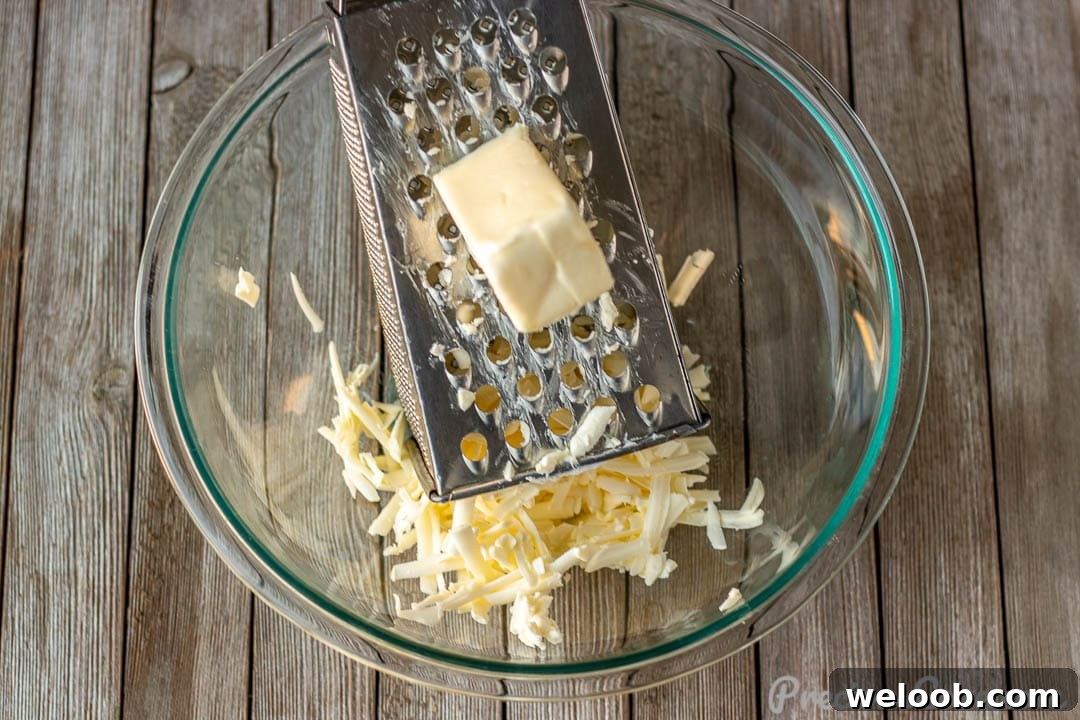
2. Add flour, baking powder, baking soda, salt, and sugar. Combine with your fingertips or a pastry cutter until the butter is incorporated and you can still see pea-sized pieces or shreds of butter.
3. Stir in cold buttermilk just until a soft dough forms. Avoid overmixing.
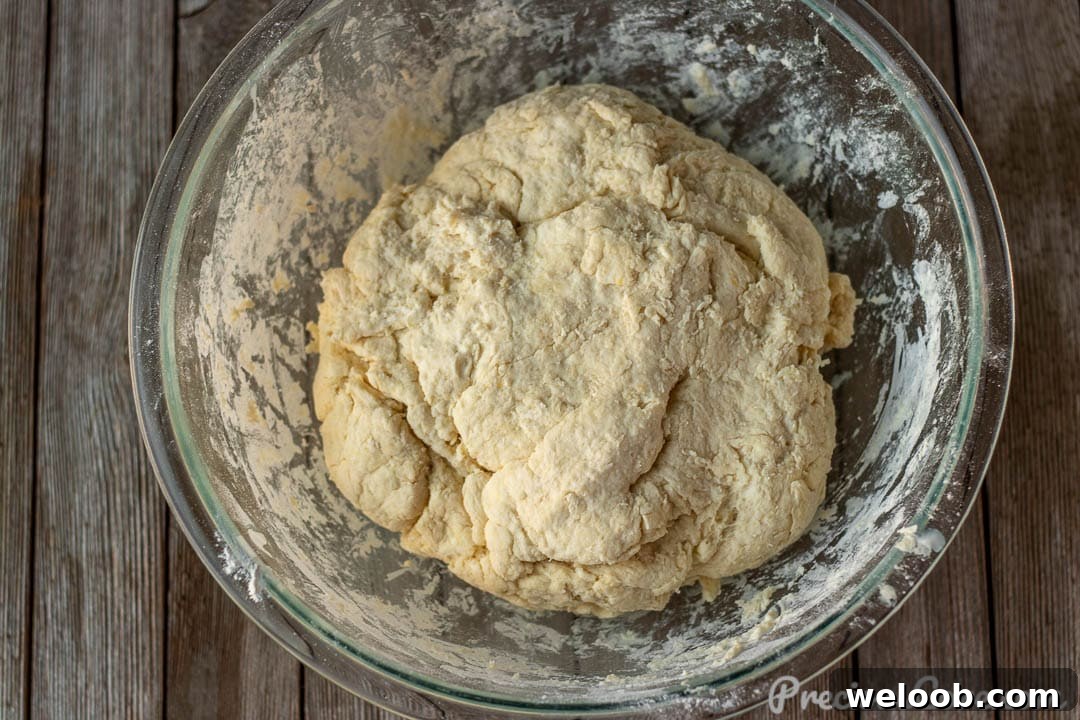
4. Turn the dough out onto a lightly floured surface. Press or roll it to about 1/2 inch thick, then fold it in thirds to create layers.
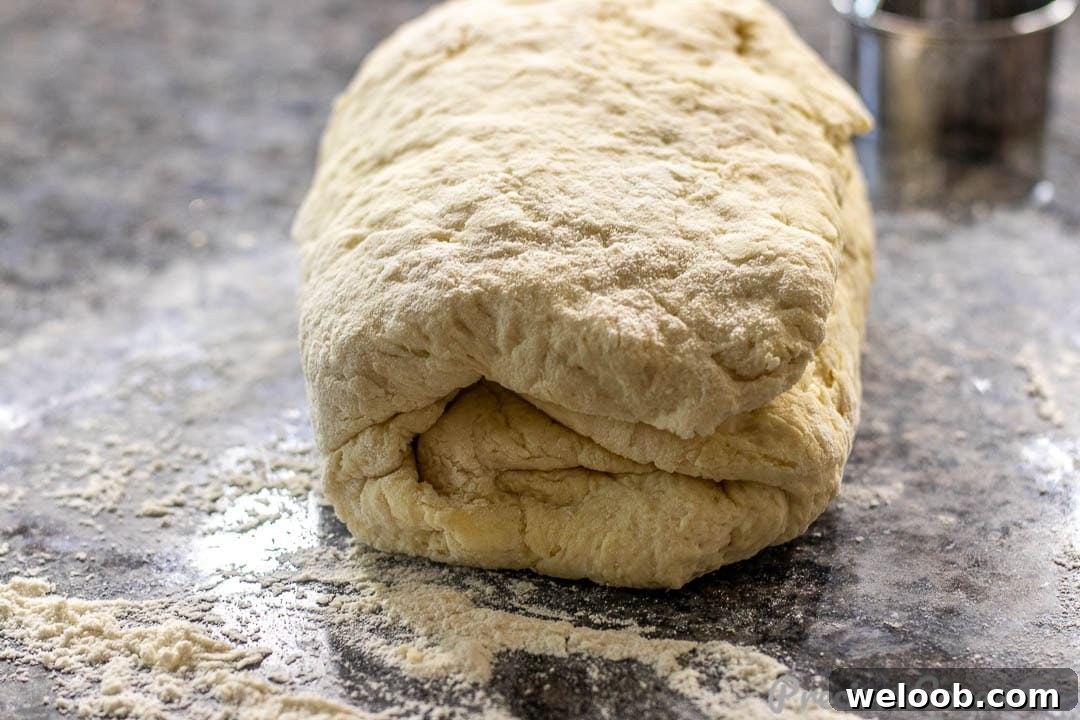
Repeat the rolling and folding two more times (three folds total). This builds the flaky layers.
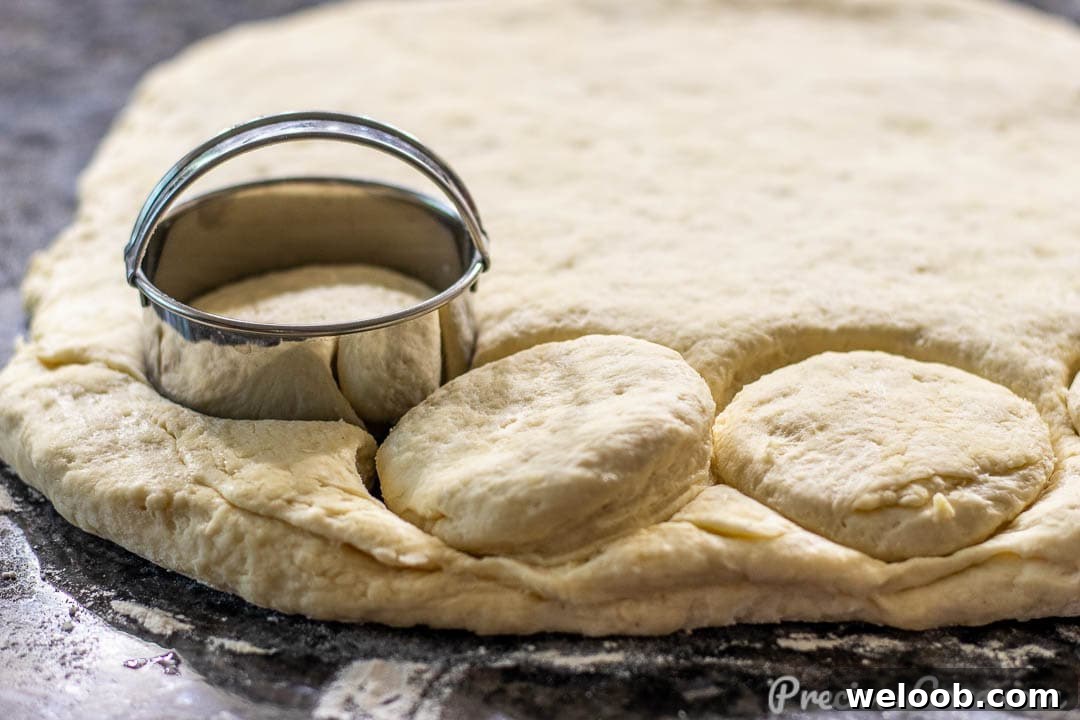
5. Roll the dough to 1/2 inch thickness and cut rounds using a 2.5-inch biscuit cutter or the rim of a glass. Press straight down without twisting the cutter.
6. Arrange biscuits on a parchment-lined baking sheet so the edges lightly touch — this encourages upward rise.
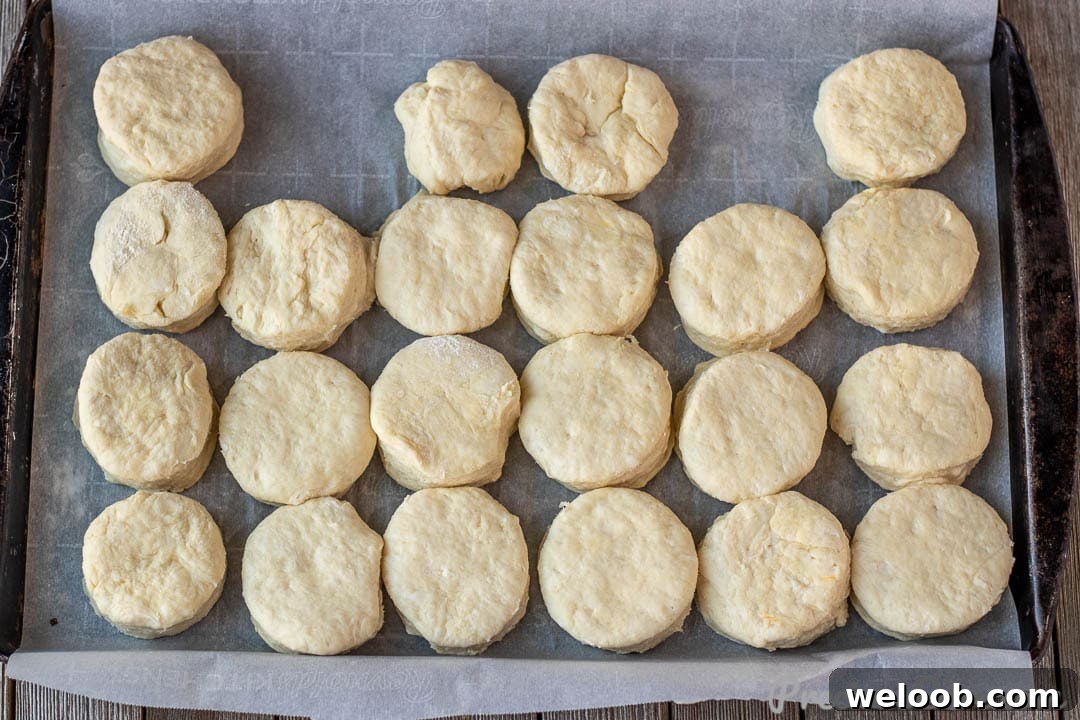
7. Bake in a preheated oven until golden brown on top. Remove and serve warm.
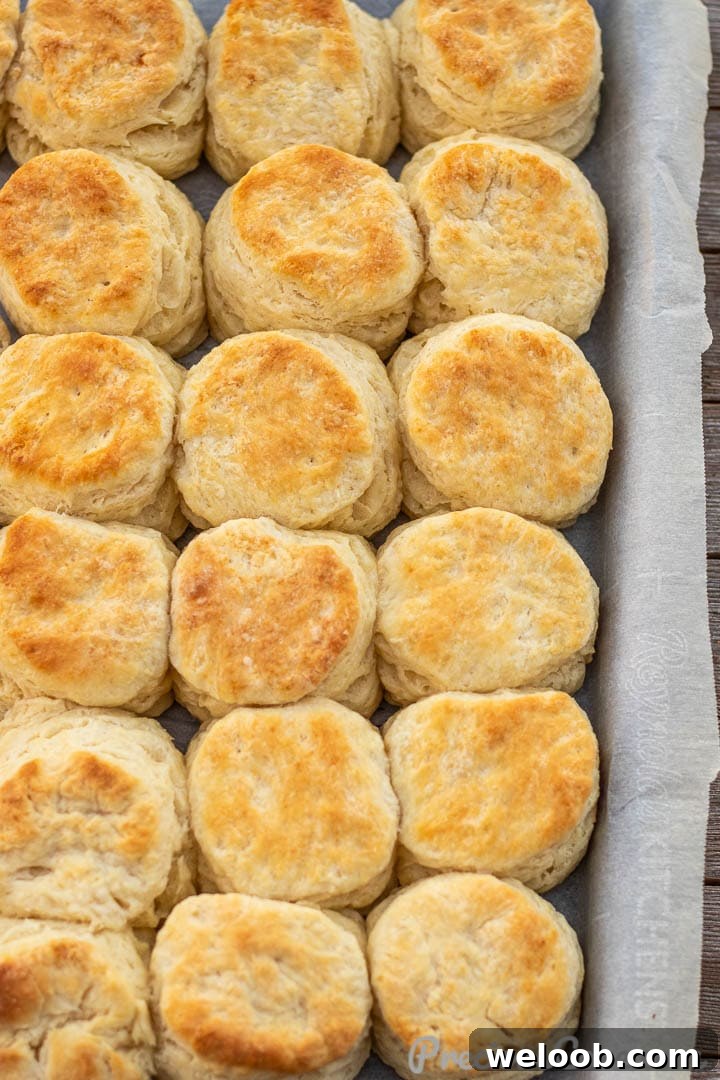
8. Enjoy as a side or split and spread with butter, jam, or preserves.
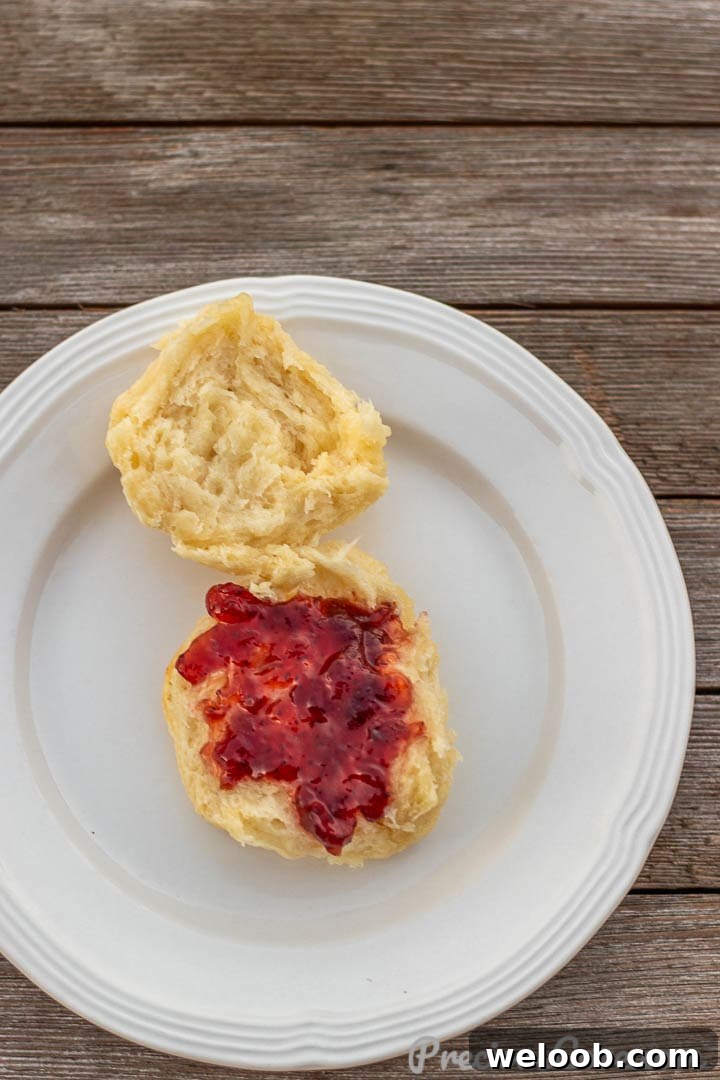
Tips For The Perfect Homemade Biscuits
- Grate the butter. Grated butter incorporates evenly and creates flaky pockets. Alternatively, pulse butter and flour briefly in a food processor until pea-sized pieces remain.
- Use short pulses with a food processor. Over-processing warms the butter and reduces flakiness. Aim for visible flakes or pea-sized pieces of butter.
- Keep ingredients cold. Cold butter and cold buttermilk help biscuits rise and create distinct layers. Only take them out of the refrigerator when you’re ready to use them.
- Use buttermilk. It tenderizes the dough and helps with lift. If you don’t have buttermilk, make a substitute by adding 1 tablespoon vinegar or lemon juice to enough milk to equal 1 cup; let it sit 5 minutes.
- Do not knead. Avoid kneading like bread dough; overworking develops gluten and makes biscuits tough.
- Don’t twist the cutter. Press straight down when cutting rounds. Twisting seals the edges and prevents proper rise.
- Let them touch. Place biscuits so they just touch on the baking sheet; this encourages higher, even rise.
- Storage and reheating. Store leftovers in an airtight container in the fridge. Reheat in a 300°F oven for about 15 minutes or microwave a biscuit for 30 seconds.
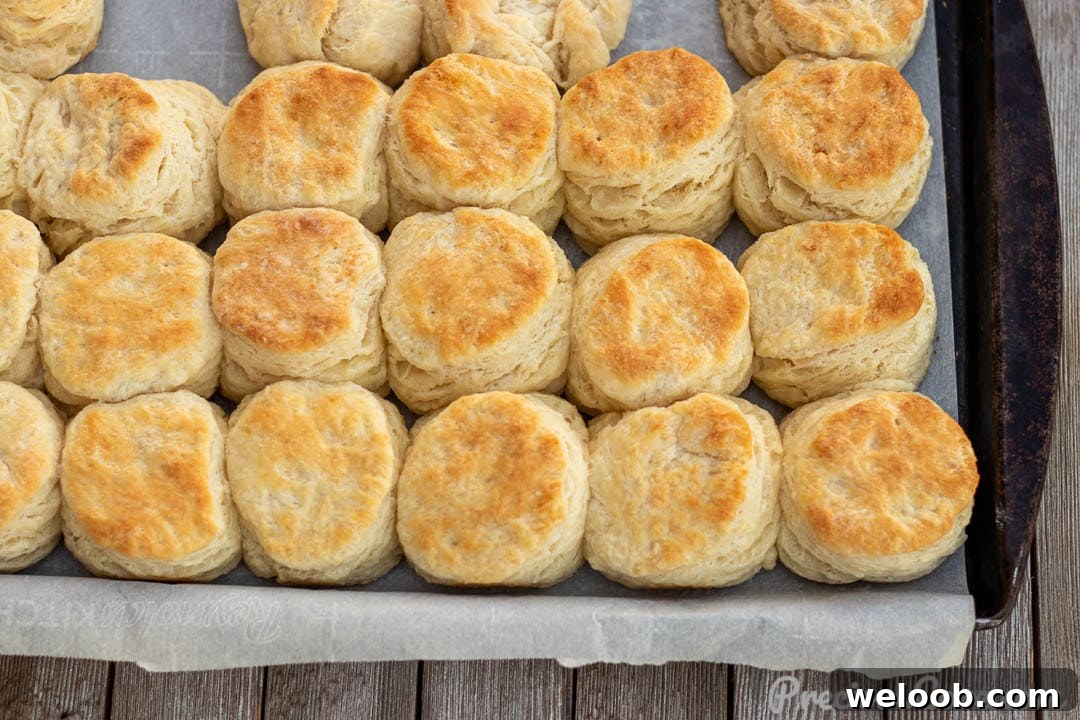
Favorite Tools For Homemade Biscuits
- 2.5-inch biscuit cutter (or a round cutter you prefer).
- Measuring cups and spoons set.
- Parchment paper for easy baking and cleanup.
If you make these biscuits please leave a rating in the recipe card below — feedback helps others and I love hearing from you. Thank you!
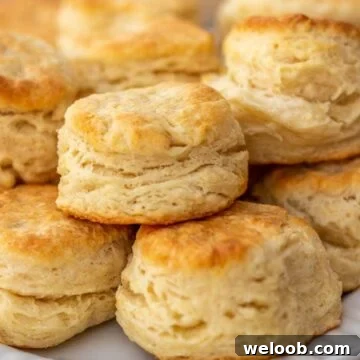
Buttermilk Biscuits
Ingredients
- 1 cup unsalted butter (226 grams), cold
- 4 cups flour (500 grams), plus more for work surface
- 4 teaspoons baking powder
- 1/2 teaspoon baking soda
- 1 teaspoon salt
- 2 tablespoons sugar
- 2 cups buttermilk (500 ml), cold
Instructions
- Preheat oven to 425°F. Line a large baking sheet with parchment paper.
- Grate cold butter into a large bowl.
- Add flour, baking powder, baking soda, salt, and sugar.
- Mix with fingertips or a pastry cutter until the butter remains in visible shreds or pea-sized pieces. Do not overmix.
- Add cold buttermilk and stir gently to form a soft dough. Transfer to a lightly floured surface.
- Create layers: Press or roll dough to 1/2 inch thick, fold in thirds, rotate, and repeat two more times (three folds total).
- Roll dough to 1/2 inch thickness.
- Cut circles with a 2.5-inch cutter or cup. Press straight down—do not twist the cutter.
- Place biscuits on the prepared tray so they lightly touch each other.
- Bake about 15 minutes until golden brown on top.
- Serve warm with butter or jam.
Notes
Do not knead: Overworking the dough makes biscuits tough.
Don’t twist the cutter: Twisting seals the edges and prevents rising.
Let the biscuits touch: Placing them close together helps them rise higher.
Nutrition
Additional Info
*This post contains affiliate links.