
Brodo di Carne, Italian meat broth, is a fundamental element in every Italian kitchen. Whether used for a simple bowl of soup or as the base for risotto, pasta, and other comforting dishes, a well-made brodo di carne elevates even the humblest recipes.
Brodo di carne is the foundation for many classic preparations: tortellini in brodo, riso or pastina in brodo, and regional favourites like canederli in brodo. It also adds depth to risottos, sauces, pasta dishes and casseroles, enriching flavours without overwhelming them.
Making brodo is a soothing, straightforward process. A large pot simmering gently fills the house with a warm, nostalgic aroma and yields a versatile pot of liquid gold that can be turned into nourishing meals for the family.
Below you’ll find the full recipe, ingredient notes, tips and suggested uses. Enjoy!
Ingredients
Ingredient notes and substitutions
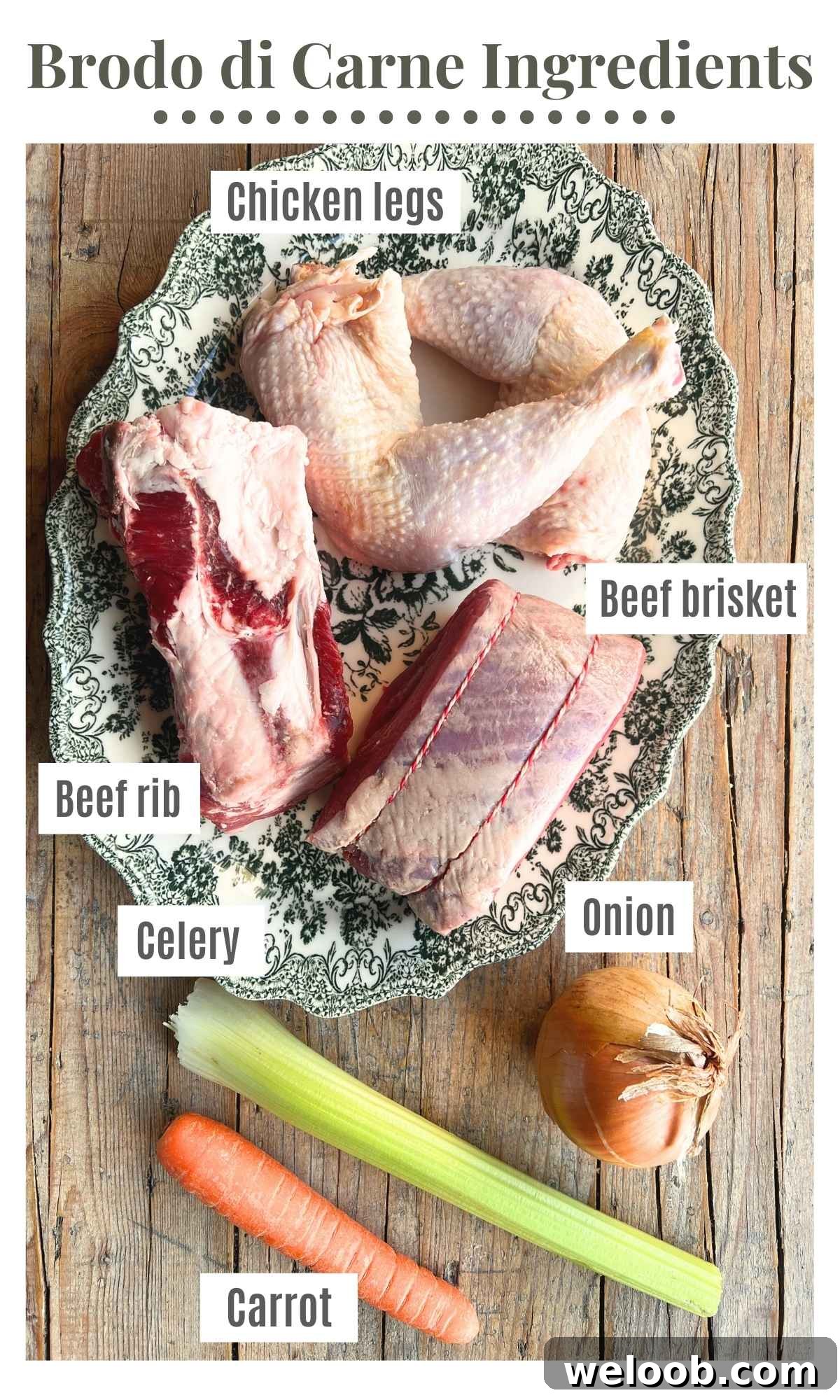
- Meat – Traditional brodo di carne uses a combination of chicken and beef or veal. For the richest flavour, include bones (veal, beef rib, marrow or shank).
- Vegetables – Keep it simple: carrot, celery and onion are standard. Some cooks add 1–2 whole tomatoes for a slightly different note, though that’s optional.
- Salt – Salt enhances the flavour. Add it once the broth reaches a simmer and adjust to taste.
Ways to use the meat once cooked
After cooking, remove the meat from the broth and set it aside. Allow the broth to cool completely so you can easily skim off the fat that rises to the surface.
The chicken will be tender and can be served with vegetables, shredded into salads, added to soups, or used in sandwiches. The beef is equally versatile—slice or shred it and use it in pasta, stews, salads or sandwiches.
The cooked vegetables are edible and flavourful, but you can discard them if you prefer a clearer broth.
Important tips to remember
- Always add cold water – cover the meat and vegetables with cold water. Starting with hot water can cloud the broth and affect the final flavour.
- Keep it simple – classic brodo di carne is fuss-free. If you want extra aroma for special dishes, add bay leaf, rosemary, or a clove or two.
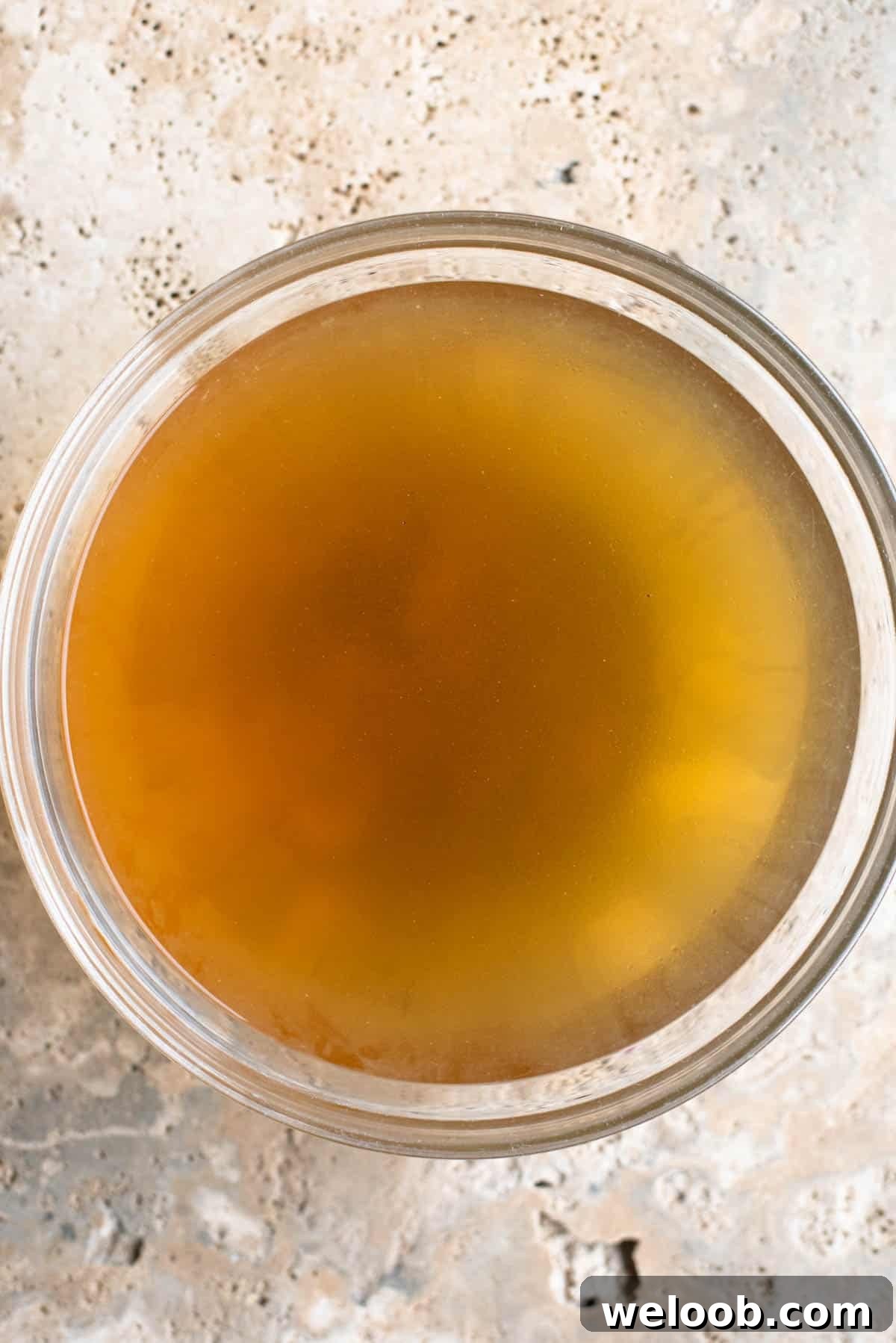
- Strain for clarity – after removing fat, strain the broth through a sieve. For an extra-clear stock, strain again using cheesecloth.
Ways to use your brodo
Soups
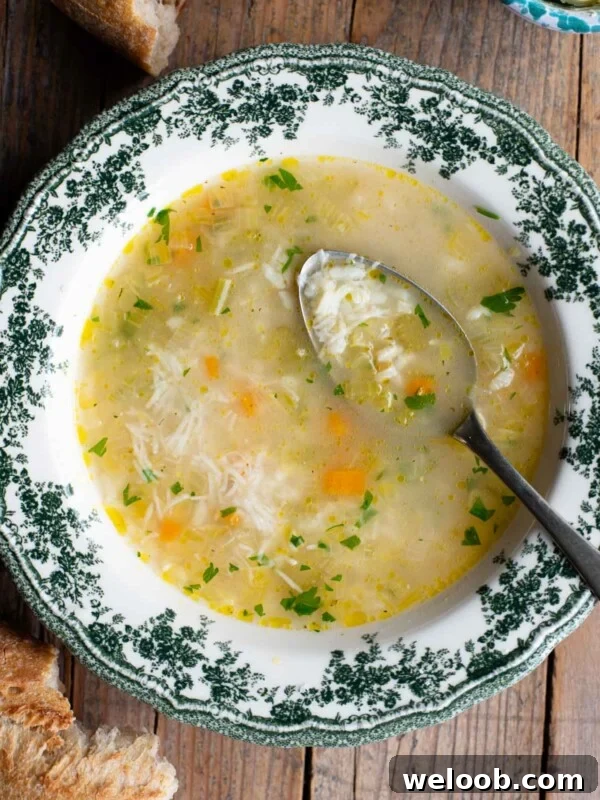
Minestra di Riso (Italian Rice Soup)
Soups
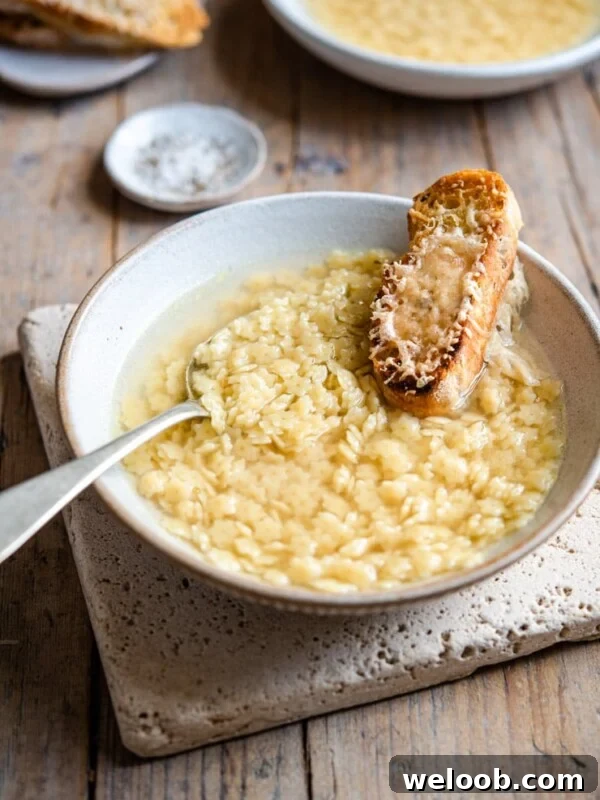
Pastina Soup (Italian Chicken Noodle Soup)

Mains
Zuppa alla Valpellinese (Cheese and Cabbage Casserole)

Soups
Butternut Squash Pasta Soup with Crispy Pancetta
If you try this Brodo di Carne recipe, please rate it and share your experience in the comments — I love hearing from readers. You can also follow the blog on social media or sign up for the newsletter to receive more recipes and tips.
Step By Step Photos Above
Most of our recipes include step-by-step photos, helpful tips and tricks to help you succeed the first time.
Brodo di Carne (Italian Meat Broth)
By Emily
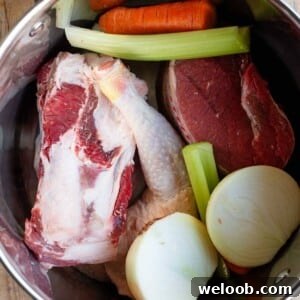
Ingredients
- 2 chicken legs (550g / about 1 ¼ pounds)
- 700 g (1.5 lbs) beef brisket
- 500 g (1 lb) beef with bone (such as beef rib)
- 1 carrot, washed and trimmed
- 1 celery stalk, washed and cut in half
- 1 onion, cut in half (skin optional)
- 3.5 litres cold water (3 quarts)
- 3 teaspoons sea salt flakes
Instructions
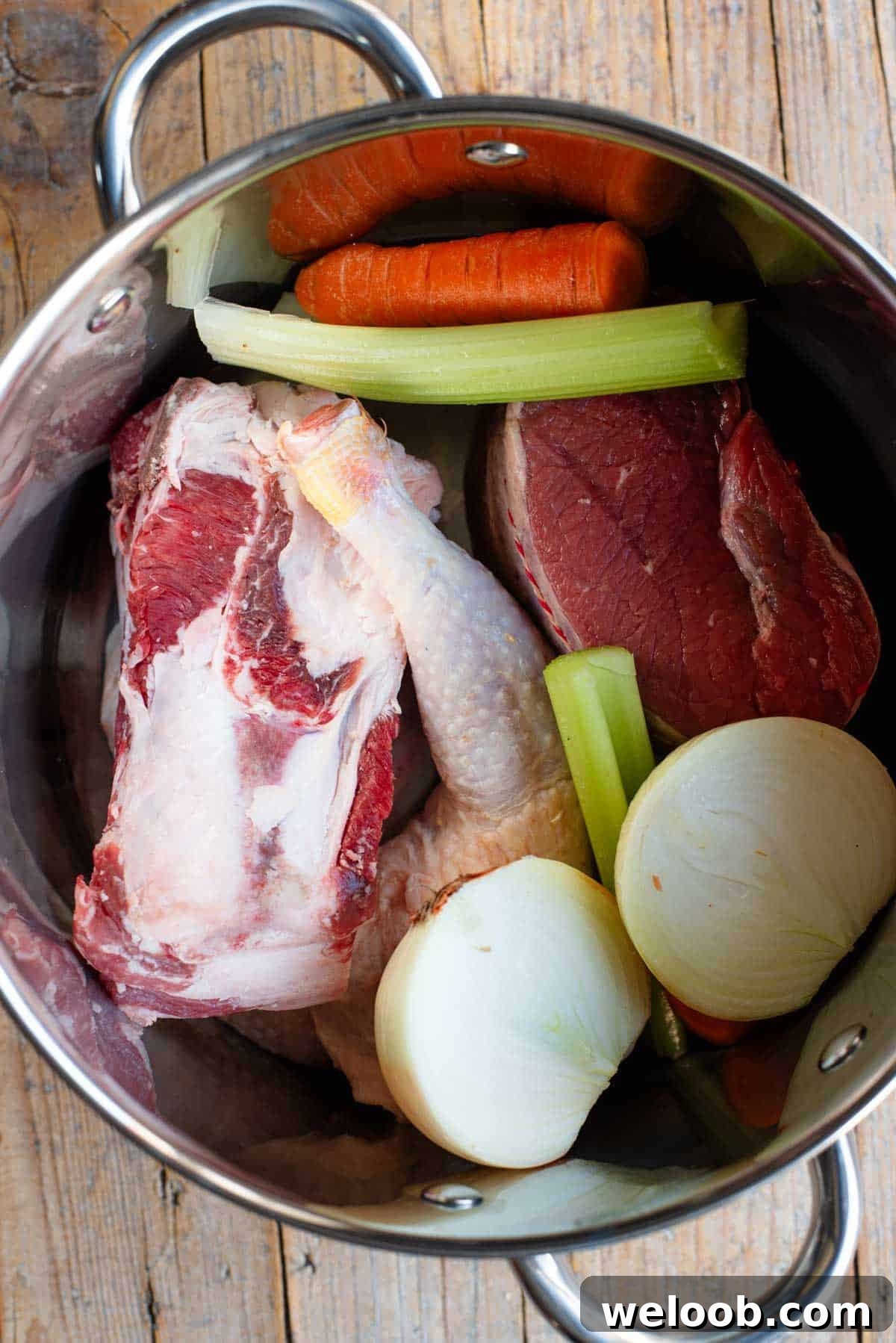
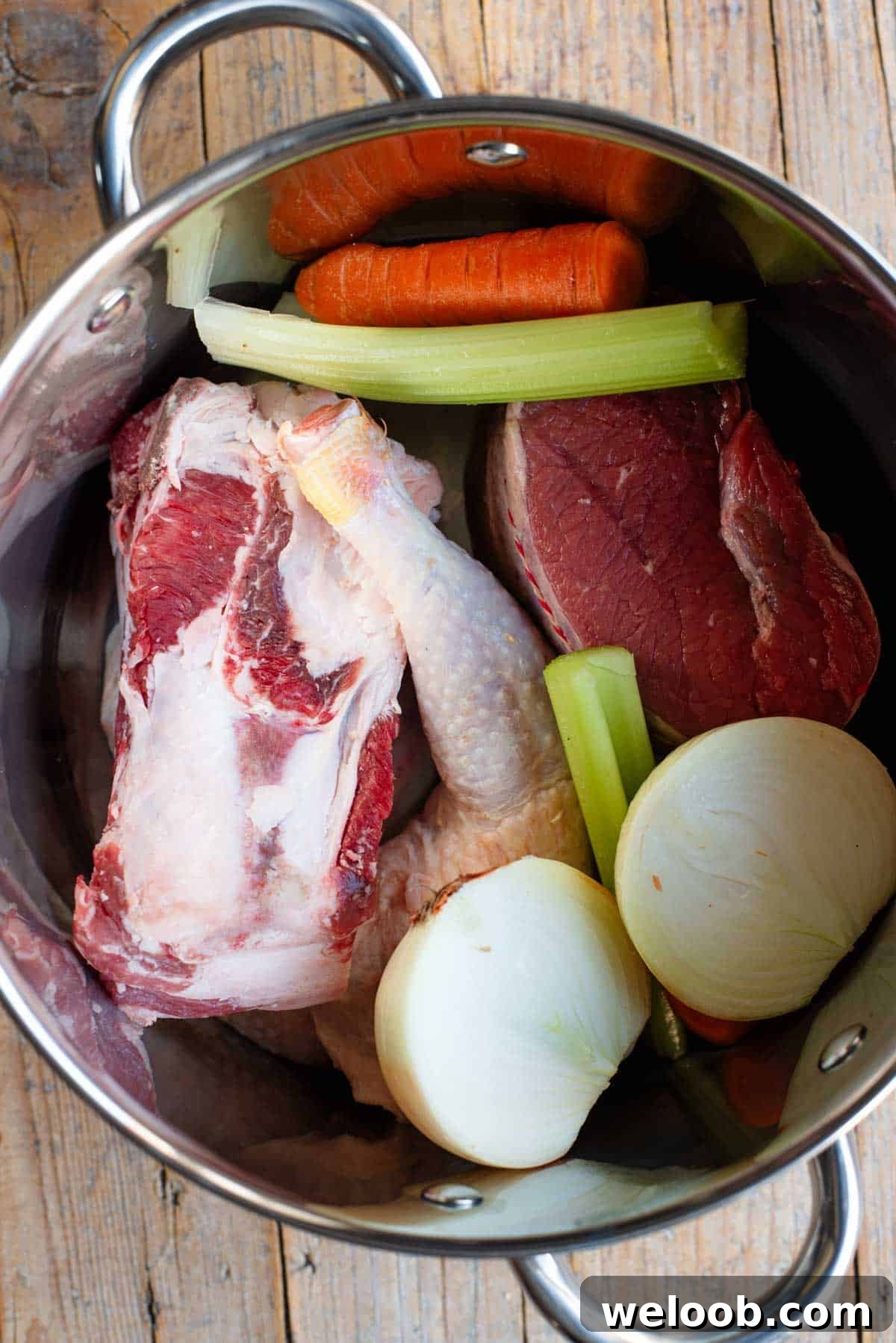
- Place the meat and vegetables in a large stock pot and cover with cold water, ensuring everything is submerged.
- Bring to a simmer over high heat, then add the salt. Reduce to medium or medium-low so the broth gently simmers — avoid a rolling boil to keep the liquid clear.
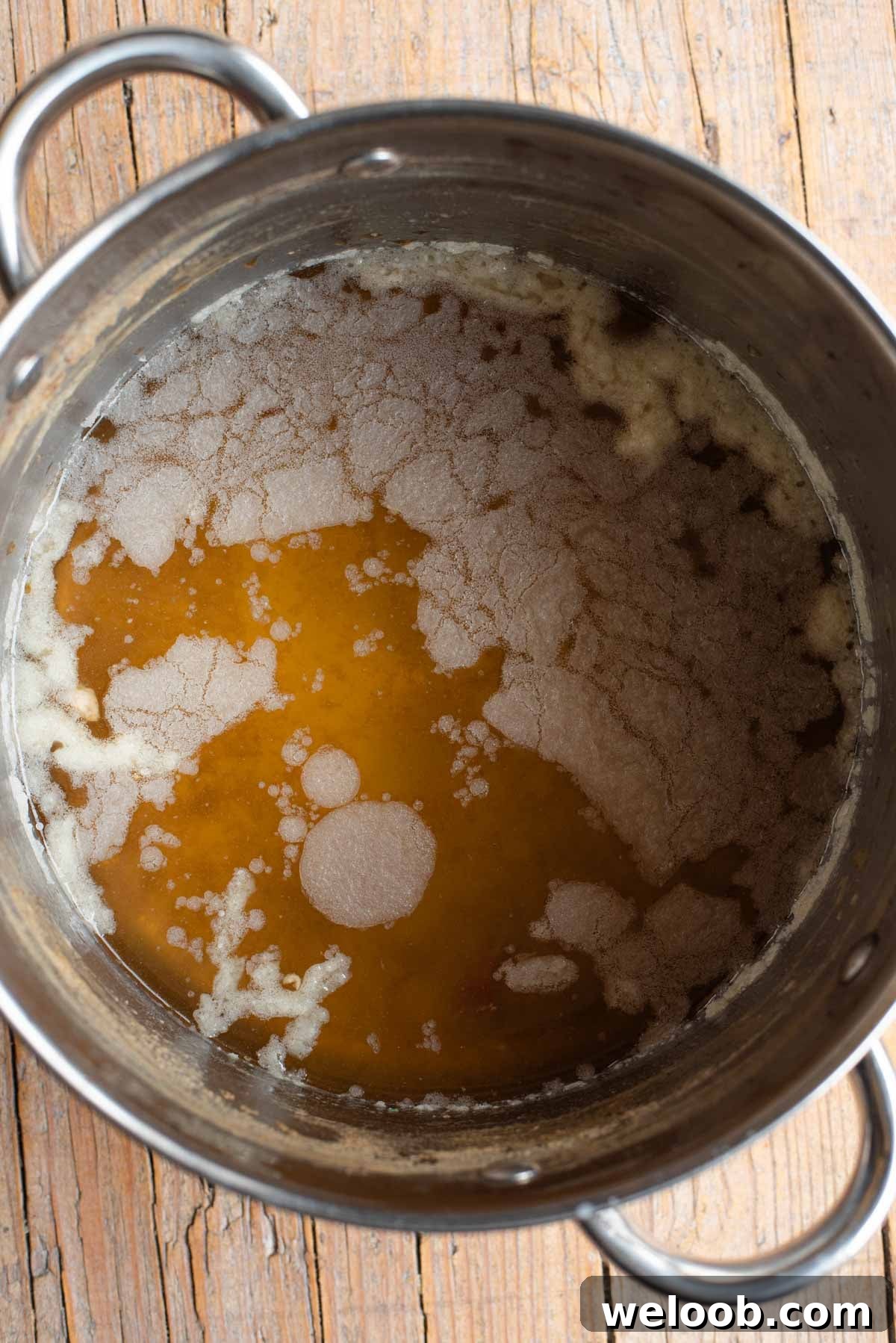
- Skim off any scum that appears on the surface during the initial simmering; this normally only happens early in the cooking.
- Simmer uncovered for 3 hours. Turn off the heat and remove the meat and vegetables. Reserve the meat for other uses or serve as desired; discard or keep the vegetables.
- Let the broth cool completely in the refrigerator. A layer of fat will form on top and can be removed with a spoon.
- Store the broth in the fridge for 2–3 days or freeze in containers or bags for up to 3 months.
Notes
- Meat – Use any mix of chicken, beef and veal you prefer. Adding extra beef cuts or bones deepens the beef flavour. Bones are highly recommended for body and richness.
- Skim the fat – If you need to use the broth immediately, you can skip skimming; the extra fat gives a richer mouthfeel.
- Strain for clarity – After de-fatting, strain through a sieve and, if desired, through cheesecloth for a very clear broth.
- Uses for cooked meat – Serve with vegetables, shred into salads and sandwiches, or add to soups and pasta.
- Nutritional values refer to the full batch including the meat and are approximate.
Helpful Info for All Recipes
- I use extra-virgin olive oil unless stated otherwise.
- All vegetables are medium unless noted.
- Recipes are tested using a fan (convection) oven when applicable.
- Nutrition information is automatically calculated and should be used as an approximation.
Nutrition
Carbohydrates: 14 g |
Protein: 206 g |
Fat: 107 g
Nutrition information is automatically calculated and should be used as an approximation.
Leave a comment below!